One solo canoe from this little Minnesota shop weighs about 24 pounds in its lightest build. That’s lighter than plenty of carry-on suitcases, and it still hauls camping gear.
The boats come off a rural road, not out of some giant factory. Builders here finish ultralight hulls with warm wood trim, and some owners have even scored a peek at the shop floor.
I like how a place this low-key ended up shipping canoes to paddlers in Canada and New York. That’s a lot of reach for a building surrounded by Minnesota fields.
I can’t imagine a better kind of Minnesota bragging right than this. A world-class boat, shaped by hand, sitting quietly off a country road.
So who’s actually building these beauties, and how close can you get?
A Country Road Workshop Making Canoes Paddlers Chase Across Borders
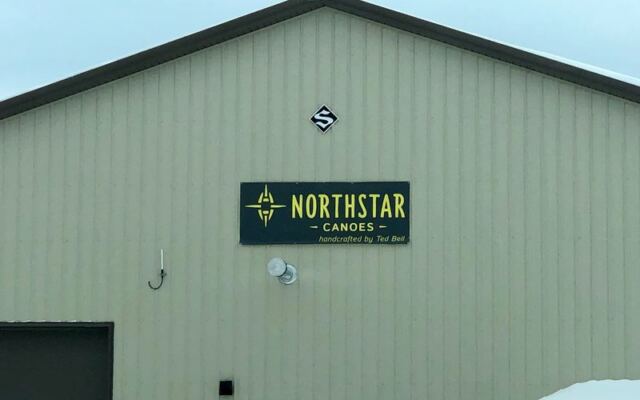
Out in the farm country of central Minnesota, a modest manufacturer quietly builds canoes that paddlers plan whole trips around. Northstar Canoes is the name, and its home base sits outside Princeton.
Don’t expect a showroom with flashing signs. The place is a working shop, listed simply as a manufacturer, where hulls get laid up and finished.
So what exactly comes out the door? Lightweight touring canoes, mostly built from modern materials like Kevlar and carbon, then dressed up with handsome wood details.
That mix matters for anyone who has carried a boat over a long portage. You get a hull that’s tough and light, plus the classic look that makes people stop and stare at the landing.
Here’s the fun part for Minnesotans. The canoes travel far beyond state lines, landing with outfitters and retailers in places like upstate New York, Illinois, and Canada.
Meanwhile, the people building them work from a quiet stretch of rural road. A little shop, a big reputation, and a whole lot of state pride riding on every hull that leaves.
The Ted Bell Legacy Behind Every Hull
Ask longtime paddlers about Northstar, and one name tends to come up fast. Ted Bell, the company’s owner, carries serious history in the canoe world.
Some Northstar models even trace back to his earlier boats. The Polaris, for example, was once known as the Bell Northstar, a performance all-arounder.
That lineage explains a lot. Paddlers who wore out older Bell canoes have come to Northstar looking for familiar designs built fresh.
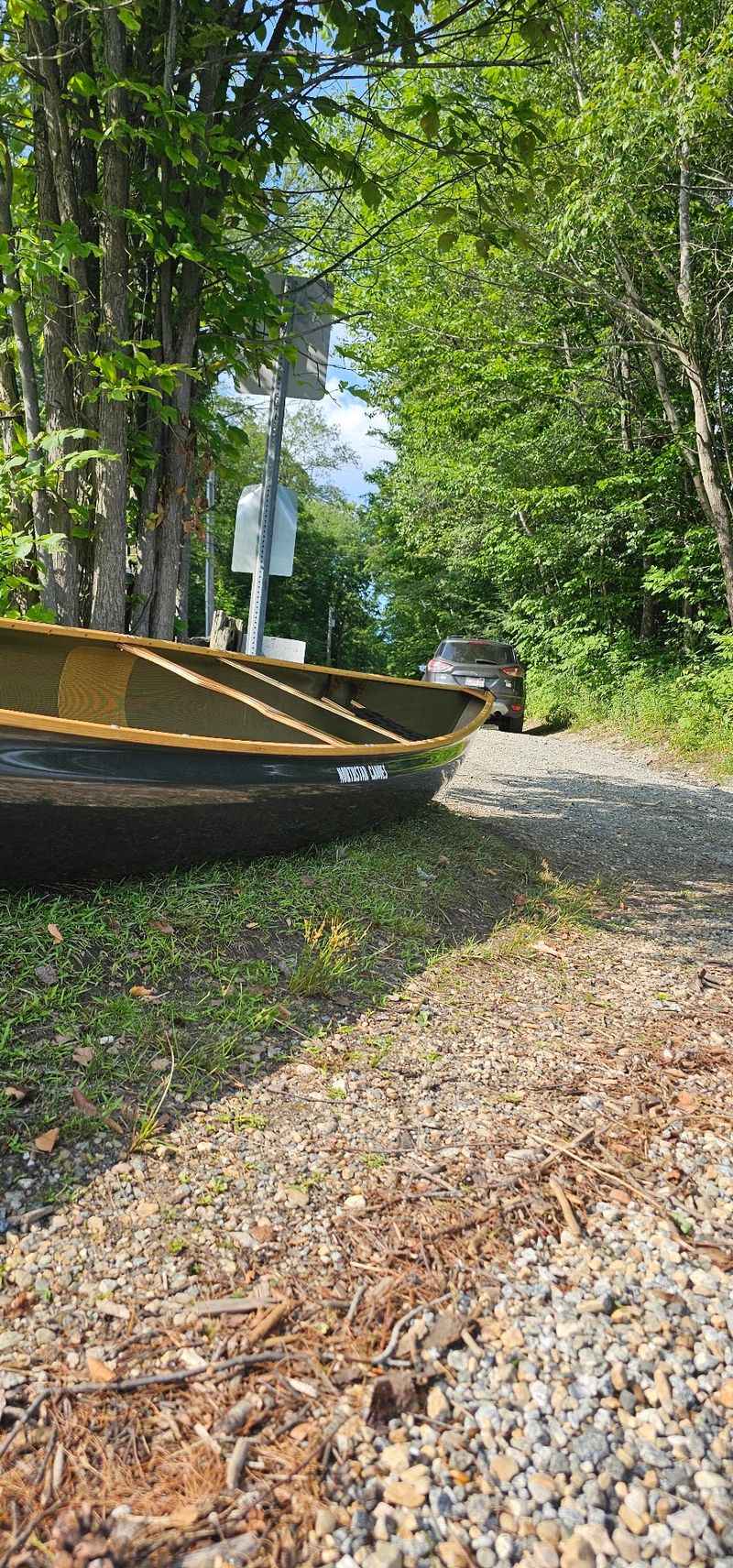
The Magic is a good example. It’s a solo boat with a devoted following, and the Northstar version can come with wood gunwales without packing on extra pounds.
Owner involvement shows up in practical ways too. When a Northshore 20 developed a crack, the owner reportedly called and fixed it at no charge after the build method had changed.
I believe that kind of attitude is pure old-school Minnesota. You stand behind your work, you keep your word, and you don’t make a fuss about it.
It’s the type of tradition that never shows up on a spec sheet. Yet it might be the most valuable feature on the boat.
Wood Trim That Turns Heads at Every Landing
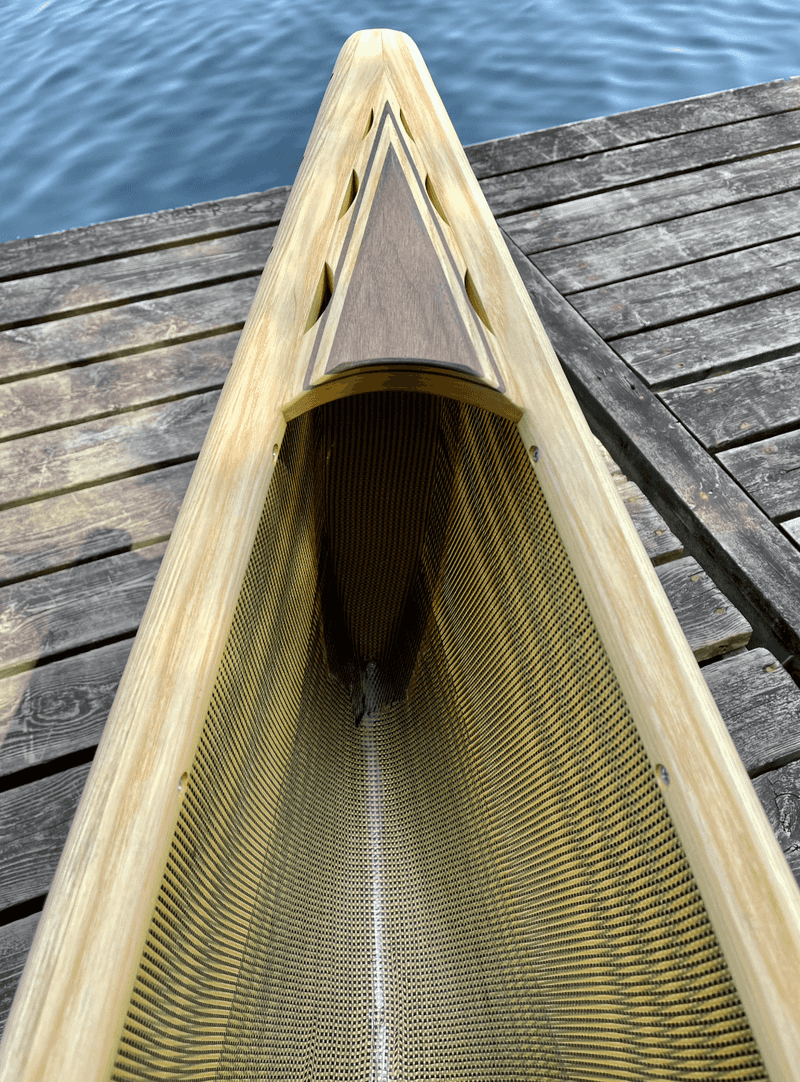
Let’s clear something up about that word wooden. Northstar hulls are composite, but the woodwork is where the old-time charm lives.
Gunwales, thwarts, and yokes can come in wood, and the finish work gets plenty of attention. Owners of the big Northwind 20 have praised how the woodwork adds warmth to an ultralight Kevlar boat.
Those details serve a purpose beyond looks. Wood seats and thwarts mean no aluminum tubes posing as hardware, which plenty of traditional paddlers appreciate.
Prefer something tougher for rough trips? Aluminum gunwales are an option too, so buyers can match trim to how hard they paddle.
The result tends to draw a crowd. Owners mention strangers paddling over or pulling up by car just to check the boat out.
Good luck getting your shore lunch started quickly. When your canoe looks like furniture that floats, folks want to talk about it first.
Honestly, that’s half the joy of owning one. It’s a conversation starter that also happens to cross big lakes beautifully.
Layups With Names Like Blacklite and Starlight
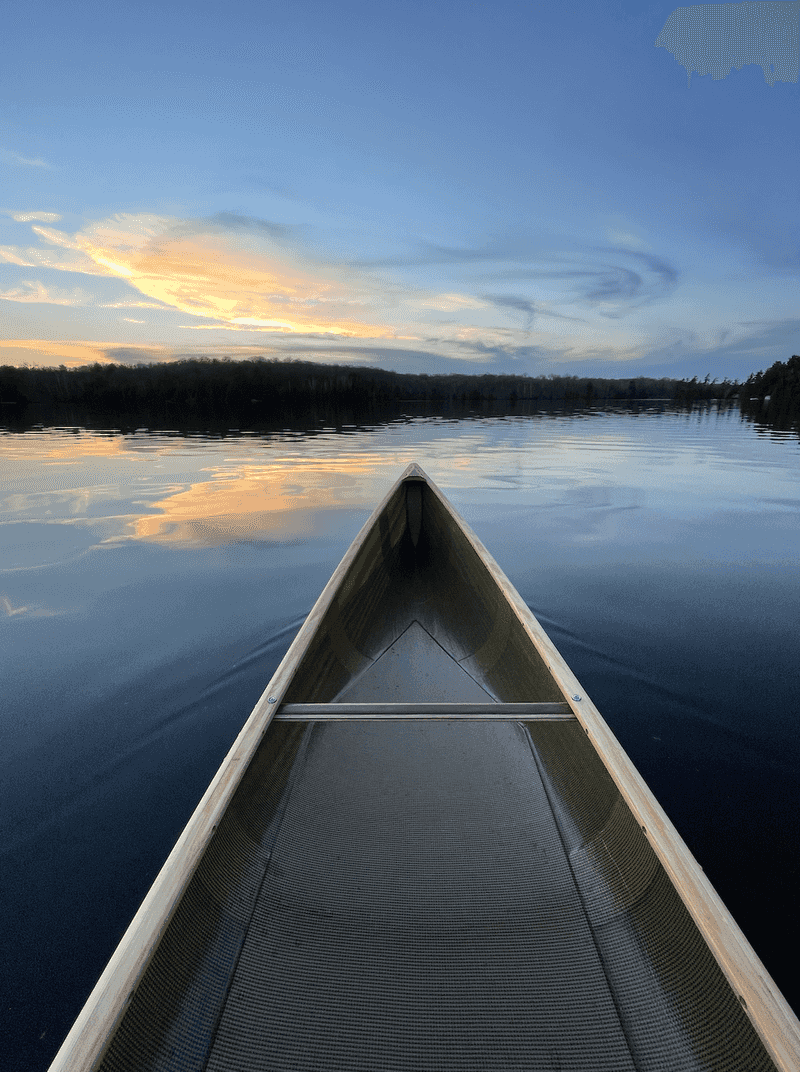
Blacklite, Starlight, IXP, Kevlar with carbon. The material list reads a bit like a space mission, and that’s no accident.
Each layup balances weight, stiffness, and toughness a little differently. Buyers pick the one that fits their paddling, whether that’s fishing trips, day outings, or weeks in the backcountry.
The featherweight end gets wild. A solo Trillium built in Kevlar and carbon can come in around 24 pounds, which is easy to lift onto a car rack alone.
Bigger boats stay surprisingly light too. A Northwind 20 tandem has been noted at roughly 51 pounds, a lot of canoe for that weight.
There’s also attention to moving water. Northstar offers a layup designed with whitewater use in mind, paired with river-ready boats like the Phoenix.
Why does all this matter to a Minnesotan? Because portages in the Boundary Waters don’t care about your excuses.
Lighter boats simply mean happier shoulders and more miles covered before camp.
The Northwind Family, From 16 Feet to 20
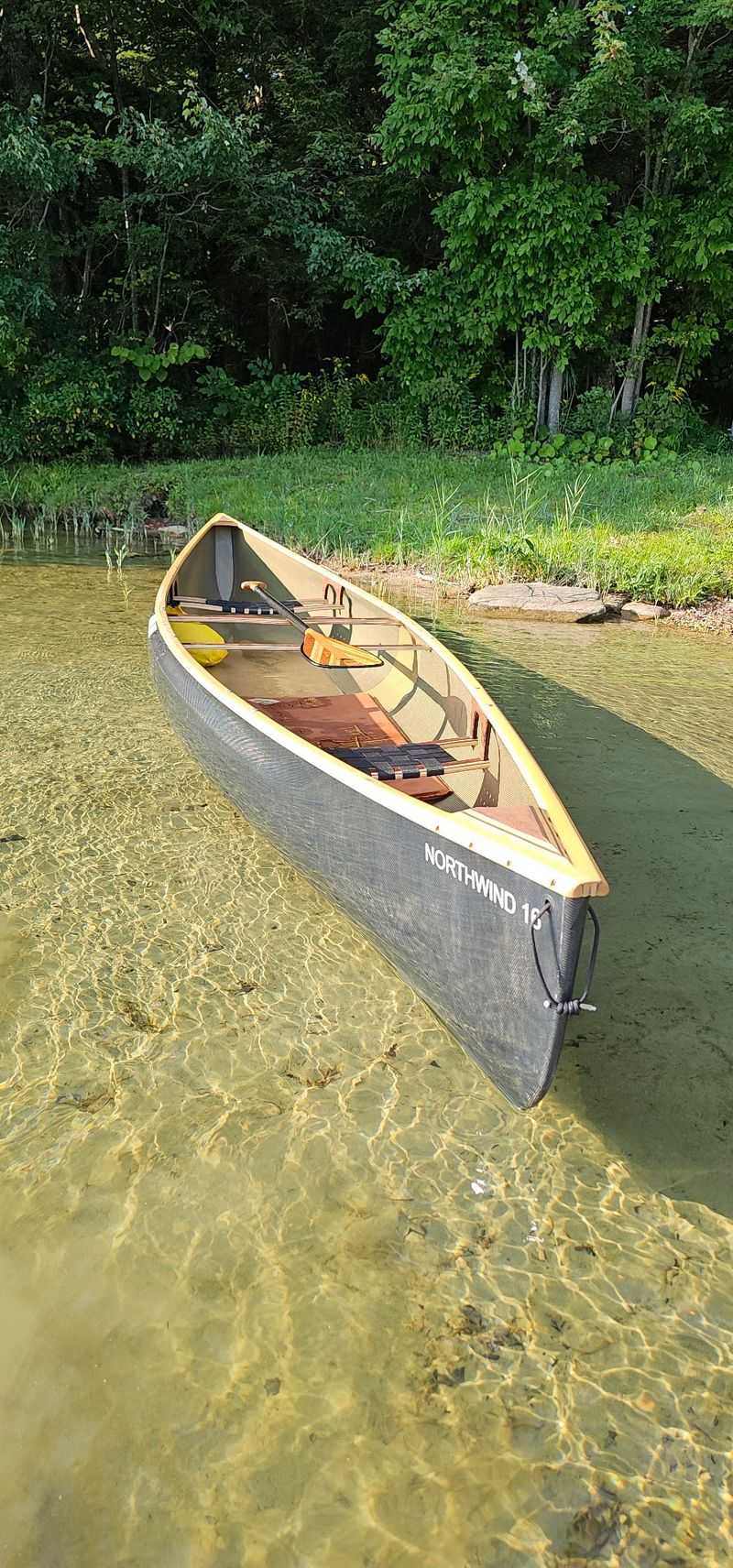
If Northstar has a headliner, it’s probably the Northwind line. Sizes run 16, 17, 18, and 20 feet, plus a solo version.
The Northwind 17 earns plenty of love as a tripping workhorse. It’s been loaded with two large paddlers, a week of gear, and a big cooler, and still felt steady.
Some paddlers even say it gets more stable when packed down. That’s a nice trait when your canoe is basically a moving campsite.
The Northwind 18 has gone custom in carbon Kevlar with three seats. Its fans praise the speed, the light weight, and stability that beats many ultralight rivals.
And the 20? It’s a rare size that handles families, big expeditions, and choppy water.
It tends to ride up over waves rather than knifing through them.
Beginners aren’t left out either. The Northwind 16 has a reputation for treating novices and seasoned paddlers equally well.
Think of the line as a sweet spot between quickness and steadiness. Pick your length, then go chase the horizon.
Solo Boats for Paddlers Who Like Their Own Company
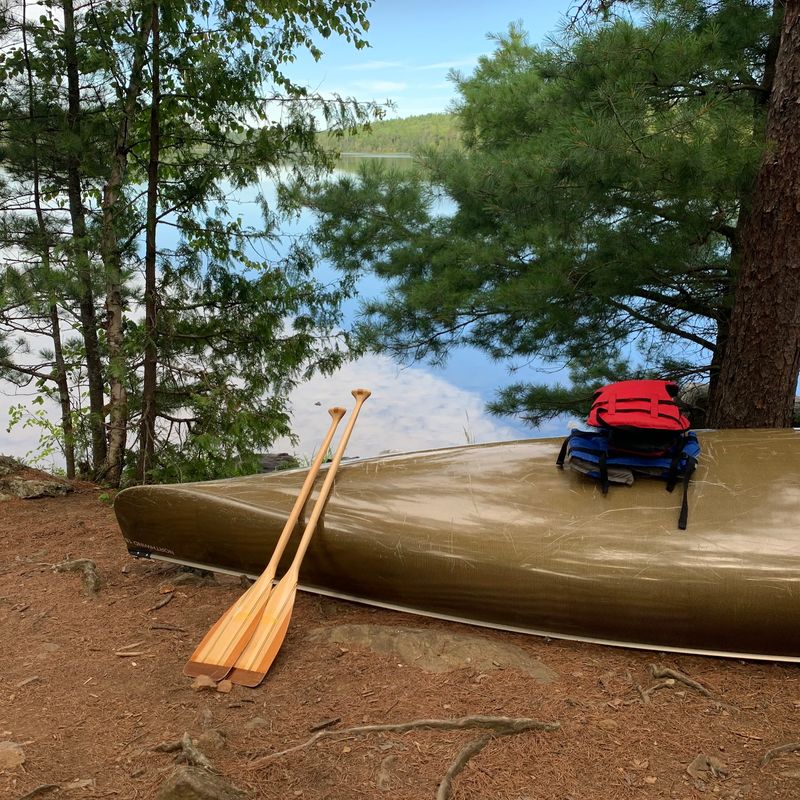
Paddling alone changes everything about a canoe. Northstar clearly gets that, because its solo lineup is deep.
The Magic is the speedy one. It can keep pace with faster tandems, and flared sides help it handle rough water that keeps others on shore.
Then there’s the Phoenix, built for rivers. It can manage class two whitewater, and shifting weight forward lets the stern swing around quickly.
Want something light enough to carry with one arm? The Trillium fits that bill, especially with a carbon yoke and kneeling drop.
Anglers have their own favorites. The Northwind Solo shows up often with fishermen, who find it easier to fish from than many aluminum boats.
Also worth a look is the B16 in Starlight. It’s pitched toward light weight and versatility for fishing and day trips.
That’s a lot of choice for one person and one paddle. Solo trippers in Minnesota can basically pick a personality, then match a boat to it.
Custom Touches, From Kneeling Thwarts to Center Seats
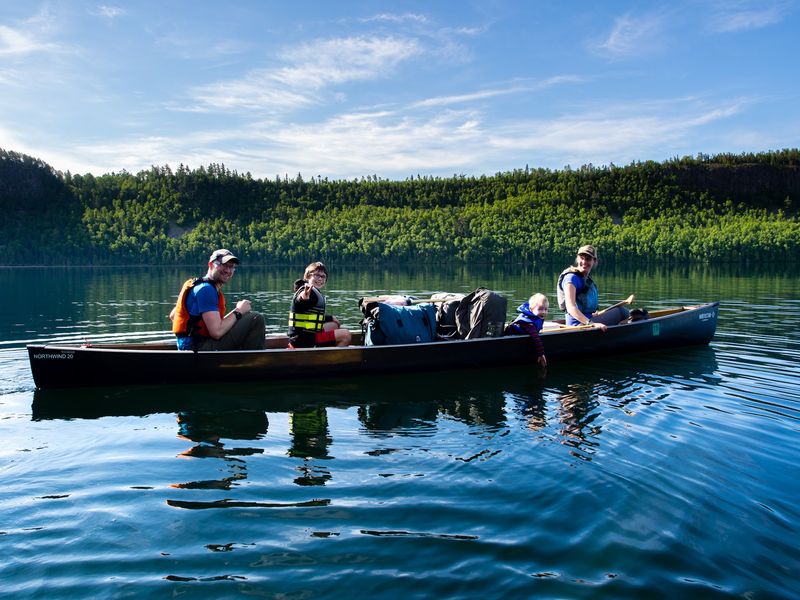
Few canoes leave the shop exactly alike. Buyers often tweak the outfitting to fit how they paddle.
Kneeling thwarts are a popular add-on. So are kneeling drops on solo seats, which suit paddlers who like to settle low for control.
Families and big trip crews sometimes add a center seat. Northstar sells factory seats separately, so they can be installed later too.
Foot braces, carbon yokes, and different gunwale materials round out the options. Small choices, but they shape the whole feel of the boat.
Already own an older canoe? The accessory side ships replacement thwarts and yokes, and orders have arrived quickly for customers.
One fun touch stands out. When a Christmas seat order went on back order, the team reportedly sent a T-shirt as a thank-you.
That’s the kind of small-shop kindness big brands rarely bother with. It feels very Minnesota, like a neighbor dropping off bars just because.
Customization here isn’t about flash. It’s about building a boat that fits your body and your trips for many years.
Shop Tours and Repair Help With a Personal Touch
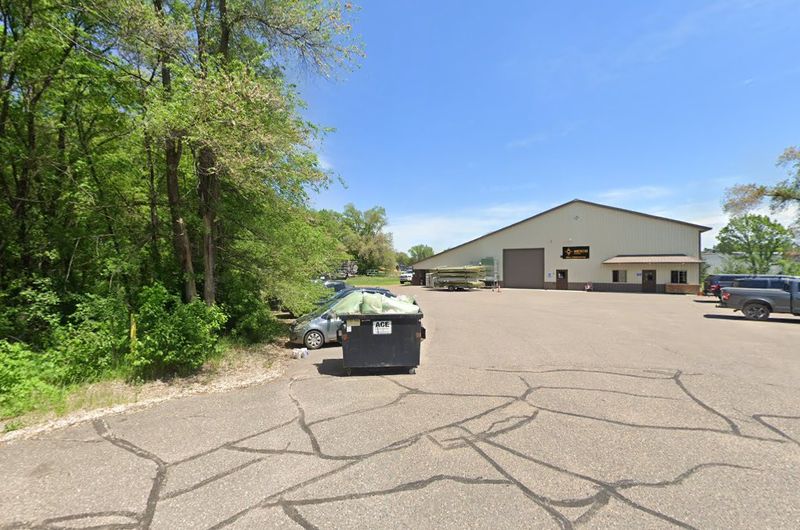
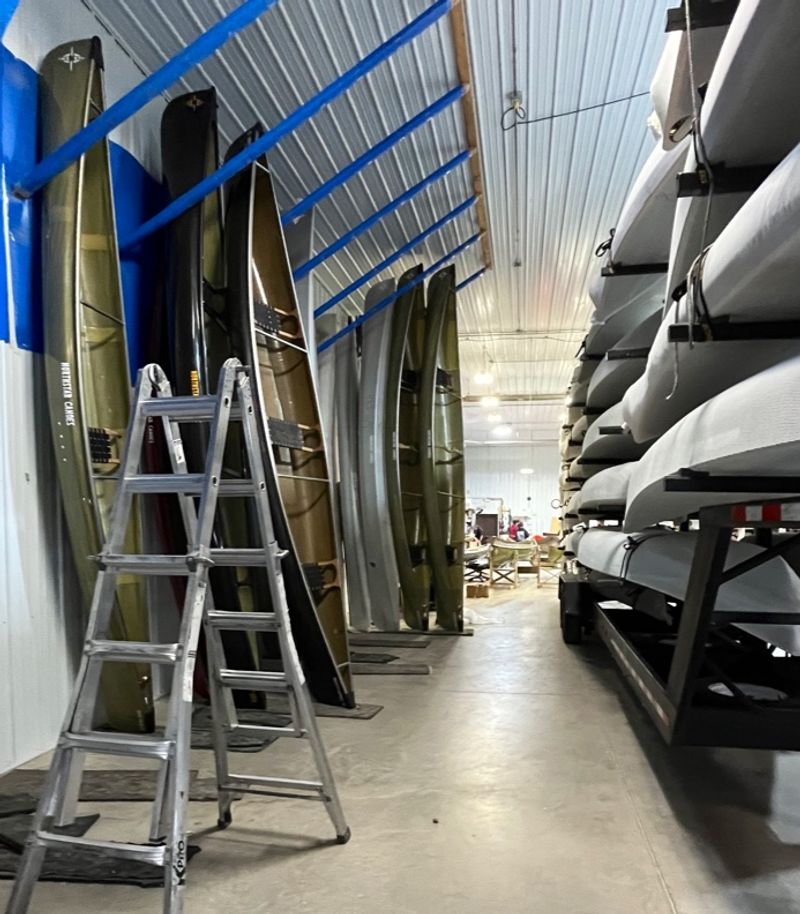
Most manufacturers keep the public far from the shop floor. At Northstar Canoes, at least some owners have gotten a look inside.
One paddler brought older Northwind canoes in for repair and refinish advice. The crew walked through the process step by step, supplied materials, and added a bonus tour.
That’s a pretty rare treat. Seeing hulls in progress gives you real respect for the handwork behind each boat.
Tours don’t appear to be a scheduled attraction, though. Treat any peek inside as a possible bonus, not a guaranteed show.
The phone side gets praise too. Staff typically take time to answer questions about canoe care, outfitting, and modifications.
Deliveries can get personal as well. One buyer met a company representative along a delivery route to pick up a new boat.
I like how that blurs the line between customer and friend. You’re not just buying gear, you’re joining a small Minnesota boatbuilding story.
So if you visit, bring good questions. This crew seems happiest talking canoes.
Built for Boundary Waters Miles and Quetico Chop
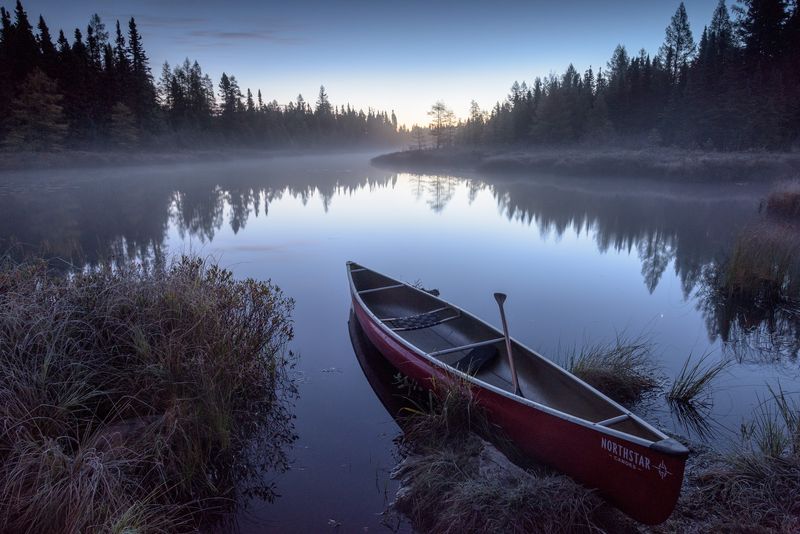
Real proof of a canoe happens far from the shop. For Northstar boats, that proving ground is often the Boundary Waters.
Owners have logged dozens of nights and hundreds of wilderness miles in these hulls. Long portages, multiple paddlers, and heavy packs come with the territory.
Durability shows up over the years. A Northwind Solo around a decade old has handled bony rivers and still shines on open water.
Wind is another test. The Trillium and Magic both earn credit for staying composed when the breeze picks up.
Quetico trips get the big boats out too. A Northwind 20 outfitted as a tandem has carried crews through three-week journeys in Canada.
Rivers aren’t forgotten either. A Northwind 17 has tracked smoothly upstream and back on Wisconsin’s Deerskin River.
For Minnesotans, this is the payoff. A boat built a few hours south can head straight up north and feel right at home.
That’s homegrown gear for homegrown adventures. Hard to beat.
Getting There, and Why You Should Call First
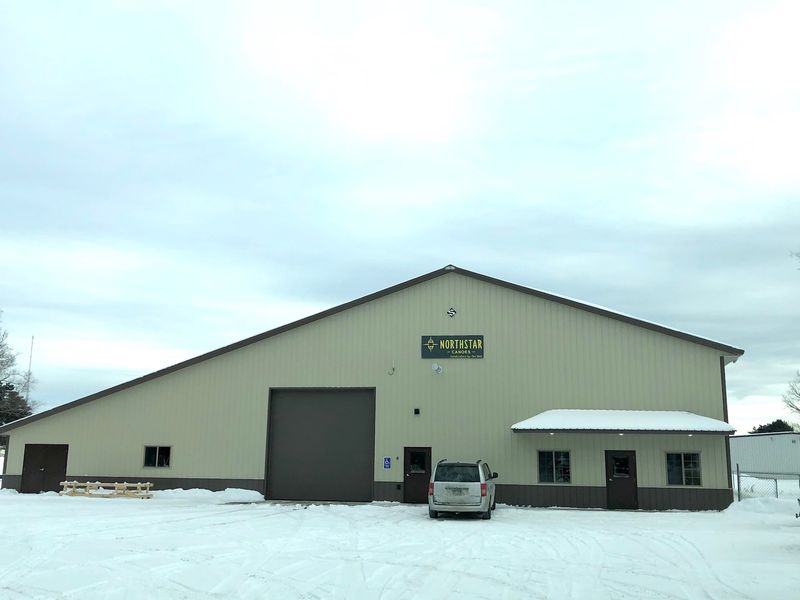
Plug 12636 320th Ave, Princeton, MN 55371 into your navigation. You’ll head north of the Twin Cities into open, rural Minnesota.
The drive is easy for a weekend outing. Pair it with a lake stop, and you’ve got a pleasant day trip.
Now the practical part. Northstar operates as a manufacturer, not a retail store with posted walk-in hours.
Calling ahead is the smart move before showing up. Staff may be in the middle of building, shipping, or helping other paddlers.
Many buyers actually purchase through dealers and outfitters. Retailers in Minnesota and well beyond carry the boats, including shops in Illinois, New York, and Canada.
Prices vary widely by model, layup, and outfitting. Premium materials cost more, so expect a serious investment rather than a bargain-bin boat.
Still, owners often frame it as long-term value. A well-built canoe can last for many seasons, which softens that upfront number.
Plan ahead, ask questions, and enjoy the countryside along the way.
A Small Shop That Makes Minnesota Look Good
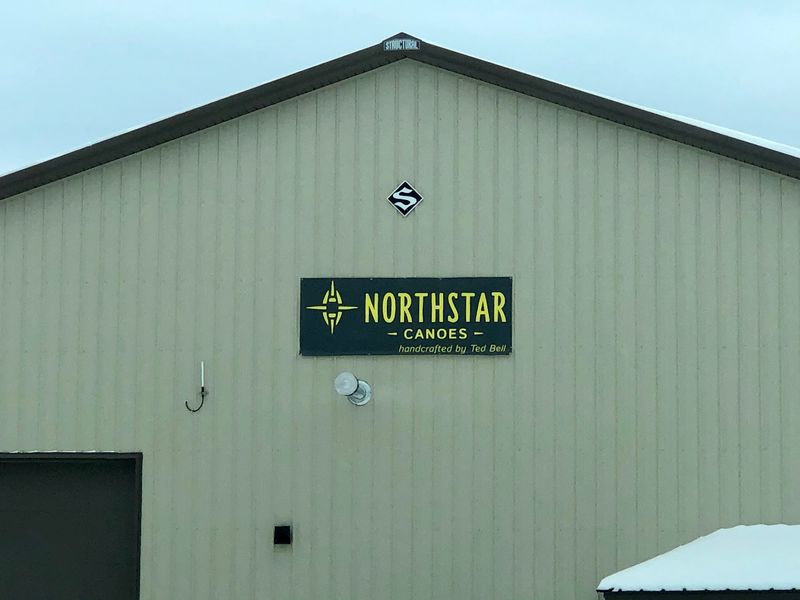
Minnesota wins again, and this time it floats. A rural shop near Princeton builds canoes paddlers seek out across the continent.
Is every detail perfect? No boat is, and the company has adjusted building methods over time when issues came up.
What stands out is the follow-through. Repairs, advice, and patient answers seem baked into how this crew works.
Paddlers who own several brands still steer friends toward the Northwind line. That kind of word of mouth is earned slowly.
So who should go? Serious trippers, curious anglers, families eyeing a first good canoe, and anyone who loves skilled handwork.
Casual sightseers might find less to do, since this is a working manufacturer. Calling ahead keeps expectations realistic.
Still, I can’t think of a better reason to tag your paddling buddy. Somewhere off a quiet Minnesota road, the next great Boundary Waters boat is taking shape.
That’s a story worth the drive. And maybe worth a new canoe, too.
Share this story