Mountain lions are the ultimate hide-and-seek champions of North America. Some people call them cougars, others call them pumas, and a few call them panthers, giving this cat more names than most rock bands.
An adult can leap about 18 feet straight up and roam a territory larger than many cities. Yet most hikers who share a trail with one never know it was there.
That talent for staying hidden makes them fascinating to study and very hard to find. Wildlife researchers rely on GPS collars, trail cameras, and even scat-sniffing dogs to learn where these cats travel.
The good news is that their favorite hangouts are some of the most scenic places in the country. In the pages ahead, you will visit fifteen parks across fifteen states, each with confirmed cougar country nearby.
You will learn what the cats eat, how many may live there, and what else makes each stop worth the drive. Spoiler: your odds of meeting bison are much better than meeting a cougar, and that is part of the fun.
Grab your map and keep reading.
1. Rocky Mountain National Park, Estes Park, Colorado
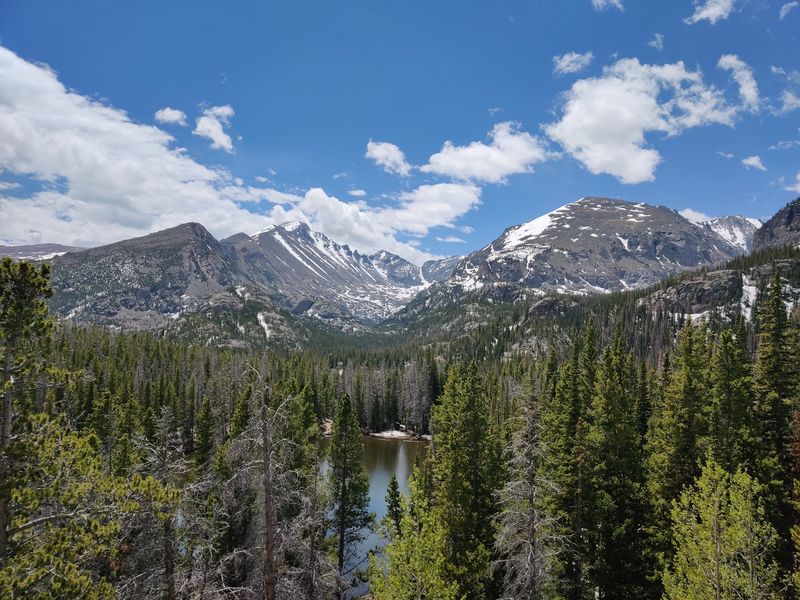
Colorado puts out the welcome mat for cougars, and this park is one of their favorite neighborhoods. Mountain lions are the largest carnivores living inside its boundaries.
Elk, mule deer, and bighorn sheep are the stars most visitors photograph. Those same animals are on the cougar menu, which helps keep herds healthy and balanced.
These cats hunt by ambush, creeping close before a quick pounce. Their legs are built for big moves, with leaps of up to 18 feet high and 40 feet across.
Some territories cover hundreds of square miles. The cats often shift seasonally, following deer and elk as they move between high and low ground.
Hikers rarely see one, since cougars prefer quiet escapes over meetings. Stick to marked trails, hike with a buddy, and keep kids close.
The views from Trail Ridge Road make the trip a winner either way.
2. Yellowstone National Park, Yellowstone National Park, Wyoming
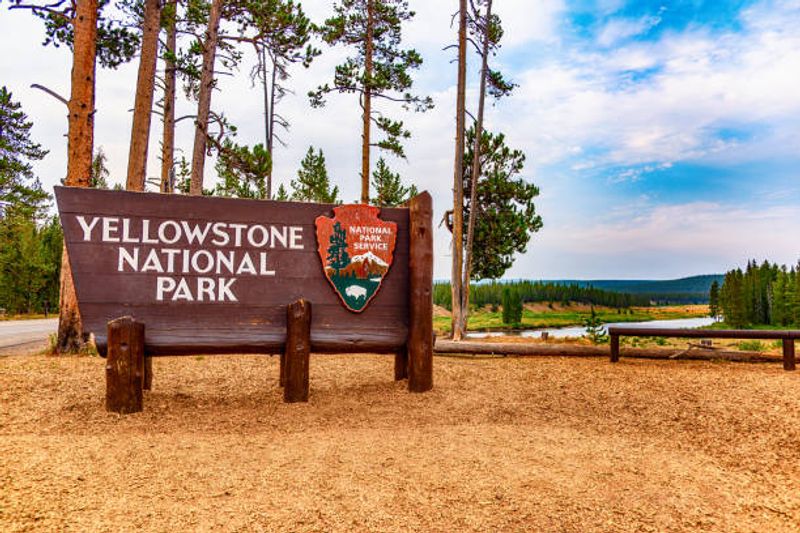
Wolves and grizzlies get the headlines in Yellowstone, but a quieter predator works behind the scenes. Mountain lions live here too, mostly in the rugged northern range.
Researchers estimate about 29 to 45 cougars of all ages use that northern area. Others may pass through during different seasons.
Life is not always easy for these cats. Wolf packs sometimes steal their meals, so cougars stick to steep, rocky spots where hiding a kill is simpler.
The cats follow elk and deer uphill in summer and back down when snow piles up. Scientists have tracked these movements for years to see how big predators share space.
Lamar Valley is a top spot for wildlife watching, so bring binoculars and plenty of patience. A cougar sighting is a long shot.
Bison traffic jams, on the other hand, are nearly guaranteed.
3. Glacier National Park, West Glacier, Montana
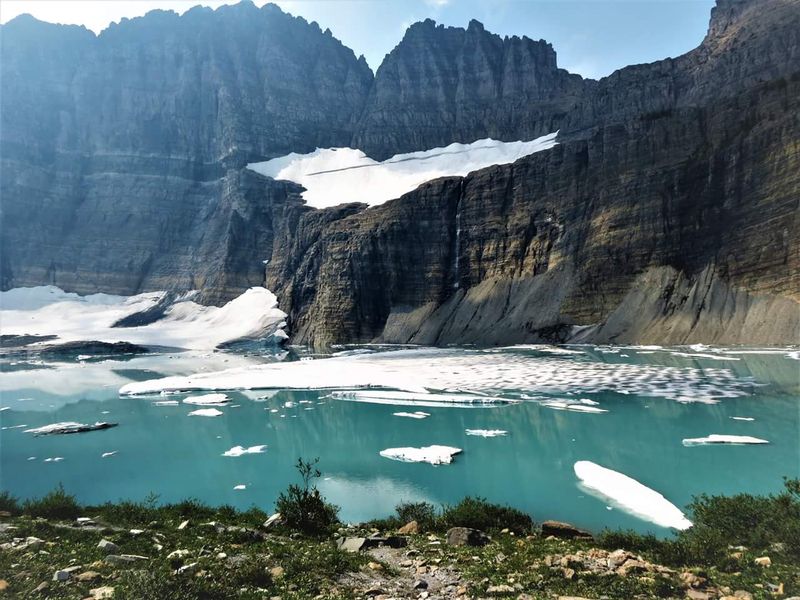
Here is a number worth bragging about: Glacier holds roughly 4.9 adult mountain lions per 100 square kilometers. That is higher than Yellowstone.
Scientists credit plenty of white-tailed deer and fewer competing wolf packs. More food and less drama make for happy cats.
Cougars here prefer wooded areas, where thick cover helps them sneak up on deer, elk, moose, and bighorn sheep. Their tawny coats blend into both forest and rock.
Males claim huge territories, sometimes up to 150 square miles. Female ranges are smaller and overlap only a little with the males, which fits their loner lifestyle.
Most visitors come for mountain goats and the Going-to-the-Sun Road. Pack bear spray, make noise on the trail, and travel in groups.
Those habits help with every large animal in the park, cougars included.
4. Grand Canyon National Park, Grand Canyon Village, Arizona
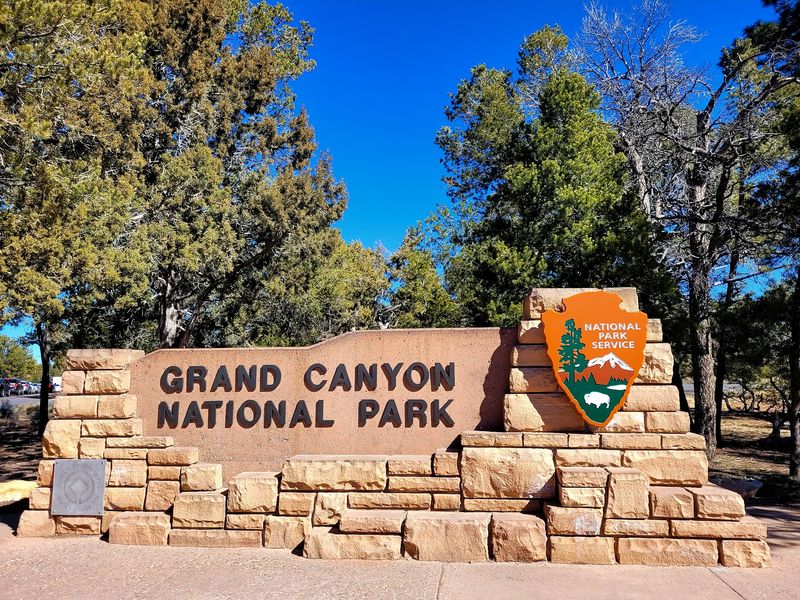
A mile-deep hole in the ground turns out to be excellent cat real estate. The Grand Canyon’s cliffs, side canyons, and backcountry give cougars endless hiding places.
Arizona has an established mountain lion population, and this park is among its most dramatic territory. The cats hunt mule deer and elk across the forested rims and deep inner canyon.
Dawn and dusk are their busiest hours. That is also when many photographers line up at overlooks, though the cats almost always stay out of sight.
As the park’s top predator, cougars help control plant-eaters. Fewer overgrazed areas means healthier plants and more variety in wildlife.
Visitors at Mather Point should not expect a feline cameo. Still, rangers advise watching small children closely on trails.
The canyon itself puts on plenty of show, cat or no cat.
5. Zion National Park, Springdale, Utah
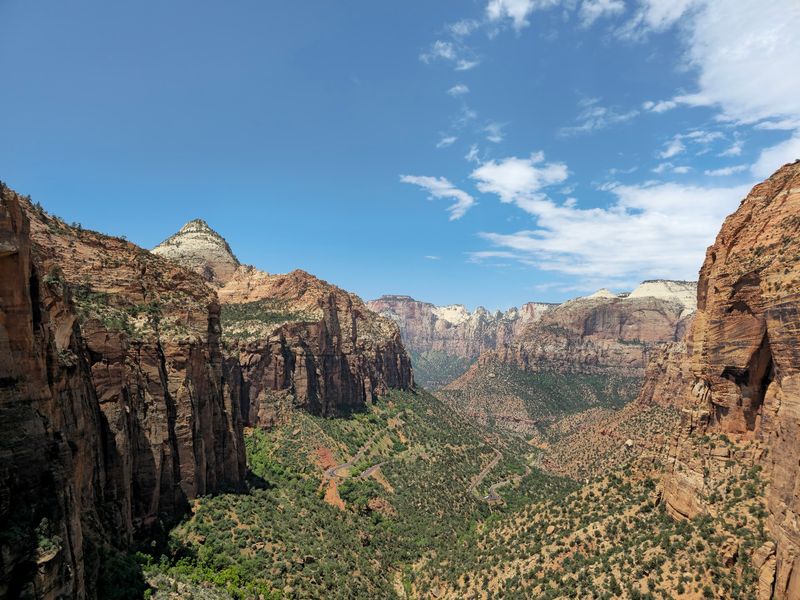
Over 4 million people visit Zion each year, and the local cougars want almost nothing to do with them. That is a smart plan for a shy cat.
Mountain lions are Zion’s top predators. They hunt mule deer and bighorn sheep on high plateaus and in quieter areas like North Creek.
Most of their activity happens at night. Excellent night vision lets them hunt from dusk until dawn, long after the shuttle buses stop running.
The National Park Service has captured cougars on motion-activated cameras in the backcountry. A few sightings have also been reported in the Kolob Canyons section, the park’s less crowded northwest corner.
Kolob Canyons is worth the side trip anyway, with a scenic five-mile drive and fewer people. Hike during daylight hours and you will likely meet more lizards than lions.
6. Yosemite National Park, Yosemite National Park, California
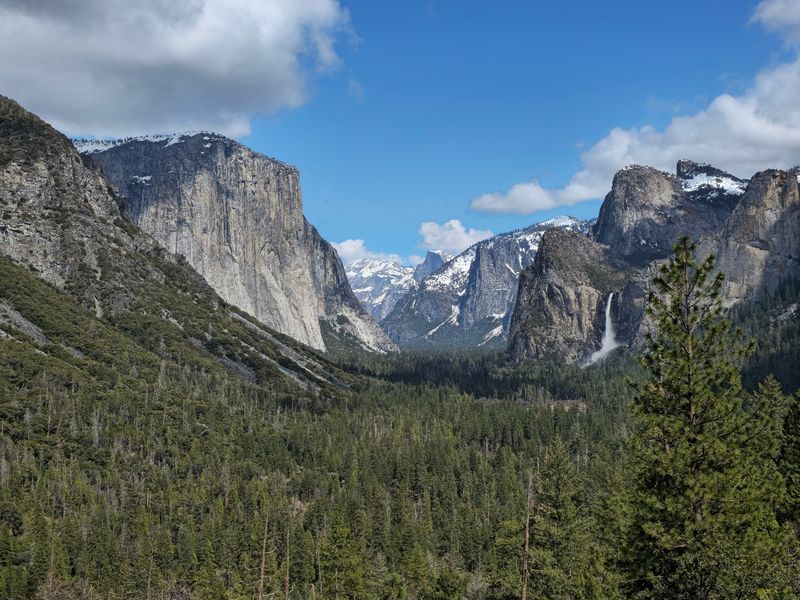
Half Dome may own the postcards, but researchers in Yosemite have been busy chasing a different celebrity. A 2003 study estimated about one mountain lion per 25 square miles in and around the park.
Scientists now suspect that number may be higher. In 2020, remote cameras recorded cougars at more than half of 42 wilderness camera spots.
Scat-detecting dogs also help, sniffing out clues the cats leave behind. That is one job where a good nose beats a good camera.
Yosemite’s cougars roam up to about 10,000 feet. They follow deer between high and low country as seasons change.
When one shows up near developed areas, it is usually hunting raccoons or coyotes. Store food properly and never leave pet food outside your campsite.
Small habits keep wildlife wild.
7. Big Bend National Park, Big Bend National Park, Texas
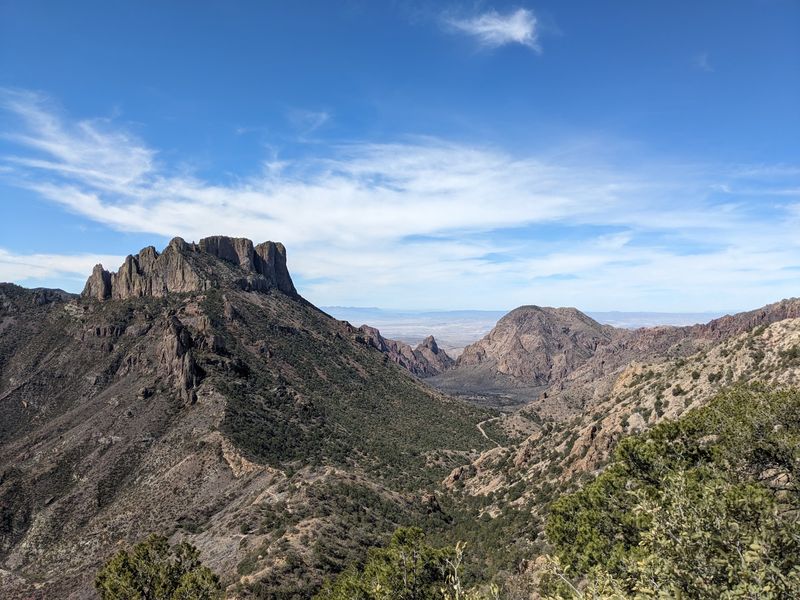
More than 150 mountain lion sightings get reported in Big Bend each year. Before you panic, remember many reports involve the same few cats getting spotted again.
The park holds an estimated 50 to 100 cougars. That is a healthy number for such a remote corner of Texas.
The Chisos Mountains, desert canyons, and quiet roads offer them plenty of room. Deer are the main meal, with javelina and rabbits as backup options.
Researchers use GPS collars and cameras to study how cougars move through busy areas. Rangers post sighting reports at visitor centers, so read them before hitting the trail.
Hike in groups, carry plenty of water, and never let kids run ahead. Big Bend also offers Rio Grande views and some of the darkest night skies in the lower 48 states.
8. Custer State Park, Custer, South Dakota
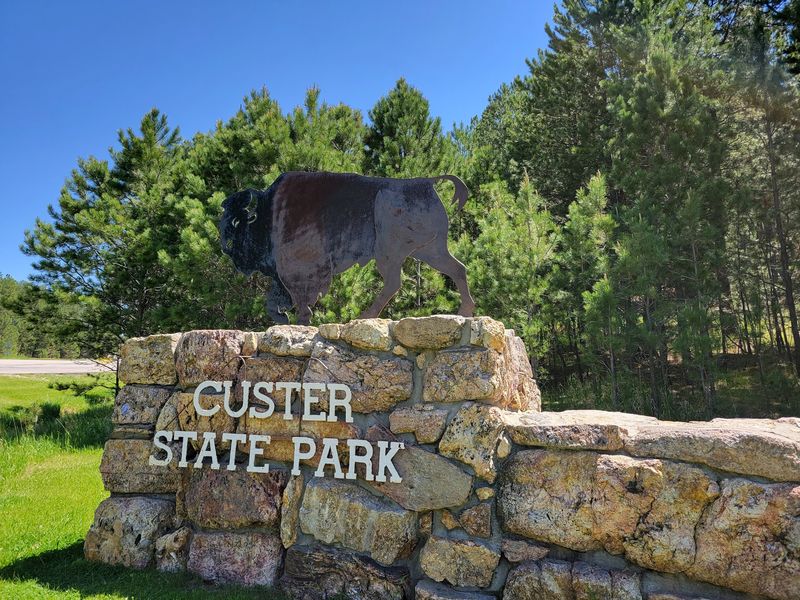
Bison rule the roads in Custer State Park, sometimes stopping traffic for half an hour. Up in the pine-covered hills, a far sneakier resident keeps watch.
The Black Hills support an established mountain lion population. Rocky slopes, thick ponderosa forests, and plenty of deer give cougars ideal cover and food.
These cats do not stay put. Black Hills cougars travel and mix with populations in Wyoming and Colorado, and some have wandered much farther east.
Most guests head straight for the Wildlife Loop Road. Expect bison, pronghorn, prairie dogs, and the famous wild burros that poke their noses into car windows.
Please skip feeding the burros, no matter how hard they beg. Cougar sightings stay rare here.
Even so, knowing the Black Hills hold big cats makes a quiet hike feel a little more exciting.
9. Crater Lake National Park, Crater Lake, Oregon
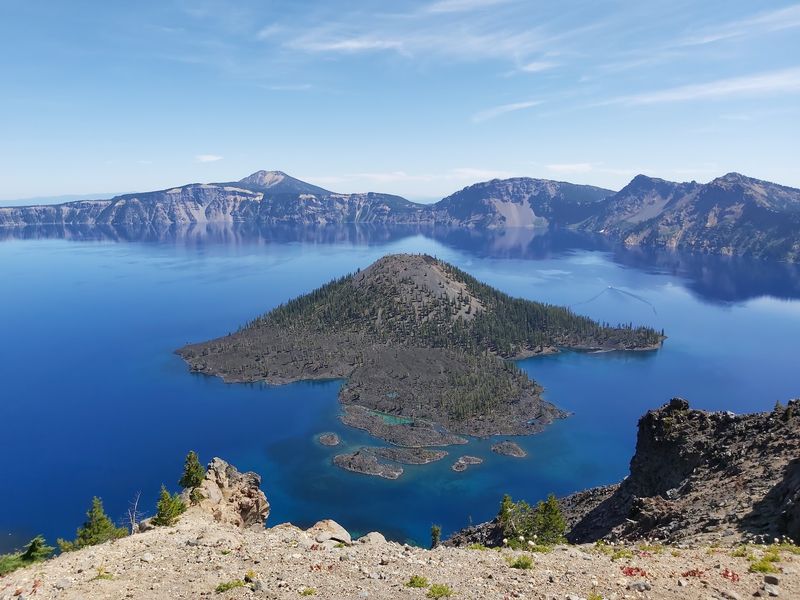
Rangers at Crater Lake often know a cougar passed through without ever seeing it. Tracks, scat, and the occasional deer kill tell the story.
The famous lake fills the collapsed summit of Mount Mazama. At 1,943 feet deep, it is the deepest lake in the United States.
Beyond the rim, forests and slopes give cougars room to roam the Cascade Mountains. Their main prey is mule deer and black-tailed deer.
Those deer are often spotted along Rim Drive and in Munson Valley. Where the deer go, the cats are rarely far behind.
Black bears and elk live here too, so keep food packed away. Summer is the best time to visit, since heavy snow closes much of Rim Drive for most of the year.
Plan ahead and check road updates first.
10. Olympic National Park, Port Angeles, Washington
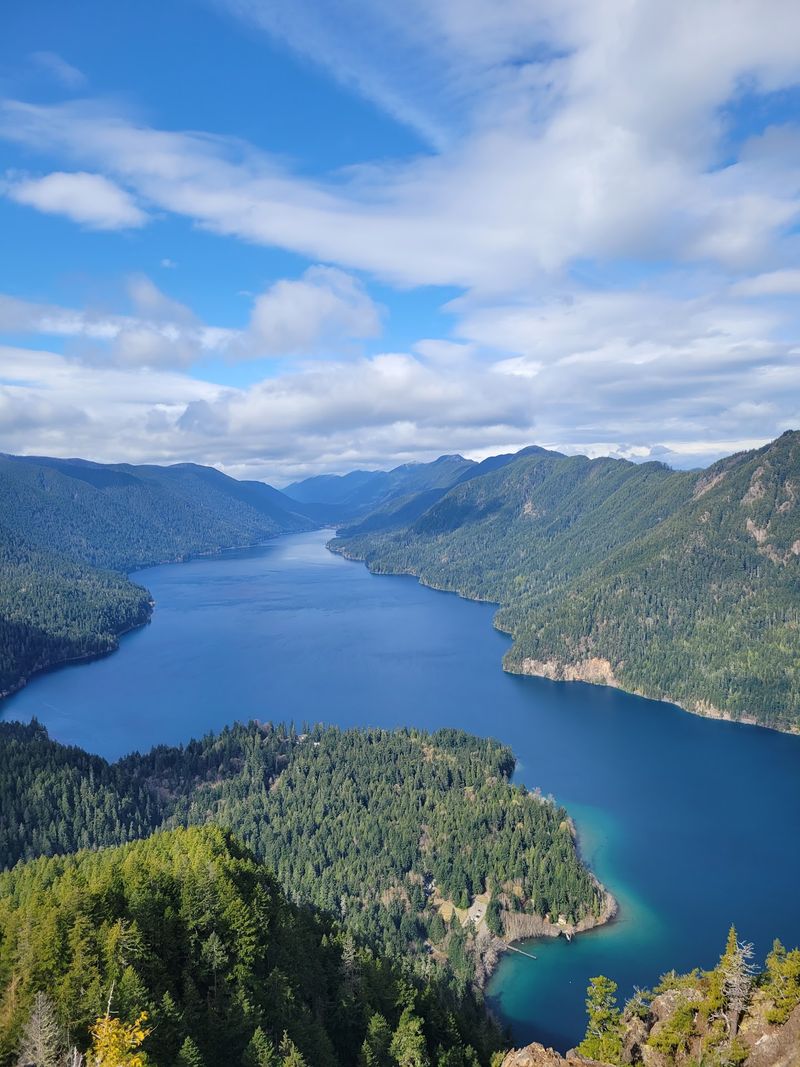
Cougars on the Olympic Peninsula live on an island without any ocean around it. Rocky peaks, icy glaciers, and Interstate 5 cut them off from other Washington populations.
Researchers say this creates a genetically isolated group. Roughly 150 cougars are estimated to live in the national park area.
They spread out thinly, since each one guards its own territory. Deer and elk keep them well fed.
People rarely spot these cats. Scratch marks on trees and tracks on backcountry trails are the usual signs they are around.
The park packs a lot into one trip, with the Hoh Rain Forest, Hurricane Ridge, and wild Pacific beaches. If you ever meet a cougar, stand tall, make noise, and back away slowly.
Never run, since running can trigger a chase.
11. City of Rocks National Reserve, Almo, Idaho
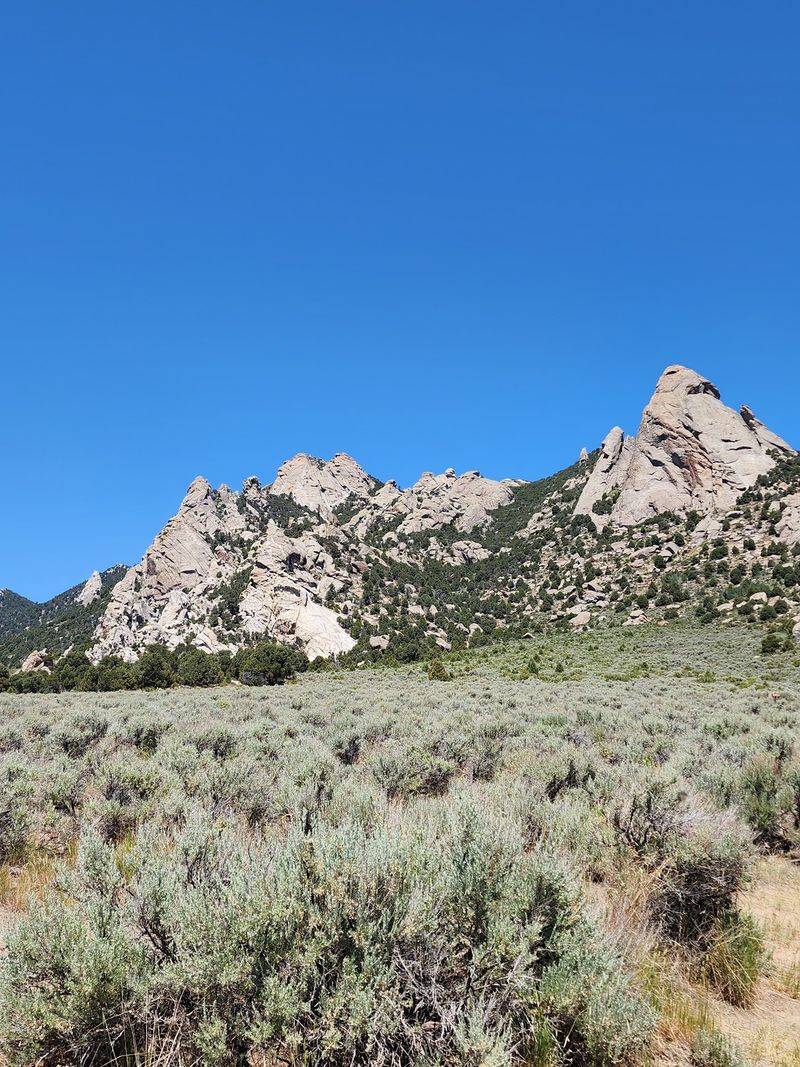
Pioneers on the California Trail once scrawled their names in axle grease on these granite towers. Some of those signatures from the 1800s are still visible today.
City of Rocks rises out of southern Idaho like a stone skyline. Some formations stand around 600 feet tall, drawing rock climbers from across the country.
Mountain lions live throughout the surrounding region. Rocky cover and nearby deer give them good reasons to stick around.
Your odds of spotting one are very small. You are much more likely to see a climber dangling from a cliff.
Camping spots sit right among the boulders, so book ahead in summer. Look for Register Rock and Camp Rock to find emigrant names.
History buffs and nature fans both leave with plenty of stories, even without a cougar cameo.
12. Great Basin National Park, Baker, Nevada
Nevada surprises people. Beyond the desert flats stand isolated mountain ranges that act as islands for wildlife, including mountain lions.
Great Basin National Park protects part of the Snake Range. Wheeler Peak tops out at 13,063 feet, with forests and rocky slopes that cougars use for hunting mule deer.
The park is home to bristlecone pines, some older than 4,000 years. These trees were already old when the pyramids were new.
Lehman Caves offers ranger-led tours through twisting underground rooms. Tickets sell out in busy months, so reserve early.
Night skies here are among the darkest in the country, and the park hosts an astronomy festival each year. Cougar encounters stay uncommon.
Still, keep an eye on the ridges while driving the Wheeler Peak Scenic Drive.
13. Gila Cliff Dwellings National Monument, Mimbres, New Mexico
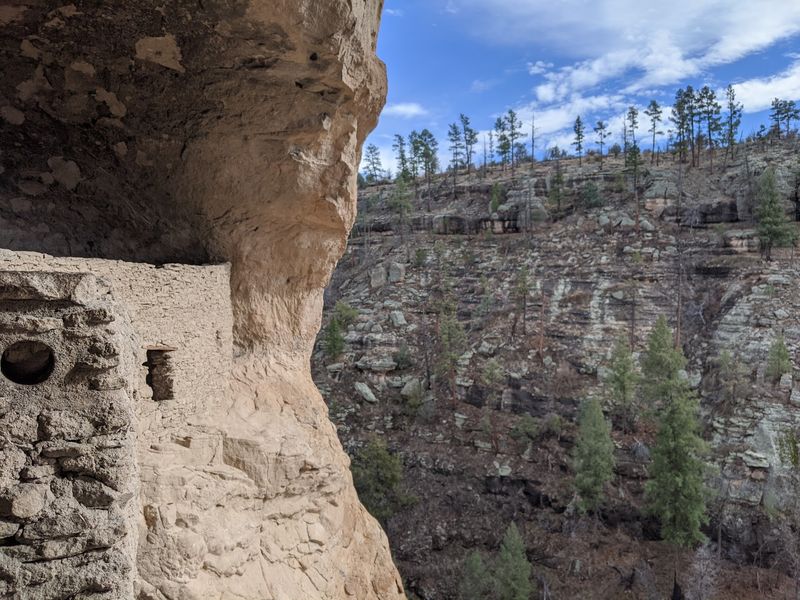
Over 700 years ago, the Mogollon people built homes inside natural caves high on a canyon wall. Those rooms still stand today.
A one-mile loop trail leads visitors up to the dwellings. Rangers and volunteers often share stories about how families lived and farmed here.
The monument sits next to the Gila Wilderness. Created in 1924, it became the first designated wilderness area in the world.
That huge, wild region supports mountain lions. They hunt mule deer across forested mountains and deep canyons.
The drive from Silver City is twisty and slow, so plan about two hours. Gas stations are scarce, so fill up first.
The cats will keep their distance, but the history here will grab your attention right away.
14. Theodore Roosevelt National Park, Watford City, North Dakota
North Dakota and mountain lions do not usually appear in the same sentence. The western Badlands are happy to prove that idea wrong.
Researchers have studied cougars here for years. One estimate counted about 165 mountain lions in the region during 2011 and 2012.
These cats love rugged terrain, forest edges, and tree cover. They tend to avoid farms, roads, and other busy spots, preferring mule deer and elk for dinner.
The National Park Service lists cougars among the North Unit’s rare wildlife. Bison and bighorn sheep are far easier to find.
Drive the 14-mile scenic road to the Oxbow Overlook for wide Badlands views. Young Theodore Roosevelt ranched in this area in the 1880s, and he later credited it with shaping his love of conservation.
15. Chadron State Park, Chadron, Nebraska
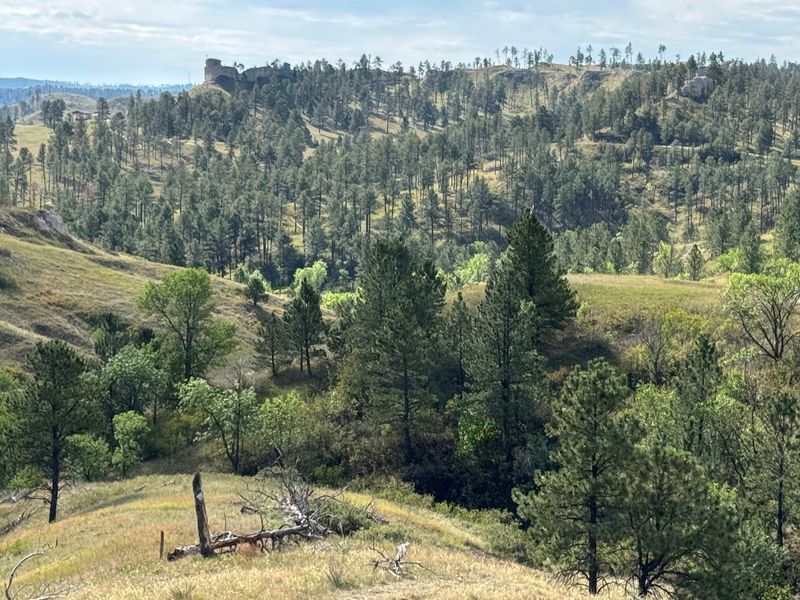
Talk about a comeback story. Mountain lions disappeared from Nebraska by the early 1900s, then started returning in the early 1990s.
Most likely they wandered in from South Dakota’s Black Hills. The Pine Ridge region welcomed them back with ponderosa pines, rocky ridges, and wooded canyons.
Genetic surveys track the growing population. A 2023 estimate put the number near 70 animals, including adults and kittens.
Chadron State Park sits right in this area. Founded in 1921, it is Nebraska’s very first state park.
Visitors can hike, camp, rent cabins, and enjoy views over the pine-covered hills. A cougar sighting would be rare and memorable.
Even without one, ending your trip in a place where these cats made a successful return feels like a fitting finish line.
Share this story