A Minnesota schoolteacher once built a full-size Viking ship by hand, hundreds of miles from any ocean. Then a crew of 12 sailed it across the Atlantic to Norway in 1982.
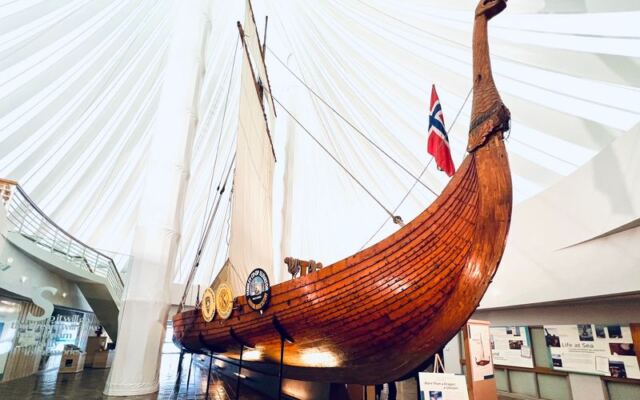
That ship did not stay overseas or vanish into storage. It came home to the prairie, and today it rests indoors where you can stand right beside its sweeping wooden hull.
No velvet-rope distance, no squinting from across a giant hall.
I love that a dream this big started so far from salt water. The same building also shares space with a hand-carved church copied from a Norwegian original dating back to the 1100s.
I can’t think of a better excuse for a road trip across Minnesota. So how did a landlocked corner of the state end up with a genuine seagoing legend?
A Seagoing Legend Parked Beside The Red River
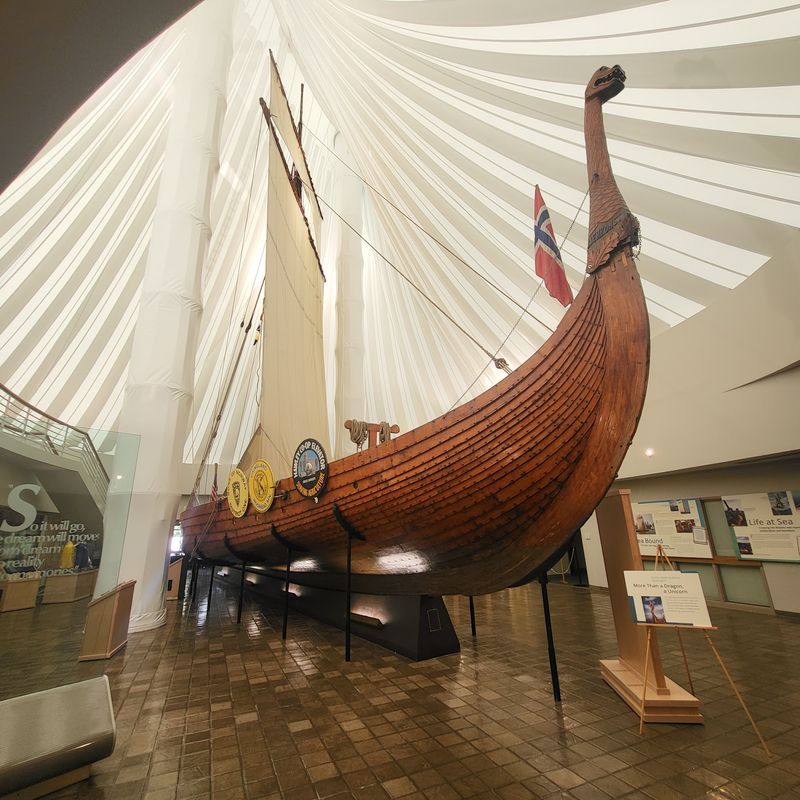
Minnesota rarely gets credit for ocean voyages. The Hjemkomst Museum, also known as the Hjemkomst Center, sets that record straight in grand fashion.
Sitting near the Red River in Moorhead, the museum feels close enough to Fargo to toss a pebble across state lines. Yet everything inside proudly tells a Minnesota story.
The star of the show is the Hjemkomst Viking Ship, a full-scale replica that actually crossed the Atlantic. Right nearby stands a stunning replica of the Hopperstad Stave Church, carved in traditional Norwegian style.
Those two showpieces would be enough for most museums. Here, they share space with exhibits on Clay County history, local archives, and the Norwegian settlers who shaped the region.
The center is run by the City of Moorhead in partnership with the Historical and Cultural Society of Clay County. That teamwork gives the place a community heart instead of a big-city corporate polish.
Think of it as a county museum with an ocean-crossing secret. Few small towns anywhere can claim a ship that sailed to Europe, and Moorhead keeps it right on the floor.
One Dreamer, A Potato Warehouse, And A Very Big Boat
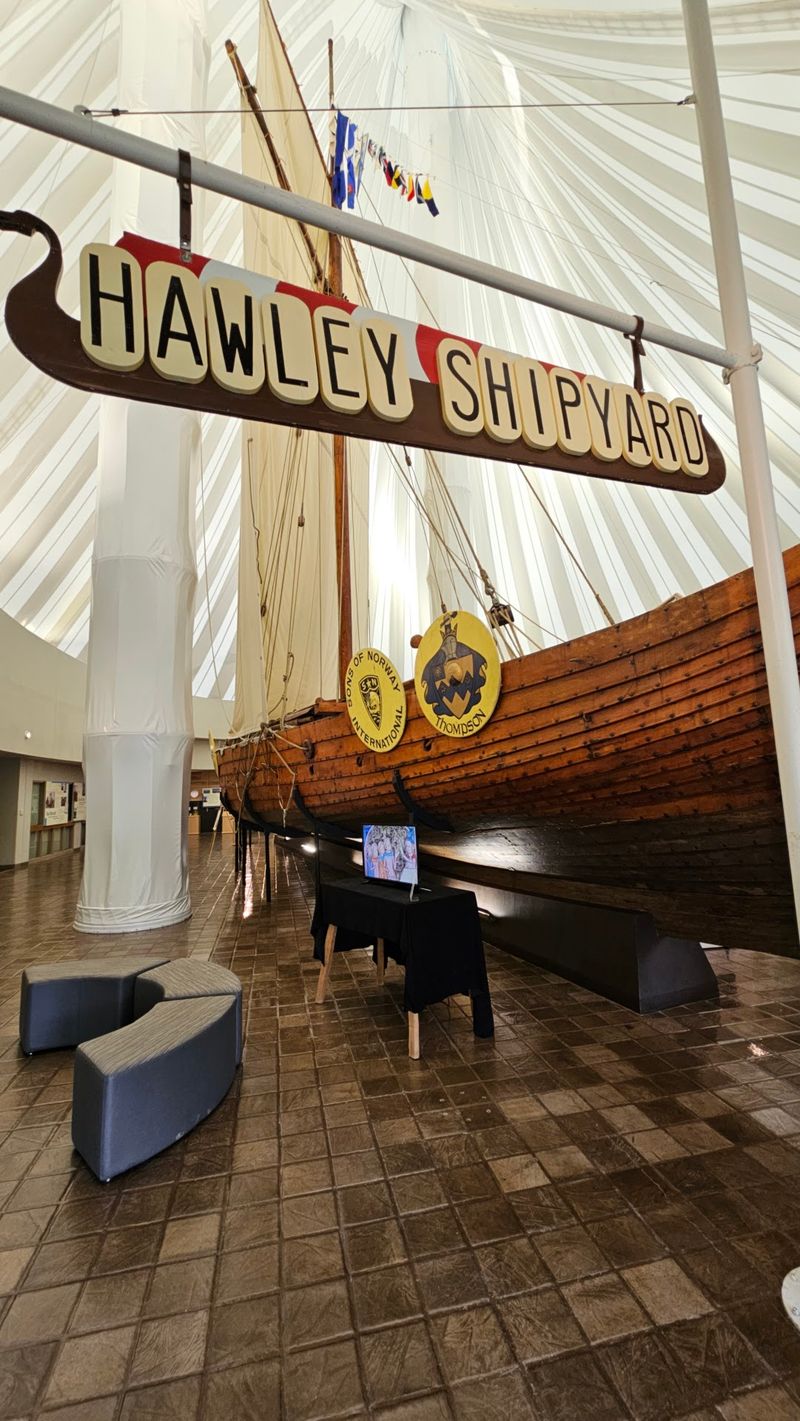
Bob Asp had a dream that sounded almost silly on paper. He wanted to build a Viking ship and sail it to Norway, the land of his family’s roots.
Asp worked in Moorhead schools, which makes this story even sweeter for Minnesota readers. A local educator with zero shipyard to his name decided the prairie would launch a longship.
Construction took place in a former potato warehouse in nearby Hawley. Wood, patience, and stubborn determination slowly turned into a curved hull worthy of the old Norse sagas.
The museum shares this story through videos and posters that walk you through each step. You learn how the idea grew from a backyard-sized hope into a community-wide project.
Asp did not get to join the final voyage himself. His family and a dedicated crew carried his dream forward, which gives the whole exhibit a warm, heartfelt glow.
That detail tends to stick with you long after you leave. It turns a woodworking feat into something closer to a family promise kept, Minnesota style.
Twelve Sailors And A Long Way From Lake Superior
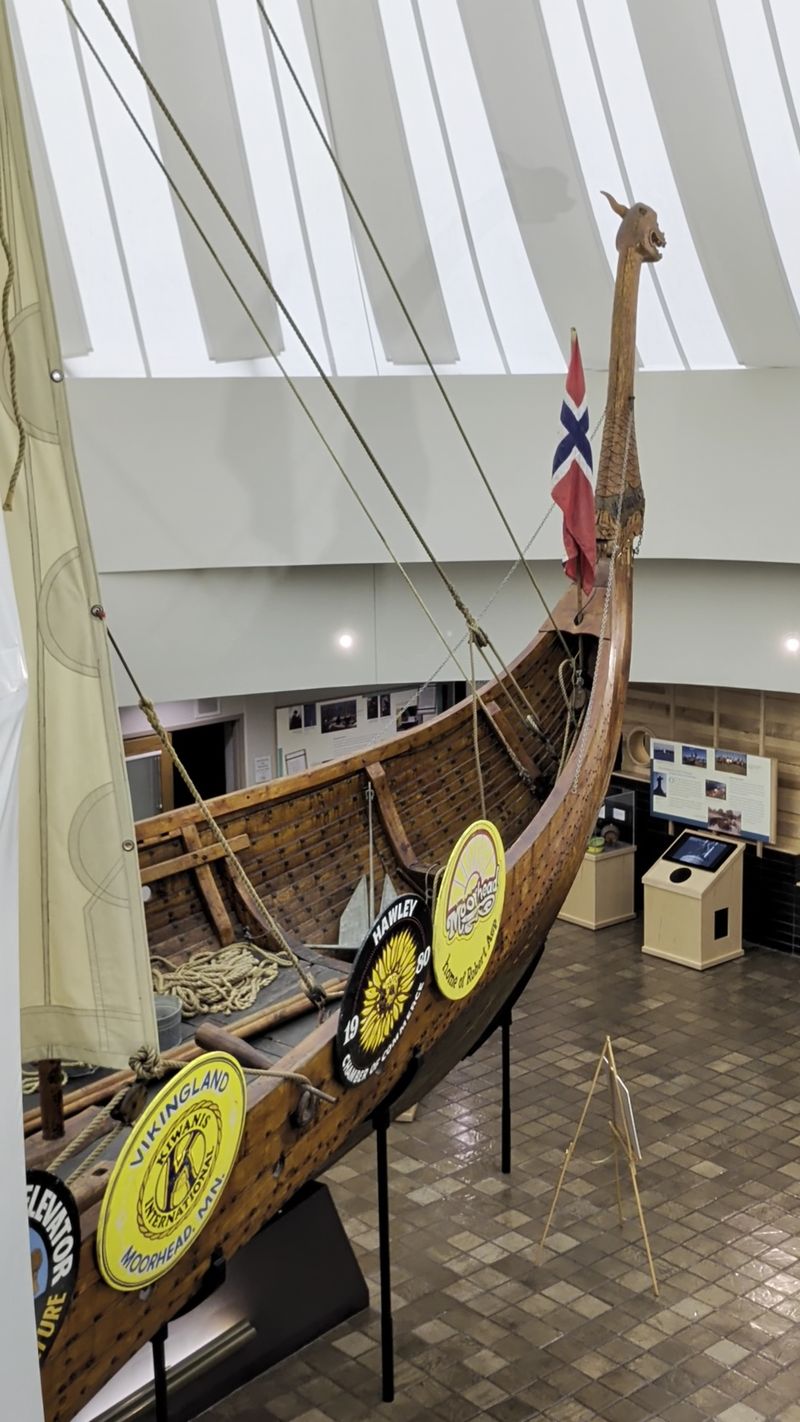
Duluth served as the starting line for one of the boldest trips in state history. In 1982, the Hjemkomst left Lake Superior with a crew of 12 aboard.
The route sounds wild even today. The ship traveled through the Great Lakes, out to the Atlantic, and onward to Norway, finally reaching Bergen.
Fun fact: Hjemkomst is a Norwegian word meaning homecoming. For a ship built by Norwegian-American hands, landing in Norway felt like completing a circle.
The crew included members of the Asp family, which keeps the story personal. These were not professional explorers chasing headlines, just determined folks honoring a dream.
Inside the museum, displays retell the journey and its many challenges along the way. Reading those panels helps you appreciate just how much water separates Minnesota from Scandinavia.
It is worth slowing down here before rushing to the ship itself. Once you know the voyage, the hull stops looking like a pretty model and starts looking like a survivor.
Close Enough To Admire Every Curved Plank
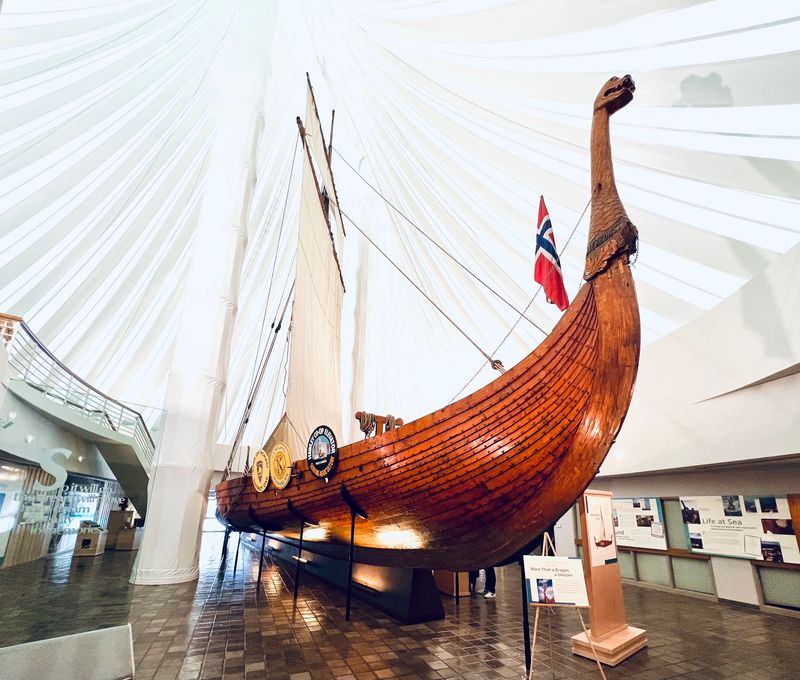
Most famous vessels live behind glass or far out of reach. At the Hjemkomst Museum, the ship sits in a soaring hall where you can walk right up beside it.
The scale hits you first. A replica built for display would be impressive enough, but knowing this one battled real ocean waves changes everything.
You can study the overlapping planks that give Viking ships their signature look. The tall prow rises with the kind of drama that belongs in a saga.
Craftsmanship takes center stage here. Every joint and curve reminds you that skilled hands, not a factory, shaped this vessel piece by piece.
The hall gives you room to circle the ship and see it from different angles. Bring a camera, because photos from the floor make the hull look even more massive.
Minnesota has plenty of boats on plenty of lakes. Only one of them crossed the Atlantic under a square sail, and it waits here quietly for anyone curious enough to stop by.
A Stave Church That Looks Borrowed From A Fjord
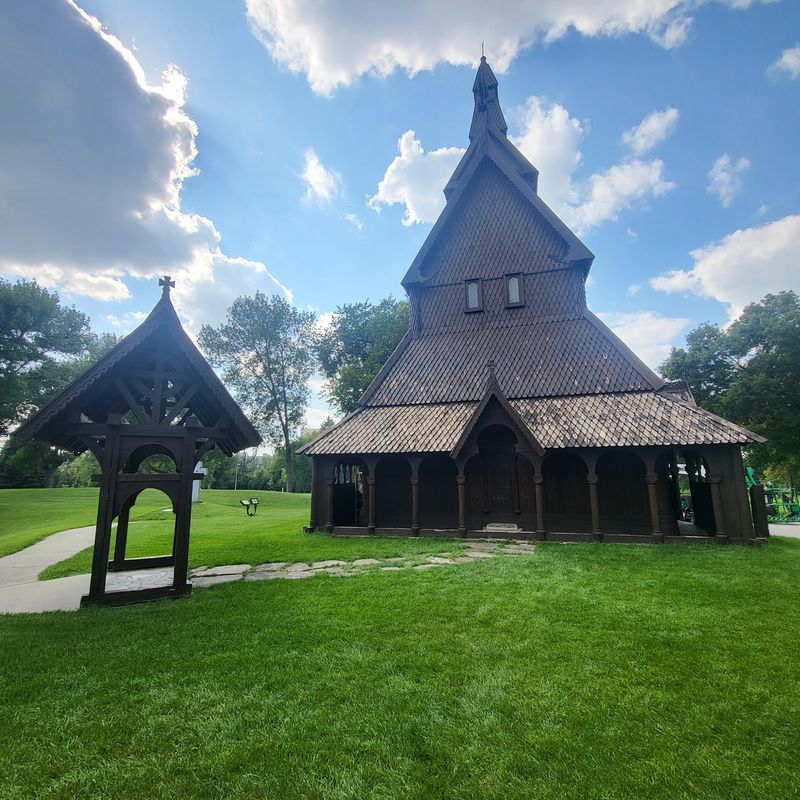
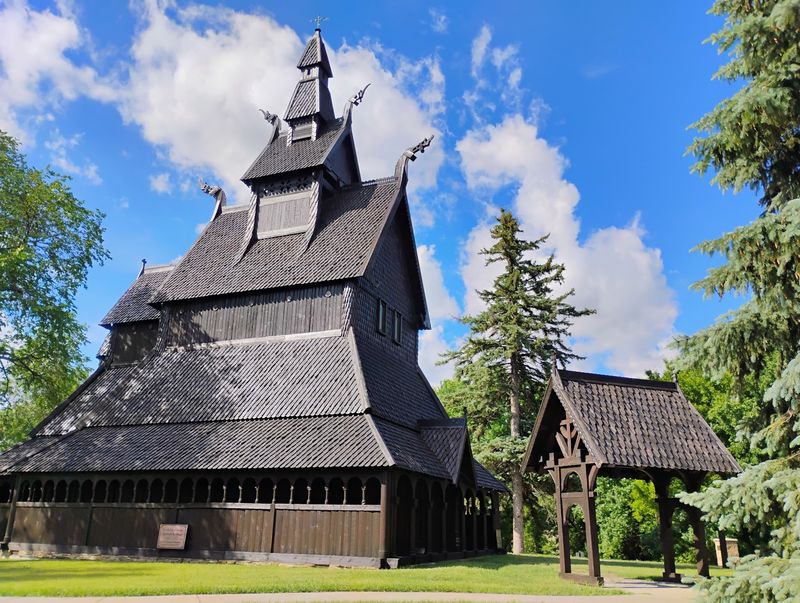
Dark wood, layered roofs, and carved dragon heads make the Hopperstad Stave Church replica look like it wandered over from Norway. It stands on the Hjemkomst grounds as a second showstopper.
The original Hopperstad church sits in Vik, Norway, and dates to the 1100s. The Moorhead version faithfully copies that medieval design in remarkable detail.
Hand-carved pillars, doors, and altar alcoves fill the building with intricate patterns. Every surface seems to carry another twist of Norse artistry.
Local craftsman Guy Paulson led the effort to build this replica. Like the ship, it shows how one person’s passion can grow into a regional treasure.
You can admire the outside of the church on your own, even without joining a tour. The roofline alone makes a fantastic photo against a wide Minnesota sky.
Here is a pleasant bonus for budget-minded travelers. The church is typically included with general admission, so this medieval masterpiece rarely costs extra.
The Guided Tour That Unlocks The Church Doors
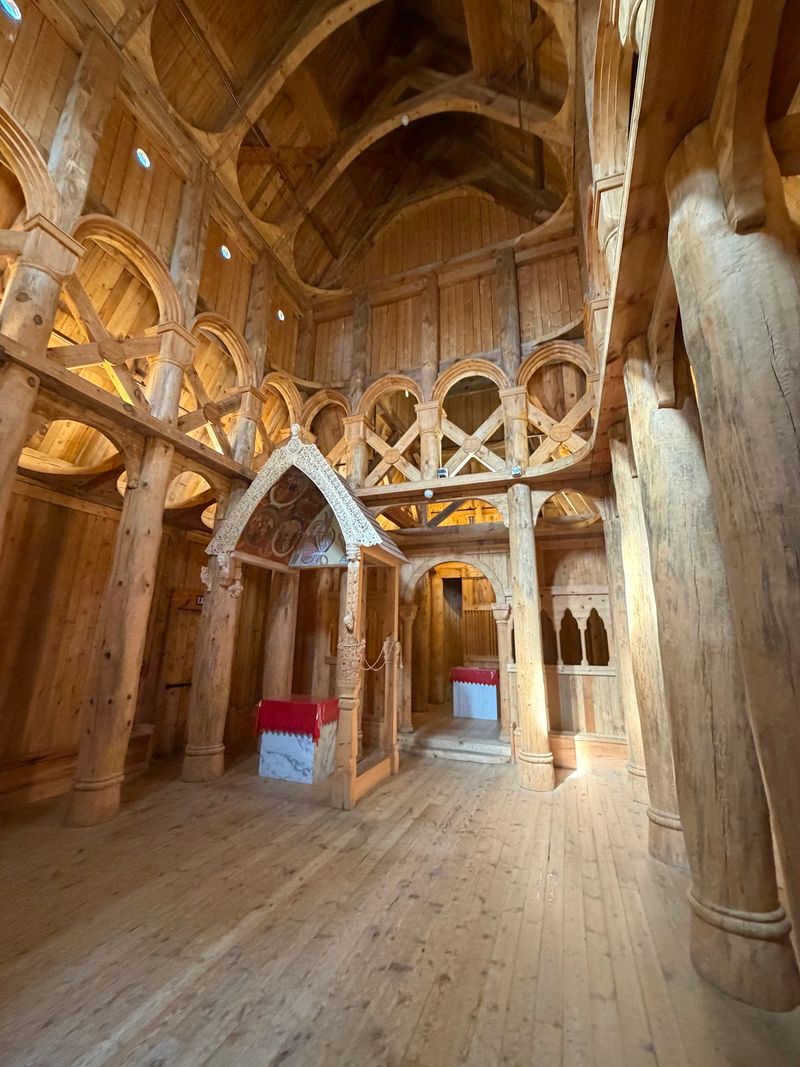
Timing matters if you want to see the church interior. Guided tours of the stave church typically run on the hour, so plan your ship time around them.
The guides tend to know their stuff. They share details about the carvings, the building methods, and Norwegian traditions that the main exhibits do not fully cover.
Questions are welcome, which makes the tour feel more like a chat than a lecture. Kids and adults alike can ask about dragons, wood, or medieval worship.
Tours move along at a comfortable pace. You will not lose half your afternoon, yet you still leave knowing far more than the signs could teach.
Standing inside lets you appreciate the craftsmanship up close. The carved pillars and altar alcoves feel even more impressive when you see the light play across them.
Skipping the tour would be like ordering pie and leaving the crust. The outside is lovely, but the inside is where the real story lives.
Clay County Roots And Norwegian Settler Keepsakes
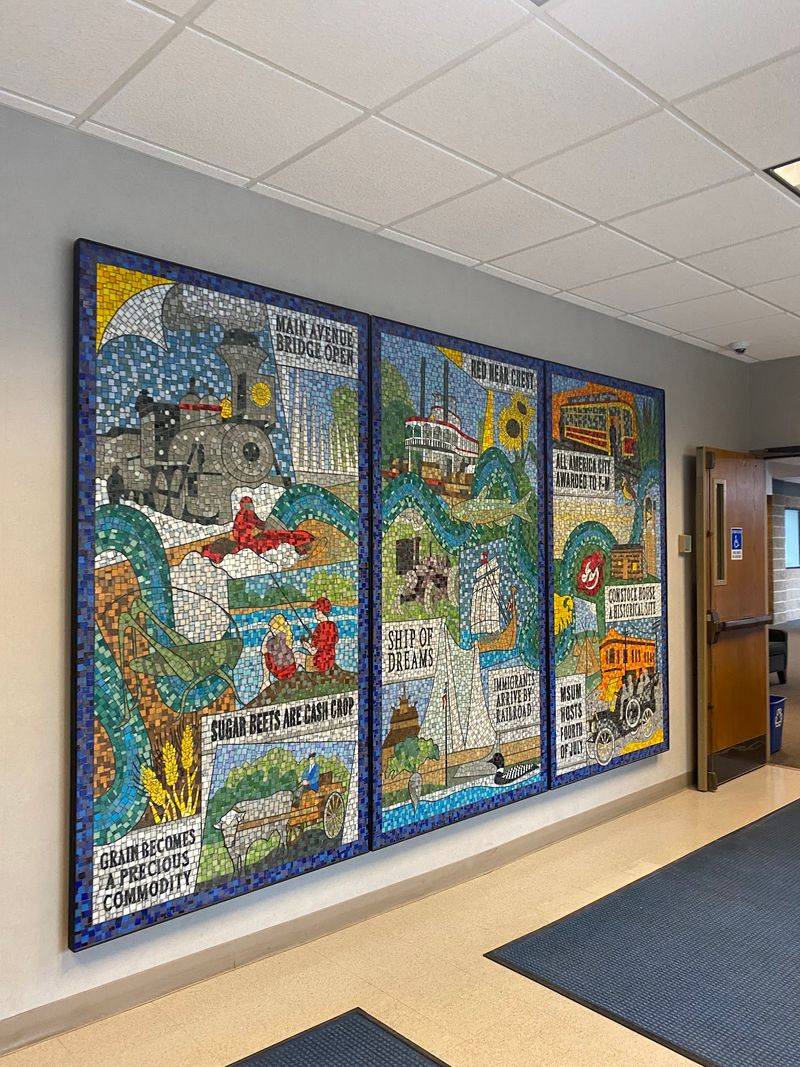
Behind every great ship is a community that made it possible. The Hjemkomst Museum honors that community with exhibits on Clay County history.
Norwegian immigrants shaped much of this part of Minnesota. Displays highlight items those settlers brought with them, offering a peek into the lives they packed into trunks.
These exhibits add helpful context to the Viking showpieces. You start to see why a Norwegian-themed ship and church make perfect sense in this exact spot.
The Historical and Cultural Society of Clay County also keeps local archives here. That makes the center a valuable stop for anyone tracing family roots in the region.
Native American history has a place in the museum as well. Including those stories gives a fuller picture of the land long before Scandinavian settlers arrived.
Temporary exhibits rotate through too, including photography shows at times. Each visit may bring something new, which is a nice reason to return.
Hands-On Fun, Rope Twisting, And Curious Little Minds

Ever made your own rope? Some lucky guests have, thanks to a visiting rope maker who has demonstrated the craft and let folks help twist strands together.
Moments like that make history feel real. Taking home a rope you helped create beats any postcard from the gift shop.
The museum includes interactive exhibits and activities throughout its spacious layout. Kids can touch, explore, and engage instead of just staring at signs.
Special guest demonstrations may vary depending on the day or season. Checking ahead with the center helps you catch a live craft session if one is scheduled.
Videos also play a big role in telling the ship’s story. They help younger visitors follow the adventure without reading every panel on the wall.
All of this keeps the museum lively rather than stuffy. It works nicely for families who want learning time to feel more like playtime.
Festivals, Heritage Months, And A Busy Community Calendar
Once a year, the grounds burst into a celebration of Nordic culture. The Hjemkomst Scandinavian Festival brings music, crafts, food, storytelling, and plenty of shopping.
Costumed performers share myths, legends, and traditions from across Scandinavia. It is a fun way to hear the old sagas told with real flair.
Festival days can get busy, and parking may involve a shuttle from farther away. Leaving a little extra time keeps the day relaxed.
The center also hosts events celebrating many cultures beyond Scandinavia. Programs have marked occasions like Hispanic Heritage Month and Juneteenth.
That variety makes the museum feel like a true community gathering spot. It honors where Moorhead came from while welcoming everyone who calls the area home today.
Event schedules change from year to year. A quick look at the city’s Hjemkomst Center page before your trip helps you line up a visit with something special.
Who Will Fall Hardest For This Place
History buffs are an obvious match, but they are hardly the only fans. Anyone who loves Vikings, woodworking, or a good underdog story will feel right at home.
Families get a winning combo of big visuals and hands-on moments. A giant ship is a pretty easy sell for kids who usually groan at museums.
Travelers with Scandinavian roots may find the experience especially moving. The settler artifacts and Norwegian architecture can feel like a visit with distant relatives.
The overall mood stays friendly and unhurried. Staff earn a reputation for that classic Minnesota nice, helpful and warm without any fuss.
The museum is not enormous, which works in its favor. You can see the highlights without feeling rushed, or linger for hours if the stories pull you in.
Save a few minutes for the gift shop before heading out. It stocks Scandinavian-themed books, crafts, and jewelry that make tempting souvenirs.
Hours, Admission, And An Easy Stroll From Fargo
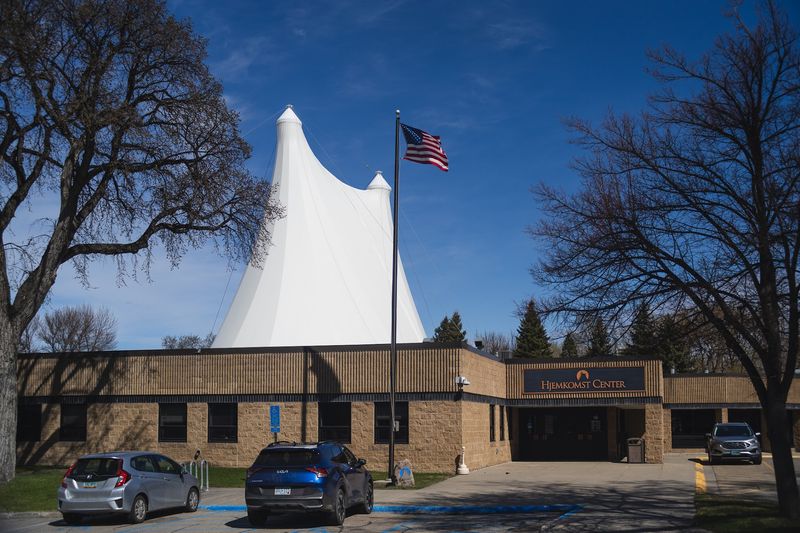
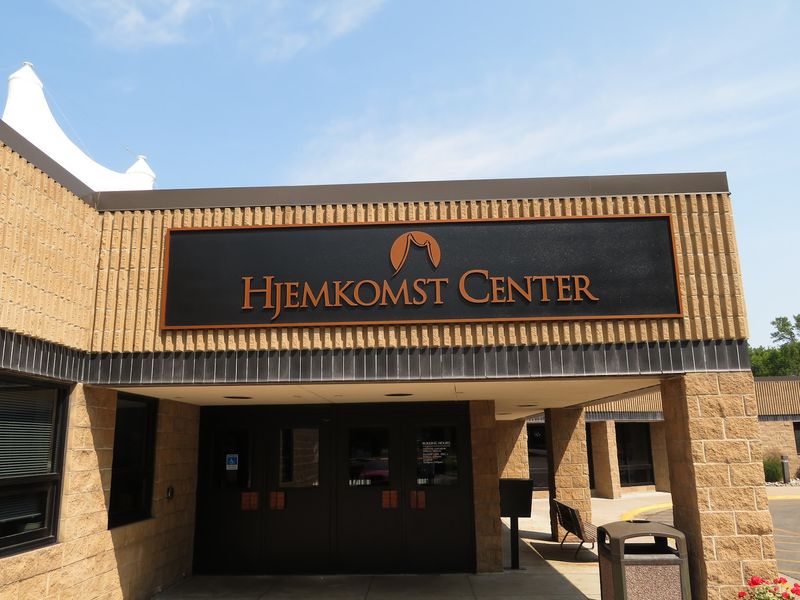
Getting here is refreshingly simple. The Hjemkomst Museum sits at 202 1st Ave N, Moorhead, MN 56560, just across the river from Fargo.
Downtown Fargo is roughly a 10-minute walk away. That makes it an easy add-on for anyone visiting North Dakota who wants to say they popped into Minnesota too.
Hours typically run 9 AM to 5 PM Monday, Wednesday, Thursday, Friday, and Saturday. Tuesdays stretch later, usually until 8 PM.
Sunday hours tend to be shorter, from noon to 5 PM. Holiday schedules can shift, so a quick call or check of the city website is smart.
Admission is known for being very reasonable. With the stave church typically included, you get two remarkable replicas for one friendly price.
That kind of value feels very Minnesota. Big-city museums often charge extra for every special exhibit, while this one keeps things simple and wallet-friendly.
Share this story