Picture an office worker in 1929 on the 30th floor with a letter to mail. Instead of riding the elevator down, she walks to a narrow glass slot in the hallway and lets go.
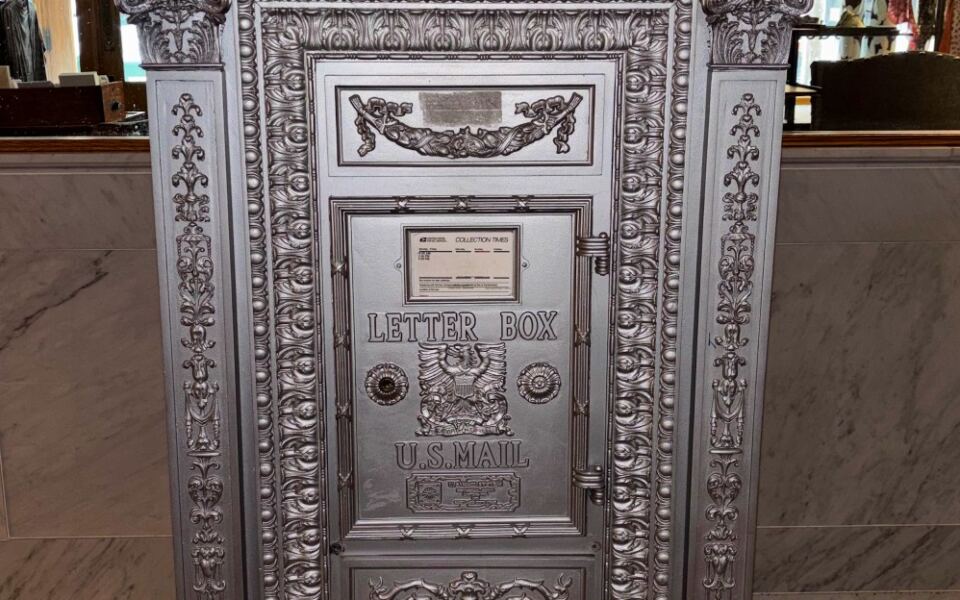
The envelope drops straight down through a chute, floor after floor, and lands in a fancy metal box in the lobby. A mail carrier picks it up later that day.
That clever system came from a Rochester architect named James Goold Cutler, who patented it in 1883. Soon, tall buildings across the country wanted one.
Designers did not settle for plain boxes, either. They added eagles, bronze trim, Gothic arches, and even a mythology symbol or two.
Most of these chutes have gone quiet, but a lucky handful still stand in hotel lobbies and office halls. Some even still work.
Keep reading to find twelve buildings where you can see these postal treasures up close, plus the quirky stories, famous guests, and surprising design details that come with each one. Your next trip downtown might never look the same.
1. The Queensbury Hotel, Glens Falls, New York
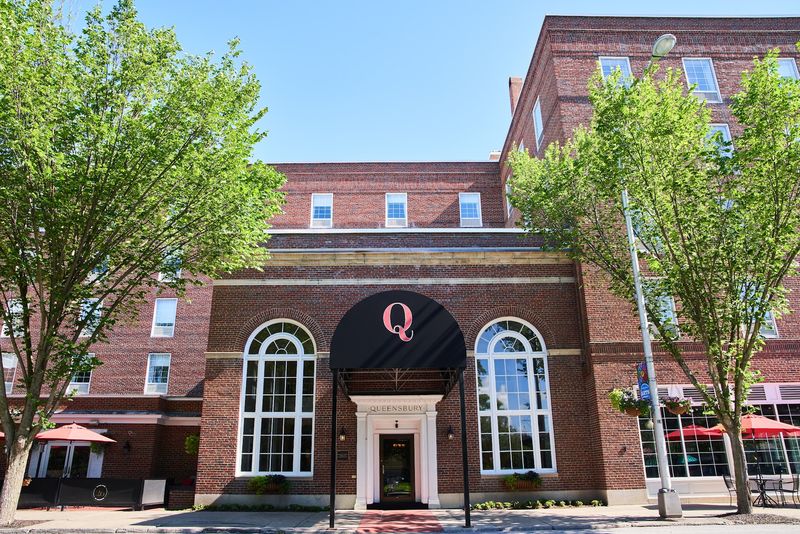
A raised eagle stands guard over the mail at this upstate New York hotel. It sits on a cast-metal Cutler collection box right beside the lobby elevator.
The Queensbury Hotel opened in 1926, and the box has been part of the scenery ever since. Look closely and you will spot the words Letter Box in crisp raised letters.
Below the eagle, the maker proudly lists its hometown: Cutler Mail Chute Company, Rochester, NY.
That name matters. James Goold Cutler invented the gravity-fed mail chute in 1883, and the first one went into Rochester’s Elwood Building in 1884.
Within a few decades, the idea had spread to tall buildings across the nation.
The local Chapman Museum has documented this fixture, so it is officially a piece of postal history. The hotel itself mixes Colonial Revival and Neoclassical styles, with red brick walls and cast stone trim.
Inside, the restored lobby includes a large fireplace. Plan a few extra minutes to admire the box before heading upstairs.
Guests often miss it while rushing to check in.
2. Fine Arts Building, Chicago, Illinois
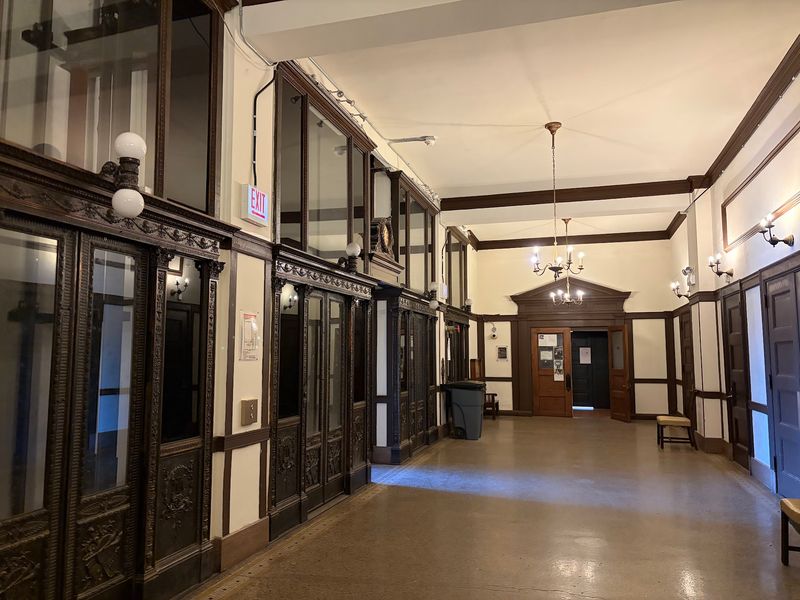
Carriages came first, then canvases. The Fine Arts Building opened in 1885 as the Studebaker Building, a showroom and assembly space for horse-drawn carriages.
In 1898, the owners switched gears and turned it into a home for the arts. Painters such as Frederic Clay Bartlett and Martha Susan Baker added murals during that makeover.
Many of those Art Nouveau touches are still on the walls today.
The tenant list reads like a talent show. Artists, dance studios, recording spaces, theaters, and musical instrument makers all work inside.
Amid all that creativity, the old mail chute fits right in. It belongs to a building that refuses to toss out good craftsmanship.
The same goes for the elevators. They are still run by human operators, which is rare in modern America.
Riding one feels like a quick trip back to 1900.
Above the entrance, the motto reads All Passes, Art Alone Endures. A mail chute might not be fine art, but it has clearly endured.
Visit on a weekday when studios are open.
3. Empire State Building, New York, New York
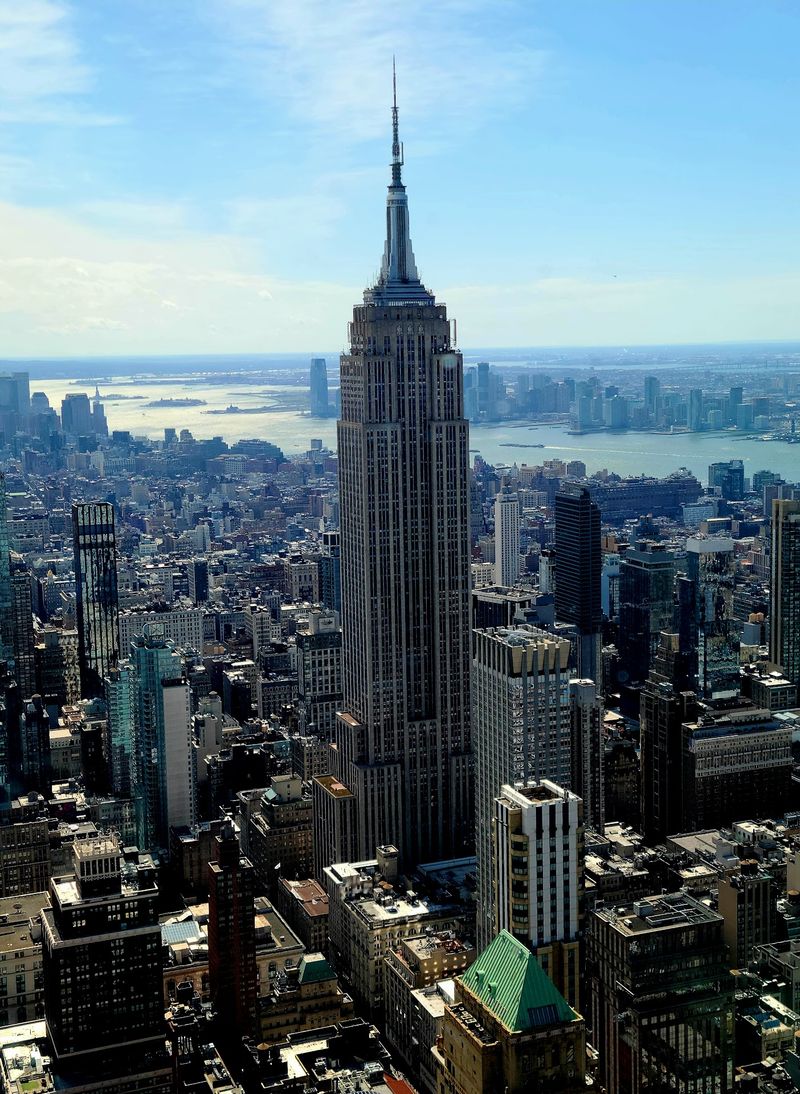
Eighty-six floors is a long way for an envelope to fall. At the Empire State Building, letters once made that exact trip, from the 86th floor all the way to the lobby.
The famous tower opened in 1931, and its builders planned for everyday needs as carefully as they planned for height. A long mail chute meant tenants never had to wait for an elevator just to send a bill or a birthday card.
Today, most visitors come for the observation decks. Very few stop to admire the Art Deco mail fixture that survives inside.
That is a shame, because it matches the building’s polished style beautifully. The design shows how even a simple postal tool could look sharp in the Jazz Age.
Here is a helpful tip. Give yourself a few minutes in the lobby before joining the line for the views.
Look for the mail fixture and the other metal details nearby.
Think of it as the building’s quiet side. The skyline gets the selfies, but the chute tells you how people actually worked there.
4. Chanin Building, New York, New York
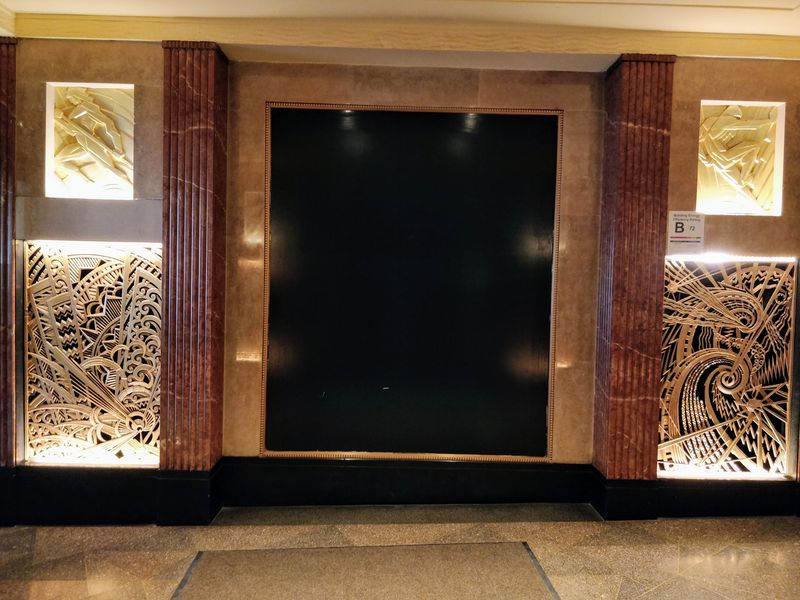
Bronze is basically the house specialty at the Chanin Building. The 1929 tower near Grand Central Terminal is packed with bronze reliefs, geometric patterns, and fancy elevator entrances.
Its mail chute belongs to that same family of details. Instead of looking like an afterthought, it blends with the panels and trim around it.
Two talented designers shaped the interior. Sculptor Rene Paul Chambellan and architect Jacques Delamarre wanted every surface to tell part of a story.
Even practical items got a stylish treatment.
The outside is worth a look too. The facade mixes buff brick, limestone, terracotta, bronze, and colored glass ornament.
A bronze band near street level shows scenes of evolution, a popular theme of the era.
This is still a working office tower, so visitors should be respectful. Lobby hours follow business schedules.
Pair your stop with a walk through Grand Central next door. Both buildings reward people who look up, look down, and look closely.
The mail chute is the easy one to miss, and the most fun to find.
5. The Lenox Hotel, Boston, Massachusetts
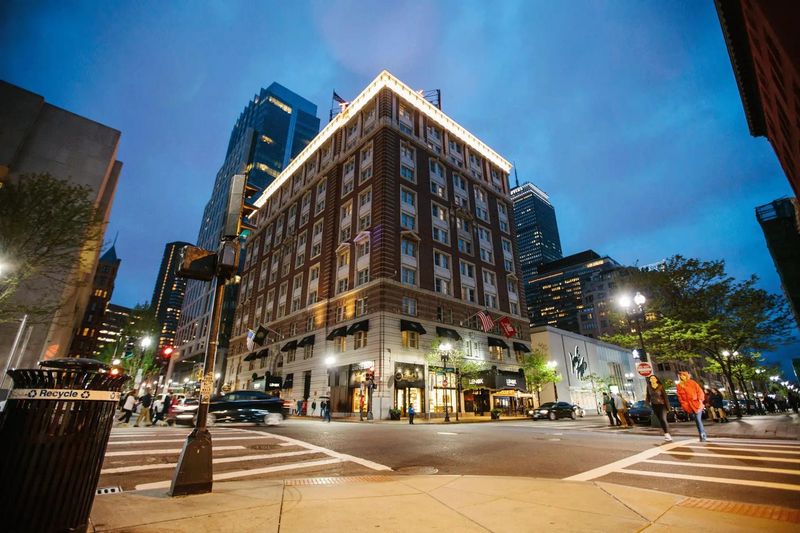
Postcards still go down the chute at The Lenox Hotel. Yes, the Cutler mail chute here actually works, more than a century after the hotel opened in 1900.
When the eleven-story Lenox debuted, it was the tallest building in Boston. Lucius Boomer, a hotel leader later tied to New York’s Waldorf-Astoria, was behind it.
The red-and-white terra-cotta exterior still stands out in the Back Bay neighborhood.
The hotel was seriously modern for its day. It had fireproof construction, guest and service elevators, and up-to-date plumbing in 250 rooms.
The mail chute was another luxury. Guests could send letters without hunting for a street mailbox.
Famous visitors have passed through over the years, including opera singer Enrico Caruso and actress Judy Garland. Some corner suites even have working wood-burning fireplaces.
Want a fun souvenir? Bring a stamped postcard and drop it in the chute yourself.
Very few hotels in America can still offer that tiny thrill. Ask the front desk about pickup times if you want it mailed quickly.
6. Rand Tower, Minneapolis, Minnesota
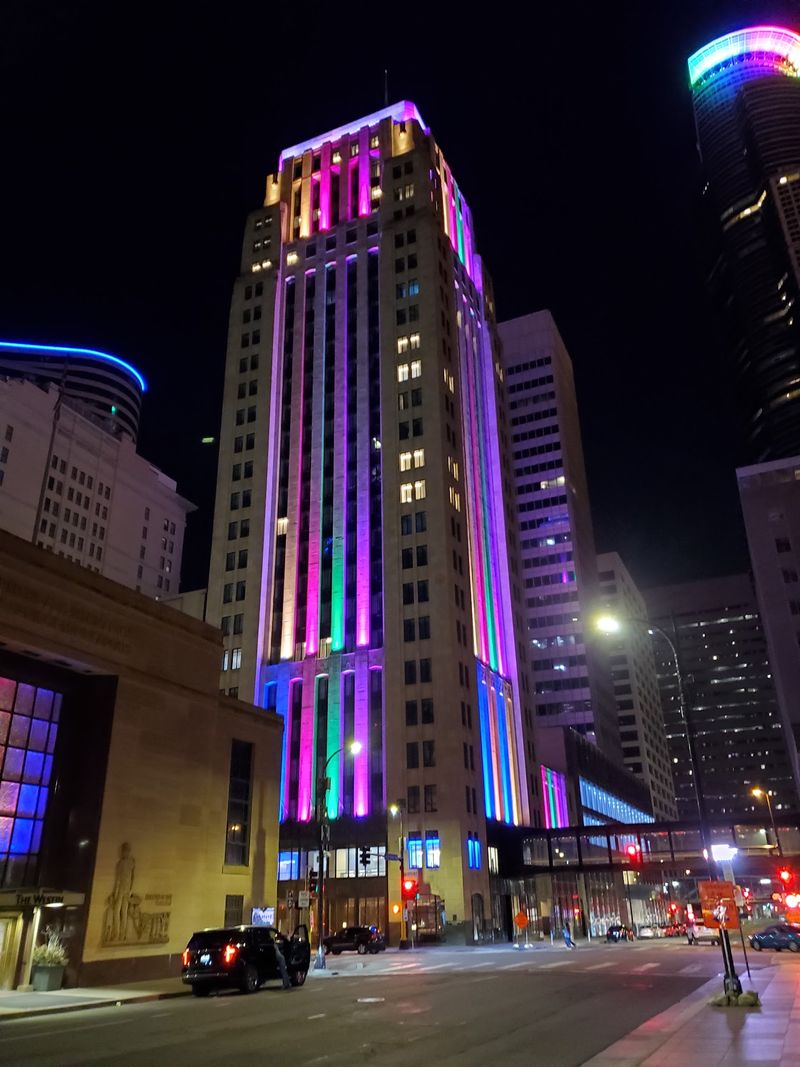
Pilots and postage make a surprisingly good pair. Rufus R.
Rand Jr., a World War I aviator, built Rand Tower in 1929 and filled it with flight-themed art.
The 26-story building was designed by Holabird and Root of Chicago. It is the firm’s only skyscraper in Minneapolis.
Aviation shows up everywhere. Above the Marquette Avenue entrance, carvings show Mercury, the winged messenger, surrounded by biplanes.
In the lobby, a sculpture called Wings by Oskar J.W. Hansen shows a figure with arms spread like wings.
The large metal mail collection box keeps things simple, with clean geometric lines. It suits the stepped limestone exterior and sleek Art Moderne style.
Look down while you are there. The terrazzo floors feature compass roses, stars, and crescent moons, all nods to navigation.
In 2020, after an $86 million renovation, the tower reopened as a boutique hotel. You do not need a room to admire the lobby.
A quick visit lets you trace a letter’s route from airplane dreams to mailbox reality.
7. Foshay Tower, Minneapolis, Minnesota
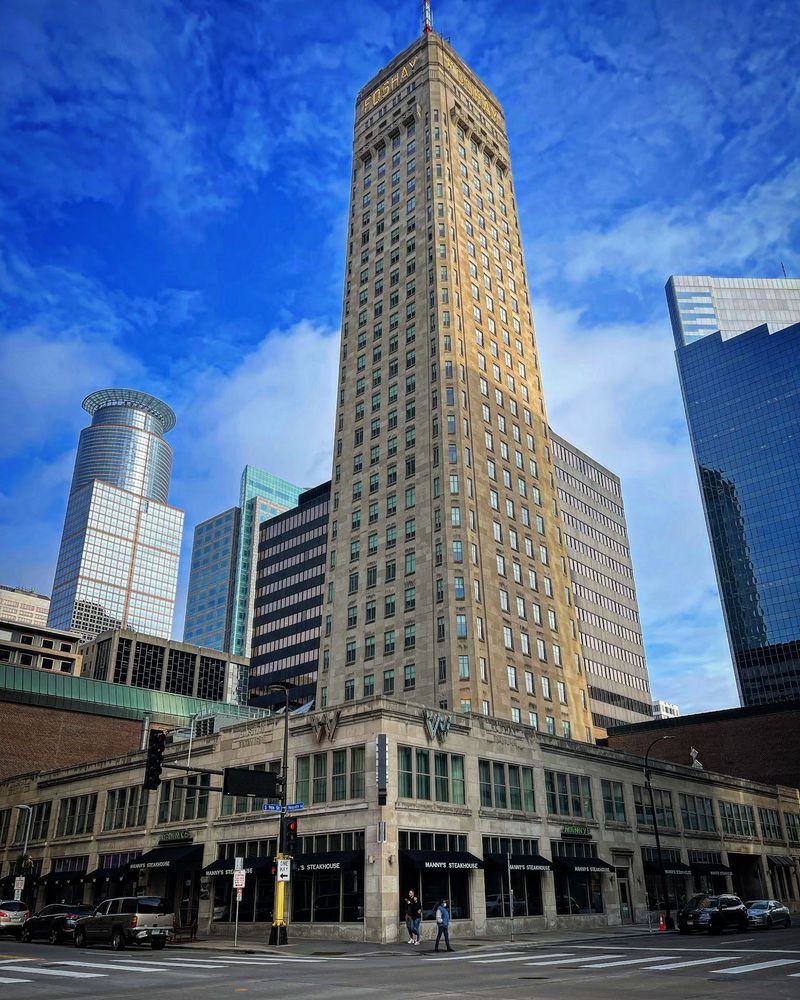
Wilbur Foshay liked the Washington Monument so much he built his own version. His 32-story tower in Minneapolis opened in 1929 and was the city’s tallest building for decades.
Foshay was a showy financier, and his interiors prove it. Italian marble walls, terrazzo floors, fancy grillework, and elaborate light fixtures fill the space.
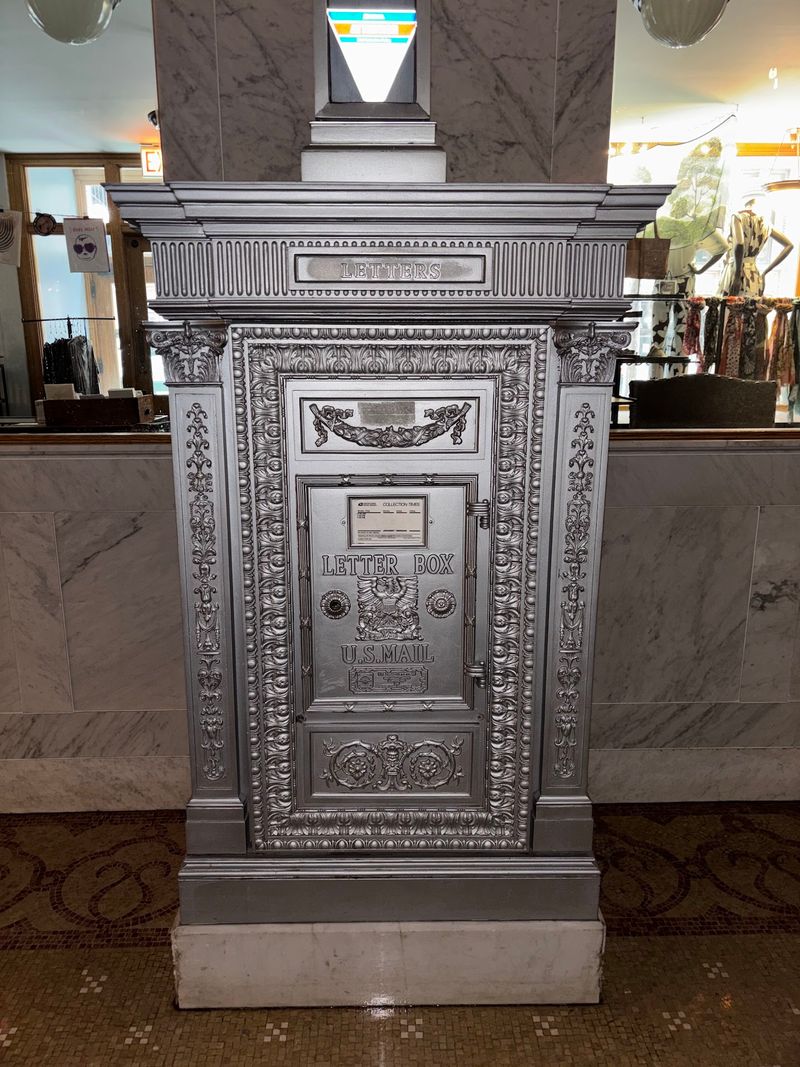
The mail chute collection box received the same royal treatment. Its stylized floral ornament is classic Art Deco.
A simple letter drop became a small work of decoration.
Today, the building operates as the W Minneapolis hotel. The old mailbox is often tucked behind the check-in counter, so ask politely if you want a closer look.
Staff are usually used to curious history fans.
Another bonus waits higher up. The tower has an observation deck and a small museum about its colorful story.
Buy a ticket and you can learn about Foshay himself, plus the giant opening party he threw in 1929. Then stop by the lobby on the way out and give the mail box a nod.
8. Medical Arts Building, Minneapolis, Minnesota
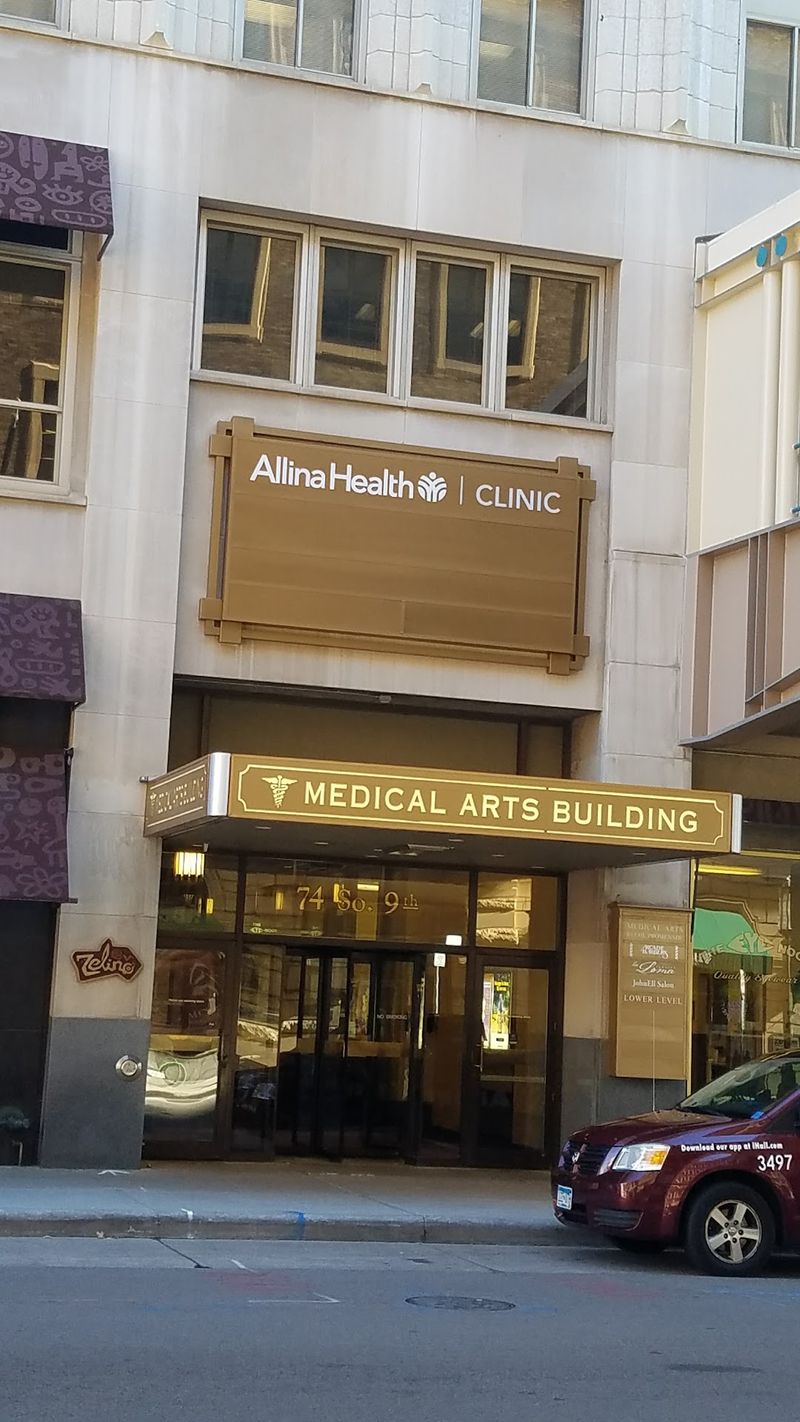
Gothic arches usually belong to old cathedrals, not mailboxes. The Medical Arts Building at 825 Nicollet Mall proves otherwise.
This 19-story tower is the tallest Neo-Gothic building in Minneapolis. Its terra-cotta exterior rises 265 feet.
Architects Long and Thorshov built it in stages between 1923 and 1930.
Inside, the lobby has grand marble, ornate ceilings, and detailed brass elevator doors. The historic mail collection box carries Gothic-inspired styling that ties right into the rest of the design.
That matching look was intentional. Builders of the 1920s wanted every item in a lobby to belong to the same visual family, right down to the mail slot.
The ground floor arcade adds to the charm. It still holds the feel of downtown Minneapolis from about a hundred years ago.
Since doctors and other professionals work here, keep your visit short and quiet. A weekday lunch break is a good time to stroll through.
Snap a photo of the mailbox, peek at the ceilings, and then explore the rest of Nicollet Mall.
9. Monadnock Building, Chicago, Illinois
Six feet. That is how thick the brick walls are at the base of the Monadnock Building’s north half, finished in 1891.
Burnham and Root designed that section, and it is still known as the tallest load-bearing brick building ever built. Two years later, Holabird and Roche finished the south half using an early steel frame.
One building, two eras of skyscraper history, all on one city block.
Thousands of office workers once filled about 1,200 rooms here. The mail chute saved them countless trips to the street.
The building was so busy it had its own dedicated mail carriers.
The chute is more modest than the flashy Art Deco versions later on this list. Still, it suits a building famous for strong shapes and careful details.
Fun fact: the Monadnock’s staircases include one of the first structural uses of aluminum. A long restoration from 1979 to 1992 brought the place back to its 1890s look.
Ground-floor shops even echo the kinds of businesses that operated there long ago, so browsing is part of the tour.
10. Baker Building at Baker Center, Minneapolis, Minnesota
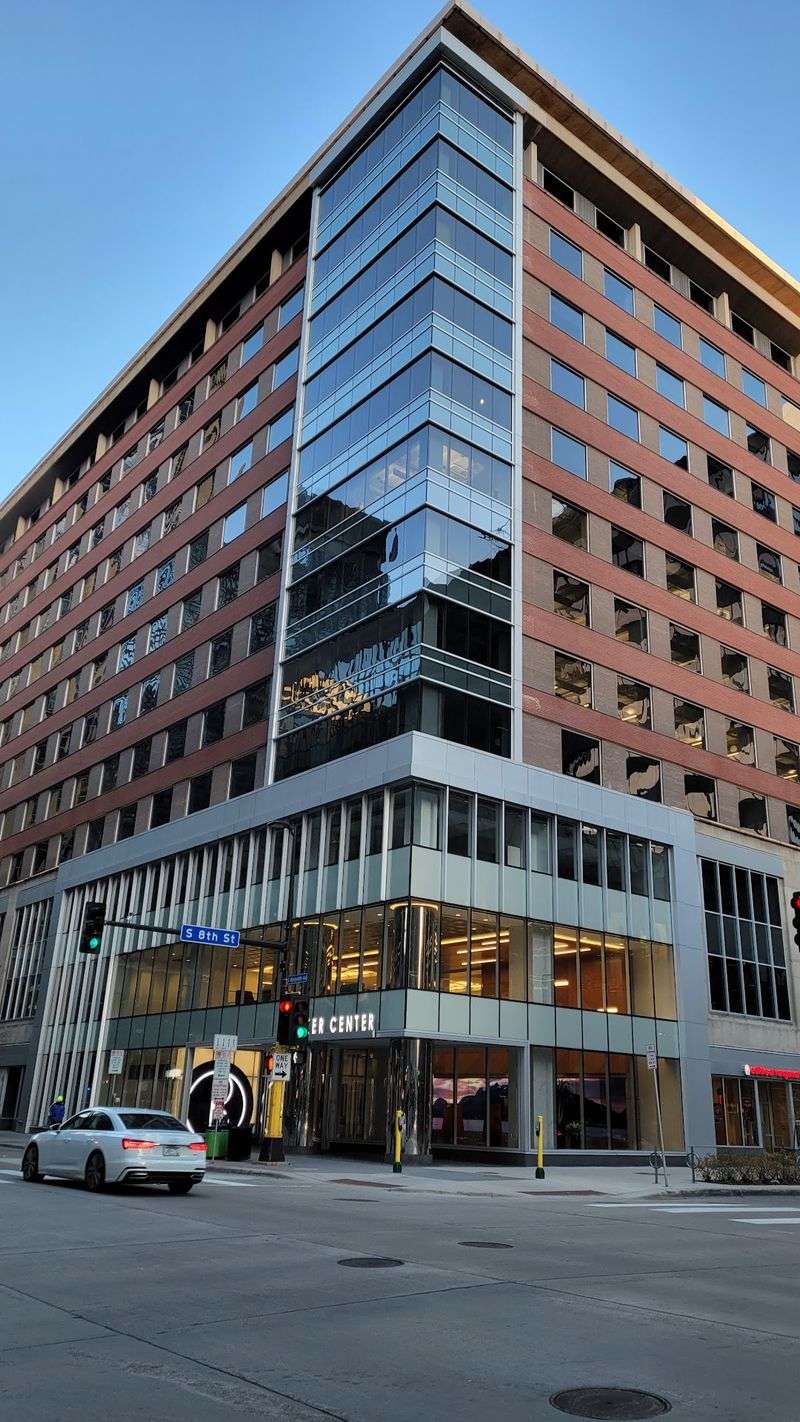
Spot a staff with two snakes on a mailbox, and you might think a doctor works upstairs. Look again.
The emblem on this historic mailbox in the 706 Building at Baker Center is the caduceus. It belongs to Hermes, the messenger of the Greek gods.
He was known for speedy deliveries and winged sandals.
People often mix up this symbol with medicine. On a mail fixture, though, it makes perfect sense.
Hermes delivering your letters is quite the job title.
The Baker Building dates to 1926 and once served as a busy streetcar terminal. It is an early Art Deco design that later joined the larger Baker Center complex.
A $25 million renovation brought modern upgrades. Even so, original materials like marbled stone, terrazzo floors, and decorative paneling were saved and blended with new features.
Visiting is easy since the complex connects to the Minneapolis skyway system. That makes it a smart stop on a cold winter day.
Hunt for the caduceus and enjoy a little mythology with your mail.
11. Lumber Exchange Building, Minneapolis, Minnesota
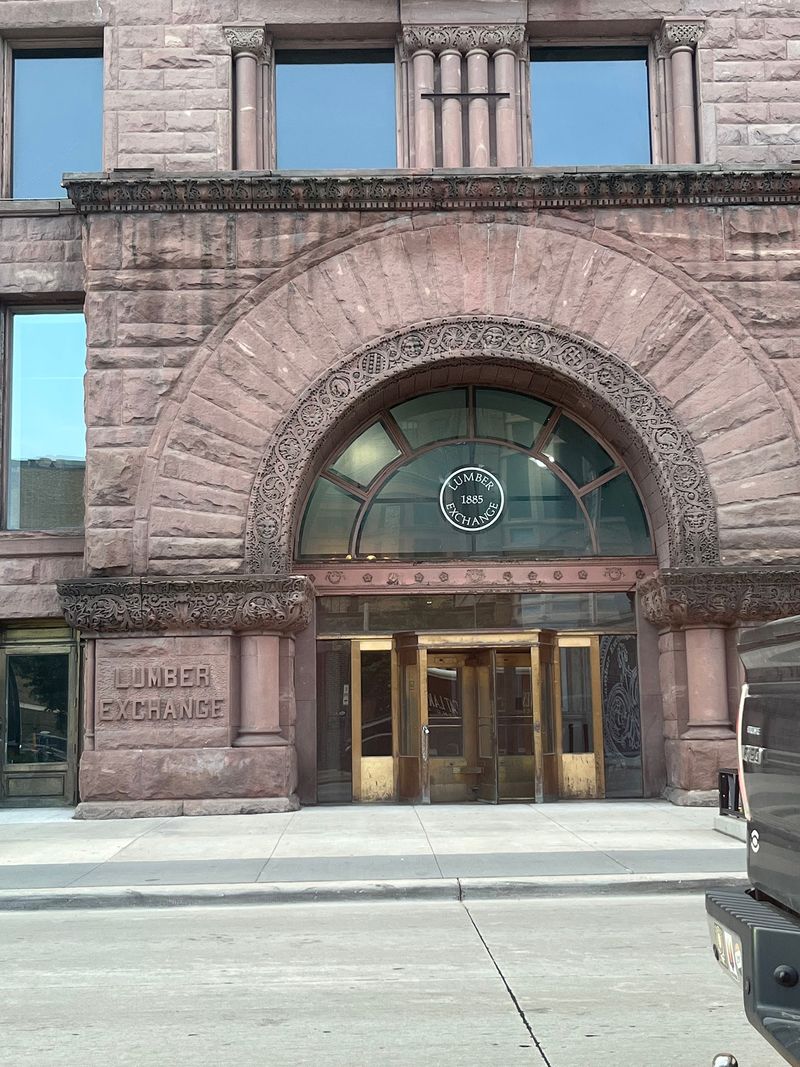
Minneapolis got its first skyscraper thanks to lumber money. The Lumber Exchange Building rose between 1885 and 1890, when the city was booming as a trade center.
The architecture firm Long and Kees designed it in the Richardsonian Romanesque style. Think heavy pink Kasota stone, big rounded arches, and carved trim around the entrances.
It was also one of the country’s early fireproof buildings. Terracotta fireproofing on the upper floors later earned national attention for working so well.
Inside, a surviving Cutler lobby mailbox and chute recall a time when this was cutting-edge tech. Lumber dealers and bankers could send business letters straight from their desks.
That convenience mattered in a fast-growing city. Deals moved quicker when mail did not wait on a walk downstairs.
The building is still busy with offices and event spaces, so it has never turned into a dusty museum. If you attend an event there, take a moment to find the mailbox in the lobby.
It is one of the oldest postal pieces on this list.
12. Graybar Building, New York, New York
Metal rats crawl up the cables outside the Graybar Building, and that is on purpose. Architect John Sloan added them to give the entrance a maritime touch, honoring New York as a great seaport.
The building opened in 1927 next to Grand Central Terminal. Sloan and Robertson designed it as part of Terminal City, a group of buildings constructed over the train tracks.
The best spot for mail fans is the Graybar Passage. This public corridor links Lexington Avenue to the terminal.
Thousands of commuters rush through it every day.
Inside the passage, a historic Cutler mail fixture sits among vaulted ceilings and ornamental lights. Its Art Deco metalwork turns a basic collection box into a tiny showpiece.
Most people walk right past it while checking train times. You can do better.
Slow down for a minute, find the mail fixture, and then head outside to look for the rats. It is a fun way to wrap up this postal road trip, right where millions of travelers come and go.
Share this story