Most people picture Illinois as endless cornfields and flat highways, so the first sight of tall sandstone cliffs rising out of the trees feels like a happy mistake. Down at the southern tip of the state, the land suddenly buckles into canyons, waterfalls, and rock towers that look borrowed from somewhere out West.
Visitors keep calling it a place that deserves national park fame, and once you see it, that idea is hard to shake. So pack a snack, lace up your boots, and let’s find out why this forest has people talking.
Southern Illinois’s Rugged Surprise
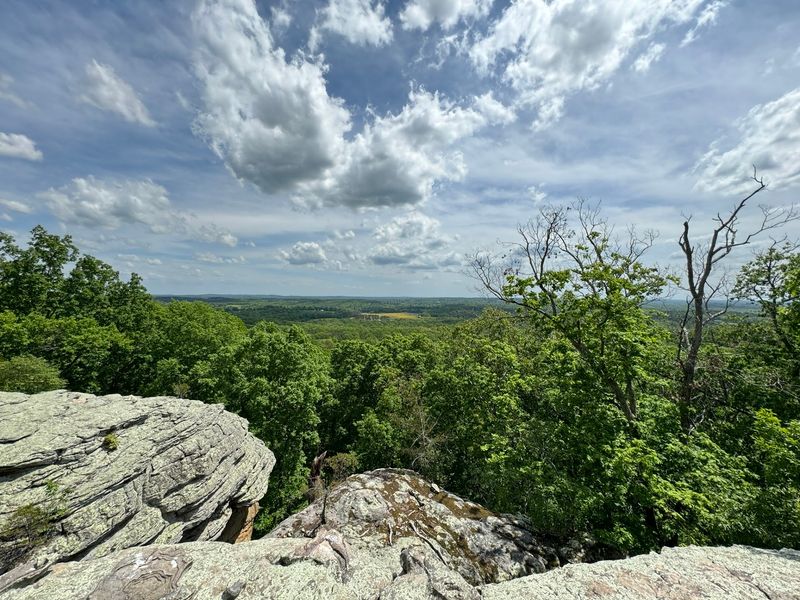
Picture the southern edge of Illinois, where the Ohio River country rolls in and the flatlands finally give up. Shawnee National Forest spreads across this corner of the state, with a visitor address listed in the tiny community of Herod.
It is a national forest, not a park, managed by the U.S. Forest Service.
What waits inside? Woodlands, rolling hills, and lakes made for swimming, hiking, camping, fishing, and rock climbing.
One visitor from Iowa joked that Illinois is flatter than his home state, then called this area one of the most beautiful spots in Illinois.
Another guest admitted to believing the Midwest was boring and flat before coming here. Deep canyons and small waterfalls changed that opinion fast.
For a state famous for prairie, this rumpled green landscape feels like a secret that locals almost want to keep to themselves, yet people keep driving hours just to see it with their own eyes.
A National Park Question Worth Asking
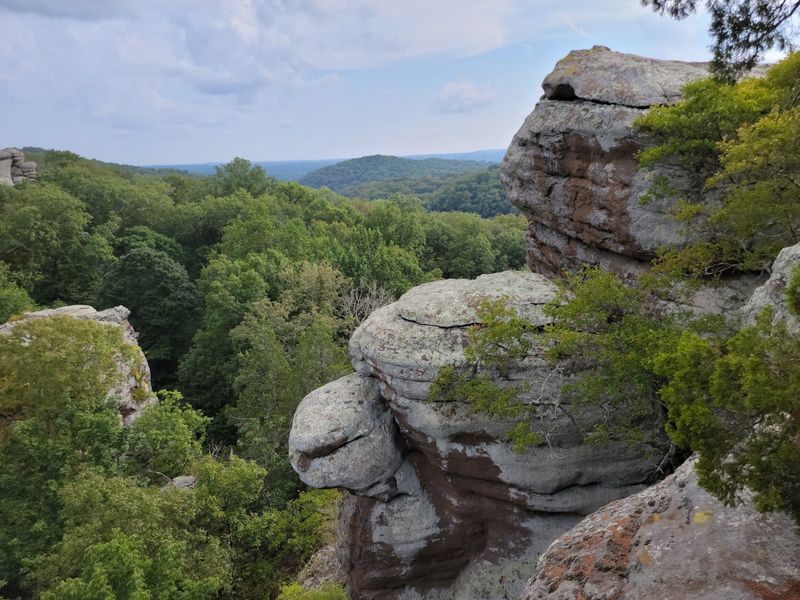
Here is a fun fact to chew on: Illinois does not have a national park of its own. That simple gap is why so many people look at Shawnee and wonder if it could fill the spot someday.
The available information does not point to any official decision, so nobody should start printing new signs just yet. Still, the question keeps coming up for good reasons.
Travelers describe the scenery as so striking that you would not even know you were in Illinois, and a travel photographer chose it for couples sessions because the rock formations make natural backdrops.
Scenery is the most talked-about topic among visitors, right alongside hiking. Fans compare it to famous western landscapes and plan return trips before they even leave.
Whether or not a new title ever arrives, the forest already earns the kind of loyalty usually saved for big-name parks, which might be the best argument of all.
Garden of the Gods and Its Famous Camel
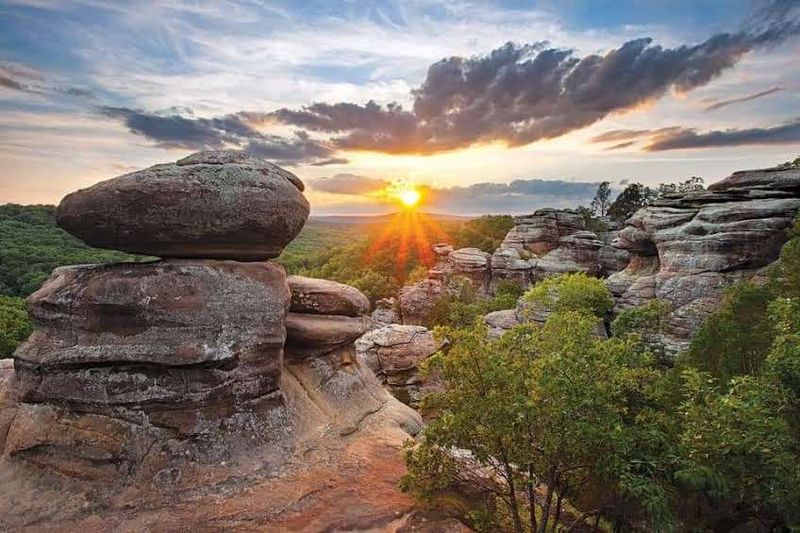
Ask almost anyone about Shawnee and the first words out of their mouth will likely be Garden of the Gods. This recreation area is the forest’s headline act, and visitors gladly drive four and a half hours to stand on its cliffs.
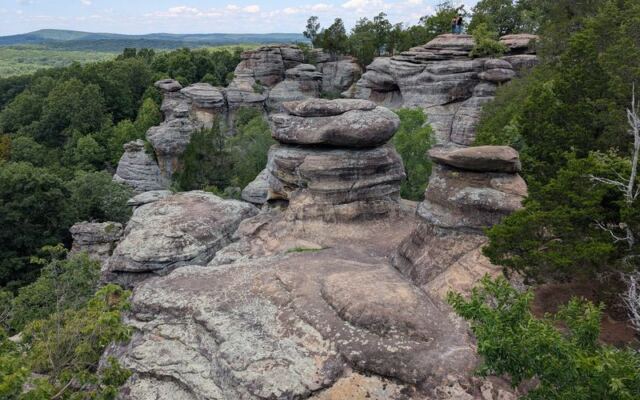
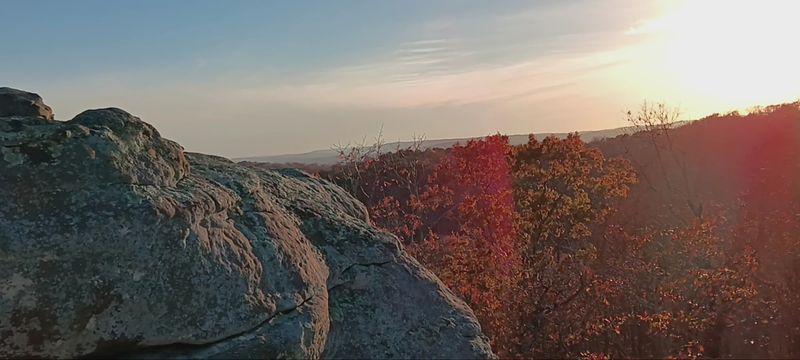
Weathered sandstone twists into strange shapes along the trail. The star is Camel Rock, reached by a quick loop of about one mile that guests call unforgettable.
One hiker managed it easily in everyday shoes, while others suggest sturdier footwear because the path gets a little rocky around big boulders.
Overlooks open onto a valley of tall trees and greenery stretching as far as you can see. Parents, take note: holding small hands near the cliff edges is a smart move.
Many visitors also dream of returning in autumn, when the leaves blaze around the stone and the whole view turns into a painting.
Canyons, Springs, and a Cypress Swamp
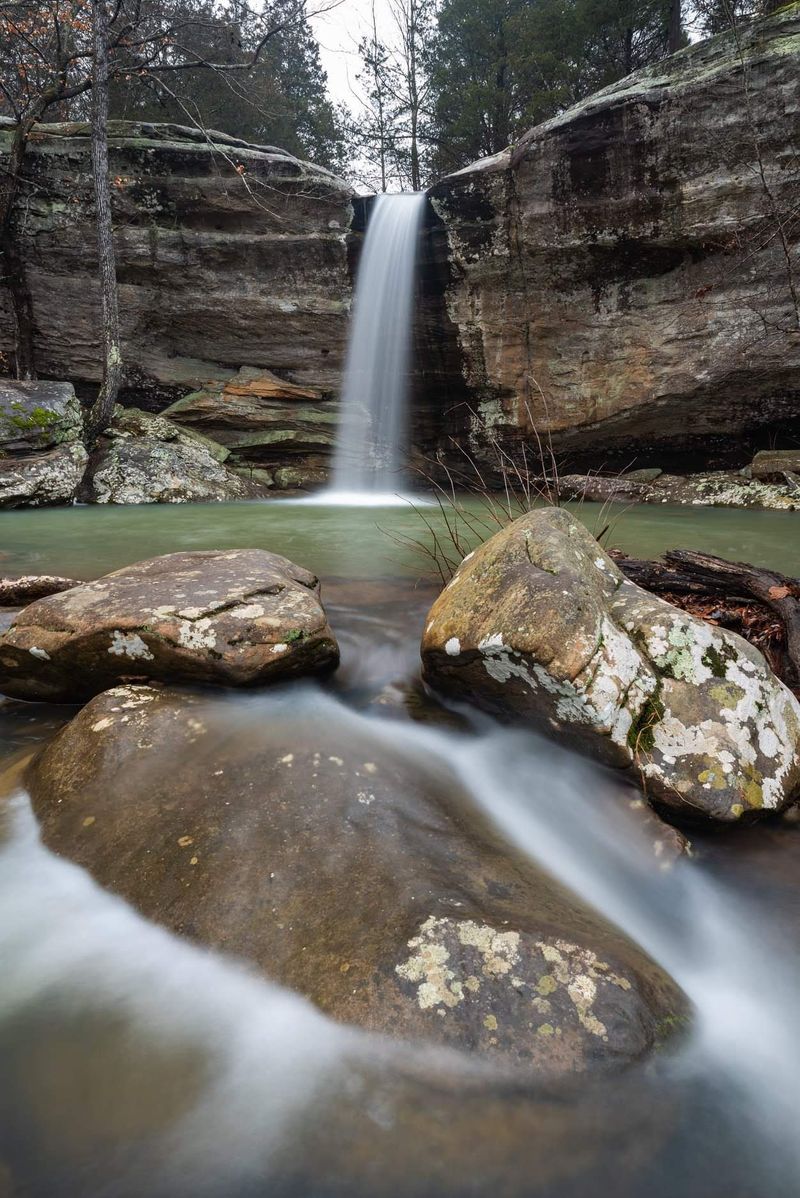
Waterfalls in Illinois? Plenty of them, actually.
Travelers rave about streams, cliffs, and small cascades tucked throughout the forest, often hidden at the bottom of deep canyons.
Little Grand Canyon is a name that pops up again and again, and it lives up to the comparison with its steep walls and shady trails. Bell Smith Springs is another favorite, mixing clear water with rock formations that reward slow exploring.
Rim Rock offers a more rugged hike, and one longtime camper also loved the views along the Ohio River section.
Then comes the real curveball. Heron Pond holds a cypress swamp, something one spring visitor called really cool to find in the middle of southern Illinois.
Walking from towering bluffs to a quiet swamp in a single weekend feels a bit like visiting several states at once, and that variety is a big part of the forest’s charm.
Trails for Strollers and Climbers Alike
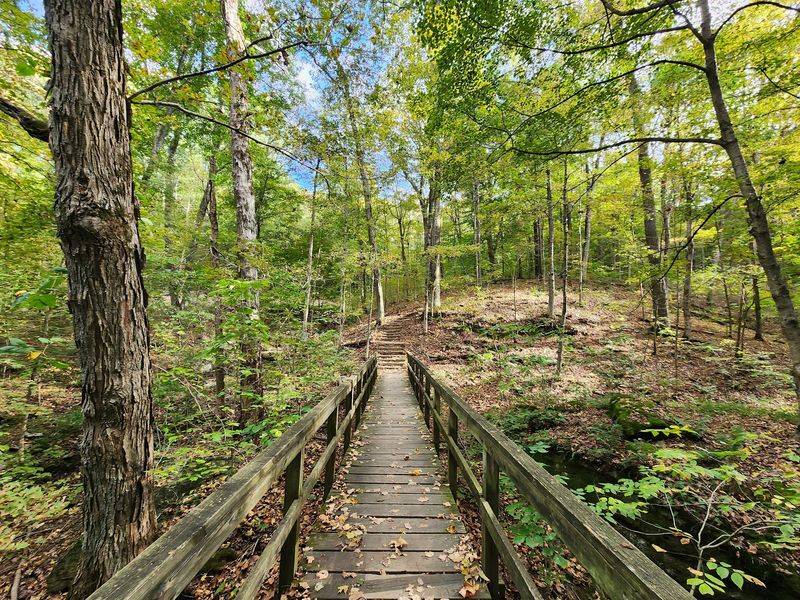
Trillium Trail has a reputation, and it is not a gentle one. Hikers warn that it climbs up and away before the path finally smooths out, so sturdy shoes and an early morning start help a lot.
Not every route is that demanding. Visitors describe short, simple hikes, sections with paved paths, and loops that suit beginners.
Some guests praise how well maintained the trails are, with clear signage and color markings that keep you on track.
Adventurous types can head off on backcountry routes like the area near Indian Point Trail, where one couple wandered off the path and hit several dead ends before finding their way again. Rock climbing also draws a crowd thanks to the cliffs.
Bringing your pup? Leashed dogs are welcome, according to happy hikers.
With different lengths and difficulty levels everywhere, there truly is a trail for every pair of legs.
Campfires, Kayaks, and Lakeside Mornings
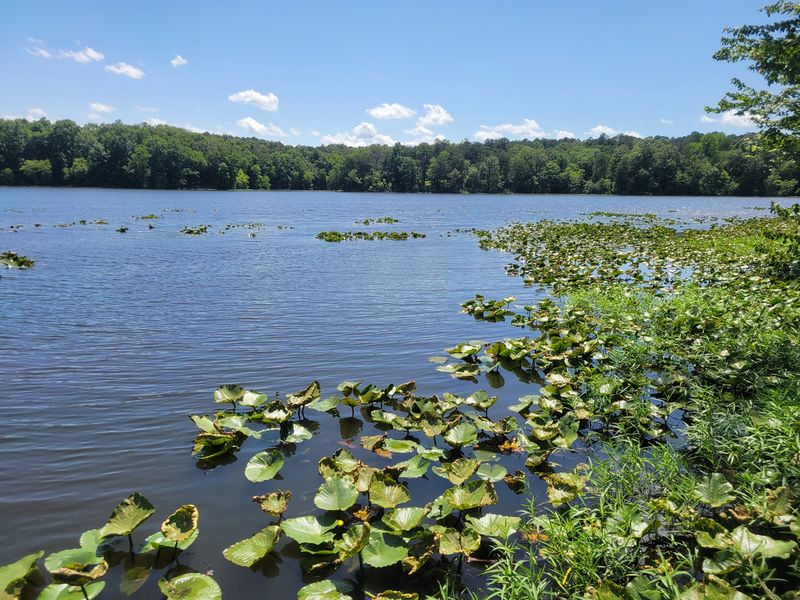
One family spent three nights here and called it a blast, filling their days with kayaking, fishing, and trail time. That mix captures the slower side of Shawnee perfectly.
Campers speak warmly about the sites. At the Pine Ridge campground in Pounds Hollow, each spot had room for a large tent and a couple of vehicles, plus a fire ring with a grate, a picnic table, and a lamp pole.
Electric sites sit in the first spur, and another visitor mentioned camping sites for about ten dollars.
Lakes invite swimming on hot afternoons, and anglers say the fishing is amazing. A tent camper who has visited from December to October praised the space and setting at several campgrounds.
Prefer walls and a roof? One hiker suggested grabbing a cabin nearby and staying a couple of days.
Either way, remember to leave no trace and clean up after yourself.
Know Before You Go
Good news for night owls and early birds: the forest is listed as open 24 hours, every day of the week. Questions can go to the Forest Service at 1-800-699-6637, and the official website at fs.usda.gov/shawnee is a handy planning tool.
Pack like you mean it. Visitors point out there are no concessions or vending machines, so bring snacks and plenty of water.
Bug spray is a must, and hand sanitizer helps too, since one guest found the clean public restrooms lacking soap.
Timing matters as well. Summer heat can sap your energy, which is why several people recommend early morning hikes or a fall visit.
A long weekend gives you enough time to cover the top attractions, though many visitors admit they barely scratched the surface. Grab a map before setting out, because the forest spreads across a lot of ground.
Already a Park in Spirit
So, is Shawnee about to become Illinois’s first national park? Nothing official in the details here says so, and it is wiser not to guess.
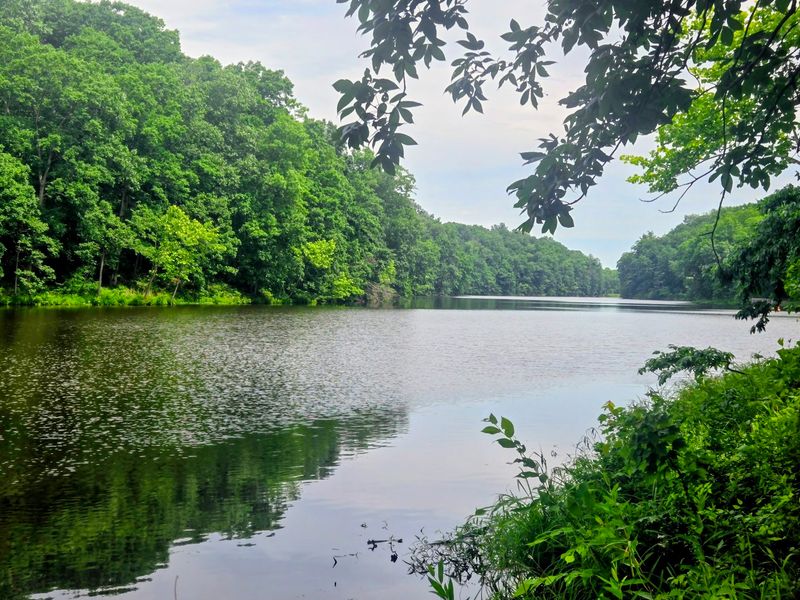
Yet the feeling among visitors is hard to miss. People describe it as tranquil, pristine, and full of wildlife, streams, and wildflowers.
They call it a must-see weekend getaway, praise the kind and helpful folks they meet, and leave already plotting a return.
For Illinois day-trippers, that might be enough. You do not need a fancy title to enjoy a sunrise over Garden of the Gods or the hush of a cypress swamp.
Shawnee feels like a rite of passage for anyone who loves this state and wants to prove it is far from flat. Go see it, claim it as your own, and decide for yourself whether it deserves a bigger name someday.
Share this story