Some people count sheep at night. Campers count campsites, and a few states have far more of them than others.
A recent business-location inventory listed about 40,000 campgrounds across the country, but they are not spread out evenly. Some states pile them along lakeshores, while others tuck them into deserts, mountain forests, and coastal dunes.
The numbers in this list come from POI Data’s 2026 directory, so they cover listed campground businesses rather than every single tent spot in the woods. Seasonal openings can change, and rules differ by park.
Still, the ranking shows where your odds of finding a place to pitch a tent are best. Some of the states near the top might surprise you, and one of them owes its high score to thousands of lakes.
Along the way, you will find famous parks, smart booking tips, and a few campsites where you might paddle instead of drive. Grab your map and keep reading to see which state claims the top spot.
1. California, 2,280 Campgrounds
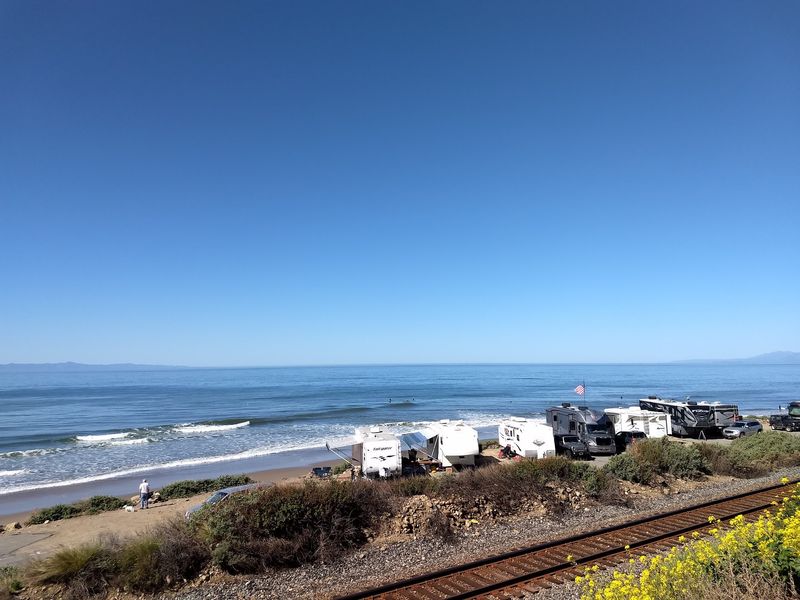
First place goes to the state that can offer a beach, a mountain, and a desert campsite in the same week. California tops the list with 2,280 listed campgrounds.
Upper Pines Campground in Yosemite Valley is a classic pick. It sits at about 4,000 feet and has roughly 238 sites, each with a fire ring, picnic table, and bear-proof food locker.
Reservations open five months ahead and can vanish within minutes. Set an alarm and be logged in early on Recreation.gov.
Joshua Tree National Park offers a different scene, with nine campgrounds and about 500 sites. Only Cottonwood, Black Rock, and Indian Cove have running water, so pack plenty.
Desert trips work best from October through April. Mountain camping shines from June to October, after the snow is gone.
2. Minnesota, 2,149 Campgrounds
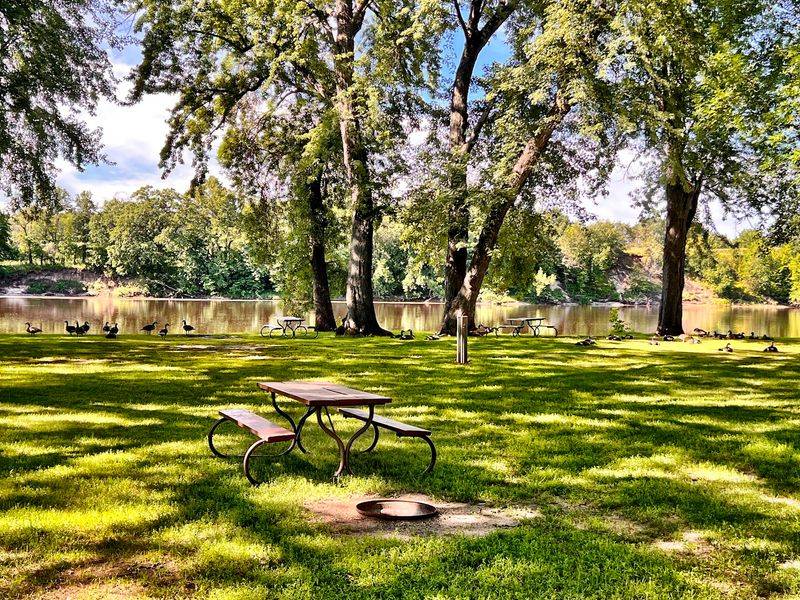
Ten thousand lakes means a lot of shoreline real estate for tents. Minnesota grabs second place with 2,149 campgrounds, barely trailing California.
Gooseberry Falls State Park sits along the North Shore of Lake Superior. Campers can hike to a set of waterfalls and still be back at camp in time for lunch.
The Boundary Waters Canoe Area Wilderness takes things further. Many campsites there can only be reached by paddling, so your canoe becomes your car.
Permits are required for overnight trips in the Boundary Waters, and quotas limit how many groups enter each day. Plan early for summer dates.
Mosquito season is real here. Bring a head net and bug spray, and your trip will go much more smoothly.
3. Texas, 1,443 Campgrounds
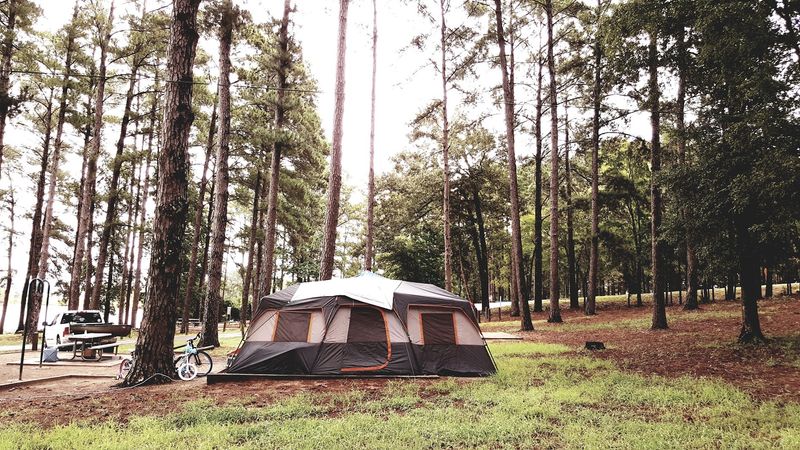
Everything is bigger in Texas, including the drive between campsites. The Lone Star State lands in third with 1,443 campgrounds.
Garner State Park in the Hill Country is a summer favorite. Families tube down the Frio River during the day, and the park is famous for its summer evening dances at the pavilion, a tradition dating back decades.
Big Bend National Park feels like another planet. Its campgrounds sit near the Chisos Mountains and the Rio Grande, with some of the darkest night skies in the country.
East Texas adds pine forests and reservoirs. Spots there stay greener and shadier than most people expect from Texas.
Summer heat in Big Bend can be extreme. Many campers visit between November and March for milder days.
4. Washington, 1,365 Campgrounds
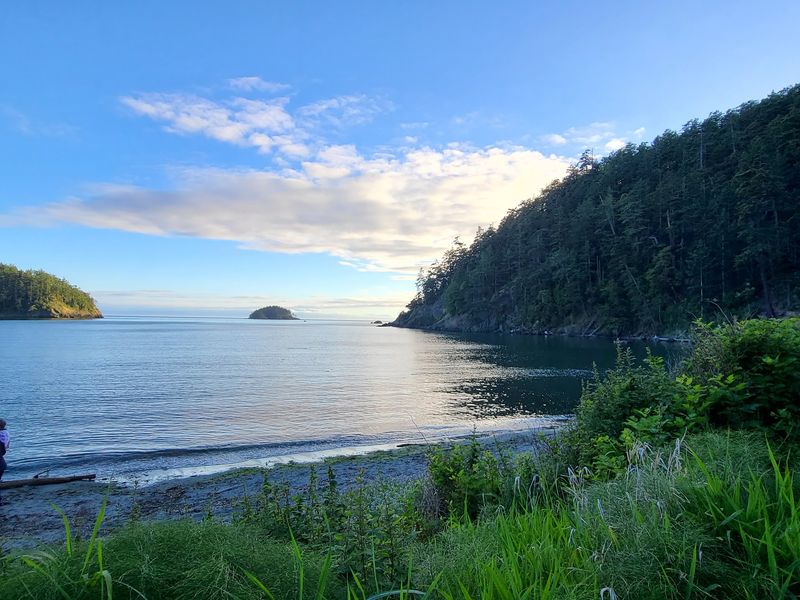
Rain gear may be the most important item on your Washington packing list. With 1,365 campgrounds, the Evergreen State ranks fourth.
Deception Pass State Park is one of the most visited parks in the state. Its campsites sit near rocky beaches and the high bridge linking Whidbey and Fidalgo islands.
Mount Rainier National Park offers a mountain setting. Cougar Rock and Ohanapecosh campgrounds are popular bases for trails through old-growth forest and wildflower meadows.
Many Rainier campgrounds only open in summer because snow lingers late. Check opening dates before you load the car.
The Olympic Peninsula adds rainforest and coastline camping too. One state, many settings, and plenty of reasons to pack an extra tarp.
5. Michigan, 1,361 Campgrounds
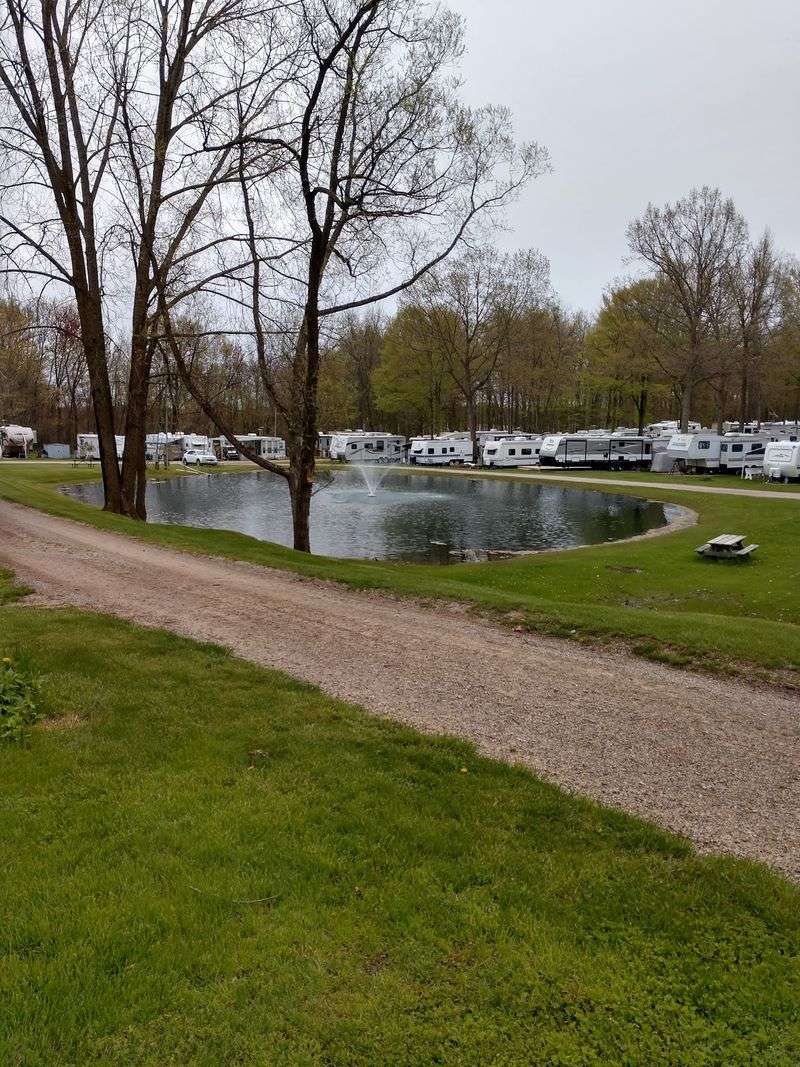
Only four campgrounds separate Michigan from the fourth spot. The Great Lakes State counts 1,361, which makes sense with more freshwater coastline than any other state except Alaska.
Ludington State Park is a longtime family favorite. It sits between Lake Michigan and Hamlin Lake, so you can swim in big waves one day and paddle calm water the next.
Tahquamenon Falls State Park in the Upper Peninsula is home to one of the largest waterfalls east of the Mississippi. The water has a brown color from tannins in nearby cedar swamps, not dirt.
Michigan state parks require a Recreation Passport for vehicles. Buy it with your license plate renewal to save time.
Summer weekends book fast, so reserve months ahead.
6. Florida, 1,339 Campgrounds
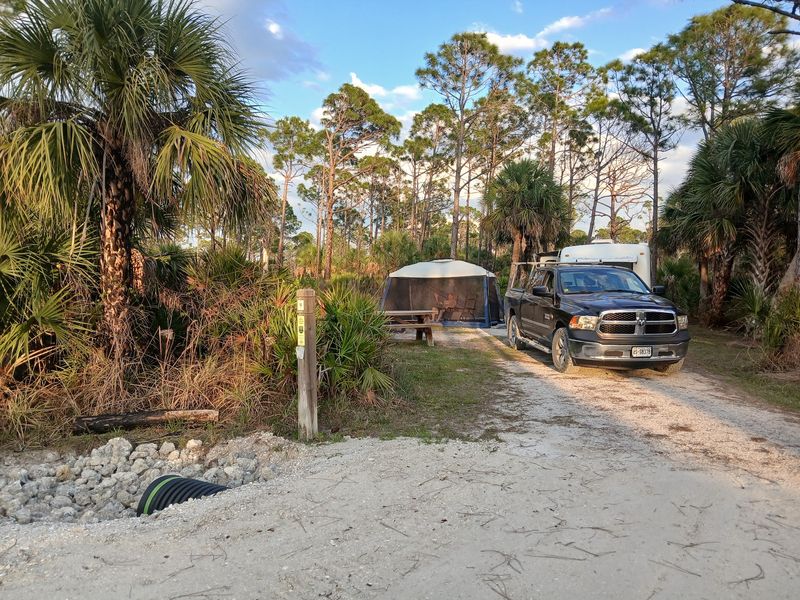
Snow pants can stay home for this one. Florida claims sixth with 1,339 campgrounds, and winter is its busy season.
Bahia Honda State Park in the Florida Keys has campsites near clear, shallow water. Its old railroad bridge is a leftover from Henry Flagler’s Overseas Railroad, finished in 1912.
Anastasia State Park near St. Augustine offers camping close to Atlantic beaches and sand dunes. The historic city is just a short bike ride away.
Inland, freshwater springs stay around 72 degrees all year. Parks like Blue Spring are known for manatees in cooler months.
Keys campsites can book out nearly a year ahead. Florida State Parks open reservations 11 months in advance, so plan early and pack bug spray.
7. Oregon, 1,226 Campgrounds
Walking behind a waterfall sounds like a movie scene, but Oregon makes it a regular hike. The state ranks seventh with 1,226 campgrounds.
Silver Falls State Park is home to the Trail of Ten Falls. The loop runs about 7 miles, and several paths pass right behind the cascades.
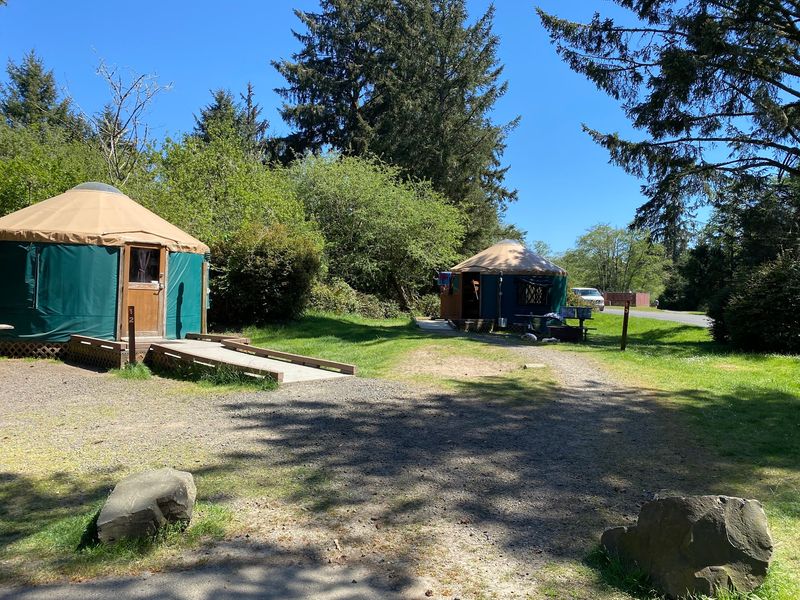
Cape Lookout State Park on the coast offers forested sites next to a wide sandy beach. It also has yurts and cabins for anyone who would rather skip the tent.
Oregon pioneered state park yurts in the 1990s. They are now a popular rainy-season option.
Central Oregon adds high desert and volcanic scenery near Bend. The weather there is often drier, which helps when the coast turns soggy.
8. Colorado, 1,115 Campgrounds
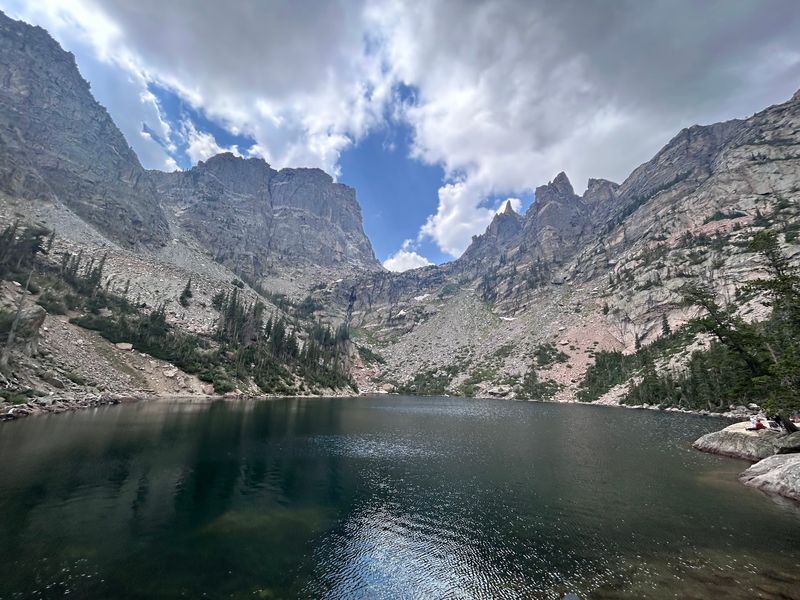
Thin air comes free with every Colorado campsite. The Centennial State takes eighth with 1,115 campgrounds.
Moraine Park Campground in Rocky Mountain National Park sits at about 8,160 feet. Elk often wander through the nearby meadow, especially in fall.
Give the animals space. Park rules ask visitors to stay at least 75 feet away from elk.
Elevation decides the camping season here. A site at 9,000 feet may still have snow in June while lower campgrounds are already busy.
National forests cover a large part of the state and include many first-come sites. Arrive early on Fridays for the best chance.
Drink extra water and take it easy on day one. Altitude can cause headaches for visitors coming from sea level.
9. North Carolina, 1,058 Campgrounds
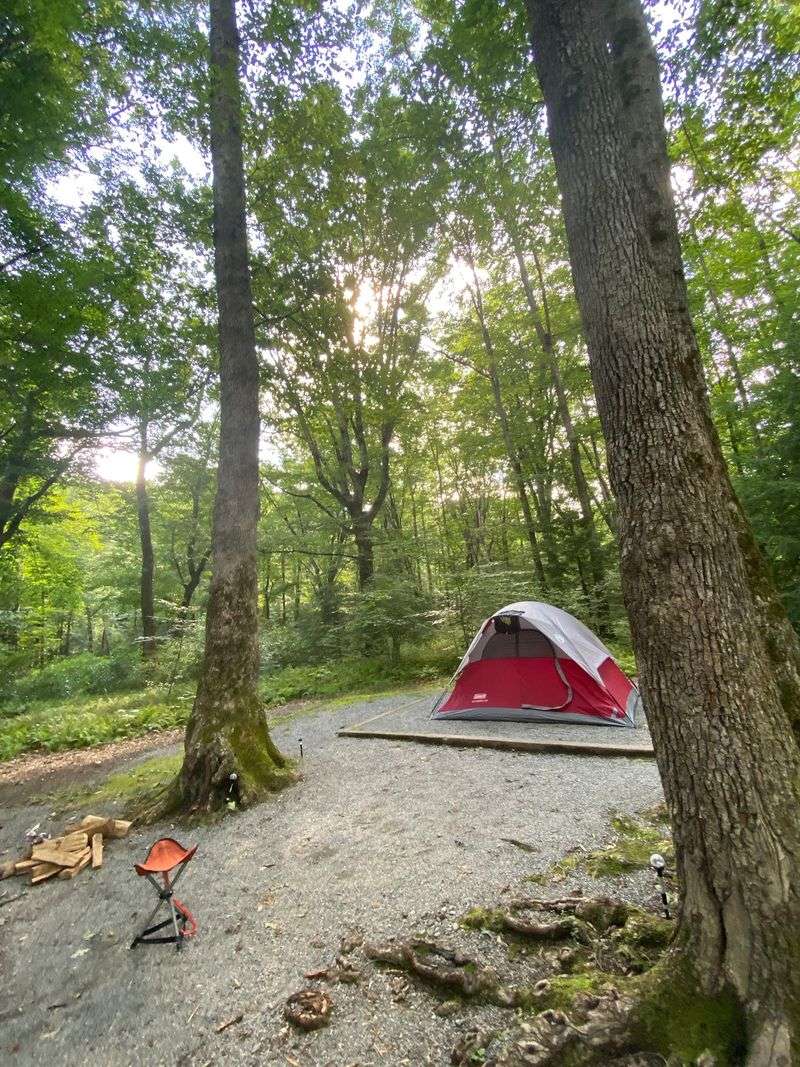
Mountains in the morning and ocean by dinner is a real option in North Carolina. The state holds ninth place with 1,058 campgrounds.
Davidson River Campground in Pisgah National Forest is a top base in the west. Nearby Looking Glass Falls is visible right from the roadside, and Sliding Rock lets visitors ride a natural rock slide in summer.
On the Outer Banks, Cape Hatteras National Seashore offers campgrounds near wide beaches. The famous striped lighthouse was moved 2,900 feet inland in 1999 to protect it from erosion.
Coastal wind can be strong. Long sand stakes help keep tents in place.
Fall brings colorful leaves to the Blue Ridge, so October weekends fill quickly.
10. Ohio, 1,052 Campgrounds
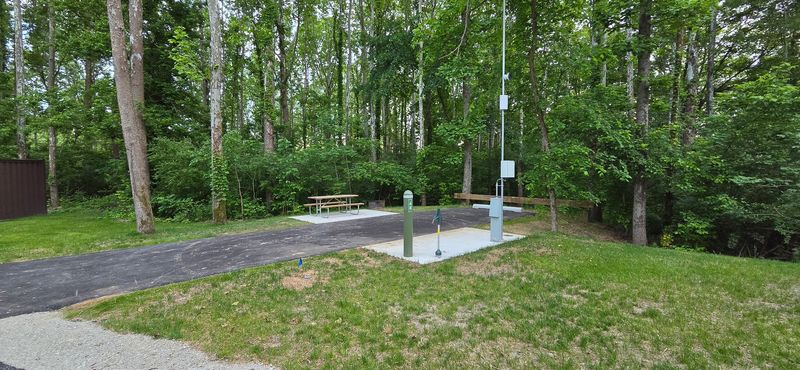
Cornfields get the attention, but Ohio hides deep sandstone gorges too. The Buckeye State squeezes into tenth with 1,052 campgrounds.
Hocking Hills State Park is the star. Trails lead to Old Man’s Cave, Ash Cave, and Cedar Falls, all within a short drive of the campground.
Old Man’s Cave is named after a hermit named Richard Rowe, who lived there in the 1800s. Local stories about him are still shared on guided walks.
East Harbor State Park on Lake Erie offers a beach-style getaway. Boating, swimming, and fishing fill the summer schedule.
Ohio is a smart pick for families in the Midwest. Many parks sit within a few hours of Columbus, Cleveland, and Cincinnati.
11. Wisconsin, 987 Campgrounds
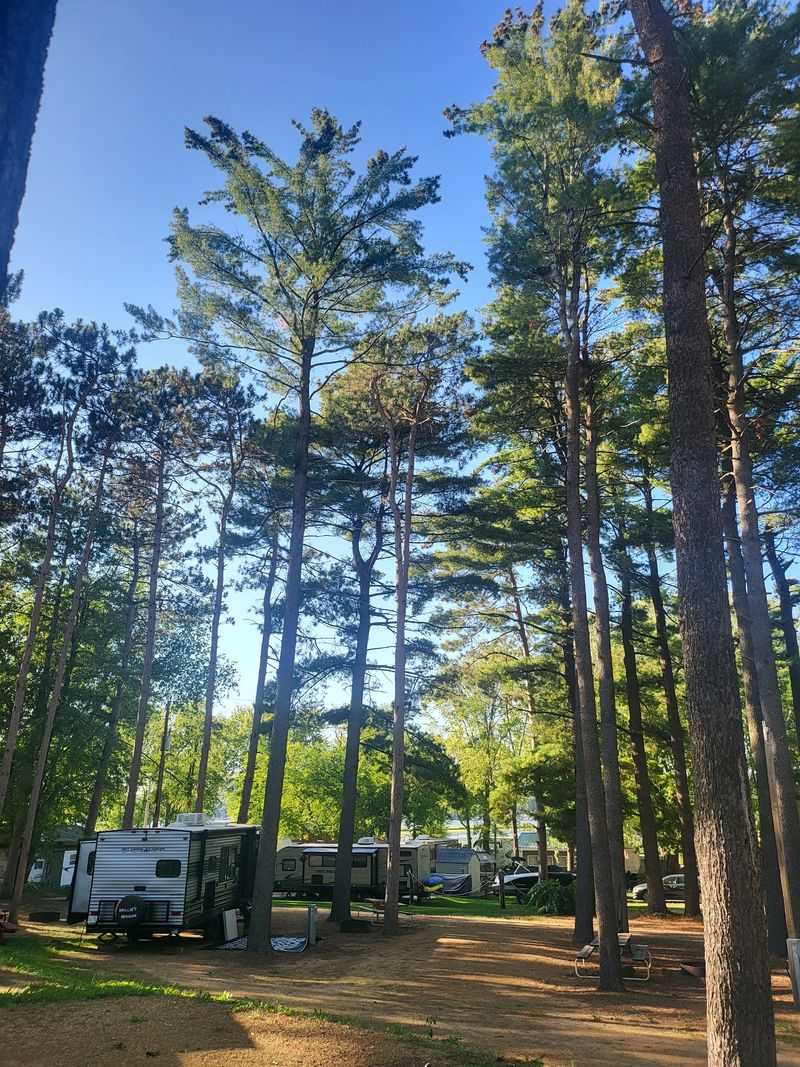
Cheese gets the fame, but Wisconsin camping deserves a slice of the spotlight. The state ranks eleventh with 987 campgrounds.
Peninsula State Park in Door County is one of the most popular parks in the state. It has nearly 470 campsites, a historic lighthouse, and an 18-hole golf course.
The Sunset Bike Route winds through the park along Green Bay. Bring bikes or rent them in nearby Fish Creek.
Up north, the Chequamegon-Nicolet National Forest covers more than 1.5 million acres. Small lakeside campgrounds there tend to be quieter than Door County.
Wisconsin state parks need a vehicle admission sticker. An annual pass pays off quickly if you plan more than a few visits.
12. Tennessee, 984 Campgrounds
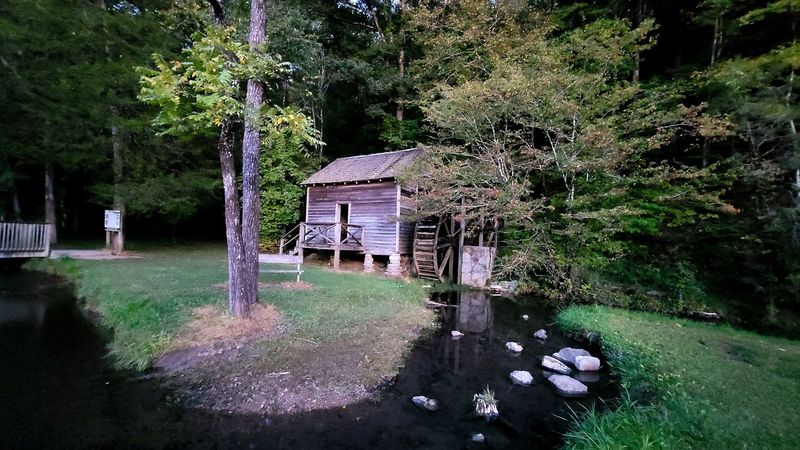
History buffs and hikers can share a campfire in Tennessee. The Volunteer State sits just three campgrounds behind Wisconsin, with 984.
Cades Cove Campground in Great Smoky Mountains National Park sits near an 11-mile loop road. Old churches, cabins, and a working grist mill line the route.
Black bears and deer are often spotted along the loop. On certain mornings from May to September, the road is open only to bikes and walkers.
Fall Creek Falls State Park offers another highlight. Its main waterfall drops 256 feet, one of the tallest in the eastern United States.
The Smokies are the most visited national park in the country. Book campsites early and expect slow traffic on summer weekends.
13. Montana, 884 Campgrounds
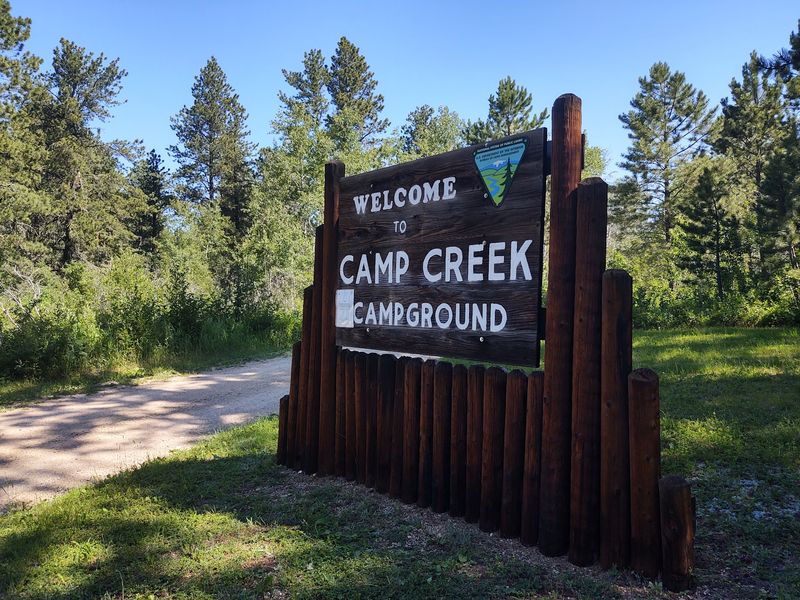
Big Sky Country lives up to its nickname at night. Montana comes in thirteenth with 884 campgrounds.
The Many Glacier area in Glacier National Park is known for steep peaks, clear lakes, and trails to spots like Grinnell Glacier. Grizzly bears live here, so bear spray is a must.
Glacier campgrounds often open late due to snow. Some sites book within minutes, and timed entry rules have applied in recent summers.
Outside the park, national forests offer campgrounds near rivers and trails. Many are first-come, first-served and less crowded.
Distances are long in Montana. Fill your gas tank whenever you can and carry extra food and water on remote roads.
14. Idaho, 882 Campgrounds
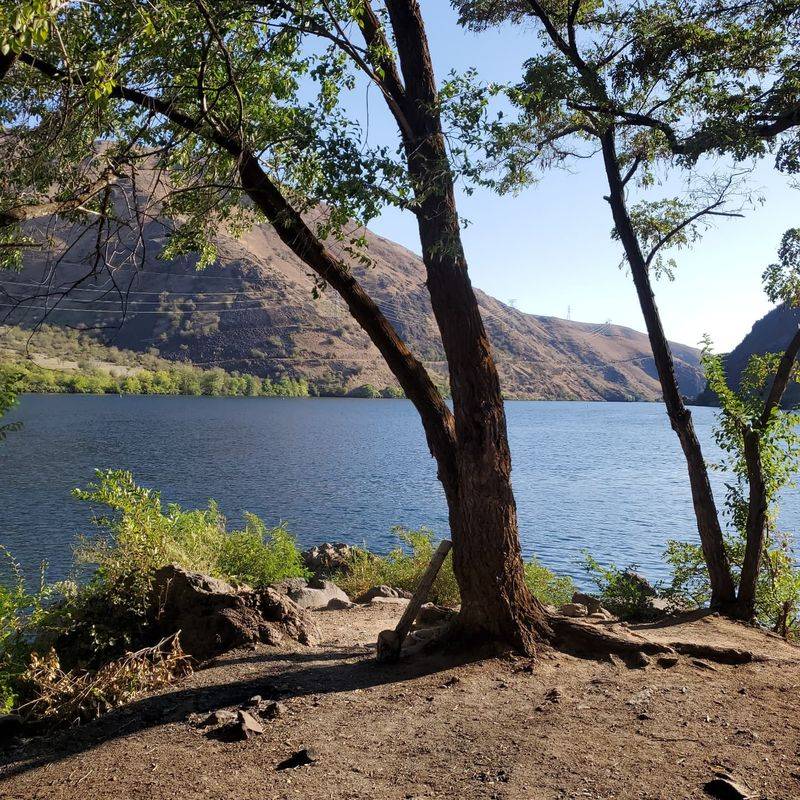
Idaho rarely brags, but its campground count speaks up anyway. The state ranks fourteenth with 882 campgrounds, just two behind Montana.
Redfish Lake in the Sawtooth National Recreation Area is the headliner. Several campgrounds sit near the lake with jagged peaks rising behind the water.
The lake gets its name from sockeye salmon. These fish turn bright red and swim around 900 miles from the Pacific Ocean to spawn here.
A boat shuttle crosses the lake to trailheads deeper in the mountains. It saves hikers about five miles of walking each way.
Idaho also has natural hot springs near Stanley and along many rivers. Check access rules before soaking, since some sit on private land.
15. Missouri, 877 Campgrounds
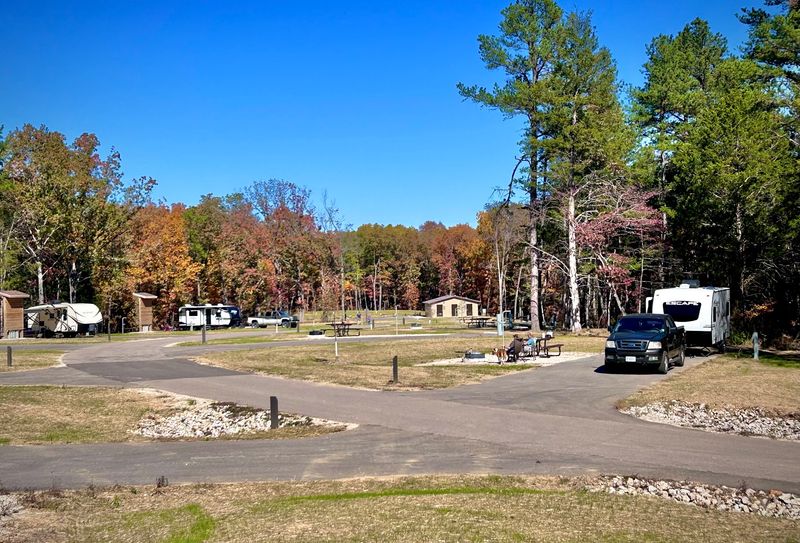
Last place on this list still means 877 campgrounds, so Missouri is no slouch. The Show-Me State proves its point in the Ozarks.
Johnson’s Shut-Ins State Park features a natural water park made by the East Fork of the Black River. Water flows through chutes in ancient volcanic rock more than a billion years old.
Wear water shoes when exploring the shut-ins. The rocks are slippery, and currents get stronger after rain.
Lake of the Ozarks State Park is the largest state park in Missouri. It offers wooded sites, hiking trails, and access to a lake with more shoreline than the California coast.
Spring and fall bring milder weather. Summer is busy, so reserve sites ahead.
Share this story