Most road trippers zoom past small desert towns on the way to famous parks. That is a mistake, because these places hold red cliffs, starry skies, old mining stories and some very quirky art.
Each one has its own rhythm, shaped by sun, sand and open space. Pack a hat and a big water bottle, because your next favorite stop might be a town you have never heard of.
Kanab, Utah
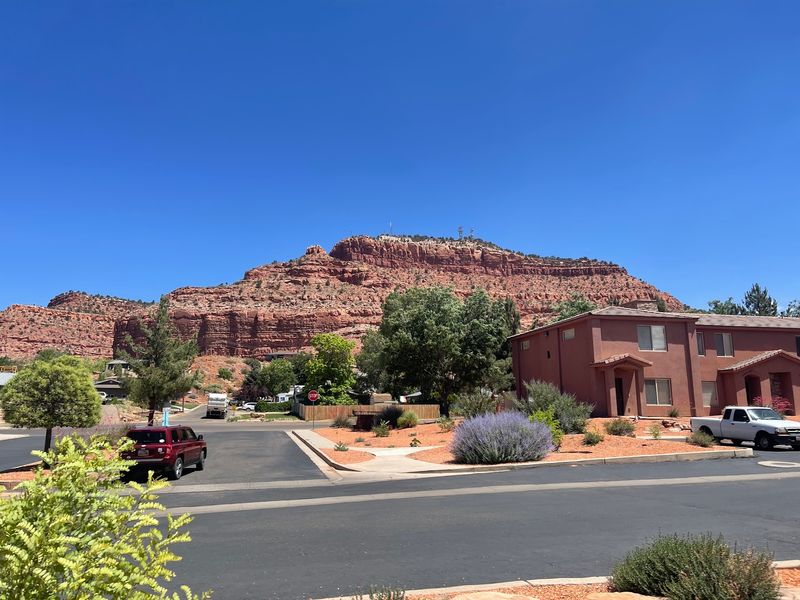
Cowboys once galloped across Kanab’s backyard on film sets, and the town still wears the nickname Little Hollywood with pride. Towering red cliffs rise right behind Main Street, so every walk to lunch comes with a free postcard view.
Kanab makes a smart base camp. Grand Staircase-Escalante National Monument sits next door, and Buckskin Gulch, Zion National Park and the Grand Canyon’s North Rim are all within a reasonable drive.
You can hike a slot canyon in the morning and still be back for dinner.
The food scene has grown nicely, with cafes and restaurants that make a welcome change from trail mix. Prices and crowds tend to feel gentler than in the busiest park gateway towns, which leaves more room in the budget for fuel and snacks.
Movie fans can hunt for filming locations around the area, while quiet seekers can simply sit on a porch and watch the cliffs change color as the sun drops. Plan at least two nights so the scenery does not feel rushed.
Bring a camera, because sunset here paints the rock in shades of orange and pink.
Torrey, Utah
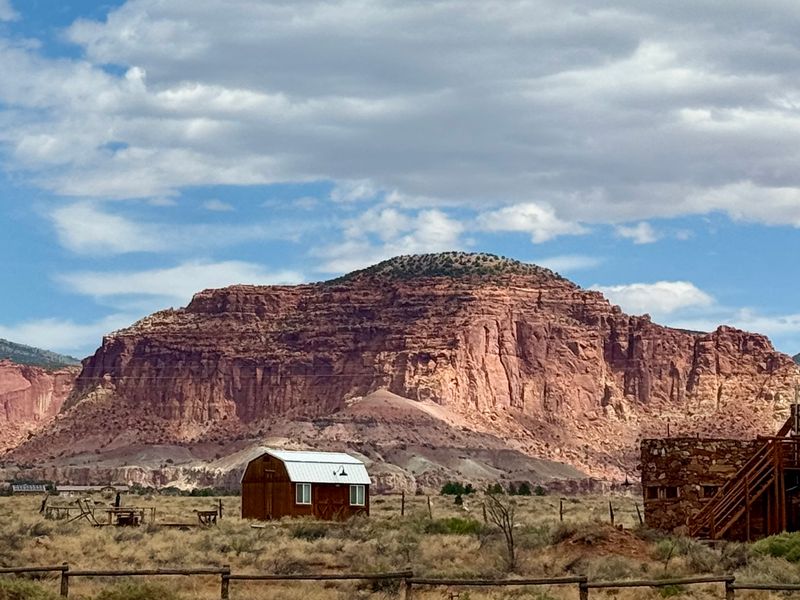
Look up after dinner in Torrey and the sky might stop you mid-bite. This tiny town earned International Dark Sky Community status, so the Milky Way shows up like it has a reservation.
Only about eight miles separate Torrey from the western entrance of Capitol Reef National Park. The park gets far fewer crowds than Utah’s headline parks, which means quieter trails and easier parking.
Rose-colored cliffs and green meadows create a surprising mix of desert and mountain views.
Day trip options are plentiful. You can hike among the park’s domes and canyons, bump along the dirt roads of Cathedral Valley, or head uphill toward cool forests and alpine lakes.
Scenic Byway 12 runs right past town, and the drive alone is worth the gas money.
Torrey stays small on purpose. A few lodges, a handful of places to eat and plenty of open space keep the pace slow.
Pack a jacket for evenings, since elevation makes nights cooler than you might expect. Bring a red flashlight too, so your eyes can enjoy the stars.
Bluff, Utah
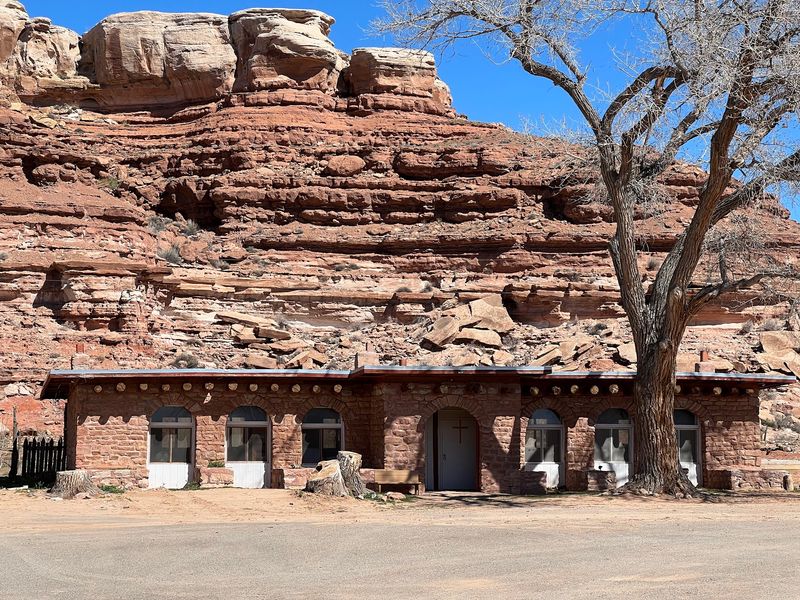
Ancient hands pressed paint and carved stone around Bluff long before any motel sign went up. Petroglyphs, pictographs and ancestral Puebloan sites dot the landscape, making this one of the richest history stops in the Southwest.
The town rests beside the San Juan River, framed by sandstone cliffs. From here you can reach Bears Ears National Monument, Valley of the Gods, Hovenweep National Monument and Monument Valley.
Many of those drives feel empty in the best way, with long roads and few cars.
Bluff itself is calm. You will find historic buildings, small lodges and a strong sense of being far from everything.
Do not expect nightlife, but do expect a sky full of stars and a very quiet morning.
Respect matters here. Stay on marked paths, never touch rock art, and leave artifacts exactly where you found them.
These places belong to living cultures as well as history books.
If you love learning as much as you love scenery, Bluff may beat busier recreation towns. Bring a good map, since cell service can vanish without warning.
Lone Pine, California
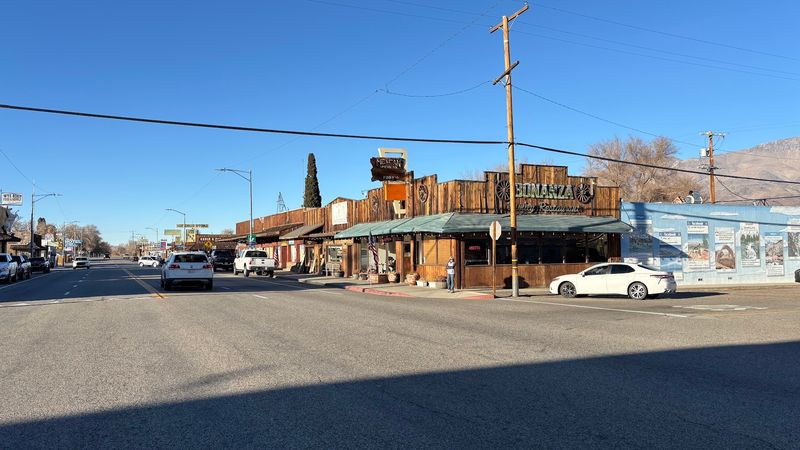
Highway 395 doubles as Main Street in Lone Pine, and the mountains seem to lean in for a look. The Inyo Mountains rise to the east, while the mighty Sierra Nevada tower to the west behind the rounded boulders of the Alabama Hills.
Those hills have starred in many Western films, so the scenery may feel strangely familiar. Wander the rocky paths, spot natural arches and pick a perfect sunrise spot.
The light turns the Sierra peaks pink, and it is hard to beat for the price of free.
Mount Whitney, the tallest peak in the lower 48 states, sits close by. You do not need to climb it to enjoy the road up toward the trailhead, which offers big overlooks and cool mountain air.
Back in town, small cafes, a film museum and simple motels keep things friendly. Everything feels spread out and unhurried.
Visit in spring or fall for comfortable temperatures. Summer afternoons can be toasty, so start hikes early and carry more water than you think you need.
Borrego Springs, California
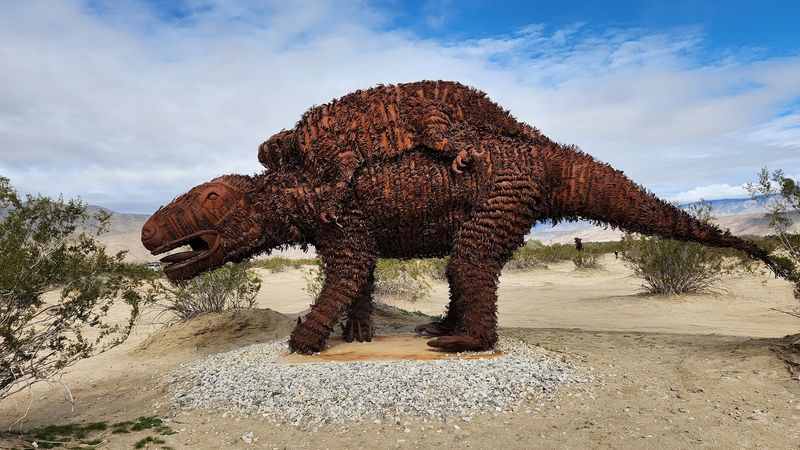
A giant metal serpent snakes across the sand near Borrego Springs, and no, you are not dreaming. Large sculptures scattered around the desert turn a simple drive into a treasure hunt.
The town sits inside Anza-Borrego Desert State Park, California’s largest state park. Spring can bring carpets of wildflowers, while canyons and palm oases give hikers plenty of choices.
Bloom timing changes each year, so check park updates before you go.
Night is the real show. The skies here are exceptionally dark, which makes star watching easy even for beginners.
Bring a blanket, a thermos of something warm and a little patience.
Borrego Springs feels quieter and less polished than Palm Springs, and that is exactly why many travelers love it. You will find low-key lodging, relaxed restaurants and a pace that encourages long afternoons.
Summer heat is intense, so plan trips between late fall and early spring. Carry extra water in your car, wear sun protection and tell someone your route before heading down remote roads.
Joshua Tree, California
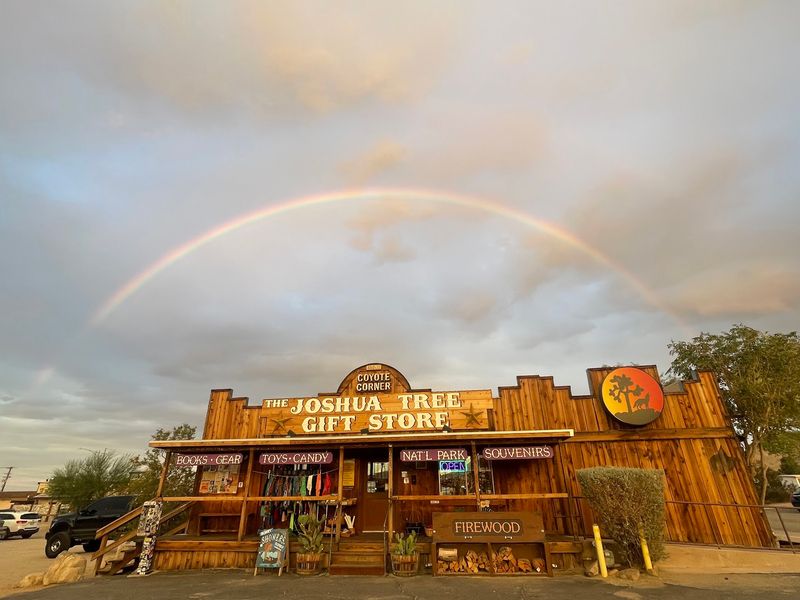
Bumper stickers may call it a trend, but Joshua Tree still has a laid-back soul. The village sits right outside Joshua Tree National Park, where spiky trees and giant granite boulders look like a set from a space movie.
Daytime belongs to the park. Hike short loops, try some easy rock scrambling or simply picnic near a boulder pile and watch lizards do push-ups.
Once you head back to town, things get creative. Vintage shops, small galleries, music venues and desert-style lodging give the place a artsy and relaxed feel.
It is a fun spot to browse, snack and meet locals who happily share tips.
The best time to explore is early morning or late afternoon, when the park’s busiest areas begin to empty. Midday crowds can fill parking lots fast, so arrive early for popular stops.
Bring layers, since desert temperatures swing from hot afternoons to chilly nights. A reusable water bottle and sturdy shoes will serve you better than any fancy gear.
Twentynine Palms, California
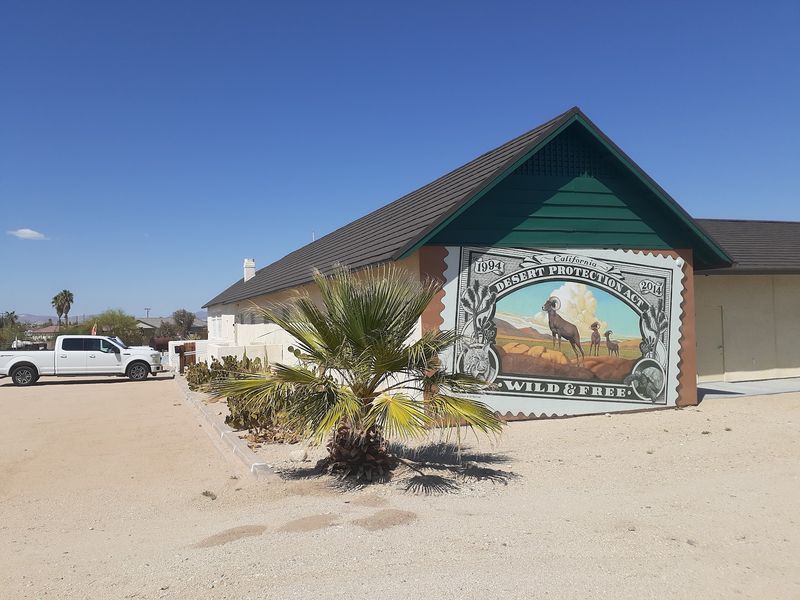
Murals tell the story of Twentynine Palms on the walls of its own buildings. Stroll downtown and you will meet pioneers, miners and desert wildlife painted large, a free history lesson with no ticket line.
The town sits near the northern entrance of Joshua Tree National Park. Many drivers cruise through without stopping, which leaves more elbow room for those who do.
Trails, wide views and old mining ruins are all within easy reach.
Nearby roads lead to palm oases, where green fronds pop against dry hills in a surprising way. Some sections of the park reached from this side stay far less crowded than the popular spots near Joshua Tree village.
Twentynine Palms feels spacious and practical. Grocery stores, gas stations and straightforward lodging make it a handy base for travelers who mainly want to see the land.
Plan to fill your tank before heading into the park, and pack snacks for the road. Cell service gets patchy, so download maps ahead of time and enjoy the quiet.
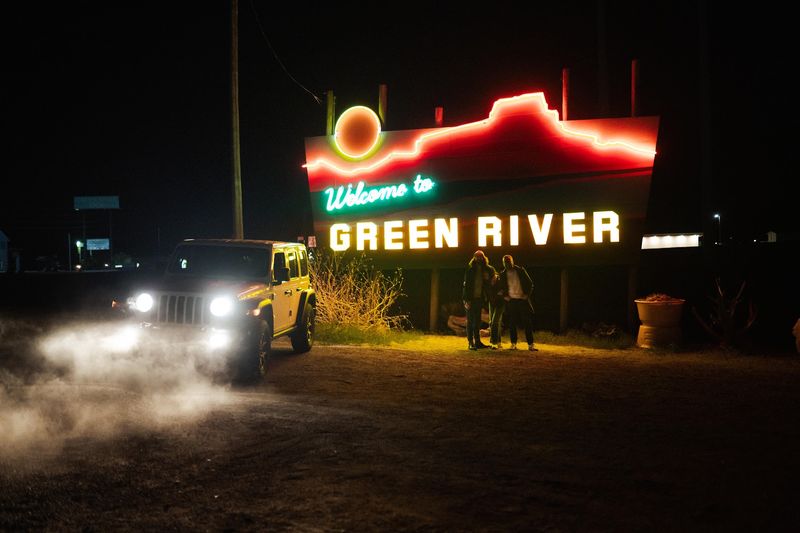
Green River, Utah
Thousands of tiny rock goblins wait near Green River, and they never blink. Goblin Valley State Park is packed with mushroom-shaped formations that kids and adults love to wander among.
The town itself is easy to miss while driving between Utah’s big parks. That is a shame, because the San Rafael Swell nearby offers slot canyons, cliffs and hoodoos with far fewer visitors.
Bring a good map and a spare tire, since many roads are rough.
Green River has a river-running history, and local melon farms add a sweet touch in late summer. Another oddity is Crystal Geyser, a cold-water geyser that bubbles up with a splash of mineral color.
Arches and Canyonlands are reachable too, but Green River shines when you use it to explore the lesser-known country right around town. Pick one adventure, take your time and skip the checklist rush.
Stock up on water and snacks before heading out, and always check road conditions after rain. Desert washes can flood quickly, even under blue skies.
Boulder, Utah
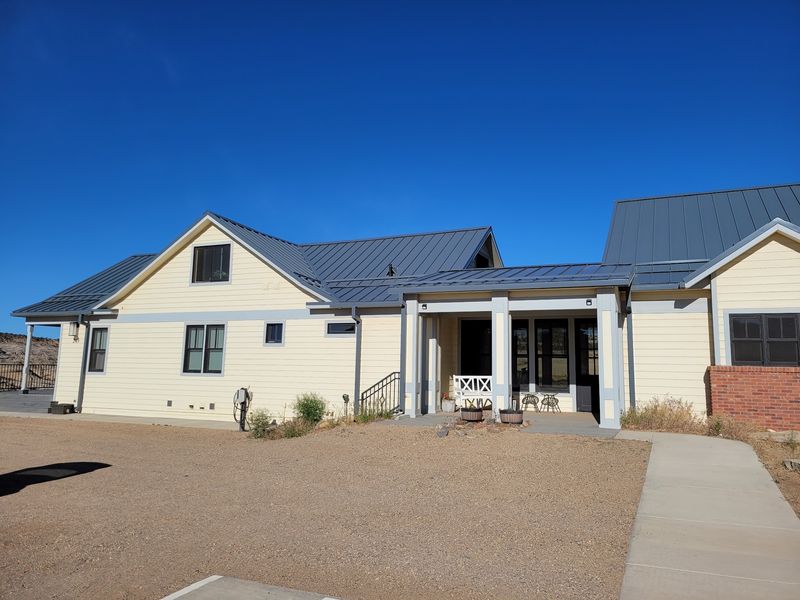
Until 1940, mail in Boulder arrived by mule. Even now, this far-flung town feels like a secret tucked between Capitol Reef National Park and Grand Staircase-Escalante National Monument.
Wilderness surrounds the community on every side. Scenic Byway 12 passes through red rock, slickrock ridges and high-elevation forest, offering one of the most striking drives in the state.
Pull over often, because the views keep changing.
Remote does not mean boring. Boulder has built a reputation for thoughtful local dining, with menus that lean on nearby farms and fresh ingredients.
After a long hike, a hot meal here tastes like a small victory.
Outdoor fans can set out on canyon hikes, scenic drives and backcountry adventures. Nightlife is basically the sky, so do not expect bars or big shows.
Gas and supplies are limited, so fill up early and bring snacks. Reserve lodging ahead of time, especially in busy seasons.
Boulder rewards travelers who love quiet roads and wide horizons.
Beatty, Nevada
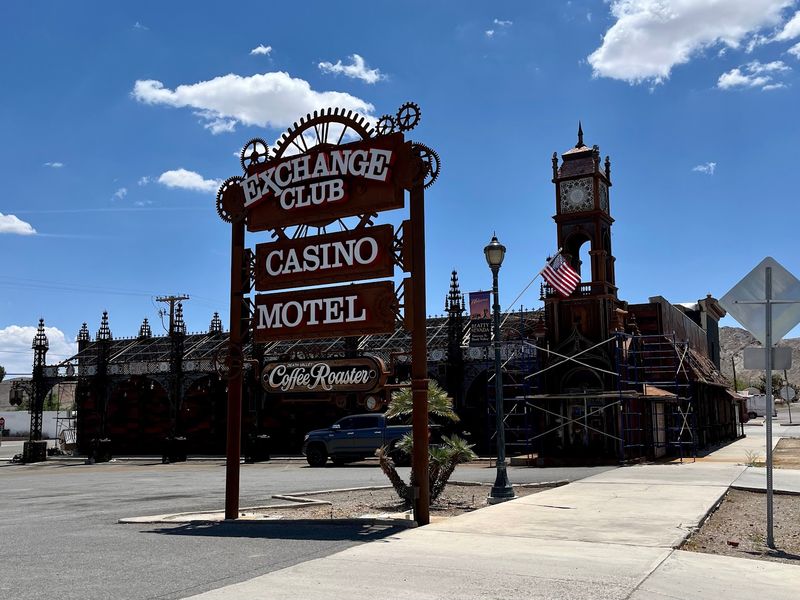
A ghostly sculpture of figures in white sheets stands in the Nevada desert near Beatty, and it is part of an art park. The Goldwell Open Air Museum places large artworks right in the sand, making the empty landscape feel like a gallery.
Close by, Rhyolite preserves the ruins of an early 20th-century mining town. Crumbling walls and a famous bottle house give you plenty to photograph.
Walk slowly and stay on safe paths around old structures.
Beatty sits just east of Death Valley, so it works well as a launch point for day trips. You can explore the national park, then return to a bed that does not cost park prices.
The town is small and has an Old West feel, with modest motels, diners and open skies. It seems a world away from Las Vegas, though the drive is not terribly long.
Visit in cooler months, carry plenty of water and watch your gas gauge. Services are spread out, and the desert rewards careful planning.
Tonopah, Nevada
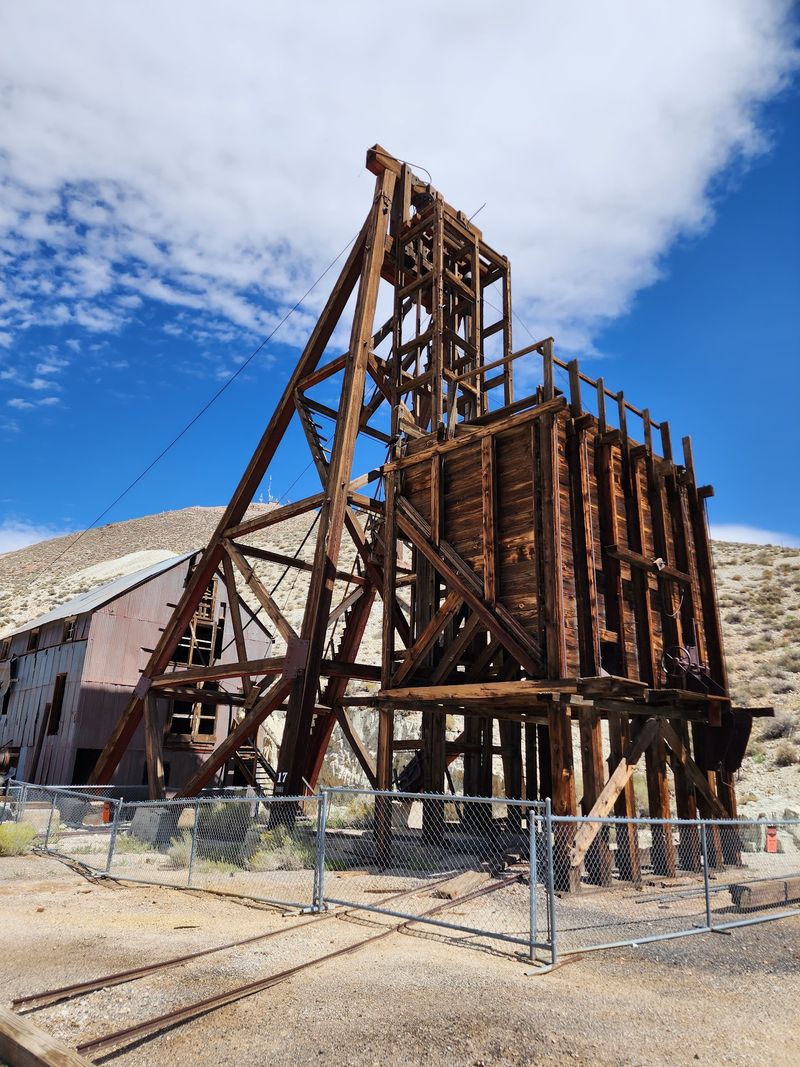
Silver built Tonopah, and its old headframes still stand like rusty trophies on the hillside. The town grew from one of Nevada’s great silver discoveries, and the mining spirit lingers in every brick.
Historic hotels, mining remnants and open desert views set it apart from the casino-heavy parts of the state. Wander through the old mining park, peek into museums and chat with locals who know every story.
Night here belongs to the stars. The high desert is known for dark skies, so stargazers driving between Las Vegas and Reno often make a stop.
Lie back on a blanket and count shooting stars.
Tonopah is not polished, and that is part of its charm. Roadside Americana fans will love the vintage signs, old storefronts and wide-open highways that surround the town.
Bring warm layers because desert nights can turn cold fast. Book a room early if you plan to visit during a big stargazing event.
Caliente, Nevada
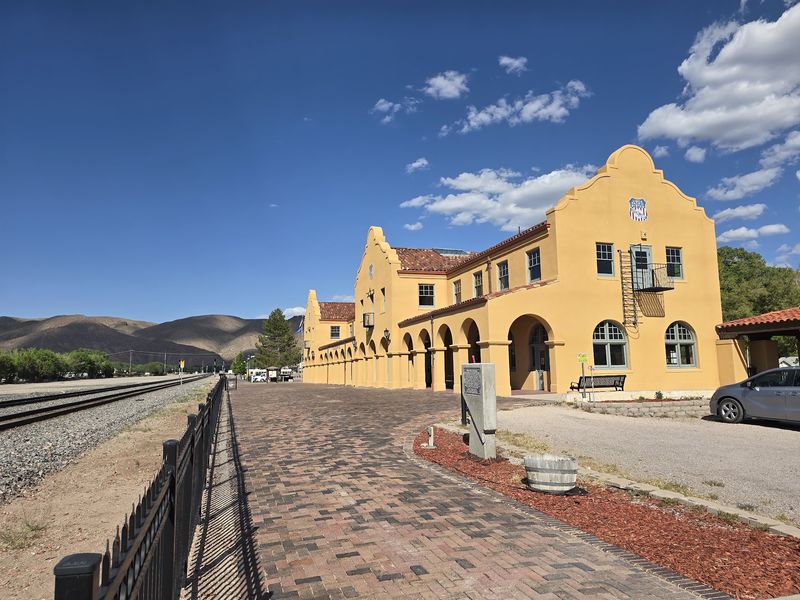
A grand old train station greets visitors in Caliente, a reminder of days when railroads ran the show. Its Mission-style look feels almost too fancy for such a small desert town.
Cliffs and canyons wrap around the community, offering hiking and mountain biking for all skill levels. Trails are less crowded than those near major cities, so you can pedal or stroll at your own speed.
The big highlight sits nearby: Cathedral Gorge State Park. Narrow passages carved into soft clay formations look like miniature cathedrals, and kids love exploring the slots.
Visit near sunrise or sunset, when the textures glow.
Caliente is far from the glitz of Las Vegas and Reno, which suits travelers who prefer quiet streets and friendly faces. A few simple places to stay and eat keep things easy.
Pack sun protection and sturdy shoes, since the clay can be slippery after rain. Pair a train station photo stop with a gorge hike for a perfect day.
Ely, Nevada
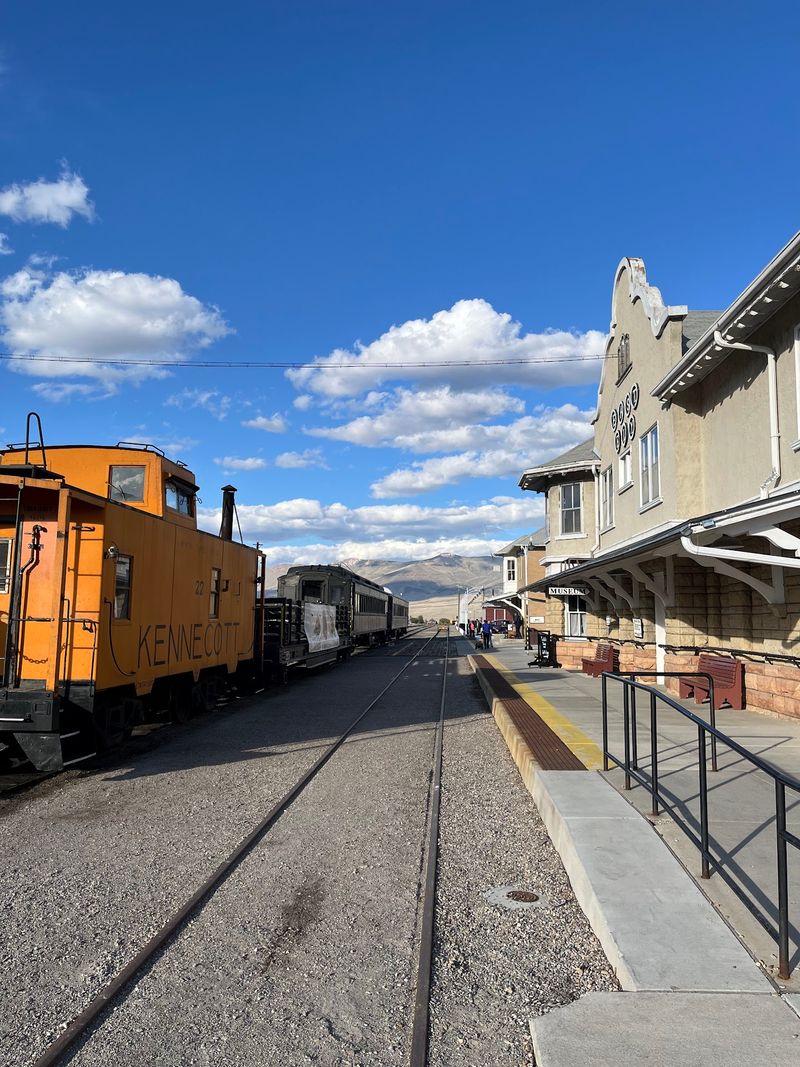
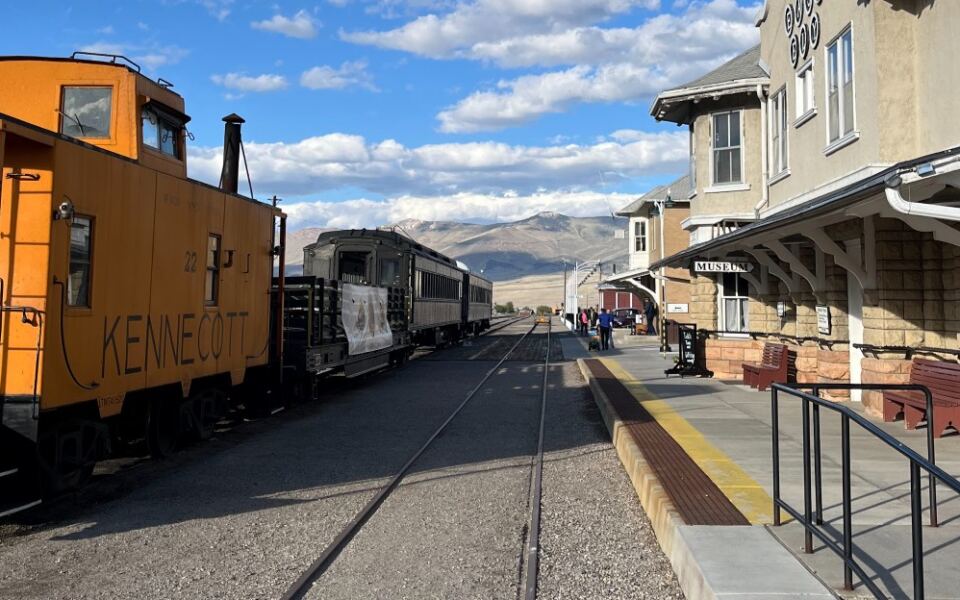
All aboard for a steam train ride through the Nevada high desert. In Ely, the Nevada Northern Railway keeps old locomotives and railroad buildings alive, and you can really climb aboard.
The town sits at the edge of the Great Basin, ringed by mountains and valleys. Great Basin National Park is an easy drive away, offering ancient bristlecone pines, caves and a peak that wears snow into summer.
Skies above Ely rank among the darkest in the country. After sunset, the stars feel close enough to touch, and the park even hosts astronomy programs.
Back in town, murals, casinos and local cafes add a friendly Western flavor. History fans can browse museums or follow trails to old mining sites.
Ely feels more varied than its remote location suggests, mixing desert valleys, alpine terrain and railroad culture. Plan extra time, because the distances are big and the attractions are spread out.
Bring layers, as mountain weather changes fast.
Silver City, New Mexico
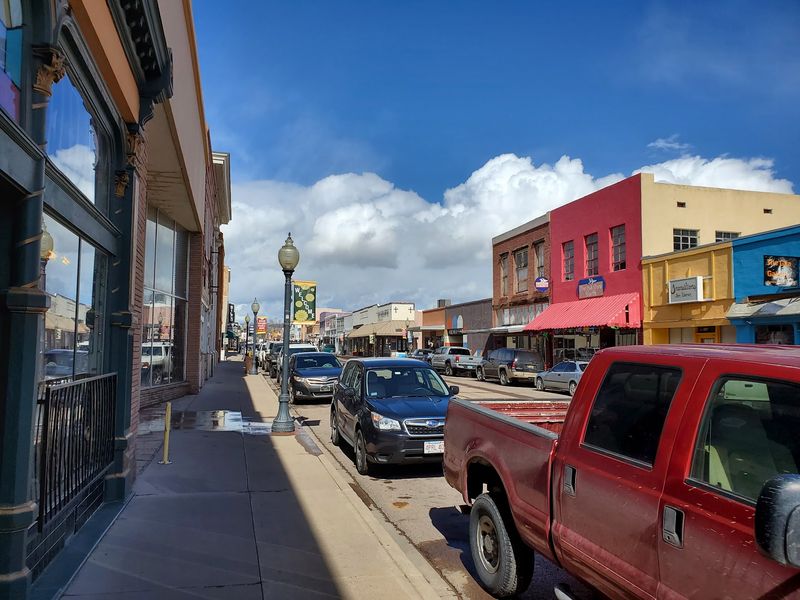
Cooler air, green mountains and a bright artsy downtown make Silver City a pleasant plot twist in the desert. The Chihuahuan Desert fades into hills and forests here, so you get both landscapes in one trip.
Historic storefronts, galleries and buildings tied to old mining days line the walkable center. Local artists show their work in small shops, and many cafes serve green chile dishes that locals defend fiercely.
Nature is close. Gila National Forest begins nearby, and roads lead toward the Gila Cliff Dwellings, where ancient homes sit tucked in cave walls.
The drive is winding, so leave extra time and enjoy the curves.
The town feels lived-in rather than resort-like. Locals shop, chat and stroll the same sidewalks as visitors, and there are enough restaurants and places to stay for a longer visit.
If you love desert views but also crave a little shade and cooler elevation, Silver City is a smart choice. Pack layers and comfortable walking shoes.
Truth or Consequences, New Mexico
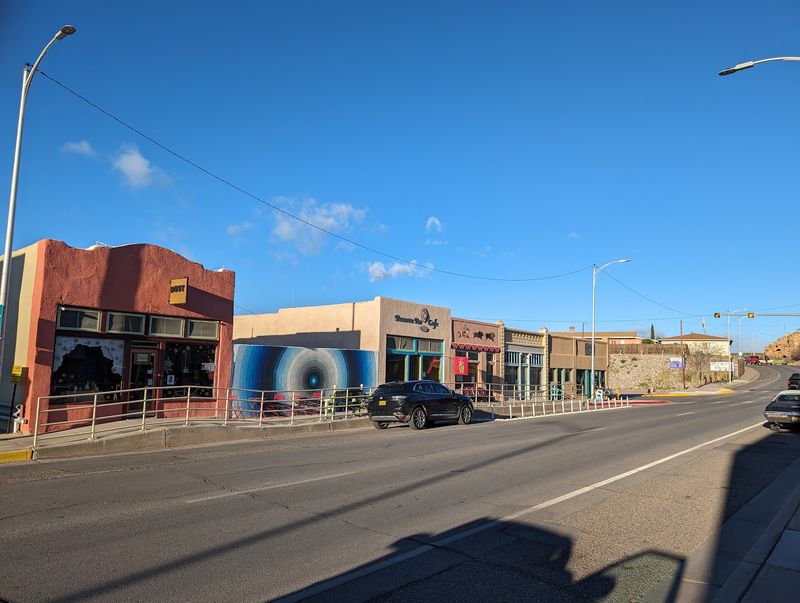
Yes, the town really is named Truth or Consequences. In 1950 it swapped its old name to win a radio game show contest, which tells you plenty about its playful spirit.
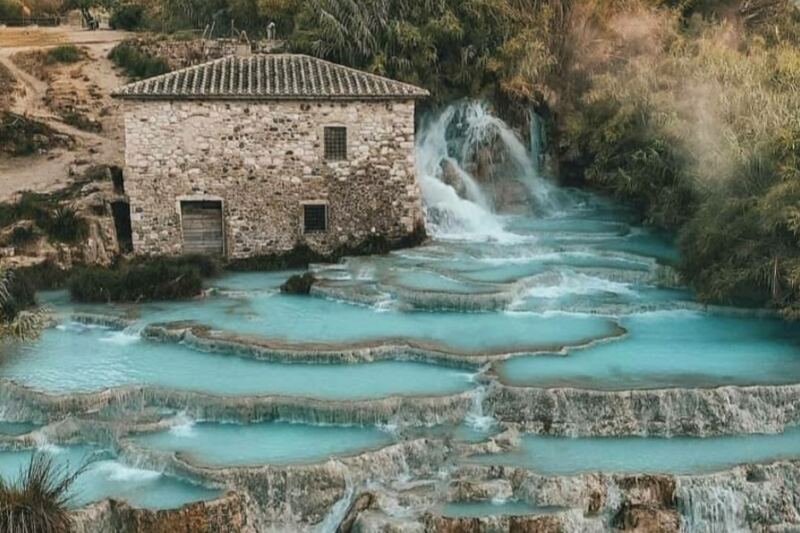
Long before the name change, people came for the naturally heated mineral water. Bathhouses and small resorts still let visitors soak in private tubs, a perfect reward after a day of driving or hiking.
The landscape adds to the calm. The Rio Grande flows nearby, Elephant Butte Lake offers boating and fishing, and broad desert mountains frame the horizon.
Expect older motels, art spaces and little spas instead of big luxury resorts. That quirky character is the point, and many visitors find themselves slowing down without trying.
If you think desert trips mean only hiking, this town offers a softer option built around warm water and quiet scenery. Bring a swimsuit, drink plenty of water and book soaks ahead on busy weekends.
Superior, Arizona
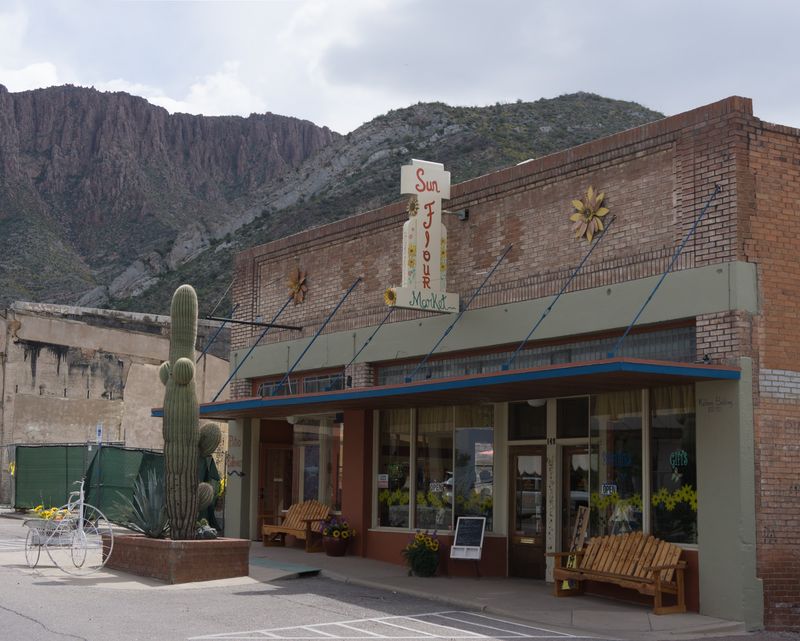
Cliffs rise so close to Superior’s downtown that the mountains seem to peek over your shoulder. The town sits east of Phoenix and still carries the tough, working feel of its mining past.
The landscape is more rugged than many travelers expect from central Arizona. Rocky canyons, desert plants and dramatic rock walls make short drives feel like adventures.
Just nearby, Boyce Thompson Arboretum gathers desert plants from around the world. Shady paths, blooming cacti and quiet ponds make it a relaxing stop, especially for plant lovers and families.
The Apache Trail region and Tonto National Forest open up even more options, with scenic drives and hiking trails. Some roads are unpaved and winding, so check conditions and drive carefully.
Superior lacks the polished tourism scene of Sedona or Scottsdale, and that gives it a less curated, more genuine feel. Bring a camera, a sun hat and plenty of water, then let the rugged views do the talking.
Share this story