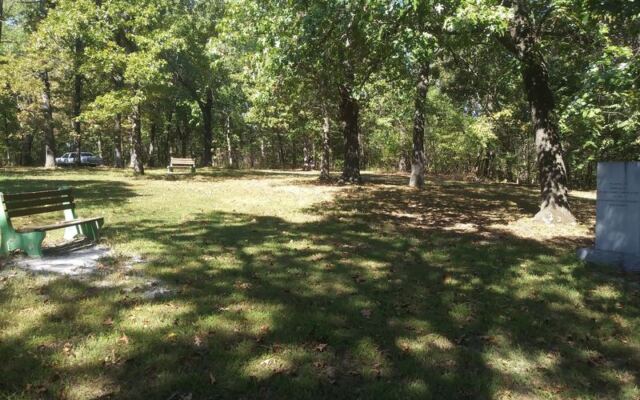
Some of the best history in Oklahoma hides at the end of a bumpy dirt road, far from any gift shop or crowd. I went looking for a quiet place to stretch my legs and found a creek where two Civil War battles once played out.
Today, stone markers stand in the grass and quietly tell what happened there. It turned out to be one of the most memorable stops I have ever stumbled onto.
A Battlefield Tucked Into Rural Northeast Oklahoma
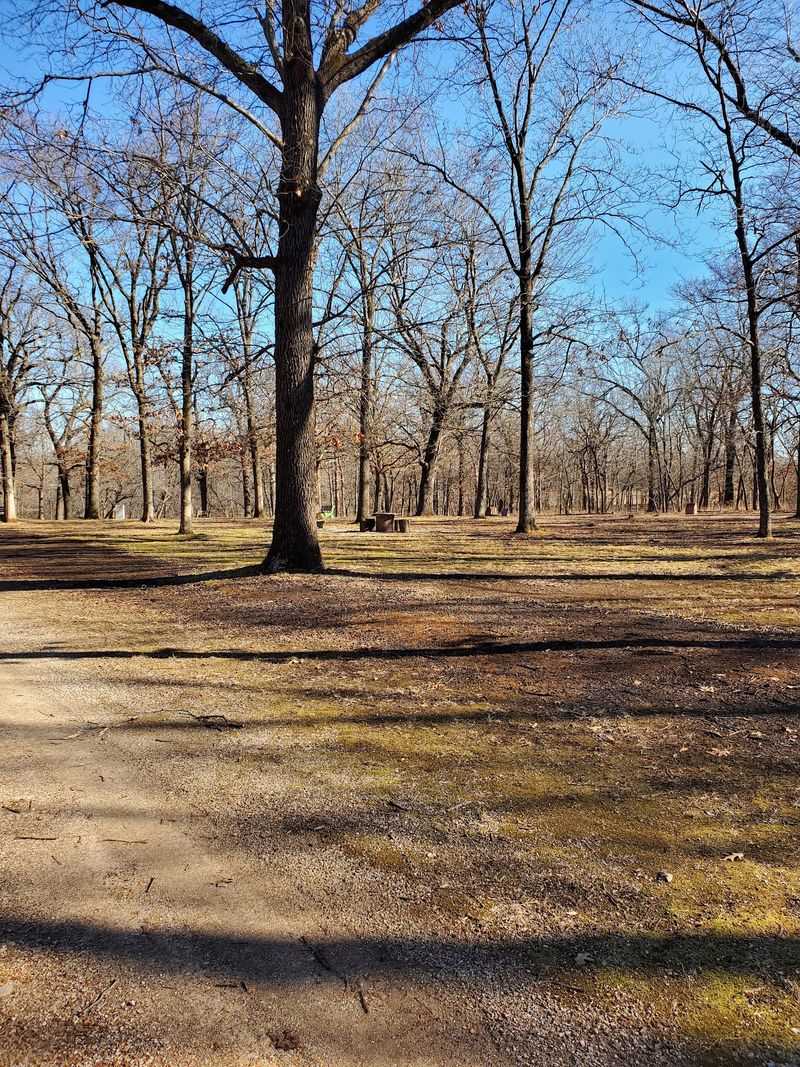
Out past the farmland east of Vinita, a gravel road wanders toward a spot most travelers never hear about. Cabin Creek Battlefield sits at E0367 Rd, a historical landmark cared for through the Oklahoma Historical Society.
From the road, nothing looks dramatic. There is no big visitor center, no ticket booth, and no row of souvenir stands.
What you find instead is a calm loop of grass, trees, and carved stones that mark where two Civil War clashes happened along the creek.
That simplicity is part of the charm. You pull in, step out, and the whole place feels like it belongs to you for a little while.
Birds chatter in the trees, and the creek moves along at its own easy pace.
Many visitors describe it as a beautiful, peaceful park rather than a busy attraction. One person who grew up nearby mentioned how nice it was to learn history from their own birth town.
That local pride shows up again and again in what people share about the site.
If you enjoy places that reward curiosity more than convenience, this hidden corner of Oklahoma deserves a spot on your map. Just plan to slow down once you arrive.
Why Supply Wagons Made Cabin Creek Matter
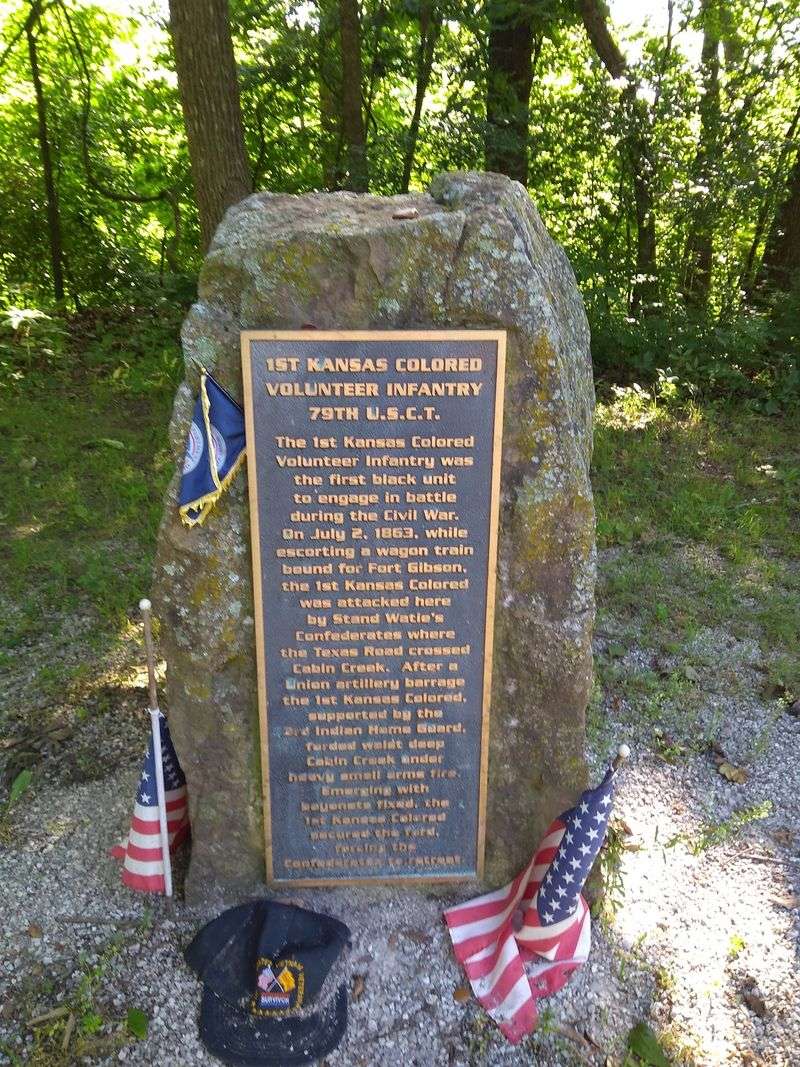
Picture a long line of wagons loaded with supplies, creaking toward a creek crossing. During the Civil War, routes through what was then Indian Territory mattered a great deal, and crossings like Cabin Creek became key spots along the way.
Two separate battles took place here. That alone makes the site unusual, since most battlefields mark a single event.
Here, the same ground saw fighting twice, which gives the stone markers a lot of story to share.
Visitors who read every plaque come away with a fuller picture of how the war reached into this part of the country. The fighting involved people from many backgrounds, including Cherokee soldiers whose role is honored at the park.
One returning guest pointed out that most of the plaques focus on the second battle. In their view, the first battle was even more important and deserved more space on the markers.
It is a fair thing to keep in mind as you walk, and it might inspire you to read a little more after your trip.
Either way, knowing the creek drew conflict not once but twice changes how the quiet water looks when you finally stand beside it.
Carved Stones That Do the Talking
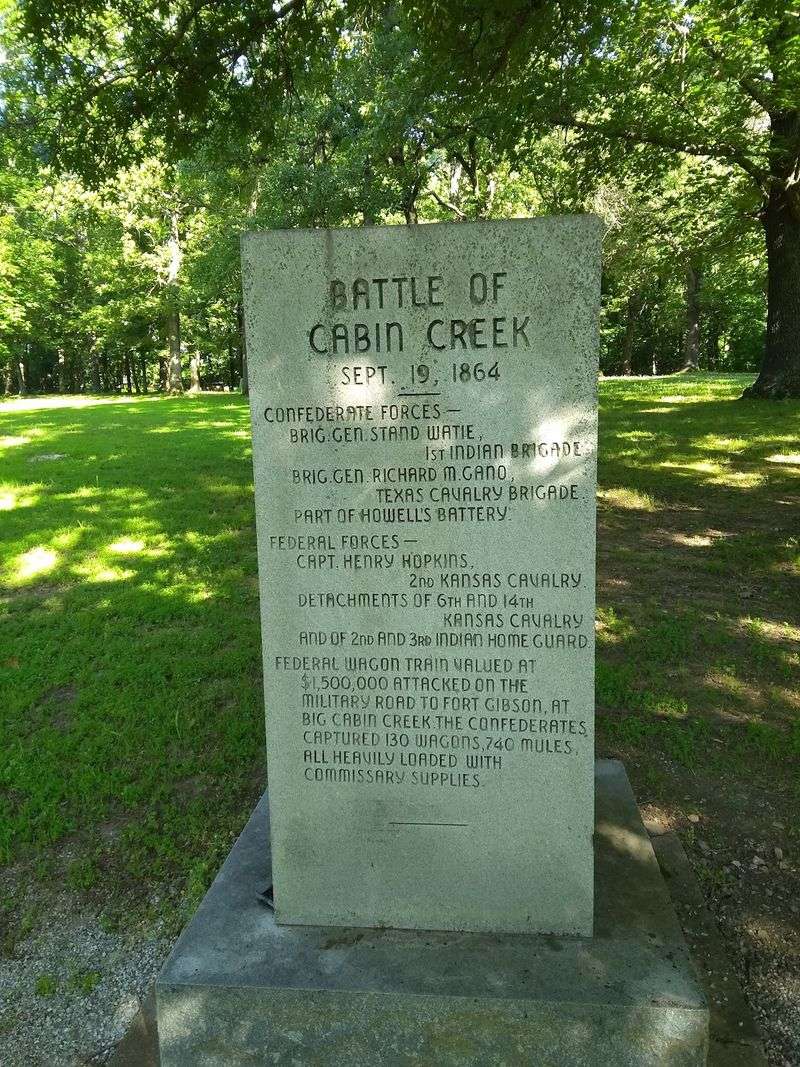
Reading is the main activity here, and that is not a complaint. The stone markers spread around the monument loop carry names, dates, and details about what unfolded along the creek.
One recent visitor summed it up simply: there was nothing to do but read all the stones and feel thankful for those who fought. For many people, that is exactly the point.
The markers invite you to slow your pace and take in each one before moving to the next.
Walking from stone to stone feels a bit like turning pages in an outdoor book. Some markers honor groups of soldiers, while others explain the movements of the battles.
Together they build a timeline you can literally stroll through.
A guest with a vivid imagination described standing there and picturing how chaotic and close the fighting must have been. The calm setting makes that contrast hit even harder.
Bring patience and maybe a notebook. Kids who like puzzles can try to piece together the order of events from the markers.
Adults often find themselves lingering longer than planned, rereading lines and looking out across the grass where it all happened.
Honoring Cherokee Soldiers
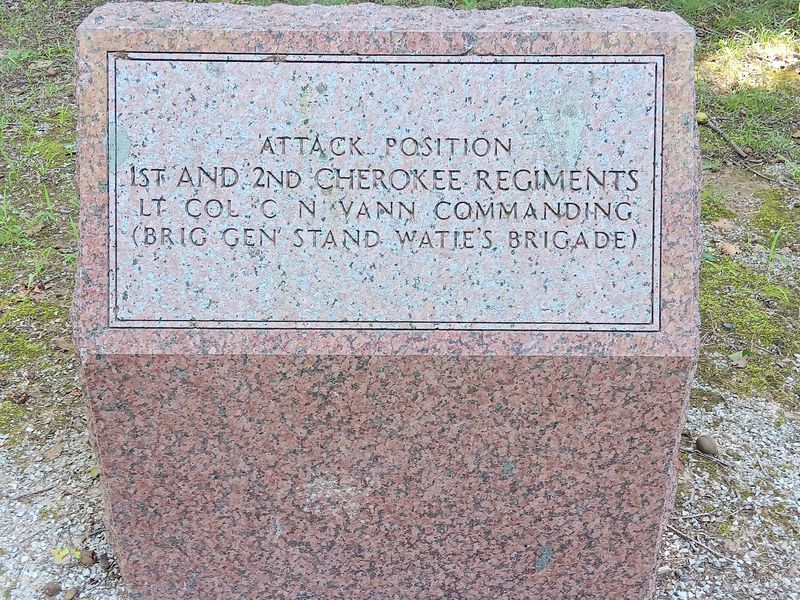
Oklahoma history runs deep with Native American stories, and Cabin Creek holds an important piece of that heritage. The park honors Cherokee soldiers who took part in the fighting here.
Visitors describe the site as a beautiful historical park dedicated to these Cherokee fighters. That focus sets it apart from many Civil War sites farther east, where Native participation often gets only a brief mention.
Standing near these markers, you start to understand how the war touched families and nations in Indian Territory. Loyalties were complicated, and the choices people faced were heavy ones.
The stones give that history a permanent home in the landscape.
For students learning about Oklahoma, a visit can turn textbook lines into something real. Seeing names and tributes carved in stone tends to stick with young minds far longer than a worksheet ever could.
Take a moment to read these tributes slowly. They offer a respectful window into a chapter of the past that shaped the state long before Oklahoma had its name.
Many guests say the experience left them grateful and reflective, which may be the best compliment a memorial can receive.
Trails, Dogs, and a Dirt Path to the Water
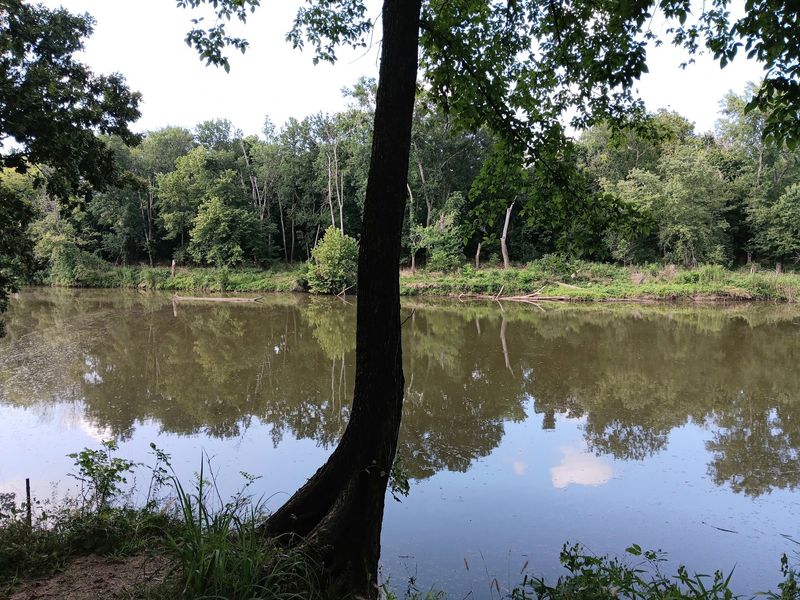
Leash up the pup, because this battlefield doubles as a peaceful walking spot. One local shared that they love bringing their dogs here to stroll the trails, calling the whole place very peaceful.
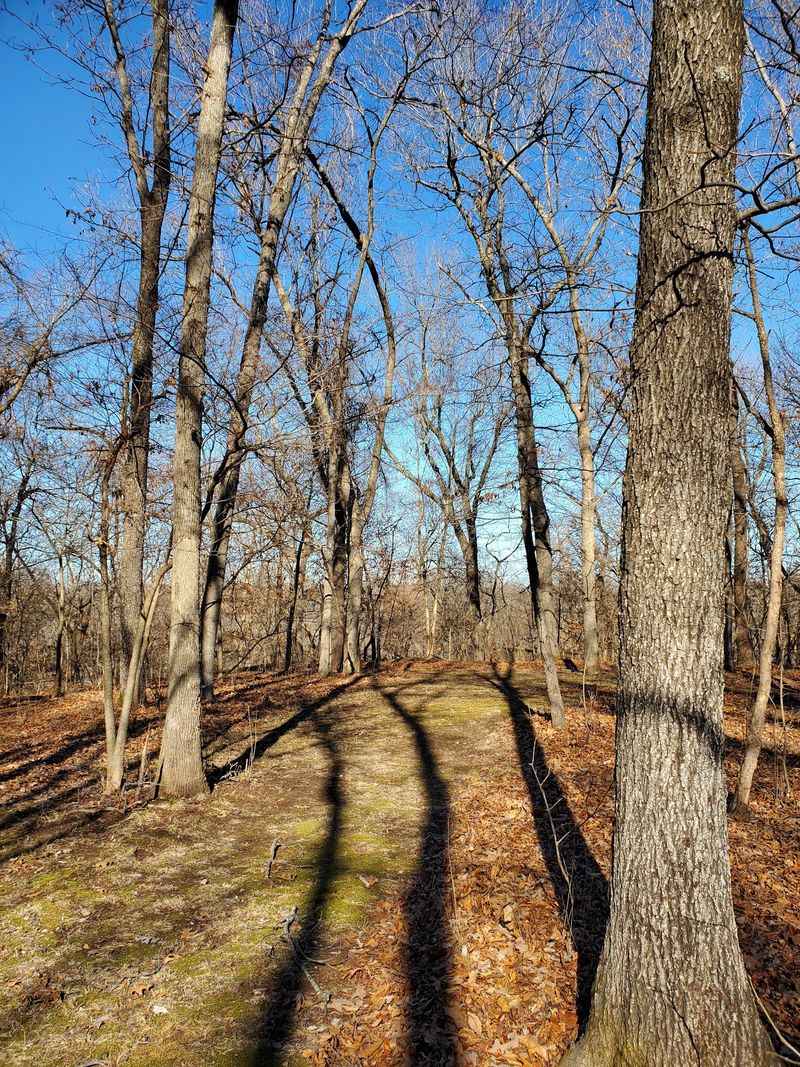
The grounds feel open and relaxed. Trees offer shade on warm days, and the loop gives you room to wander between markers without feeling rushed.
Several guests mention the park looks well maintained, with one recent visitor giving a shout-out to a caretaker named Jay for keeping things in great shape.
Want to see the creek itself? A simple dirt path leads down to the water.
It is rustic, with no stairs, so wear sturdy shoes and watch your footing.
Some visitors wish for a few upgrades, like more benches, a new picnic area, and steps down to the creek. Those wishes say a lot about how much people enjoy spending time here.
Pack a water bottle and maybe a snack to enjoy in your car or on a blanket. The quiet setting makes it easy to stretch a short history stop into a relaxing hour outdoors.
Quiet Reflection Meets Ham Radio Fun
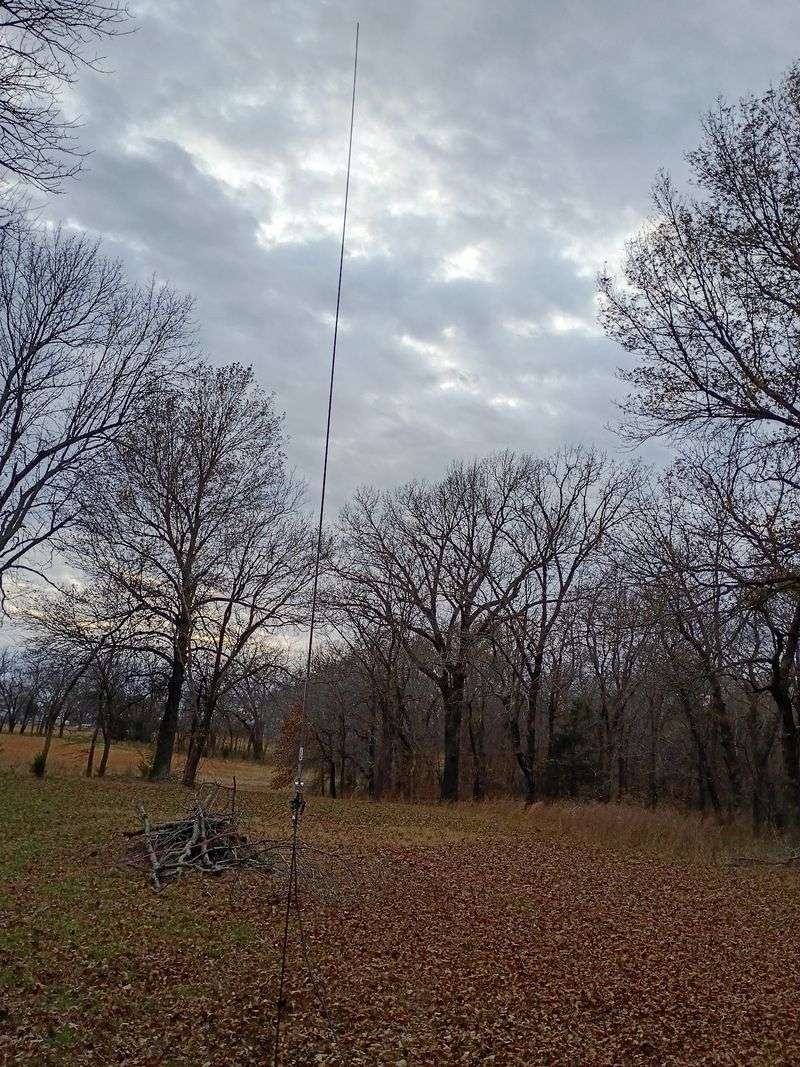
Here is a fun surprise: radio hobbyists love this place. One guest called it a good spot for POTA activation, which stands for Parks On The Air, a ham radio activity where operators set up portable stations at parks.
That quirky crowd shares the grounds with people seeking something far more personal. One visitor shared a touching memory of loving the battlefield with her late husband and choosing this calm spot to read a meaningful letter.
She said she could not imagine reading it anywhere else.
So who will enjoy Cabin Creek most? History fans, of course, plus dog walkers, radio enthusiasts, families wanting a short educational stop, and anyone craving a quiet place to think.
It is not built for thrill seekers. There are no exhibits that buzz or flash.
Instead, you get open sky, rustling leaves, and history you can feel underfoot.
Many guests describe the setting as rustic, which fits a smaller battle site. That rustic feel is exactly why it works so well for reflection.
Come with an open mind, and the place tends to meet you where you are.
Getting There Without Getting Lost
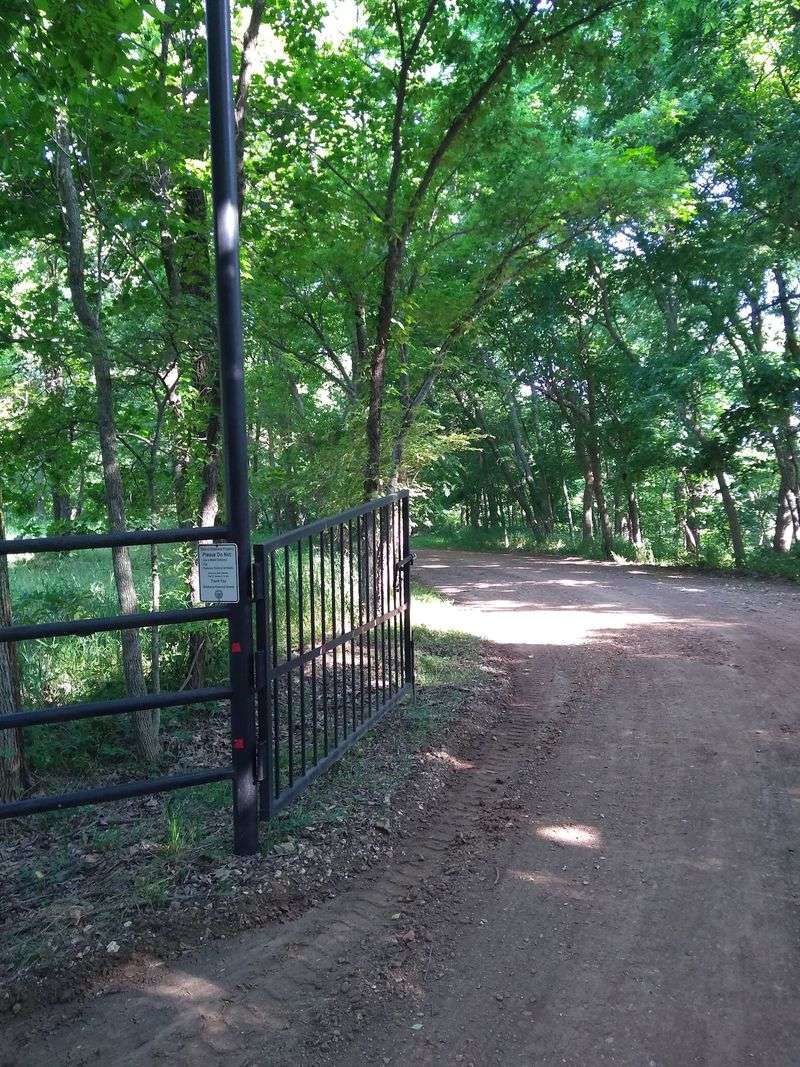
Fair warning: your phone may lead you astray. Several visitors report that map apps try to send drivers down an overgrown private dirt road west of the real entrance.
Here is the tip guests share. Keep heading east on E0367 Rd past that first turn until the road ends near another private driveway and a second Cabin Creek Battlefield sign.
Another visitor described following East 367 Road to a fork and then following the signs.
From there, turn left onto the dirt road and pass through the black gate to reach the monument loop. Please respect the nearby private property along the way.
Your vehicle matters too. One guest advised against driving a low car, since the rocks on the road are fairly big.
Their all wheel drive SUV handled it fine.
The site is listed as open daily from 8 AM to 6:30 PM. For questions, the Oklahoma Historical Society can be reached at 405-521-2491, and their website at okhistory.org/sites/cabincreek has more details.
No admission prices are listed in the information available, so check ahead if that matters for your plans.
Worth the Bumpy Drive
Some places shout for attention. Cabin Creek Battlefield simply waits, and that patience pays off for anyone willing to find it.
No, it is not fancy. A few guests would love more benches, a picnic area, and a little extra tidying, and one history buff wishes the first battle got more attention on the plaques.
Those are honest notes worth knowing before you go.
Still, the overall feeling visitors describe is warm. People call it beautiful, peaceful, and well cared for.
They leave thankful, a little more connected to Oklahoma history, and often surprised by how much a quiet field can say.
Pair it with a road trip through northeast Oklahoma and you have an easy half-day adventure. Bring sturdy shoes, a higher clearance vehicle if you can, and enough time to read every stone.
The creek still flows, the markers still stand, and the story still waits for new readers. For anyone who loves discovering hidden history close to home, this unassuming battlefield is a stop that lingers in memory long after the gravel dust settles.
Give it an afternoon, and it may just become one of your favorite finds.
Share this story