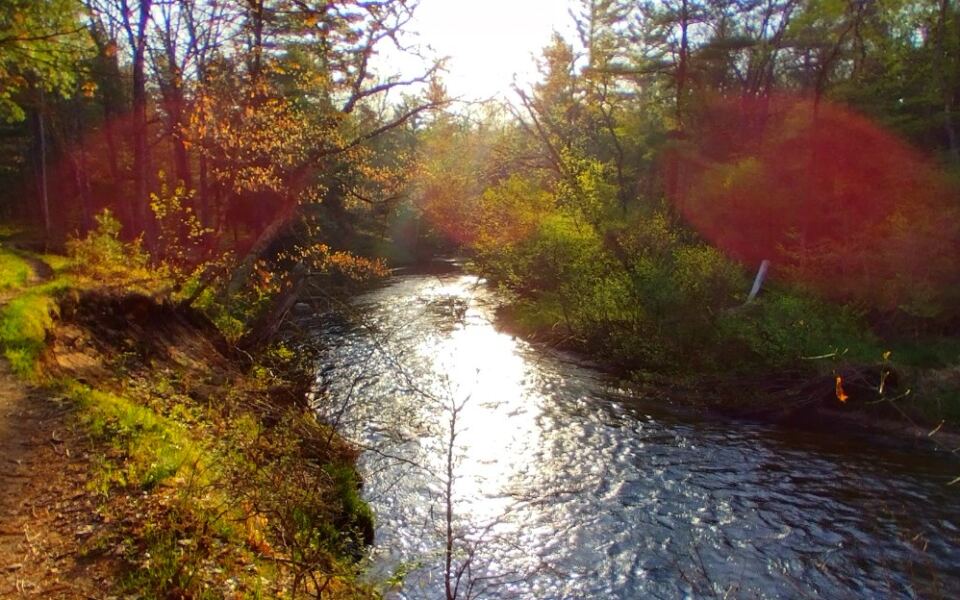
Seven campsites at this little campground sit on a skinny peninsula, with river water flowing past on both sides. You have to walk in to reach them, which already sounds like a small adventure.
The whole place holds just 26 sites, and none of them can be reserved online. You show up, find an open spot, and pay with cash at a drop box.
I like the idea of a campground that runs on such simple rules. In a part of Michigan where cell signals fade in the river valley, the evening plan is mostly a campfire, the sound of moving water, and maybe a fishing line in the current.
There is also a small bridge here that some campers use for a very different kind of nighttime activity. It has nothing to do with fishing.
A Small Riverside Camp North of Luther
Silver Creek State Forest Campground sits at 8701 N State Rd, Luther, MI 49656, in Lake County, Michigan. It is run by the Michigan Department of Natural Resources as part of the state forest system.
The campground is small on purpose. It has 26 rustic sites built for tents and small trailers, and the Pine River runs right alongside them.
Silver Creek also flows through the area and joins the Pine nearby. That gives the campground two waterways to explore without ever starting the car.
Rustic means exactly what it sounds like here. You won’t find electric hookups, showers, or a camp store, and that is a big part of the appeal.
I can understand why people return for years. The setup keeps things simple, so your days revolve around the river, the trails, and the fire ring.
Luther itself is a tiny town, and the campground sits just to the north of it. The drive in feels like leaving busy roads behind one curve at a time.
Simple doesn’t mean empty, though. The way you claim a site here works differently than at most popular campgrounds.
No Reservations, Just Good Timing
Forget refreshing a booking website at midnight. Every site at Silver Creek is first come, first served, and the Michigan DNR does not offer reservations for it.
That system rewards early birds. Summer weekends can fill quickly, so arriving on a Thursday or early Friday gives you a much better chance at a spot.
Payment happens at a self-registration drop box. Campers have noted that it is cash only, so bringing bills before you arrive is a smart move.
Here’s a helpful detail from past visitors: the nearest ATM is roughly 10 miles away. That’s a long round trip just to cover a night’s fee.
Michigan state forest campgrounds also have a maximum stay of 15 days. It’s plenty of time for a long, slow summer break.
A Michigan Recreation Passport is part of the picture too. It’s the state’s vehicle pass for parks and state forest campgrounds, and it’s worth having before you go.
I would plan a weekday arrival if possible. Once you grab a site, the next question becomes which kind of site you landed.
The Peninsula Sites With Water on Two Sides
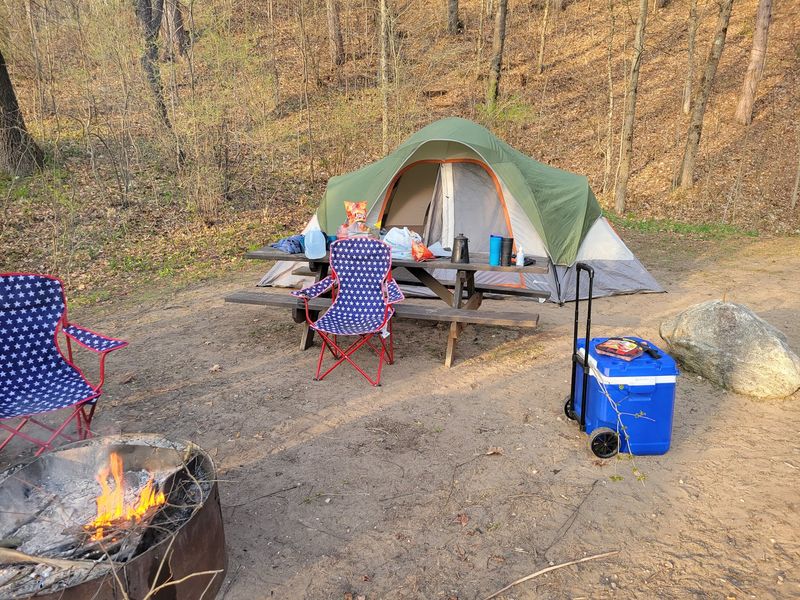
Sites 20 through 26 are the ones people talk about. They sit on a peninsula and require a short walk from the parking area.
The reward is river views on both sides. For tent campers who don’t mind carrying gear, that’s a pretty great trade.
Walk-in sites need a little planning. A wagon, a lighter cooler, and fewer bags can make the trip from car to tent far easier.
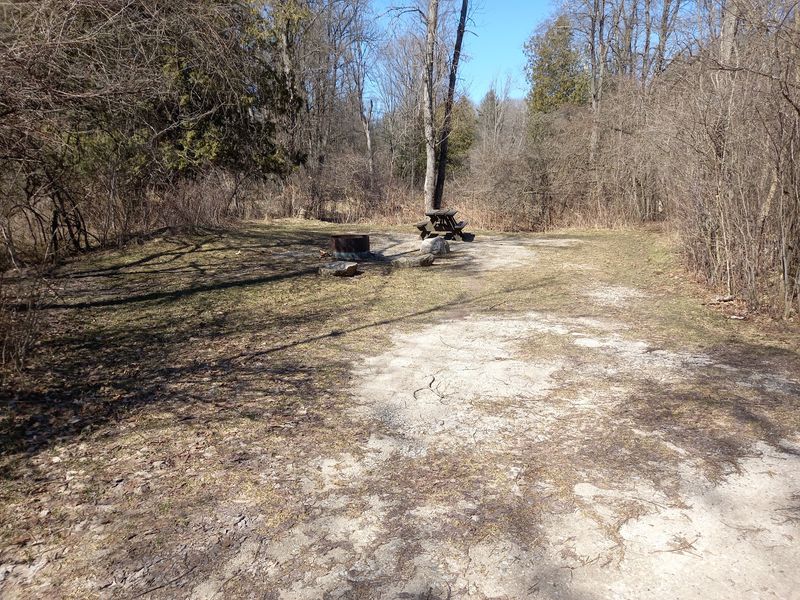
Other sites are drive-in, and many sit close to the water. Several are right on the river, so even without the peninsula you might hear the current from your chair.
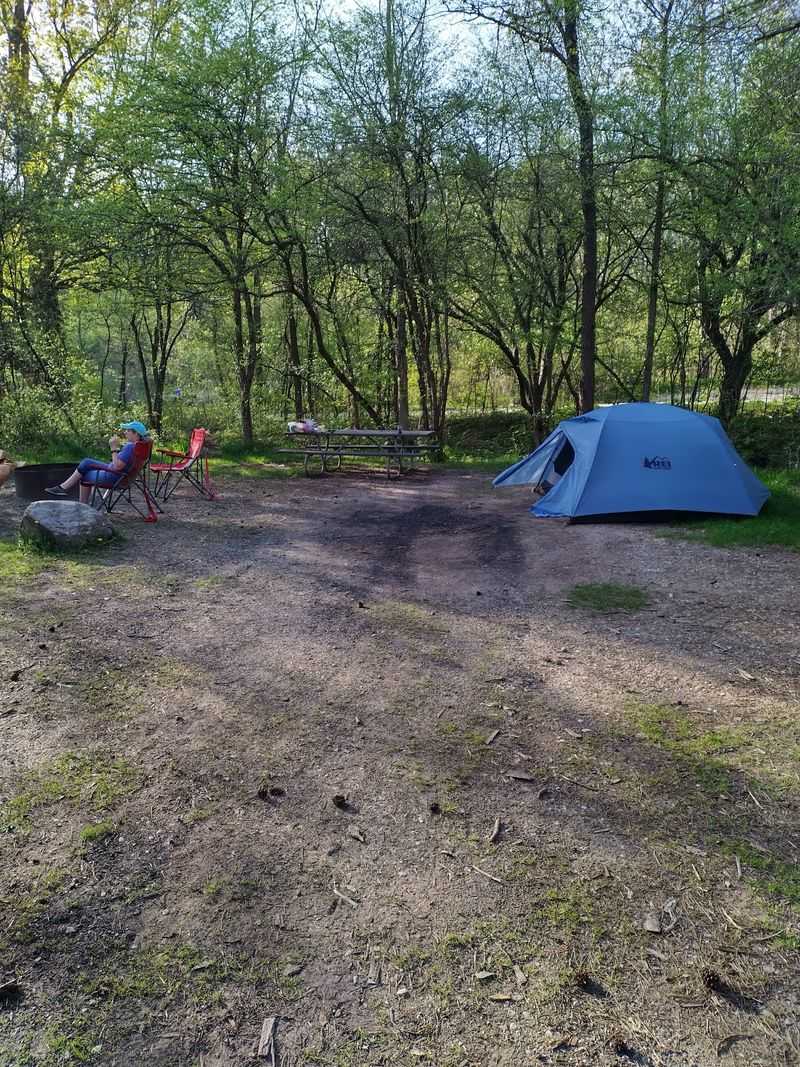
Sites tend to be on the small side. One camper described them as fitting about two tents or a small to mid-size RV, so big rigs aren’t a good match.
Trees give some privacy, though you may still spot neighbors through the leaves. It’s cozy rather than isolated.
I’d aim for the peninsula on a quiet weekday. Waking up between two moving streams sounds like a fine way to start a morning in the woods.
Trout Waiting in the Pine and Silver Creek
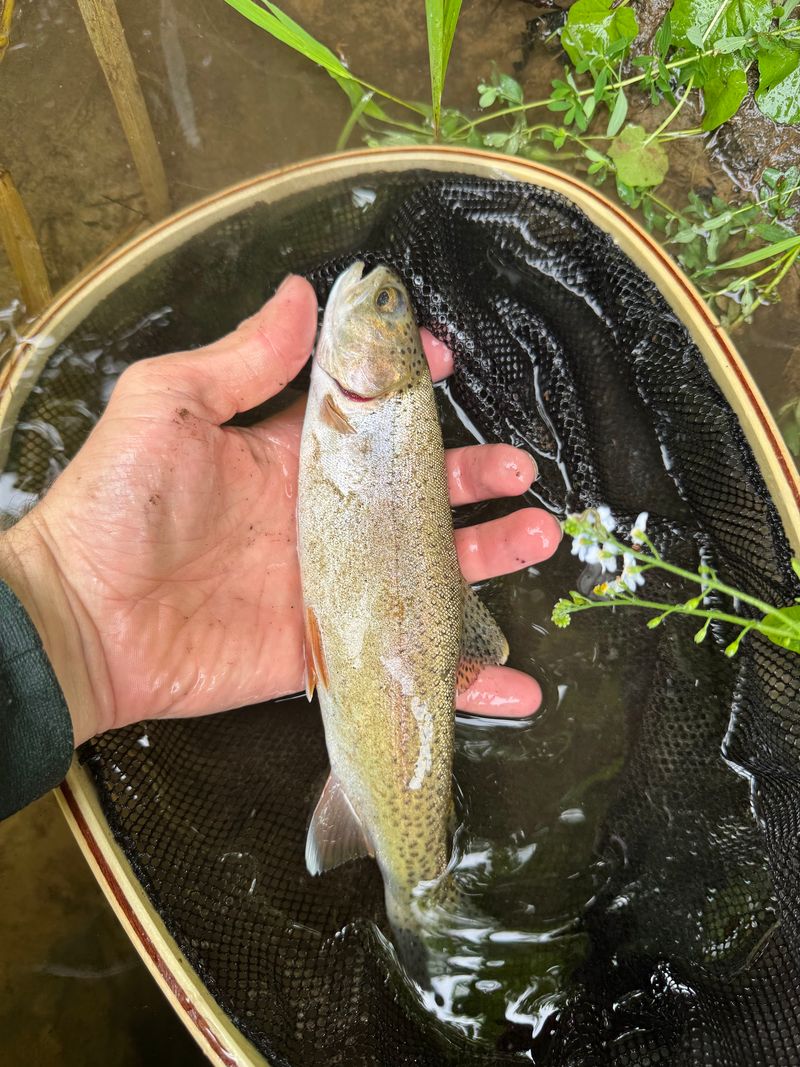
Bring a fishing pole and a small spinner. That simple tip from one camper sums up why anglers love this spot.
The Pine River and Silver Creek are both known for brown trout and rainbow trout. You can fish right from the campground without loading up the car.
Several campers mention catching small trout here. That’s encouraging news for beginners and kids learning to cast.
A Michigan fishing license is required for anyone old enough to need one. Trout rules can change by season and stream, so checking current DNR regulations before you go is a good habit.
Early mornings feel especially well suited to fishing. The campground is quiet, the light is soft, and you can work the bends near your site.
I like that the river here doubles as both scenery and activity. You can spend an afternoon casting, then switch to watching the water from shore.
Of course, anglers aren’t the only ones on this river. On sunny weekends, the current carries another kind of visitor right past the campsites.
Kayaks, Canoes, and Lazy Tubes
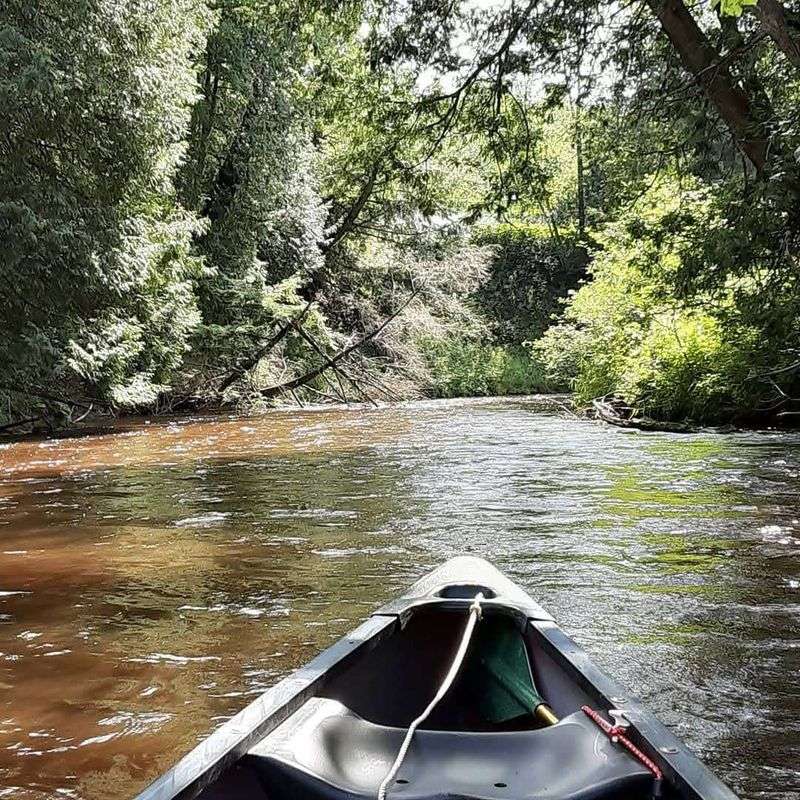
Paddlers get an easy start here. The campground has an undeveloped boat launch reachable from the parking lot.
That makes it simple to slide a kayak or canoe into the Pine River. No trailer ramp, just carry your boat down and go.
The Pine is a well-known Michigan paddling river. Several other public access points sit within roughly 10 miles of the campground, which helps with planning longer trips.
Tubing is popular too. Campers mention floating the river on warm days, which sounds like a relaxed way to spend an afternoon.
Expect company on sunny weekends. Day-trippers on the water can bring extra traffic, so weekdays usually feel calmer.
Wearing a life jacket is always wise, even on gentle stretches. River conditions shift with rain and season.
I would bring my own boat rather than count on rentals nearby. Having it ready at your site means you can paddle whenever the mood strikes.
After a day on the water, your legs might want a turn. The trails leaving camp are ready for that.
Footpaths Along the Riverbank Bluffs
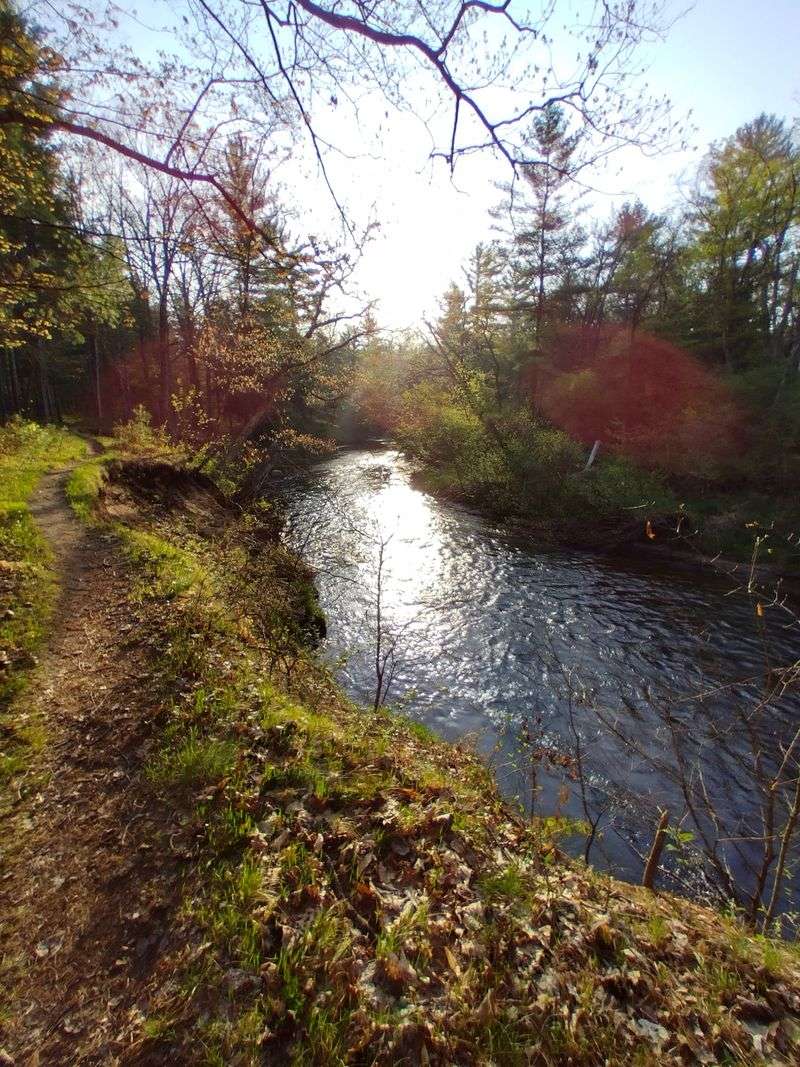
Hikers can start right from camp. The Silver Creek Pathway connects to the campground and follows the river.
Parts of the trail run along high ground above the water. One visitor rode bikes on a stretch that traced the top of a cliff above the creek.
A section of the North Country Trail also passes through. This long national trail crosses several states, and a morning walk here gives you a small piece of it.
The trails suit easy strolls and longer outings. You can choose a short loop or keep going as far as your legs allow.
Mountain bikers also use the area. The nearby Little Manistee Trail adds even more options for exploring on foot.
Sturdy shoes help on hilly sections. Bug spray is a good idea in early summer, when the woods stay damp.
Two small bridges cross the water near camp. They make handy landmarks while you’re getting your bearings.
I’d start early. Trails around rivers often feel calm before the day warms up, and wildlife tends to be more active then.
Shallow Swimming Spots for Little Feet
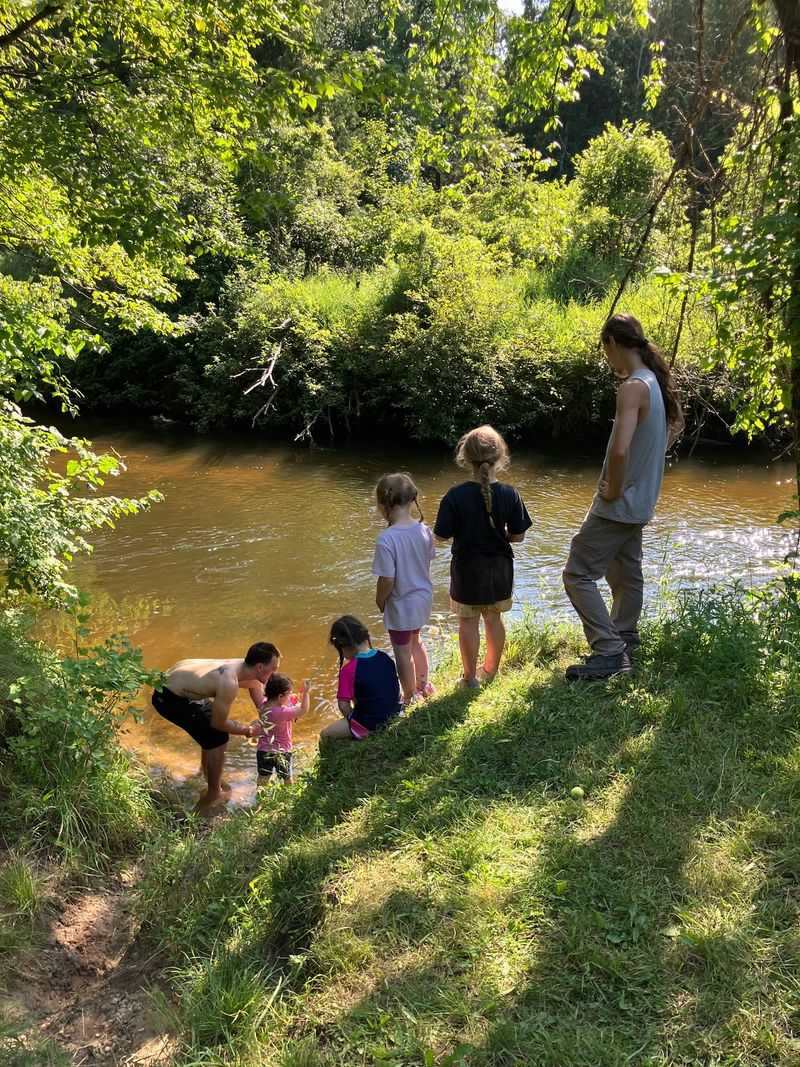
Kids tend to find the water before the adults finish setting up. At Silver Creek, that’s not a bad thing.
Some spots near the campsites have shallow water with a sandy bottom. Families mention these as good places for children to splash around.
Swimming here is informal. There are no lifeguards or roped areas, so adults should stay close and watch the current.
Water shoes are a smart packing choice. They protect feet from sticks and stones while kids explore the riverbed.
Wading time can turn into a nature lesson. Small fish, smooth rocks, and riverside plants give curious kids plenty to look at.
Summer brings the warmest water, though Michigan rivers can still feel brisk. Short dips with towels nearby keep everyone comfortable.
I like that the fun here needs no admission line. A sandy stretch of river and an afternoon is enough to keep many young campers busy.
Once the sun goes down, the campground’s sounds change. The forest gets busy with creatures you may hear more than see.
Owls, Coyotes, and Curious Raccoons
Owls calling across the valley. Coyotes howling somewhere in the distance.
Campers here have reported hearing both after dark.
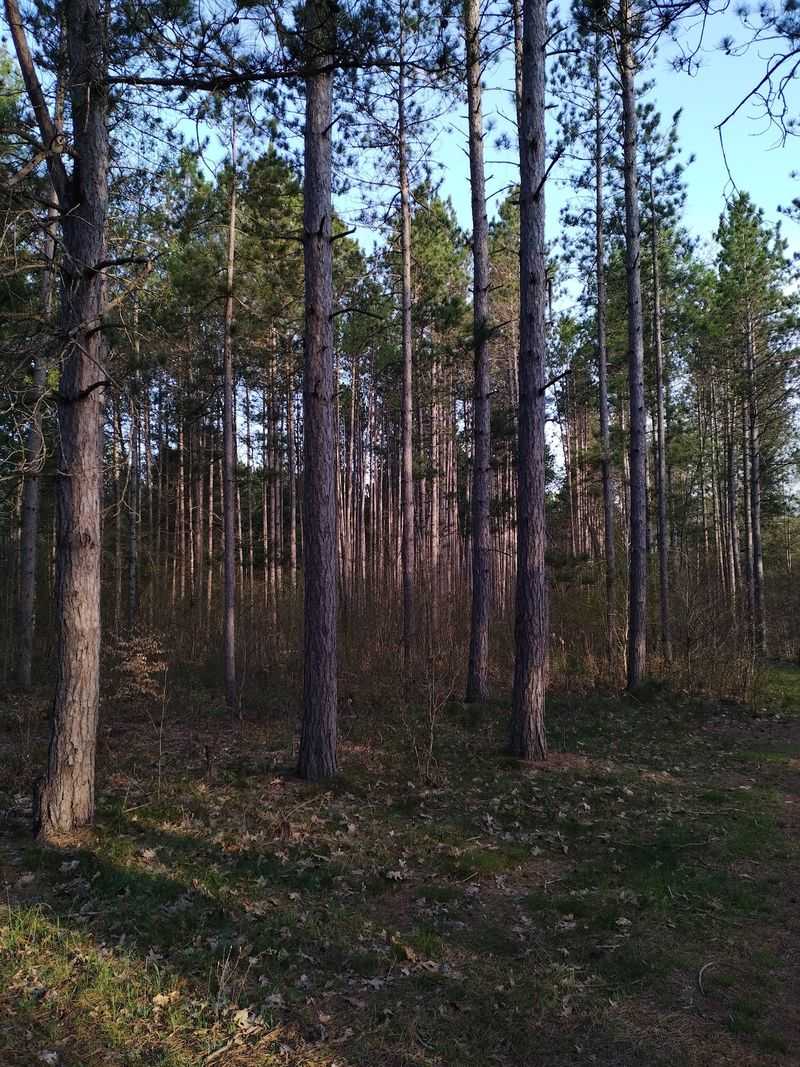
The surrounding hilly pine forest supports plenty of wildlife. Daytime visitors often notice birds and other animals along the river.
Raccoons are regular nighttime guests. Keeping food sealed and stored in your vehicle makes their visits much less interesting for them.
Black bears live in parts of Michigan’s forests, and one camper suggested taking precautions. Clean up after meals and never leave food at your site overnight.
Pets must stay on a leash. That rule protects wildlife and keeps neighbors happy too.
Fall adds another show. Visitors describe colorful leaves along the river in autumn, which makes a strong case for a September or October trip.
I’d bring binoculars and a small notebook. Writing down what you see or hear could become a fun camp tradition.
Wildlife isn’t the only thing worth watching after sunset. Look up, and the sky over this river valley has its own story.
Shooting Stars From the Little Bridge
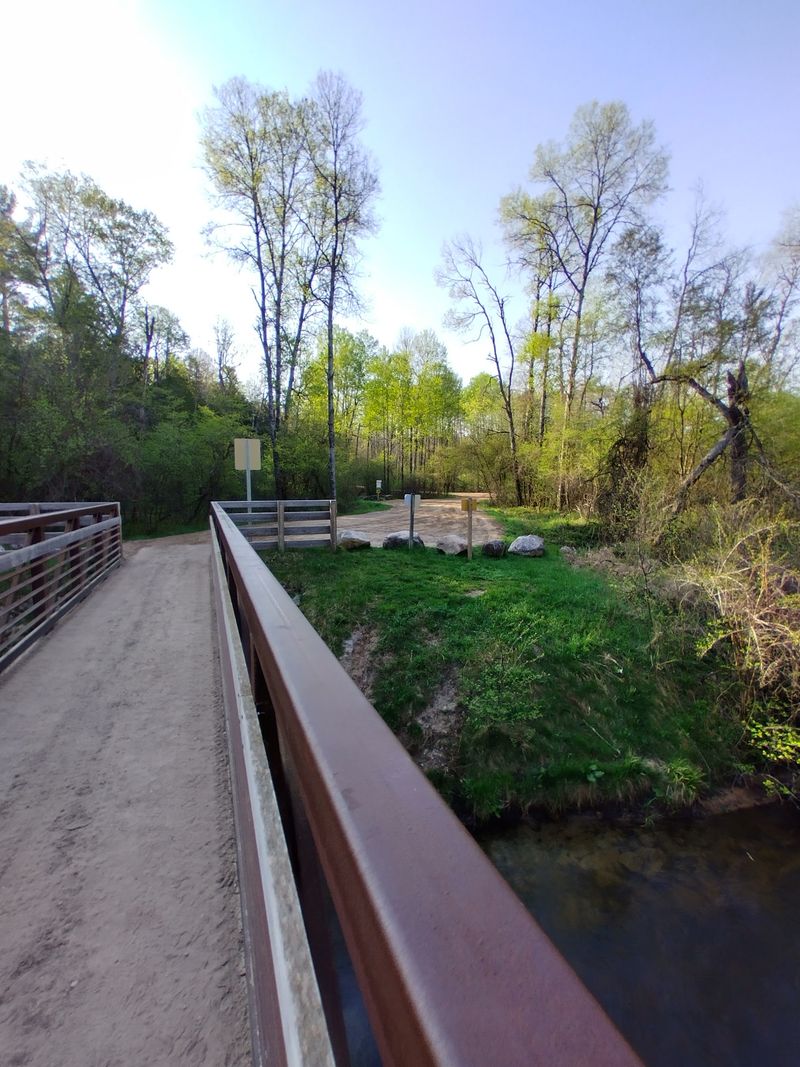
Remember that bridge? One longtime camper described lying on it at night to watch for shooting stars.
Far from city lights, the sky above this valley can get dark. That gives stargazers a real chance to see more than a handful of stars.
Summer meteor showers make good timing for a trip. Clear, moonless nights usually offer the best views.
Phones won’t distract you much here either. Cell service is very weak in the valley, and some campers say Verizon barely works at all.
Climbing to higher ground may bring back a signal if you truly need one. Otherwise, download maps and tell someone your plans before you arrive.
Each site has a fire ring, and campfires are a nightly ritual. Firewood has been available about half a mile down the road in the past.
Bringing local wood helps prevent spreading tree pests. Michigan asks campers not to move firewood long distances.
I’d keep a blanket by the fire for stargazing breaks. Quiet nights, though, depend on everyone playing by the same rules.
Packing Smart for a Rustic Stay
Quiet hours matter here. There’s often no staff on site, so a peaceful night depends on campers respecting each other.
Weekends in summer can get louder. Some visitors found weeknights much calmer, which is worth considering when you choose dates.
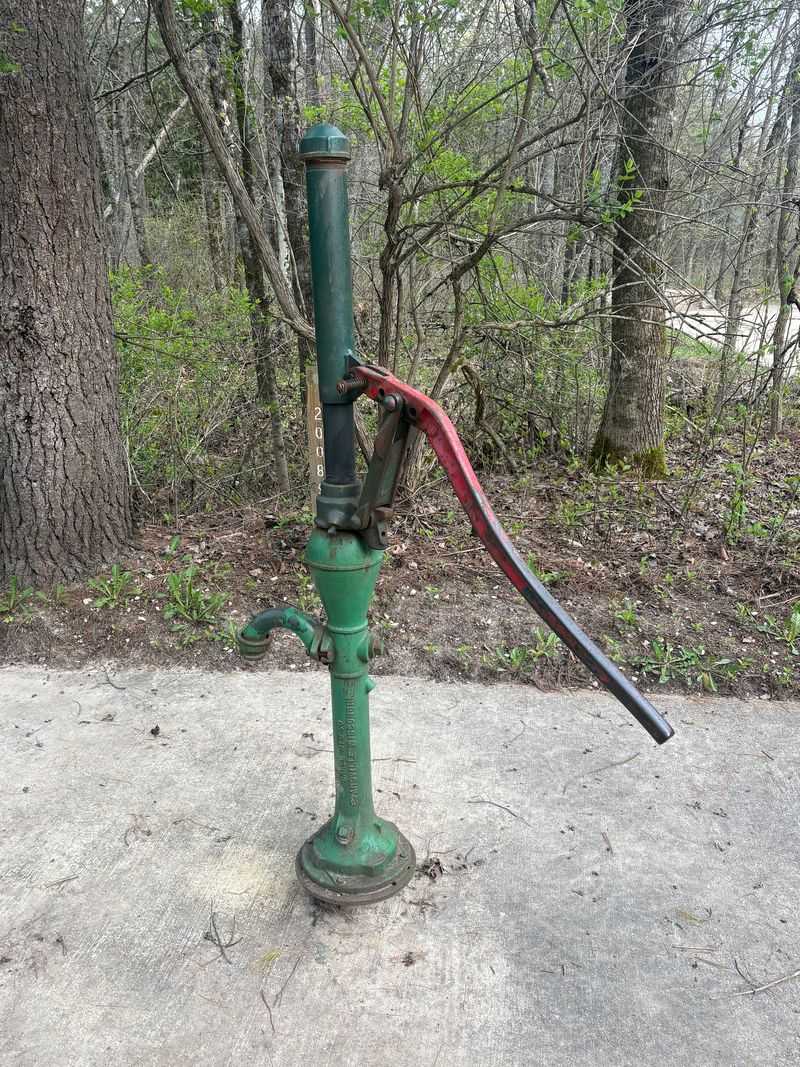
The basics are simple. You’ll find vault toilets, a hand-pump well for drinking water, fire rings, trash dumpsters, and extra parking.
Bring your own toilet paper just in case. One visitor noted it ran out, and a spare roll weighs almost nothing.
Cash, a Recreation Passport, and plenty of water containers belong at the top of your list. Earplugs can help if neighbors stay up late.
ORV riders will like the Lincoln Hills ORV trails up the road. The Manistee National Forest also sits close by for more exploring.
I’d pack lighter than usual if aiming for the walk-in sites. A folding wagon could save a lot of trips.
Plan well, and Silver Creek rewards you with the river, the trails, and a sky full of stars.
Share this story