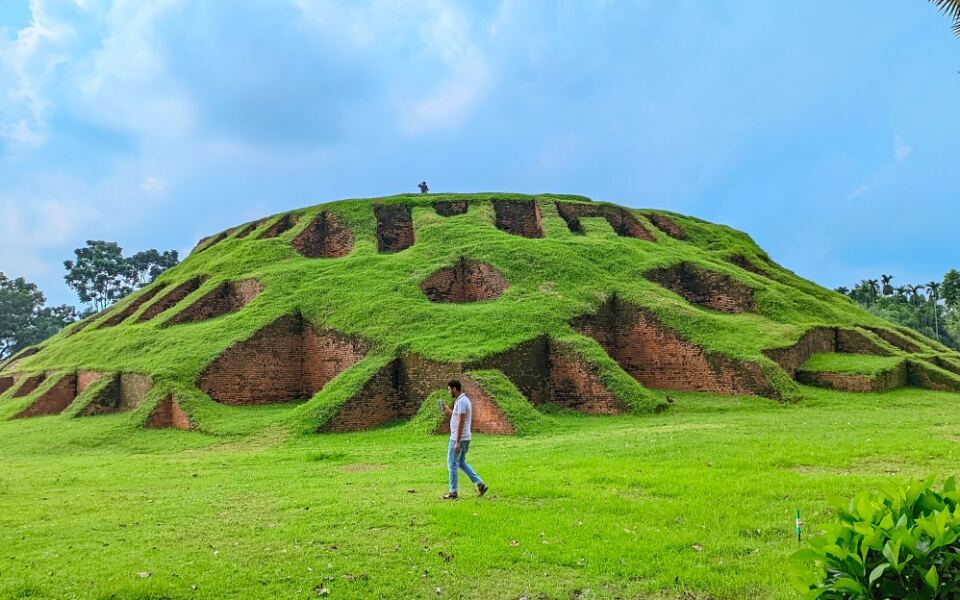
A giant brick mound in a quiet village near Bogura carries a name that every Bengali child knows: the bridal chamber of Behula. Locals call it Gokul Medh, and visitors come for both the legend and the ruins.
Archaeologists say it was really a Buddhist structure, but the story still wins the crowds. Here are ten things worth knowing before you go.
The Legend of Behula and Lakshindar
Every Bengali grandmother seems to know this tale by heart. Lakshindar was the son of the merchant Chand Sadagar, and he married a clever, devoted girl named Behula.
The snake goddess Manasa was furious because Chand refused to worship her. She had already taken his sons, so the family built an iron house for the wedding night to keep the groom safe.
Manasa sent the snake Kalanagini anyway. It slipped through a tiny hole and bit Lakshindar while he slept.
He died before morning.
Behula refused to give up. She placed his body on a banana raft and floated down rivers to reach the gods.
Her love, patience, and courage moved them, and Lakshindar returned to life. That is why the story still feels powerful today.
It is a tale about loyalty that does not break, even when the odds look impossible.
Visitors walking the ruins often retell it to friends as they climb, and the site becomes a kind of open-air storybook for every age.
What Archaeologists Actually Found
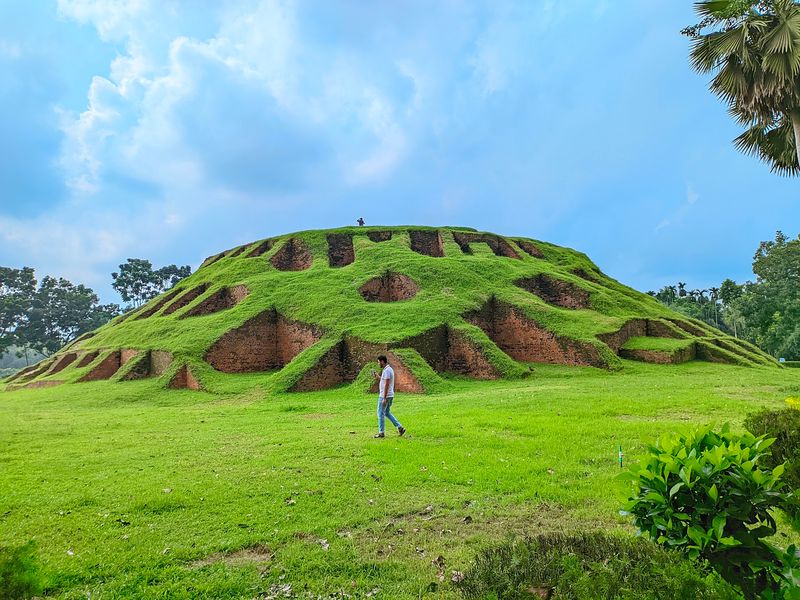
Here is the plot twist: there was never a honeymoon suite. Excavations showed the mound was a Buddhist structure, likely a stupa or temple, built between the 7th and 11th centuries.
Some reviewers say it began in the Gupta or post-Gupta period. Later, the site was changed into a Shiva temple around the 11th century.
The layers tell a story of faith shifting over time. Builders reused the ground and reshaped it for new beliefs.
One visitor was heartbroken to learn there is no bridal room at all. He had expected to step inside the legend itself.
Still, the real history is just as interesting. Ancient hands stacked these bricks with care, and they still stand after more than a thousand years.
Reading the site as archaeology and as folklore at the same time makes the visit richer. You get a myth and a monument in one trip.
The 172 Chambers
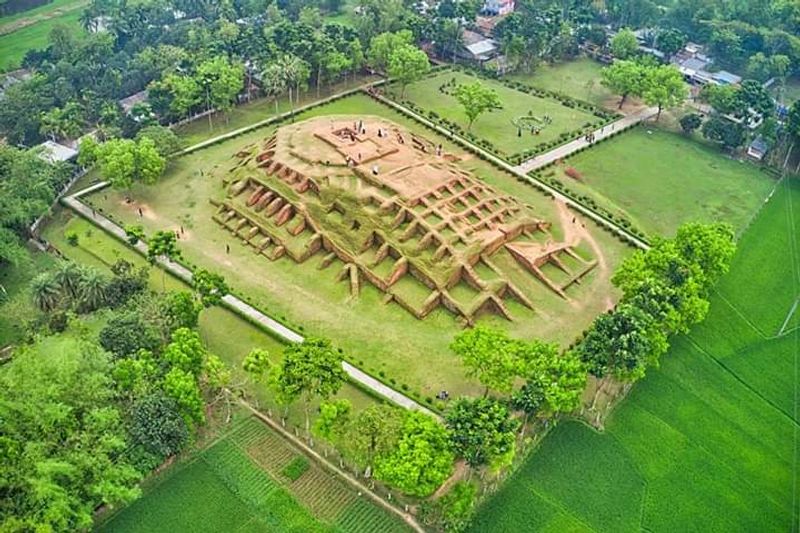
Count the cells and you may lose track somewhere around fifty. The base of the mound holds 172 chambers, built level by level to support a tall structure above.
From the top, the cells look like a honeycomb made of red brick. Their geometric lines make a pattern that feels almost modern.
Builders probably designed them to spread weight and keep the heavy upper levels stable. It was smart engineering for its time.
Photographers love this part. Low sunlight drops sharp shadows into the cells and gives the walls real depth.
Take your time here and look closely at the brickwork. Small differences in color and texture hint at repairs from different eras.
It is easy to rush up to the summit, but the chambers deserve a slow walk. They are the real stars of the structure.
Climbing to the Top
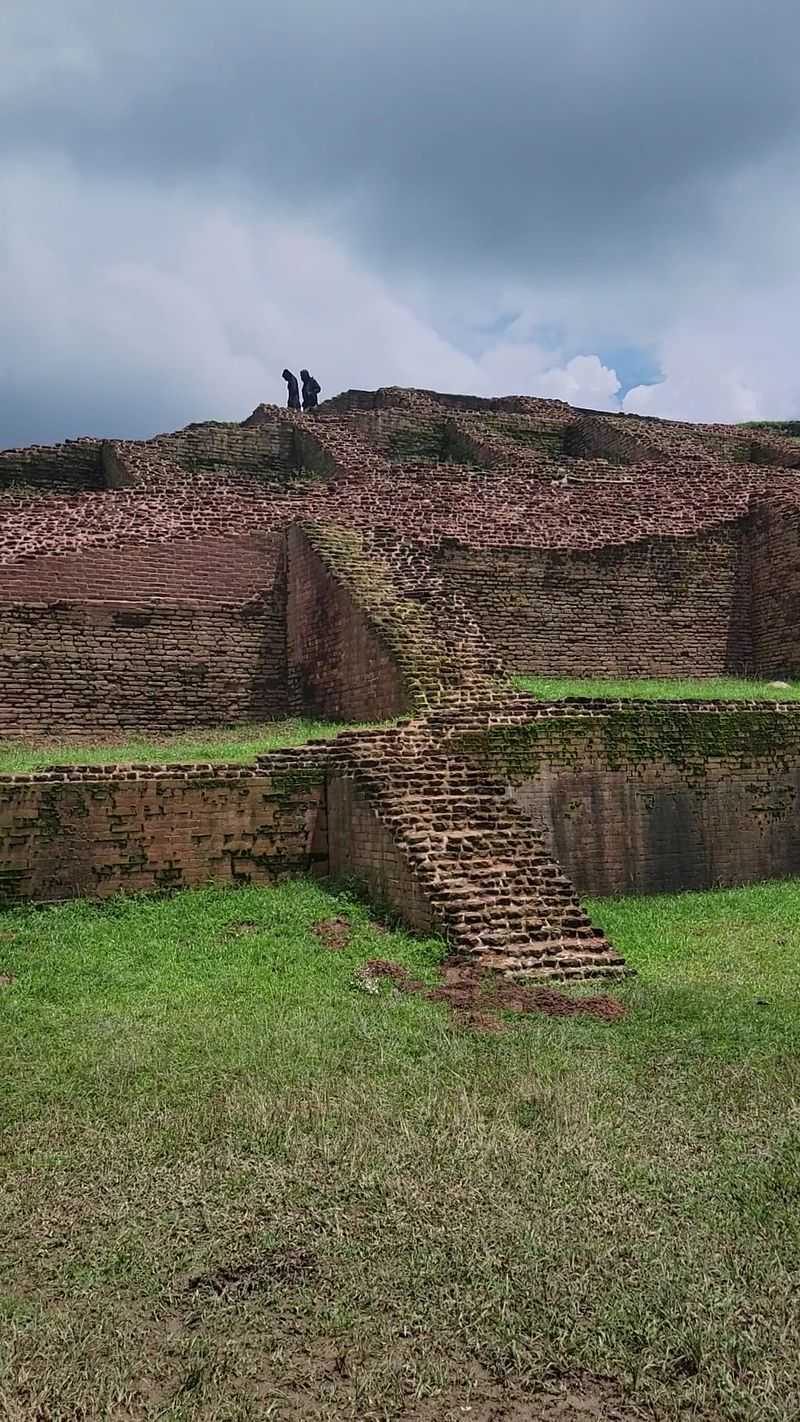
Ten minutes of walking is all it takes to feel like a mountaineer. The path up the mound is short, and guards allow visitors to reach the summit.
At the top, the view opens over green Bogura fields and village rooftops. The air feels calmer up there, away from rickshaw horns.
One reviewer called it a perfect, quick hike. Others loved the sense of standing where legend says a famous couple spent a fateful night.
Wear shoes with good grip, since old bricks can be uneven. Bring water too, especially if you visit outside winter.
Please keep the place tidy. Reviewers noted the grounds are clean and dustbins are available, so use them.
Take a moment to look back down at the chambers from above. The pattern makes more sense from this height.
The 24-Cornered Bathing Area
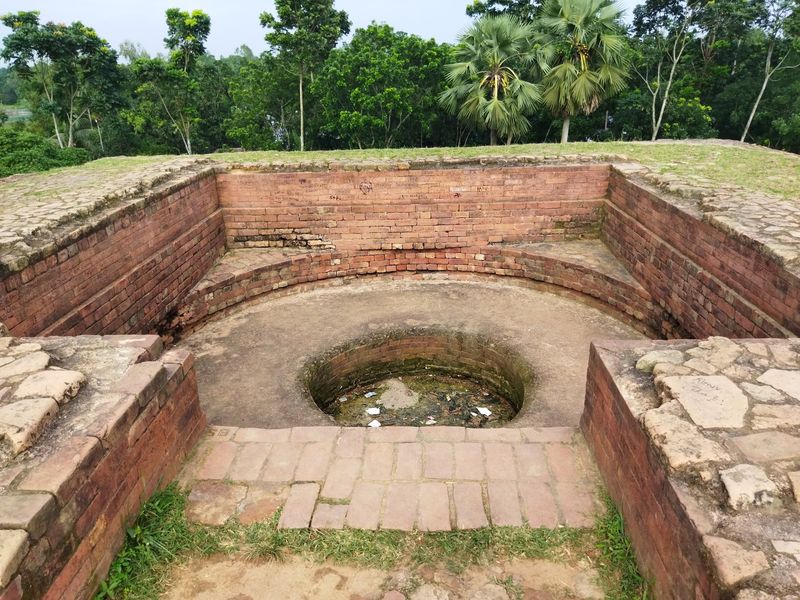
Local tales say Behula washed here after her loss. At the eastern end of the site sits a bathhouse with 24 corners and a well.
Its shape is unusual, and it stands apart from the main mound. That makes it easy to miss if you head straight for the summit.
Folklore connects the well to Behula’s purification. Archaeology cannot confirm that, but the story adds charm to a quiet corner.
Bring a little curiosity and look at how the walls curve and angle. The builders clearly cared about precise shapes.
This area is also shady and peaceful. It makes a nice pause before you walk back toward the entrance.
Kids often enjoy counting the corners, and sometimes they disagree on the total. Good luck settling that debate.
Terracotta Art and Brick Details
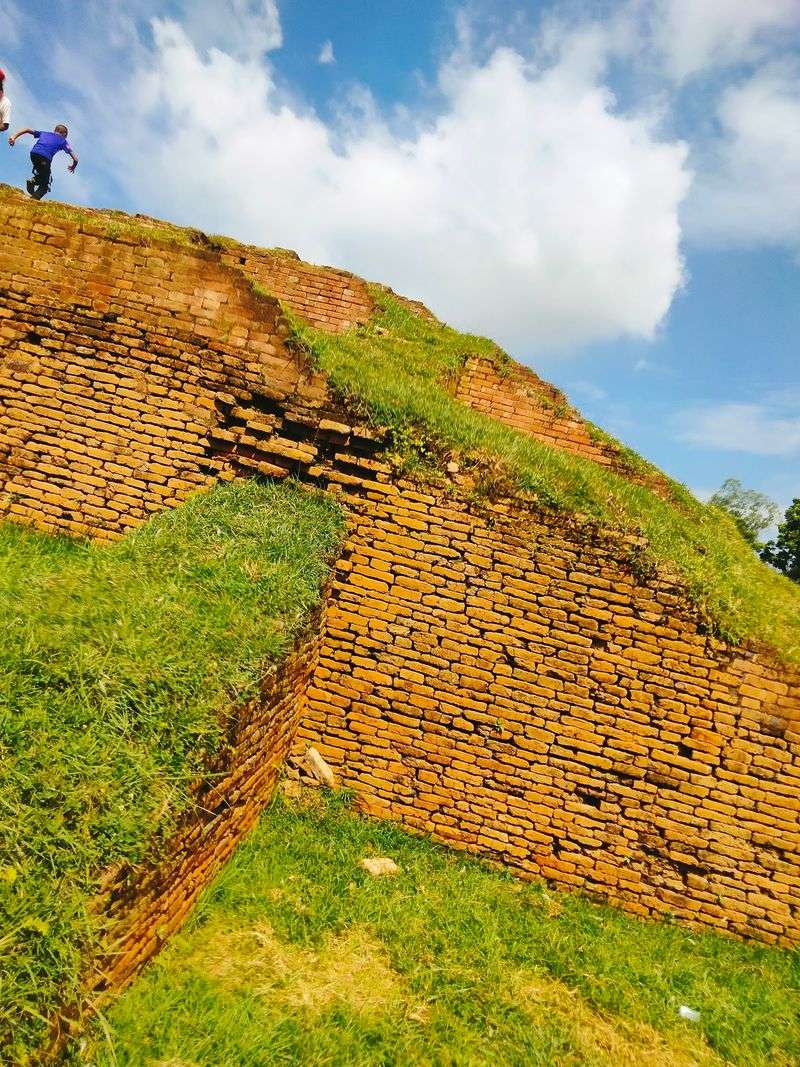
Look closely and the walls start to talk. Visitors mention terracotta plaques and carefully arranged brick patterns that show the skill of early Bengal artisans.
Some reviewers link the mound to Buddhist heritage and the Pala era. The intricate designs support the idea of a once-grand religious building.
Not every piece is easy to spot. Information boards are limited, so a little research before the trip helps a lot.
A local guide can point out details you might walk past. Even a few minutes of explanation changes what you see.
Bring a phone camera with good zoom. Small carvings and textures look best up close.
These details prove the site is more than a pile of bricks. It is a record of how people once built and believed.
Next Door to Mahasthangarh
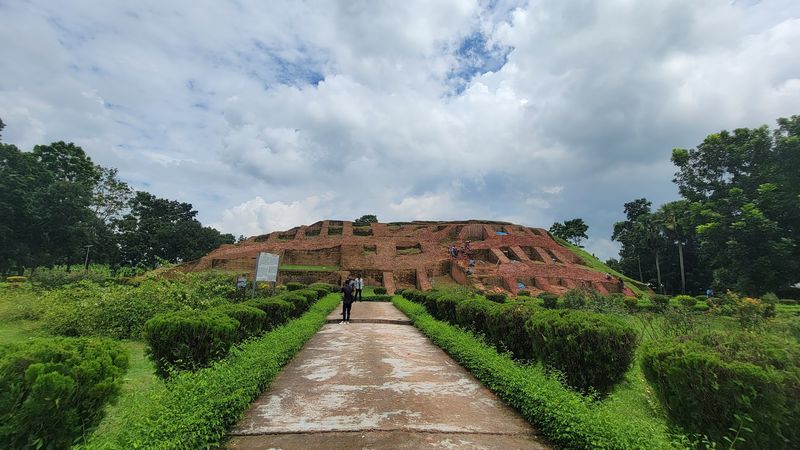
Gokul Medh has a famous neighbor. Mahasthangarh, the ancient capital of the Pundra Kingdom, lies just a few kilometers away and is among the oldest archaeological sites in Bangladesh.
One reviewer noticed five times more people at Gokul Medh than at Mahasthangarh. Legends clearly travel faster than fortress walls.
Visiting both gives you a fuller picture. Mahasthangarh shows city life and defense, while Gokul Medh shows religion and myth.
Many travelers start at Mahasthangarh More, then hire a rickshaw or auto to reach the mound. The ride is short and part of the fun.
You can also see the shrine of Shah Sultan Balkhi Mahisawar nearby. It rounds out a day of local history.
Plan a few hours so nothing feels rushed.
Tickets, Hours, and Costs
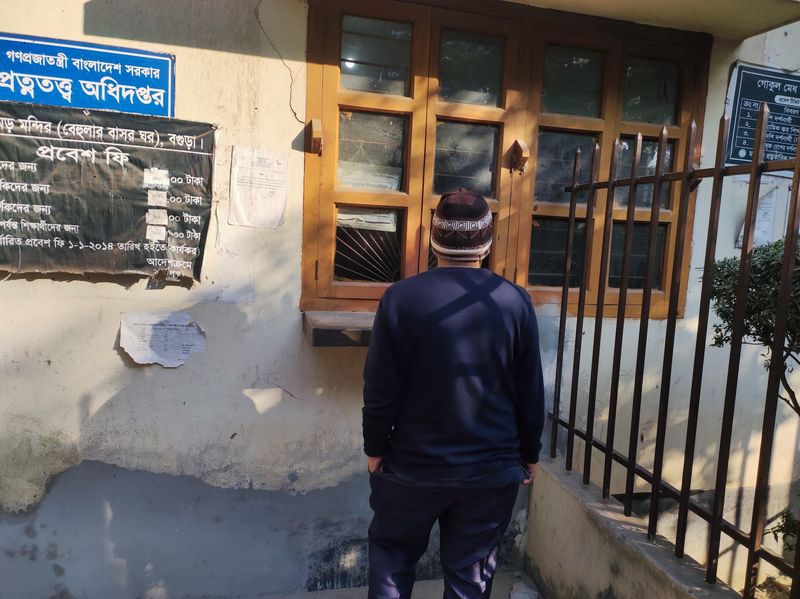
Thirty taka is the number to remember. That is the entry fee reviewers mention for adults, and it makes this one of the cheapest history lessons around.
The site opens at 11 am and closes at 6 pm every day of the week. Arrive early if you want softer light and fewer crowds.
Parking for a car costs around 80 taka, according to one visitor. Another mentioned that tickets include VAT.
Carry small notes to make payment quick. Holidays can get busy, so lines may form.
The phone number listed is +880 2-58315954 if you want to check details before heading out.
A little planning saves time and keeps the day smooth.
Getting There and Best Season
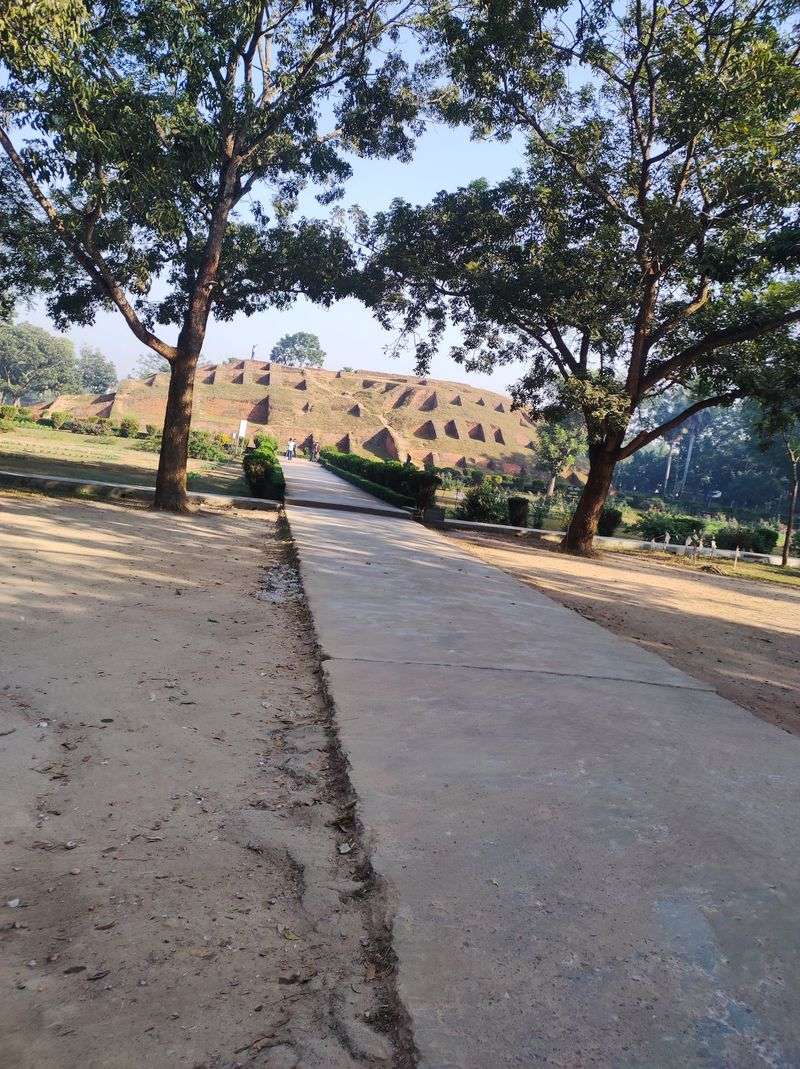
The road gets a little bumpy at the end. Gokul Medh sits inside a village, roughly 10 to 12 km north of Bogura city, a few kilometers off the Dhaka-Rangpur highway.
Auto-rickshaws and private cars both work. Some visitors say the village roads could be better, so expect a bit of shaking.
Winter, from November to February, is the best time. Cooler air makes the climb and the walk around the ruins far more pleasant.
Summer can be hot and sticky, and the brick surfaces warm up quickly. Bring a hat and water if you go then.
Food stalls are scarce, so pack a snack. Tubewells and toilets are available on site.
Give yourself time to wander, and the trip will feel easy.
Photos, Peace, and Visitor Tips
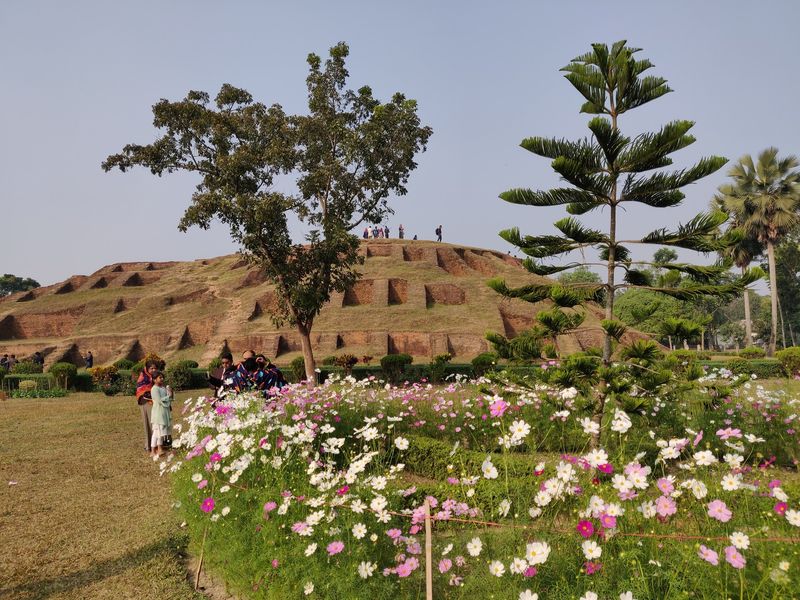
Golden hour is when this place shines. Reviewers say the weathered red bricks glow, and the shadows in the cells create striking photos.
The grounds are decorated with flowers and trees, and guards are described as friendly. There are shaded spots to sit with friends or family.
Crowds can swell on public holidays, so weekdays feel calmer. Some visitors wish for better signage and crowd management.
Do some reading beforehand so you can separate folklore from fact. That way, the visit feels rewarding instead of confusing.
Keep the site clean and stay on safe paths. Bricks that survived centuries deserve gentle treatment.
Most visitors leave with a good rating and a few great pictures.
Share this story