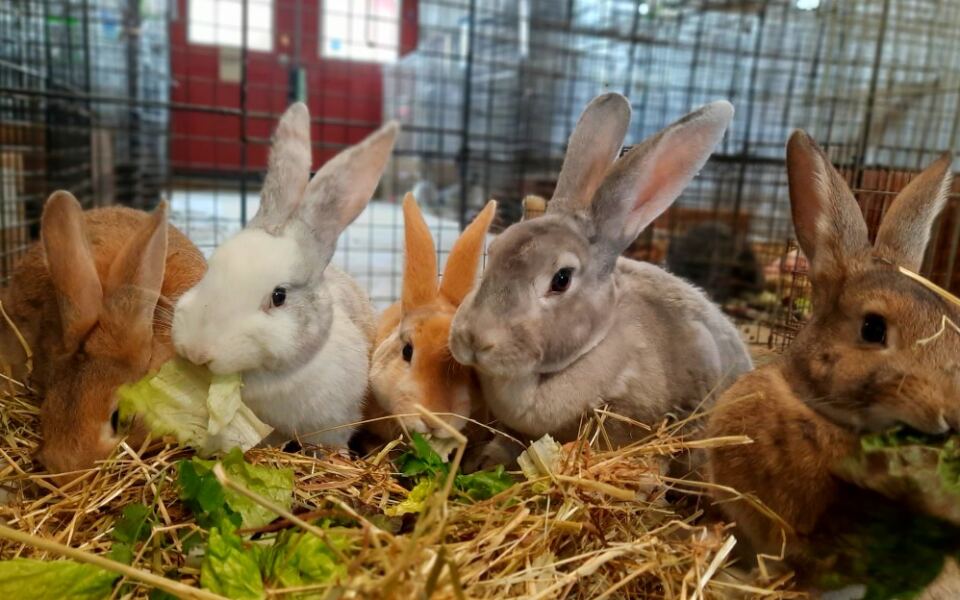
Rabbits are the third most surrendered pet in the United States, and most people never hear about it. Many arrive at shelters after a holiday impulse buy fades, or after someone learns that a bunny can live up to 14 years.
That is where a special group of rescuers steps in. Some started with a single lost rabbit in a backyard.
One began with a little lop that someone tried to sell for five dollars at a mall. Others have grown from a spare room into buildings big enough to house a hundred rabbits at once.
These rescues do more than hand out bunnies. They run bonding services that work like dating apps for rabbits, teach care classes, stock supply shops, and give permanent homes to rabbits with health problems.
In the list below, you will meet thirteen rescues across the country, learn the odd and touching stories behind them, and pick up practical tips on rabbit care along the way. You might even find a place to visit, volunteer, or adopt.
Keep reading, because a few of these stories are hard to forget.
1. House Rabbit Society, Richmond, California
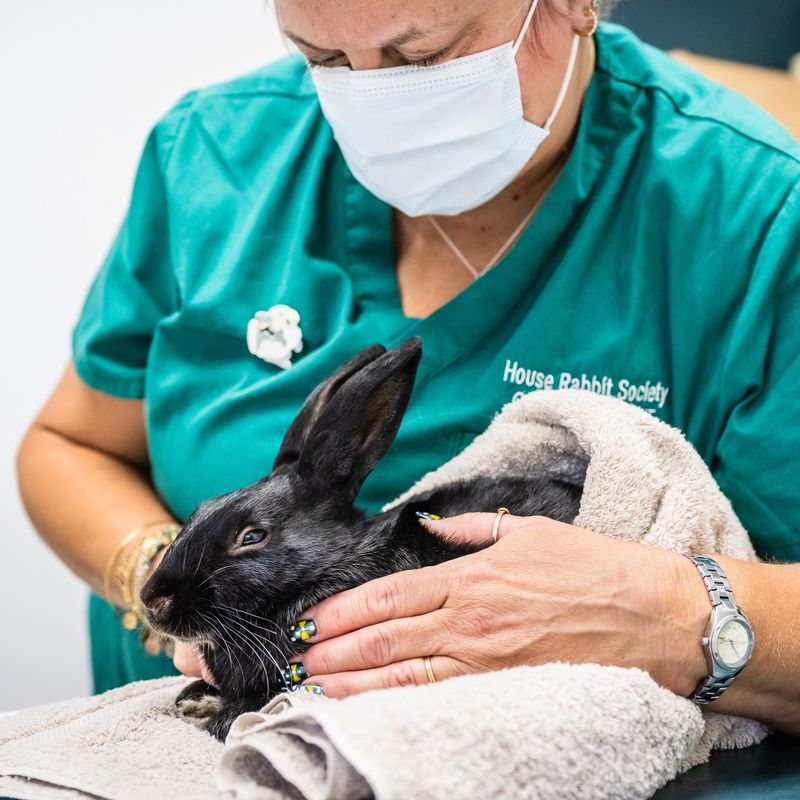
A lost rabbit named Herman turned up in Marinell Harriman’s backyard in 1988, and rabbit care in America has not been the same since. Harriman searched for good advice on caring for him and found almost none.
That gap sparked the House Rabbit Society. Its big message was simple but new at the time: rabbits belong indoors, not stuck in backyard hutches.
Today the Richmond Rabbit Center works with more than 20 shelters across Northern California. In one recent period, it found homes for 113 rabbits and gave sanctuary to 43 others.
The center also offers low-cost care. In a single year, staff performed 284 spay and neuter surgeries and gave 1,085 RHDV2 vaccinations.
One standout program is the Rabbit Essentials Pantry, started in November 2022. It gives food and supplies to families in need, and it helped 736 rabbits stay in their homes in one year.
Want to visit? The center is open Friday through Sunday, so plan your bunny weekend accordingly.
2. Georgia House Rabbit Society, Kennesaw, Georgia
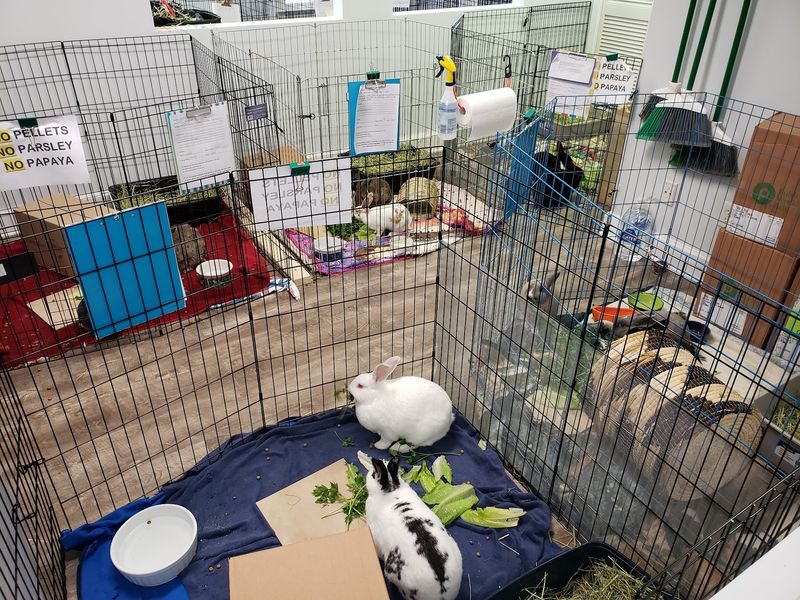
Over 5,000 rabbits have found homes through this Kennesaw rescue since 1996. That number makes it one of the largest rabbit-only shelters in the country.
It started as a small foster network. In 2020, the group moved from an 1,800-square-foot space into a 6,500-square-foot building, which gave everyone a lot more hopping room.
Adoption here comes with homework. Future owners attend a Bunny 101 class and talk with a counselor before taking a rabbit home.
The fee is $100 for one rabbit or $150 for a bonded pair. It covers spay or neuter surgery, vaccination, microchipping, and even a free nail trim.
Single rabbits looking for a buddy can try the $75 bonding service. Owners can also shop the Hop Shop for hay, treats, and toys, with every dollar going back to the shelter.
About 185 active volunteers keep things running. In April 2026, the group celebrated 30 years of what it calls a hoptimistic mission, and the pun is fully deserved.
3. Rabbit Haven, Gig Harbor, Washington
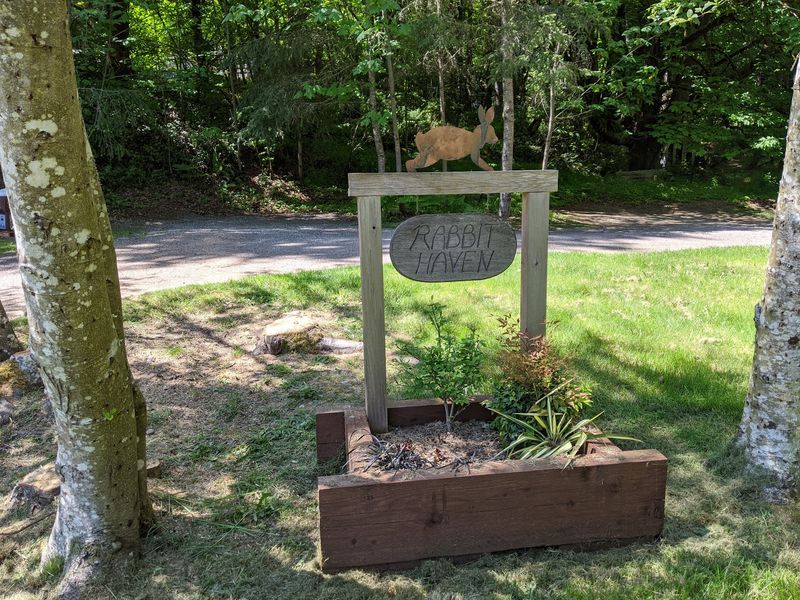
Five dollars. That was the price someone put on a small French Lop at a mall in 1986, and the plan was to sell its feet.
Sue Brennan stepped in and took the rabbit home. She named her Alice, then later learned Alice was actually Al.
That surprise taught Brennan how little people knew about rabbits. Her house soon filled up, so in 2003 she used her general contractor skills to build a dedicated barn for them.
Rabbit Haven now sits on 11.5 acres with orchards, pastures, and woods. It became an official nonprofit in 2007 and cares for roughly 45 to 62 rabbits on site.
Adopters must provide a pen of at least 2 by 4 feet with a solid floor. They also promise to return the rabbit if life changes.
Single rabbits can go on bunny dates to find a partner, and bonding help is free. The shelter even sells its own hay blend of timothy, orchard, and canary grass.
4. Rocky Mountain House Rabbit Rescue, Erie, Colorado
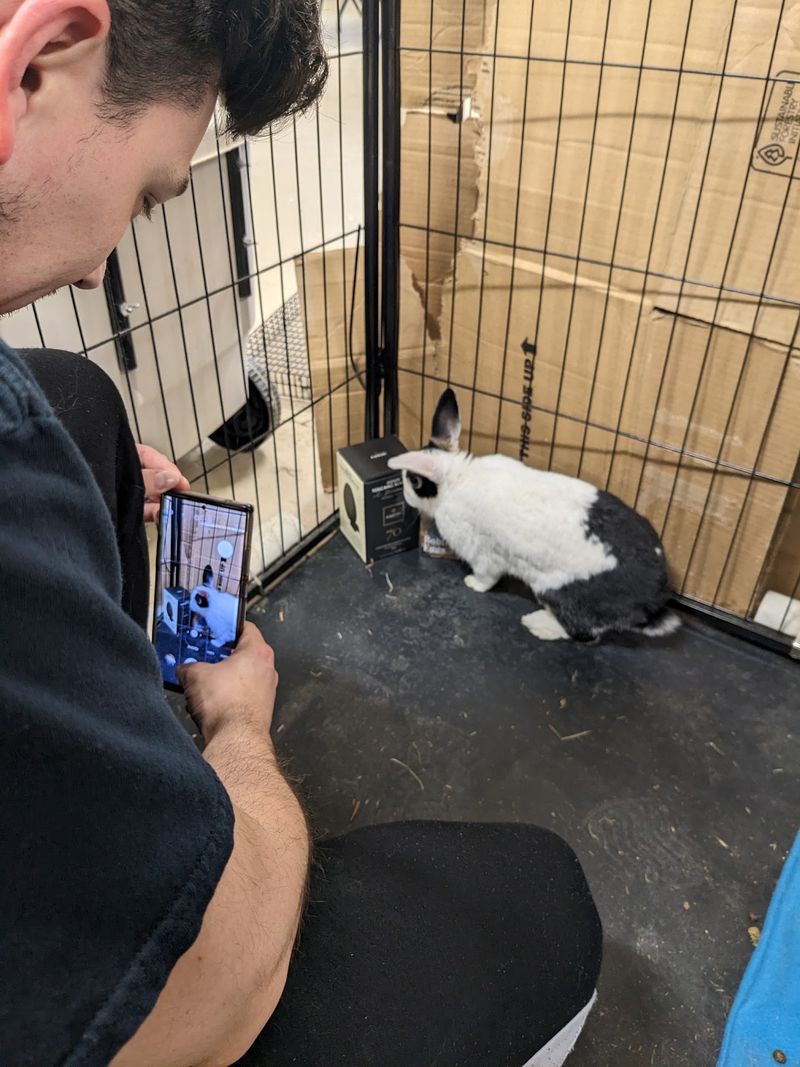
Here is a rule that surprises many visitors: this Colorado rescue does not adopt out single bunnies. Rabbits leave in bonded pairs or trios, or they go to a home that already has a rabbit friend waiting.
The reason is simple. Rabbits are social, and a lonely bunny is often a bored and stressed one.
Founded in 1998, the all-volunteer group now has more than 300 members. Together they care for around 100 rabbits at any time.
Every new arrival gets a full medical exam. Before adoption, each rabbit is spayed or neutered, healthy, and litterbox trained.
Volunteers even help catch domestic rabbits that have been dumped outside. They also require RHDV2 vaccinations to slow the spread of that disease.
The Binky Boutique sells food, hay, and handmade treats and toys made by volunteers. Free care classes, emergency health advice, and lifetime adopter support round things out.
Yes, they also host Bunny Yoga. Downward dog has some serious competition.
5. Great Lakes Rabbit Sanctuary, Willis, Michigan
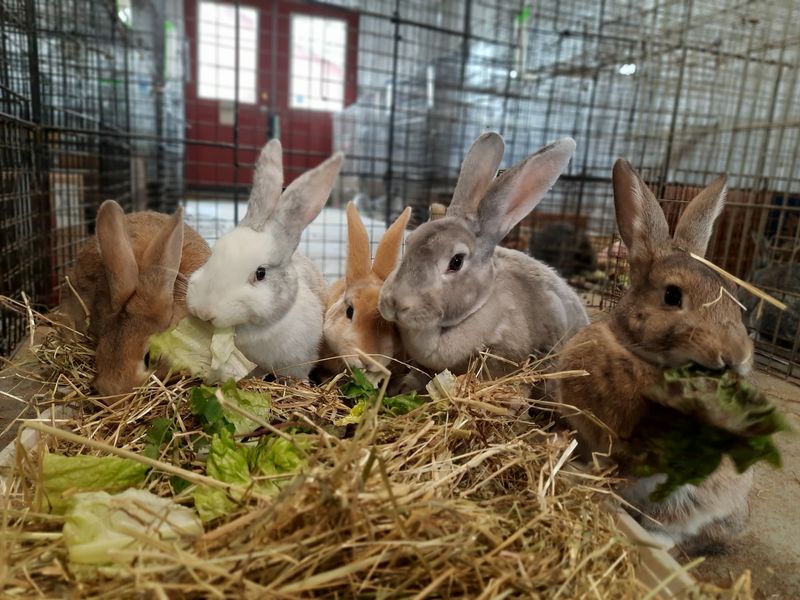
PigHoppers was the original name, and yes, it fit. When this Michigan group began in 1995, it rescued pigs, rabbits, and plenty of other animals.
By 2003, the volunteers noticed something. Domestic rabbits needed specialized help far more often than they expected.
So the group changed course and became the Great Lakes Rabbit Sanctuary. It runs as a no-kill facility, and every new rabbit receives medical care, including spay or neuter surgery.
Some rabbits cannot be adopted because of long-term health or behavior issues. Those bunnies stay for good as permanent residents.
A few non-rabbits stuck around too. A cat named Owen works as the official greeter, and potbelly pigs and rescued birds also live on site.
The sanctuary is not open every day. Tours run by appointment in spring, summer, and early fall, with a suggested $5 donation per person.
Watch for Hoppy Harvestfest, a fundraiser with vegan food vendors and a silent auction.
6. Bunnychick Haven of Navarre, Navarre, Florida
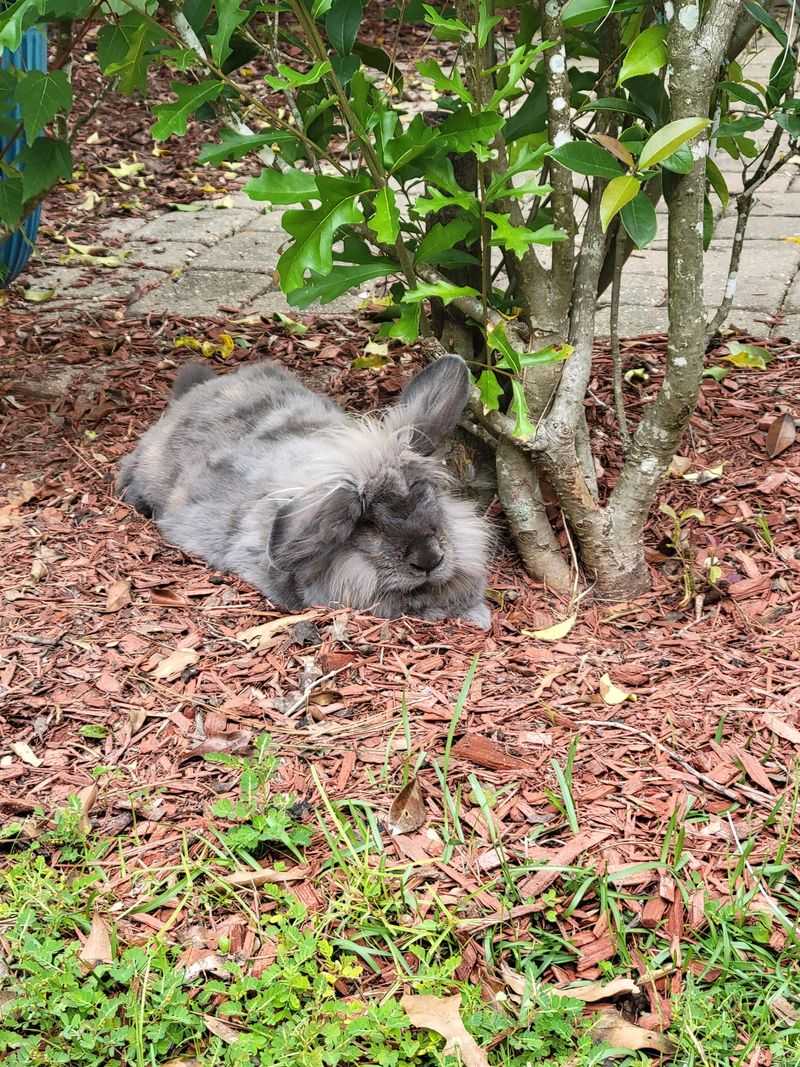
Most rescues do not let you sleep over. Bunnychick Haven does, thanks to a tiny home called the Haven’s Nest.
The retreat has two beds, a full bathroom, a kitchenette, and a picnic area. Guests can visit with free-range rabbits and chickens and may get farm-fresh eggs for breakfast.
Founder Jill Wesson studied psychology, and her sanctuary focuses on calm, hands-on learning. Rabbits share the grounds with chickens, guinea pigs, and a goat named Curly.
Since January 2025, the haven has taken in over 30 surrendered or abandoned rabbits and chickens. Many go on to new homes through careful adoptions.
Private one-hour tours let guests meet each animal and help with feeding. Schools and groups can book workshops on bunny handling and poultry care.
The air-conditioned Haven Shed is a welcome spot in a Florida summer. The sanctuary won a 2025 Best of Florida regional award, and Curly seems unbothered by the fame.
7. Friends of Rabbits, Columbia, Maryland
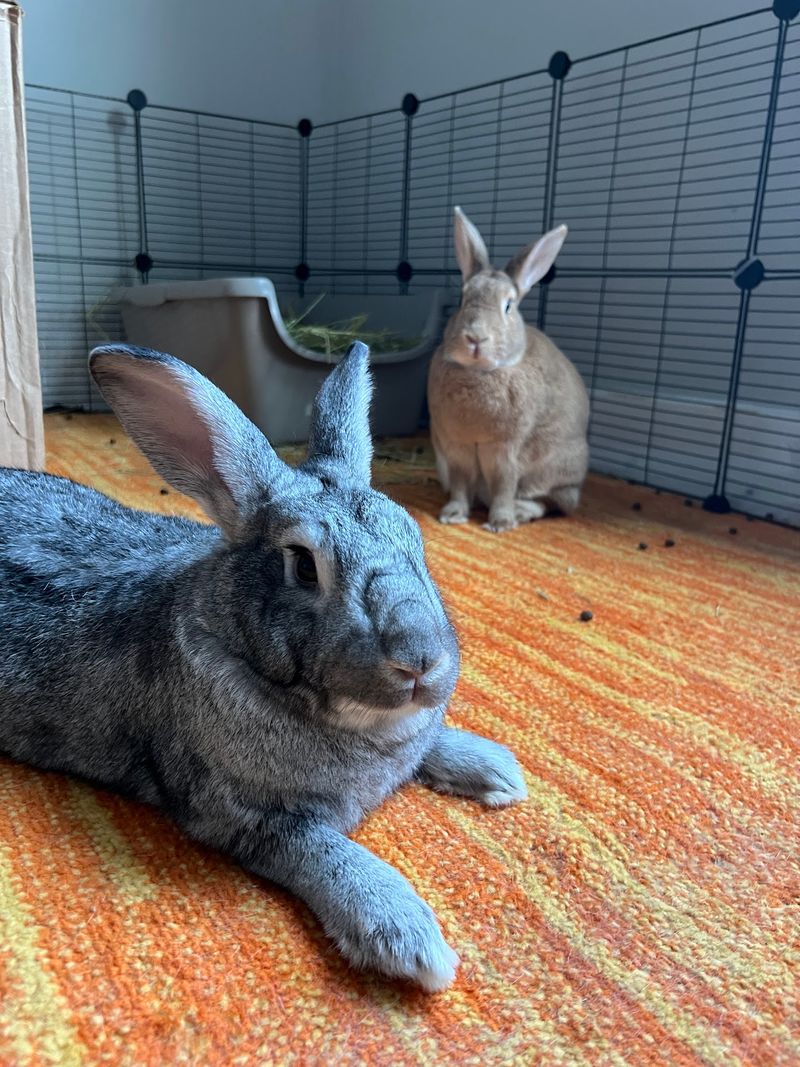
In 2025 alone, Friends of Rabbits reported rescuing 254 rabbits. That is a lot of long ears to look after.
The group was founded in 1997 and now serves Maryland, Virginia, and Washington, D.C. Its volunteers pull rabbits from crowded shelters and from hoarding situations.
Some of the most common cases involve rabbits left outside. Many people still believe a pet rabbit can survive in the wild, but domestic rabbits lack the skills to stay safe.
Volunteers also help other small animals when they can. Guinea pigs sometimes get a spot on the rescue list too.
The Columbia facility offers grooming, bonding assistance, and care resources. These services help owners keep their rabbits at home instead of giving them up.
Here is a useful tip from groups like this one. Long-haired rabbits often need regular brushing, especially during shedding season, so ask about grooming before you adopt.
Friends of Rabbits proves that a strong volunteer team can cover a whole region.
8. House Rabbit Network, Westford, Massachusetts
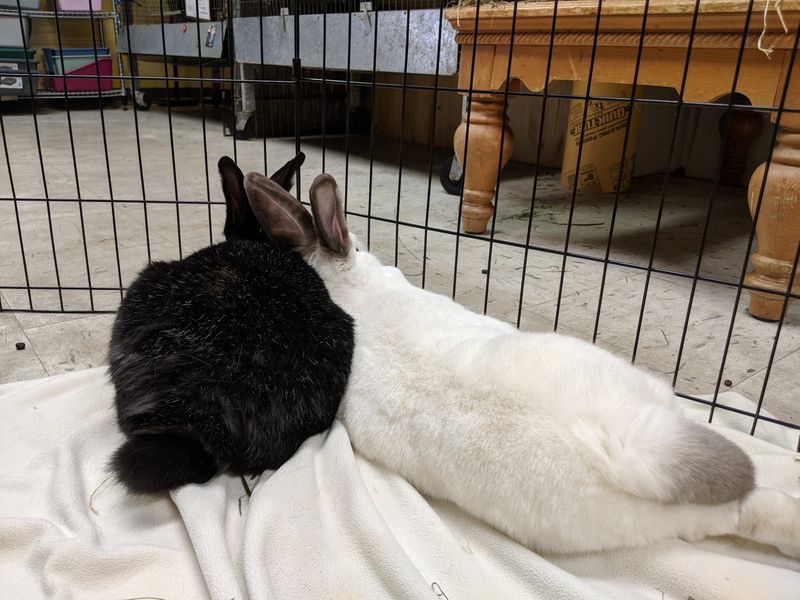
Spa day, but make it bunny. The House Rabbit Network in Westford hosts occasional rabbit spa days with grooming and nail trims.
Behind the fun is a serious mission. This group takes adoption very seriously, and it screens future owners with care.
Staff explain what rabbits truly need before anyone signs papers. That includes plenty of space, a hay-heavy diet, and regular visits to a vet who knows rabbits.
Why so careful? Rabbits can live more than a decade, so a quick decision can lead to a bunny returning to a shelter later.
Network volunteers also give specialized care to rabbits with health needs. They offer bonding help for owners who want to pair up their pets.
The focus stays on lifelong responsibility. Every adoption is meant to be the last move a rabbit ever makes.
Planning to adopt in New England? Start with a conversation here, and come with questions about diet and housing.
9. Red Door Animal Shelter, Chicago, Illinois
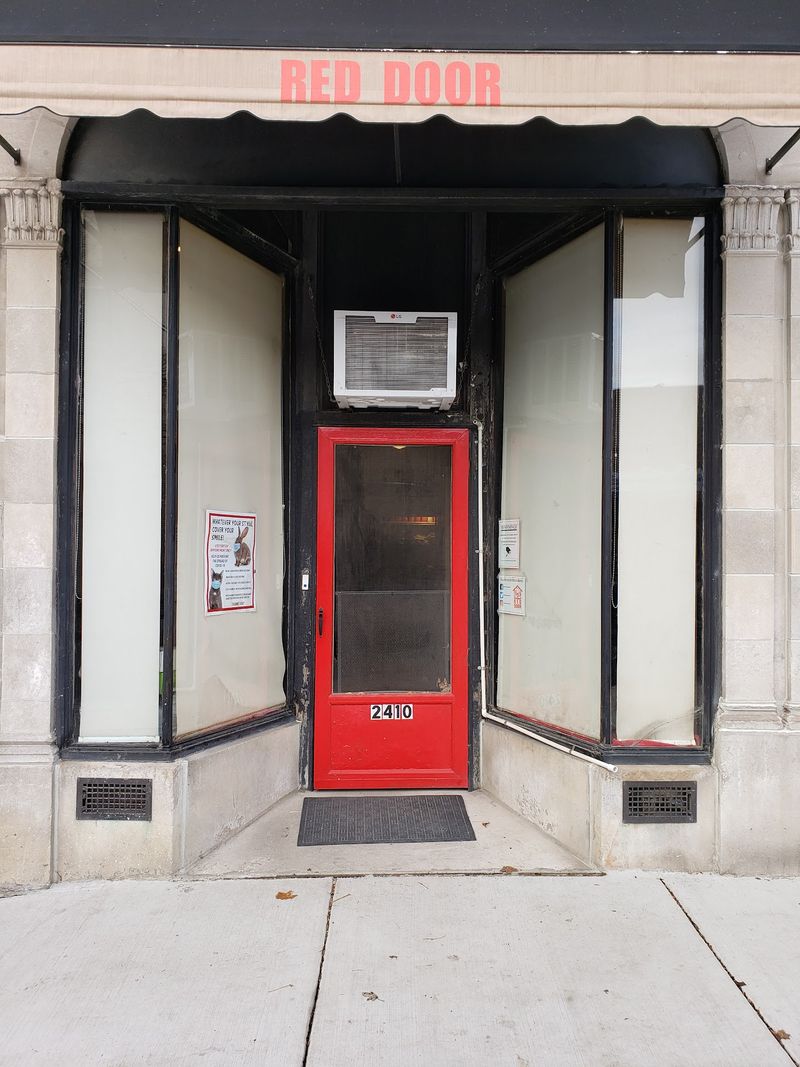
Cats, dogs, and rabbits all share the spotlight at this Chicago shelter. Red Door Animal Shelter stands out because bunnies are not treated as a side project.
The nonprofit runs a no-kill adoption program. Animals get the time they need to find the right family, even if it takes a while.
Rabbits here receive care designed for their needs. That matters, since many general shelters lack staff trained in rabbit health and behavior.
The neighborhood setting makes the shelter easy to reach. City residents can stop by without driving out to the countryside.
Thinking about a rabbit in a city apartment? Many rabbits do well in apartments, as long as they get daily time out of their pen and the cords are bunny-proofed.
Chewing is a rabbit hobby, after all. Phone chargers rarely win that contest.
Red Door gives Chicago a friendly place to learn about rabbit adoption before taking the leap, or the hop.
10. House Rabbit Resource Network, Pflugerville, Texas
Going on vacation with a rabbit at home can be tricky. In Central Texas, the House Rabbit Resource Network solves that with rabbit boarding.
Boarding is just one piece of the work. This group focuses only on domestic rabbits and gives them shelter, medical care, and adoption services.
The network strongly encourages indoor living. Texas heat can be dangerous for rabbits, since they handle high temperatures poorly.
Inside, rabbits stay safer and closer to their people. They also tend to become more social with daily contact.
The facility includes a Bunny Boutique stocked with rabbit supplies. Sales help pay for rescue work, so every bag of hay does double duty.
A practical tip from rescues like this: hay should make up most of a rabbit’s diet. Pellets and treats are extras, not the main meal.
For owners and future adopters in the Austin area, this spot is a handy one-stop resource.
11. San Diego House Rabbit Society, San Diego, California
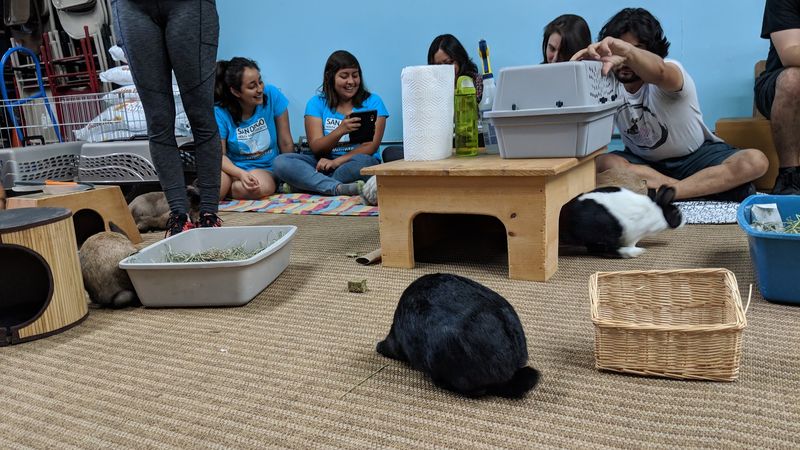
School comes before snuggles at the San Diego House Rabbit Society. Future adopters finish a rabbit care learning program before they meet an adoption counselor.
That may sound strict. Still, it helps families understand what they are signing up for.
Topics include diet, housing, health, and behavior. People learn that rabbits need room to run and that thumping can mean a bunny is upset.
After the lessons, counselors help match each family with a rabbit that fits their home. Busy households and quiet ones often need different personalities.
The adoption center also sells rabbit supplies. Staff give practical advice to current owners who have questions.
The group knows that a rescue story does not end at adoption day. The real happy ending happens over many years at home.
Living in Southern California and curious about rabbits? Sign up for the class first, even if you are only thinking about it.
12. Ohio House Rabbit Rescue, Columbus, Ohio
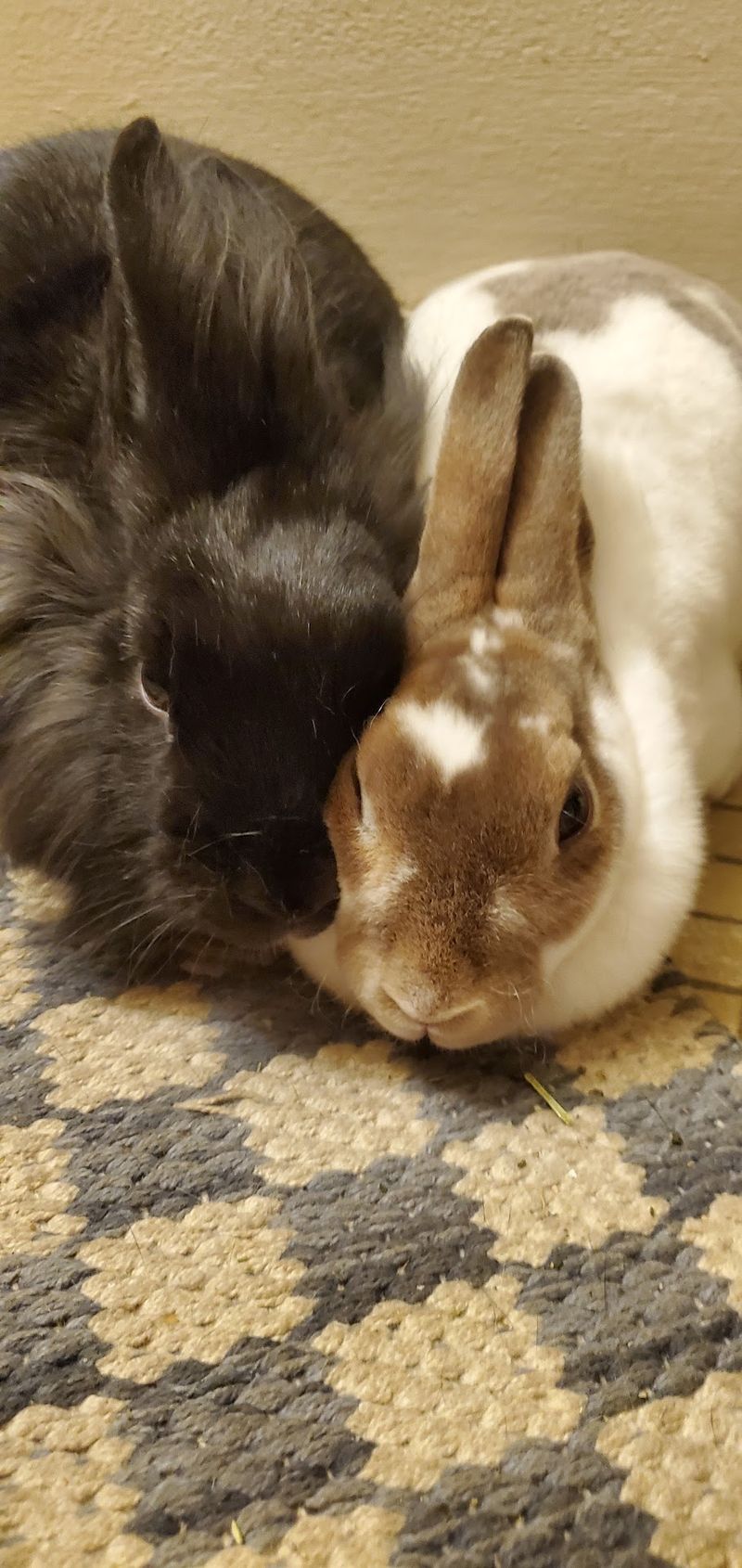
Matchmaking is serious business in Columbus. Ohio House Rabbit Rescue helps owners find companions for the rabbits they already have.
Rabbits can be picky about friends. Some pairs bond in a day, while others need weeks of short, supervised visits.
The rescue runs a dedicated adoption center for abandoned domestic rabbits. Each one lives in a roomy enclosure while waiting for a home.
Daily enrichment is part of the routine. Toys, tunnels, and safe chew items keep rabbits busy and help reduce stress.
Staff also focus on good nutrition and careful matching. They want each rabbit to land in a home that suits its personality.
Educational guidance is available too. First-time adopters can ask about basics, while longtime owners can get help with trickier issues.
One quick takeaway: introduce rabbits on neutral ground. A bunny’s own space often makes it territorial, and nobody enjoys a first date that turns into a turf war.
13. Bunny Bunch Rabbit Rescue, Montclair, California
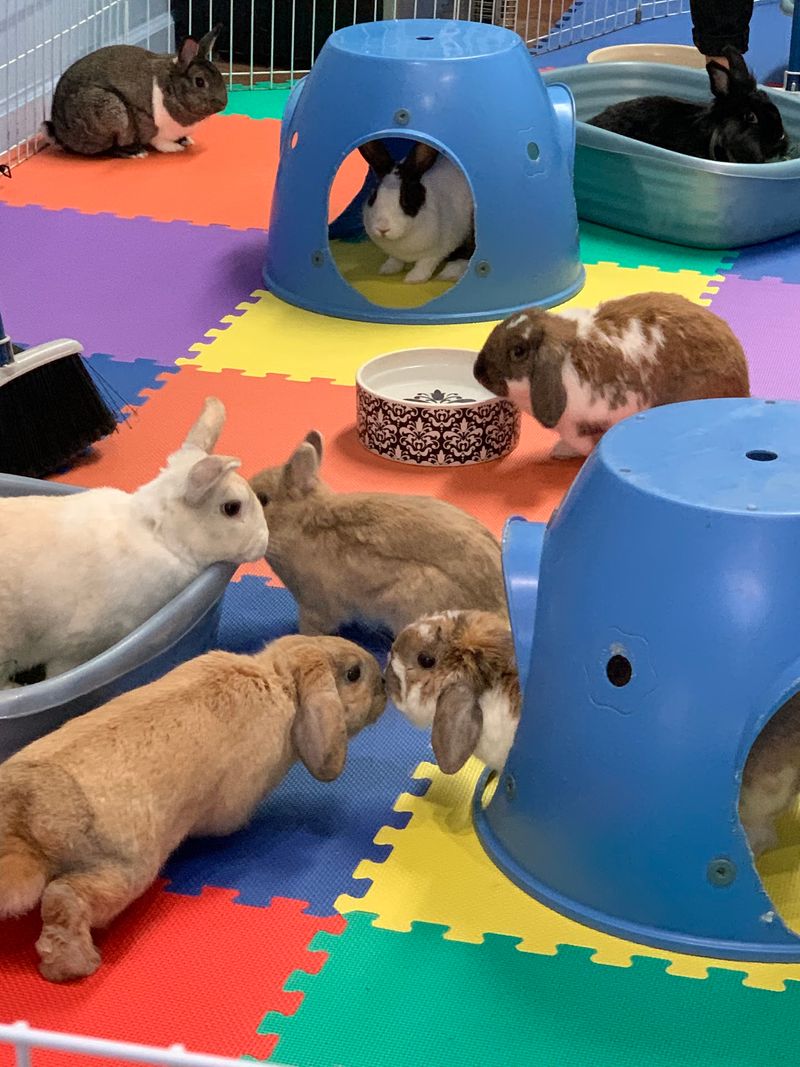
Part rescue, part boutique, Bunny Bunch in Montclair covers both sides of rabbit life. It finds homes for abandoned animals and sells supplies for rabbits and other small pets.
The shop is more than a store. Sales help fund the rescue work happening behind the scenes.
Services include grooming, boarding, and rabbit bonding. That makes it a handy stop for owners long after adoption day.
Bunny Bunch also cares for rabbits with extra needs. Senior rabbits are welcome, and staff can give medication to boarders who need it.
That detail matters more than many people realize. Finding a sitter who can give an older rabbit its medicine is often hard.
Older rabbits also make lovely pets. They are usually calmer, and their personalities are already easy to read.
To wrap up this list, Bunny Bunch shows what all these rescues share. Good care continues every single day, well after the paperwork is done.
Share this story