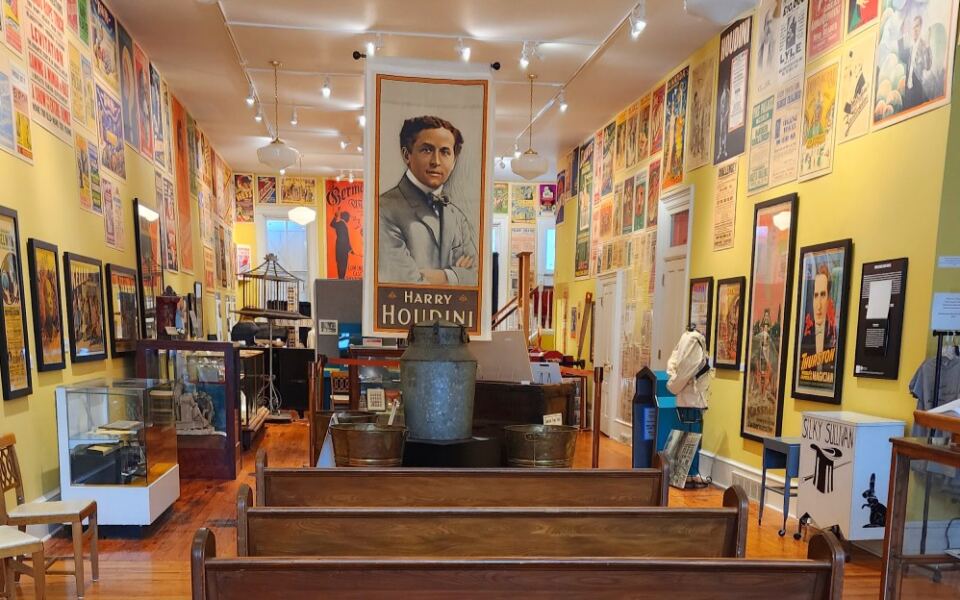
Old magic show posters cover the walls of one small Michigan museum, some of them reaching all the way up to the ceiling. Many of them once promised crowds that a performer would make people vanish, float, or escape from locked boxes.
The collection also holds real props that stage magicians used in front of live audiences. Some items connect to famous names like Harry Houdini and Harry Blackstone.
I like the idea of a museum that treats magic as history instead of just a party trick. Every poster and painted box hints at a time when a traveling magician was the biggest show in town.
The building sits in a downtown full of old storefronts, and it has its own long story too. So how did a museum about the secrets of illusion end up in a quiet Michigan town?
A Downtown Storefront Full of Illusions
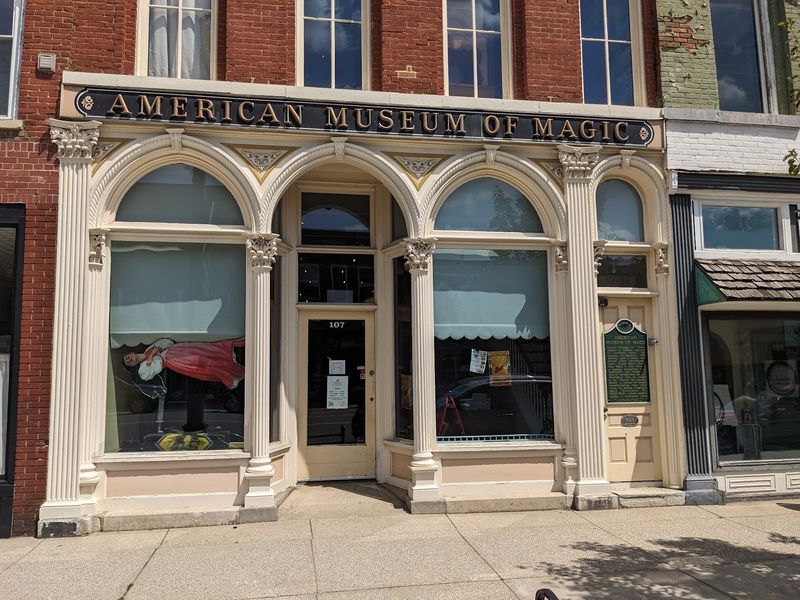
The answer starts on a busy downtown block. The American Museum of Magic sits at 107 E Michigan Ave in Marshall, Michigan, right among the town’s historic storefronts.
The museum fills an older two-story building, and that setting matters. Old posters and props feel at home inside walls that have their own long history.
Marshall itself is known for its well-kept historic architecture. A stroll down Michigan Avenue easily turns into a visit here, since the museum is right on the main street.
What catches my attention is the focus. The museum covers stage magic and the performers who made it famous, not just general entertainment.
Inside, you’ll see vintage posters, apparatus, and personal items linked to magicians from around the world. The collection spreads across both floors, so plan to use the stairs.
I find it interesting that such a specialized museum ended up in a town of this size. It gives Marshall a reason to be on the map for anyone curious about how illusions were sold to audiences long ago.
And the story of how the collection began is just as interesting as the objects themselves.
Posters That Climb to the Ceiling
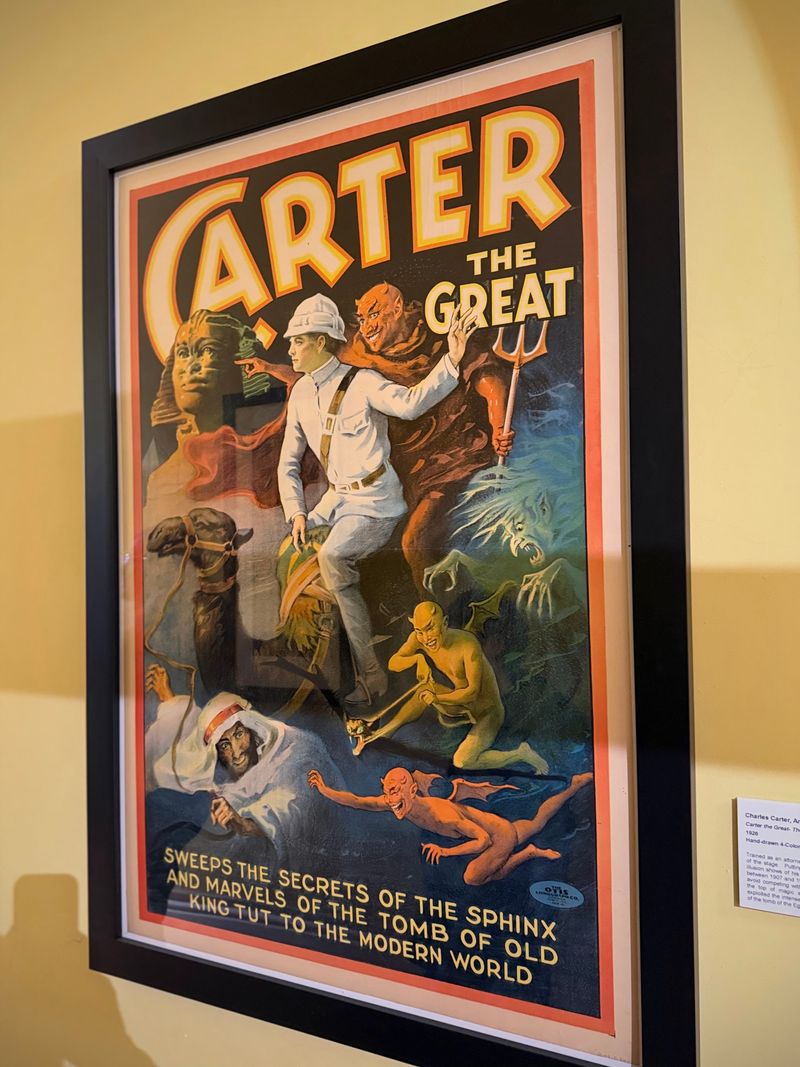
Bright reds, bold lettering, and dramatic artwork grab you first. Original vintage magic show posters make up a big part of what you see in this museum.
In many spots, posters stretch all the way up toward the ceiling. That means you’ll want to look up, not just straight ahead, as you move through the rooms.
These posters had a real job long ago. Traveling magicians used them to advertise shows and promise audiences wonders they could not see anywhere else.
Many feature performers posing with mysterious creatures, floating assistants, or impossible escapes. The goal was simple: fill the theater seats before the magician even arrived in town.
I’d suggest slowing down here. The small print and artwork often reveal how magicians wanted the public to see them, whether as scientists, mystics, or daredevils.
A quick tip for photo lovers is to step back for wide shots, then move closer for details. The lettering styles alone show how printing and advertising changed over the years.
Posters only tell half the story, though. The props that made those promises come true are waiting nearby.
Props With Real Stage Miles on Them
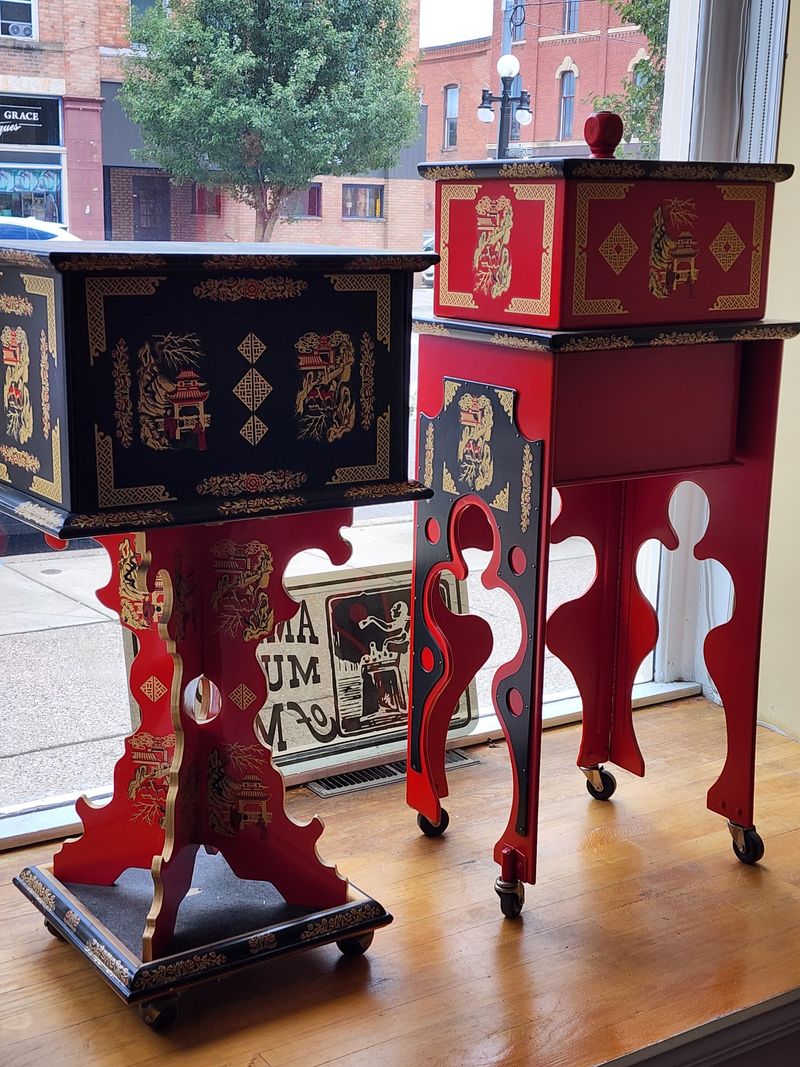
Painted boxes, cabinets, and odd little gadgets sit on display, and many of them actually saw use on stage. That detail changes how you look at them.
These are the tools of the trade. Magicians relied on clever construction to make objects appear, disappear, or change in front of watching eyes.
The pieces here show signs of age and handling. Scuffs and worn paint suggest years of travel from theater to theater.
I like that the collection includes authentic magic boxes of many kinds. Each one hints at a trick, even if the secret stays politely hidden.
Keep in mind that this is a hands-off museum for most of its displays. Parents with very young kids should know that touching is generally not allowed.
Looking closely still pays off. Notice the hinges, panels, and decorations, since magicians often used fancy designs to draw eyes away from what really mattered.
Some of the most famous props and keepsakes belong to one legendary escape artist, and his corner of the museum draws plenty of attention.
Houdini Gets His Own Spotlight
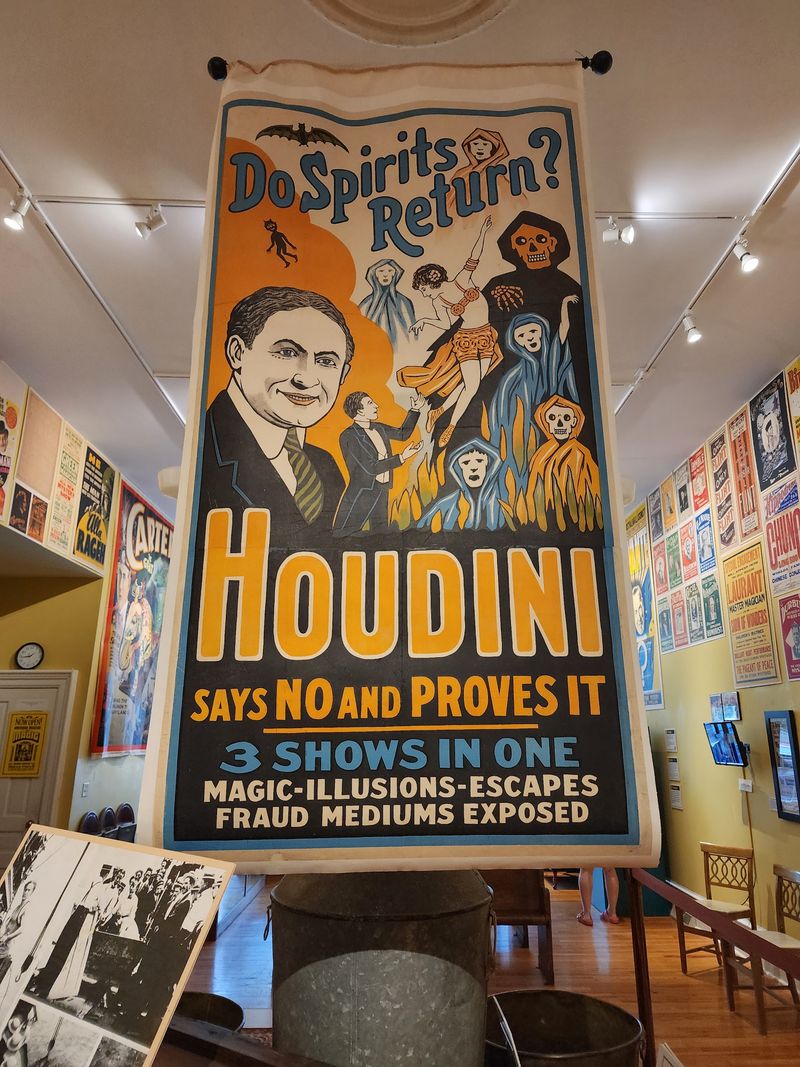
Harry Houdini built a career on escaping things that should have been impossible to escape. Fittingly, the museum gives him a dedicated display.
The Houdini exhibit features items connected to the famous performer. For many guests, it’s the part they head toward first.
Houdini became world famous in the early 1900s for escapes from handcuffs, jails, and water-filled tanks. His name still stands for daring stunts more than a century later.
What I find interesting is how his story fits into the larger collection. Seeing Houdini next to other performers shows he was part of a whole world of traveling showmen.
Quick history bit: Houdini was born Erik Weisz in Budapest, Hungary, and grew up in Wisconsin. That Midwest connection makes his presence in a Michigan museum feel natural.
Give yourself time to read the details near this display. Small notes often explain how an object links to a specific moment in his career.
Houdini was not the only big name here, though. Another Harry, with strong ties to Michigan, has his own place in the collection.
Harry Blackstone and Other Famous Names
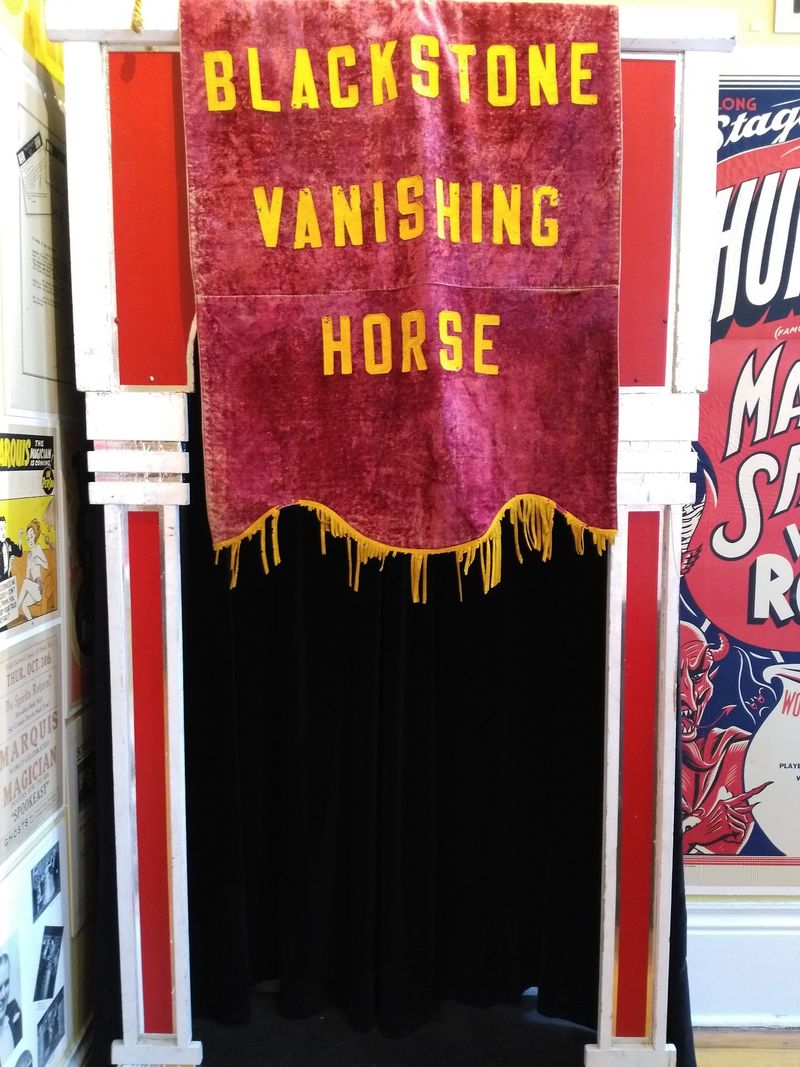
Harry Blackstone Sr. was one of the best-known American stage magicians of the 1900s. Artifacts related to him appear in the museum’s collection.
Blackstone toured with big, flashy shows full of assistants and large illusions. He later lived in Colon, Michigan, a village not far from Marshall that calls itself the Magic Capital of the World.
That regional link adds meaning to a visit. Southern Michigan has deep ties to stage magic, and this museum helps keep that story together.
Beyond Houdini and Blackstone, the collection highlights magicians from all over the world. Posters and props represent performers who might be forgotten if not for places like this.
I’d make time to read about the lesser-known names. Some of their posters are just as bold as the famous ones, and their stories can surprise you.
A fun idea is to pick one unfamiliar magician and look them up later. It turns a short museum stop into a small history project at home.
Of course, all these names would mean little without the people who share their stories in person.
Ask the People Behind the Counter
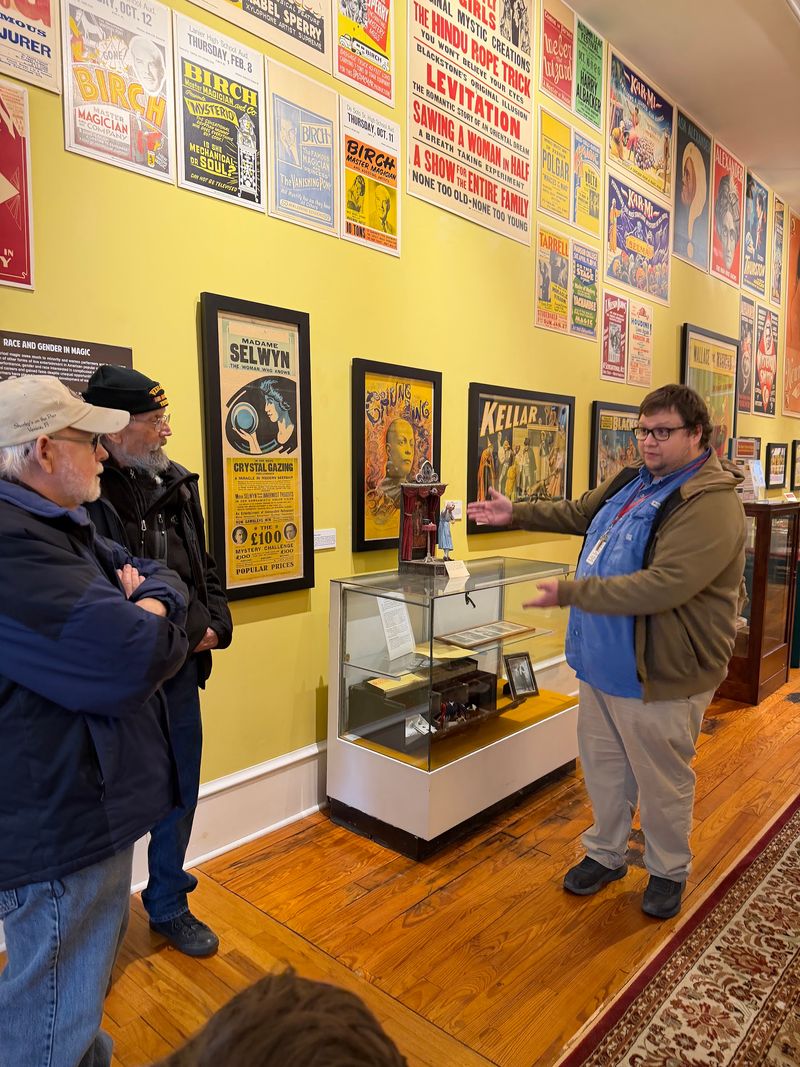
Questions are welcome here, and they can completely change your visit. Staff members and volunteers often know a great deal about the objects on display.
Guided tours are part of the experience. A knowledgeable guide can connect posters, props, and personal items to the magicians who once owned or used them.
That matters in a museum like this one. A painted box means more when someone explains which performer used it and why it was clever.
My advice is simple. Pick one or two items that catch your eye and ask about them directly.
Since staffing can vary by day, your experience may depend on who is working. Arriving with a bit of curiosity helps get the conversation going.
There’s no audio tour, so live conversation is the main way to hear deeper stories. Readers who like learning by listening will want to take advantage of it.
Plan for the tour to take some time, especially if you stop to chat. And if you time your visit right, you might see magic performed instead of just discussed.
Live Shows on a Real Little Stage
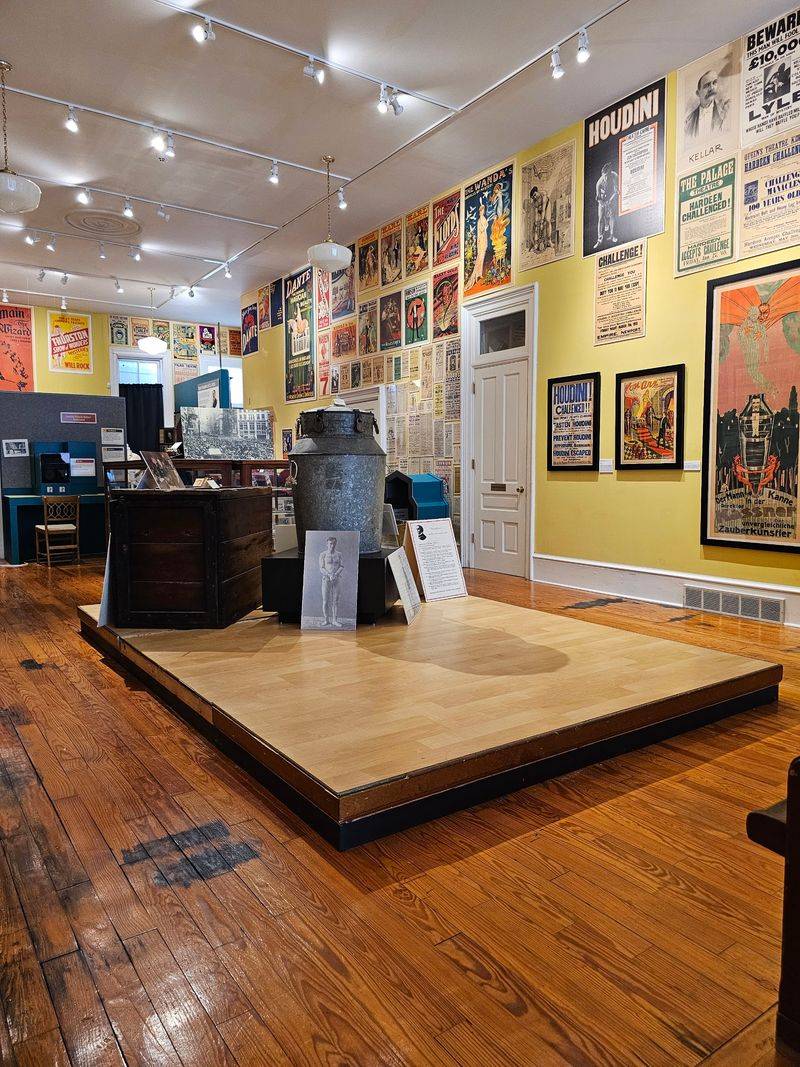
Watching old posters is fun, but seeing a trick performed live brings everything to life. The museum has a stage, and magic shows take place there.
Shows have been held on Saturday afternoons during certain seasons. The schedule can change, so check the museum’s website or call before planning around a performance.
Local magicians also perform here. A small space means you’re close to the action, which makes sleight of hand even harder to figure out.
I like that the shows connect the past to the present. The same skills advertised on century-old posters are still being practiced right in front of you.
Kids especially enjoy this part. The stage gives families something active to watch after walking quietly through the hands-off exhibits.
Special events and shows may require tickets bought in advance. Buying early helps avoid disappointment if you made the drive specifically for a performance.
The magic community’s ties to the building go deeper than weekend shows. Young magicians get their own chance to learn here each summer.
Summer Camp for Future Magicians
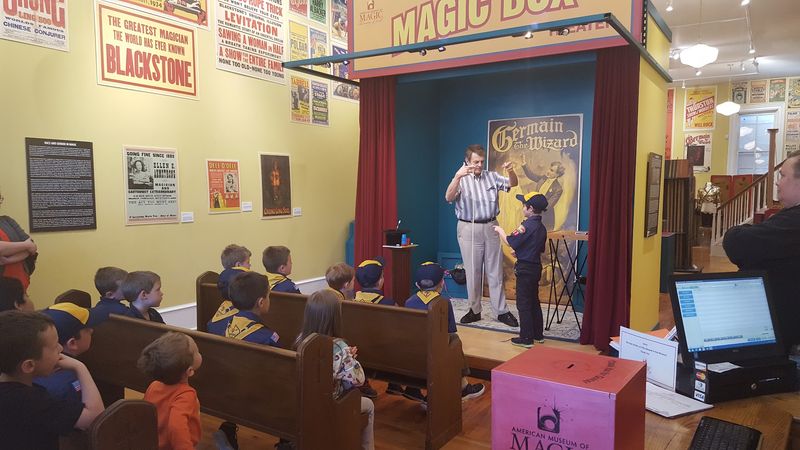
Some kids spend July swimming. Others spend it learning how to make a coin vanish.
The museum has hosted a summer program called Camp Abracadabra for kids around ages 7 to 13. It has been taught by magician John Dudley, with help from local magicians.
Camps like this give young people a hands-on way to learn. Practicing tricks builds confidence, patience, and speaking skills in a surprisingly fun way.
I can understand the appeal for parents. A child who loves magic gets to learn in a building full of real history from the art form.
Spots for special programs may be limited. Signing up or buying tickets ahead of time is a smart move if your family is interested.
Dates and details can change from year to year. Checking the official website before summer starts is the easiest way to stay updated.
The museum also serves grown-up magicians. A local club of performers gathers here on a regular basis, keeping the craft active all year long.
Where Local Magicians Still Gather
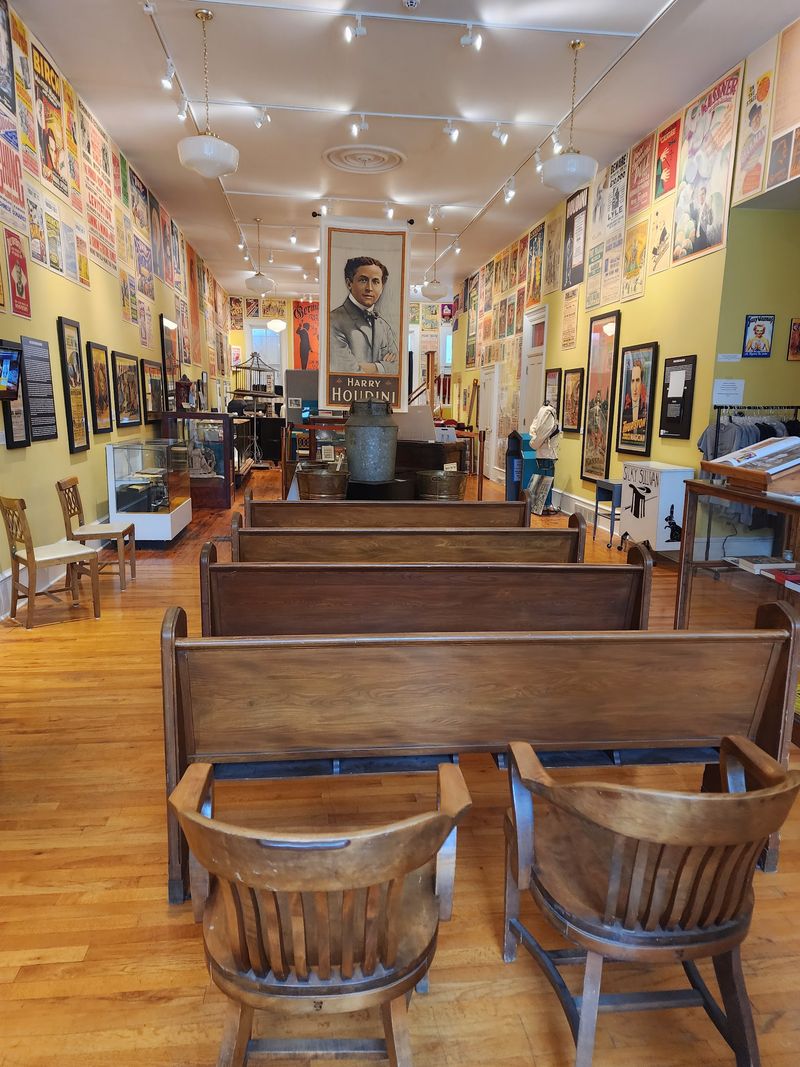
Magic isn’t only something kept behind glass here. Working magicians still meet inside the building.
The International Brotherhood of Magicians Neil Foster Ring 89 holds monthly meetings at the museum. The group’s name honors Neil Foster, a respected magician and teacher from the Michigan magic scene.
The International Brotherhood of Magicians is a large organization for magicians, with local clubs called rings. Members share tricks, practice performances, and support one another.
What I find interesting is how this keeps the museum lively. The space connects collectors, performers, and curious newcomers who simply love a good illusion.
For visitors, it’s a reminder that the museum belongs to a living community. The posters on the walls celebrate an art that people are still practicing today.
Museum memberships are another way to stay connected. Members can support the collection and keep up with special events.
All of this can make you eager to visit. A few practical details will help your trip go smoothly.
Smart Tips Before You Head to Marshall
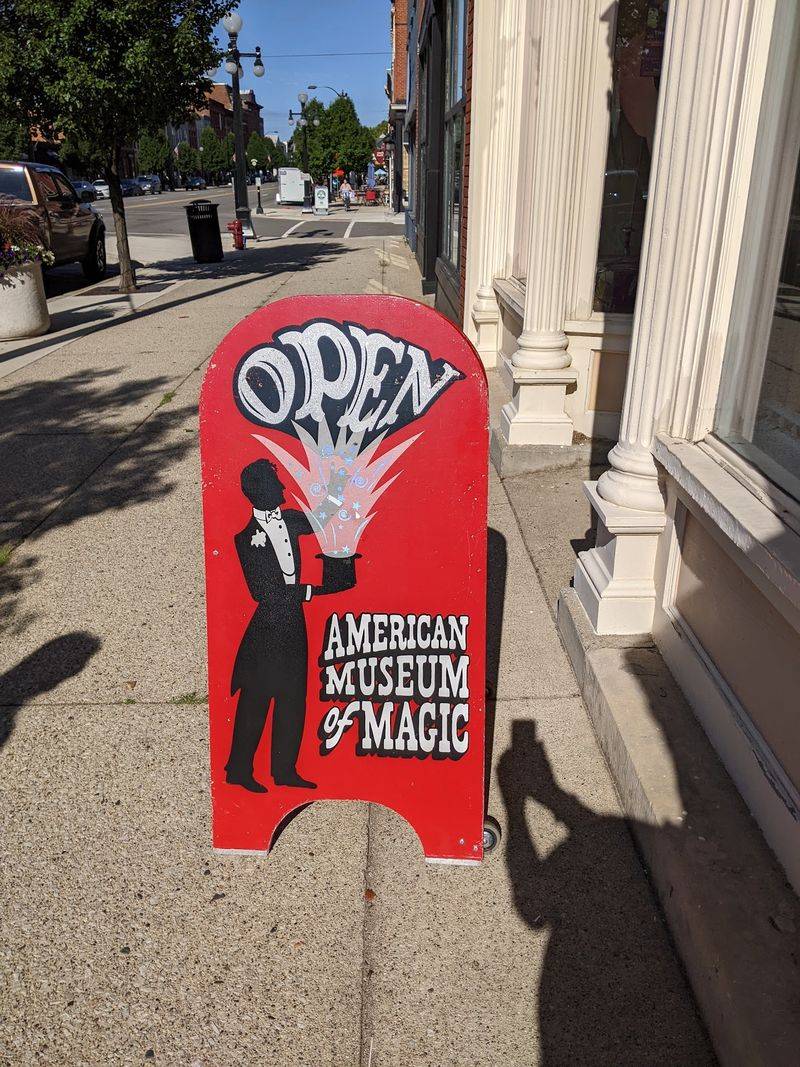
Timing matters most. The museum is generally open Thursday through Sunday from late morning until mid-afternoon and closed early in the week.
Hours can shift with seasons or holidays, so confirm on the official website before driving. Admission costs are listed there too.
The building has two floors, and stairs connect them. Anyone with mobility concerns should call ahead to ask about access.
The museum is compact, so you won’t need a whole day. A quick look may take a short while, while a guided tour plus a show could fill an afternoon.
Families should remember the hands-off rule for most exhibits. Older kids and children already curious about magic tend to get the most out of it.
I’d pair a visit with a walk around downtown Marshall. The historic streets make the trip feel complete without much extra planning.
One last suggestion is to bring questions. A small museum like this rewards curious visitors, and the stories behind the posters often stick with you long after you leave Michigan Avenue.
Share this story