Picture trading boot leather for the slow clip-clop of hooves while a North Carolina mountain estate rolls past at a walking-horse pace. A carriage ride lets you take in the scenery without walking the route, and that is the charm of two hours behind a horse.
Some outings feel like a lucky find tucked behind a quiet gate, and this one has old-fashioned appeal that lingers long after the ride ends. Here is what to know before you go, including a few honest checks to see whether it fits you.
A mountain estate shaped by carriage roads
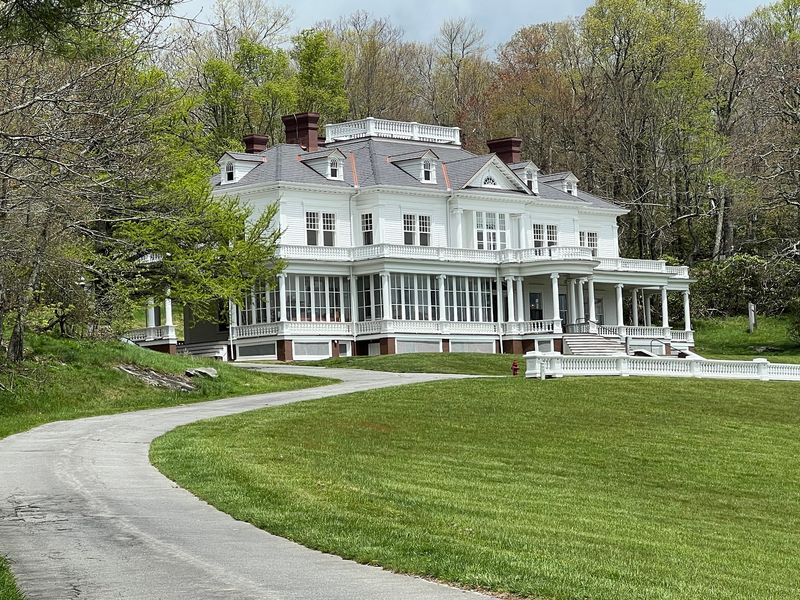
Long before anyone booked a ride here, Moses and Bertha Cone built a mountain retreat around the turn of the 20th century. The National Park Service describes a designed landscape with carriage roads, bridges, lakes, gardens, and orchards.
The estate was donated to the National Park Service in 1949, and it is now a public park. Its orchard history shows how much care went into the grounds.
That planned design is why a slower outing suits the place. The roads were laid out for unhurried travel, so a pace measured in hoofbeats fits right in.
What the operator says the ride includes
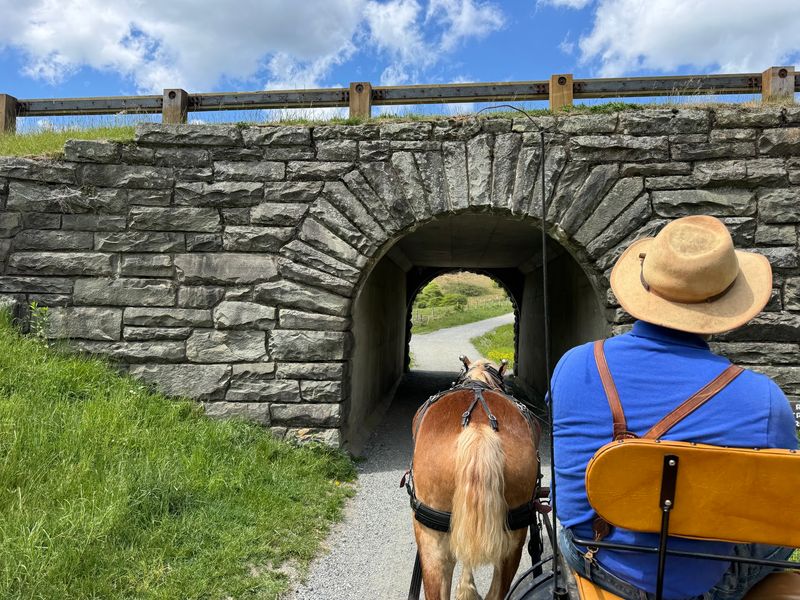
Carriage-Run Carriage Service is the company behind the horse-drawn tour, and the details here come from its booking page. The operator describes a historically guided ride of about two hours along the estate’s carriage trails.
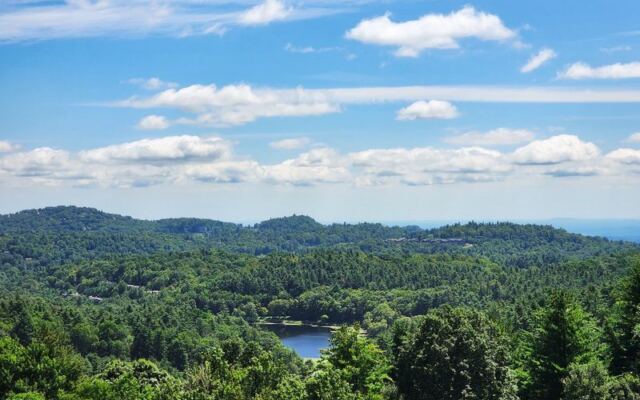
According to Carriage-Run, the route passes Flat Top Manor and includes Blue Ridge Parkway views. Those are the operator’s words, so treat them as a description rather than a guarantee of any particular sight.
Keep the scale in mind, too. The tour is one outing on a much larger trail system, not a complete tour of every road on the estate.
The trails offer scenery without a hike
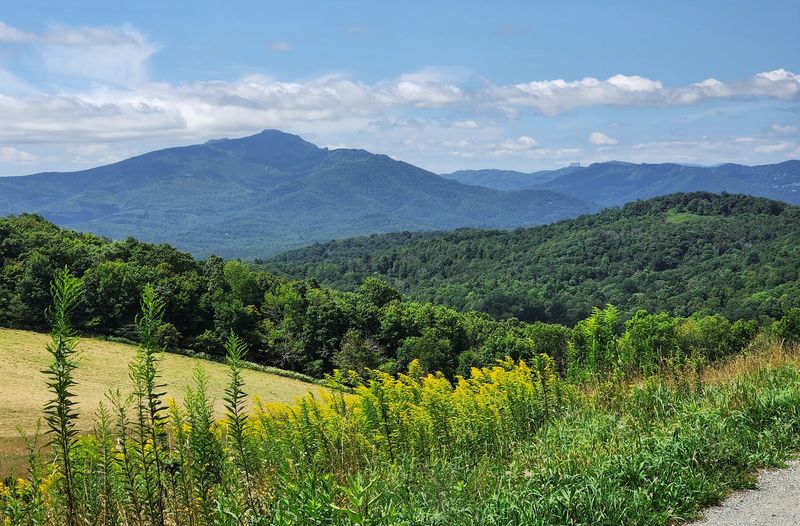
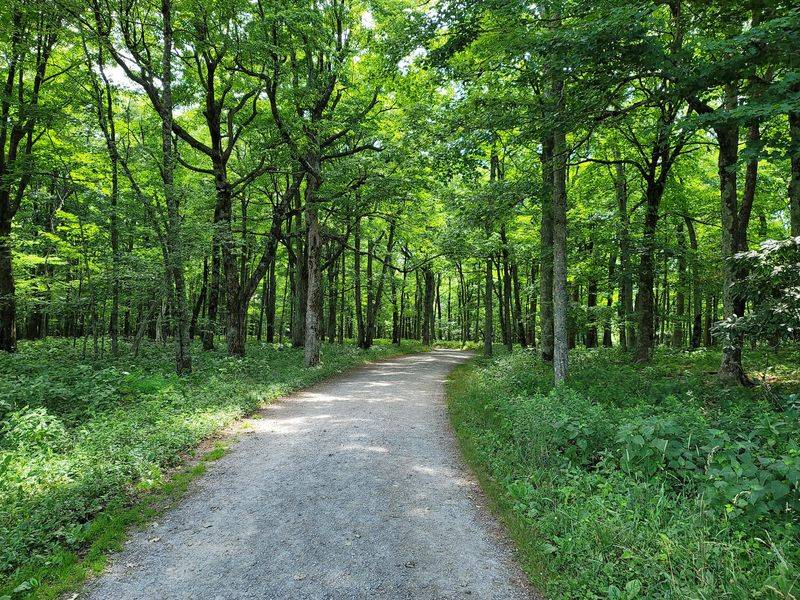
Scenery is the main draw, and a seat in a carriage means you can look around instead of watching your footing. The park’s trail information comes from the National Park Service, which describes 25 miles of carriage trails with gentle curves and views.
That 25-mile figure describes the trail system, not the distance of the tour. Visitors can also explore those paths on foot, which is a different kind of outing.
Carriage-Run, a commercial operator, separately describes Blue Ridge Parkway views on its ride. Weather and season shape what any day looks like, so no view is promised.
Whether the ride feels gentle depends on you
Walking the trails asks for steady legs and stamina. Riding swaps that effort for sitting, though it is not effortless.
You still need to climb aboard, step down again, and stay seated for roughly two hours.
Think through your own comfort. Consider how you handle bumpy surfaces, long stretches in one seat, and cool mountain air.
The operator’s booking page does not spell out boarding help. If boarding worries you, ask Carriage-Run directly before you reserve.
Whether the ride feels gentle is a personal call, and the walking-free trade is real only if the seat suits you.
What general horse-welfare guidance can—and cannot—tell you
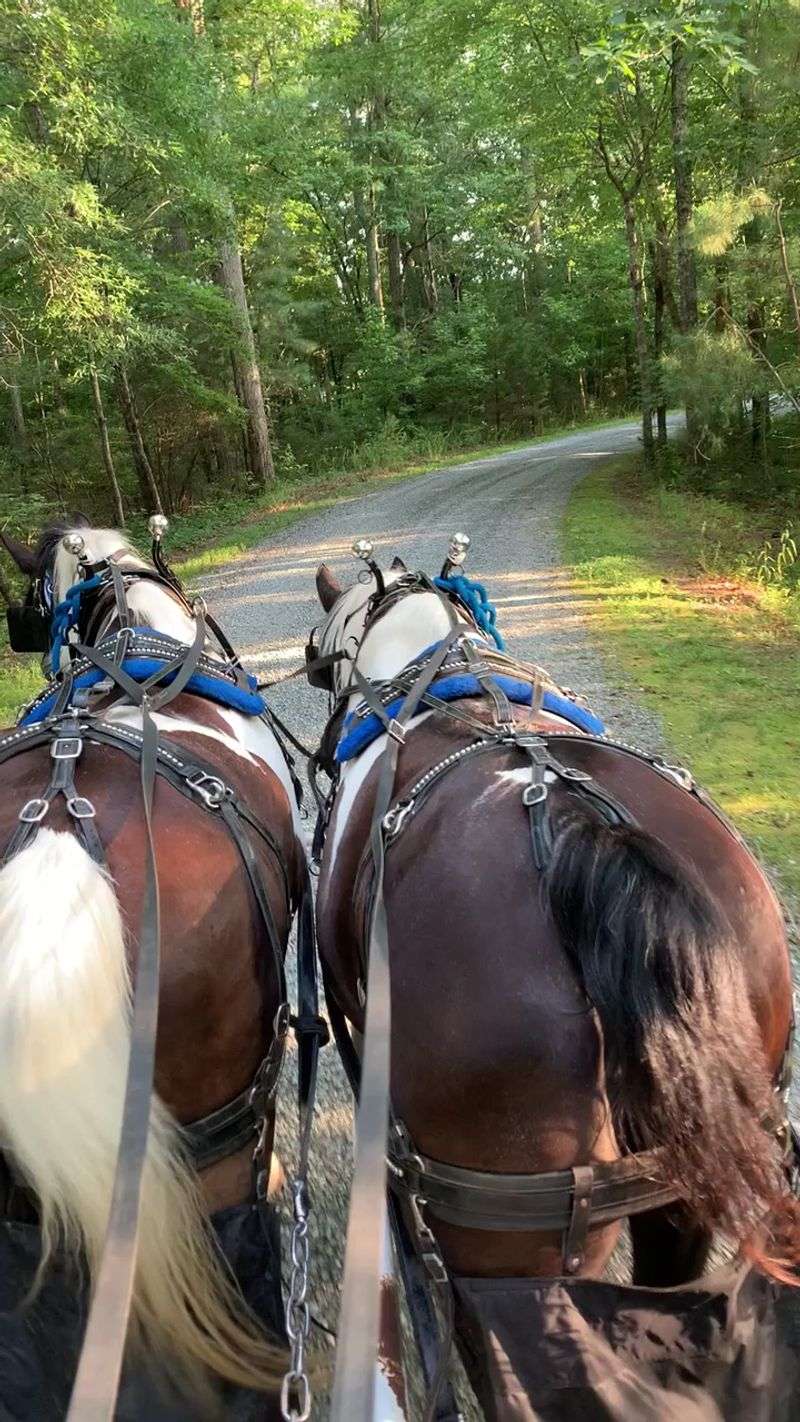
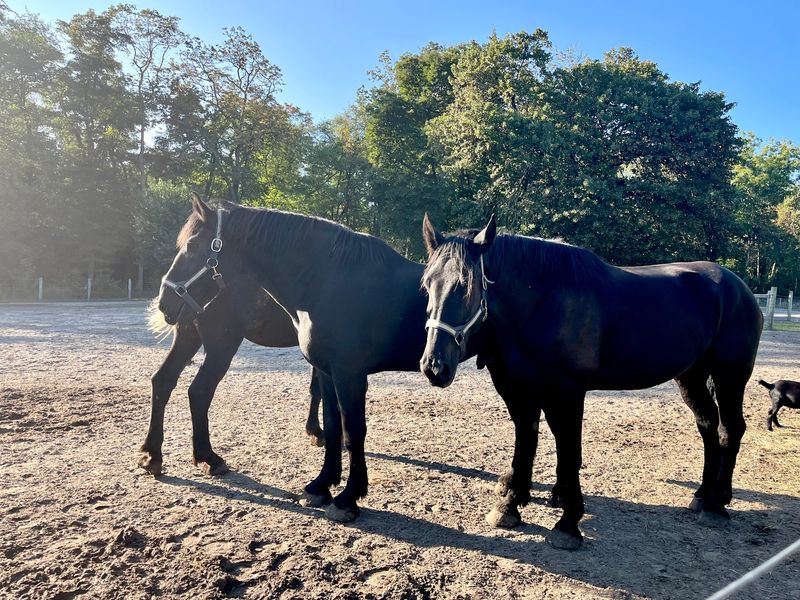
Carriage-Run describes its horses as safe, gentle, and well-trained. Those are promotional statements, not independent welfare assessments.
General guidance gives you a vocabulary for questions. AAEP recommendations address horses used in urban environments, and they call for veterinary assessment and attention to body condition, lameness, living conditions, and transport.
They do not evaluate Carriage-Run or its horses.
A European Commission guide lists rest, water, suitable shelter, a properly fitted harness, and a carriage suited to the horse and terrain. It is general guidance, not U.S. law, and not evidence about this operation.
Confirm the booking details before you go
Planning ahead pays off here. Carriage-Run’s booking page lists rides by appointment, Thursday through Monday, with a minimum of two passengers.
It also lists a price of $99 per passenger. Schedule, price, and availability can change, so treat these as a starting point, not a promise.
Before you book, confirm the current logistics, ride details, and weather policy directly with the operator. A short call or message can settle questions about what happens if the forecast turns, and it keeps surprises off the trail.
Check access and Parkway conditions
Two questions remain open in the available information. First, mobility.
Ask Carriage-Run how boarding and disembarking work, because the tour page does not say.
The National Park Service lists some manor and visitor facilities as accessible. That does not show the carriage tour is, since the tour is a separate commercial service.
Second, the drive. Check the NPS road-status page before setting out, because Parkway conditions can change.
A listed status is a snapshot, so look again on the day you travel.
The mountains will keep their pace; your plan just needs to match it.
Share this story