I almost drove right past the little gravel-edged turnoff, figuring it was just another pullout. Then a paved path curved upward, and Oregon suddenly felt like it was keeping a secret from me.
Old stone, wide-open river views, and a pair of tunnels carved straight through a cliff were waiting just up the trail. Here is why this quiet stretch of old highway ended up being the best surprise of my gorge trip.
A Historic Highway Stretch Reopened for Feet and Wheels
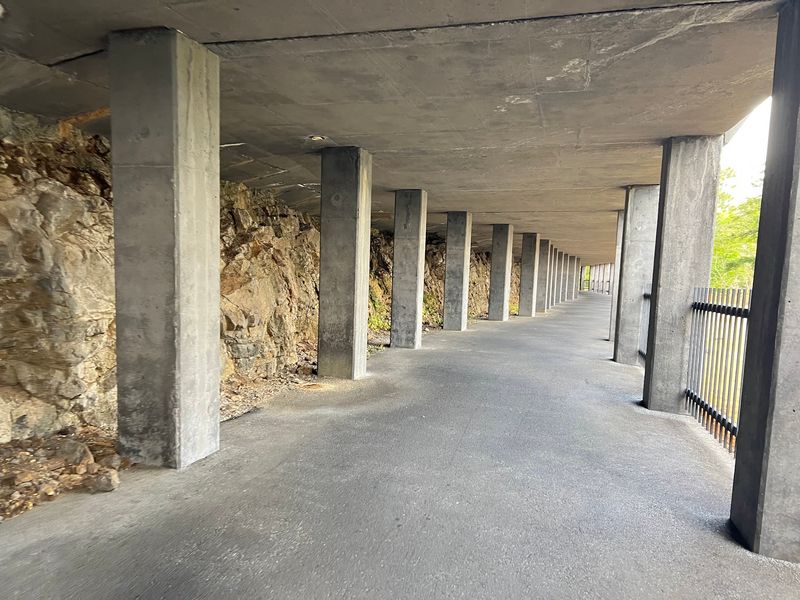
Picture a road built for early motorists, now handed over to walkers and cyclists. That is the Mosier Twin Tunnels area, a preserved piece of the Historic Columbia River Highway in Oregon.
Today it works as a state park trail, and visitors love how much history is packed into an easy outing. One regular called it the last of its kind, and that feels fair.
The trail is wide and paved, so you are not scrambling over roots or rocks. You simply roll or stroll along while the gorge opens up around you.
It is an old road with a brand new job, and it handles that job beautifully.
Starting near the town of Mosier puts you closest to the main attraction.
The Trailhead Setup Near Mosier
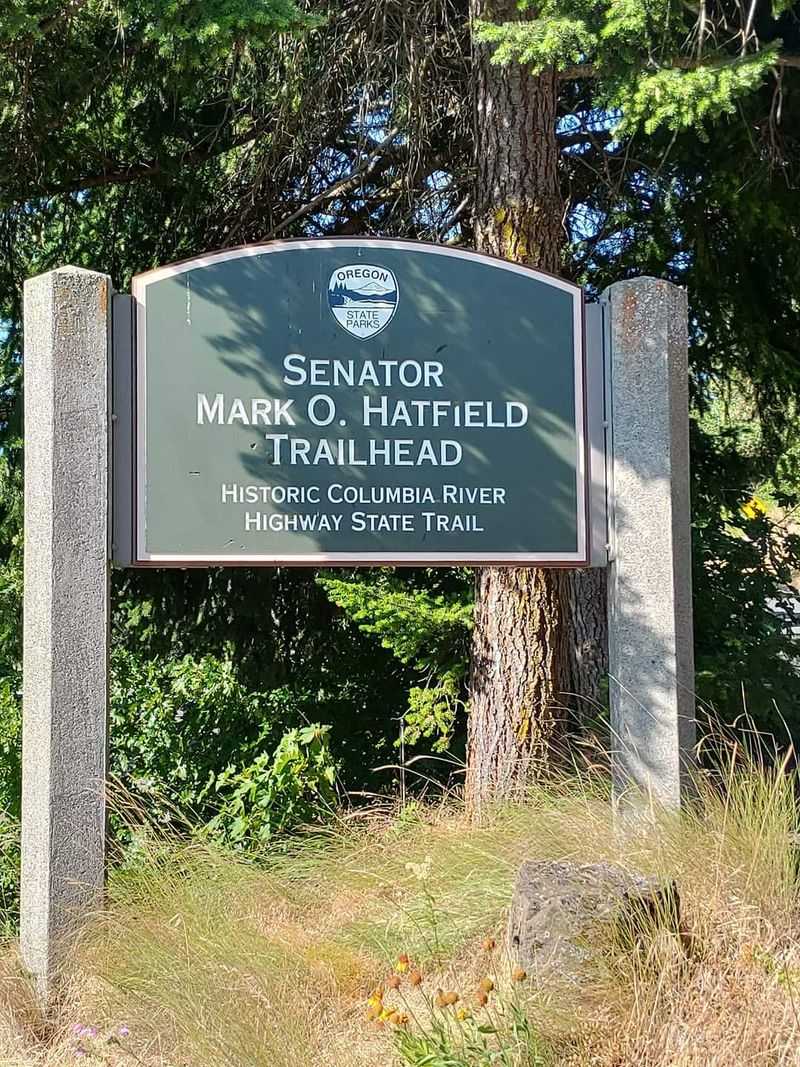
Parking first, because it matters here. The east trailhead, named for Senator Mark O.
Hatfield, sits on Rock Creek Road a short distance from the interstate in Mosier.
Visitors mention a decent lot and a pit toilet. A small accessible parking area sits lower down near the old road, so the general public uses the larger lot a bit farther up.
From there, follow the painted diamonds on the pavement and use the crosswalk to switch sides. Then you turn onto the wide paved trail, pass an information panel and gate, and the real walk begins.
One tip from a visitor: some GPS directions send people to the west side instead. That trailhead means a much longer trek to the tunnels, so double-check before you go.
One Easy Mile of Paved Path
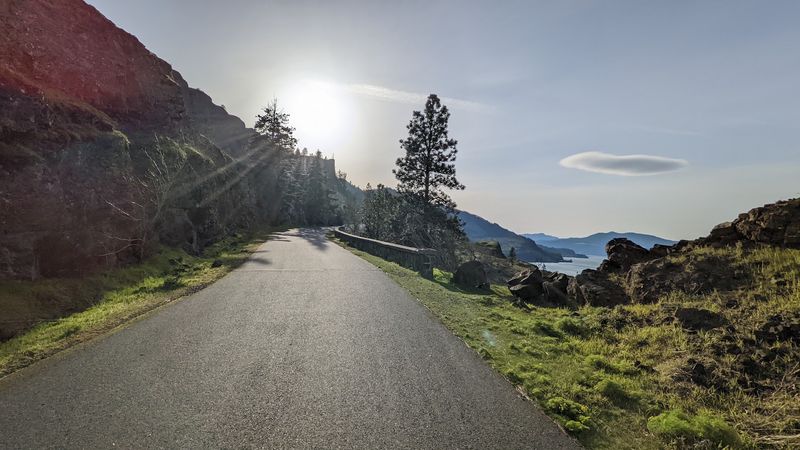
Flat enough for a stroller, smooth enough for a scooter, and still pretty enough to make you slow down. The path from the east side runs about a mile to the tunnels, with a gentle incline.
Visitors describe it as wide and easy, with shady stretches for catching your breath. Families, dog walkers, and older hikers all seem comfortable here.
Spring brings wildflowers, according to one visitor, and another stopped by in January to find the path nearly empty. Fall has its fans too, who plan return trips to watch the scenery change.
Just remember that bikes share the trail, so keep an ear open and stay aware of who might be rolling up behind you.
The Stone Overlook Just Before the Tunnels
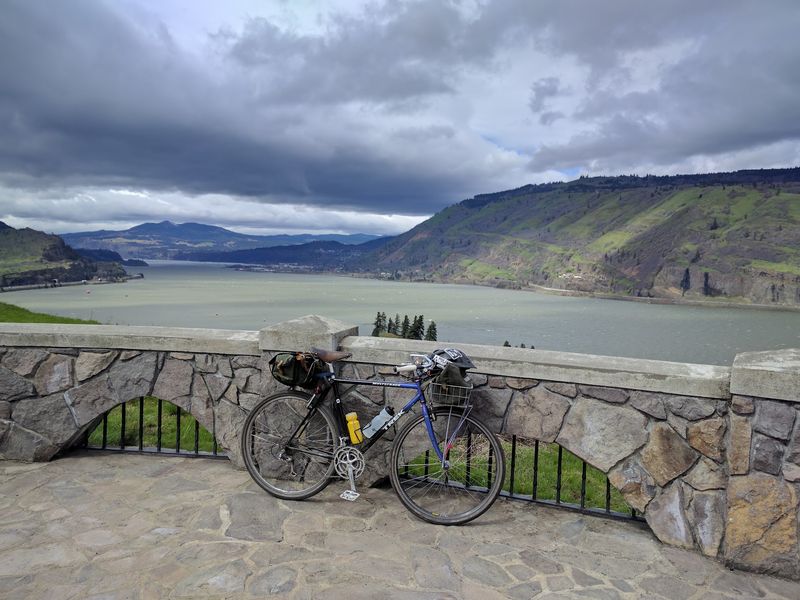
Hit the brakes about a tenth of a mile before the tunnels. A spur on the right leads to a round stone vista point, and it deserves a few minutes of your time.
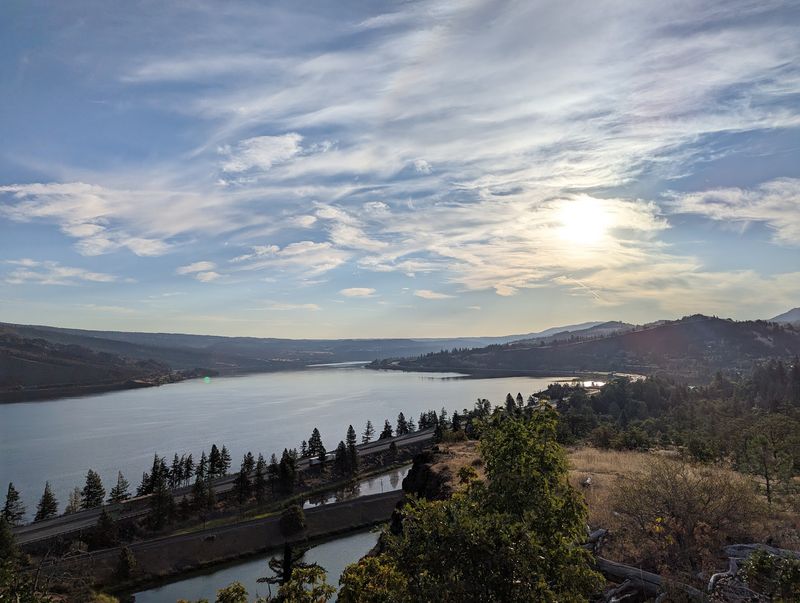
The Columbia River stretches below, with cliffs and hills framing the scene. Visitors count this among the best views on the whole walk.
One hiker noted a picnic table by the viewpoint, which makes it a handy snack stop. Trees along the route also offer shady spots to rest.
It is a short detour with a big payoff, and it sets the mood nicely before the stone portals appear. Bring a camera, because the light here is hard to ignore.
Walking Through the Twin Tunnels
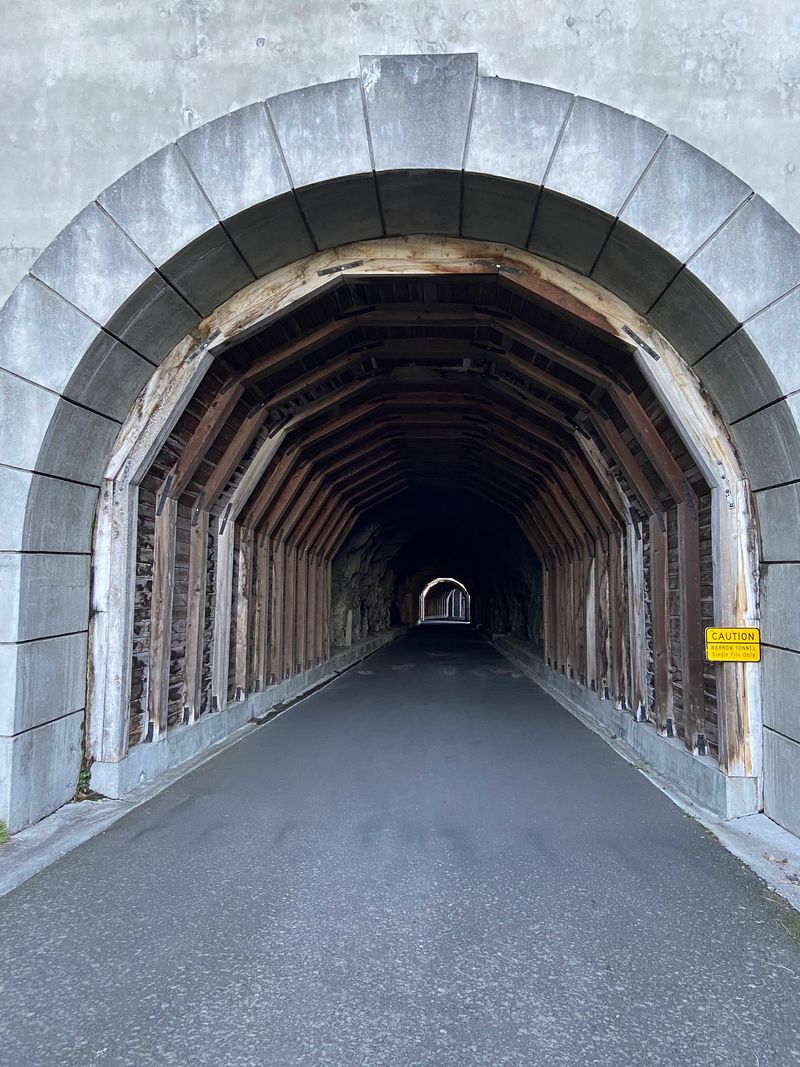
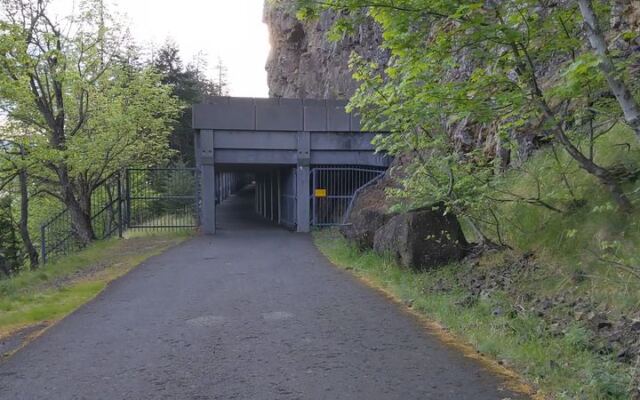
Cool air hits you first. Then the sound changes, and you realize you are strolling inside a mountain.
The long eastern tunnel leads to a small opening, then the shorter western tunnel, which has wood paneling on its walls and ceiling. Metal gates keep visitors from wandering onto the cliffs between them.
Visitors say it is much colder and windier inside than outside, so pack a light layer. One person compared the narrow corridor to a theme park queue line, and wondered how two lanes of cars ever fit.
That thought is half the fun. Walking through, you can really feel how tight this old road once was.
Rock Windows Framing the Gorge
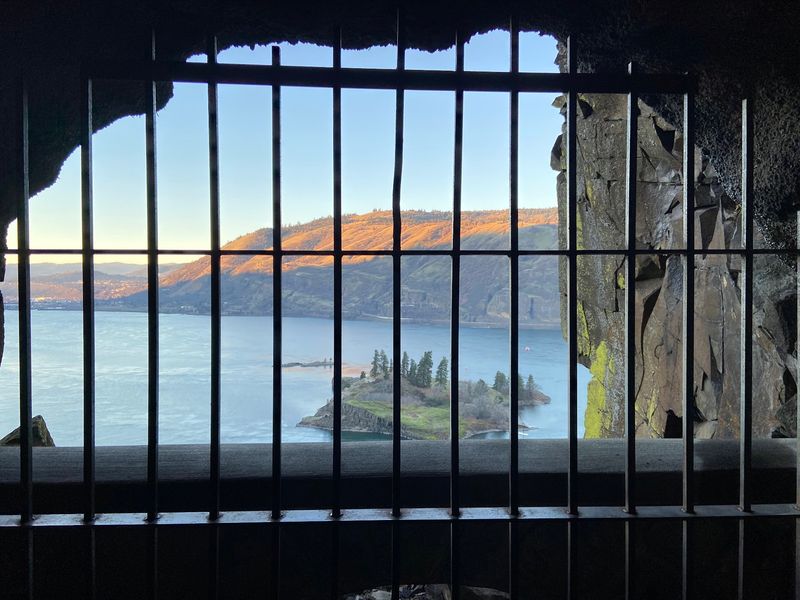
Here is a fun surprise: the tunnel has windows. Openings in the rock frame the Columbia River valley like living postcards.
Visitors point to these glimpses as a highlight, especially because the tunnels sit high above the water. From that height, the river looks calm and far below.
One hiker stumbled onto the place by accident, expecting a typical old tunnel, and found it far better than imagined. That sense of delight comes up again and again.
Stop at a window and let the wind do its work for a moment. Just be mindful that gusts can drown out the sound of approaching bikes, so step aside when you pause.
Carved Messages from a Snowy Stranding
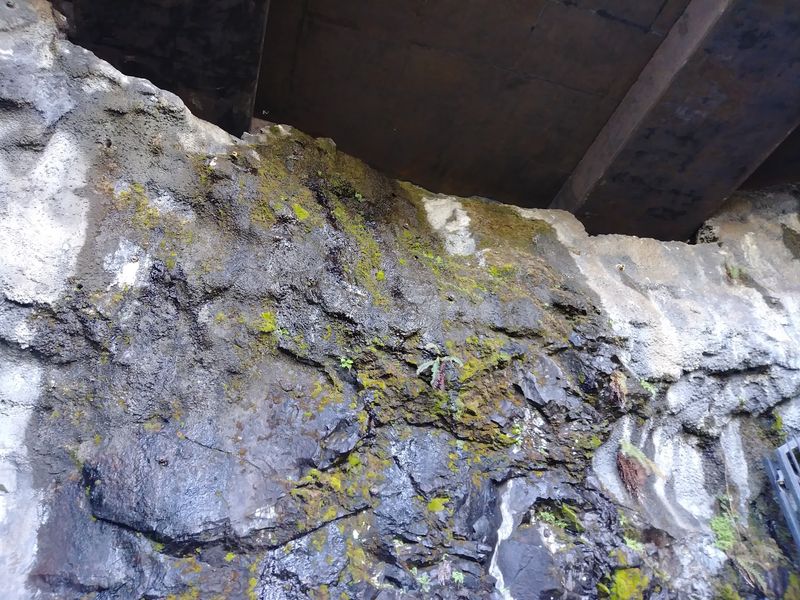
Look closely at the rock wall. Some visitors report old scratches left by travelers who were snowbound here back in the 1920s.
According to visitors, the carving notes a date and the number of days spent sleeping in the tunnel. It is a tiny human detail in a big stone passage.
Reports say the marks appear a bit less than midway through the rock tunnel. Walk slowly and scan the walls, because they are easy to miss at cycling speed.
Finding them makes the place feel personal. The tunnel stops being just a landmark and becomes a story you can touch, if only with your eyes.
Bike Day on the Old Road
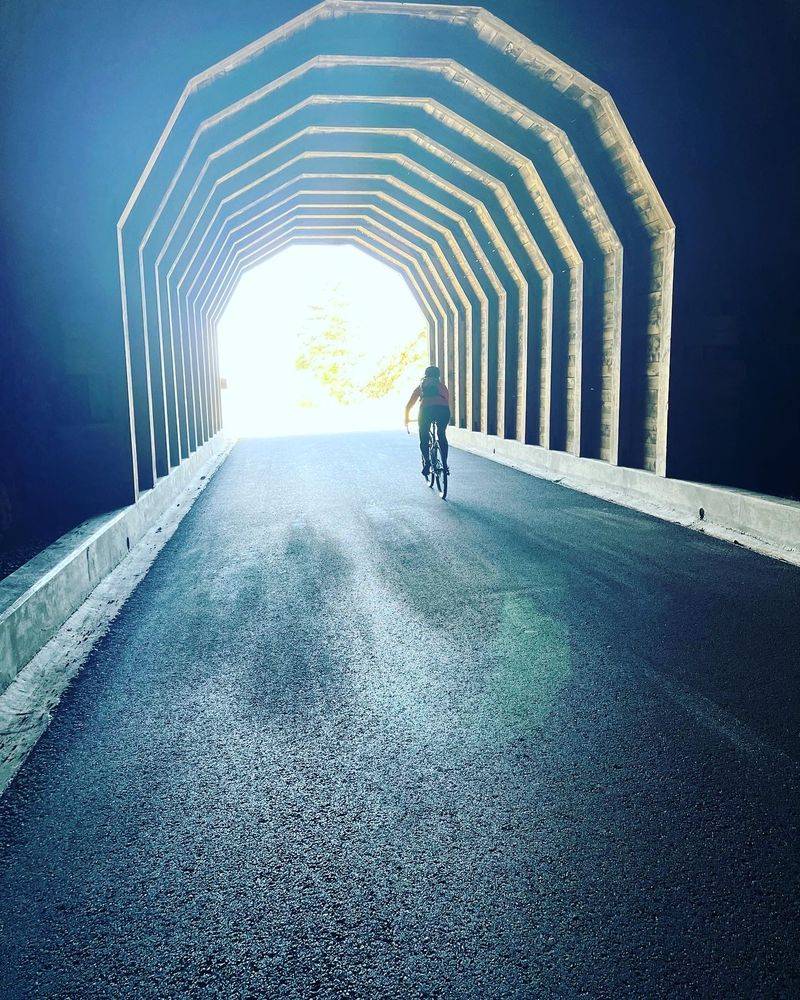
Prefer pedals to footsteps? The trail has plenty of fans on two wheels.
One couple on pedal-assist bikes found the uphill moderate until the crest, followed by a zippy coast down. Another visitor called it a good beginner route, and electric bike riders say it was a blast even with other people around.
The path is wide enough to pass others without slowing down. Shade along the Hood River side helps on warm days, though the tunnels sit closer to Mosier, where one rider started.
Walkers should stay alert on busy days, since cyclists are common. A bell and a friendly wave keep everyone happy.
Choosing Your Distance and Your Mood
Short stroll or full-day trek? You get to decide.
From the east trailhead, a round trip to the tunnels runs a little over two miles, about an hour. You can turn around after the second tunnel or keep wandering.
Starting from the Hatfield lot on the far side means roughly 3.6 miles each way, which one visitor said was tougher for kids. Others describe the whole route as a five mile outing, so plan around your energy.
The place suits strollers, dog walkers, cyclists, and curious families. Winter visits can be quiet and windy, while summer draws more people but the path never feels cramped.
Visiting Notes and a Gentle Verdict
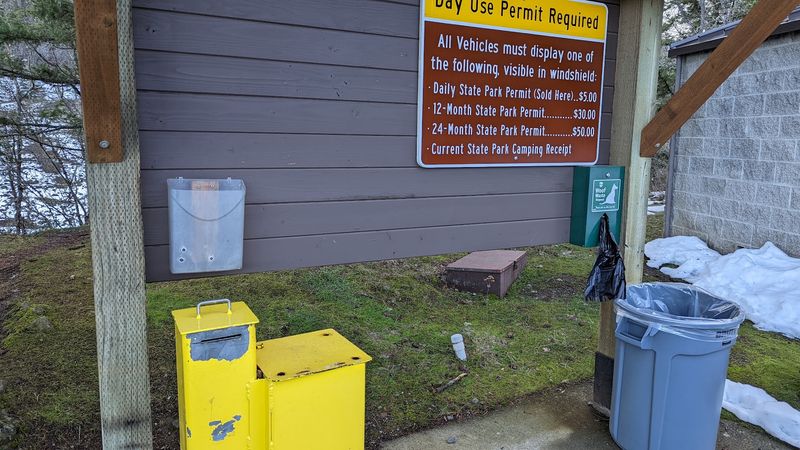
Plan ahead for parking. Visitors mention a fee, with one noting five dollars and another citing ten dollars for residents and twelve for non-residents, and some could not pay on site.
The park lists a closing time of 9 pm, and the state parks website has current details. You can also call 541-387-4010 with questions.
Bring a layer for the windy tunnels, water for the climb, and patience for passing bikes. Plenty of accessible parking is available, which visitors appreciated.
So is it worth the trip? Nearly everyone who stops says yes.
Few outings in the gorge offer this much history, scenery, and ease in one paved mile.
Share this story