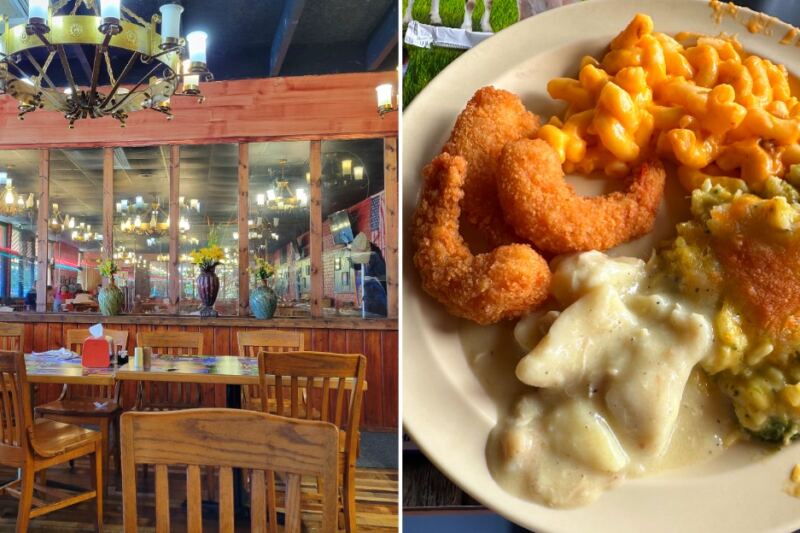
The price on the shelf at one Arkansas grocery store is not the price you pay. Shoppers add 10 percent at the register, and the store tells you so right up front.
That little math problem is the whole idea. Shelf tags show something close to what the store paid, and the markup gets added at checkout.
It sounds odd, but it keeps the store honest about its profit.
I like the openness of it. Most stores hide their markup inside the price tag, so you never know how much extra you’re paying.
Here, the number sits in plain sight.
The store also sells big packs of meat, stocks plenty of Mexican groceries, and skips some extras you might expect. Does the 10 percent trick really save money?
The answer depends on how you shop.
A Springdale Store Built Around One Number

Ten percent. That single number explains most of what happens at 10Box Cost Plus, a discount supermarket at 1101 S Thompson St in Springdale, Arkansas, in the United States.
The store sits along a busy road in northwest Arkansas. From the outside, it looks like a regular grocery store.
Inside, the pricing works very differently from the big chains most people know.
The name gives you a clue. Cost Plus means you pay roughly the store’s cost, plus a set markup.
That markup is 10 percent, and the cashier adds it to your total when you check out.
The Springdale store is part of a small group of 10Box locations. Harps Food Stores, a grocery company based in Springdale, runs the 10Box brand.
Harps operates many regular supermarkets across the region, so the 10Box format is its budget-focused option.
I find it interesting that a traditional grocery company would test such a different model. It shows that shoppers want choices, and some of them want the plainest deal possible.
So how does that checkout math actually work when your cart is full? It’s simpler than it sounds.
Doing the Math at the Register
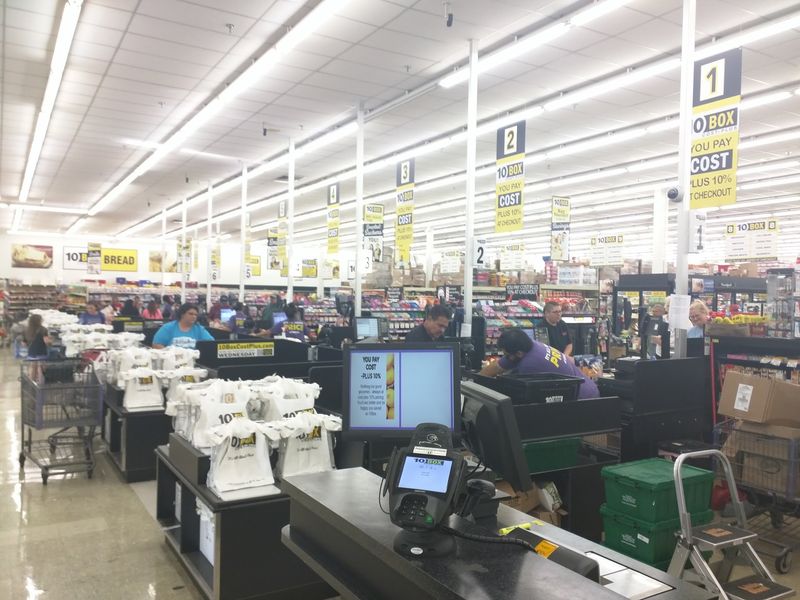
Here’s a quick example to make it clear. Say the shelf tags on everything in your cart add up to a certain amount.
At the register, the cashier adds 10 percent on top, and that becomes your real total.
So a cart that rings up at 50 dollars before the markup ends up at 55 dollars. A 100 dollar cart becomes 110 dollars.
The rule stays the same no matter what you buy.
This catches some first-time shoppers off guard. They see low prices on the shelf and forget to add the extra.
Then the total looks higher than they planned.
My advice is simple. Before you leave each aisle, round up the price in your head by a tenth.
Moving the decimal point one spot to the left gives you 10 percent fast.
A phone calculator helps too. Add up your items as you shop, then multiply the total by 1.1.
That gives you a very close guess before you ever reach the checkout lane.
Once you know the trick, comparing prices with other stores gets much easier. And that comparison matters most in one department.
Meat Is the Main Event
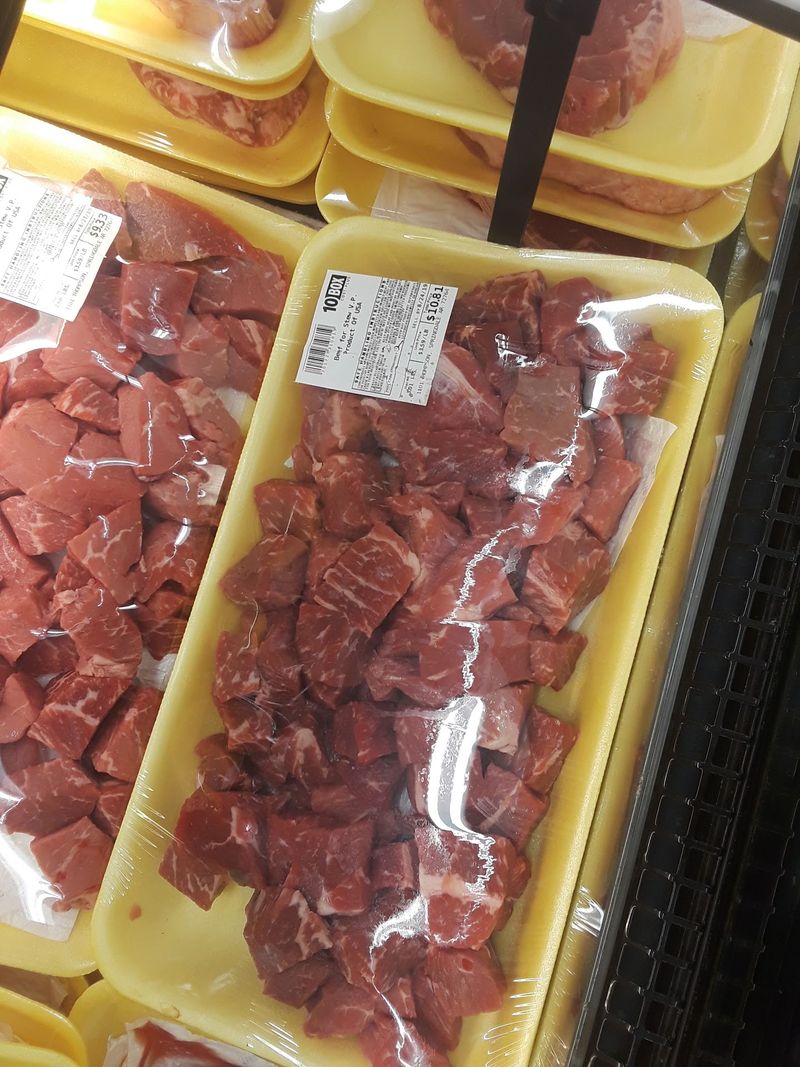
Plenty of people walk into 10Box with one goal: meat. The store is well known in the area for its butcher counter and its large packs of beef, pork, and chicken.
Meat prices have climbed a lot in recent years. That makes a store like this appealing for families who eat a lot of protein.
Big slabs and value packs fill the cases, and the pricing tends to look strong even after the 10 percent gets added.
Bulk shopping works best with a plan. Buy a large pack, cut it into meal-size portions at home, and freeze what you won’t cook this week.
Some shoppers say this approach trims their grocery bill a good deal.
A few tips help. Check each package closely, since cuts can vary.
Look at the color and the date, and pick the pack that looks best to you.
Bring a cooler if you live a drive away. Arkansas summers get hot, and big packs of meat need to stay cold on the trip home.
Freezer space matters too. If yours is already full, a giant family pack might be more than you can handle.
Shelves Full of Mexican Favorites
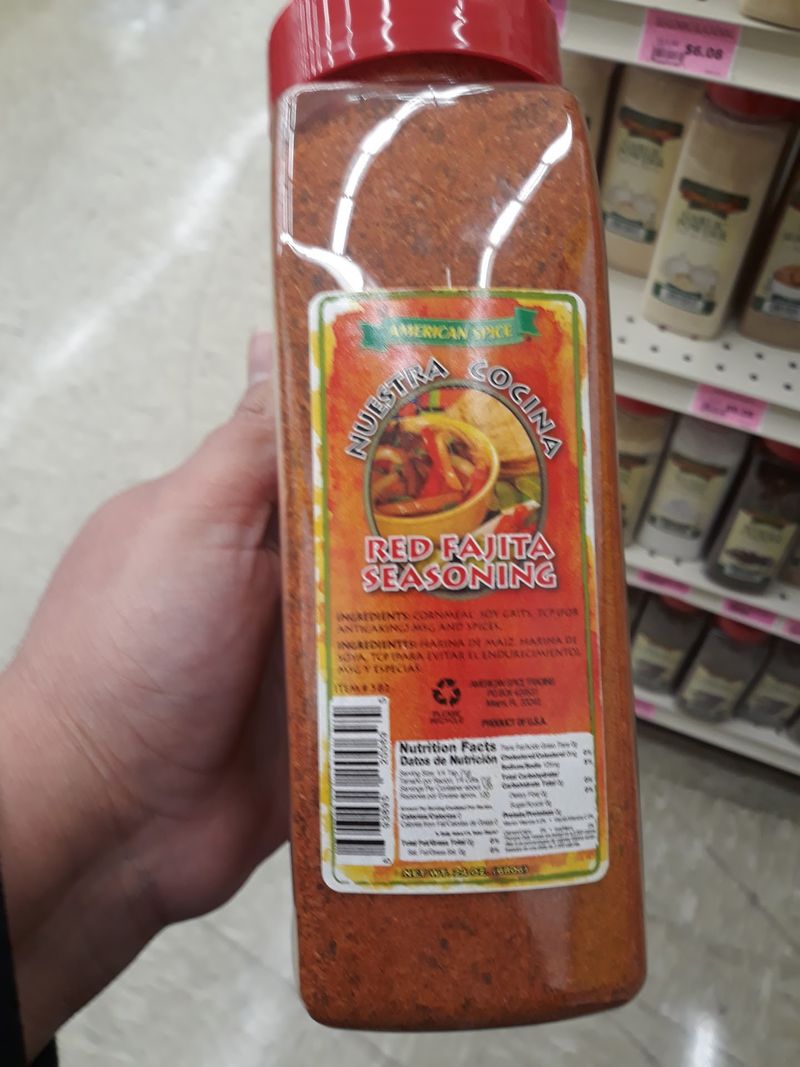
Springdale has a large Hispanic community, and the shelves at 10Box reflect it. Many shoppers point to the wide selection of Mexican groceries as a big reason they come here.
That variety can make a regular grocery run more fun. You may spot brands and ingredients that are hard to find at a typical big-box store.
For home cooks, that means fewer extra stops when a recipe calls for something specific.
I like the idea of wandering these aisles with a recipe in mind. Planning tacos, tamales, or a big pot of soup?
This is a good place to gather ingredients in one trip.
The mix of products also makes the store feel tied to its neighborhood. A grocery store works best when it sells what local families actually cook, and this one seems to understand that.
One practical tip: take a photo of any new product you love. Selection at discount stores can shift, so knowing the brand name helps you find it again later.
Of course, a good taco needs more than spices and tortillas. Fresh vegetables matter just as much.
Produce That Fits a Tight Budget
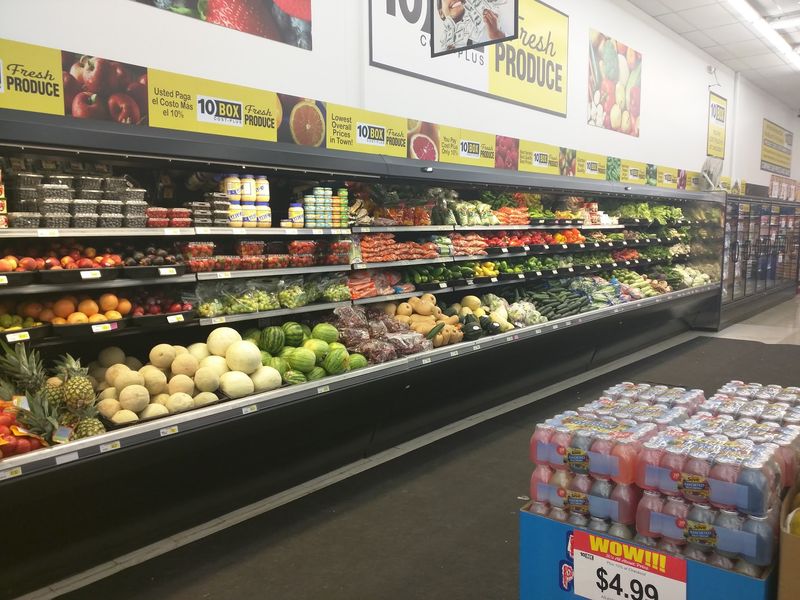
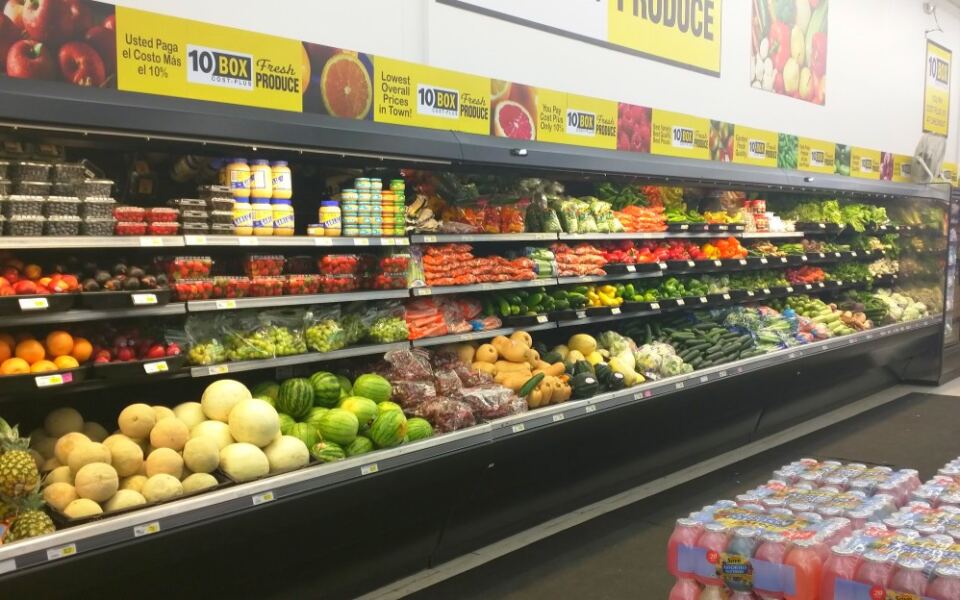
Fresh fruits and vegetables can eat up a grocery budget quickly. At 10Box, the produce section is one more area where shoppers hunt for lower prices.
The store carries a diverse mix of fresh items. Some shoppers mention finding produce here that’s both varied and fairly priced.
That’s helpful when you’re trying to feed a family healthy meals without spending too much.
Here’s a smart way to shop produce at any discount store. Buy what’s in season, since it’s often cheaper and tastier.
Grab sturdy items like onions, potatoes, and carrots in larger amounts because they keep longer.
Softer things, like berries or ripe avocados, are a different story. Buy only what you’ll use in a few days so nothing goes to waste.
Remember the checkout rule here too. A bag of peppers that looks cheap on the sign still gets the extra 10 percent at the register.
It’s a small detail, but it adds up across a whole week of meals. A smart shopper knows where the real savings hide, and that’s not always in every aisle.
Not Every Item Is a Bargain
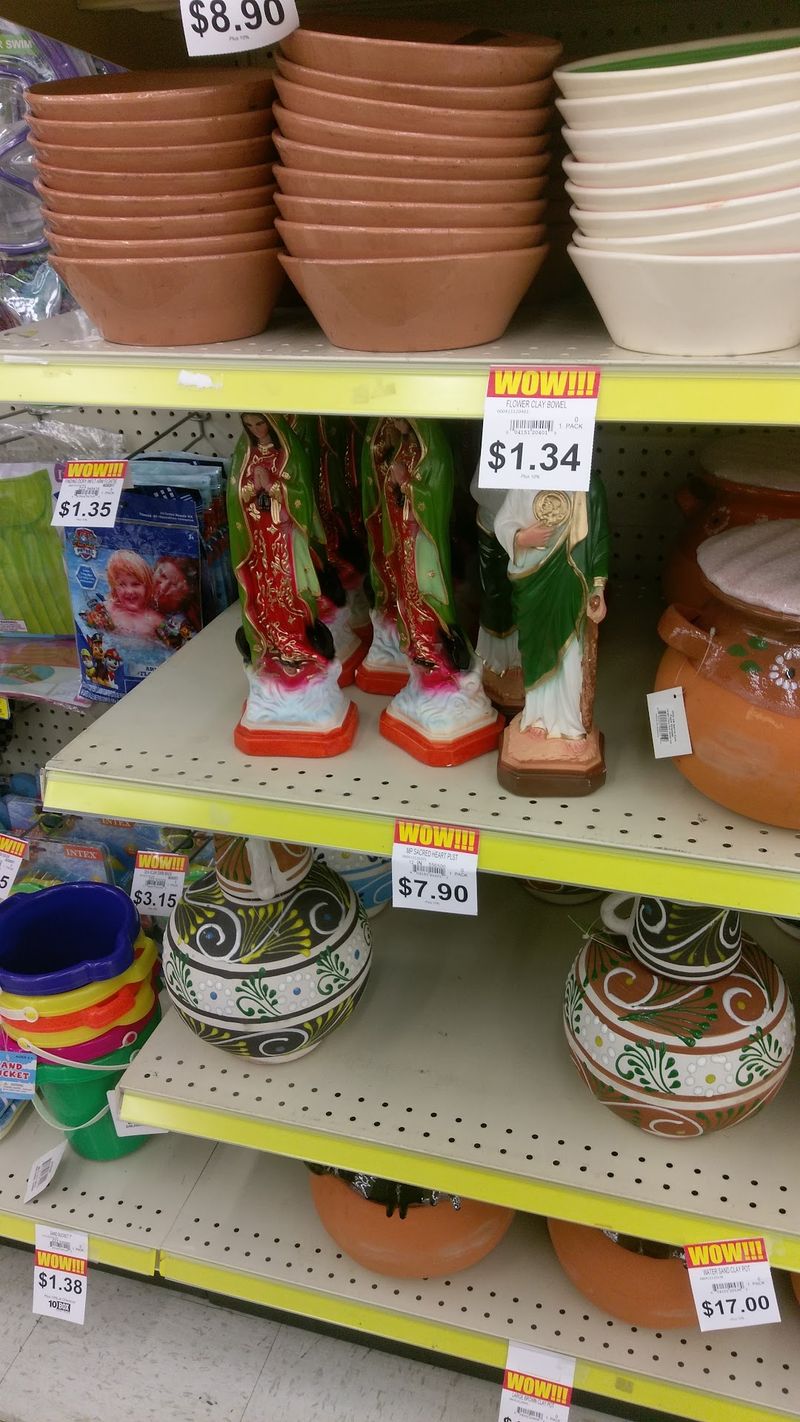
Honesty time. Even fans of 10Box admit that not every item beats other stores once the markup is added.
Some products come out cheaper. Others land close to what you’d pay elsewhere, and a few may even cost a bit more.
It really depends on the item and the week.
The 10 percent system can trick your brain a little. A shelf price looks low, so you assume it’s a deal.
But adding that extra tenth sometimes erases the difference.
The fix is easy. Pick five or ten things you buy every week, like milk, eggs, bread, and your favorite meat.
Write down what you pay at 10Box after the markup, then compare with another store.
After a couple of trips, you’ll know exactly which items are worth buying here. Maybe meat and certain pantry goods win, while a few packaged snacks don’t.
I respect a store that shows its markup openly, even when it makes comparisons tricky. Knowing the rules lets you shop smarter instead of guessing.
Shopping smart also means knowing what the store doesn’t offer, which brings up a few practical surprises.
Pack Your Own Shopping Habits
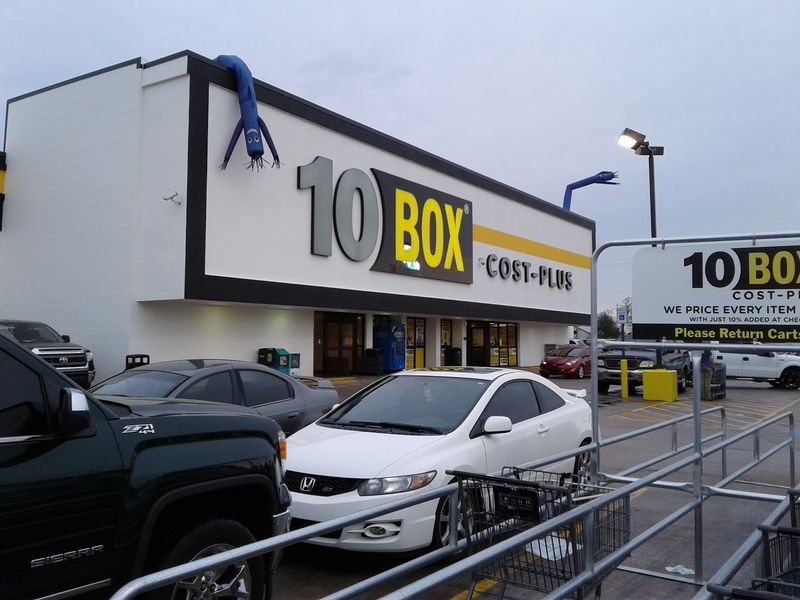
Discount grocery stores usually save money by cutting extras. 10Box is no different, so a little preparation goes a long way.
One shopper noted that the Springdale store didn’t have hand baskets, which surprised them. If you only need a few things, plan on using a cart or carrying items in your arms.
Bringing your own sturdy bags is a good habit too. Big meat packs and heavy canned goods can be tough on thin bags.
A few reusable totes in your trunk make the trip easier.
A written list helps more than you’d think. When shelf prices look low, it’s tempting to toss extra things in the cart.
Then the 10 percent markup lands on all of them.
Shopping with a list keeps both your cart and your total under control. It also speeds things up, so you spend less time wandering.
These little habits matter at any budget store. Some shoppers also have special needs to think about before they go, and the store’s setup affects them in specific ways.
Planning Ahead for Easier Access
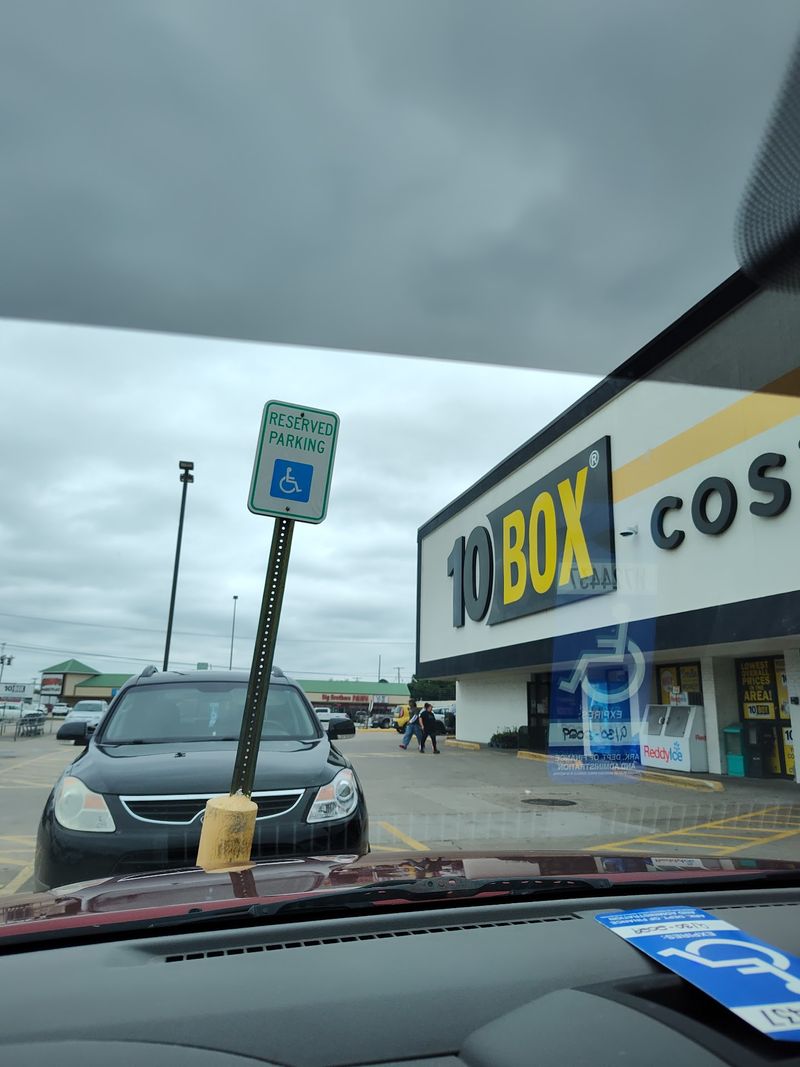
Getting around a big grocery store isn’t easy for everyone. If you or a family member uses a wheelchair or needs an electric cart, planning ahead can help.
The Springdale store does have electric carts. Still, some shoppers have reported times when the carts weren’t charged or when only a limited number of wheelchair-friendly carts were ready.
A quick phone call before you leave home can save frustration. Ask the staff whether a cart is available and charged.
That small step may prevent a wasted trip.
Shopping earlier in the day might help too. The store opens in the morning, and carts may have had more time to charge overnight.
It’s not a guarantee, but it’s worth trying.
Restroom access is another thing to keep in mind when traveling with older relatives. Restrooms can sometimes close for cleaning, so plan breaks before you arrive.
None of this needs to stop anyone from shopping here. It simply makes the visit smoother and less stressful.
Of course, a good trip also depends on the people working the aisles and registers.
Friendly Faces Behind the Counter
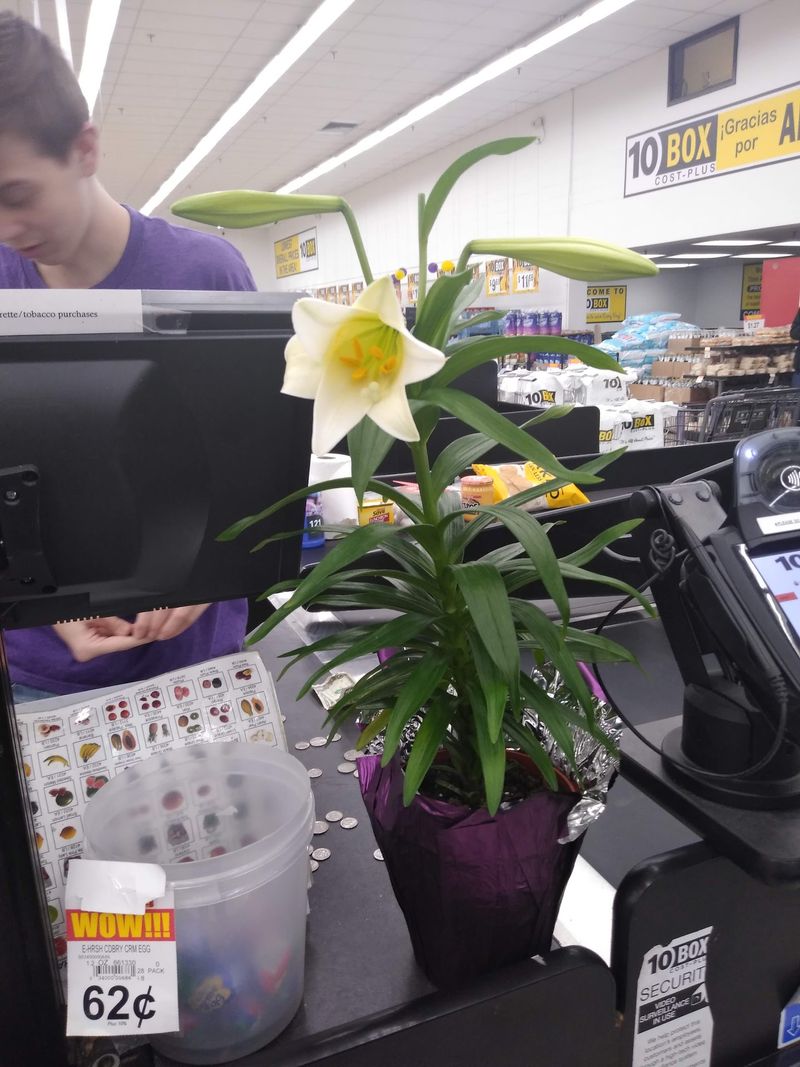
Low prices bring people in. Kind employees often decide whether they come back.
At 10Box in Springdale, friendly and helpful staff come up again and again in shopper feedback. Some customers mention workers going out of their way to help, and one family even shared a story about an employee giving a small Christmas gift to a child.
Moments like that stick with people. A grocery store is part of daily life, and a warm hello at the register can brighten an ordinary errand.
Like any busy store, experiences can vary. Not every visit goes perfectly, and some shoppers have shared complaints too.
Fair is fair.
My tip is simple. If you have questions about the 10 percent system or need help finding an item, ask.
Staff members deal with these questions all the time and can explain things quickly.
Treating workers kindly helps the whole trip go better too. A little patience goes a long way during busy hours.
Speaking of timing, knowing when the doors are open can save you from a wasted drive.
When to Shop and How to Plan Your Visit
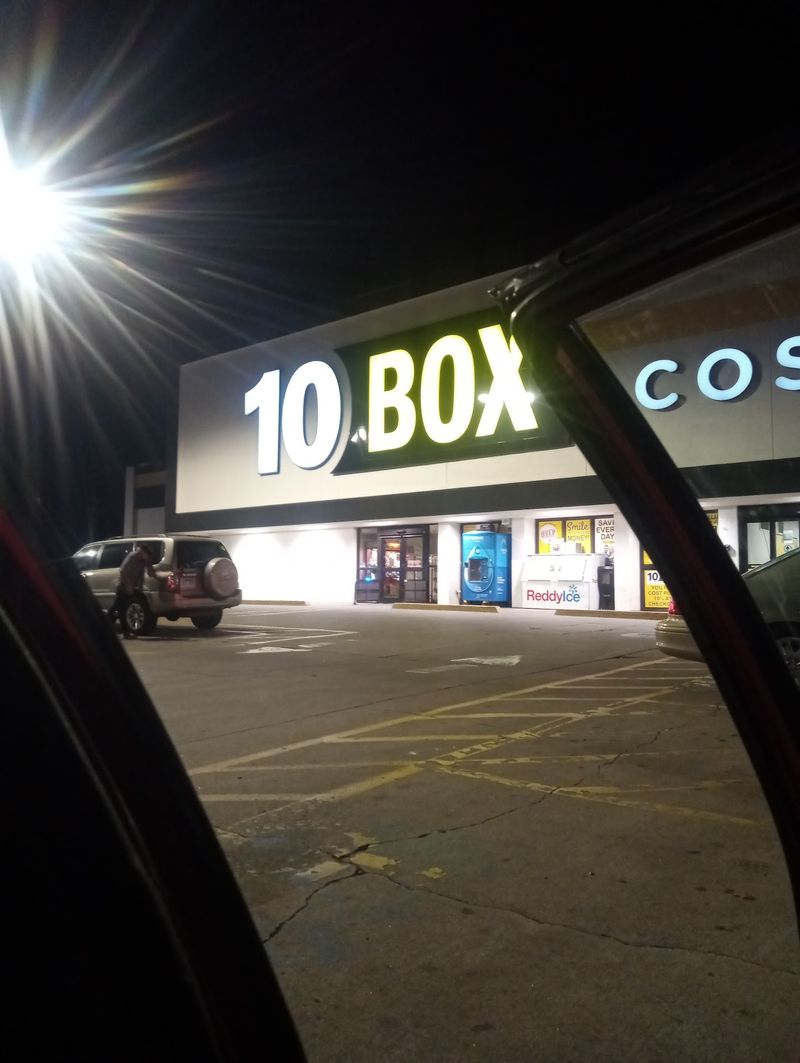
10Box Cost Plus in Springdale is regularly open daily from 7 a.m. to 9 p.m., giving shoppers plenty of time to stop by before or after work. Holiday hours may differ, so check the current schedule before making a special trip.
Shopping earlier in the day may be convenient for anyone who wants extra time to browse the meat department, compare prices, and calculate the additional 10 percent markup.
If you’re planning to stock up on family-size meat packs, bring a cooler and make sure you have enough freezer space at home. A shopping list can also help you stay within your budget and avoid unnecessary purchases.
Remember to multiply the displayed shelf price by 1.1 to calculate the cost before applicable sales taxes. Comparing final prices rather than shelf tags is the best way to identify genuine bargains.
With a little preparation, 10Box Cost Plus can be a practical addition to your regular grocery shopping routine, particularly when buying meat, produce, and pantry staples in larger quantities.
Share this story