A real blacksmith shop still rings with hammer work just steps from busy office towers in a Michigan suburb. Kids on field trips dip their own candles and write on small chalkboards at old wooden school desks.
Around them stand buildings from the 1800s that were moved here so they would not be torn down. Each one tells a small piece of how families once lived, worked, and learned in early Michigan.
A Village Saved One Building at a Time
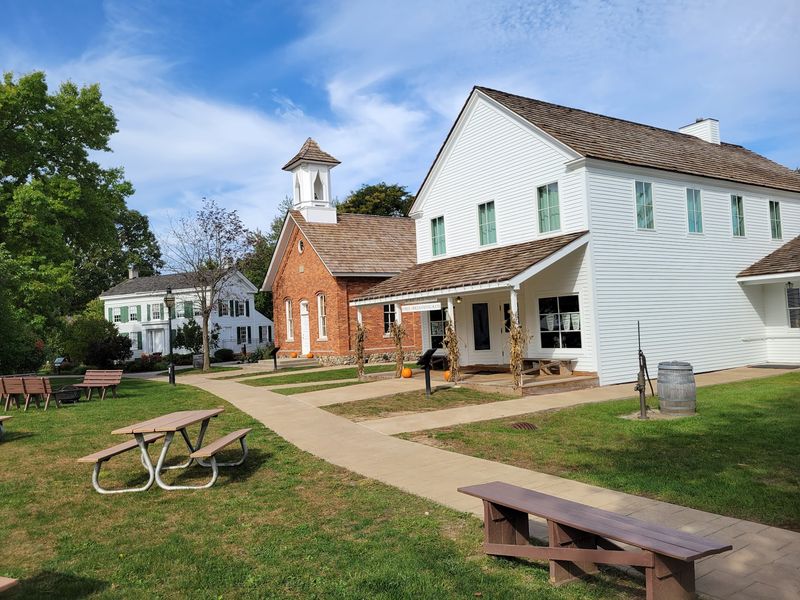
Old buildings in growing suburbs often face the wrecking ball. In Troy, people decided to move them instead.
The result is Troy Historic Village, found at 60 W Wattles Rd, Troy, MI 48098, in the United States.
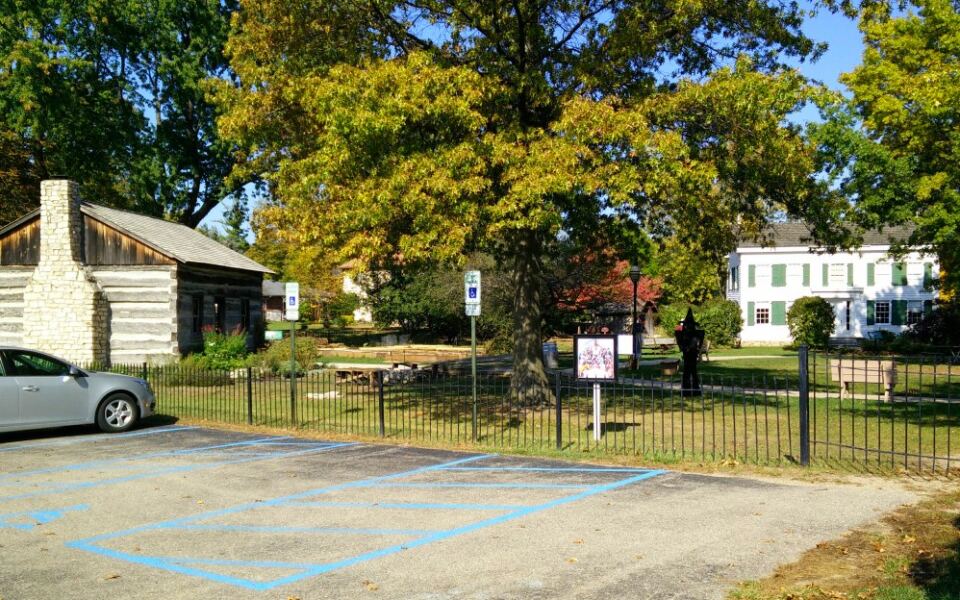
The village is a museum made of real structures from the 1800s. Most were carried from their first spots around Troy and set up together on one property.
You can walk inside a log cabin, a church, homes, a store, and a schoolhouse.
I like the idea that each building had a close call. Instead of disappearing, it became a classroom for anyone curious about the past.
That makes the whole place feel like a rescue project as much as a museum.
The grounds are compact, so you can see everything without a long hike. That size works well for young kids and anyone who tires easily.
Benches and resting spots help too.
The museum usually opens on weekdays and closes in the afternoon, so check current hours before you go. Weekends are often set aside for private events.
Once you arrive, the oldest-looking building on the grounds makes a natural first stop.
Life Inside a Pioneer Log Cabin
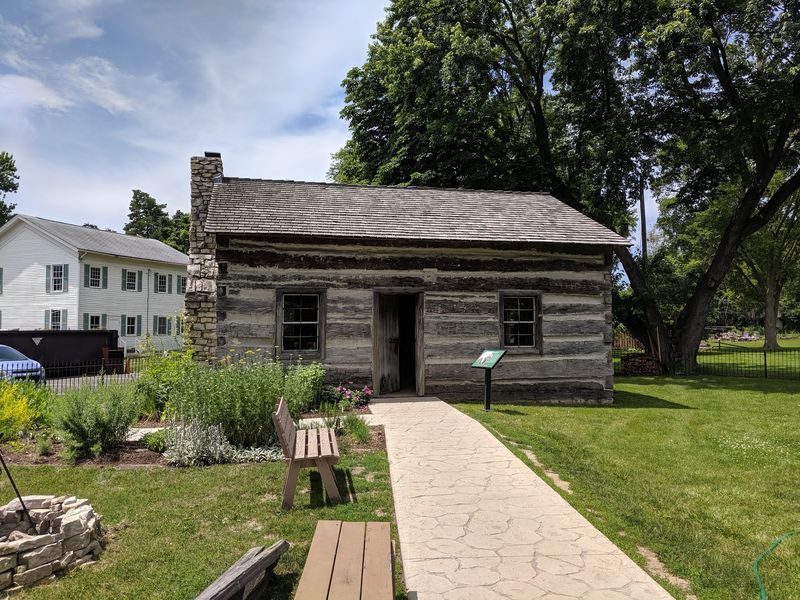
Picture yourself without a light switch, a furnace, or a fridge. Early Michigan settlers lived that way every day, and the log cabin at the village shows how.
Logs stacked tight formed the walls. Families cooked, ate, slept, and worked in a small space.
Seeing one up close helps explain why chores filled almost every hour of the day.
Field trip groups often start with lessons about how homes were built. Children learn how settlers turned trees into shelter.
Many classes also dip candles by hand and take them home, which shows how families made their own light after dark.
I find candle making a clever lesson. A simple craft explains a lot about winter nights before electricity.
It also gives kids something to hold onto long after the trip ends.
Notice the size of the cabin compared with modern homes. Then think about a whole family sharing that floor.
It is a quick way to understand how much space and comfort have changed.
From this humble start, the village moves forward in time. The schoolhouse nearby shows what happened once families had roots and children needed lessons.
Chalkboards and Old Desks at the Schoolhouse
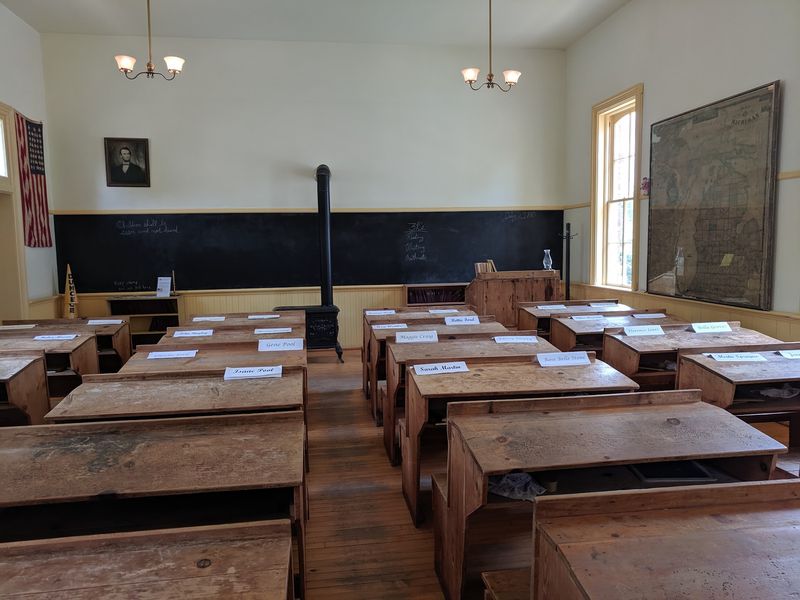
School once meant one room, one teacher, and students of many ages learning side by side. The schoolhouse at Troy Historic Village keeps that setup alive.
Rows of old desks fill the room. Students on field trips use personal chalkboards, called slates, and read from older style books.
Some groups even eat lunch at those desks, just like children did long ago.
That lunch detail stands out to me. It turns history into something kids can actually feel, from the hard seats to the small writing surfaces.
A lesson like that sticks better than a page in a textbook.
School visits often include role play. One young visitor got to play a member of the Wattles family, a name tied closely to Troy’s past.
Stepping into a real character makes the story personal.
Adults get something out of the room too. Compare the simple tools here with laptops and tablets used today.
The difference is huge, yet the goal of learning stays the same.
When school let out back then, families often headed to town for supplies. The village store is the next place to see where they shopped.
Sparks Fly at the Blacksmith Shop
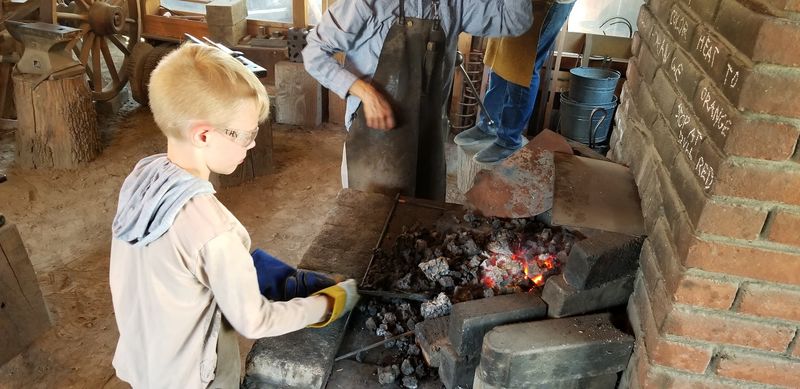
Hot iron, a heavy anvil, and a strong arm once kept every farm running. The blacksmith shop at Troy Historic Village is a favorite spot for that reason.
Back in the 1800s, a blacksmith made and fixed tools, hardware, and farm equipment. Without one, plows broke and horses went unshod.
The shop shows how central this trade was to village life.
Here is the fun part. The village offers blacksmithing classes, so adults can try shaping metal themselves.
You leave with new skills and a real sense of how hard this work was.
I like that the craft is taught, not just displayed. Watching someone shape a hook or a nail by hand shows how much skill goes into tiny items we buy without thinking.
If you plan to take a class, sign up early since spots can fill. Wear sturdy shoes and clothes you do not mind getting a little sooty.
Safety gear is part of the process.
A blacksmith needed customers, and customers needed a place to buy goods. That leads straight to the village store across the grounds.
One Store for Mail, Medicine, and More
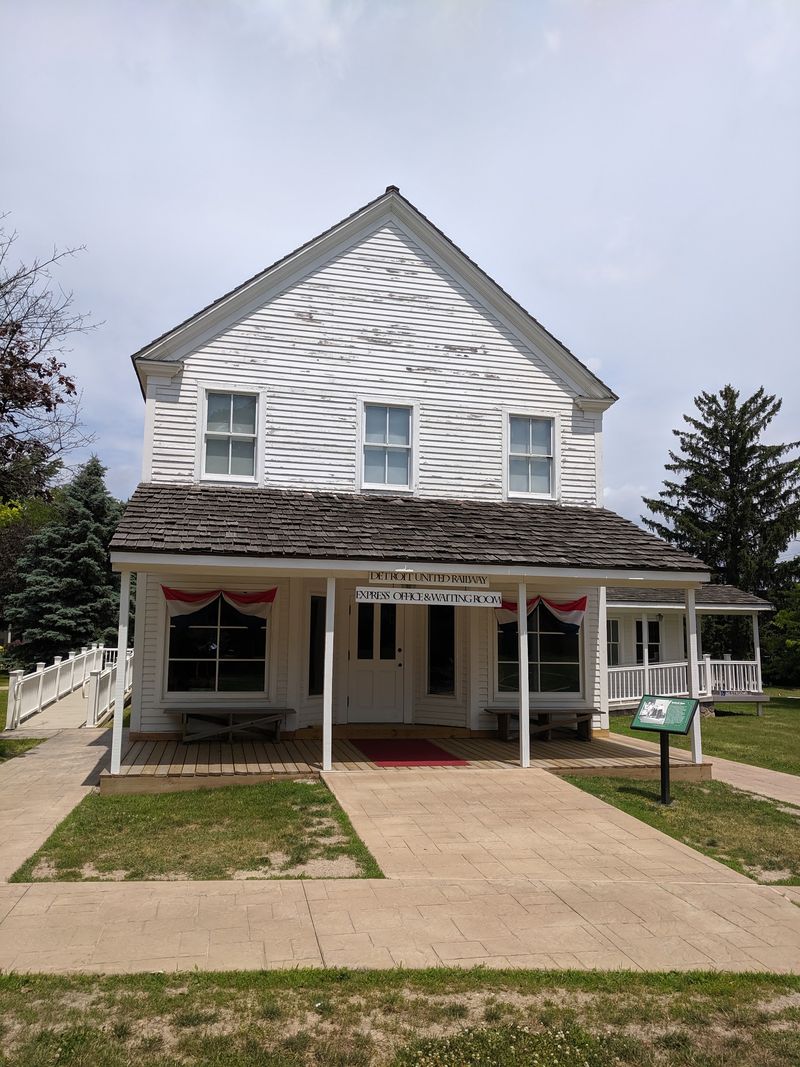
Need a stamp, some cough syrup, and a bag of flour? In early Michigan towns, one building often handled all of that.
The village store mixes several businesses under one roof. It includes a mercantile, a post office, and a pharmacy display.
Shelves hold the kinds of goods families relied on long before supermarkets existed.
Field trip lessons here often focus on toys. Children learn how few playthings kids owned back then.
Then they make a simple toy of their own to take home.
That lesson is clever because it starts a real conversation. Kids compare a homemade toy with the pile in their bedroom at home.
Parents might enjoy that talk on the car ride back.
Take a slow look at the counters and jars. The small details show what people bought, how goods were packaged, and how a shopkeeper kept track of sales.
It is a lot of history packed into one room.
The store also served as a meeting point, where neighbors traded news along with goods. A village needed another gathering place too, and the church filled that role.
The Church and the Parsonage Next Door
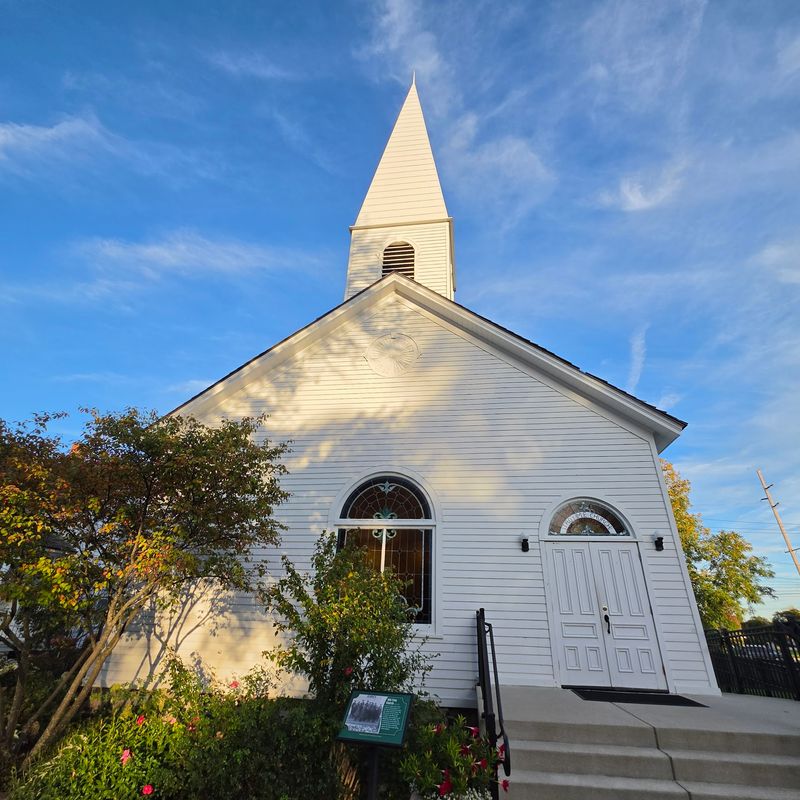
Sunday mornings shaped the rhythm of small town life. At Troy Historic Village, a historic church stands as a reminder of how faith and community once tied neighbors together.
Churches in early Michigan did more than hold services. They hosted gatherings, celebrations, and important family events.
That tradition continues today, since the village is a popular place for weddings and private parties.
Close by sits the Parsonage, a home connected to the church. A parsonage was where a minister and family lived.
Touring it shows daily household life, with rooms set up to reflect the period.
I find the pairing interesting. You see the public side of church life and the private home life of the family who served it.
Both views help complete the picture.
Look for how the furniture, kitchen tools, and decorations differ from today’s homes. Small things, like lighting and heating, reveal how much effort went into ordinary comfort.
Homes like this one were full of practical tasks. Outside, many families also kept gardens, and the village grounds put that tradition on full display.
Gardens Buzzing With Butterflies
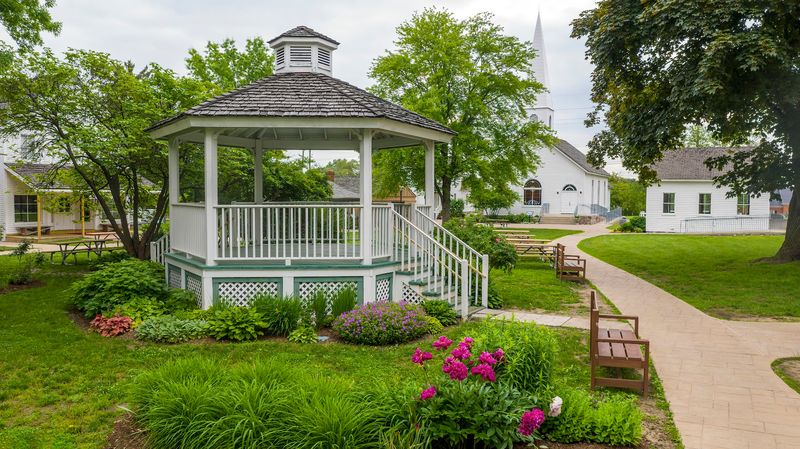
Bright flowers bring a burst of color to the old buildings during warm months. The gardens at Troy Historic Village are a big part of its appeal.
In spring and summer, beds of vintage style flowers draw pollinators, including butterflies. The plantings fit the historic setting and make the walk between buildings feel peaceful.
Look for the ABC garden, a fun feature for younger visitors. It turns plants into a learning tool.
Kids can connect letters with flowers as they explore.
A small gazebo sits at the center of the grounds. Picnic tables nearby make it easy to pack a lunch and take a break.
I like a spot where kids can rest while adults soak in the view.
Gardens also mattered in daily life long ago. Families grew plants for food, medicine, and beauty.
Seeing them here helps explain how much early households depended on the land.
Timing matters. Visit during the warmer months for the fullest blooms and the most butterflies.
Cooler seasons still bring their own reasons to visit, especially once the event calendar fills up.
Evenings, Holidays, and Radio Shows
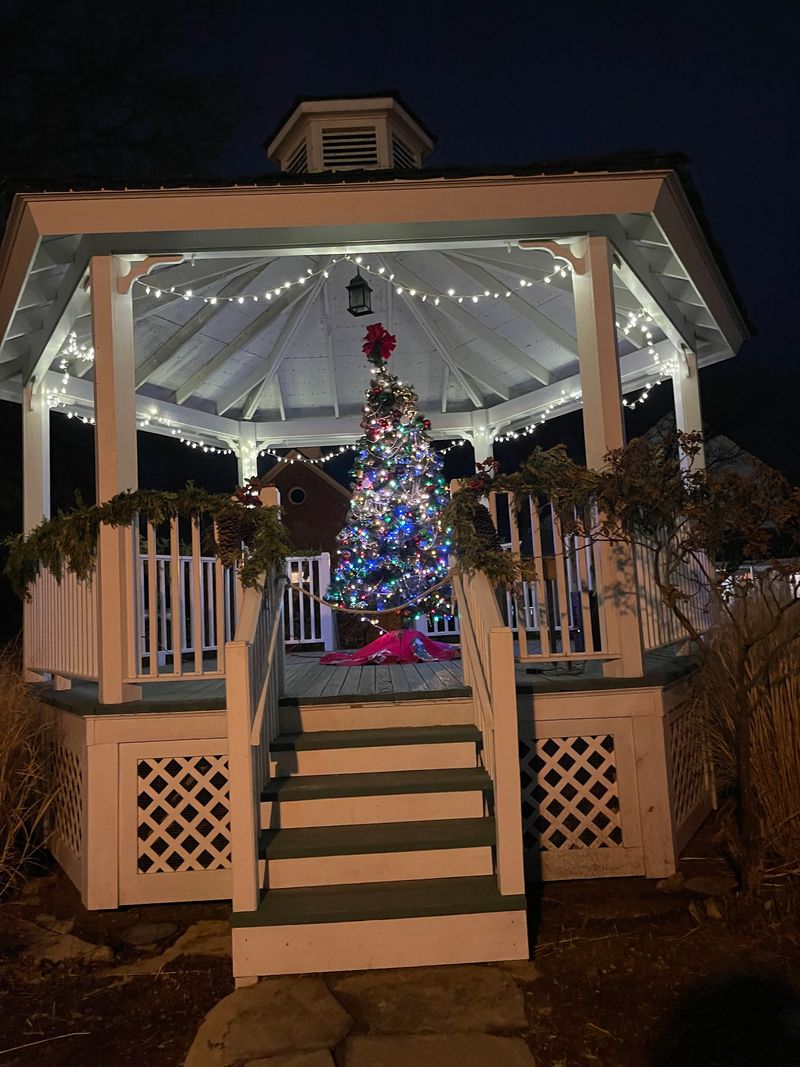
History does not have to stop at closing time. Troy Historic Village hosts special events that bring the grounds to life in new ways.
One example is a Thursday evening program known as Village Open Lates. Guests join a guided tour through the structures, with time to explore the store, schoolhouse, blacksmith shop, and Parsonage.
Holiday events add seasonal fun. Families come to see the village dressed up and enjoy small group activities.
Some events also include a lunch option, which is handy for a relaxed outing.
Performances show up on the calendar too. The village has hosted old fashioned radio shows with a live cast.
That style of entertainment fits right in with the setting.
I would check the event schedule before planning a trip. Programs change from season to season, and some require advance tickets.
Small group sizes can make for great conversations with guides.
Lectures and classes round out the offerings. Adults who love local history can learn something new on almost any visit.
Kids, though, often get the most hands on experiences of all, especially on school days.
Field Trips Kids Talk About for Weeks
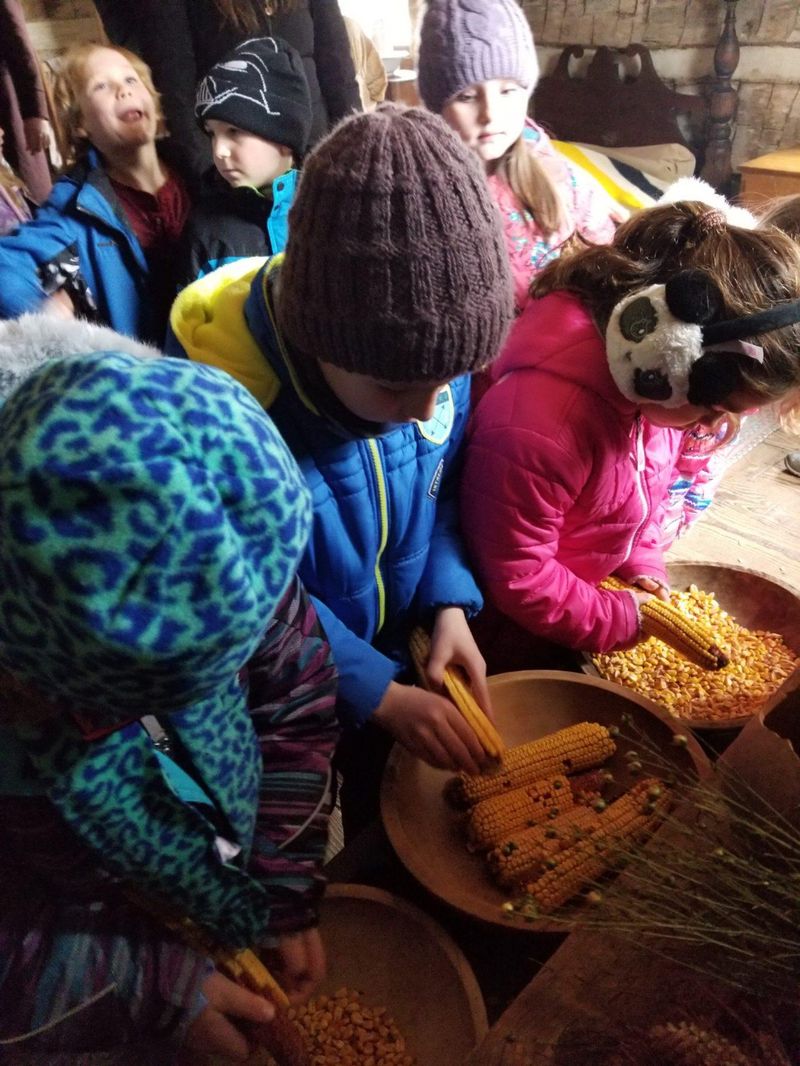
Ask a second grader what they did at the village, and you might get a long answer. School programs here are built for hands on learning.
Young students move through stations across the grounds. They learn how homes were made, dip candles, practice lessons at old desks, and make simple toys at the store.
Every stop gives them something to do, not just something to look at.
Programs are designed for different ages, including first and second graders. Staff members guide groups and keep activities organized.
Crafts often go home with the kids as keepsakes.
Most buildings are heated during cooler months, though one is left as it was for historical reasons. That small choice teaches kids how chilly life could be long ago.
Parents who chaperone get a front row seat to the fun. If your child’s class has a trip planned, volunteering is a good way to join in.
Families can also explore on their own outside school programs. A scavenger hunt helps visitors look closely at each building, which leads into some smart tips for planning a visit.
Smart Tips Before You Head Over
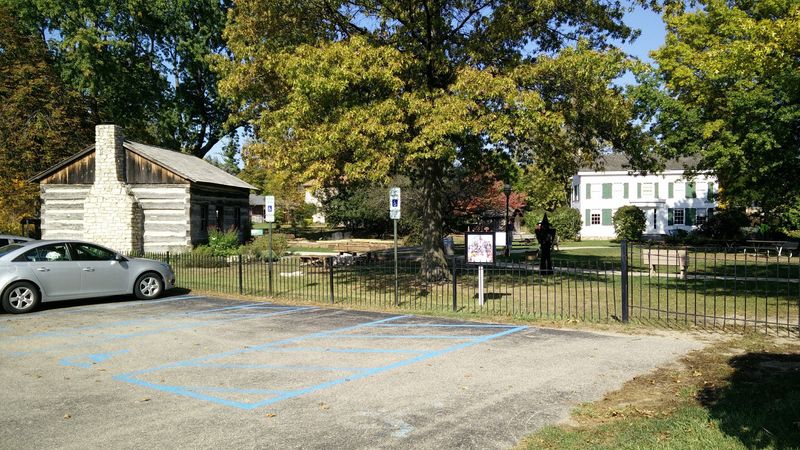
A little planning goes a long way at a weekday museum. The village typically keeps daytime hours early in the week through Friday and closes mid afternoon.
Admission is modest, and children have been admitted free, though prices can change. Check the official site for current details before heading out.
Grab the scavenger hunt when you arrive. It keeps kids focused and makes sure everyone peeks into every building.
Adults might enjoy it just as much.
The gift shop carries affordable items, which helps if little ones want a souvenir. Clean restrooms and rest spots make longer stays easier for families and older visitors.
Memberships are available for people who plan to come back often. The village is also rented for weddings, birthday parties, and community gatherings, so ask about those options if you are planning a celebration.
I would leave time to wander slowly. Rushing through means missing small objects inside each building.
Bring a camera, too. The mix of old buildings, gardens, and the central gazebo gives plenty to photograph on a sunny day.
Share this story