There is a place in southwest Florida where you can walk from a Caribbean garden into an Asian-inspired landscape, then suddenly find yourself standing beside a lily pond so large the pads look almost too perfect to be real. More than 1,000 plant species spread across 170 acres, organized into seven distinct habitats, each with its own personality and atmosphere.
I had been hearing about this garden for years before I finally made the trip, and nothing quite prepared me for how much there was to see and experience. This article walks you through everything you need to know before your visit, from the must-see sections to the hidden corners that most people rush right past.
Where It All Begins: Address, Location, and First Impressions
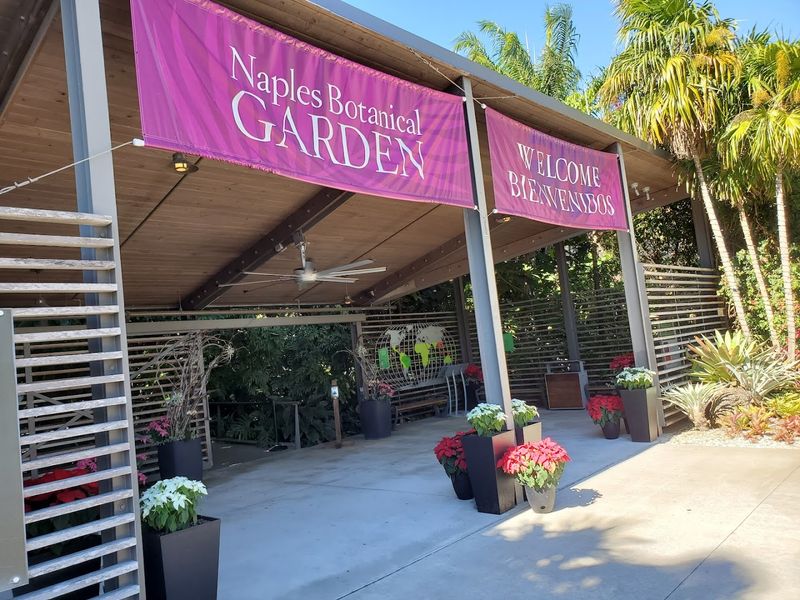
The moment you pull up to 4820 Bayshore Dr, Naples, you get your first hint that this is not your average roadside attraction. The entrance is clean, well-signed, and surrounded by mature plantings that already start telling the story of what waits inside.
The garden sits in the heart of Naples, Florida, a city better known for its upscale shopping and Gulf Coast beaches, but this 170-acre property gives the city a completely different kind of bragging right. You are in southwest Florida, where the subtropical climate means something is always blooming, no matter the month.
Parking is free and plentiful, which is a genuinely pleasant surprise for a destination this popular. Plan to arrive right at 8 AM when the gates open, especially in winter, when the weather is cooler and the morning light turns every leaf and flower into something worth photographing.
170 Acres of Living Landscape: The Scale of the Garden
Most people underestimate just how big this place really is. At 170 acres, the garden is large enough that two hours of walking will leave you feeling like you only scratched the surface, which is exactly what many visitors report after their first trip.
The property is divided into cultivated garden sections and a nature preserve, so the experience shifts as you move through different zones. One moment you are admiring a manicured orchid display, and the next you are on a boardwalk trail watching birds move through native wetlands.
A map at the entrance helps you plan your route, and the staff at the welcome desk are genuinely helpful about pointing out what is currently in peak bloom. Seven distinct garden habitats make up the core experience, and each one deserves its own unhurried exploration rather than a quick glance on your way to the next section.
The Brazilian Garden: Color, Curves, and Tropical Drama
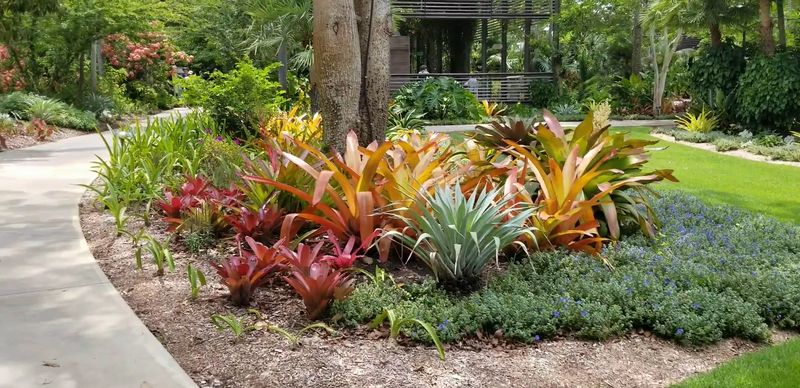
Brazil is famous for its bold, exuberant approach to design, and the Brazilian Garden here captures that energy in a way that feels genuinely alive rather than just decorative. The planting palette leans heavily on contrast, with deep greens set against vivid reds, oranges, and purples that stop you mid-stride.
The layout follows organic, curving lines inspired by the legendary Brazilian landscape architect Roberto Burle Marx, whose influence can be felt in the sweeping plant masses and the way the garden seems to flow rather than sit still. It is the kind of design that rewards slow walking more than rushing.
Children tend to be particularly drawn to this section because of the sheer intensity of the colors, and it makes for some of the most striking photos in the entire garden. Early morning light here is especially flattering, casting warm tones across the broad tropical leaves.
The Asian Garden: Serenity Meets Sophisticated Design
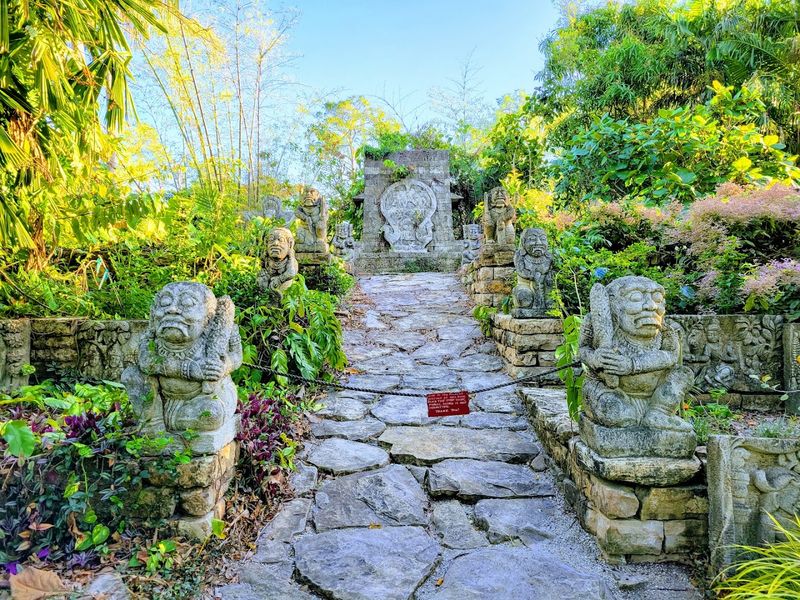
Not every part of this garden is loud and colorful. The Asian Garden operates on a completely different frequency, one built around calm, restraint, and the kind of beauty that takes a moment to notice but stays with you long after you leave.
Bamboo groves, carefully raked gravel areas, and plants chosen for their texture and form rather than their flower color give this section a meditative quality. It is the spot where visitors who need a quiet moment tend to linger the longest.
The design draws on garden traditions from across Asia, blending Japanese, Chinese, and Southeast Asian influences into a cohesive space that feels unified rather than scattered. Water features add a soft background sound that makes the whole area feel separated from the busier parts of the garden.
If you visit with teenagers who claim they are not interested in plants, this section has a way of quietly changing their minds without making a big deal of it.
The Caribbean Garden: Florida’s Wild Tropical Roots
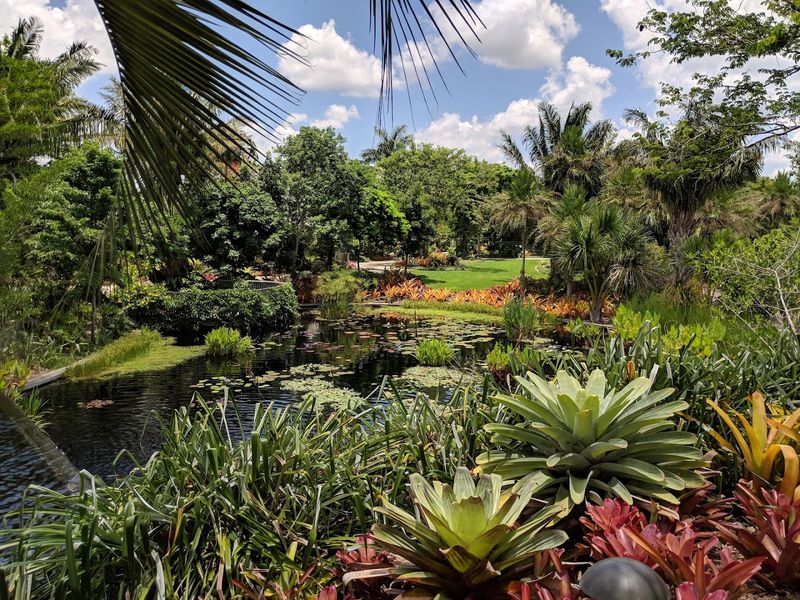
Florida and the Caribbean share more than just warm water. The plant life that thrives in both regions overlaps in fascinating ways, and the Caribbean Garden at Naples Botanical Garden makes that connection visible and tangible for anyone willing to pay attention.
Palms, bromeliads, and flowering shrubs that would look right at home on a Caribbean island fill this section with a loose, sun-drenched energy that feels distinctly different from the more structured gardens nearby. The planting feels lush but intentional, like a curated version of what you might find growing wild on a hillside in Jamaica or Puerto Rico.
This garden also highlights plants with practical uses, including food crops, medicinal herbs, and materials historically used by Caribbean communities, which gives the section an educational layer that goes beyond pure aesthetics. Guided tours often spend extra time here pointing out plants with surprising stories behind them.
The Florida Garden: Native Plants With a Local Story
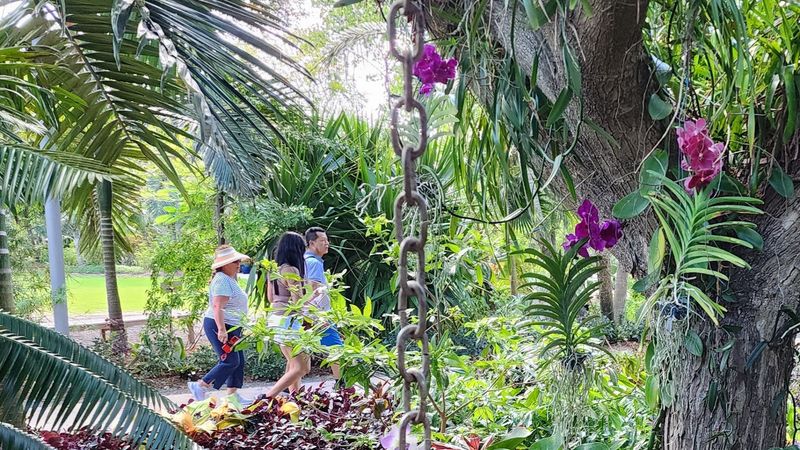
There is something satisfying about visiting a garden in Florida that actually celebrates what grows here naturally. The Florida Garden focuses on native species, the plants that existed in this region long before anyone thought to import something more exotic, and the result is a section that feels grounded and honest.
Native wildflowers, grasses, saw palmettos, and scrub oaks create a habitat that supports local wildlife in ways that ornamental gardens simply cannot. Birds are noticeably more active in this section, and it is one of the best spots in the garden for birdwatchers to set up and wait.
The garden also carries an implicit message about sustainability and the value of working with local ecosystems rather than against them. For visitors who care about environmental topics, this section sparks real conversations and offers a compelling case for native planting in home gardens across the state.
The Children’s Garden: Where Young Explorers Take Over
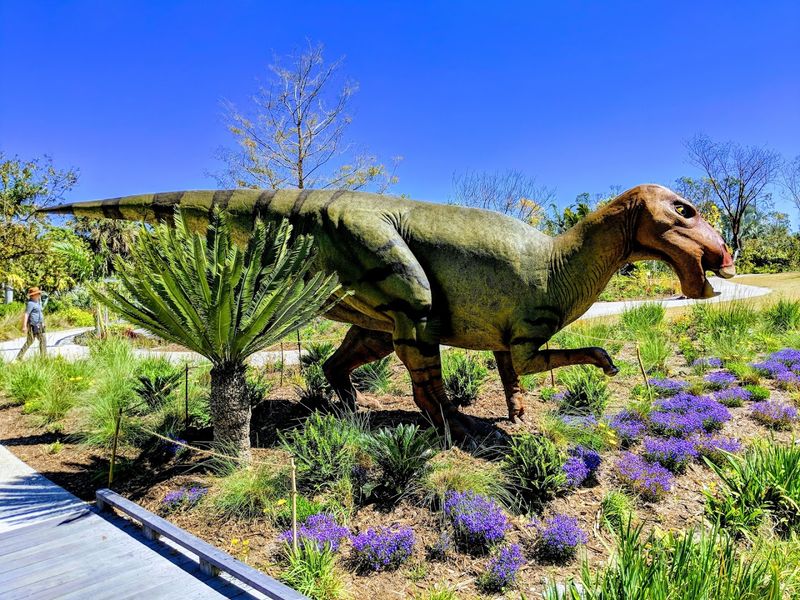
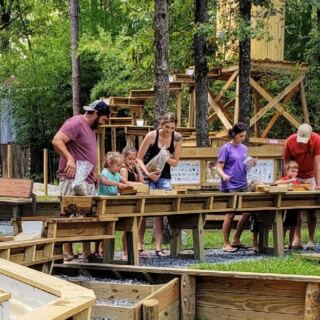
Families visiting with younger children will find that the Children’s Garden functions almost like a separate attraction within the larger garden. It is designed specifically to engage kids at their own level, with interactive elements, water play features, and plant displays scaled to shorter visitors.
The space encourages hands-on exploration rather than passive looking, which is exactly what most children under ten actually want from any outing. There are spots to dig, splash, and discover, and the design is thoughtful enough that parents can relax slightly while their kids explore safely.
Even older children and teenagers tend to find something here that holds their attention, whether it is a quirky sculpture, an unexpected water feature, or a plant with a particularly dramatic appearance. Bring a change of clothes for younger kids, because the water play areas are genuinely tempting on a warm Florida morning and wet shoes are practically a rite of passage.
The Orchid Collection: A Display That Earns Its Reputation
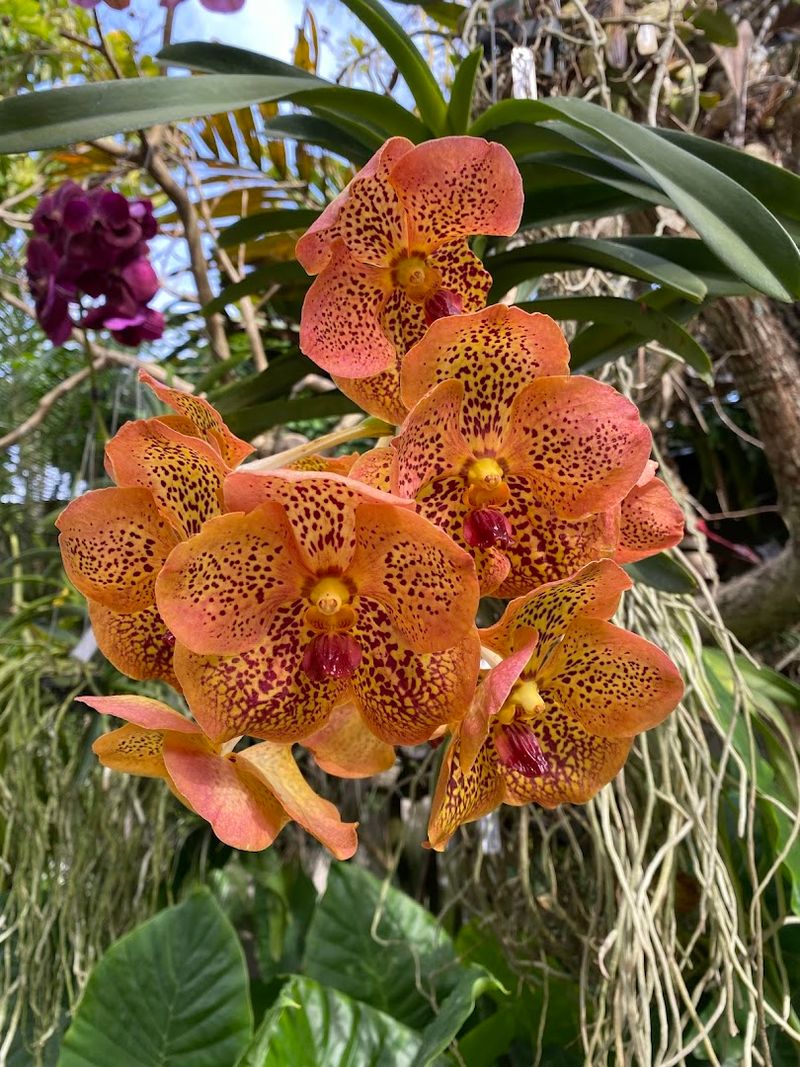
Orchid enthusiasts travel specifically to see what this garden has assembled, and the collection genuinely earns that kind of dedicated trip. Dozens of varieties and hybrids are displayed with the kind of care and presentation that makes even someone with zero background in orchids stop and stare.
The range of colors, shapes, and sizes on display is genuinely surprising. From tiny delicate blooms clustered on thin stems to dramatic, oversized flowers in deep purples and whites, the collection demonstrates just how diverse this single plant family really is.
The garden hosts an annual orchid show that draws serious collectors and casual admirers alike, and the event transforms the already impressive permanent collection into something even more spectacular. If your visit happens to coincide with the orchid show, consider that a lucky break rather than a scheduling coincidence, because it is one of the most visually intense experiences the garden offers.
The Lily Ponds and Water Features: The Garden’s Showstoppers
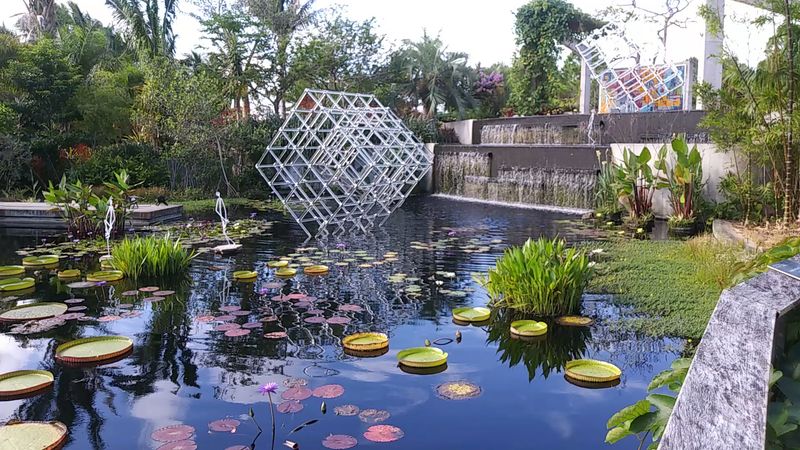
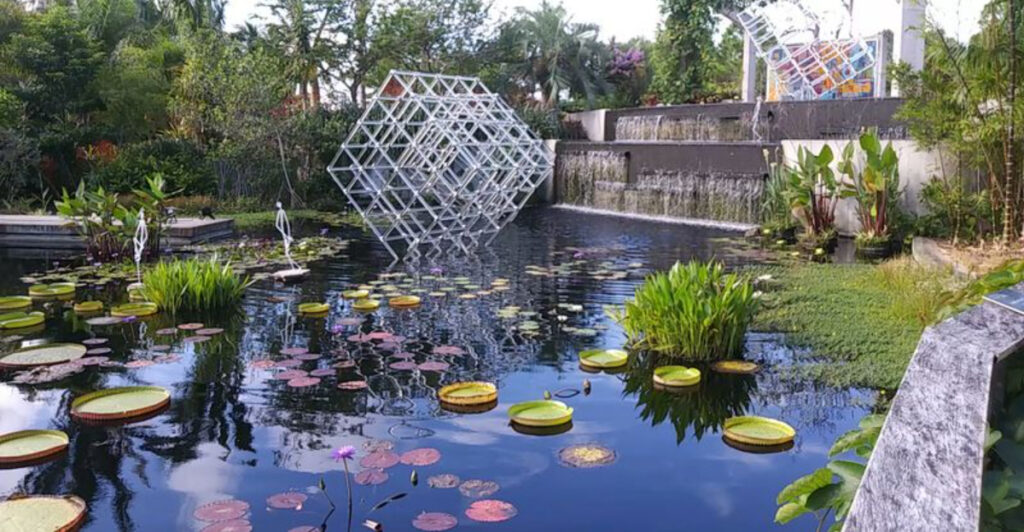
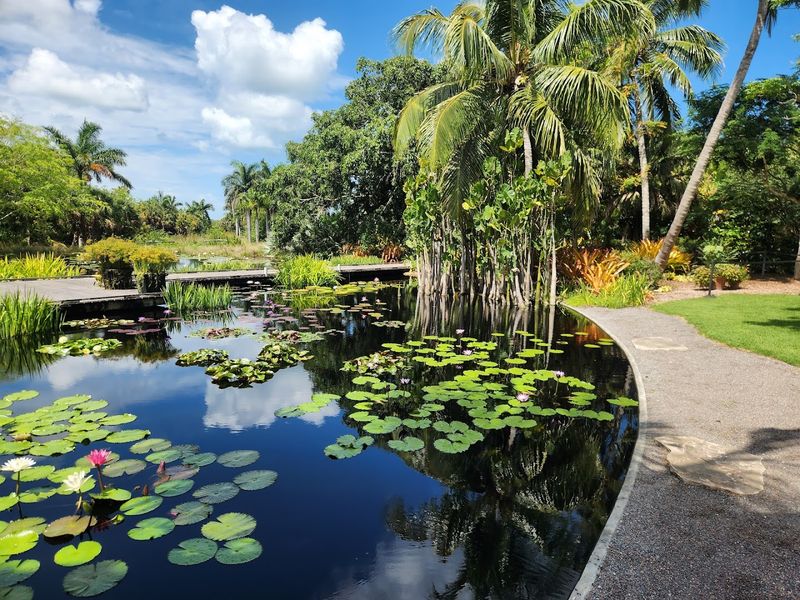
Few things in the garden create as strong a first impression as the giant lily pond with its infinity edge that spills over into a cascading waterfall below. The lily pads are enormous, some spanning several feet across, and they sit on the water with such geometric perfection that they almost look artificial.
The approach path to the main pond is cleverly designed so that the waterfall reveals itself gradually as you walk uphill, creating a genuine sense of discovery rather than an immediate reveal. That design choice makes the moment you first see the full view feel earned.
Beyond the main pond, smaller water features are scattered throughout the garden, adding sound, movement, and a cooling effect that makes the warmer months more comfortable. Frogs are regular residents around the ponds, and the lily pads attract a steady stream of curious visitors who crouch down for a closer look at whatever is moving beneath the surface.
Wildlife Encounters: Alligators, Birds, and More

This is a botanical garden, but Florida being Florida, the wildlife has not read the sign and stays in its lane. Alligators are spotted regularly near the lakes and preserve areas, which adds a layer of authentic Florida wilderness to what might otherwise be a purely horticultural experience.
Birdwatching here is genuinely rewarding. Herons, egrets, anhingas, and various songbirds move through the property throughout the day, and the native plant sections in particular attract species that rely on specific local plants for food and nesting.
Bringing binoculars is a practical suggestion rather than an overly enthusiastic one.
The combination of cultivated gardens and natural preserve habitat creates a layered ecosystem that supports far more wildlife than a purely manicured space could. For families who want nature exposure without a full wilderness hike, the garden threads that needle surprisingly well, offering genuine wildlife moments in a setting that stays accessible and comfortable.
Guided Tours: The Fastest Way to Actually Learn Something
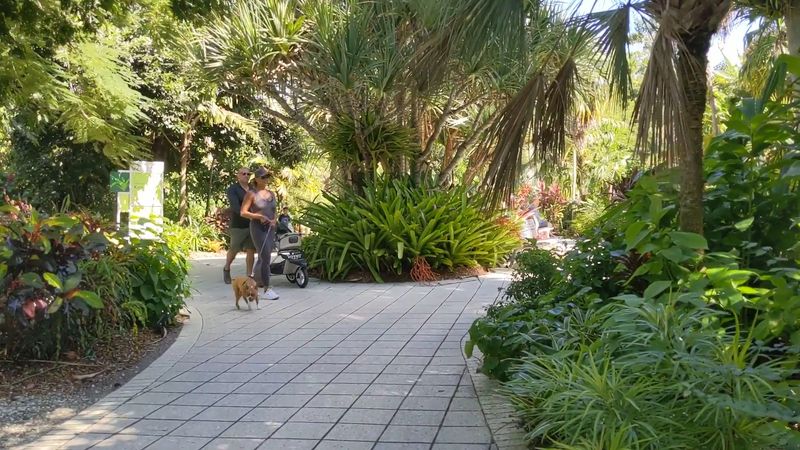
Three guided tours run daily, and each one focuses on a different section of the garden, which means attending all three in a single day gives you a genuinely comprehensive understanding of the whole property. Most visitors skip the tours and then wish they had not, because the guides carry knowledge that no signage can fully replace.
The tours cover plant identification, garden history, design philosophy, and the ecological relationships between species, all delivered in a way that stays engaging for adults and curious older children. One particularly popular tour focuses on edible plants grown throughout the garden, which surprises most visitors with how much food is quietly growing around them.
An early morning tour is the most comfortable option during warmer months, and it also means you are walking the paths before the main crowds arrive. The combination of cooler air, softer light, and knowledgeable company makes that first morning tour one of the better ways to spend a couple of hours in Naples.
The Fogg Cafe: A Surprisingly Good Reason to Take a Break
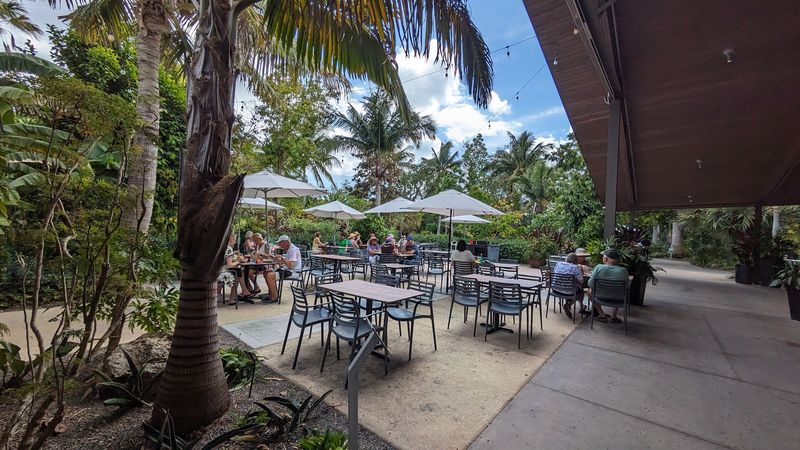
Halfway through exploring a 170-acre garden, the idea of sitting down with a good meal starts to sound very appealing. The Fogg Cafe, located within the garden, handles that need with more quality and variety than most attraction-based restaurants bother to offer.
The menu includes solid options for different dietary preferences, and the black bean burger has developed a genuine following among repeat visitors. The patio seating puts you directly in the garden atmosphere, so taking a break here does not feel like stepping away from the experience but rather deepening it.
Prices reflect the upscale Naples market, so budget-conscious visitors may want to factor that in when planning the day. The cafe is also convenient for families who need a structured pause before continuing their walk, since children who have been exploring for two hours tend to cooperate more enthusiastically after a snack and a sit-down.
Planning Your Visit: Hours, Tips, and What to Bring
The garden is open every day from 8 AM to 5 PM, which means early arrivals get the best of the light, the coolest temperatures, and the quietest paths. During peak winter season, when Naples fills with seasonal visitors, arriving right at opening makes a noticeable difference in how crowded the experience feels.
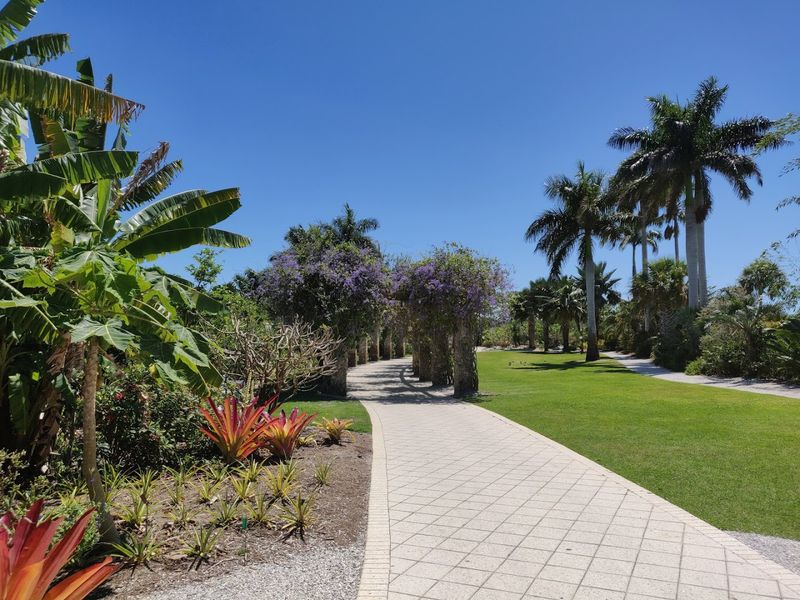
Comfortable walking shoes are non-negotiable across 170 acres of varied terrain. Some paths are smooth and paved, while others around the lake and preserve areas are coarser underfoot, so footwear that can handle both is the practical choice.
Binoculars are worth packing for wildlife watching, and a refillable water bottle is useful since Florida heat and humidity can sneak up on even experienced warm-weather visitors. Memberships are available for those who plan to return, and the non-profit model means your entry fee directly supports ongoing garden maintenance and conservation programs that keep the whole place running as beautifully as it does.
Share this story