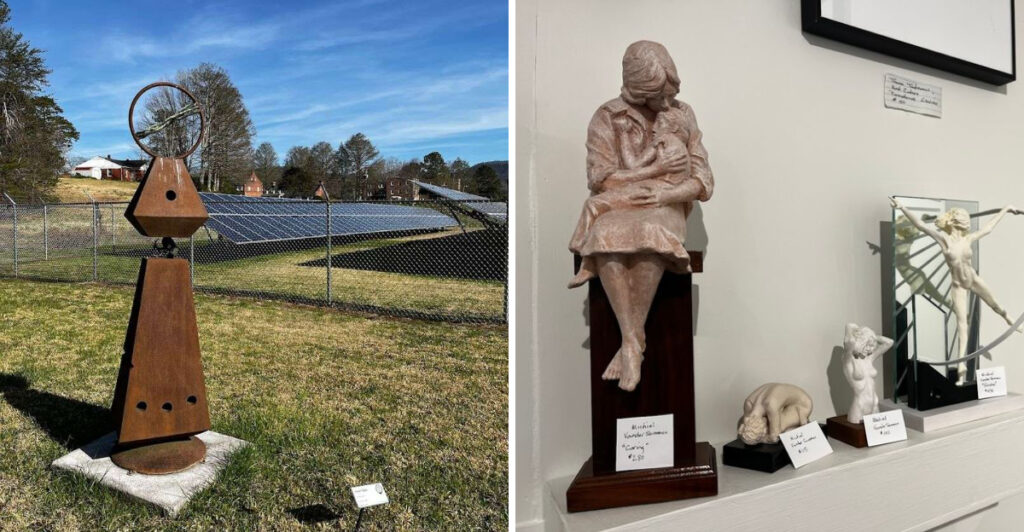
Somewhere in the Blue Ridge foothills of North Carolina, a mountain trail winds through the woods and reveals something you would never expect: over 100 sculptures tucked between trees, along creek banks, and scattered across open meadows. The Western North Carolina Sculpture Center is not a traditional gallery with white walls and hushed voices.
It is an outdoor art experience that feels more like a treasure hunt than a museum visit. Every turn on the trail brings a new discovery, from towering metalwork to delicate stone carvings, all free to explore and open almost every day of the week.
If you love art, nature, or just a really good reason to get outside, this place delivers on all three fronts.
Finding the Hidden Gem: Location and Getting There
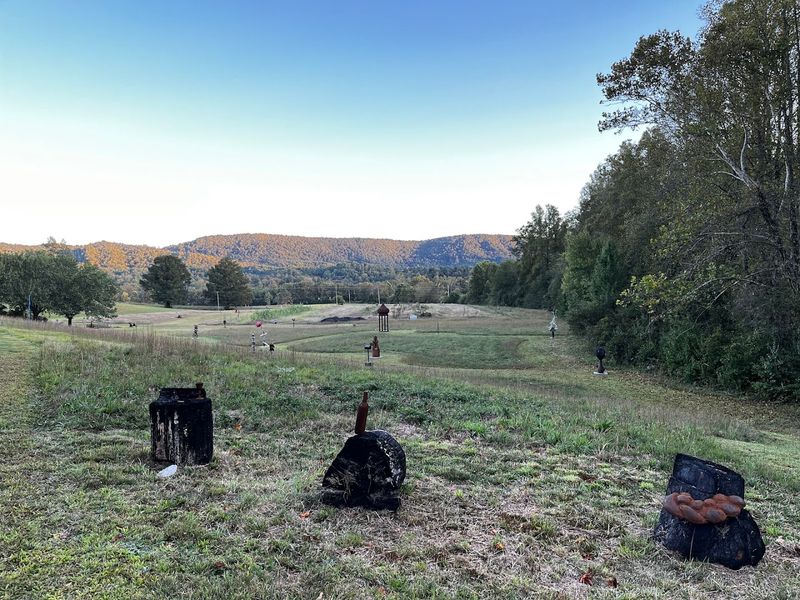
Not every great art destination sits in a big city with a flashy sign out front. The Western North Carolina Sculpture Center calls 4612 Patterson School Dr, Lenoir, NC 28645 home, tucked into the foothills of the Blue Ridge Mountains in Caldwell County.
Lenoir is a small city with deep roots in furniture manufacturing and Appalachian heritage. The sculpture center sits on a sprawling property that feels genuinely off the beaten path, the kind of place you might drive past twice before spotting the entrance.
From Asheville, the drive takes roughly 90 minutes heading east on US-70. From Charlotte, expect about an hour and a half heading northwest on I-40.
The roads leading to the property wind through classic North Carolina mountain scenery, with forested ridges and rolling pastures filling the view.
A GPS helps, but the real reward starts the moment you pull off Patterson School Drive and realize the grounds are far larger than the address suggests. Plan to arrive with comfortable shoes and a full charge on your phone camera, because you will want to document every single turn of this trail.
The Story Behind the Sculptures: History and Mission
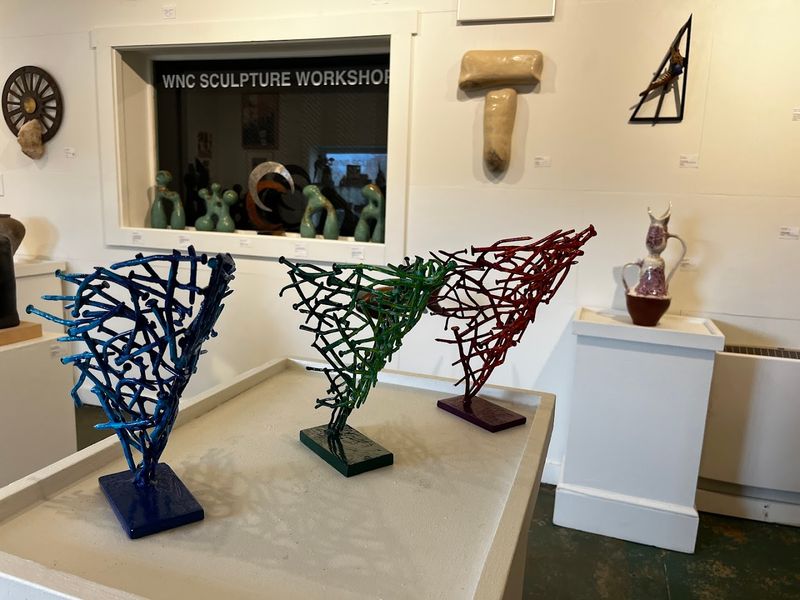
The Western North Carolina Sculpture Center was founded with a bold idea: bring serious sculpture-making out of isolated studios and into a shared, accessible space where artists and the public could both benefit. The nonprofit organization supports sculptors working in a wide range of materials, from cast iron and bronze to stone, wood, and found objects.
The center operates as a working art facility as much as a public park. Artists use the grounds and facilities to create new works, which means the collection is always growing and changing.
Visiting once does not mean you have seen everything, because new pieces appear regularly as resident and visiting artists complete projects.
The mission centers on education as well as creation. Workshops, demonstrations, and classes bring the craft of sculpture to students of all ages and experience levels.
Blacksmithing classes run on the first Saturday of every month, giving hands-on learners a chance to work with fire and metal under real instruction.
What makes this place feel different from a typical park is that sense of active purpose. The art here was not purchased from a catalog.
It was made on-site, often by people who still walk these same trails.
Over 100 Sculptures on One Free Trail: What to Expect
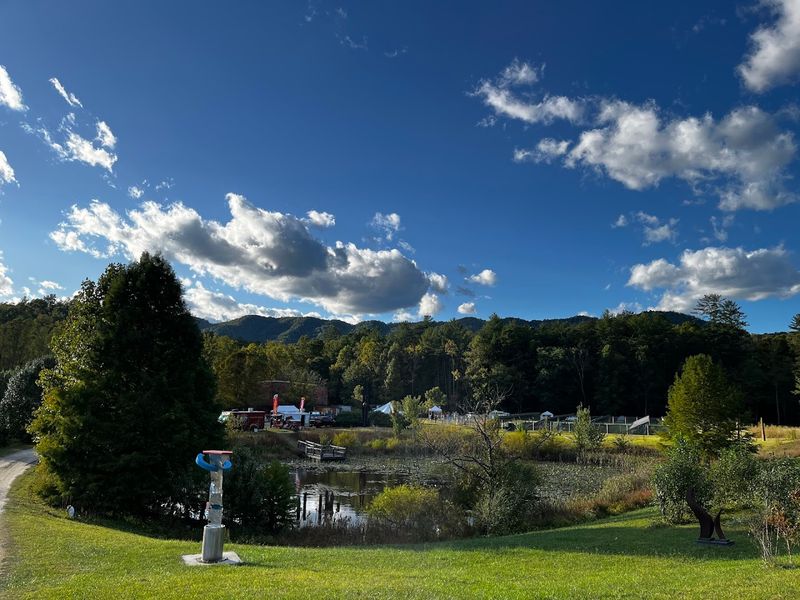
One hundred sculptures sounds like a marketing exaggeration, but a walk through the grounds confirms that number is real. The trail system at the Western North Carolina Sculpture Center winds through multiple environments, from open lawns near the main building to dense forest paths where art appears suddenly between the trees.
The variety keeps the experience from ever feeling repetitive. A massive welded steel figure might stand next to a delicate carved stone piece, followed by an abstract form that could be interpreted a dozen different ways.
Some sculptures are mounted on pedestals, while others rise directly from the earth or hang between branches.
The trail is free to walk, which makes the whole experience feel like a generous gift to anyone willing to make the drive. There are no ticket booths or timed entry windows to navigate.
The grounds open at 9 AM every day of the week and stay open until 7 PM, giving visitors a solid window to explore without feeling rushed.
First-time visitors often report that the sheer density of art along the path catches them off guard in the best possible way. Budget at least two hours to do the trail justice.
The Wonderland Effect: Atmosphere and Setting
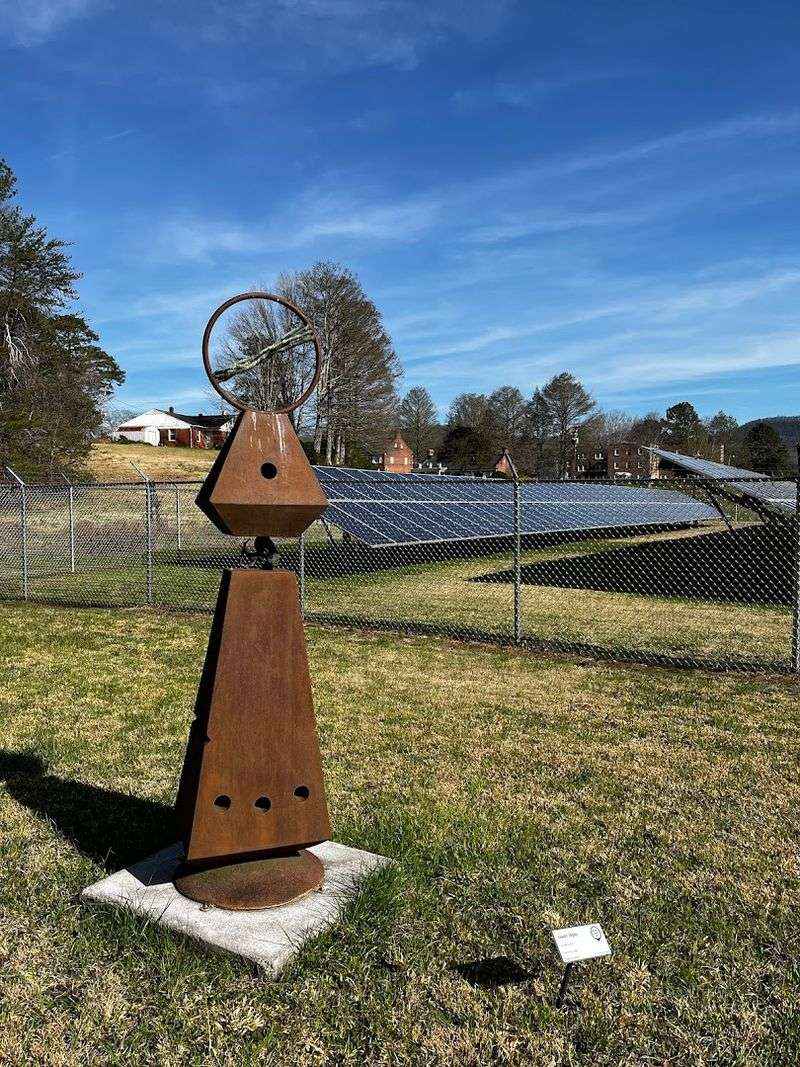
There is a specific feeling that comes over you as the trail pushes deeper into the woods and sculptures begin appearing in unexpected places. The forest canopy filters the light in ways that make certain pieces glow while others sink into shadow, creating a theatrical effect that no indoor gallery could replicate.
The grounds carry a quiet, almost otherworldly energy. Birdsong fills the gaps between trees, and the occasional sound of a creek running nearby adds a layer of calm that makes the whole experience feel grounding rather than overwhelming.
Visitors frequently describe the path as having an Alice-in-Wonderland quality, where each new corner opens onto something surprising and a little magical. That feeling is not accidental.
The placement of sculptures throughout the landscape was clearly done with intention, using the natural terrain to create moments of discovery rather than simply lining up art along a flat path.
The mix of open meadow sections and dense forest stretches keeps the visual rhythm interesting throughout the walk. You move from bright, airy clearings back into cool shade, and the sculptures shift in character to match each environment, making the setting as much a part of the art as the pieces themselves.
Blacksmithing Classes: Where Fire Meets Creativity
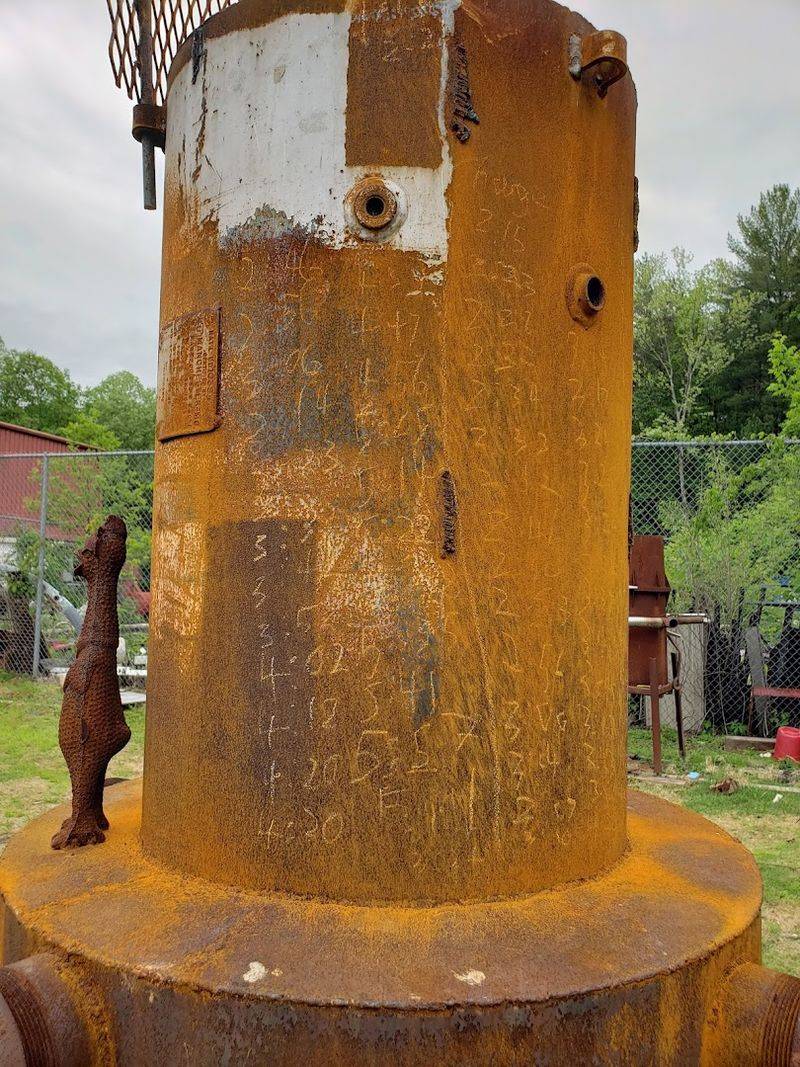
Few art experiences are as visceral and exciting as watching raw metal transform under heat and hammer. The Western North Carolina Sculpture Center offers blacksmithing classes on the first Saturday of every month, taught by an experienced instructor who works in the craft professionally.
The class covers foundational techniques, including how to heat metal properly in a forge, how to shape it with hammer and anvil, and how to control the cooling process to achieve specific results. Students leave with both new skills and a finished piece they made themselves, which is a pretty satisfying souvenir by any standard.
No prior experience is required to join. The classes welcome beginners and curious visitors who simply want to try something completely different from their usual weekend routine.
The hands-on format means learning happens quickly, and the tactile nature of the craft tends to hook people from the very first strike.
Blacksmithing connects directly to the center’s broader mission of keeping traditional metalworking arts alive and accessible. The forge at the center is not just a teaching tool but a working part of the facility where serious sculpture work also takes place, giving the whole space an authentic, lived-in creative energy.
Iron Melting Demonstrations: A Spectacle Worth Seeing
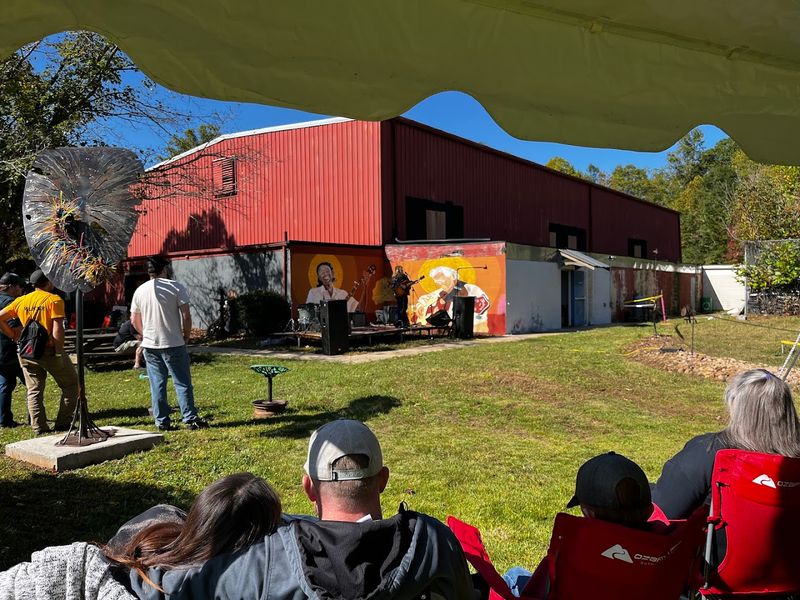
Watching iron melt is one of those experiences that genuinely stops you in your tracks. The Western North Carolina Sculpture Center has drawn visitors specifically for its iron melting events, which combine industrial-scale heat with artistic purpose in a way that feels almost theatrical.
Iron melting, or iron casting, involves heating iron to temperatures above 2,500 degrees Fahrenheit until it becomes a liquid that can be poured into molds. The process produces sculptures with a raw, powerful aesthetic that is hard to achieve with any other material.
The center has the equipment and expertise to run full casting events, which are rare opportunities even among serious art enthusiasts.
These events are particularly popular because they combine spectacle with craft. The glow of a working furnace at dusk, the precision required to handle molten metal safely, and the final reveal of a cooled casting all add up to a memorable afternoon or evening.
For visitors who have only ever seen finished metal sculptures in a gallery context, watching one come into existence from raw material is a perspective shift that changes how you look at every piece on the trail afterward. The work suddenly carries a different weight when you understand what it took to create it.
The Natural Setting: Mountains, Trees, and Open Sky
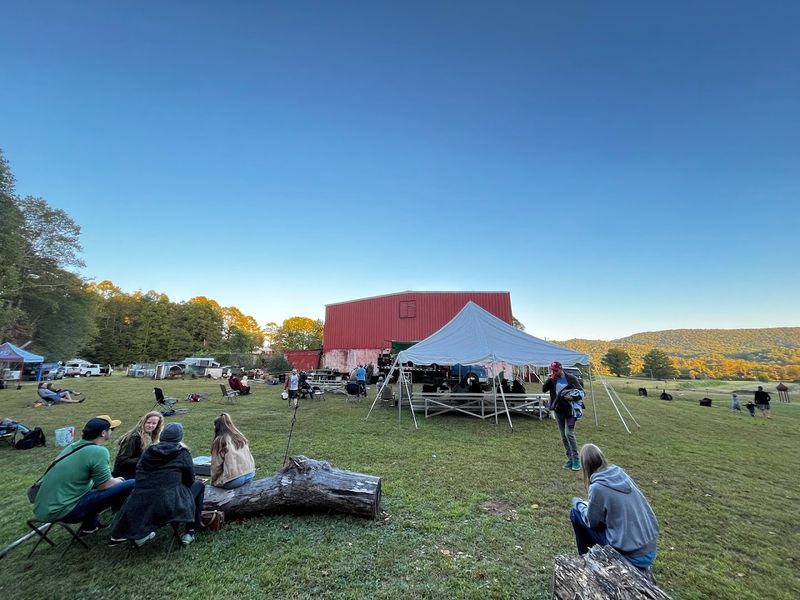
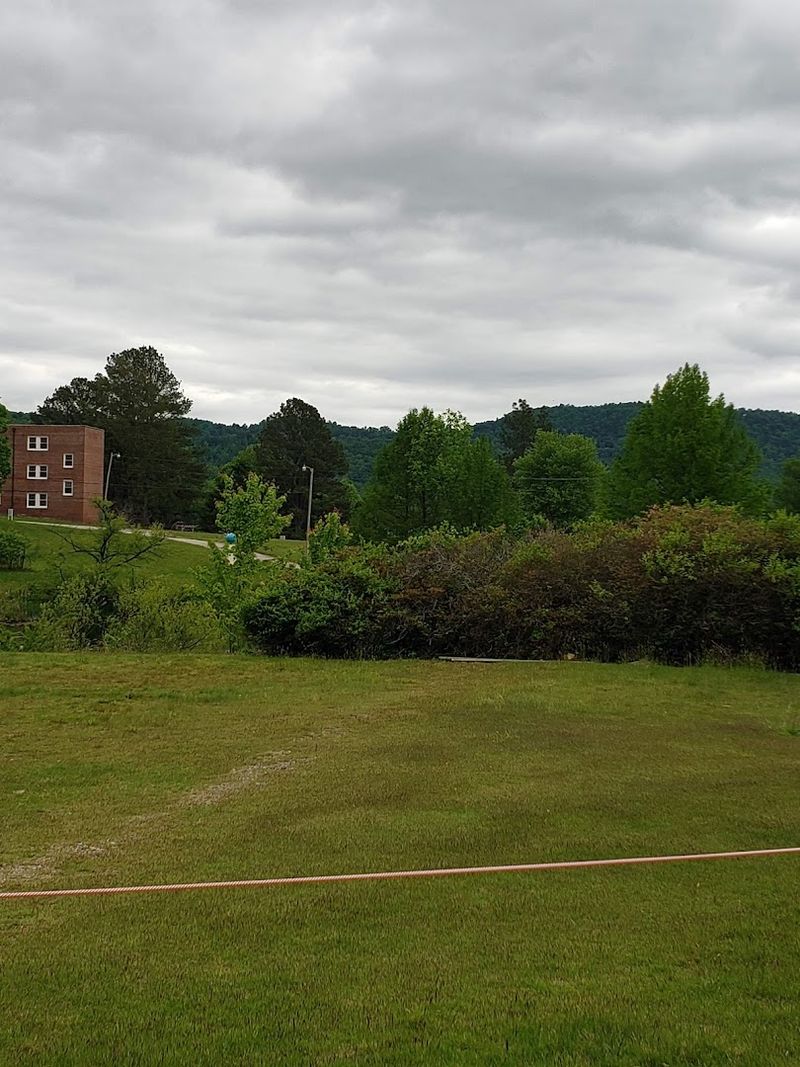
The physical landscape at the Western North Carolina Sculpture Center is as compelling as the art it holds. The property sits in the Blue Ridge foothills, a region defined by layered mountain ridges, mature hardwood forests, and the kind of clean air that makes every breath feel like a small reward.
Caldwell County sits at an elevation that keeps temperatures noticeably cooler than the North Carolina Piedmont, especially in spring and fall. That climate makes outdoor walking genuinely pleasant for much of the year, and the changing seasons transform the appearance of the sculptures as the surrounding foliage shifts from green to gold to bare winter branches.
The property itself includes a mix of terrain that gives the trail its variety. Flat open sections transition into gentle slopes, and the tree coverage shifts between dense canopy and open sky depending on the area.
Water features appear at certain points along the path, adding reflective surfaces that interact with the sculptures in unexpected ways.
This is not a manicured botanical garden with perfectly trimmed hedges. The setting feels deliberately natural and slightly wild, which suits the bold, experimental character of the sculpture collection perfectly.
The landscape and the art feel like they belong to each other.
Who Makes the Art: The Artists Behind the Work
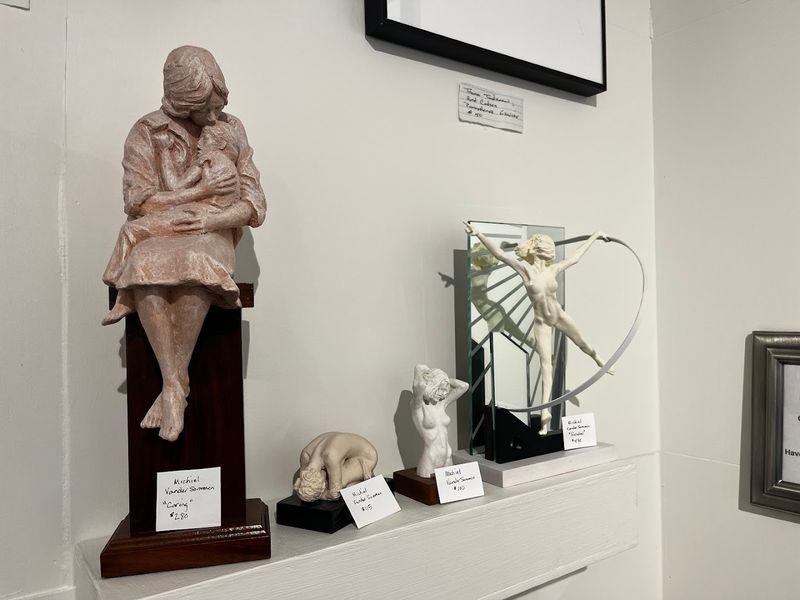
The sculptures at the Western North Carolina Sculpture Center did not arrive in shipping crates from distant galleries. Many were created right on the property by resident artists, visiting sculptors, and participants in the center’s various programs.
That origin story gives the collection a cohesion that purely curated parks sometimes lack.
The center supports artists working in a broad range of disciplines within sculpture, including metalwork, stone carving, wood sculpture, and mixed media. Some artists have deep roots in the Appalachian region, drawing on local materials, traditions, and landscapes to inform their work.
Others bring outside influences that create interesting contrasts when their pieces are placed alongside more regionally grounded work.
The result is a collection that feels genuinely diverse in style and approach without losing a sense of place. You can feel the mountains in much of the work, even when the subject matter is entirely abstract.
Materials sourced locally, textures borrowed from the forest floor, and forms that echo the surrounding ridgelines all contribute to that regional character.
Meeting an artist who teaches or works at the center during your visit is entirely possible, and those conversations tend to be some of the most memorable parts of a trip. The people here are as interesting as the art they create.
Best Times to Visit: Seasons and Hours
The center is open seven days a week from 9 AM to 7 PM, which is a generous schedule that makes it easy to fit into almost any travel itinerary. That daily availability is unusual for an arts organization and reflects a genuine commitment to public access rather than just occasional programming.
Spring and fall are the standout seasons for a visit. Spring brings wildflowers and fresh green growth that frame the sculptures in soft, colorful backgrounds.
Fall delivers the full Appalachian foliage show, with reds, oranges, and yellows turning the trail into a completely different visual experience than the summer version.
Summer visits work well too, especially for families with kids out of school. The forest canopy provides shade along much of the trail, keeping temperatures manageable even during warm months.
Morning visits in summer offer the coolest conditions and the best light for photography.
Winter is the quietest season but also has its own appeal. Bare trees reveal the full scope of the landscape and allow sculptures to stand out more dramatically against the sky.
Snow, when it falls in the foothills, transforms the grounds into something genuinely striking. Checking the weather before a winter visit is always a smart move given the mountain location.
Photography Opportunities: A Photographer’s Outdoor Studio
Few free outdoor destinations in North Carolina offer this much photographic variety in a single location. The combination of diverse sculpture styles, natural light filtering through forest canopy, and constantly changing backgrounds as the trail moves through different terrain creates conditions that serious photographers genuinely appreciate.
Abstract metal sculptures catch light differently at various times of day, making morning and late afternoon the most rewarding windows for dramatic shots. The golden hour before sunset turns polished metal surfaces into warm, glowing focal points against the darkening forest background, a combination that requires almost no editing to look spectacular.
Stone and wood pieces photograph well in overcast conditions, when soft diffused light brings out texture and detail without harsh shadows. Those cloudy Blue Ridge days that might seem disappointing for a hike actually produce some of the best conditions for capturing carved surfaces and rough-hewn forms.
The trail itself makes a compelling subject, especially in sections where sculptures appear to emerge from the woods at intervals, creating natural leading lines and depth. Bringing a wide-angle lens allows for environmental shots that capture both art and landscape together.
The center does not restrict photography, so visitors can shoot freely throughout the property without worrying about rules or restrictions.
Visiting With Kids: Why Families Love This Trail
Art museums can be a tough sell for kids, but the Western North Carolina Sculpture Center sidesteps that problem entirely by putting everything outside and making exploration the whole point. Children respond to this place differently than adults do, with less analysis and more pure physical excitement about what is around each corner.
The trail format suits kids naturally. There is room to move, things to look at from different angles, and enough variety in scale and style to hold attention for the full walk.
Some sculptures are large enough to feel genuinely monumental to a child, while others sit at eye level and invite close inspection.
The forested sections of the trail add an adventure element that keeps younger visitors engaged even between sculptures. Spotting wildlife, identifying trees, and navigating slightly uneven terrain all become part of the experience without requiring any structured activity planning from parents.
The free admission makes this an easy family outing without the cost pressure that comes with ticketed attractions. Packing a picnic to enjoy on the grounds after the trail is a natural extension of the visit, turning a couple of hours of art exploration into a full afternoon outdoors.
Kids who start skeptical usually finish asking when they can come back.
Planning Your Visit: Practical Tips and Final Thoughts
A few practical details make the difference between a smooth visit and a frustrating one. Wear comfortable walking shoes with good grip, since sections of the trail involve uneven ground and natural surfaces that can get slippery after rain.
The mountain foothills are prone to afternoon thunderstorms in summer, so an early start is a smart strategy during warm months.
Bringing water is essential, especially on longer visits. The trail can take two to three hours to walk thoroughly, and there is no concession stand on the grounds.
A small daypack with water, snacks, and a light layer for cooler forest sections covers all the basics.
The website at wncsculpture.org is the best place to check for upcoming events, including blacksmithing classes and any special demonstrations or programming. The schedule for the first-Saturday blacksmithing classes is consistent, but other events are added throughout the year and announced online.
Cell service can be spotty in parts of the property, so downloading directions before leaving your last town is a practical move. The address at 4612 Patterson School Dr, Lenoir, NC 28645 gets you to the right spot on most navigation apps.
This place earns every one of its five-star reviews, and the only real regret most visitors have is not coming sooner.
Share this story