 Unearth The Voyage
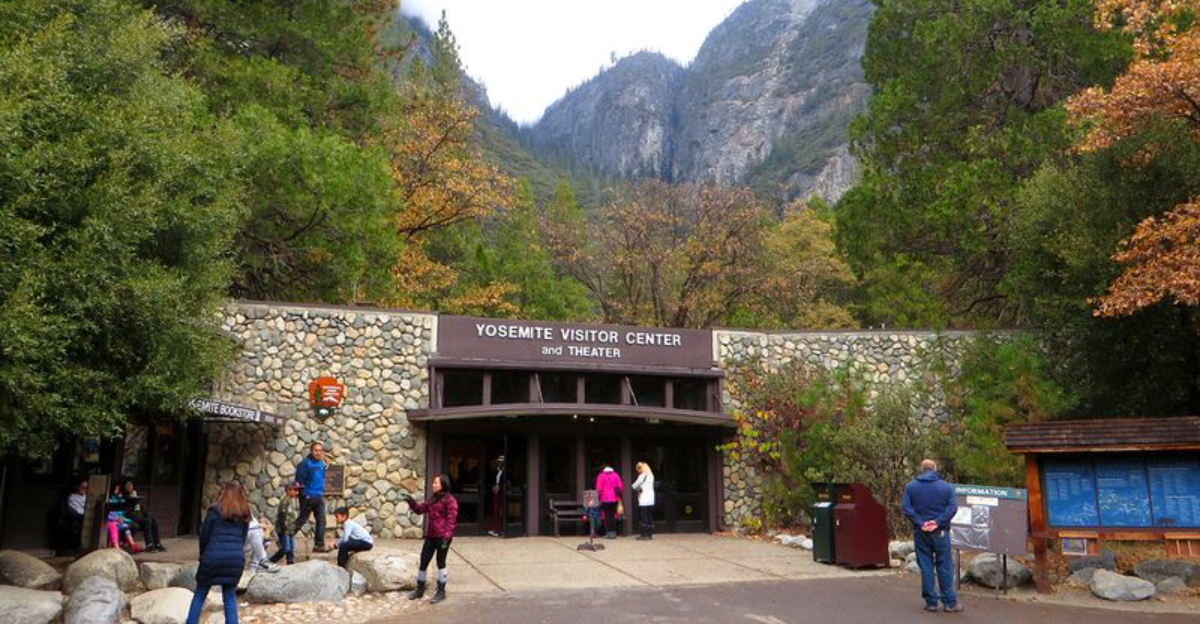
Big changes are coming to some of America’s most famous national parks, and you will want to plan ahead. Starting in 2026, many international visitors will pay more at the gate or choose a pricier annual pass. The move is meant to fund maintenance and improvements, but it could reshape how travelers budget and build their dream itineraries. Here is what to know now so you can make smart choices and still get the trip you want.
What’s Changing — New Fees for International Visitors

Beginning January 1, 2026, international visitors to 11 flagship U.S. national parks will pay a $100 per-person surcharge on top of standard entrance fees. If you are a non-resident planning multiple park visits, you can choose a new $250 annual pass instead of paying the per-park surcharge each time. For U.S. residents, the America the Beautiful annual pass remains $80, and standard entrance fees are unchanged.
The Interior Department says this policy keeps access affordable for Americans while asking foreign visitors to contribute their fair share. Officials frame it as a way to address funding gaps without raising costs for residents who already support parks through taxes. Media outlets like Travel + Leisure and CBS News report that the policy applies to the most visited parks that draw heavy international traffic.
In practice, the change means you will need to budget more for park-hopping trips or consider the annual pass if you are visiting several parks. Expect updated guidance on verification and payment flow before the policy launches. The bottom line is simple: factor in the surcharge early so your plans and timelines stay on track.
Which Parks Are Affected
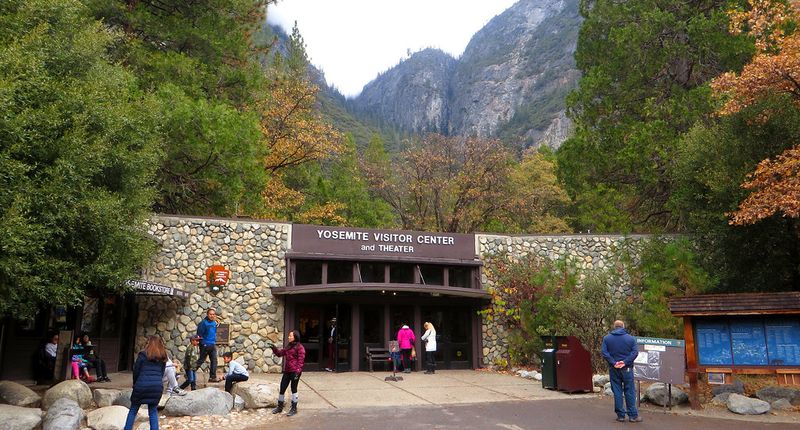
The surcharge targets 11 of the most visited national parks, focusing on the high-demand destinations that attract international travelers. Expect it at marquee sites like Yosemite National Park, Yellowstone National Park, Grand Canyon National Park, Zion National Park, and Glacier National Park. Reporting from Backpacker and Outlook Traveller notes that these parks anchor many overseas itineraries.
If your route chains together several icons, your total cost can rise fast. Popular combinations such as Grand Canyon to Zion to Bryce and onward to Yosemite are exactly the kinds of trips that could trigger multiple surcharges. Financial Express and CBS coverage emphasizes the flagship scope rather than applying it universally across the entire system.
To manage costs, consider mixing in lesser-known national parks, national monuments, or state parks. You can still capture epic scenery without stacking fees at every stop. Start by listing your must-sees, then add nearby alternatives that deliver similar experiences with lower overall expense.
Why the Change — Government’s Justification

The Interior Department frames the surcharge as an America-first pricing strategy. Since U.S. taxpayers fund park operations through federal budgets and taxes, officials argue non-resident visitors should shoulder a higher share. VisaHQ and CBS reporting explain that the policy is designed to channel new revenue without raising rates for residents.
Proponents say the money will help tackle maintenance backlogs, upgrade infrastructure, and support visitor services. The Adept Traveler notes that longstanding repair needs and high-use facilities require dependable funding streams. Supporters also point to digital passes and expanded perks as part of a broader modernization effort set for 2026.
Officials emphasize that residents keep access to lower-cost passes while the system captures more from heavy international demand. If you value smoother roads, safer overlooks, and better restrooms, the argument is that added fees help deliver them. Whether you agree or not, the stated goal is better upkeep without shifting more costs to U.S. residents.
What It Means for International Travelers
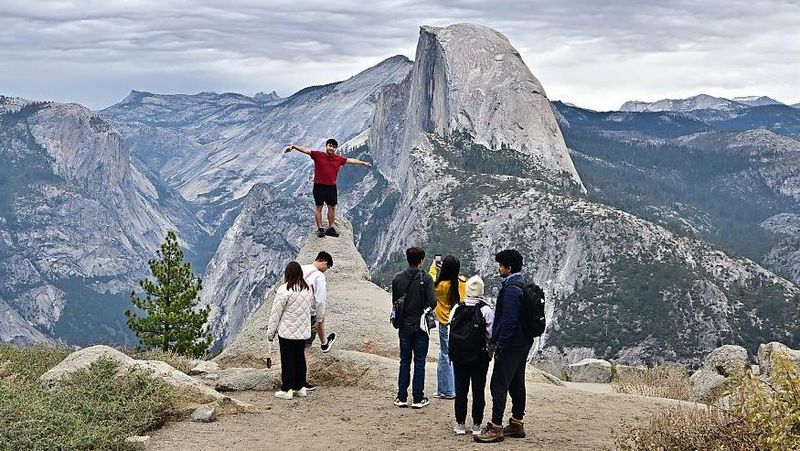
If you are flying in for a classic U.S. national parks road trip, the added $100 per-person per-park charge will change your math. A multi-park circuit could quickly surpass the $250 non-resident annual pass, making the pass the better value. The Adept Traveler and FOX 4 News highlight that group tours, backpackers, and budget travelers are most sensitive to these new costs.
You might trim your itinerary, swap in state parks, or extend time in one anchor park to reduce total surcharges. Some travelers could shift travel patterns away from the busiest parks at peak times. VisaHQ notes that fewer international visitors might ripple into gateway towns that count on foreign spending.
To keep your trip on track, compare the per-park path to the annual pass, and check whether your group’s park list pushes you past the breakeven point. Keep an eye on exchange rates, rental car costs, and lodging demand. With smart planning, you can still capture the highlights without overpaying.
Additional Changes & Resident-Only Perks
Alongside the surcharge, the pass system gets a digital refresh through Recreation.gov, making purchase and validation easier on your phone. For some users, coverage expands to include two motorcycles per pass, a small but meaningful win for riders. Backpacker and Travel Trade Journal point to these tweaks as part of the 2026 modernization.
Expect selected fee-free days reserved only for U.S. citizens and residents. TravelPress reporting indicates non-residents will pay normal fees plus applicable surcharges on those dates. If you are international, do not plan around fee-free calendars that no longer apply to you.
For residents, the $80 annual pass remains, and that stability can help families plan affordable weekend trips. For non-residents, the digital tools at least streamline logistics. Download confirmations, keep your ID handy, and be ready to verify eligibility at the gate.
Debate & Controversy: Pros and Cons
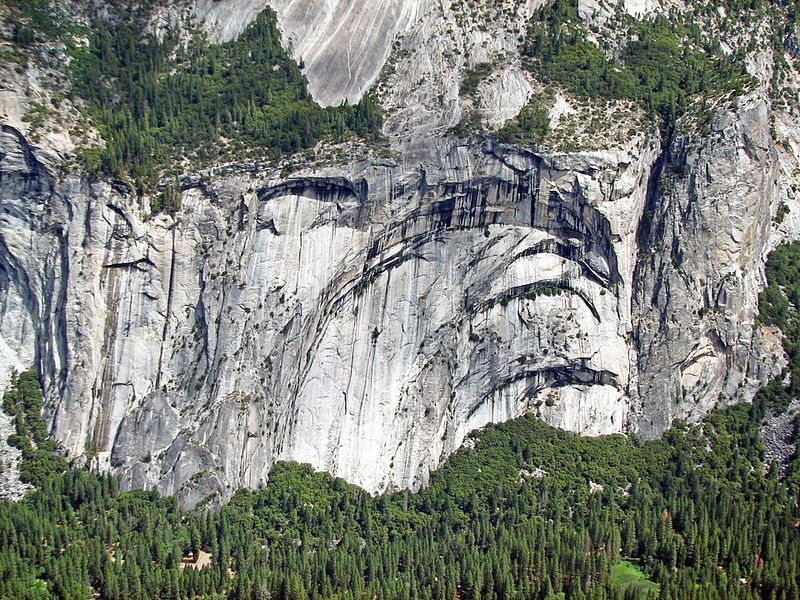
Supporters argue the surcharge is fair because U.S. taxpayers subsidize the park system. They see the extra revenue as crucial to maintain trails, roads, and restrooms at the most heavily visited parks. FOX 4 News and CBS News echo claims that this approach preserves affordability for residents while capturing funds from high-demand international traffic.
Critics warn of reduced foreign tourism that could hit gateway economies and hospitality jobs. VisaHQ and The Economic Times note concerns that higher prices might send travelers elsewhere or shorten stays. Some advocates also worry that the policy nudges parks toward exclusivity by price.
Operational questions remain around verifying residency at entrances and handling edge cases like long-term visa holders. Financial Express and ABC News flag the need for clear, consistent enforcement that avoids confusion or delays. Until those details are published, expect policy debates and industry lobbying to continue.
Advice for Travelers — What to Do Now

If you are visiting in 2026 or later as a non-resident, budget for $100 per park or run the numbers on the $250 annual pass. Map your exact park list and compare totals to find your breakeven. Consider substituting lesser-known parks or state parks to preserve your budget without sacrificing scenery.
Buy digital passes in advance and reserve lodging early since price shifts can change demand patterns. If your group mixes residents and non-residents, plan for different per-person costs. Keep a digital copy of your pass and be prepared to show ID for verification at entrances.
Monitor official updates on NPS and Recreation.gov for the final rules and any exceptions. If you are flexible, travel in shoulder seasons to ease pressure on availability and prices. With clear planning steps now, you can protect your wallet and still enjoy the landscapes on your list.



