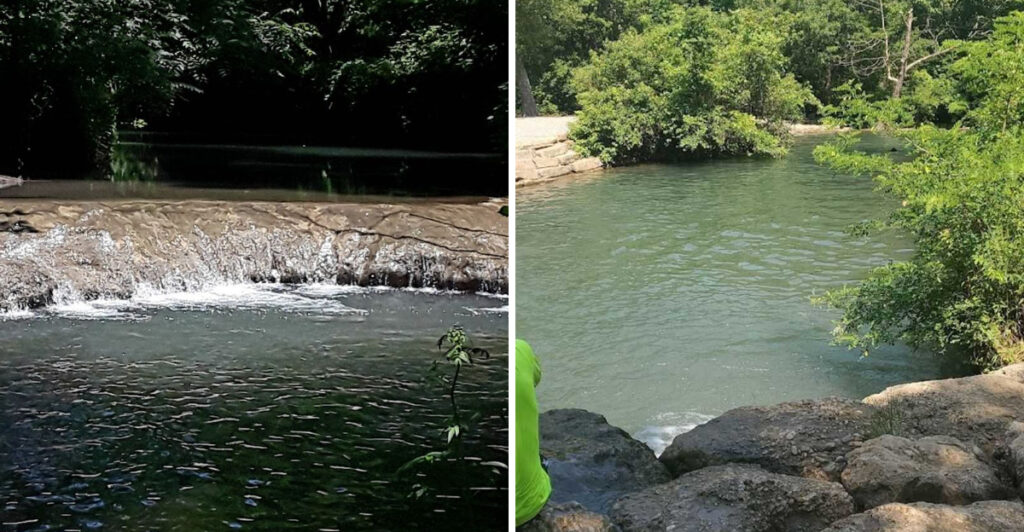
There is a creek in southern Oklahoma that runs so clear and blue it almost looks painted. The water tumbles over small limestone falls, pools into cool swimming holes, and moves through a landscape so green and lush that you start to wonder if you accidentally crossed into another state.
I had heard about this place from a friend who kept saying it was better than anything she had ever seen in the region, and after one visit, I completely understood why she would not stop talking about it. This is the kind of spot that makes you want to cancel your plans, spread out a towel on a flat rock, and stay until the sun goes down.
Where Travertine Creek Begins: Location and Setting
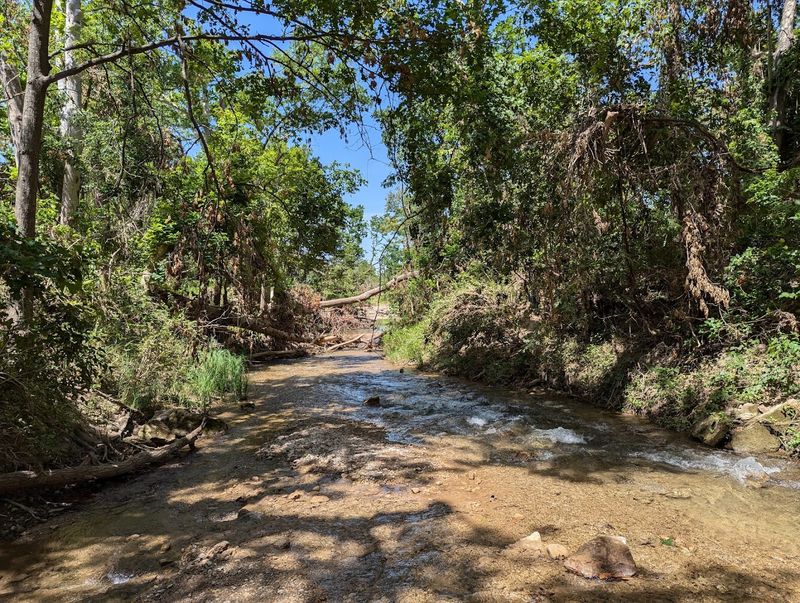
Travertine Creek runs through the heart of the Chickasaw National Recreation Area, located near Sulphur, Oklahoma 73086, in the Arbuckle Mountains region of south-central Oklahoma. The creek is one of the most visually striking natural waterways in the entire state, drawing visitors from across the region every warm-weather season.
The address most people use to reach the main access points is within the national recreation area boundaries, managed by the National Park Service. The drive into the area alone is worth the trip, with rolling hills, cedar trees, and open meadows greeting you before the water even comes into view.
Sulphur itself is a small town with a welcoming character, and the recreation area sits just at its edge, making it easy to combine a visit to the creek with a stop in town for food or supplies. The creek originates from natural freshwater springs, which is why the water stays so remarkably cold and clear even during the hottest summer months.
That spring-fed chill is honestly part of the charm.
The Water Itself: Color, Clarity, and Temperature
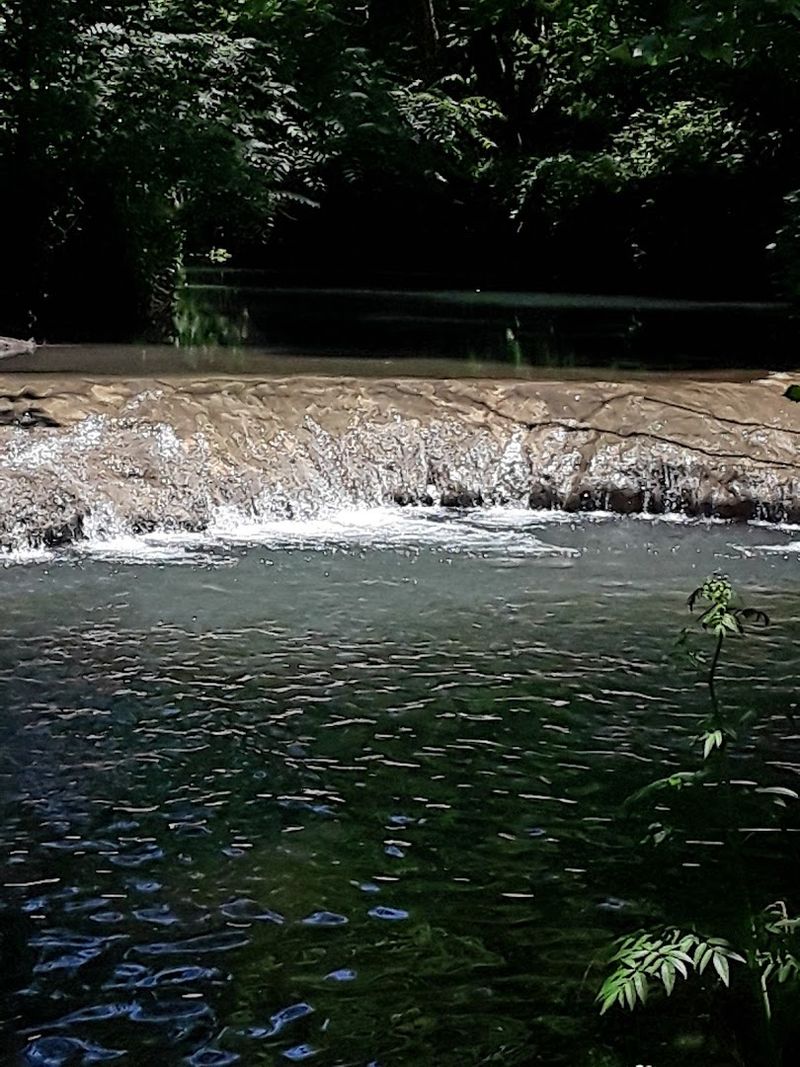
The first thing that stops you in your tracks when you reach Travertine Creek is the color of the water. It runs in shades of aquamarine and pale sapphire, so transparent that you can count the pebbles on the bottom from several feet above the surface.
This is not filtered or treated water; it is entirely natural, fed by cold freshwater springs that push up through the limestone bedrock.
The temperature of the creek hovers around 68 degrees Fahrenheit year-round, which means it feels refreshingly cold in summer and surprisingly mild in cooler months. On a hot Oklahoma afternoon, that first step into the water produces an immediate, involuntary gasp, followed quickly by pure relief.
The clarity of the water is genuinely rare for this part of the country. Most creeks in Oklahoma run brown or murky after rain, but Travertine stays clean and bright because its source is underground springs rather than surface runoff.
Watching sunlight hit the surface and scatter across the creek bed below is one of those simple, quietly beautiful moments that stays with you long after you leave.
Small Falls and Natural Pools: The Creek’s Best Features
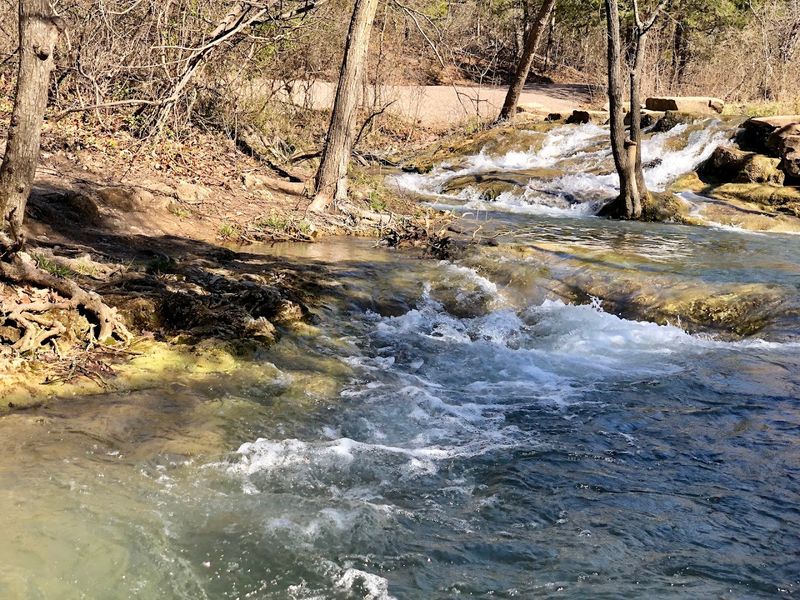
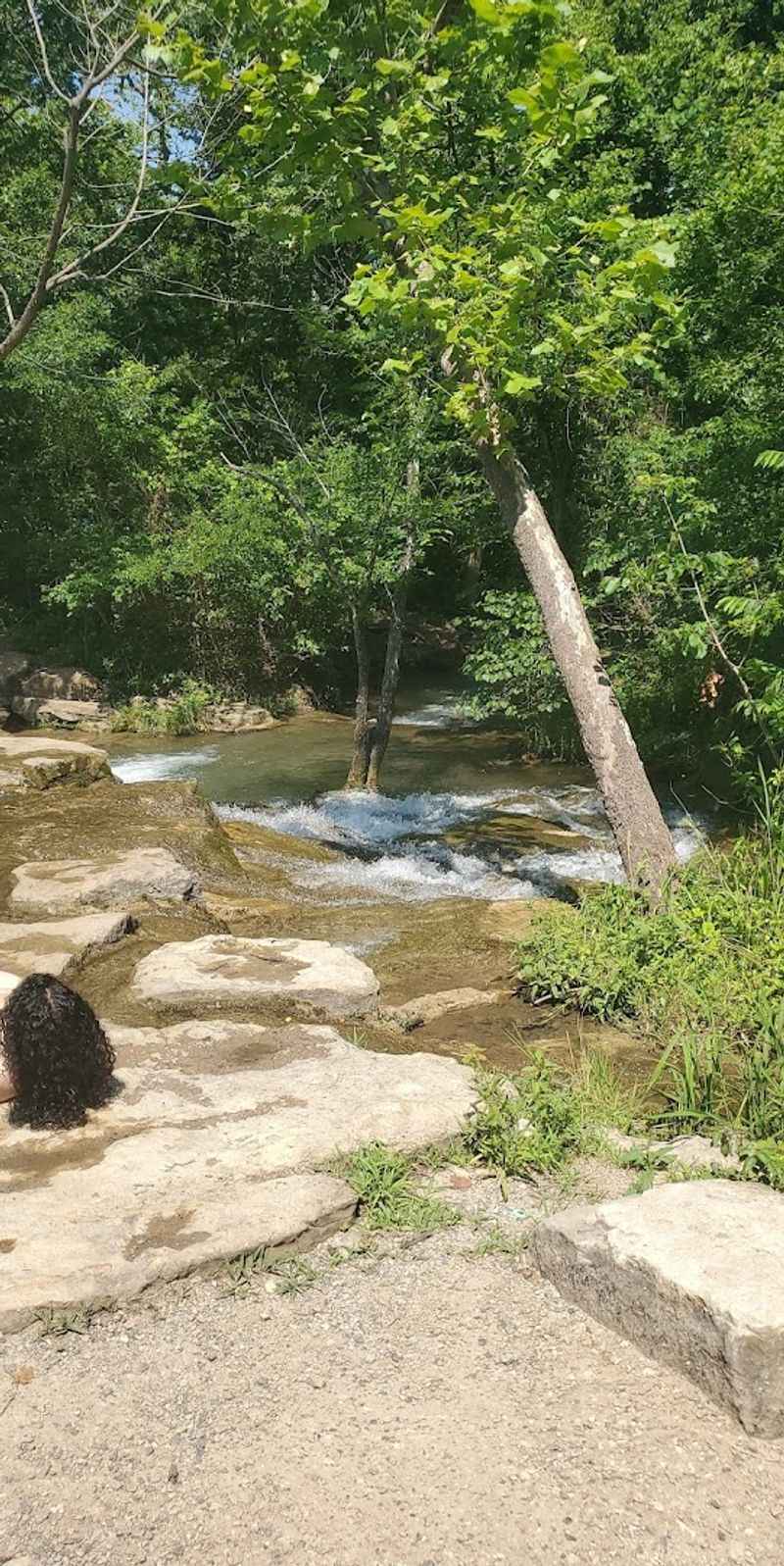
One of the most delightful surprises about Travertine Creek is that it is not just one long flat stretch of water. The creek drops over a series of small natural waterfalls, each one spilling into a cool, clear pool below.
These formations happen because of the travertine limestone the creek flows over, which gradually builds up ridges and ledges as minerals deposit over time.
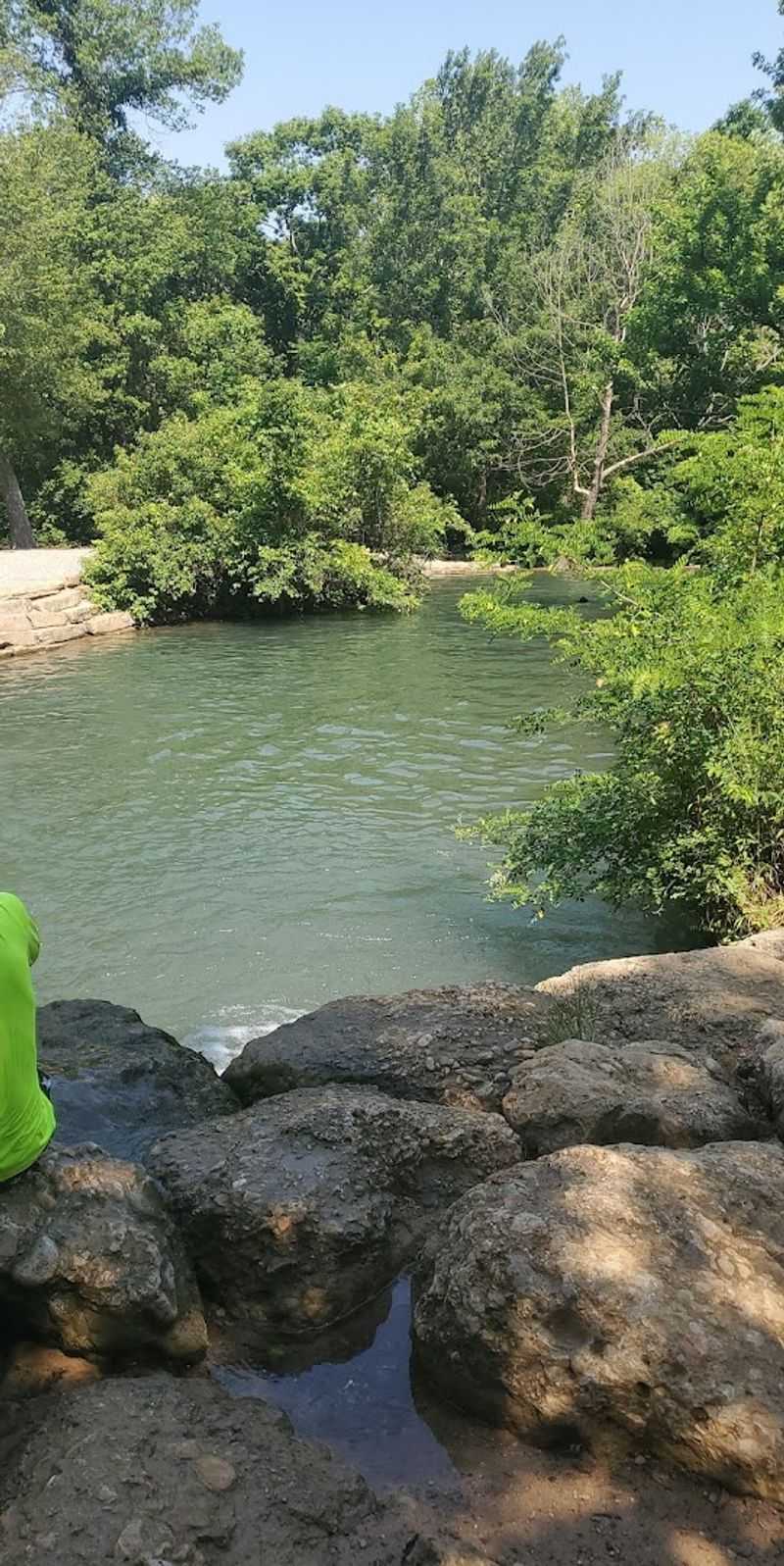
The falls range from just a few inches to a few feet in height, and each one creates its own little swimming spot with varying depths. Some pools are shallow enough for young children to splash around safely, while others run deep enough for older kids and adults to jump from the rocky edges above.
The most well-known of these formations is Little Niagara, a popular cascade that draws crowds on summer weekends. The name might sound oversized for what is a modest waterfall, but the experience of standing beside it, with cold water rushing past your ankles and mist touching your face, feels entirely worth the hype.
The series of falls gives the whole creek a playful, stair-step personality that keeps you exploring further downstream.
Swimming and Wading: What to Expect in the Water
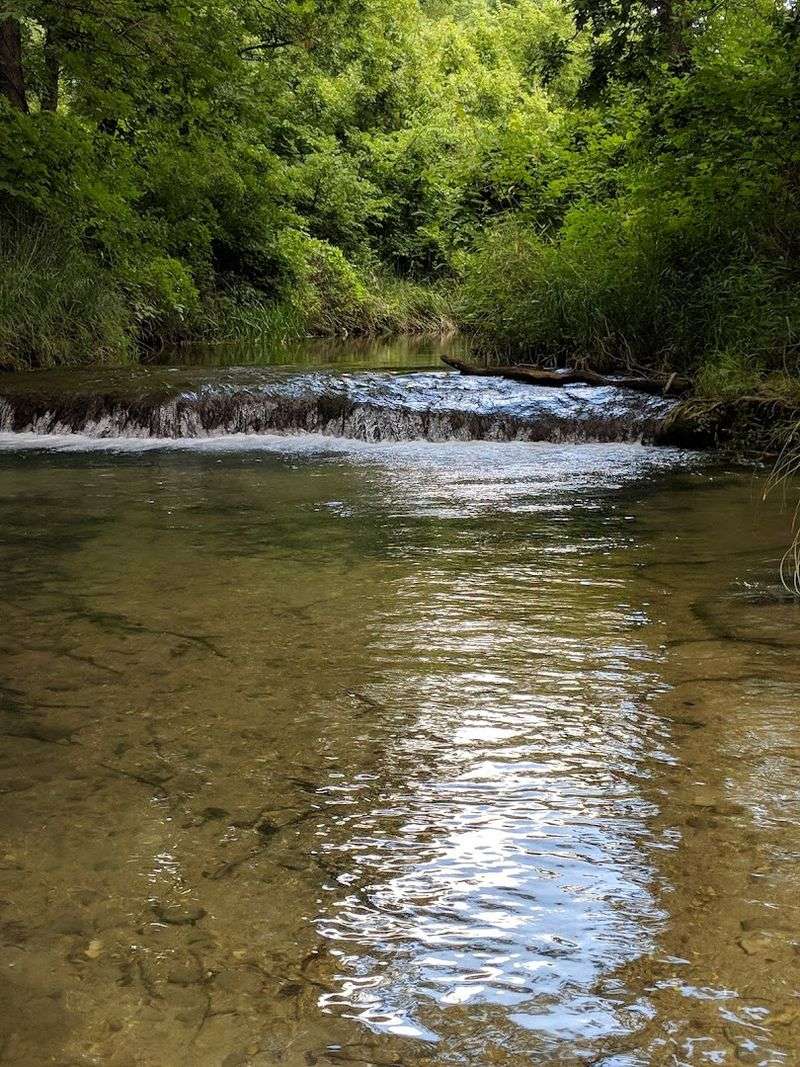
Getting into Travertine Creek is a full-body experience that most people cannot resist once they see the water. The creek offers spots for every comfort level, from ankle-deep riffles where toddlers can splash without worry, to deeper channels where stronger swimmers can really move around.
The variety of depths along the creek makes it genuinely welcoming for mixed groups of all ages.
Life vests are strongly encouraged for the deeper sections, especially for children and less confident swimmers. The current is generally gentle, but the cold temperature and uneven rocky bottom mean it pays to be cautious and prepared.
Wearing water shoes is also a smart move, since the limestone creek bed can be slippery in places.
One thing worth knowing before your visit is that broken glass has been reported in some areas near the banks, so checking the ground before removing footwear is a good habit. Most of the creek itself is clean and beautiful, and the National Park Service works to maintain it, but bringing your own trash bags and leaving no trace goes a long way toward keeping this place as lovely as it currently is for everyone who follows.
Hiking the Trails: Exploring Beyond the Creek Banks
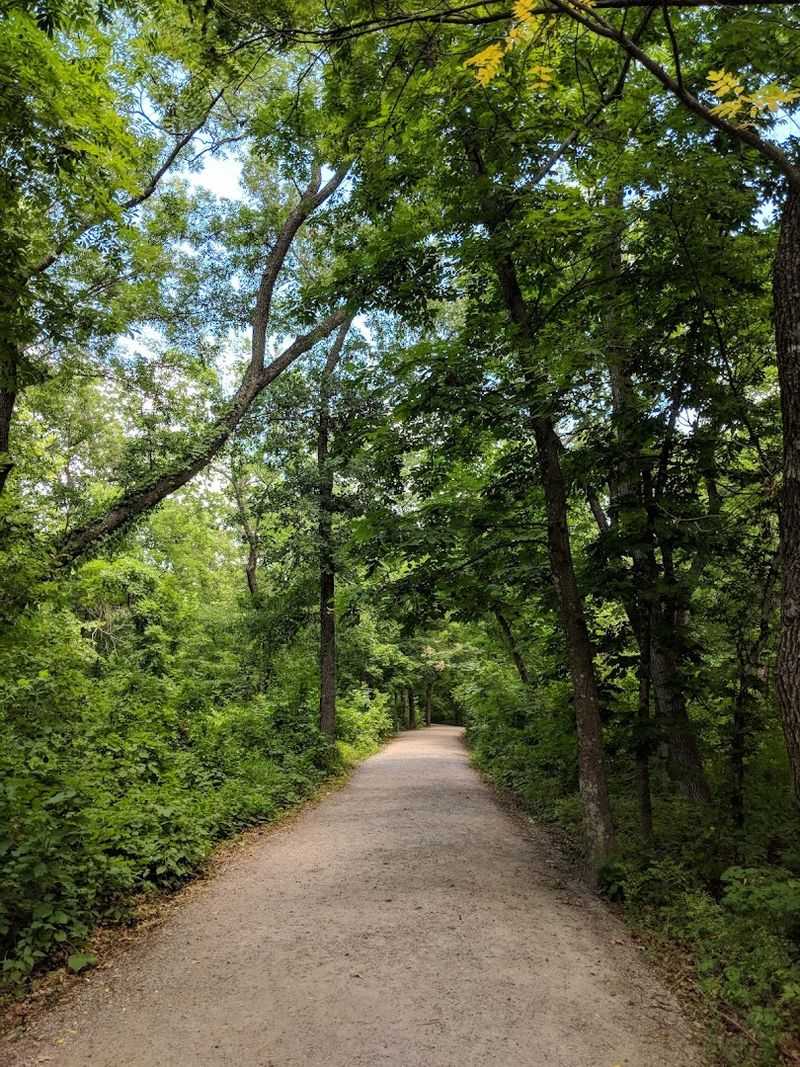
The Chickasaw National Recreation Area has a solid network of trails that wind alongside and away from Travertine Creek, giving hikers a chance to see the landscape from different angles. The Travertine Nature Center Trail and the surrounding paths total several miles of walkable terrain, ranging from easy flat sections to slightly more rugged stretches that require a bit of footing awareness.
The trails pass through a mix of cedar, oak, and hickory forest, with the creek appearing and disappearing through the trees as you walk. In spring and early summer, wildflowers dot the trailsides, and the sound of water is almost always present somewhere nearby, which makes the whole hike feel more alive than a typical dry-land walk.
Birdwatchers tend to love this area, as the combination of water, forest, and open meadow attracts a wide variety of species throughout the year. The trails are well-marked and maintained, so getting turned around is unlikely even for first-time visitors.
For anyone who wants more than just a swim, the hiking here adds a completely different layer to the visit, and the two activities pair together naturally into a full, satisfying day outdoors.
Bringing Pets: A Creek That Welcomes Four-Legged Visitors
One of the genuinely appealing aspects of Travertine Creek is that leashed pets are welcome along the banks and in the water. For dog owners, this is a bigger deal than it might sound, since many popular swimming spots in Oklahoma either prohibit pets entirely or restrict them to specific zones far from the main attractions.
Dogs tend to go absolutely wild for this creek, and honestly, watching a happy dog bound into that cold, clear water is one of the more joyful things you can witness on a warm afternoon. The shallow sections near the banks give smaller or older dogs a safe place to wade without the pressure of deeper currents.
If you plan to bring a pet, a leash is required at all times within the recreation area. Bringing fresh water for your dog is also a good idea, even though the creek water looks inviting, since natural water sources can carry organisms that affect animals differently than humans.
A towel for the ride home is equally useful, unless you enjoy driving with a damp, enthusiastic dog shaking creek water across your back seat. Most visitors find the pet-friendly atmosphere adds a warm, relaxed energy to the whole experience.
Camping Nearby: Staying Overnight in the Recreation Area
The Chickasaw National Recreation Area offers several campground options for visitors who want to extend their stay beyond a single afternoon. Rock Creek Campground and Central Campground are two of the most popular options, both offering spots with electrical hookups as well as tent-only sites for those who prefer a simpler setup.
Staying overnight changes the entire tone of a visit to Travertine Creek. The morning hours, before the day crowds arrive, offer a completely different atmosphere at the water.
The light comes through the trees at low angles, the air is still cool, and the creek surface reflects the surrounding forest in a way that feels almost too perfect to be real.
Reservations through Recreation.gov are recommended during peak summer months, as the campgrounds fill up quickly on weekends between June and August. The facilities are well-maintained, with restrooms, picnic tables, and fire rings at most sites.
Evening campfires near the sound of running water in the background make for a deeply satisfying end to a day spent outdoors. For families especially, the combination of swimming, hiking, and camping here tends to produce the kind of trip that gets talked about for years afterward.
Best Time to Visit: Seasons and Crowds at the Creek
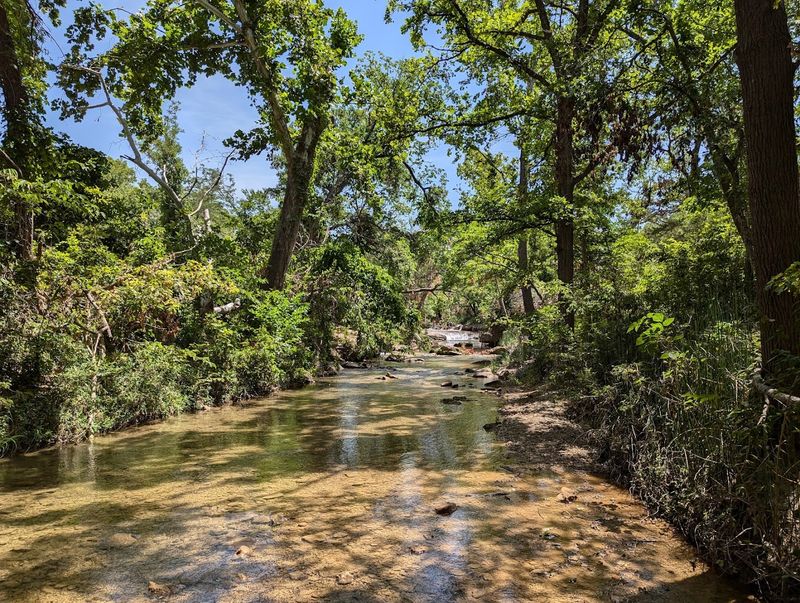
Summer is undeniably the most popular season at Travertine Creek, and for good reason. The combination of hot Oklahoma weather and cold spring-fed water creates conditions that feel almost custom-designed for swimming.
However, peak summer weekends bring significant crowds, particularly around Little Niagara and the most accessible pool areas.
The creek is at its most crowded on Saturday and Sunday afternoons in July and August, when parking can fill up and the banks become packed with families, groups, and day-trippers from Oklahoma City and Dallas. Arriving early in the morning or visiting on a weekday makes a noticeable difference in how peaceful the experience feels.
Late spring, particularly May and early June, offers a sweet spot where the weather is warm enough for swimming, the surrounding vegetation is at its most vivid green, and the visitor numbers have not yet hit their summer peak. Fall visits have their own appeal, with cooler air, changing leaf colors, and a much quieter atmosphere along the trails and water.
The creek runs year-round, and even a winter walk along its banks offers a striking visual experience, though most people understandably save the swimming for warmer months.
The Surrounding Landscape: What Makes This Place Look Different
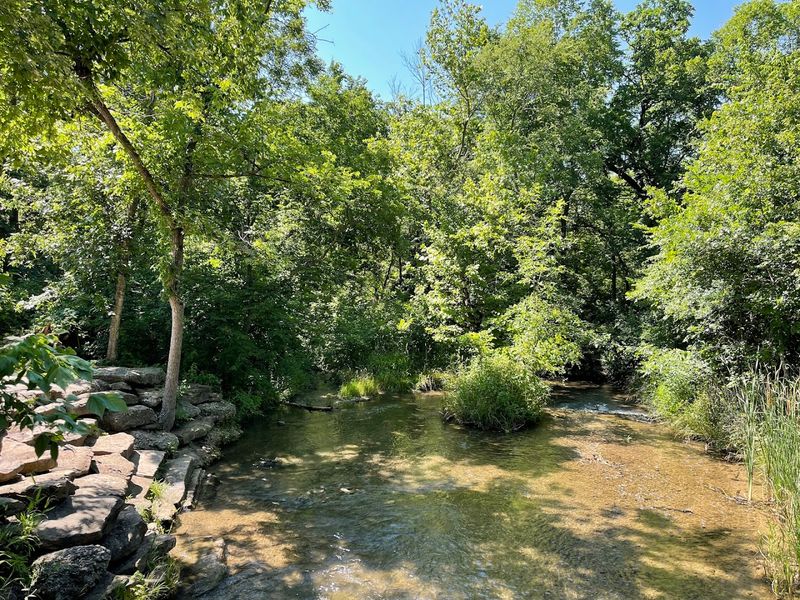
Southern Oklahoma does not always get the credit it deserves for its natural beauty, and Travertine Creek sits in a part of the state that consistently surprises first-time visitors. The Arbuckle Mountains, while modest in elevation compared to ranges further west, create a textured, layered landscape of exposed limestone, cedar-covered ridges, and spring-fed valleys that feels distinctly different from the flat prairie most people associate with Oklahoma.
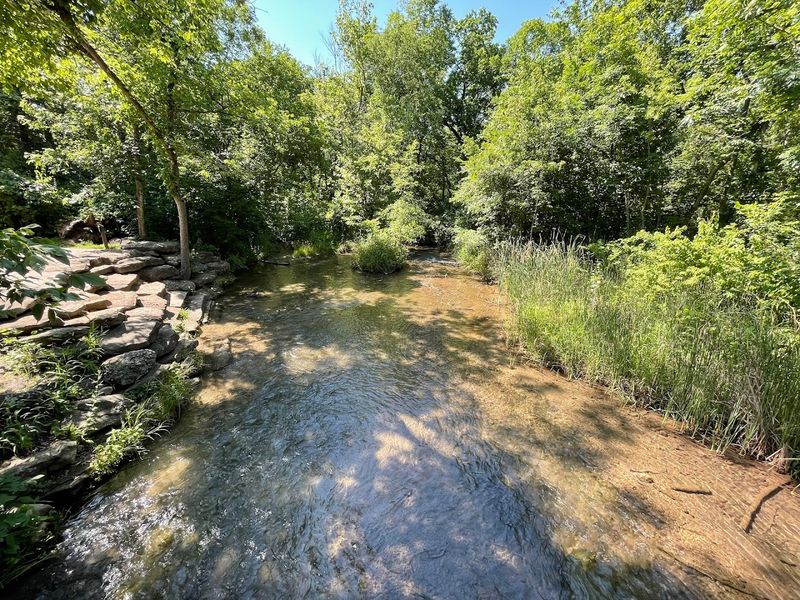
The creek itself winds through a narrow corridor of dense vegetation, with sycamore, cottonwood, and willow trees leaning over the water from both banks. The canopy filters the sunlight into shifting green and gold patterns across the surface of the creek, especially during the late morning hours when the sun is at a useful angle.
The contrast between the bright blue water and the deep green of the surrounding trees is visually striking in a way that photographs struggle to fully capture. The limestone formations along the banks, some of them draped in moss and fern, add a texture and color that makes the whole scene feel more like a painted backdrop than an actual place you can walk through and touch.
The landscape here earns its reputation honestly.
Practical Tips: How to Make the Most of Your Visit
A few practical details can make a significant difference in how smoothly a visit to Travertine Creek goes. The Chickasaw National Recreation Area charges an entrance fee, which is typically around five dollars per vehicle, though America the Beautiful annual passes are accepted and cover the cost for frequent national park visitors.
The fee is genuinely worth it, and many visitors feel it is a better value than comparable paid attractions in the region.
Water shoes or sandals with straps are strongly recommended, as the creek bottom is rocky and uneven in many sections. Bringing your own snacks and a cooler is a good strategy, since food options inside the recreation area are limited.
Sunscreen, plenty of drinking water, and a dry change of clothes round out the essentials for a comfortable day.
Cell service can be spotty inside the park, so downloading offline maps or printing directions ahead of time is a smart move. The park has restroom facilities near the main swimming areas, which are clean and regularly maintained during peak season.
Trash receptacles are available throughout, and the Leave No Trace principle is taken seriously here by both staff and most visitors, which is a big part of why the creek stays as beautiful as it does.
Share this story