 Unearth The Voyage
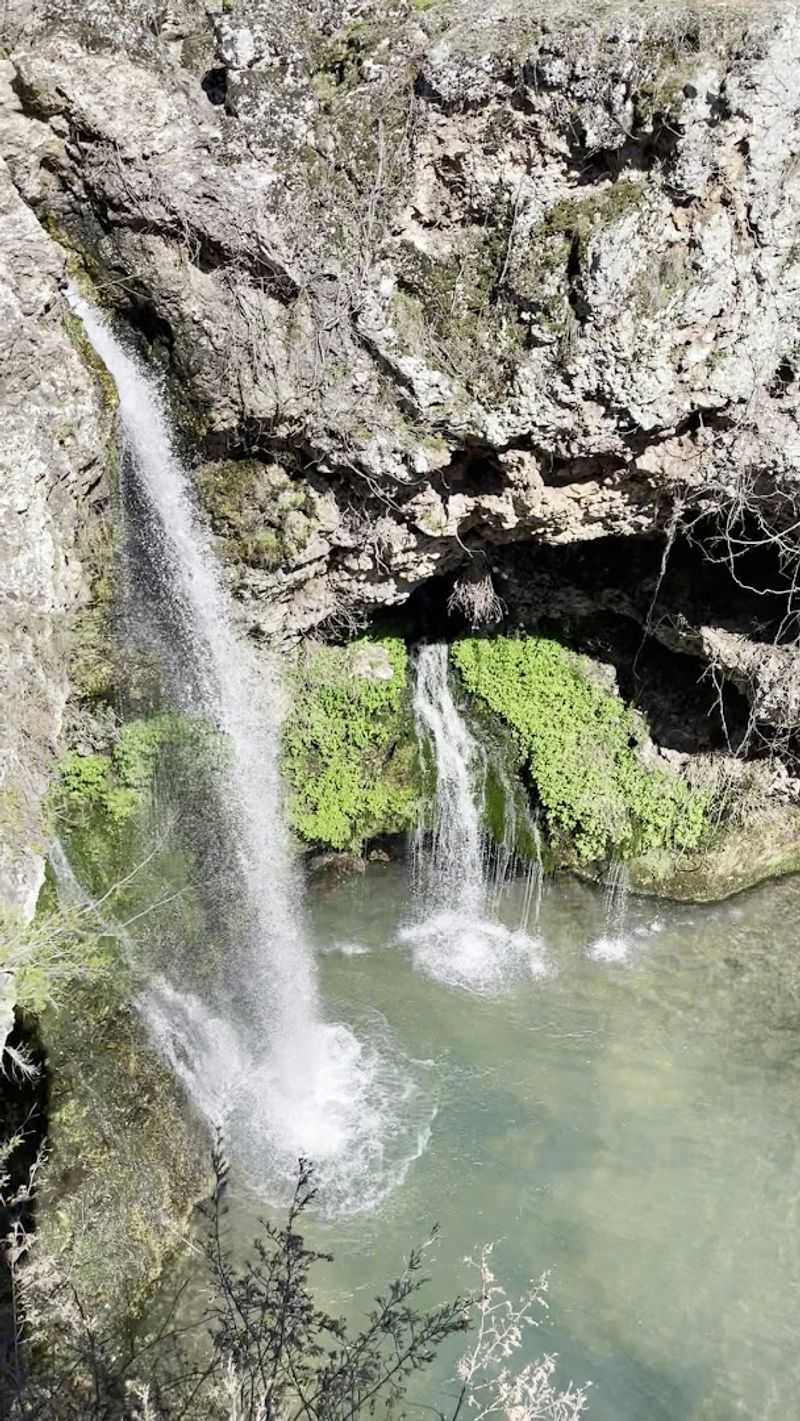
Tucked into the northeastern corner of Oklahoma, a towering cascade drops 77 feet into a moss-covered canyon, and getting there requires nothing more than a short stroll from the parking lot. The waterfall flows year-round, fed by natural springs that keep the rock faces glistening even during dry spells.
Families, photographers, and hikers flock to this spot for its accessibility and striking beauty, proving you don’t need to trek for miles to witness something truly spectacular. Whether you visit after a heavy rain when the falls roar with power or during a quieter season when the water trickles gently, the scenery never disappoints.
The Main Attraction and How to Reach It
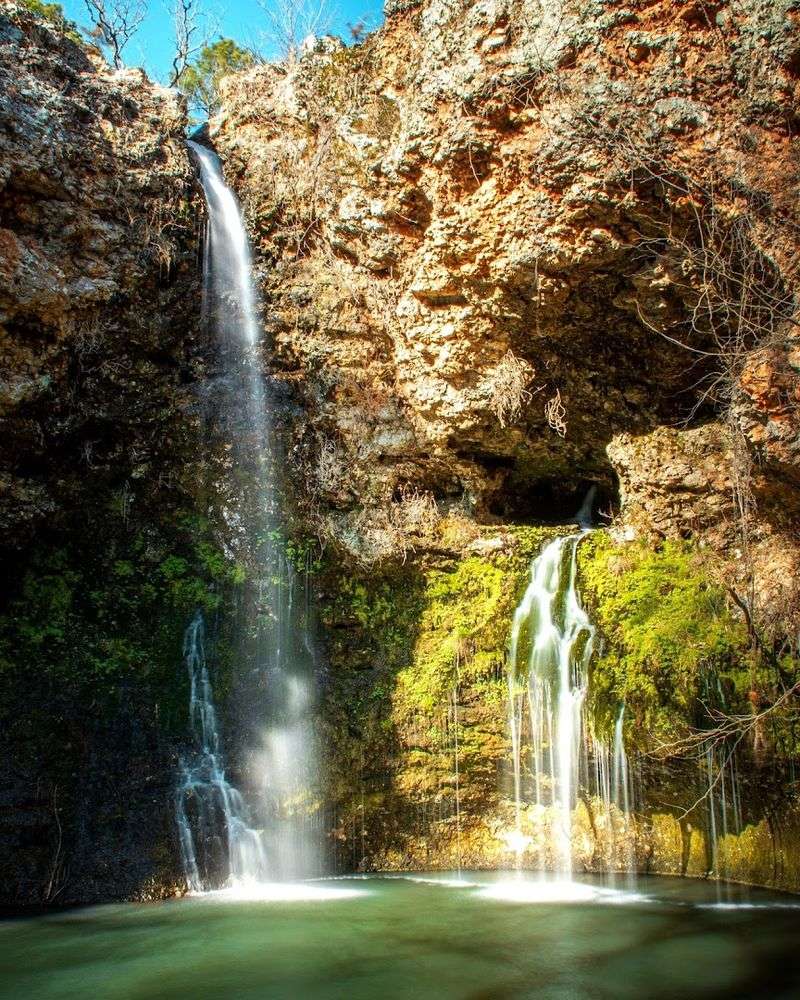
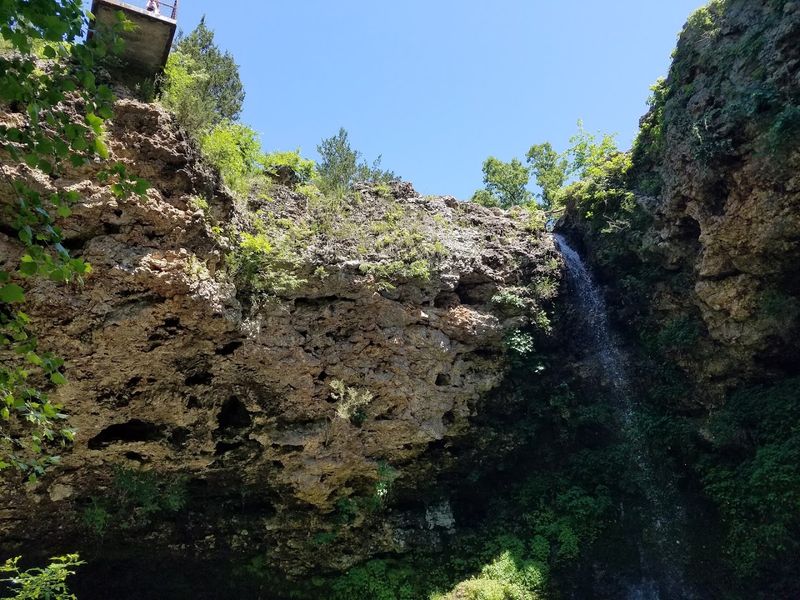
Natural Falls State Park sits at 19225 E 578 Rd, Colcord, Oklahoma, just a few miles from the Arkansas border. The park centers around its namesake waterfall, which plunges 77 feet over a limestone ledge into a serene pool below.
The main viewing platform is reached via a paved path from the parking area, making it one of the most accessible waterfalls in the region. The trail involves a series of stairs, so it’s not wheelchair-friendly, but most visitors find the descent manageable.
Parking costs ten dollars per vehicle, and that pass grants you access to the entire park for the day. The visitor center near the entrance provides maps, trail information, and friendly staff who can point you toward the best vantage points depending on current water levels.
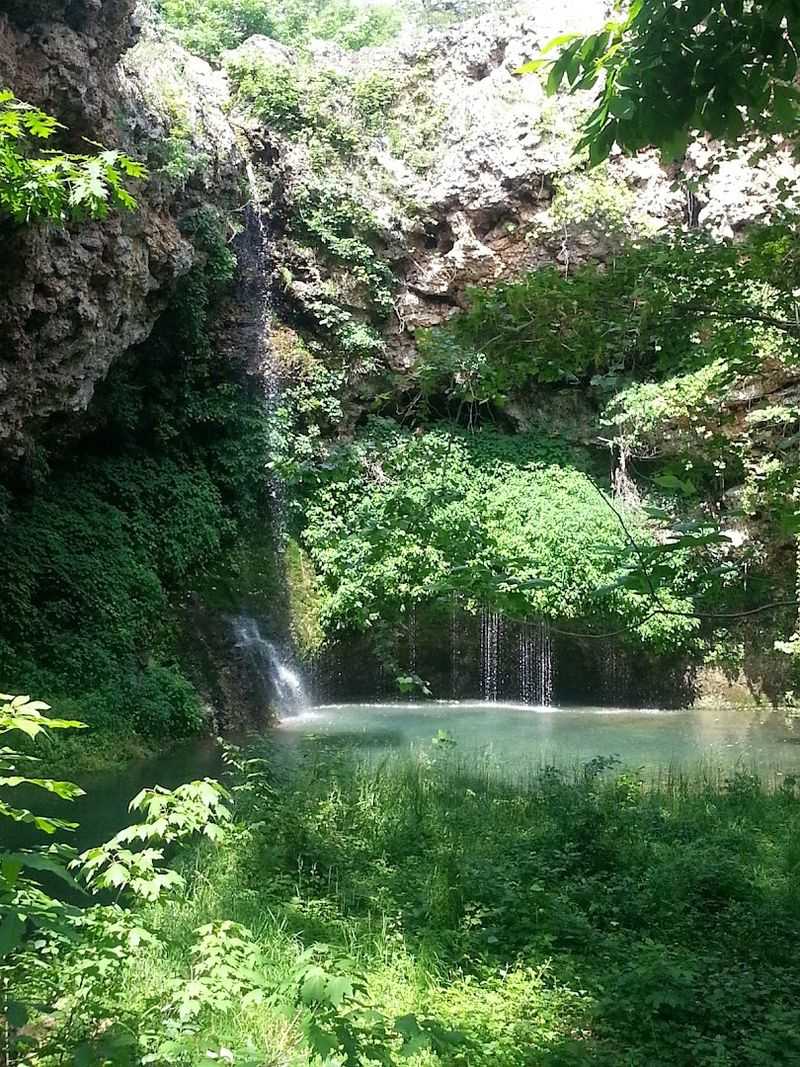
The falls themselves are framed by towering trees and moss-draped rock walls, creating a natural amphitheater that feels worlds away from the highway just minutes behind you. The sound of rushing water fills the air, and the cool mist offers relief on hot summer days.
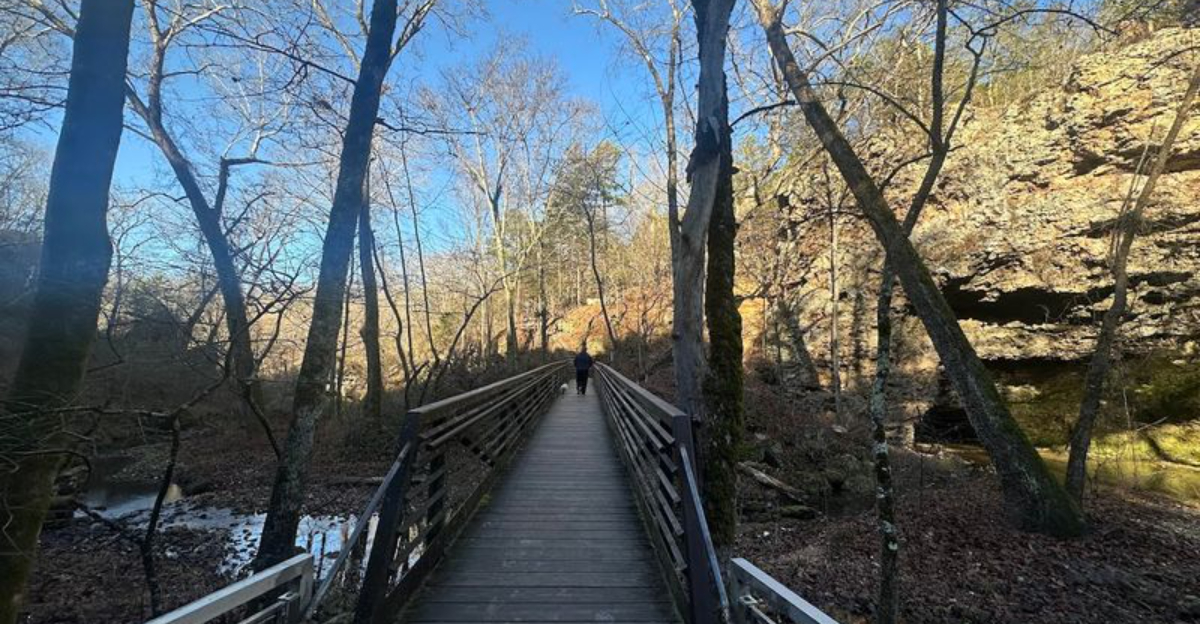
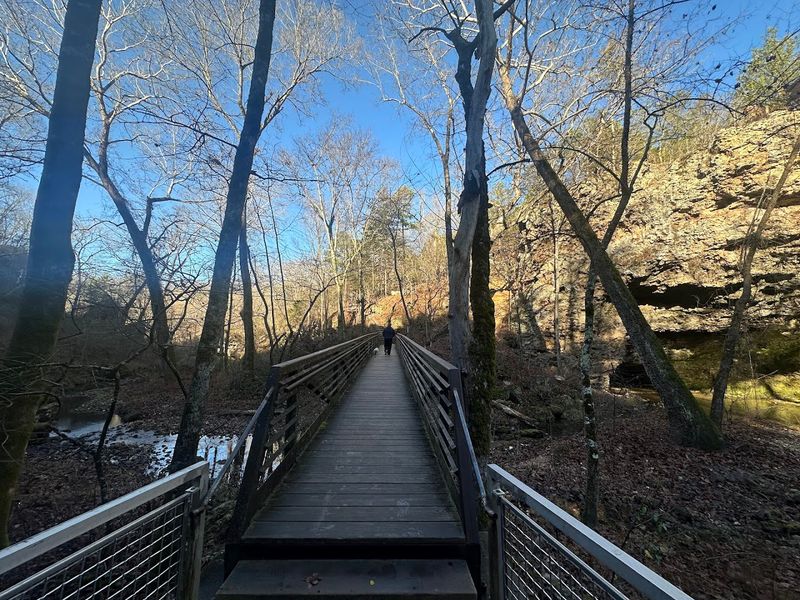
Multiple observation decks allow you to view the cascade from different angles, including a footbridge that stretches directly over the gorge. Each perspective reveals new details in the layered rock and the way sunlight filters through the canopy above.
Trail Options Beyond the Main Falls
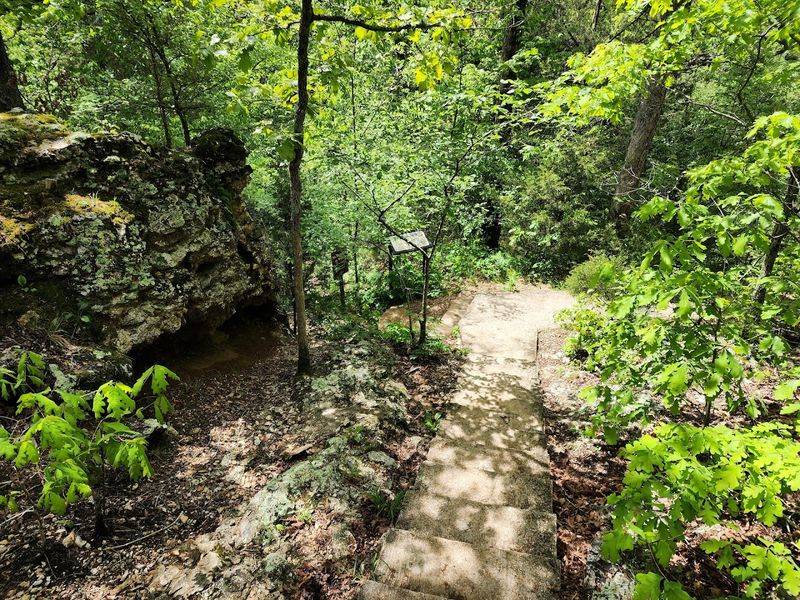
While the paved route to the waterfall is the most popular, several other trails branch out through the surrounding woodland. The Dripping Springs Trail takes you along the canyon rim and down to smaller cascades that trickle over mossy boulders.
Hikers describe this path as moderately easy, though it involves some uneven footing and exposed roots. The springs themselves are a highlight, especially after rainfall when water seeps through cracks in the limestone and creates delicate curtains of droplets.
The Bear Trail offers a more vigorous workout, climbing steeply back toward the parking area over loose rocks and dirt switchbacks. It’s short but challenging, particularly during the heat of the day, so good footwear is essential.
A loop around the spillway and pond extends your visit if you want to explore beyond the main falls. The terrain varies from packed dirt to gravel, and the shade from the canopy keeps temperatures comfortable even in summer.
Trail markers could be clearer in some sections, and a few visitors have found themselves on unintended detours, so carrying a map from the visitor center is a smart move. The total network of trails can be covered in a couple of hours if you walk at a steady pace, or you can linger at scenic spots and stretch the experience into half a day.
Camping and Overnight Accommodations
The campground at Natural Falls offers a range of options, from full-hookup RV sites to primitive tent spots tucked into the trees. The RV pads are level and easy to navigate, with many pull-through spaces that accommodate larger rigs.
Full-hookup sites include water, electric, and a black tank connection, while other spots provide water and electric only. Some sites offer 50-amp service, though not all, so checking availability in advance is wise if you need higher power.
The comfort house, though older, is kept spotless, with private toilet and shower combos that offer more privacy than typical communal facilities. Each stall is cleaned regularly, and the building feels well-maintained despite its age.
For those seeking a different experience, the park also rents yurts perched on a hillside above the falls. These circular canvas structures come equipped with bunk beds, a mini fridge, a microwave, and climate control, blending the outdoors with a few modern comforts.
Guests staying in the yurts use a provided golf cart to shuttle gear from the parking area, since personal vehicles aren’t allowed on the narrow paths leading to the units. The yurts lack running water, so plan accordingly, but the setting is peaceful and the proximity to the falls makes waking up to the sound of rushing water an unforgettable touch.
Best Times to Visit for Waterfall Flow
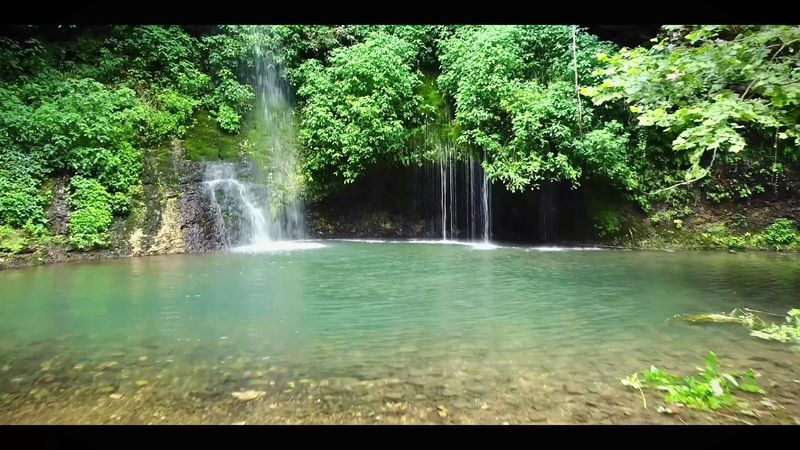
The volume of water tumbling over the falls varies throughout the year, with the most dramatic displays following periods of heavy rain. An inch or two of precipitation can transform the cascade from a gentle trickle into a thundering curtain of whitewater.
Spring and early summer typically bring the highest flow, as snowmelt from upstream and seasonal storms keep the springs well-fed. Late summer and fall can see reduced volume, though the falls never completely dry up thanks to the underground springs that feed them year-round.
Even during drier months, the falls remain picturesque, and the reduced flow reveals more of the layered limestone behind the water. Photographers often prefer these quieter times for capturing the intricate textures of the rock face.
Early morning visits offer the softest light and the fewest crowds, especially on weekends when families and day-trippers fill the trails. The park opens at dawn, and arriving at that hour means you might have the viewing platforms to yourself.
October brings cooler weather and the start of fall color, making it a popular time for hiking without the oppressive heat of summer. The trees surrounding the falls shift to shades of gold and orange, adding an extra layer of beauty to the already striking scenery, and the temperature hovers in a comfortable range for outdoor activity.
Family-Friendly Features and Playground
Families find plenty to enjoy beyond the waterfall itself, with a well-maintained playground near the day-use area that keeps younger children entertained. The equipment is modern and safe, set on a cushioned surface with plenty of shade from surrounding trees.
Picnic tables and grills are scattered throughout the park, making it easy to pack a lunch and spend the afternoon without leaving the grounds. Open fields offer space for frisbee, catch, or just running around, and the relaxed atmosphere encourages families to settle in for hours.
The park also features a disc golf course that winds through the woods, providing an activity for older kids and adults. The course is free to use, though you’ll need to bring your own discs.
A catch-and-release fishing pond sits just past the main falls area, stocked with bass and bluegill. Fishing is allowed without a license within the park boundaries, making it an easy way to introduce children to the sport without the usual regulations.
The short, paved trail to the falls is manageable for most ages, though parents with strollers might find the stairs challenging. Benches are placed along the route, offering rest spots for those who need them, and the overall accessibility makes it a practical choice for multi-generational outings where fitness levels vary.
Wildlife and Natural Surroundings
The forested landscape around the falls supports a variety of wildlife, from white-tailed deer that browse in the early morning to owls that roost in the taller trees. Visitors occasionally spot raccoons, opossums, and the odd armadillo along the trails.
The canyon itself is home to salamanders and frogs that thrive in the damp environment near the springs. The constant moisture from the falls keeps the rocks slick with moss and algae, creating a micro-ecosystem that’s distinct from the drier upland areas.
Birdwatchers appreciate the mix of woodland species, including woodpeckers, cardinals, and various warblers that migrate through in spring and fall. The dense canopy and understory provide ample cover, so binoculars and patience are helpful for spotting more elusive species.
The vegetation shifts as you move from the rim of the canyon down to the base of the falls, with ferns and shade-loving plants thriving in the cooler, moister conditions near the water. Wildflowers bloom in scattered patches during spring, adding splashes of color to the green backdrop.
The park’s natural setting feels surprisingly remote despite its proximity to roads and towns, and the sound of the falls masks most outside noise. It’s a reminder that Oklahoma holds pockets of wild beauty that rival landscapes in more famous outdoor destinations.
Visitor Center and Park Amenities
The visitor center near the entrance serves as the starting point for most trips, offering maps, trail updates, and a small selection of souvenirs. The staff members are knowledgeable and enthusiastic, often highlighting lesser-known spots based on your interests and fitness level.
The center stocks firewood for campers at a dollar per stick, along with bags of ice and other basics. It’s not a full camp store, but it covers the essentials if you forget something minor.
Passport stamps are available for those collecting state park mementos, and stickers are handed out freely to kids. The staff takes pride in making visitors feel welcome, and their recommendations are generally spot-on for finding the best views or avoiding crowded times.
Restrooms at the center are clean and well-stocked, a theme that continues throughout the park. The attention to cleanliness extends to the trails as well, where litter is minimal and the grounds are clearly cared for.
Educational displays inside the center provide context about the geology of the falls and the history of the area, though the exhibits are modest. Most people breeze through on their way to the trails, but it’s worth a quick stop to get oriented and ask any questions before heading out into the park.
Photography Opportunities and Lighting
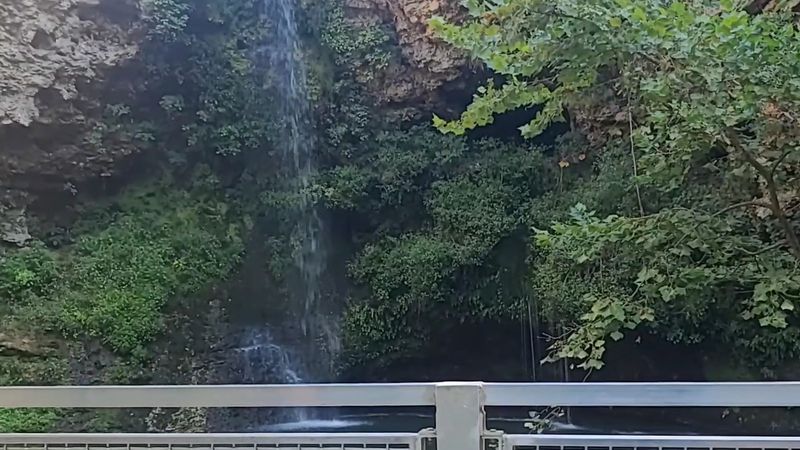
Photographers are drawn to the falls for their dramatic vertical drop and the way light filters through the trees at different times of day. The canyon’s orientation means direct sunlight reaches the waterfall during midday in summer, creating bright highlights and deep shadows.
For softer, more even lighting, early morning or late afternoon works best, though the canyon darkens earlier than the surrounding landscape. Planning your shoot 30 to 60 minutes before sunset accounts for the reduced light at the base of the falls.
The footbridge offers a unique vantage point directly over the gorge, allowing for compositions that include both the top of the falls and the pool below. A wide-angle lens captures the full height and context, while a telephoto can isolate details in the flowing water.
Long exposures smooth the water into a silky blur, a popular effect that requires a tripod and neutral density filter during brighter hours. The mist near the falls can settle on your lens, so a microfiber cloth is a must-have in your bag.
The park has been the backdrop for surprise proposals and portrait sessions, with the falls providing a naturally stunning setting that requires little additional styling. Just be mindful of other visitors when setting up, as the viewing areas can get crowded on weekends.
Nearby Attractions and Day Trip Options
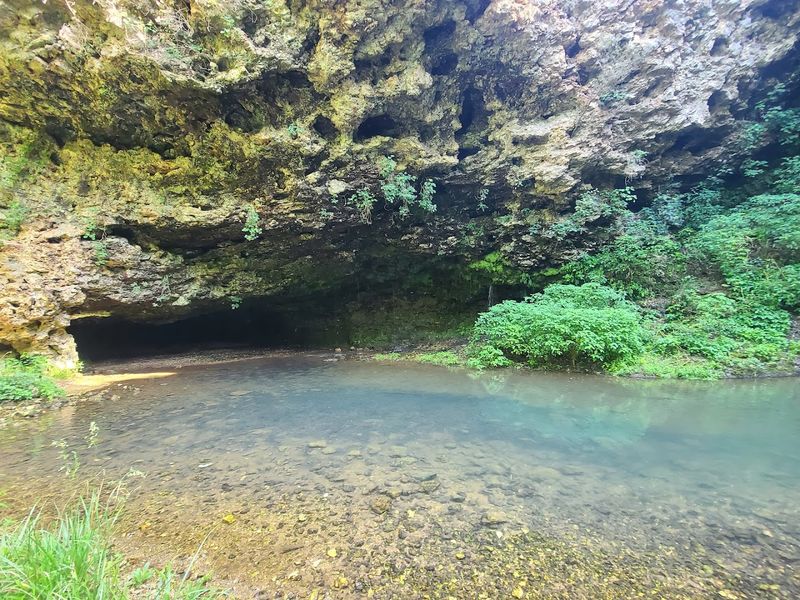
Natural Falls sits less than ten miles from Siloam Springs, Arkansas, a small town with restaurants, grocery stores, and other conveniences. It’s a handy spot to stock up on supplies or grab a meal before or after your visit.
The park’s location in the far northeastern corner of Oklahoma puts it within easy reach of several other outdoor destinations. The Illinois River, known for canoeing and kayaking, is a short drive away, and the Ozark foothills offer additional hiking and scenic drives.
Tulsa, the nearest major city, is about an hour and a half to the west, making the park a practical day trip or weekend getaway for urban residents. The drive from Tulsa follows Highway 412, a straightforward route with minimal traffic outside of peak travel times.
For those exploring multiple state parks, Natural Falls pairs well with visits to other Oklahoma sites in the region. The compact size means you can see the highlights in a few hours and still have time to explore elsewhere.
The surrounding area is rural and quiet, with rolling hills, pastures, and patches of forest that give a sense of the broader landscape. It’s not a destination for nightlife or shopping, but if your goal is to disconnect and enjoy nature without traveling deep into the backcountry, this corner of Oklahoma delivers exactly that.
Practical Tips for a Smooth Visit
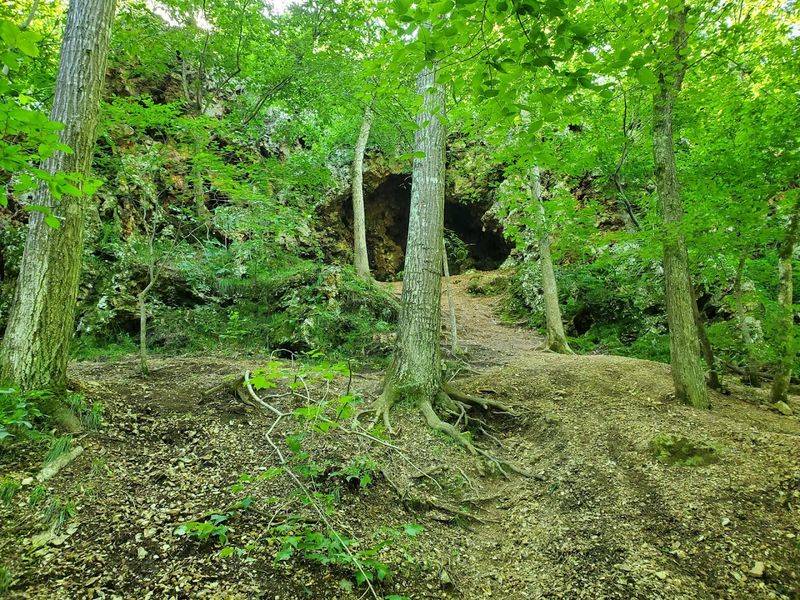
Wearing sturdy shoes makes a noticeable difference, especially on the trails beyond the paved main path. The Bear Trail in particular involves loose rocks and steep sections where traction matters, and even the Dripping Springs route has uneven footing in places.
Bringing water and snacks is smart, as the park doesn’t have food vendors beyond the small selection at the visitor center. Benches along the trails provide spots to rest and refuel, and staying hydrated is important during warmer months.
Parking passes must be purchased at the entrance, and failing to display one can result in a ticket. The ten-dollar fee is good for the entire day, so you can come and go without additional charges.
The park sees more visitors on weekends, particularly during spring and fall when the weather is mild. Arriving early ensures easier parking and a quieter experience on the trails and viewing platforms.
Cell service is spotty in some areas, so downloading a map or taking a photo of the trail guide before you lose signal is a good precaution. The trails are well-marked overall, but having a reference helps if you venture onto the more remote paths and want to stay oriented without relying on your phone.



