There is a place in the Florida Keys where sea turtles get a real shot at survival, and it is unlike anything most people expect to find along a stretch of highway. Boat strikes, fishing line entanglements, and plastic ingestion bring these ancient creatures in from the wild, and a dedicated team works around the clock to send them back out.
The facility has treated thousands of sea turtles since opening, making it one of the most active marine animal rehabilitation centers in the world. Whether you are passing through the Keys on a road trip or planning a family outing, this stop is the kind that stays with you long after you leave.
Where the Hospital Sits and How to Find It
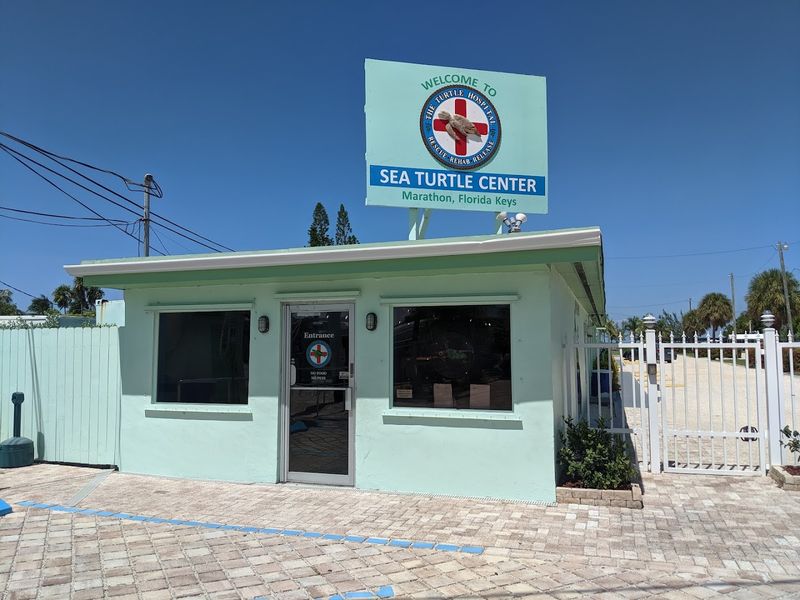
Right along the Overseas Highway, at 2396 Overseas Hwy in Marathon, the Turtle Hospital is one of those roadside stops that looks modest from the outside but completely surprises you once you walk in.
Marathon sits in the heart of the Florida Keys, roughly halfway between Miami and Key West, making this an ideal pit stop on any Keys road trip. The building is easy to spot, and parking is available on-site.
Tours run every day from 8:30 AM to 6 PM, so there is a good amount of flexibility for planning your visit. Booking ahead is a smart move, especially during busy holiday seasons, since walk-in wait times can stretch to about 30 minutes.
The Story Behind This One-of-a-Kind Facility
The Turtle Hospital was founded in 1986, which means it has been quietly saving sea turtle lives for nearly four decades. What started as a small operation in a converted motel has grown into a fully functioning animal hospital with surgical equipment, recovery tanks, and a dedicated rehabilitation program.
The property still carries a bit of that old Florida roadside charm, which one visitor described as a fascinating blend of 1950s roadside attraction and serious conservation science. That combination is part of what makes the place so memorable.
Over the years, the hospital has treated more than 2,000 sea turtles and released the majority back into the wild. The founding mission was simple: rescue, rehabilitate, and release.
That mission has not changed, and the team’s commitment to it is evident in every corner of the facility. The history here is genuinely worth hearing firsthand on the tour.
Species You Will Actually See Here
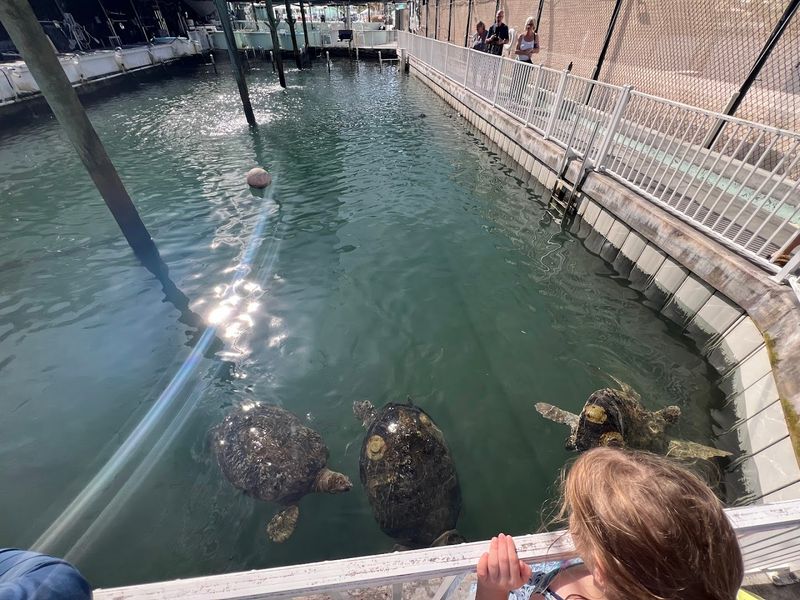
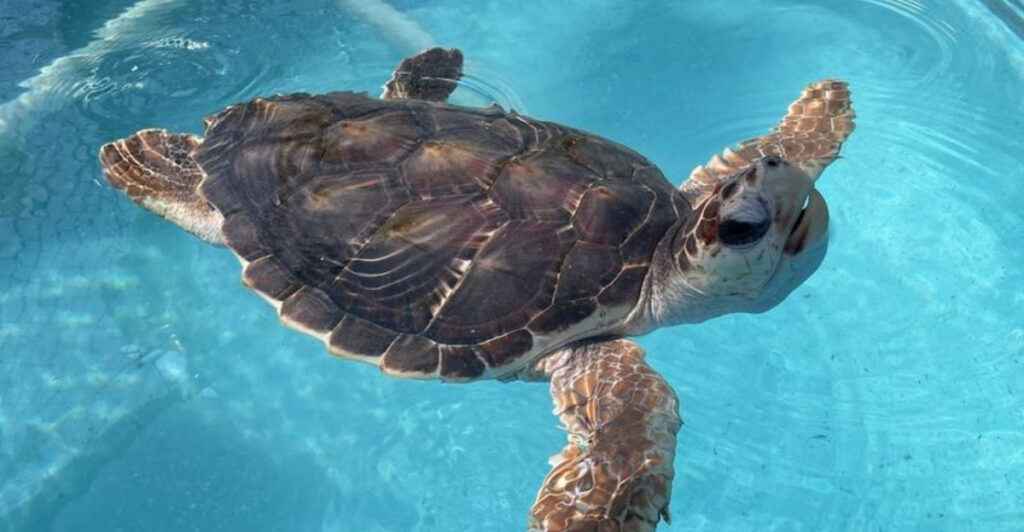
Not all sea turtles are the same, and a visit here makes that crystal clear. The Florida Keys are home to several species, and the Turtle Hospital treats most of them, including loggerheads, green sea turtles, and Kemp’s ridley turtles.
Loggerheads are the most commonly admitted patients, largely because of their size and the waters they frequent. Green sea turtles often arrive with fibropapillomatosis, a tumor-causing disease linked to environmental pollution that can be quite aggressive if left untreated.
Each species has its own quirks, behaviors, and recovery needs, and the guides do a great job of explaining the differences in a way that is easy to follow even for younger visitors. By the end of the tour, most people can identify a loggerhead from a green turtle on sight, which is a surprisingly satisfying piece of knowledge to carry home.
How the Rescue Process Actually Works
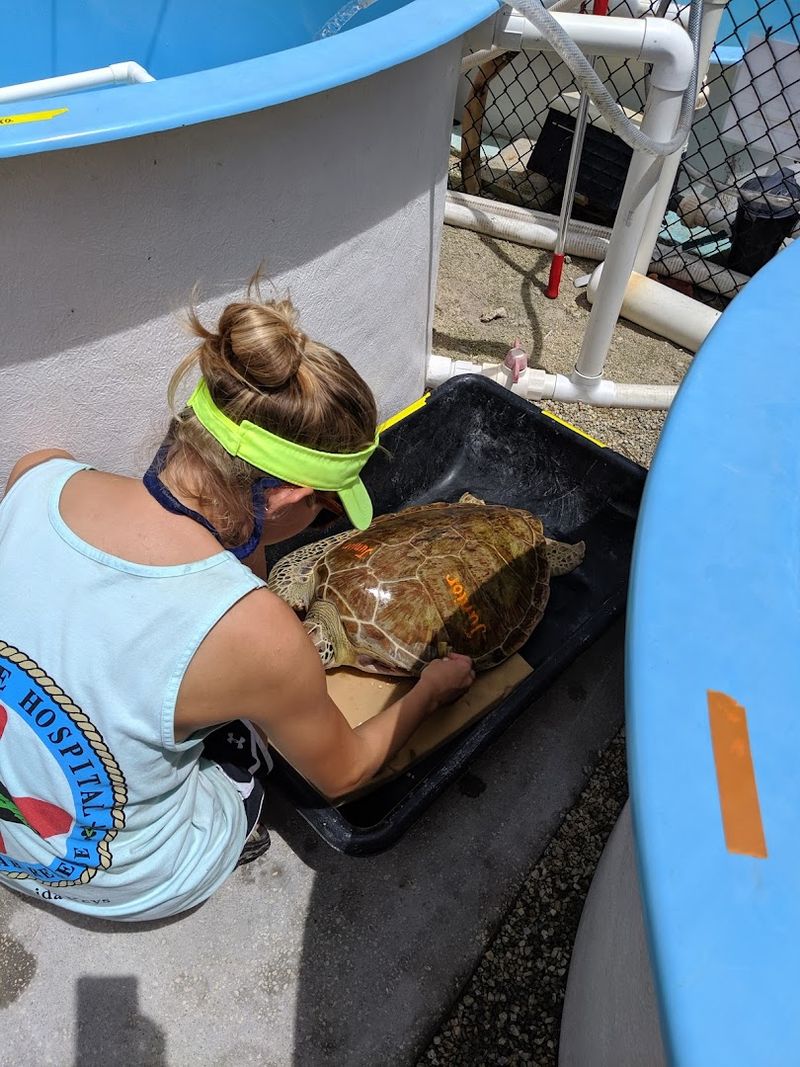
Sea turtles do not just show up at the hospital on their own. The rescue process involves trained staff and volunteers responding to reports from boaters, beachgoers, and the Florida Fish and Wildlife Conservation Commission.
Once a turtle is reported in distress, the team mobilizes quickly. Turtles are transported to the hospital for an initial assessment, which can include x-rays, blood work, and physical examinations.
The speed of that response often determines how well a turtle recovers.
The tour walks you through this intake process in detail, and it is one of the more eye-opening parts of the experience. You start to realize how many variables are involved in getting a turtle from open water to a recovery tank.
The coordination required is impressive, and the staff explains it with a level of enthusiasm that makes the whole process feel urgent and meaningful rather than clinical or dry.
The Medical Side: Surgery, X-Rays, and Real Treatment
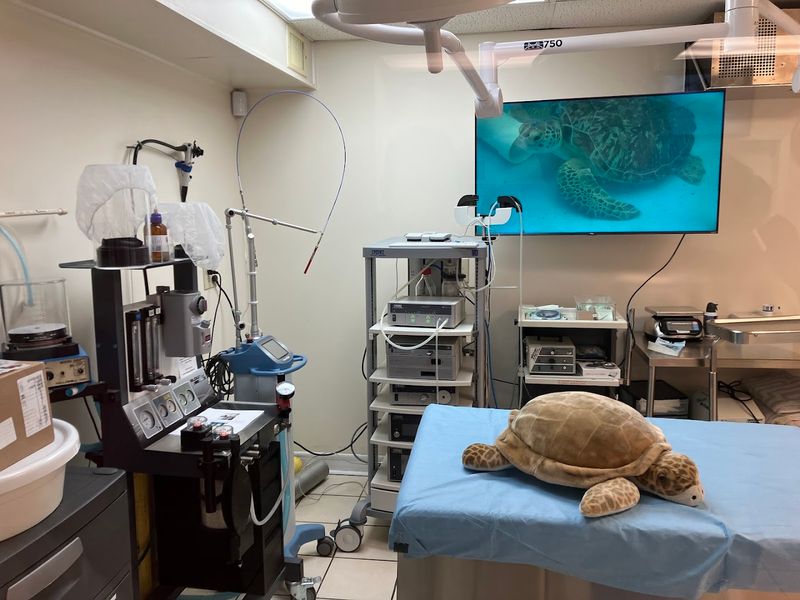
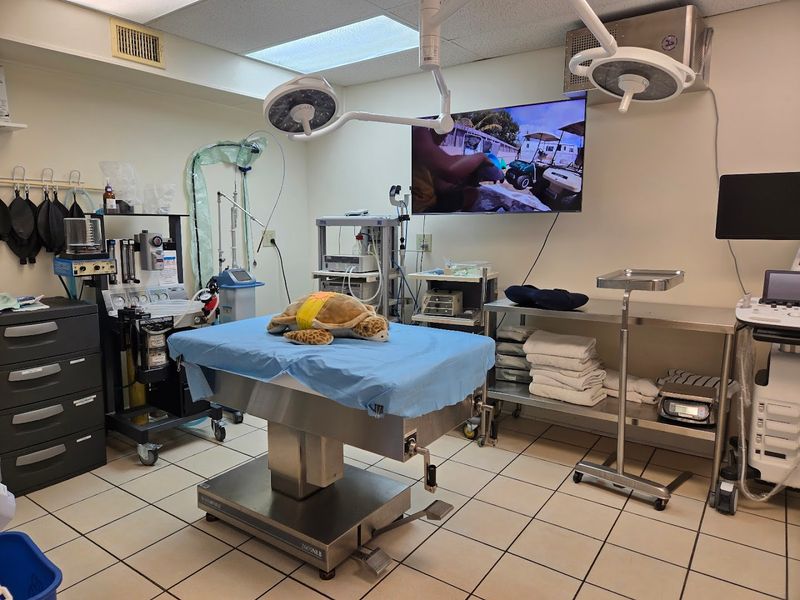
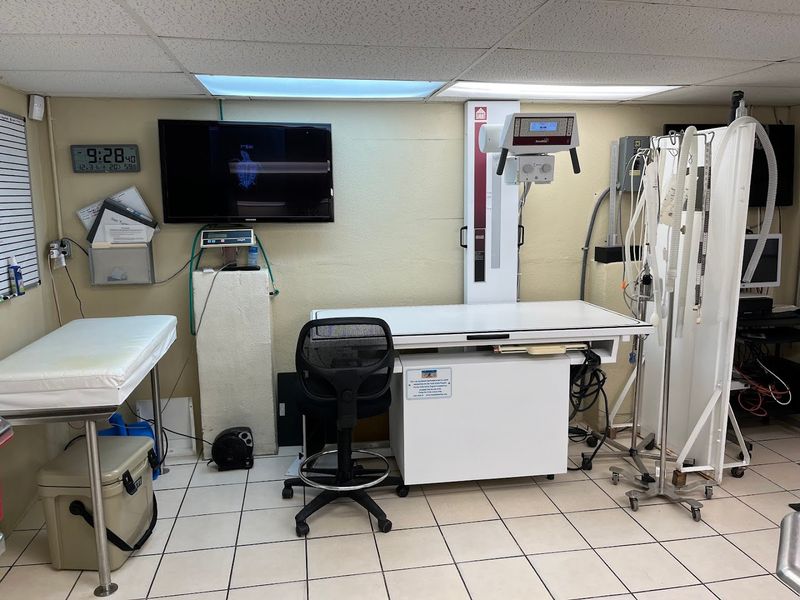
Few people expect to see a fully equipped operating room at a sea turtle hospital, but that is exactly what you find here. The facility has surgical suites, x-ray equipment, and treatment tanks that would not look out of place in a human medical center.
Common procedures include removing fishhooks, treating propeller wounds, amputating damaged flippers, and surgically addressing fibropapilloma tumors. The team also handles cases of “bubble butt syndrome,” a condition where gas becomes trapped in a turtle’s body after a boat strike, causing it to float uncontrollably and leaving it unable to feed or escape predators.
Seeing the operating room up close during the tour adds a layer of seriousness to the visit that kids and adults both respond to strongly. It is one thing to hear that turtles get hurt; it is another to see the actual tools used to help them heal.
That visual connection makes the conservation message land in a way that sticks.
The Rehabilitation Tanks and Recovery Stages
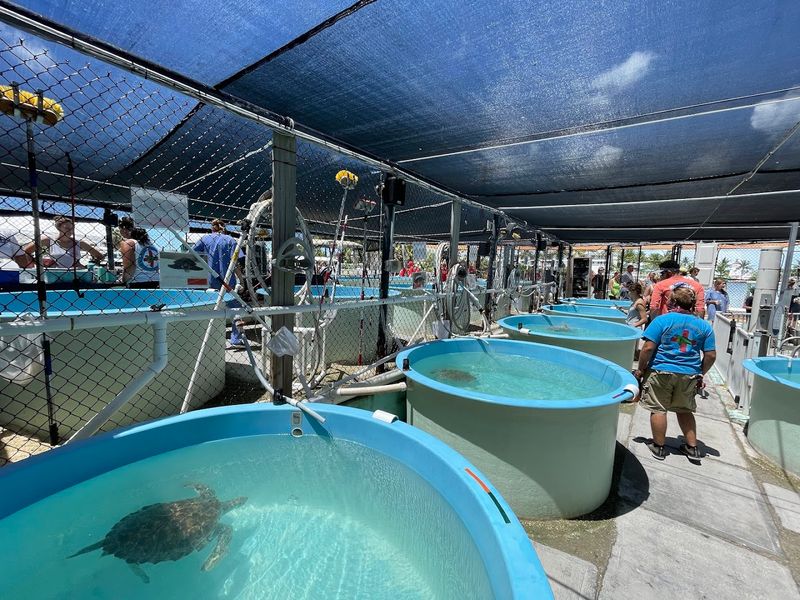
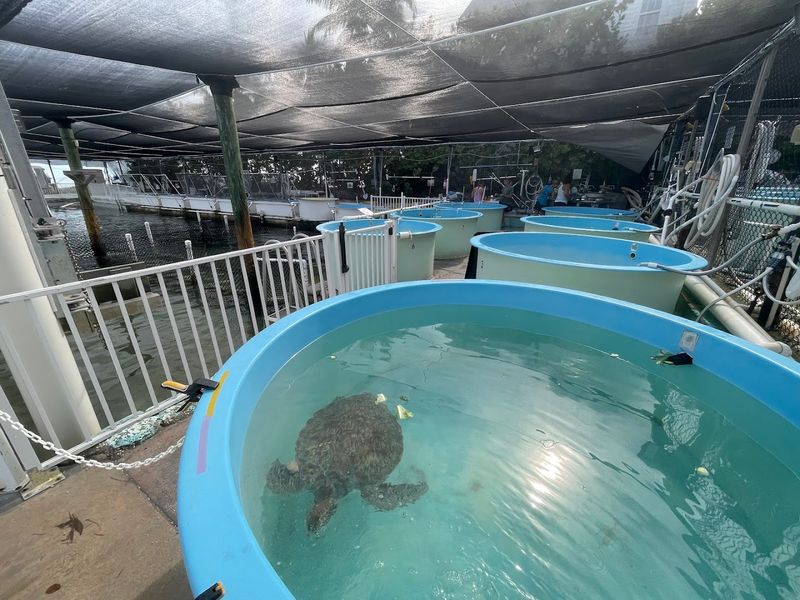
One of the most visually striking parts of the tour is walking past the rows of tanks, each holding turtles at different stages of recovery. Some are freshly admitted and still adjusting, while others are nearly ready for release back into the ocean.
The tanks are organized by recovery stage, which gives visitors a real sense of the progression from critical care to full rehabilitation. Guides explain what each turtle is being treated for and how their condition has changed since arrival, which turns a walk past a series of tanks into something that feels more like following a patient’s story.
At the end of the tour, there is an opportunity to feed the turtles from a safe distance, which tends to be a highlight for visitors of all ages. Watching a large loggerhead glide over to grab a piece of food is the kind of close encounter that makes you genuinely root for these animals to make a full recovery.
Permanent Residents Who Cannot Return to the Wild
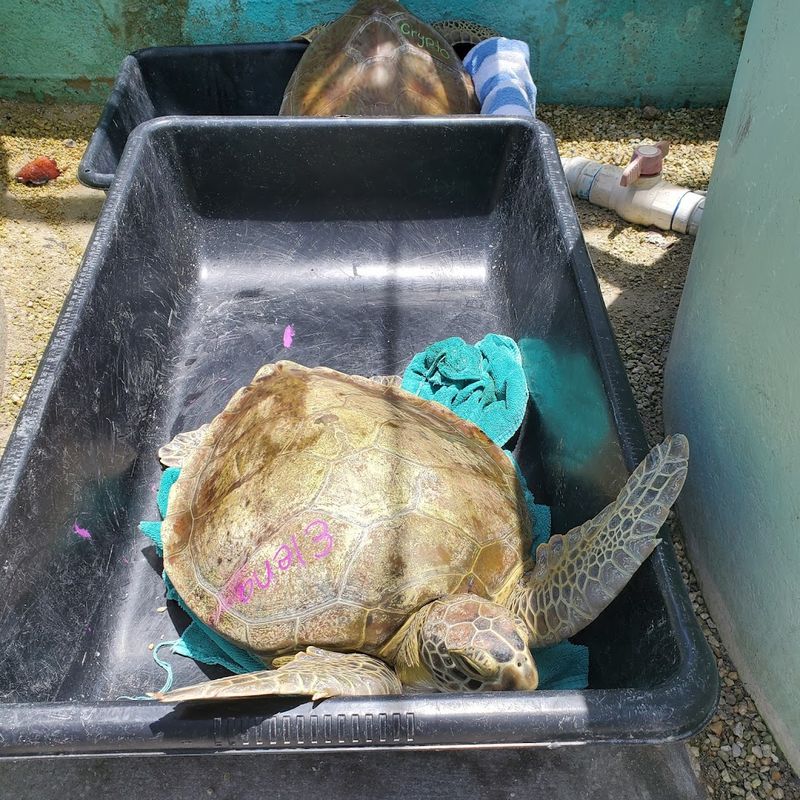
Not every turtle that arrives at the hospital can be released. Some have injuries so severe, whether from boat strikes, entanglement, or disease, that returning to the wild would put them at serious risk.
These turtles become permanent residents of the facility.
Meeting the permanent residents is one of the quieter, more reflective moments of the tour. These are animals that have been through something significant, and the care they receive is ongoing and deeply attentive.
Staff members know each one by name and can tell you their full backstory.
The naming system is one of the charming details that visitors often mention. Some turtles are named after food, some after musical instruments, and some after the people or circumstances connected to their rescue.
It sounds quirky, but it gives each turtle an identity that makes them feel less like animals in a tank and more like individuals with a story worth knowing.
The Human Threats That Bring Turtles Here
The tour does not shy away from the uncomfortable truth that most of the turtles here are injured because of human activity. Boat strikes, fishing line entanglement, plastic ingestion, and chemical pollution are the leading causes of admission.
One of the more sobering facts shared during the presentation is that fibropapillomatosis, the tumor disease affecting green sea turtles, is believed to be triggered by environmental pollutants introduced by humans. Turtles are also harmed by cold shock during unexpected temperature drops, a condition that causes them to become lethargic and strand on beaches.
The guides deliver this information honestly but without making visitors feel attacked. The tone is educational rather than accusatory, and most people leave with a genuine desire to change small habits, like cutting plastic rings before disposal or slowing down in turtle zones while boating.
That shift in awareness is arguably the hospital’s most powerful outcome beyond the rescues themselves.
What the Guided Tour Actually Looks Like
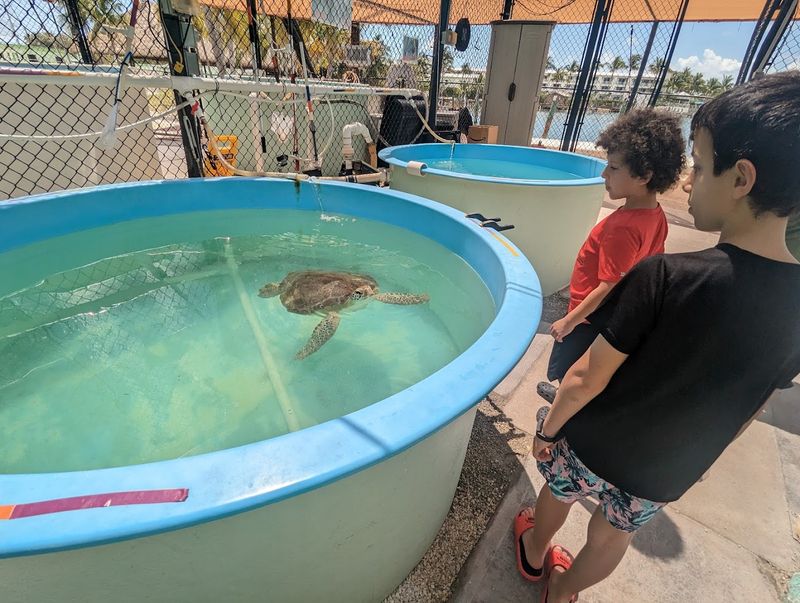
The guided tour runs roughly 90 minutes and covers a lot of ground without ever feeling rushed. It starts with a presentation that gives background on the hospital’s mission, the species they treat, and the most common injuries they see.
From there, the group moves through the facility, passing the treatment areas, the surgical suite, and the outdoor recovery tanks. Guides field questions throughout, and the conversations that develop are often just as informative as the scripted portions of the tour.
The guides themselves are a big part of what makes the experience work. They tend to be knowledgeable, funny, and genuinely passionate about what the hospital does, which keeps even restless teenagers engaged.
The tour is not a lot of walking, and much of it is covered, offering shade from the Florida sun. For families, solo travelers, or couples looking for something meaningful, this format hits the right balance of education and entertainment.
Tips for Planning Your Visit
A few practical details can make a big difference in how smoothly your visit goes. Tickets for adults run around $38, and the price goes directly toward the hospital’s operations and turtle care, so it genuinely feels like money well spent.
Booking online in advance through the hospital’s website is strongly recommended, especially during peak tourist season and holidays. Walk-in visitors are welcome, but wait times of 30 minutes or more are common when tours fill up.
Arriving early in the day tends to mean smaller groups and cooler temperatures.
The staff keeps water available for visitors and checks in regularly to make sure everyone is comfortable, which is a thoughtful touch given the Florida heat. Comfortable shoes and light clothing are the practical essentials.
The facility is manageable for most mobility levels, and the covered sections of the tour offer real relief from the sun. Kids of all ages tend to do well here, including teenagers who might otherwise be hard to impress.
Turtle Releases: A Rare and Moving Experience
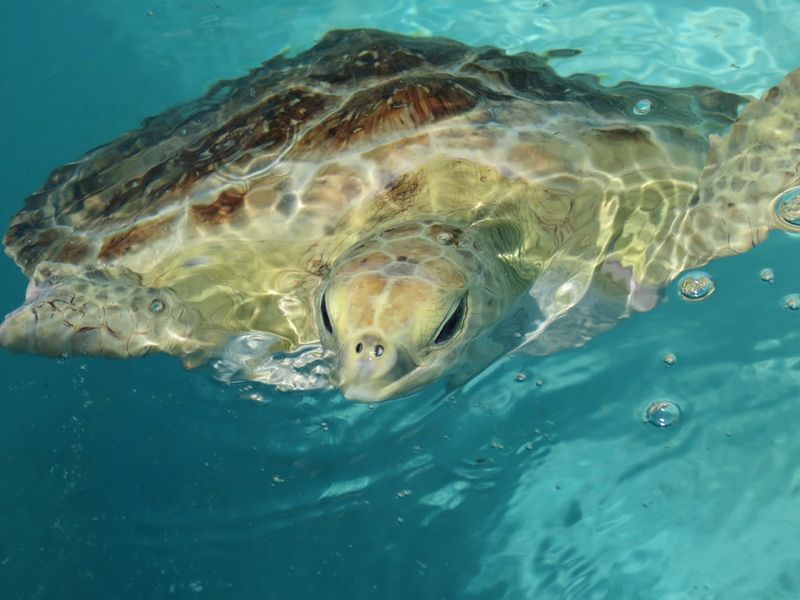
Occasionally, the hospital releases a fully rehabilitated turtle back into the ocean, and if you happen to be visiting around that time, it is worth every effort to witness it. Release events are announced through the hospital’s social media channels and website.
One family shared that they learned a turtle named Bruce was being released the following day while on their tour. They came back the next morning and watched it happen, describing it as one of the most memorable moments of their entire holiday.
That kind of spontaneous magic is hard to plan for but easy to appreciate.
Releases typically happen at a nearby waterfront location, and the moment a turtle hits the water and disappears into the blue is one that tends to produce genuine emotion in even the most composed observers. It is the clearest possible proof that the work being done at this hospital has real, tangible results for the animals and for the ocean ecosystem.
How to Adopt a Turtle and Stay Connected
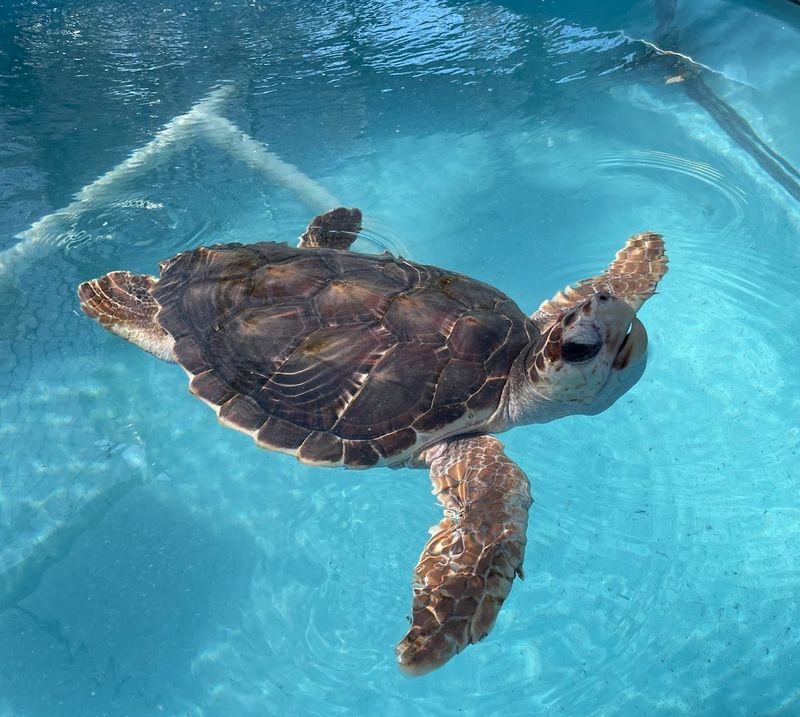
For those who want a more lasting connection to the hospital’s work, the turtle adoption program is a genuinely appealing option. Adopting a turtle means contributing financially to its care while receiving updates on its progress, photos, and information about its recovery.
The adoption packages make thoughtful gifts, especially for children who were moved by the tour. There is something satisfying about following a specific turtle’s journey over time, knowing your support played a small role in its rehabilitation.
The hospital’s website at turtlehospital.org is the best place to explore adoption options, learn about current patients, and stay updated on release events. Following their social media accounts also keeps you in the loop on new admissions and milestones.
For anyone who leaves the Keys wishing they could do more, the adoption program is a simple and meaningful way to stay involved without needing to be physically present in Marathon.
Why This Place Matters Beyond the Tour
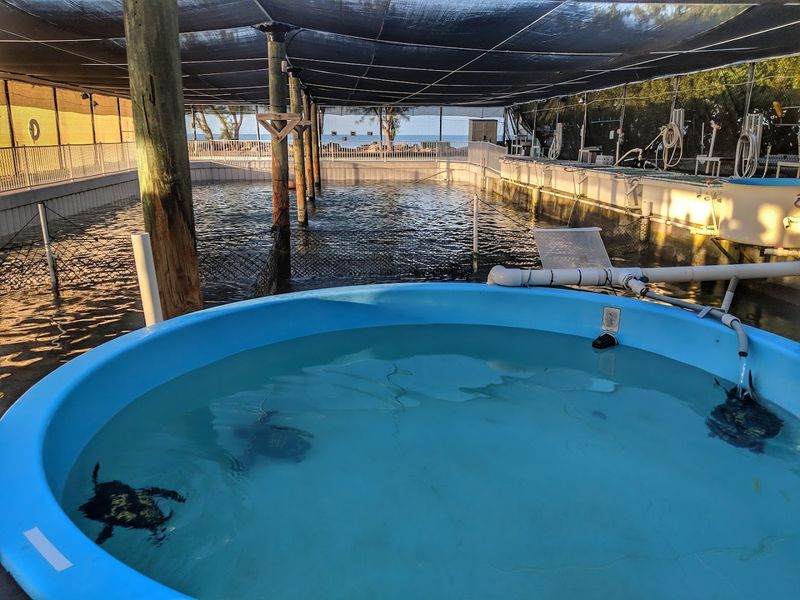
The Turtle Hospital is not just a tourist attraction. It functions as a working animal hospital, a research facility, and an educational hub all at once.
The data collected from the turtles treated here contributes to broader scientific understanding of sea turtle health, migration, and the effects of human activity on marine life.
The hospital also trains volunteers and works with other organizations across Florida and beyond to improve rescue and rehabilitation standards. That network effect means the impact of what happens here extends far past the tanks you see on the tour.
Florida’s coastal ecosystems depend on healthy sea turtle populations in ways that are not always obvious. Turtles help maintain seagrass beds and coral reefs, both of which support enormous numbers of other species.
Supporting the Turtle Hospital, whether through a visit, a donation, or an adoption, is a direct investment in the health of a marine environment that millions of people rely on every year.
A Closing Thought on Why This Stop Is Worth Your Time
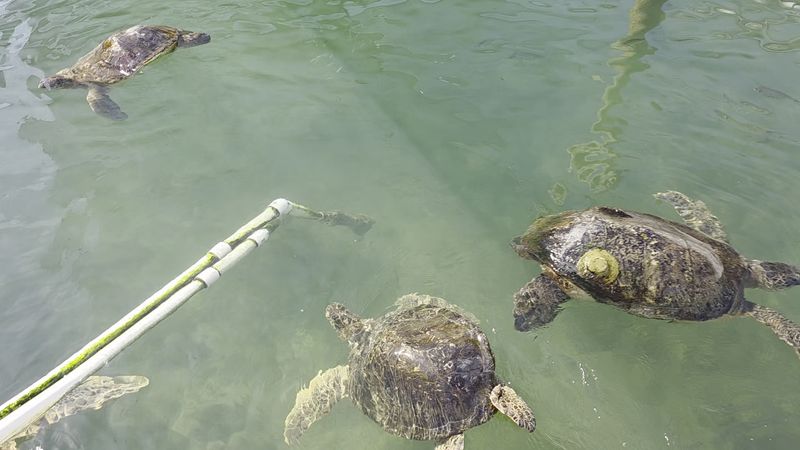
Most road trips through the Florida Keys are built around beaches, sunsets, and seafood, and there is nothing wrong with any of that. But the Turtle Hospital in Marathon offers something those experiences rarely do: a reason to care about the place you are visiting beyond its surface beauty.
Spending 90 minutes here shifts your perspective in a quiet but lasting way. You leave knowing more about the creatures sharing these waters, more about the threats they face, and more about the people who show up every day to do something about it.
The combination of education, genuine animal encounters, and purposeful conservation work makes this one of the most complete experiences available in the Florida Keys. Whether you are traveling with family, a partner, or on your own, this is the kind of stop that earns its place on the itinerary, and then some.
Share this story