 Unearth The Voyage
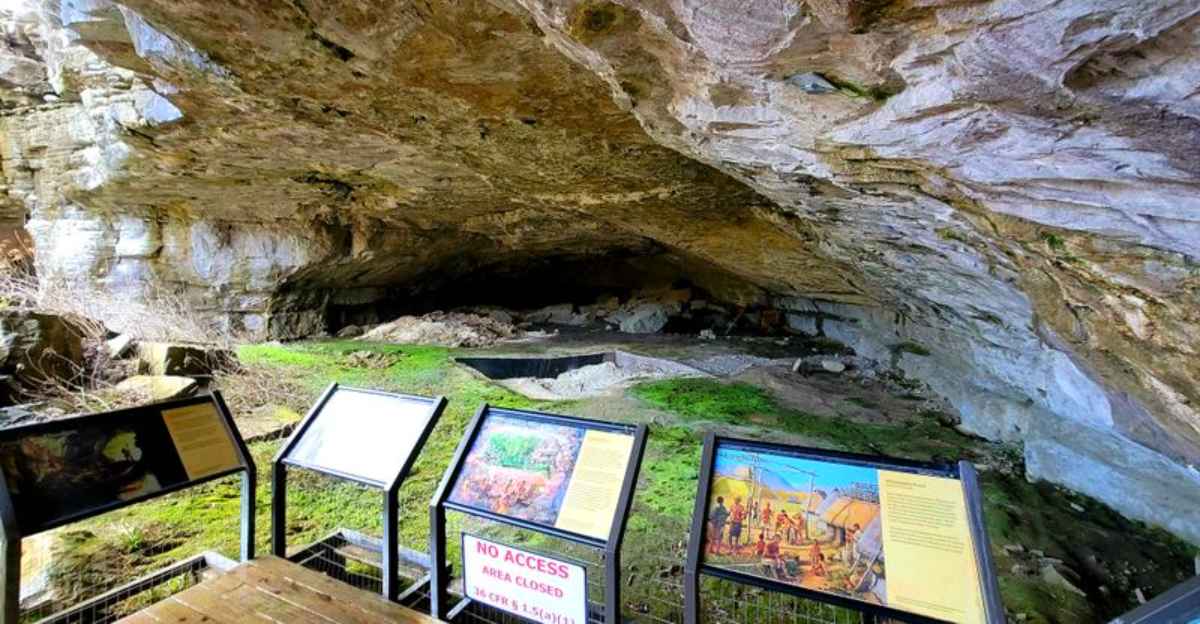
Tucked into the ridges above Bridgeport, Russell Cave holds a story that stretches nearly nine millennia. You follow a shaded boardwalk to a vast rock shelter where people cooked, crafted, and thrived long before written history.
Even if you cannot step inside, the layers beneath your feet reveal meals, tools, and choices across changing climates and cultures. Ready to see how one limestone cave became a time capsule of America’s deep past?
An 8,700-Year Timeline
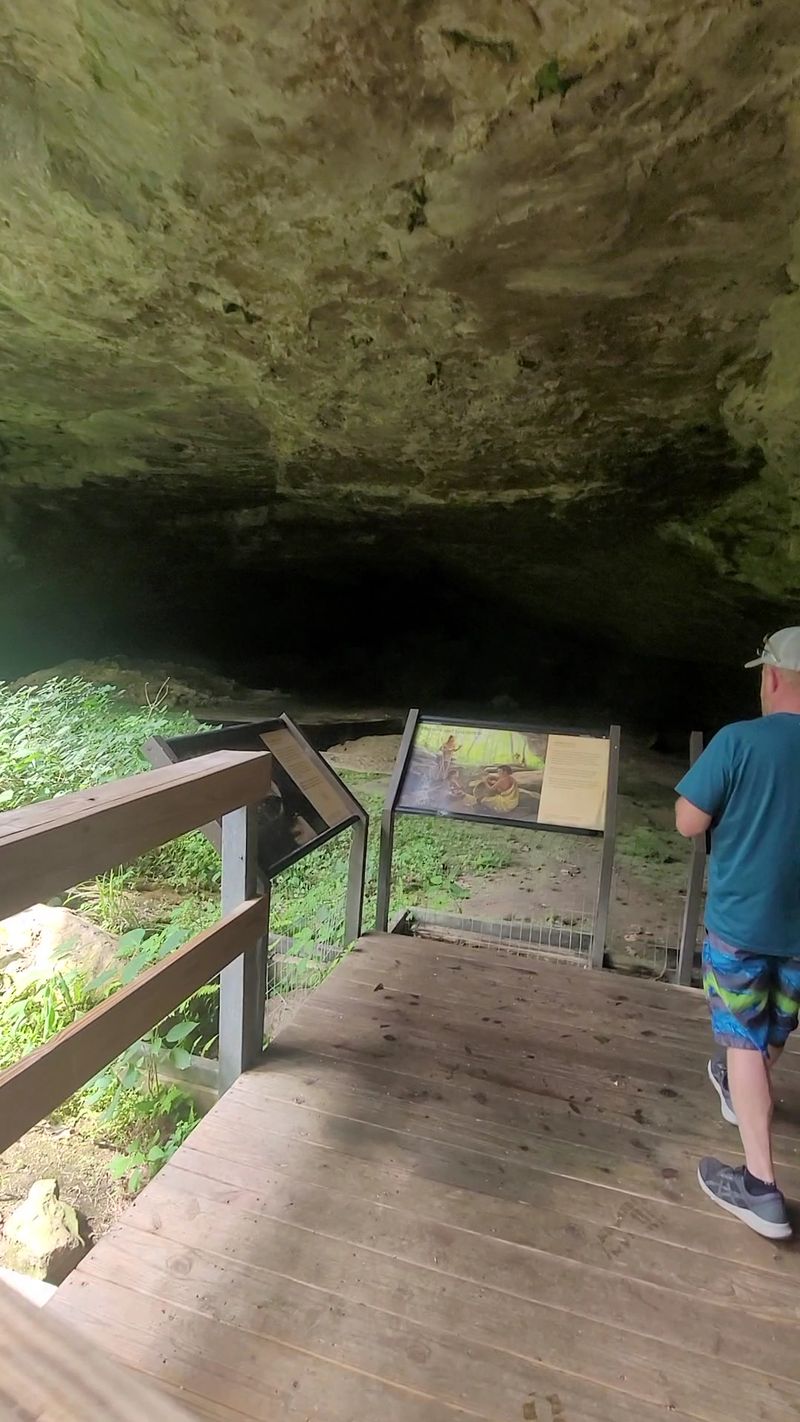
Stand at the mouth of Russell Cave and imagine time stacked like pages. Archaeologists traced an arc from about 6500 BCE to roughly 1650 CE, with people returning so often the floor rose several feet.
Fire pits, shell, and bone mark quiet dinners and busy seasons, a long conversation between families and this shelter.
You will not step onto the dig floor, but boardwalk views and ranger talks help the timeline click. Picture hunters warming by embers while acorns roast, then centuries later a child shaping clay near the same hearth.
The continuity feels intimate, like neighbors you almost know.
What makes this span rare is how few gaps there are. Floods brought fresh sediments, sealing refuse into chapters that read clearly today.
Each layer whispers habits, tools, and trade, letting you track change without losing the thread.
Archaic Period Evidence
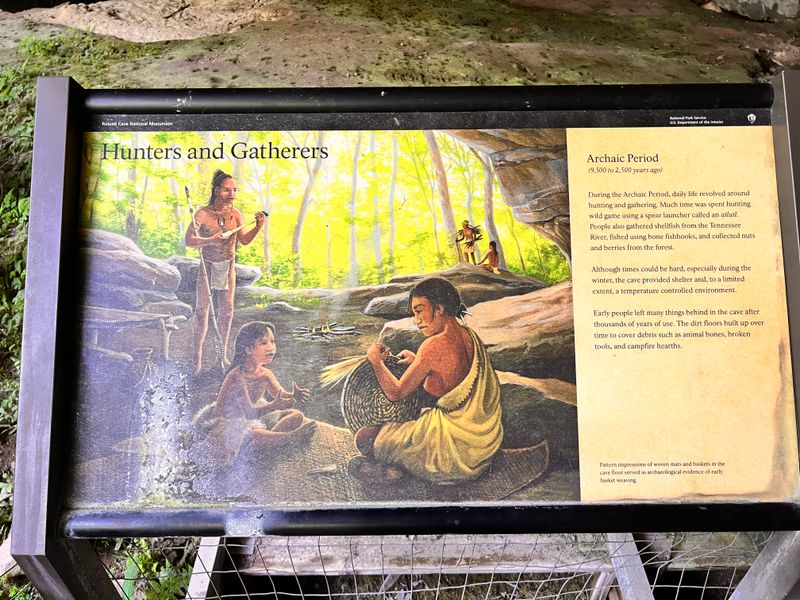
Archaic layers at Russell Cave reveal hunters who knew how to get close and strike true. Carbon dating pins their presence thousands of years back, when atlatls sent darts farther and faster than a thrown spear.
You can picture the rhythm of a hunt, then the quiet work of re-sharpening edges by firelight.
Displayed points echo aerodynamic choices, slender and balanced for speed. Darts found here match wear patterns you see in experimental throws during ranger demos.
It makes the leap between artifact and living skill feel small, like the cave is still teaching hands to aim.
The evidence tells of big-game pursuits, but also flexible foraging. These people adapted to shifting herds and seasons, using the rock shelter as a base and storeroom.
When you spot an atlatl replica, you sense ingenuity traveling cleanly across time.
Local Chert Tools
Tools at Russell Cave were often made from chert gathered nearby, a clue that people knew the ridges like old friends. That stone fractures predictably, so a skilled knapper could coax razor edges from river cobbles.
When you notice flake scars, you can almost hear taps guiding a point into form.
Using local materials mattered. It meant repairs could happen quickly, and worn tips became scrapers or drills instead of waste.
The toolkit evolved through practice, each flake a decision about effort, sharpness, and the hunt ahead.
Rangers explain how to read a core like a book spine. Negative flake scars stack in logic, tracing choices made in minutes yet preserved for millennia.
Holding a replica, you grasp why chert shaped daily life here: reliable, abundant, and perfectly suited to the hands that carried it.
Transition to the Woodland Period
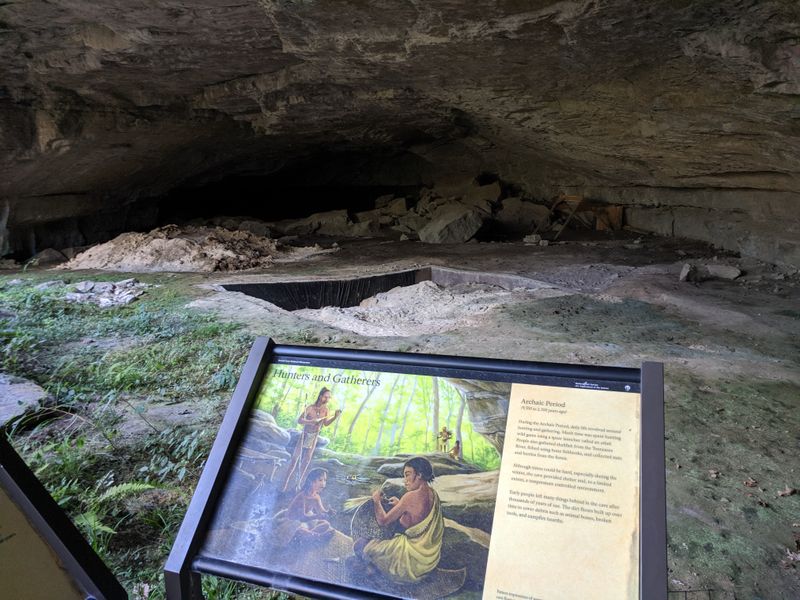
Walk the exhibits and you see change arriving in humble pieces of clay and smaller points. The Woodland shift brought pottery for cooking and storage, plus the bow and arrow for quick, quiet shots.
At Russell Cave, those artifacts appear in higher layers, showing technology folding into everyday routines.
Pottery meant portable simmering and safer food, with charred residues hinting at stews and seeds. Bows let hunters move silently through hardwoods, conserving energy and upping accuracy.
These innovations ripple through diets and settlements more than any grand invention story.
On the boardwalk, you can line up epochs in your head: old dart shafts giving way to bowstrings, stone tips shrinking yet becoming deadlier. Shards and points are small, but they signal enormous lifestyle efficiencies.
The cave records the pivot cleanly, like a bookmark between eras.
Early Plant Cultivation
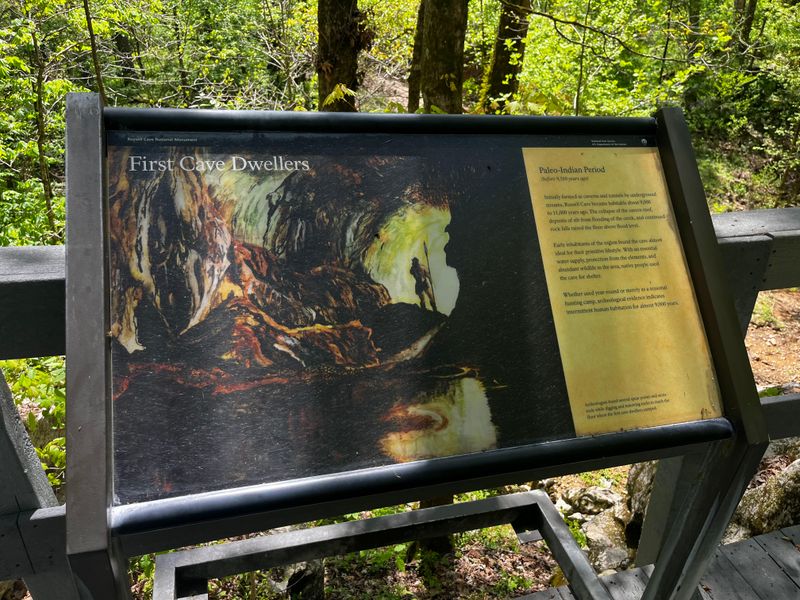
Before the full bloom of Mississippian agriculture, people here experimented. Charred seeds, nutshells, and grinding stones suggest early tending of native plants.
You might imagine small plots near clearings, modest gardens that eased the hunger gap between hunts.
At Russell Cave, these hints show a tug toward reliability. Even limited cultivation reshaped time, tethering families to seasons and storage.
Food security can start with baskets of seeds and a promise to weed them tomorrow.
Look closely at the botanical remains. You are seeing decisions about risk and effort, about staying put long enough to harvest.
The cave’s steady shelter made these trials practical, preserving tools and seeds long after hands moved on. That quiet shift toward tending plants ultimately rearranged lives across the region.
A Seven-Mile Cave System
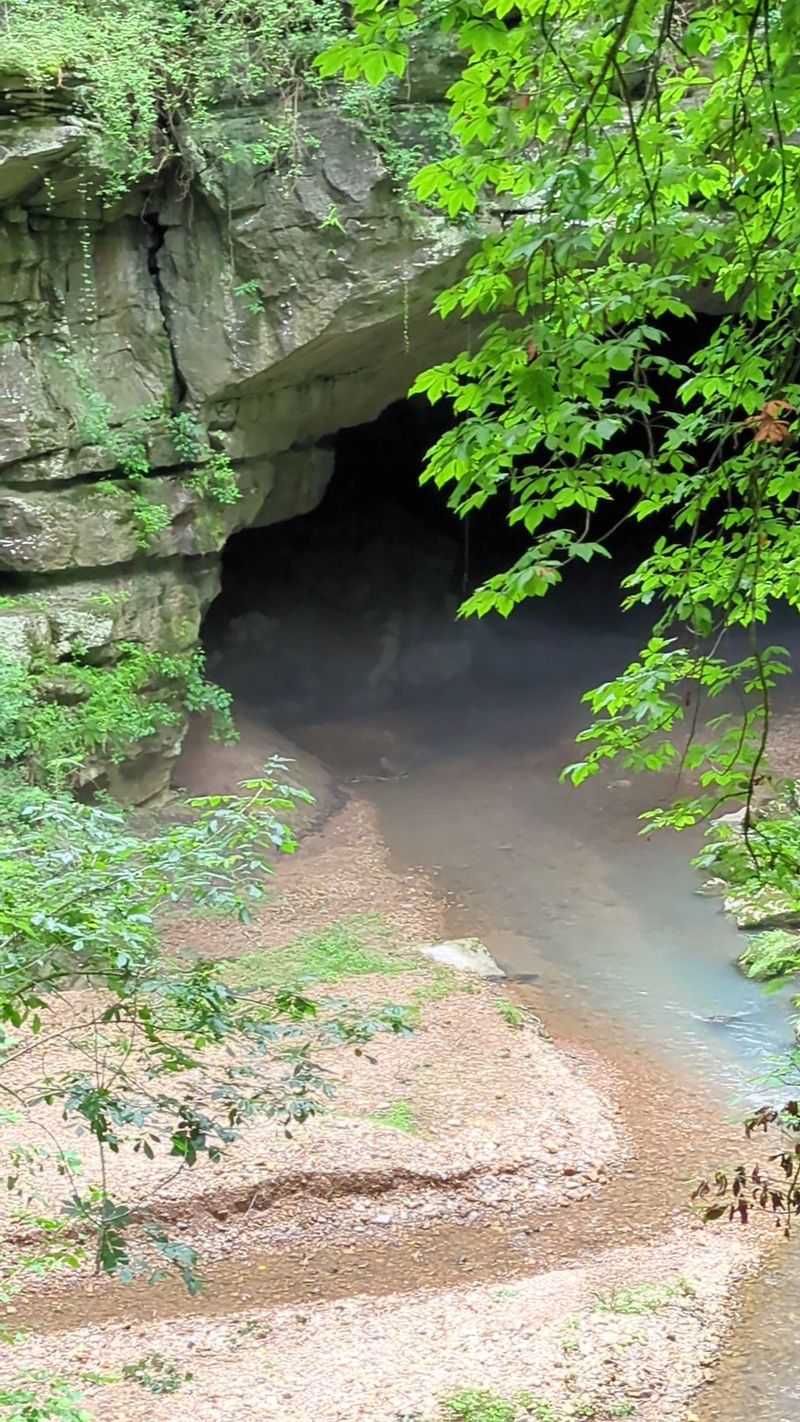
Rangers will tell you researchers have mapped roughly seven miles of Russell Cave’s passages. You cannot enter, but the scale still lands when you face the yawning shelter.
Karst limestone riddles the hills with voids, channels, and sinkholes that breathe cool air even in summer.
That network mattered for people long ago. Passages channeled water and stabilized temperatures while the great alcove offered reliable space.
Think of it as a house attached to a hidden utility system, always humming in the background.
Maps from speleologists turn the ground into lace. You stand above corridors you will never see, yet their presence shaped how families cooked, stored, and slept.
The cave system made the shelter dependable, and dependability is a powerful reason to return year after year.
Reliable Fresh Water
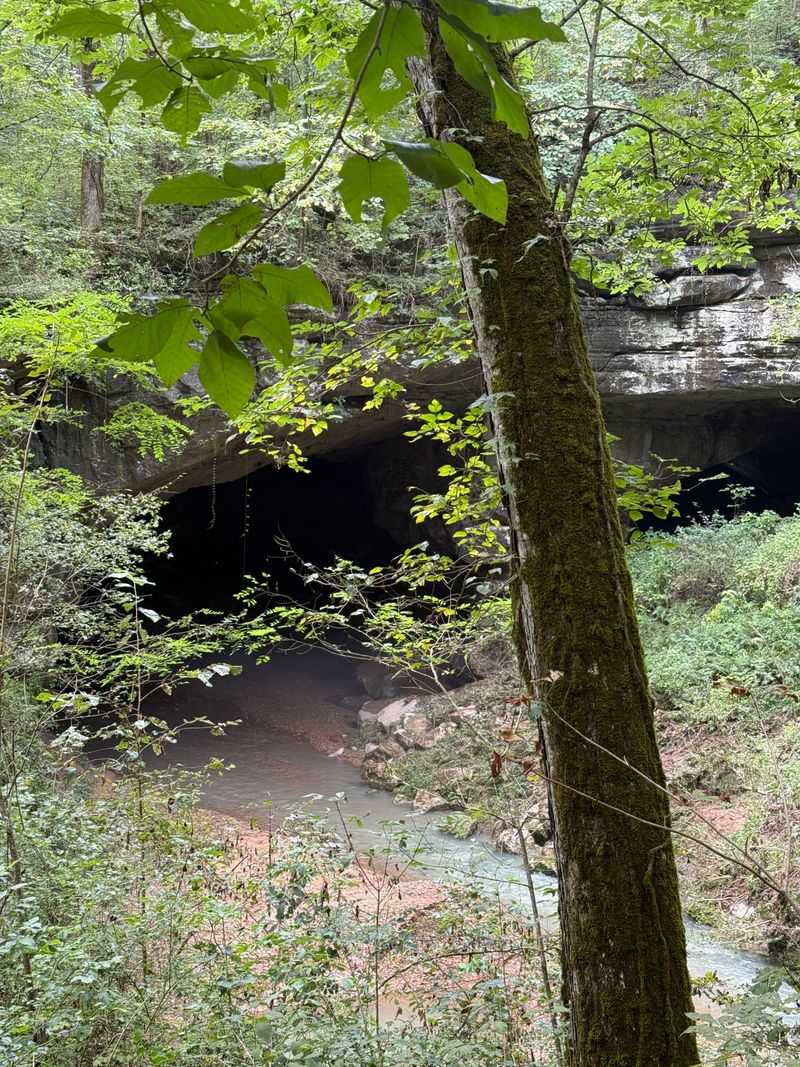
Inside Russell Cave, a spring-fed stream threads through darkness, the quiet heartbeat of the shelter. Fresh water is freedom, saving trips and risk, letting cooking, washing, and toolmaking happen close by.
You feel the practicality instantly, even from the boardwalk.
Archaeological layers confirm long use, and water is the simplest reason why. With a constant flow, families could stay through dry spells and storms.
It turned a rock overhang into a home with a tap that never quit.
Imagine rinsing nuts, quenching thirst, cooling a wrapped fish on a hot day. Water ties scenes together that are separated by centuries.
The stream kept people returning, and it keeps the cave alive now with a soft echo that follows your steps.
Stable Temperatures
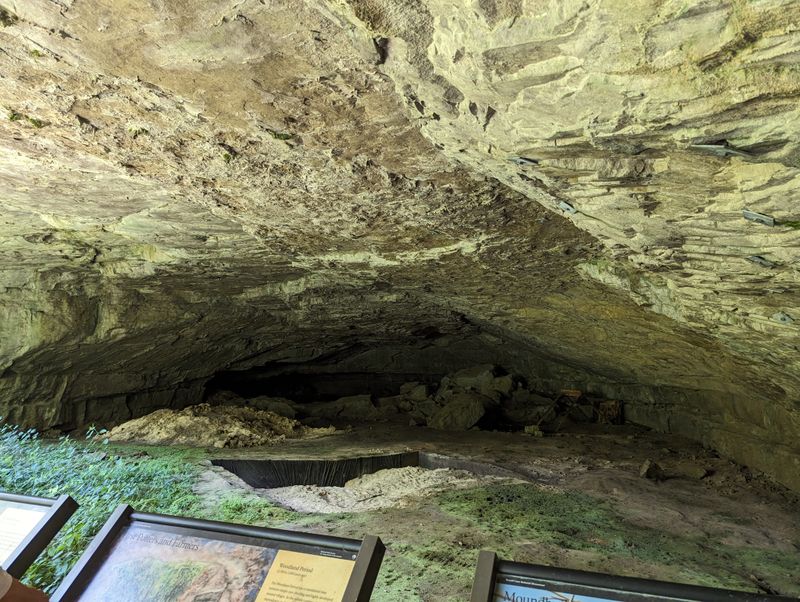
One reason Russell Cave worked for millennia is climate control you do not have to pay for. Limestone buffers heat, holding a cool baseline through summer and moderating winter chill.
Step near the mouth and you feel the temperature drop, a natural air conditioner whispering from the dark.
Stable conditions matter for food, sleep, and craft. Heat wilts hunters and splits wood, but a steady environment stretches energy and preserves supplies.
That comfort is not glamorous, yet it anchors everything else.
Archaeologists see the payoff in continuous use. Families planned around reliable shelter, knowing a steady refuge waited after hunts or storms.
You sense that trust as you stand in the shade: a promise kept across thousands of seasons.
Rich Hunting Grounds
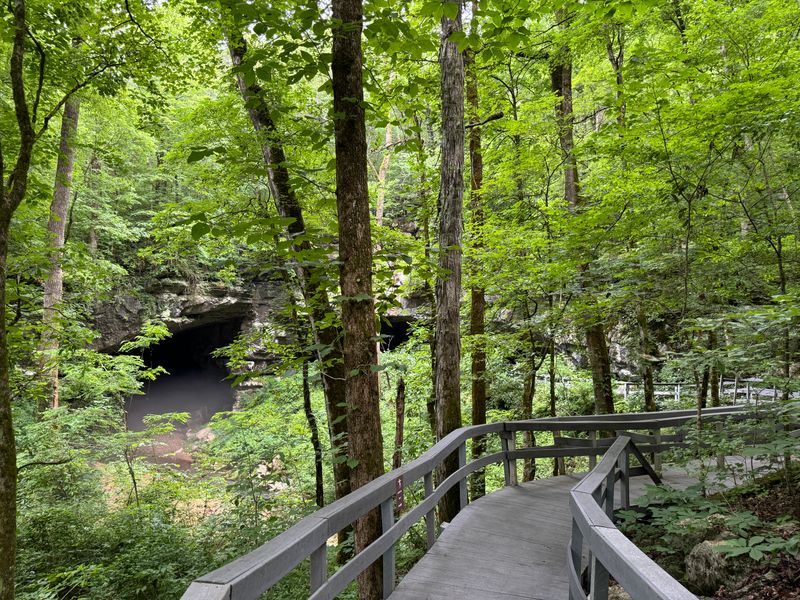
The valley around Russell Cave fed generations. Remains of deer, turkey, squirrel, and other small game show diets shaped by hardwood forests and shifting seasons.
You can picture quiet mornings, bow drawn, reading tracks along creek edges.
Hunting here was more than luck. The shelter allowed scouting, storing, and teaching in cycles.
Children learned habits of animals the same way ancestors did, by watching and repeating until movement felt like language.
Bones and cut marks translate those routines into evidence. You see butchery patterns and cooking choices, a record of meals that once steamed in clay pots.
When you leave, the woods still feel generous, as if the past is only a few steps ahead, waiting at the tree line.
Extinct Megafauna Traces
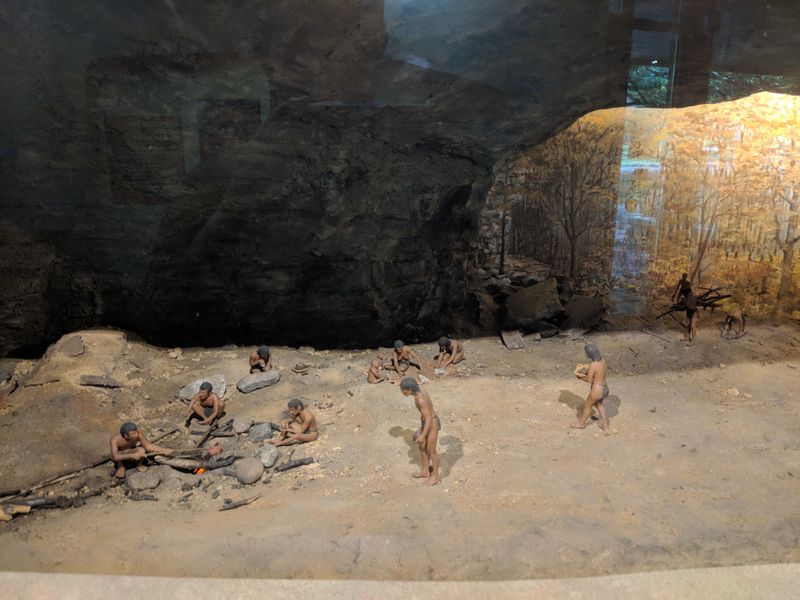
Deep layers at Russell Cave include traces pointing to early encounters with animals now long gone. Mentions of giant armadillo-like creatures echo Pleistocene fauna that once roamed the Southeast.
While you will not see herds in exhibits, the hint widens the timeline and stirs big imaginations.
These finds sit near the edge of human presence here, where climate and species were in flux. The cave’s sediments are meticulous archivists, tucking away bones and bits until researchers connect the dots.
You realize people adapted not just to seasons, but to whole ecosystems changing.
Standing at the railing, it is easy to look inward and backward at once. The rock holds both familiar deer and vanished giants in a single narrative.
That overlap makes the site feel even older, a doorway into chapters beyond living memory.
Seasonal and Year-Round Use
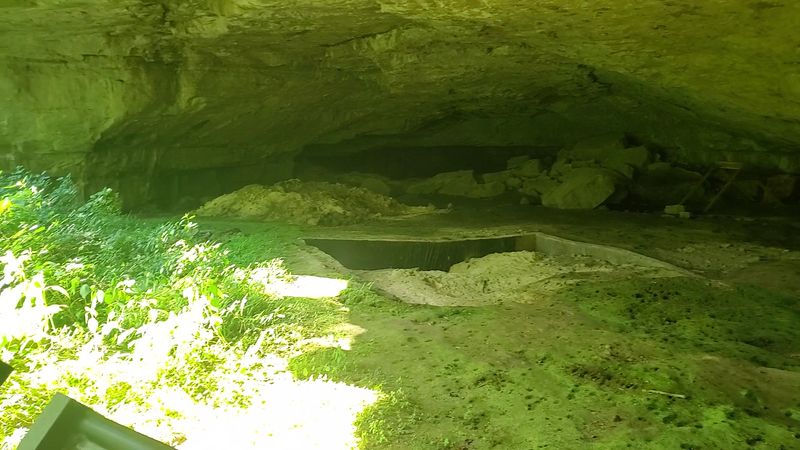
Not every visit to Russell Cave was permanent. Evidence points to both seasonal stops and long stretches of living, depending on needs and weather.
Think of it as a trusted hub in a larger circuit across valleys and ridges.
Spring might bring ramps and fish, fall a nut harvest, winter the promise of a warm hearth under stone. The shelter handled each pivot easily.
Its reliability let families gamble less and thrive more.
Archaeologists read this in hearth ash, storage pits, and tool mixes that change with tasks. You sense how flexible the place was, able to welcome a quick hunting party or cradle a community through a cold snap.
The cave’s rhythm matched the land’s, and people listened.
Mid-20th-Century Excavations
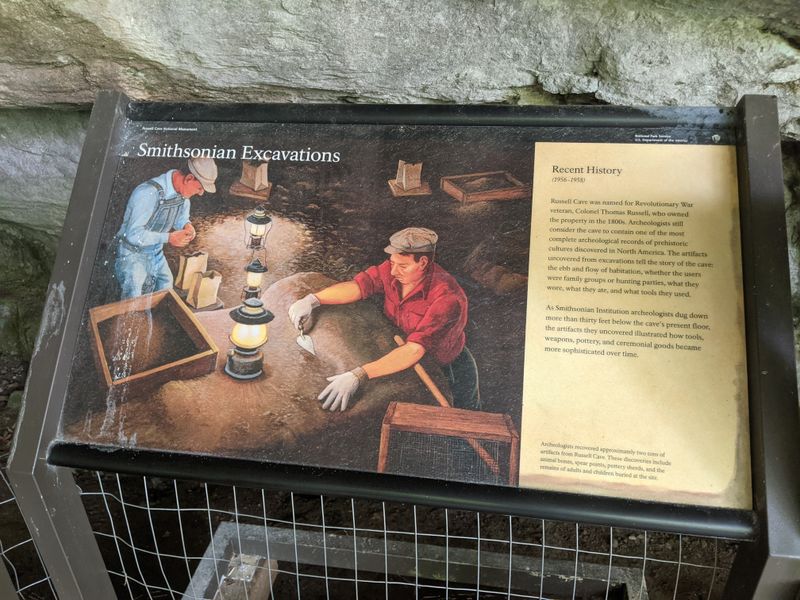
The story we follow today owes a lot to careful work in the 1950s. Archaeologists opened grid squares, sifted soil, and documented layers with a precision that still guides research.
You can picture string lines, notebooks, and patience measured in tiny brush strokes.
Those excavations recovered tons of artifacts and samples, many curated off-site for study and preservation. Some displays at the monument interpret that effort, tying field notes to the hearths you see from the boardwalk.
It is the science behind the scenery.
Hearing about the dig helps you respect the restraint you feel now. Restricting access protects what remains for future questions and better tools.
The 1950s team built a foundation, and the cave continues to reward careful, deliberate curiosity.
Gradual Decline in Use
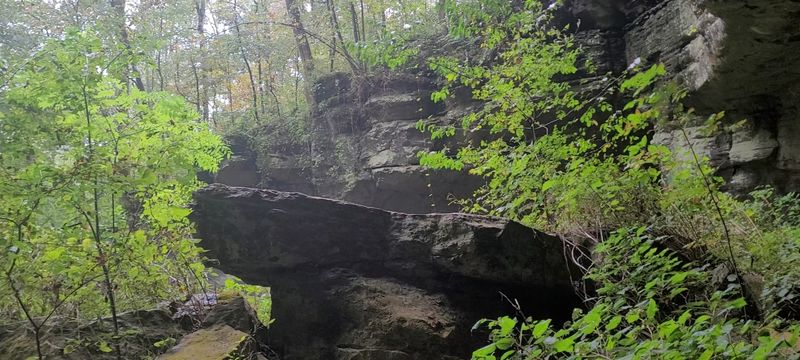
Use of the cave did not end with a dramatic moment. Instead, the record thins, visits taper, and by around 1650 CE activity fades.
Changing technologies, trade routes, and settlement patterns likely made other places more attractive.
At Russell Cave, that gentle exit reads in fewer hearths and lighter debris. People still knew the shelter, but priorities turned outward to villages, fields, and rivers.
It is the kind of ending you miss unless you watch the layers closely.
Standing there, you feel gratitude for a quiet farewell. The cave kept its secrets safe, allowing archaeologists to reconstruct a long story without the noise of sudden collapse.
It is a respectful closing chapter for a place that served so well.
Exceptional Preservation
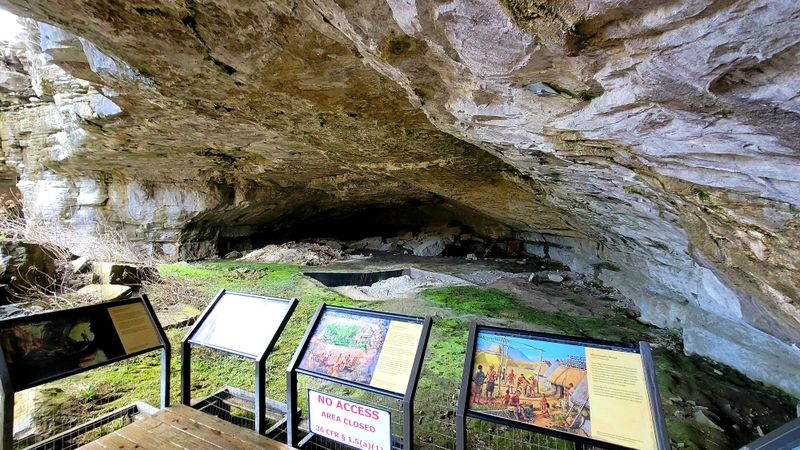
What sets Russell Cave apart is how much survived. Cool, sheltered conditions preserved bone, shell, charcoal, and stone together, giving a fuller look at daily life.
You are not guessing from fragments alone, but reading a richer set of clues.
Organic remains anchor dates and meals, while stone records craft and hunting. Together they show choices, from cooking temperatures to tool repairs.
This harmony is rare, and it lets interpretations stay grounded instead of speculative.
When rangers point out why access is limited, this is the reason. Every footstep risks what time protected.
You leave with respect for patient preservation, knowing future visitors will see more because you saw a little less today.
National Recognition
In 1961, Russell Cave became a National Monument, placing its layers under the care of the National Park Service. That designation recognizes scientific value and cultural importance in one breath.
You feel it in the careful boardwalks, the ranger talks, and the protected quiet.
The status means research can proceed responsibly, with the cave’s story shared widely. Visitor centers evolve, exhibits refresh, and school groups meet the deep past on field trips.
National recognition keeps the site in conversation with other heritage places.
When you plan a visit, check hours and trail updates, then bring curiosity. The monument model balances access with conservation, so patience is part of the experience.
It is a fair trade to keep nine thousand years within reach.
Why Russell Cave Matters
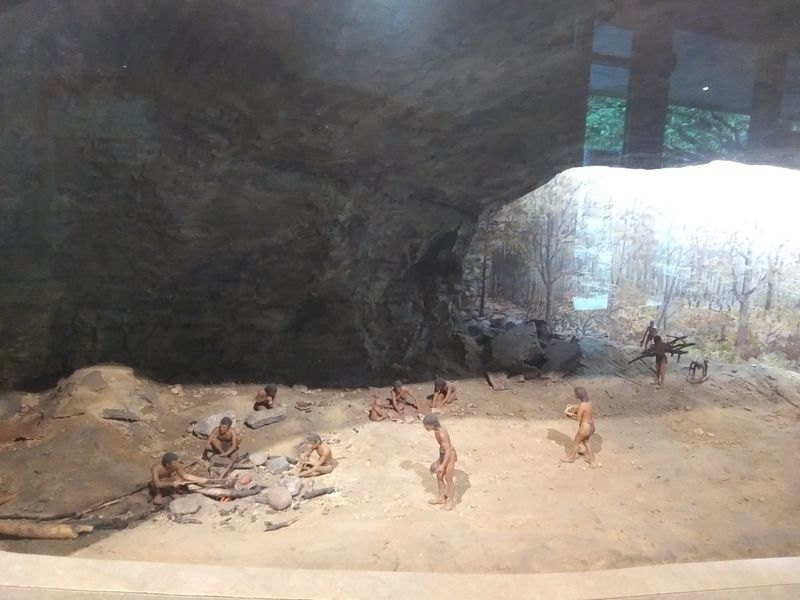
Russell Cave tells a complete story in a single place, from early hunters to gardeners and beyond. You stand at one address and look across thousands of seasons, watching tools shrink, pots appear, and diets shift.
Few sites deliver that continuity with such clarity.
It also shows how quiet factors win the day. Water, steady temperatures, and local stone mattered more than spectacle.
Families chose comfort and reliability, and their choices left a readable map underfoot.
Visiting feels personal. Rangers share insights, trails frame the shelter, and the past answers simple questions with patient detail.
You leave understanding that history survives not in grand halls, but in steady places where people lived, worked, and returned.
Visitor Essentials and Experience
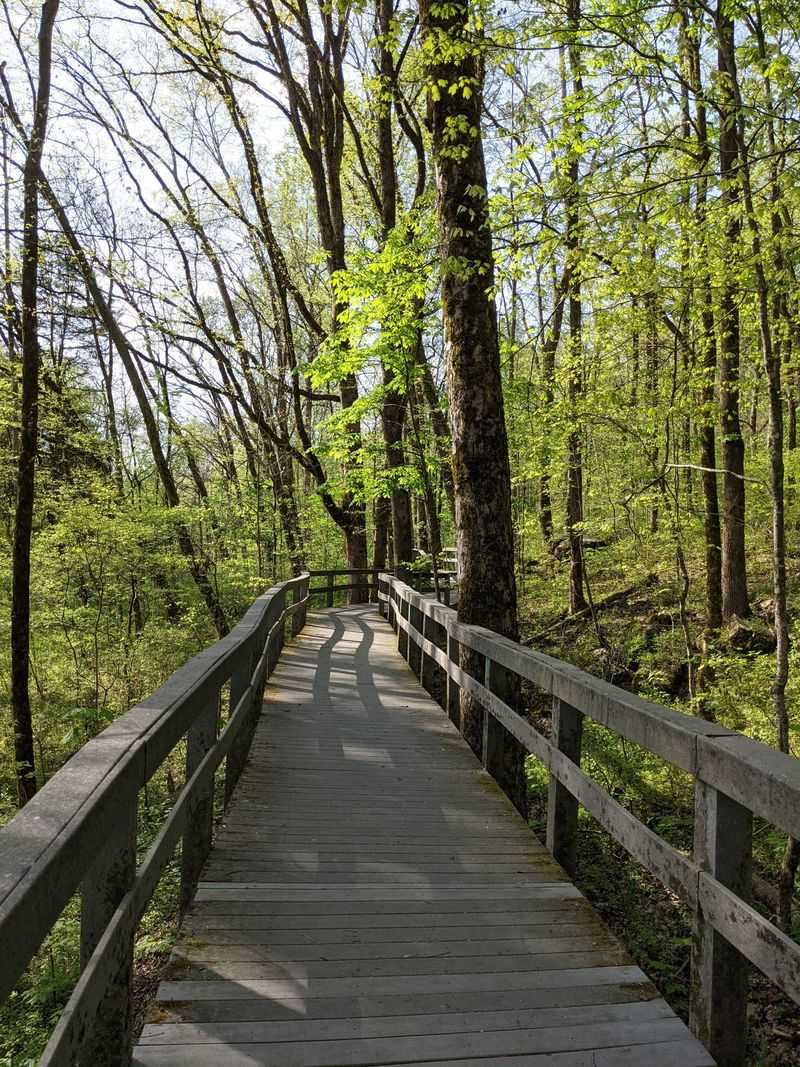
Before you go, check the monument website for hours and any boardwalk or trail closures. The visitor center may be temporary during renovations, but staff are friendly and eager to share archaeology and wildlife facts.
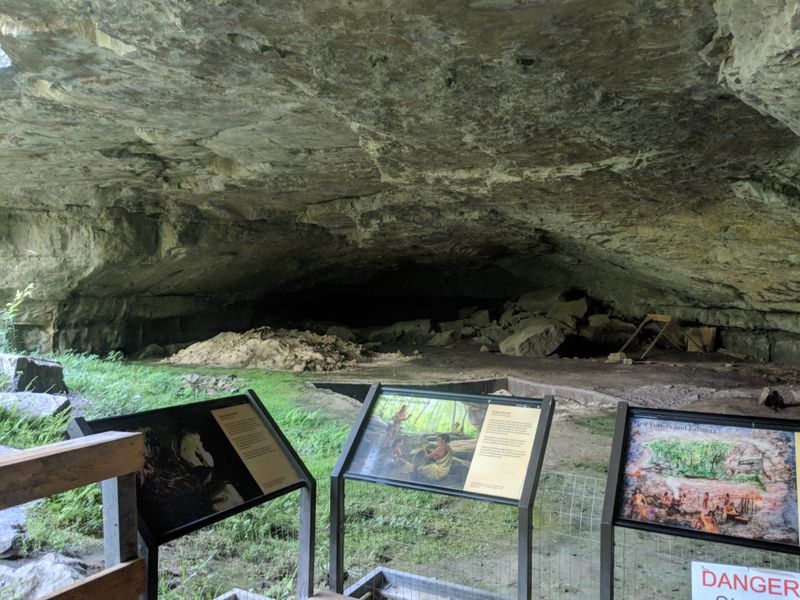
Expect a short walk to the shelter and interpretive signs that anchor the big timeline.
You cannot enter the cave interior, and that protects delicate layers. Still, the view is impressive, the air cooler, and the story vivid enough to fill the gap.
Bring water, especially in humid months, and wear shoes ready for hills and roots.
Families love the Junior Ranger program, and dog owners appreciate the BARK guidelines on shaded trails. Rangers sometimes demonstrate atlatl throws, linking artifacts to motion.
With patience and curiosity, your hour here stretches into nine thousand years of connection.



