 Unearth The Voyage
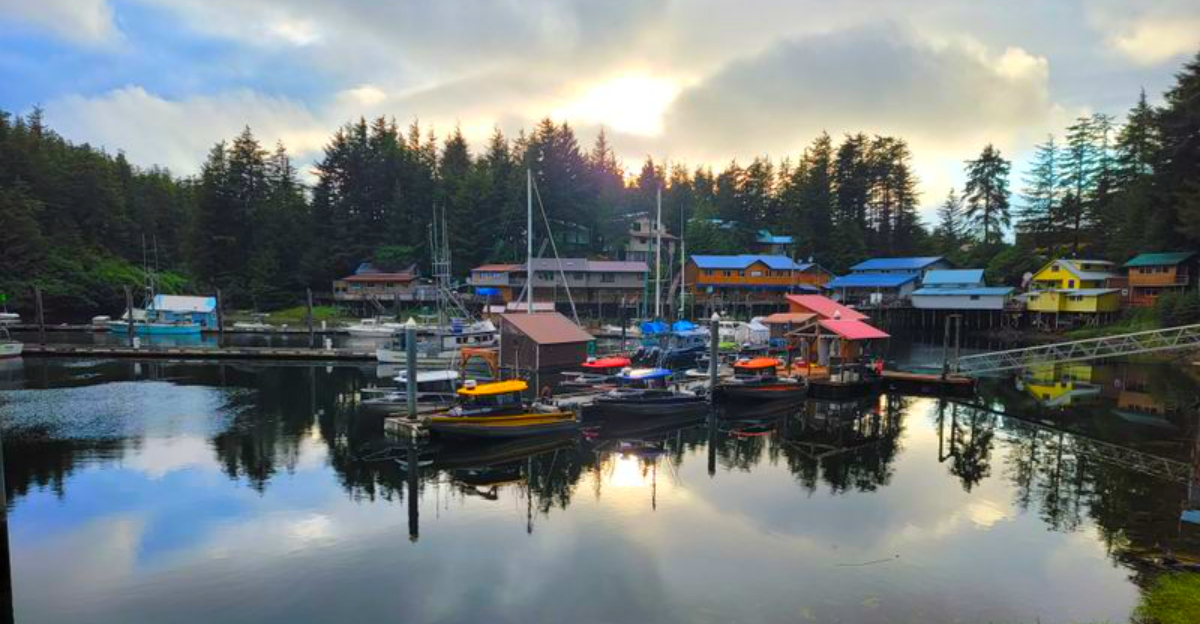
You arrive by floatplane, skimming down onto glassy water as cedar boardwalks come into view. Across the channel, Glacier Bay shifts color with the light, gulls circling above skiffs being loaded for the day.
At Elfin Cove Resort, the rhythm is set by tides and weather, with evenings reserved for meals and stories back at the lodge. Spend a day here and the idea of “remote” starts to feel less abstract and more lived-in.
Arriving by Floatplane: Your First Breath of Wild
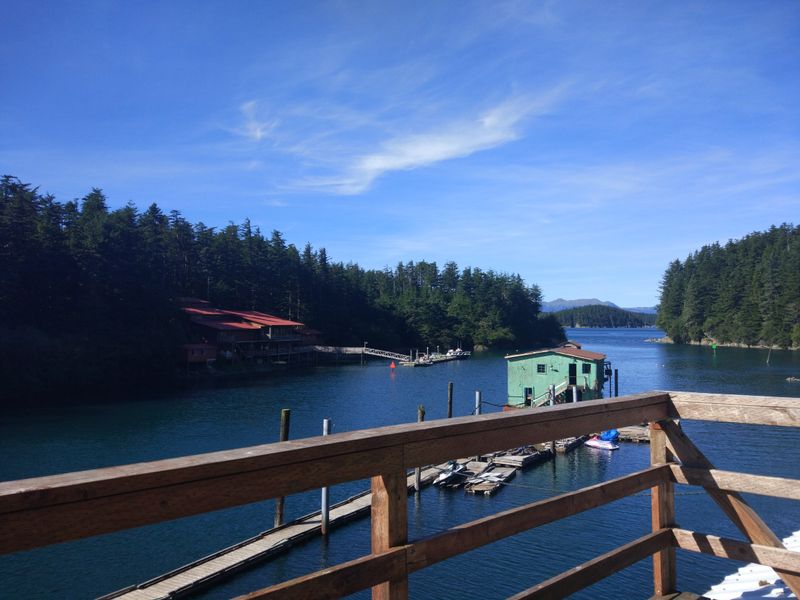
The floatplane dips, skims the cove, and suddenly you are breathing air that tastes like salt and spruce. The docks feel close enough to touch as the pilot taxis beside weathered pilings and eagles that hardly bother to move.
Step out and your shoulders drop, the noise of regular life slipping off into the tide.
Elfin Cove Resort staff is already on the dock, greeting you by name, grabbing bags, and offering an easy plan for the day. You notice how quiet it is, broken only by gulls and a distant deckhand hosing down the morning’s boats.
The boardwalk leads to the main lodge where coffee steams and windows frame Glacier Bay like a living mural.
Here, travel starts with stillness. You will stash luggage, size up rain gear, and feel that subtle thrill as the captain’s briefing sets the tone.
Tourism to Alaska has rebounded strongly in recent seasons according to state reports, and yet this cove remains intimate. It feels like a secret, shared carefully, tide by tide.
The Lodge With Glacier Views
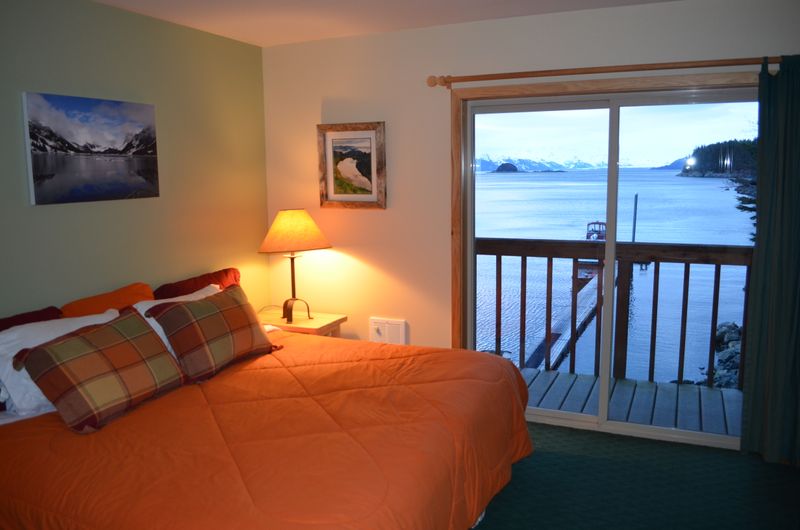
Walk into the lodge and it smells like coffee, cedar, and something savory coming from the kitchen. Leather recliners face huge windows where the water changes mood every few minutes.
People gather with damp jackets draped over chairs, comparing weather notes and yesterday’s halibut highs.
This is where you meet the rhythm of Elfin Cove Resort. Mornings start with hearty breakfasts, and evenings ease into appetizers while the light turns glacier blue.
The hospitality reputation is not hype, supported by a 4.8 star rating and guests who return year after year.
Between outings, there is a ritual. You pour coffee, warm your hands by the fire, and plan the next drift.
The lodge never feels fussy, just dialed in to what you actually need in remote Alaska. When clouds break and sun spills across the bay, conversations pause.
No one wants to miss the show, not for a second.
Breakfasts, Dinners, and Stories Around the Table
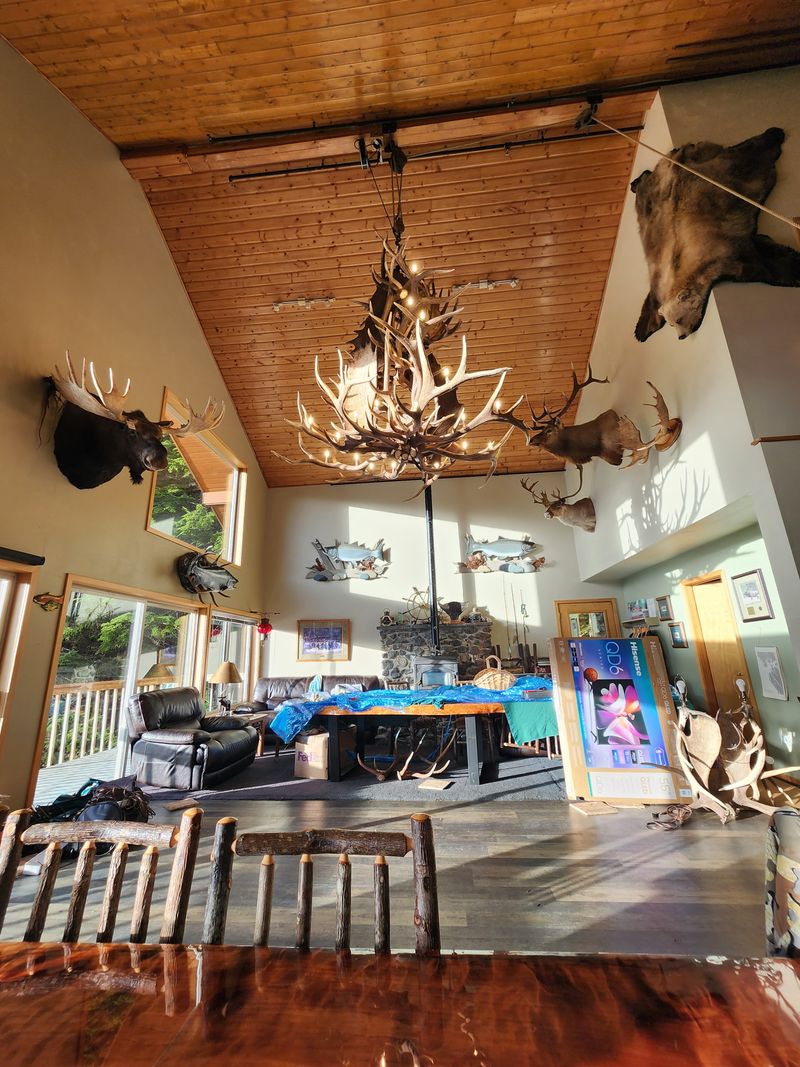
Meals here are part refuel, part celebration. Breakfast is built for long days: eggs, bacon, fruit, and hot coffee that never runs out.
You pack a boat lunch from a spread of sandwich fixings, cookies, and snacks because once the lines drop, you will not want to stop.
Dinner is where stories stretch and flavors get bold. Reviewers rave about shrimp diablo with the right kind of heat, bread pudding scented with vanilla, and halibut cooked just enough to flake like sea snow.
Plates arrive balanced and beautiful, not precious, and seconds are offered if there is room.
What makes it memorable is the communal table. You sit with people who were strangers that morning and end up swapping tips on knots and mooching techniques.
In Alaska, dining trends lean local and hearty, and this lodge nails that approach. You leave satisfied, already wondering what the chef will surprise you with next.
Captains Who Read the Water
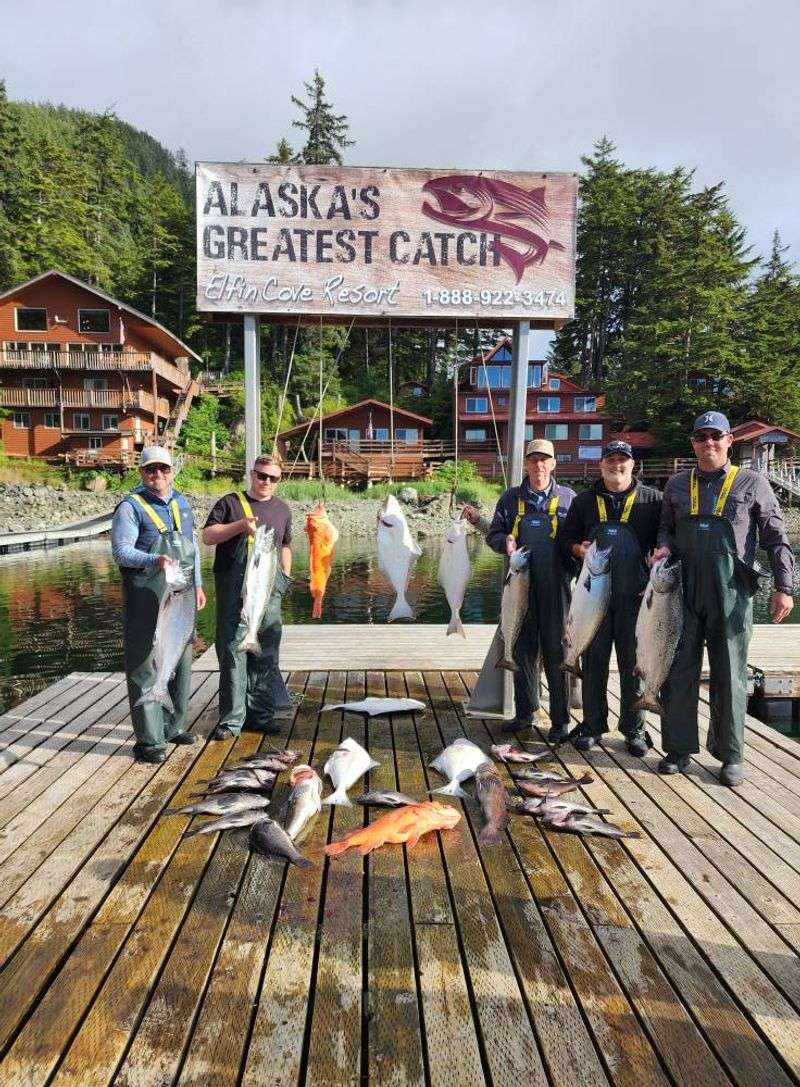
Your day really begins when the captain nods, throttles up, and points toward Cross Sound. Out here, knowledge is everything, and these crews know the currents, the bait balls, and the subtle tells that whisper where fish will be.
Calm voices and precise instructions keep the cockpit steady when the bite turns on.
Guests consistently praise captains for patience and skill, especially with mixed-experience groups. They adjust tactics, read tide tables like a second language, and decide when to switch from trolling to mooching without drama.
Safety checks happen quietly, but you notice them all the same.
There is a confidence that builds when a captain explains why this drift line matters, or why the next pass could be magic. Crew teamwork is tight, gear is ready, and coaching feels encouraging rather than pushy.
By midafternoon, you are moving like a team. The ocean rewards that kind of respect.
Halibut, Lingcod, and Rockfish: The Bottom Game
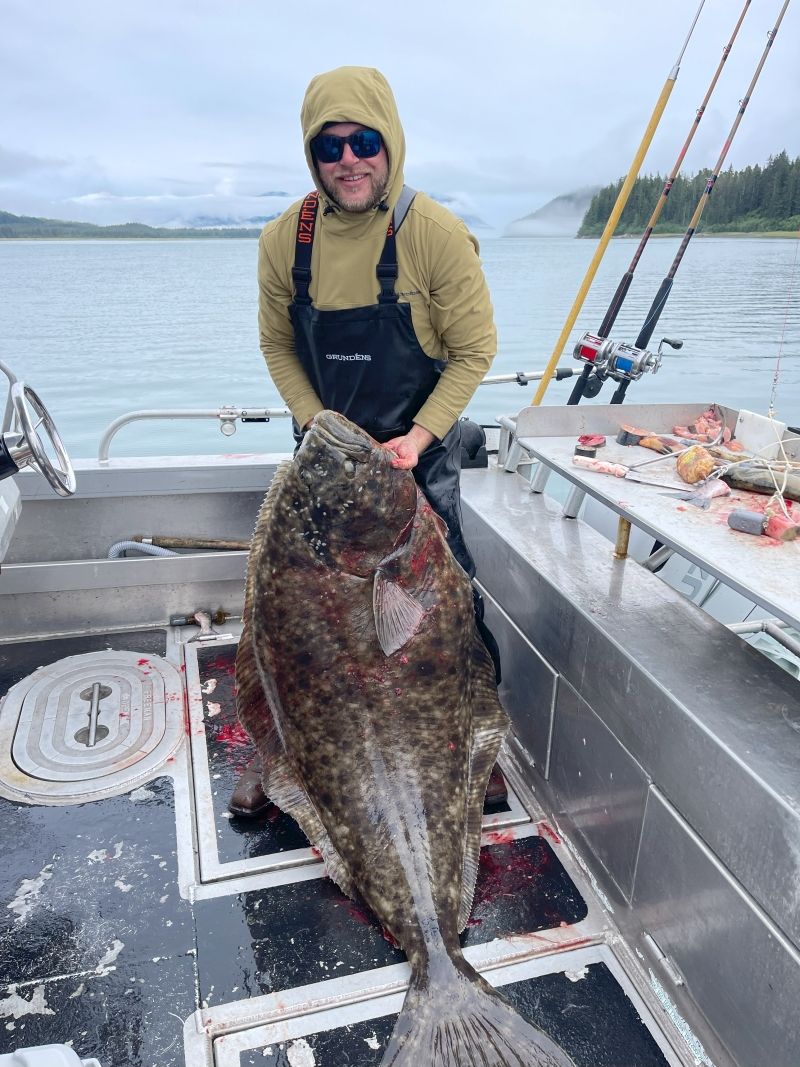
Drop a jig and you feel the bottom like Braille. Halibut lurk where tide meets structure, and the first heavy thump sends a jolt up your forearms.
Deckhands coach your lift and reel rhythm while the captain watches the drift angle, keeping everything lined up.
Rockfish arrive in colorful flurries, black and copper flashes filling the fish box with satisfying speed. Lingcod strikes are mean and decisive, and there is nothing like seeing that mottled shape rise out of green water.
You learn to keep hooks sharp, weights ready, and your stance solid when the fish decides to run.
Processing back at the resort turns effort into treasure. Fillets are cleaned, labeled, vacuum sealed, and frozen with an efficiency that guests rave about.
Many leave with 80 to 100 pounds of premium fish, boxed and ready for the flight home. It feels like taking a piece of the cove with you.
Salmon Days: Kings, Cohos, and Pink Runs
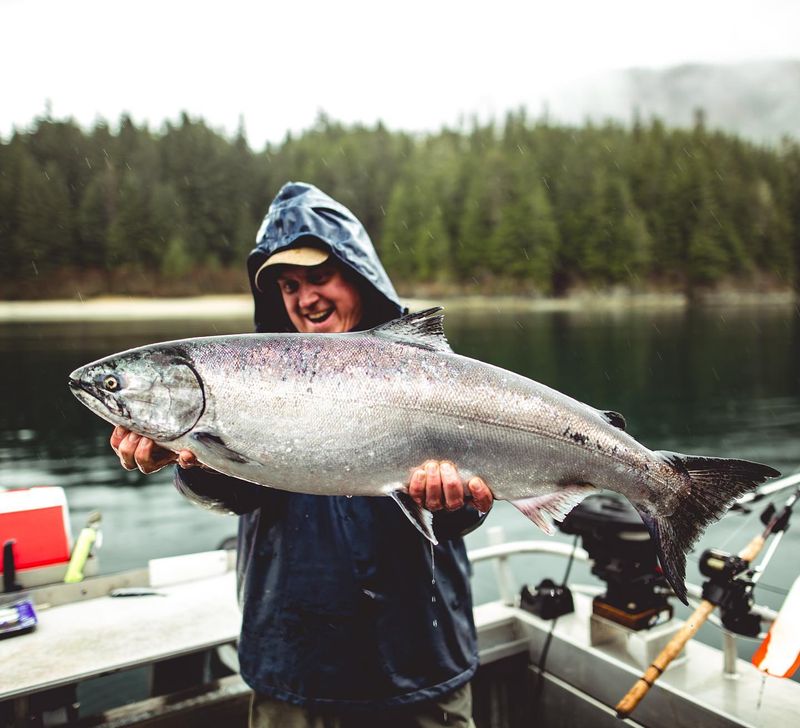
When salmon are running, the whole boat hums with focus. Downriggers click, flashers spin, and someone calls out a rod pop like a starter pistol.
Cohos cartwheel, kings bulldog deep, and pinks arrive in cheerful numbers that keep everyone grinning.
The crew adjusts depths, follows temperature breaks, and switches from trolling to mooching when conditions favor it. You learn to keep the line tight, trust the drag, and sweep the net clean.
Salmon fishing is part skill, part timing, and part pure luck, and that blend never gets old.
Back at the dock, the day is measured in bright fillets and high fives. Alaska’s salmon remain a cultural and culinary backbone, and handling them with care is part of the ethos here.
Packages are labeled by species so your freezer at home tells the story. Dinner that night tastes like victory.
Wildlife Moments Between the Bites
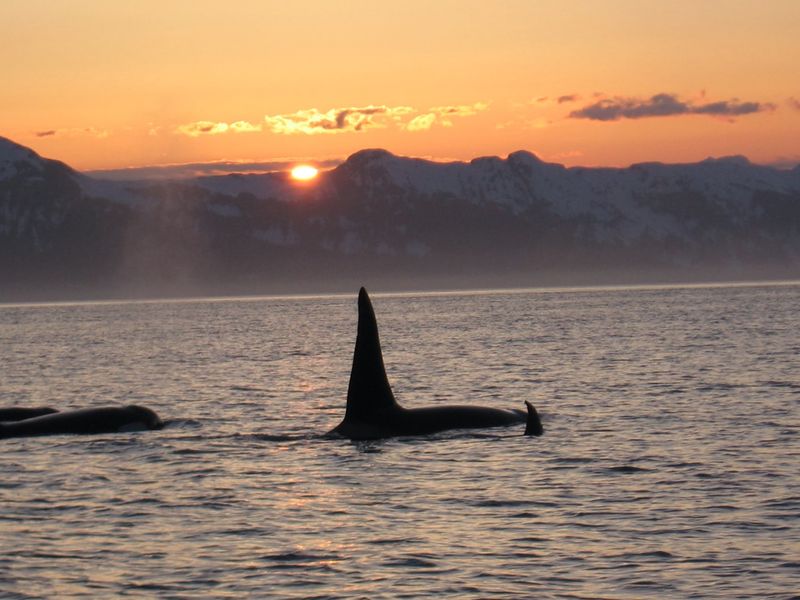
Some days the wildlife steals the show. Humpbacks breach with a thunder you feel in your ribs, orcas slip through the swells like ink, and sea lions bark from a buoy that has seen decades of weather.
Bald eagles patrol the treeline like sentries.
These sightings are not add-ons, they are part of the Elfin Cove rhythm. You will pause mid-sandwich to watch a tail slap echo across the bay, or nod quietly when a brown bear appears along a creek mouth.
The captain keeps respectful distance and you get a front row seat to something unstageable.
Alaska hosted millions of visitors in recent years as interest in wildlife-forward travel surged, but this cove keeps it personal. There is room to be quiet.
Later, back at the lodge, the retelling sounds like poetry with salt on it. You will not forget the light, or the way the water held it.
Gear, Rain Jackets, and Staying Comfortable
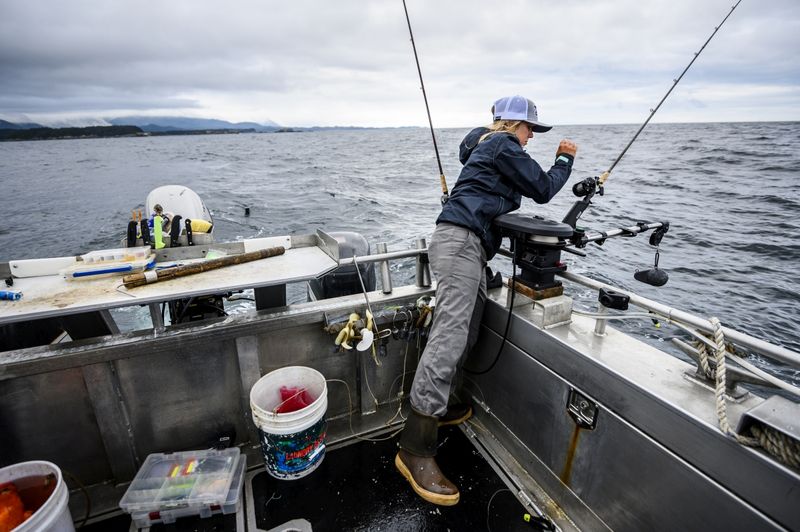
Comfort starts with the right layer. The resort outfits you with sturdy rain gear and boots, and captains double-check that life jackets fit snugly.
A drying room waits back at the lodge so your kit is warm and ready for round two tomorrow.
On deck, gloves and hats matter as much as rod choice. Crew keep spare tackle within reach, swapping out baits when the bite changes and suggesting when to go heavier on weight.
Hydration and snacks live in the cooler so no one fades when the tide window opens.
Bring a warm base layer, sunglasses for glare, and a phone pouch for spray. The comfort calculus is simple: stay dry, stay fed, keep fishing.
It is surprising how much energy you save when your gear works with the weather instead of against it. By day two, you move like you have been here forever.
Processing, Packing, and Taking Alaska Home
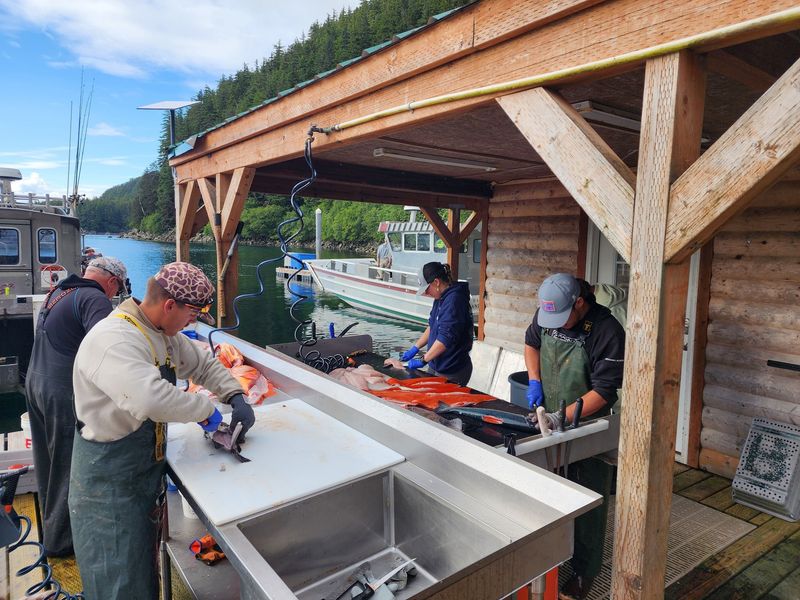
After docking, the ritual begins. Fish are lined up, filleted cleanly, trimmed, and portioned exactly how you prefer.
Labels go on by species and date, then everything moves into a deep freeze that turns today’s work into pristine dinners for months.
Guests consistently praise the organization: boxes are weighed, sealed, and staged for flights, making early departures smooth. Staff share tips on airline policies and cooler strategies so your hard-earned catch rides home without drama.
It is satisfying to see the day condensed into tidy, frosty bricks of halibut and coho.
There is pride in this process, and it shows. You will step onto the floatplane with boxes that feel heavier than they look, carrying flavor and memory in equal measure.
Back home, that first sear in the pan releases a little of the cove into your kitchen. You can taste the tide lines.
Insider Tips for Timing and Permits
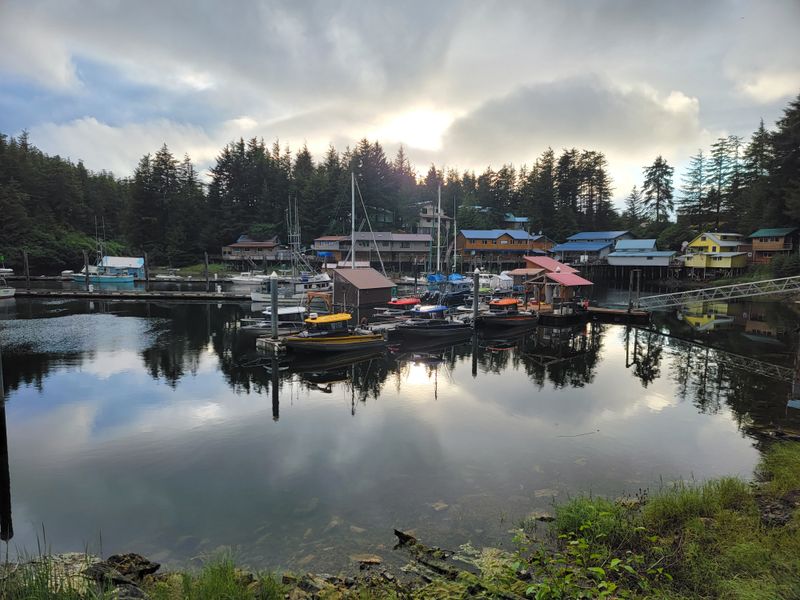
Timing matters in Elfin Cove. Spring can bring king salmon thrills and crisp mornings, while mid to late summer often stacks coho runs and calmer seas.
Halibut opportunities extend across the season, with tides and weather shaping each day’s plan.
Book early, especially if you want prime salmon weeks or to align with friends’ schedules. Ask about tide windows and how the lodge sequences target species through the week.
Some operators here hold special permits that open access to certain waters, a serious advantage when conditions line up.
Licensing is simple but essential. Secure your Alaska fishing license and any king stamps before arrival if possible, and confirm baggage allowances for taking fish home.
In a place this remote, small preparations make a big difference. You will thank yourself when the bite turns on and every detail is already dialed.



