 Unearth The Voyage

Moose are everywhere in Alaska, and sometimes they are closer than you think. Locals know the streets, trails, and driveways where a routine walk can turn tense fast. You will learn which areas demand the most caution and exactly how to read the warning signs. Keep your distance, trust your instincts, and you will navigate these encounters safely.
1. Anchorage Greenbelts and Neighborhood Corridors
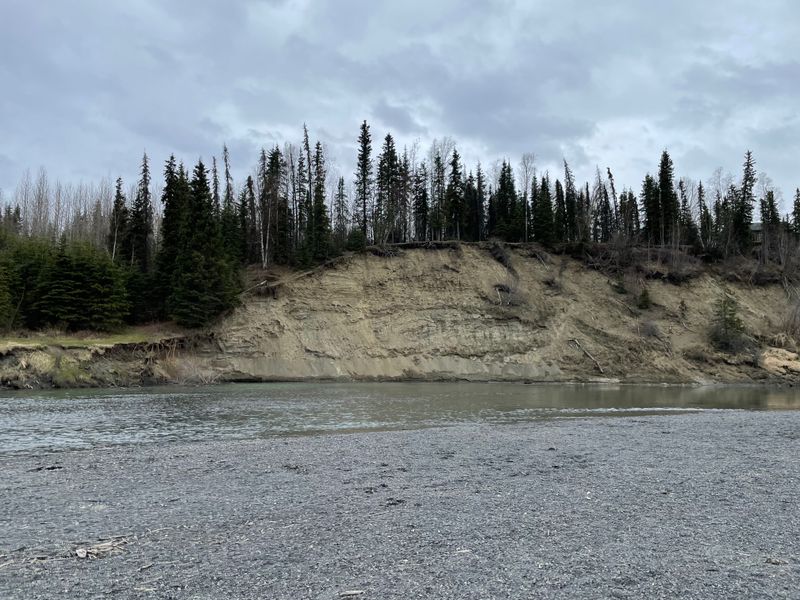
Anchorage greenbelts connect neighborhoods, which means moose use them like highways. You might turn a corner and find a cow guarding her calf or a bull browsing willows. Keep at least 25 yards, give them the trail, and step behind a tree if ears pin back.
Winter tightens everything. Deep snow funnels moose onto plowed paths, driveways, and school routes. Dogs can trigger charges, so leash and detour early. If hackles rise or the head drops, back away slowly without eye contact. You are not winning a standoff here. Space, patience, and quiet often prevent trouble.
2. Kincaid Park Trails and Coastal Bluffs

Kincaid packs forest, bluffs, and winding trails into one high traffic playground. Moose browse along sightline bends, so cyclists and skiers can surprise them fast. Slow before blind corners, announce yourself, and yield the entire trail if ears flatten or lips smack.
Evening brings moose into open meadows and parking lots. Keep headlights low, scan edges, and never herd an animal off the route. If a moose blocks you, wait behind a tree or car until it passes. Calving season turns cows into bouncers. Your best move is distance, patience, and quiet exits.
3. Fairbanks Plowed Roads and Multi Use Paths
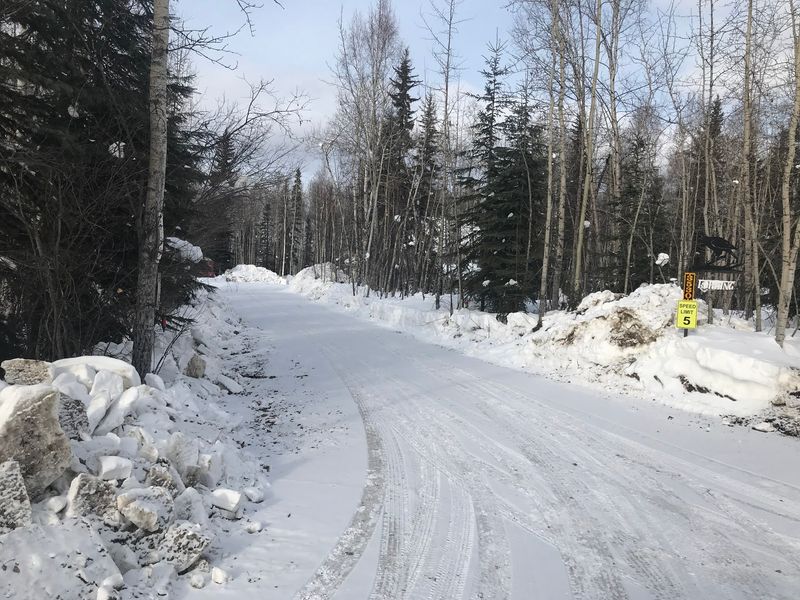
In Fairbanks, deep snow pushes moose onto plowed corridors. Roads, sidewalks, and multi use paths become their easiest travel routes. You will see them loafing in tire ruts or stepping from spruce cover. Give them the lane and retreat to a solid barrier like a car.
Watch for stress signs in midwinter. A lowered head, pinned ears, and raised hackles mean get out now. Move calmly, never run, and keep dogs quiet. Drivers should slow early and avoid honking at close range. Expect moose near school routes at dawn and dusk.
4. Mat Su Valley Subdivisions and River Flats
Between Palmer and Wasilla, subdivisions meet willow rich river flats. That is perfect browse, so moose wander through yards, mailboxes, and bus stops. Give calves a wide berth and assume mom is ten steps away. If she pins ears, put a big object between you and her.
Early spring concentrates animals near thawing channels. Keep dogs leashed and kids inside cars during pickup. When a moose lingers in a driveway, wait it out. Never toss food or attempt to shoo. Your calm retreat and extra space prevent panic and charging.
5. Chugach Front Range Trailheads
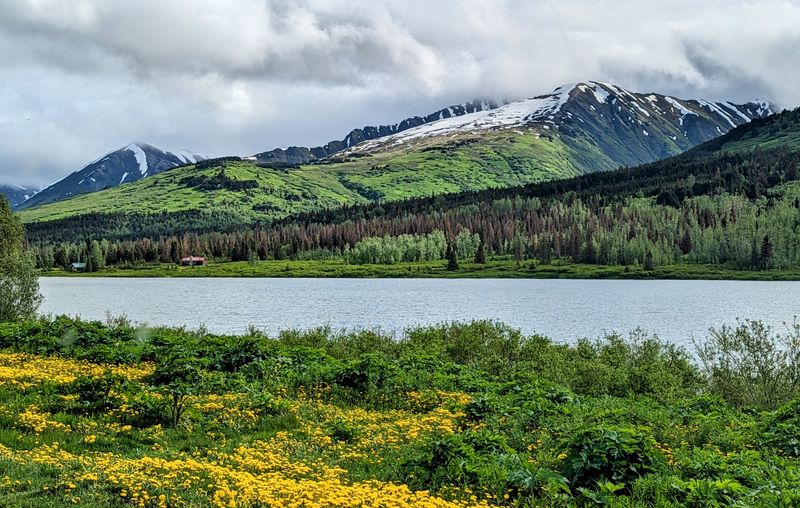
Front range trailheads blend parking bustle with thick browse. Moose slip between cars and signs, invisible until you step out. Scan before opening doors, and circle vehicles if one is nearby. Give the animal the corridor and wait behind a kiosk or tree.
On trail, switchbacks and alders cut sightlines. Talk softly, keep a steady pace, and avoid boxing a moose against a slope. If it blocks the route, turn around rather than squeeze past. Calving season and rut boost risk, so widen distance. Your best defense is awareness and time.
6. Turnagain Arm Trails
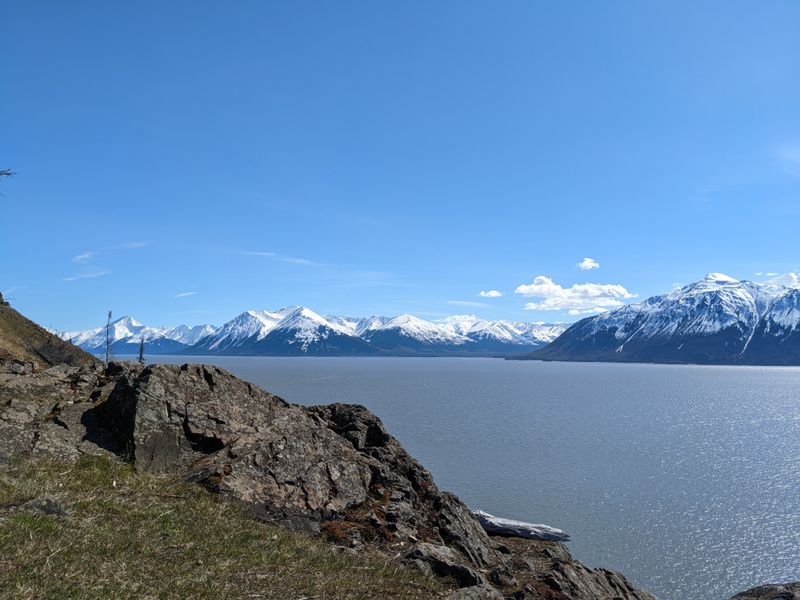
Hidden within the scenic beauty of Turnagain Arm is a trail system known for its breathtaking views. However, hikers often share these paths with the mighty moose.
The dense vegetation offers moose an ideal habitat, leading to frequent encounters. Early mornings and late afternoons are particularly active times.
It’s essential to remain vigilant and respect these majestic animals from a distance. Moose can become aggressive if startled or threatened.
7. Kenai Peninsula Forests
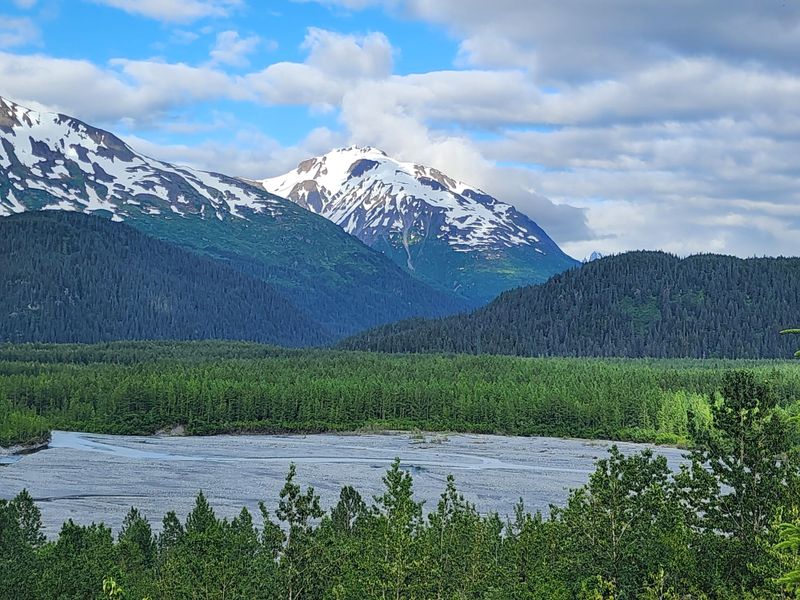
The Kenai Peninsula is a wildlife enthusiast’s dream, yet its forests are also prime moose territory. These towering creatures roam freely, often appearing unexpectedly.
Locals are familiar with the telltale signs of moose activity, like tracks and droppings. Visitors should stay alert and keep noise to a minimum.
A chance to observe these animals in their natural habitat is a thrilling experience, but it demands caution and respect.
8. Eagle River Nature Center
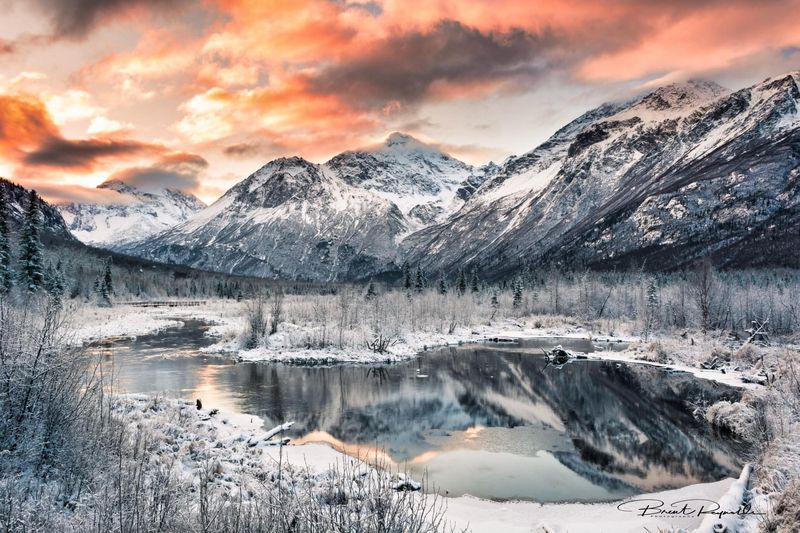
Eagle River Nature Center offers a serene escape into nature, yet it’s a hotspot for moose sightings. Here, moose find refuge among the lush greenery and expansive trails.
Visitors may encounter them during a leisurely walk or a more strenuous hike. Always maintain a safe distance and have your camera ready.
The majestic presence of moose adds a remarkable element to the tranquil surroundings, blending danger with beauty.
9. Hatcher Pass
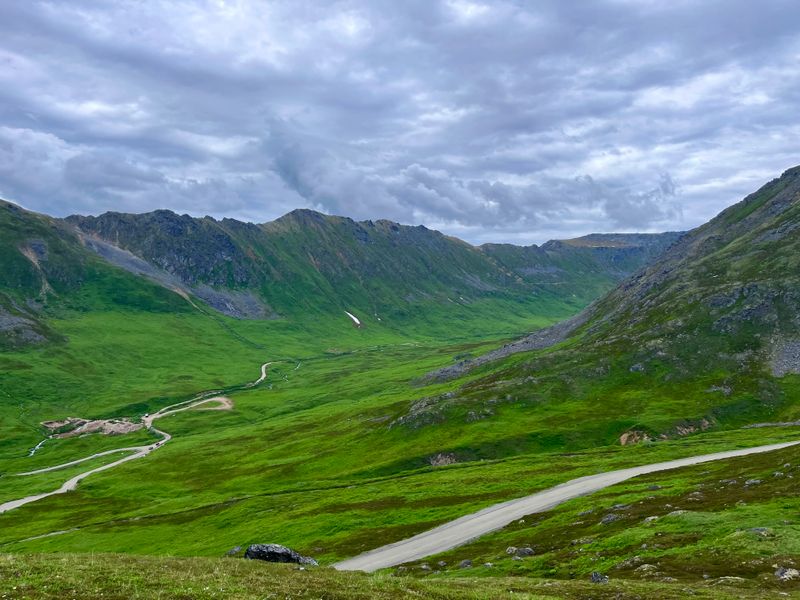
Hatcher Pass’s scenic beauty is matched by its wildlife, particularly the moose that wander its snowy expanses. Winter sports enthusiasts often find themselves in close proximity.
These encounters, while exciting, require mindfulness of the moose’s space and demeanor. Moose are unpredictable, especially in winter.
Viewing a moose against the dramatic backdrop of Hatcher Pass is a quintessential Alaskan experience that resonates with both danger and awe.
10. Denali Highway
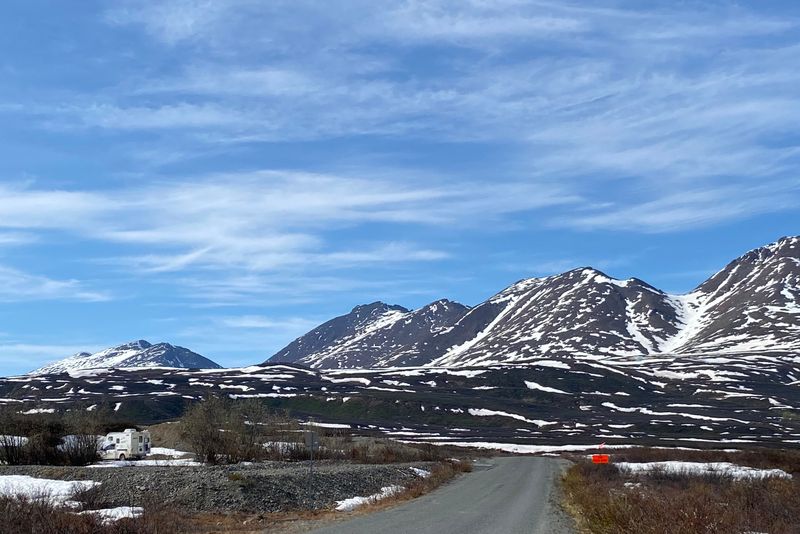
The Denali Highway offers wide-open spaces and breathtaking vistas, often interrupted by the sight of a moose. These crossings are common and sudden.
Travelers are advised to drive cautiously, slowing down to avoid unexpected encounters. Moose are known to wander onto the roads.
The highway’s vastness and beauty make it a memorable journey, where every glimpse of a moose adds to the allure and thrill.
11. Girdwood Meadows
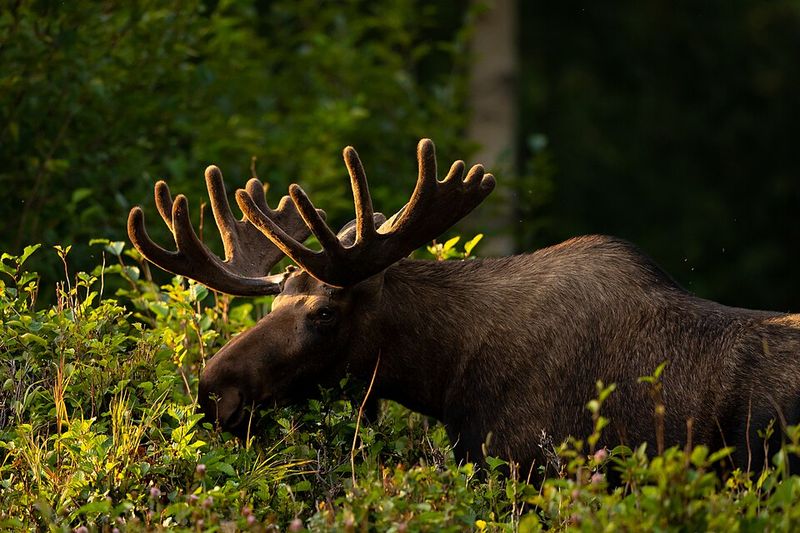
Girdwood’s picturesque meadows are as inviting to moose as they are to photographers. Here, these giants enjoy the rich vegetation.
Morning and evening are prime times for moose activity, creating a magical scene for observers. Keep a respectful distance to ensure safety.
The gentle rustle of leaves and the sight of a moose in these meadows offer a serene yet thrilling encounter with nature.
12. Talkeetna Riverbanks
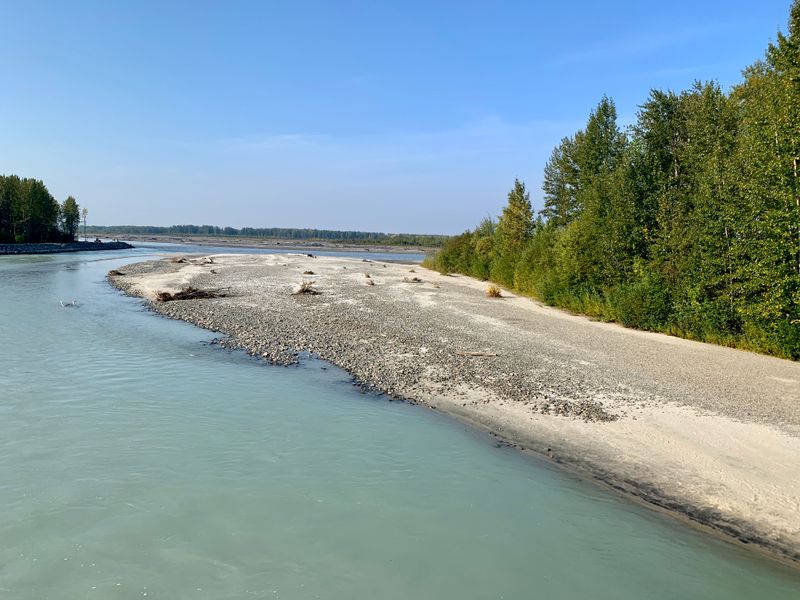
The riverbanks of Talkeetna are frequented by moose seeking water and food, especially during the fall. This seasonal activity attracts nature lovers and photographers alike.
The vibrant foliage offers a stark contrast to the moose’s dark silhouette, creating an unforgettable image. Observers should remain cautious.
A moose encounter by the river is a serene moment that embodies the wild beauty of Alaska, blending tranquility with the potential for danger.



