 Unearth The Voyage
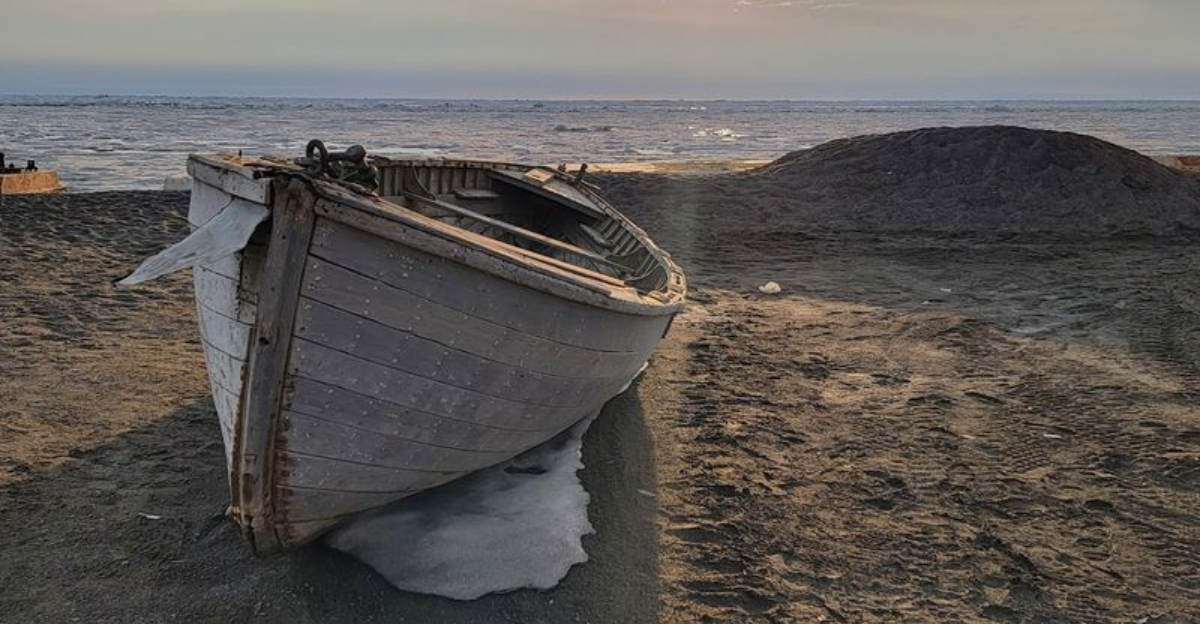
There is a town in America where the sun disappears for more than two months straight, where polar bears sometimes wander near the edges of neighborhoods, and where the nearest road connecting to the rest of the country simply does not exist. Getting there means boarding a plane, because there is no other way in or out.
This place sits at the very top of Alaska, closer to the North Pole than to Anchorage, and it has been home to the Inupiat people for thousands of years. The cold here is not just a weather condition but a way of life that shapes everything from the food people eat to the festivals they celebrate.
This article takes you through what daily life really looks like in one of the most remote, fascinating, and resilient communities in the entire United States.
Where Exactly Is This Frozen Town
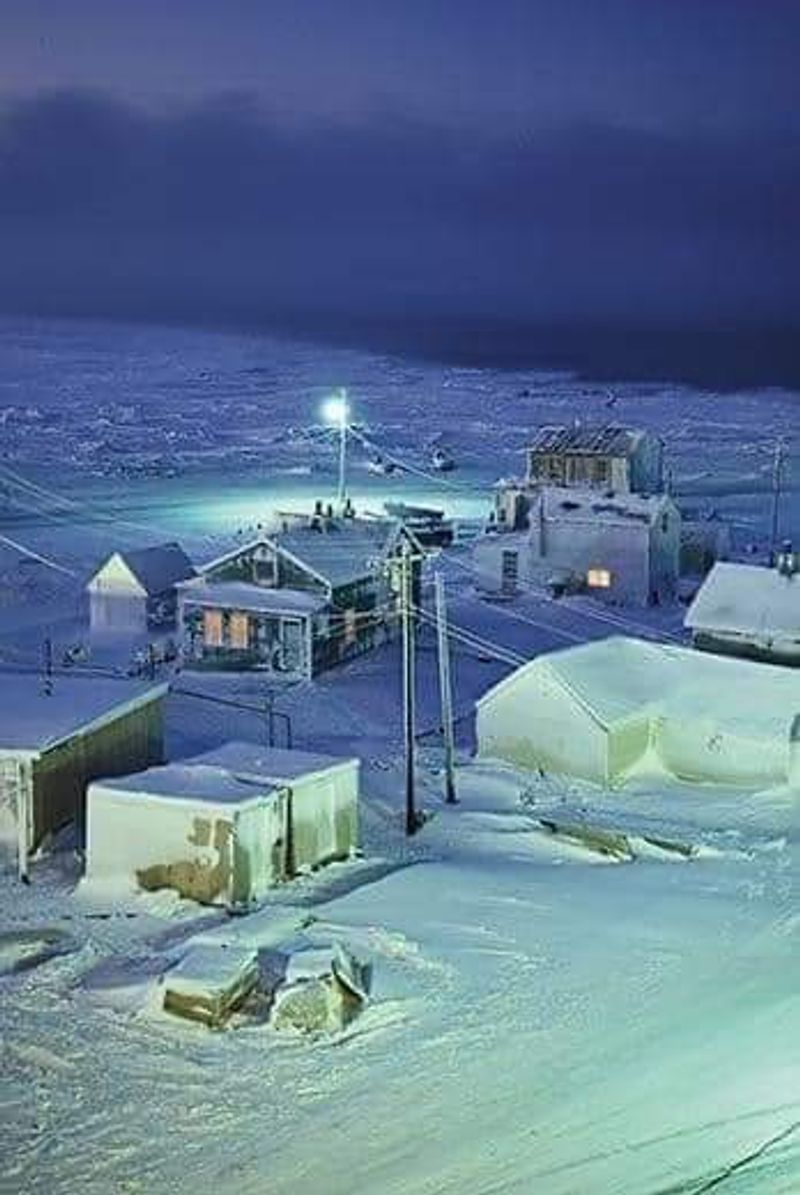
Utqiagvik, formerly known as Barrow, sits at 71 degrees north latitude on the northern tip of Alaska, making it the northernmost city in the United States. Its official address places it in Alaska 99723, within the North Slope Borough, a region so vast it is larger than many U.S. states.
The Arctic Ocean wraps around the town on two sides, and the nearest major city, Fairbanks, is roughly 500 miles away by air. There are zero paved roads connecting Utqiagvik to the rest of Alaska’s road network.
The city sits on a narrow spit of tundra land that juts into the Chukchi and Beaufort Seas. The website for the local government, cityofbarrow.org, still reflects the town’s former name.
Around 4,500 people call this remote Arctic outpost home year-round, which makes it a genuine community rather than just a research station.
A History Thousands of Years Deep
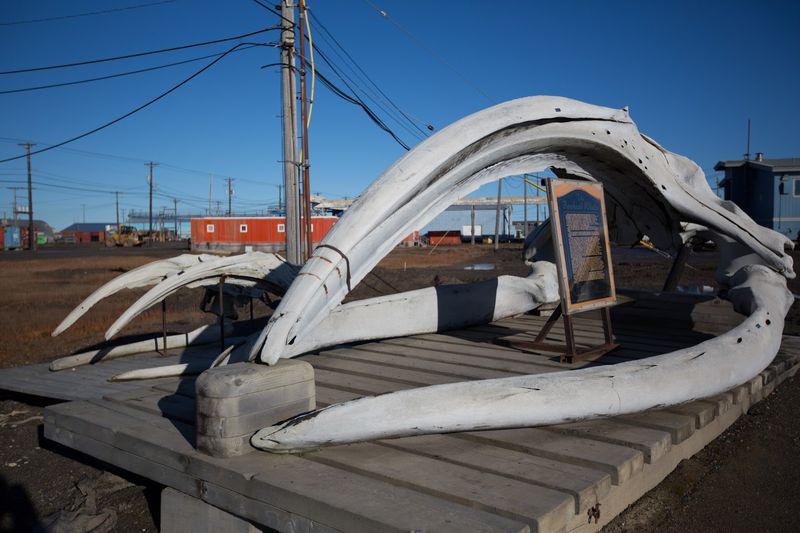
Long before any modern buildings appeared on this frozen land, the Inupiat people were already thriving here. Archaeological evidence suggests continuous human habitation in the Utqiagvik area for at least 1,500 years, with some estimates pushing that number much higher based on nearby dig sites.
The name Utqiagvik itself comes from the Inupiaq language and roughly translates to a place for gathering wild roots, which gives a hint at how the original inhabitants used the land. The town was renamed from Barrow back to Utqiagvik in 2016 after a community vote, reflecting a broader effort to restore Indigenous place names across Alaska.
Barrow was the colonial name given by Western explorers in the 1800s during Arctic expeditions. The shift back to Utqiagvik was not just symbolic but a statement about cultural pride and self-determination that resonates deeply with the community today.
No Roads, No Problem: Getting There
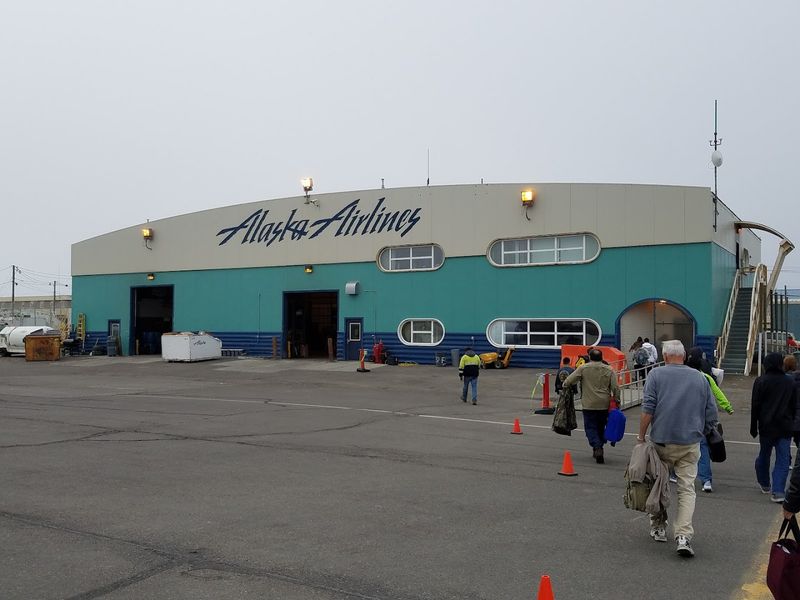
Flying is the only realistic option for reaching Utqiagvik, and that fact alone sets the tone for everything about this place. The Wiley Post-Will Rogers Memorial Airport serves the town and handles both commercial flights and cargo deliveries that keep the community stocked with essentials.
Alaska Airlines operates regular service from Anchorage, with a flight time of roughly two hours. Smaller regional carriers also connect the town to other remote North Slope communities.
Ticket prices can be steep, often running several hundred dollars each way, which is simply the cost of living at the edge of the world.
During winter, some locals use snowmobiles to travel short distances outside town, but there is no road system that leads to another city or town. Every bag of groceries, every piece of construction equipment, and every medical supply arrives either by air or by barge during the brief summer shipping season.
The Sun That Refuses to Set (or Rise)
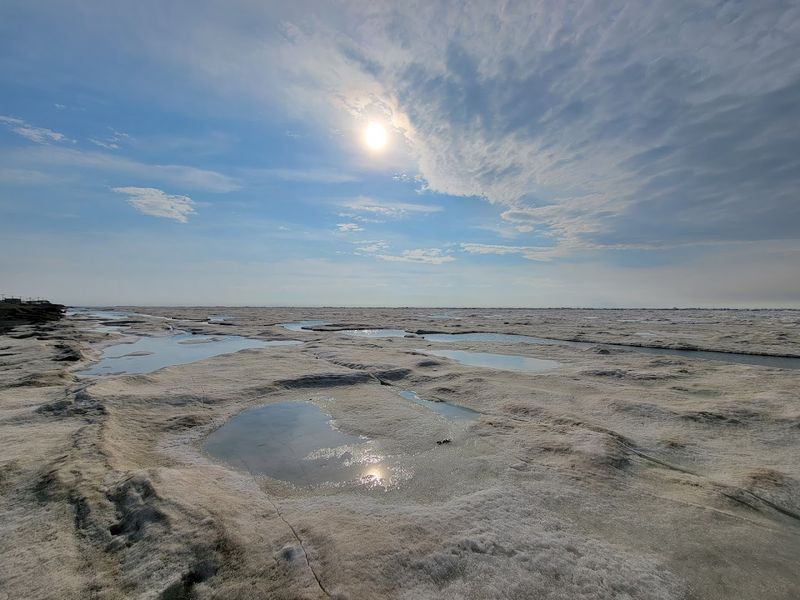
One of the most mind-bending things about Utqiagvik is what happens to the sun. From roughly May 10 to August 2, the sun never sets, giving residents 84 straight days of continuous daylight.
The flip side of that is equally dramatic.
From mid-November to mid-January, the sun does not rise at all, leaving the town in polar night for about 65 days. Locals have adapted to these extreme light cycles in creative ways, using blackout curtains to sleep during summer and keeping schedules flexible during the dark winter months.
Visitors who experience the midnight sun for the first time often describe a surreal feeling of total disorientation. Eating dinner at what feels like noon because the sky is blazing bright, then realizing it is actually 11 p.m., takes some getting used to.
The Arctic light, when it does appear, has a quality that is unlike anything seen at lower latitudes.
What Winter Actually Feels Like Here
Cold is a word that does not quite cover what winter in Utqiagvik delivers. Average January temperatures hover around minus 14 degrees Fahrenheit, and wind chills can push the feels-like temperature far below minus 50.
The wind off the Arctic Ocean has a way of cutting through layers of clothing that even experienced cold-weather travelers find shocking.
Residents rely on specialized cold-weather gear, and many wear traditional Inupiat clothing made from animal skins, which outperforms synthetic materials in extreme conditions. The community has built its infrastructure around these realities, with heated water pipes and buildings designed to handle permafrost shifting beneath them.
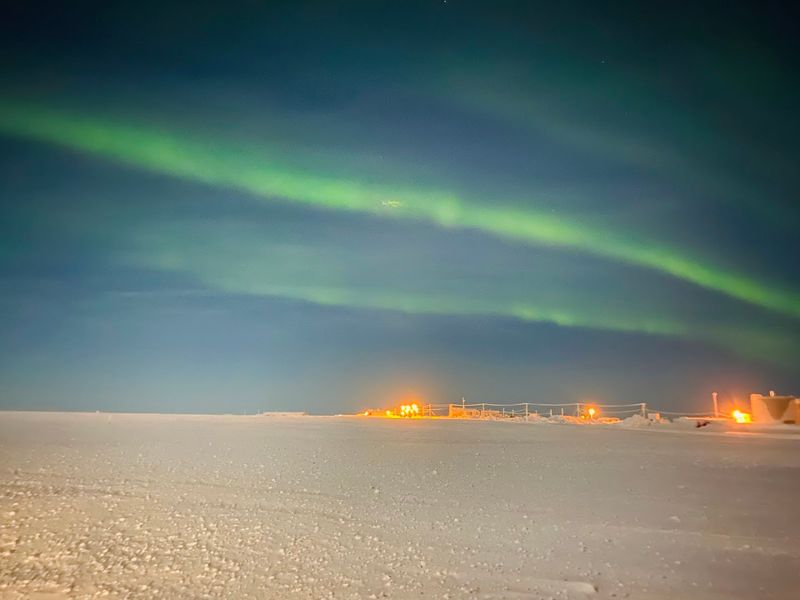
Winter also brings the Northern Lights, or aurora borealis, which paint the sky in greens and purples during the dark months. For visitors willing to brave the conditions, watching the aurora shimmer above a frozen Arctic landscape is one of those experiences that no photograph fully captures.
The Inupiat Culture That Powers This Place
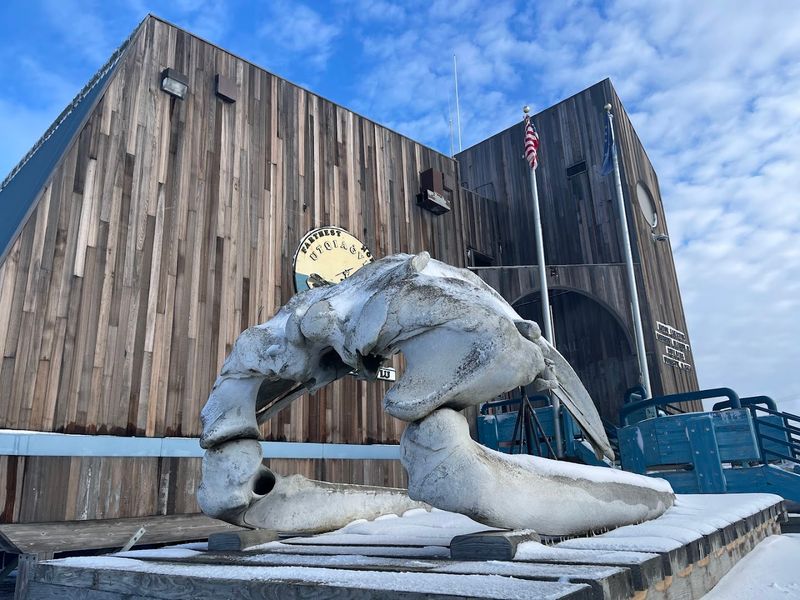
The heartbeat of Utqiagvik is its Inupiat culture, which has survived centuries of outside pressure and continues to thrive in visible, everyday ways. Language revitalization programs in local schools teach Inupiaq alongside English, and many elders are actively involved in passing down traditional knowledge to younger generations.
Traditional practices like skin sewing, drum dancing, and storytelling are not museum pieces here but living parts of community life. The Inupiat Heritage Center, located in town, serves as both a museum and a gathering space where cultural events take place throughout the year.
The community’s relationship with the land and sea is deeply practical as well as spiritual. Elders teach young people how to read sea ice conditions, predict weather patterns, and hunt safely in Arctic environments.
This knowledge, built over thousands of years, remains as relevant today as it ever was in keeping people safe and fed.
Subsistence Hunting and the Bowhead Whale
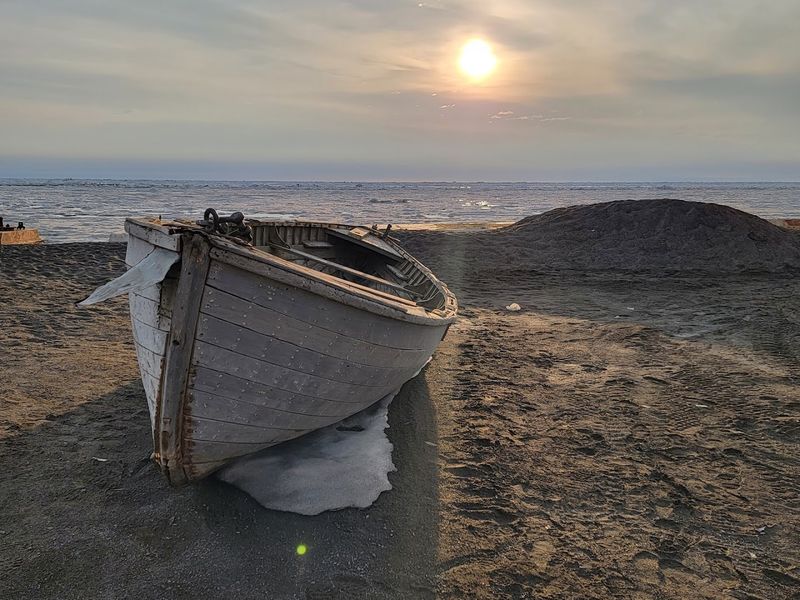
Subsistence hunting is not a hobby in Utqiagvik but a cornerstone of survival and cultural identity. The bowhead whale holds a place of enormous importance in Inupiat life, and the spring whaling season is one of the most significant events on the community calendar each year.
Whaling captains, called umialiit, lead crews out onto the sea ice in traditional skin boats called umiaks to hunt bowhead whales. A successful hunt provides hundreds of pounds of muktuk, the traditional food made from whale skin and blubber, which is shared across the entire community.
The U.S. government recognizes the Inupiat’s right to subsistence whaling under agreements with the International Whaling Commission, acknowledging that this practice is essential to cultural and nutritional survival. Beyond whales, the community also hunts caribou, seals, walrus, and migratory birds, creating a food system deeply connected to the rhythms of the Arctic environment.
Nalukataq: The Blanket Toss Festival
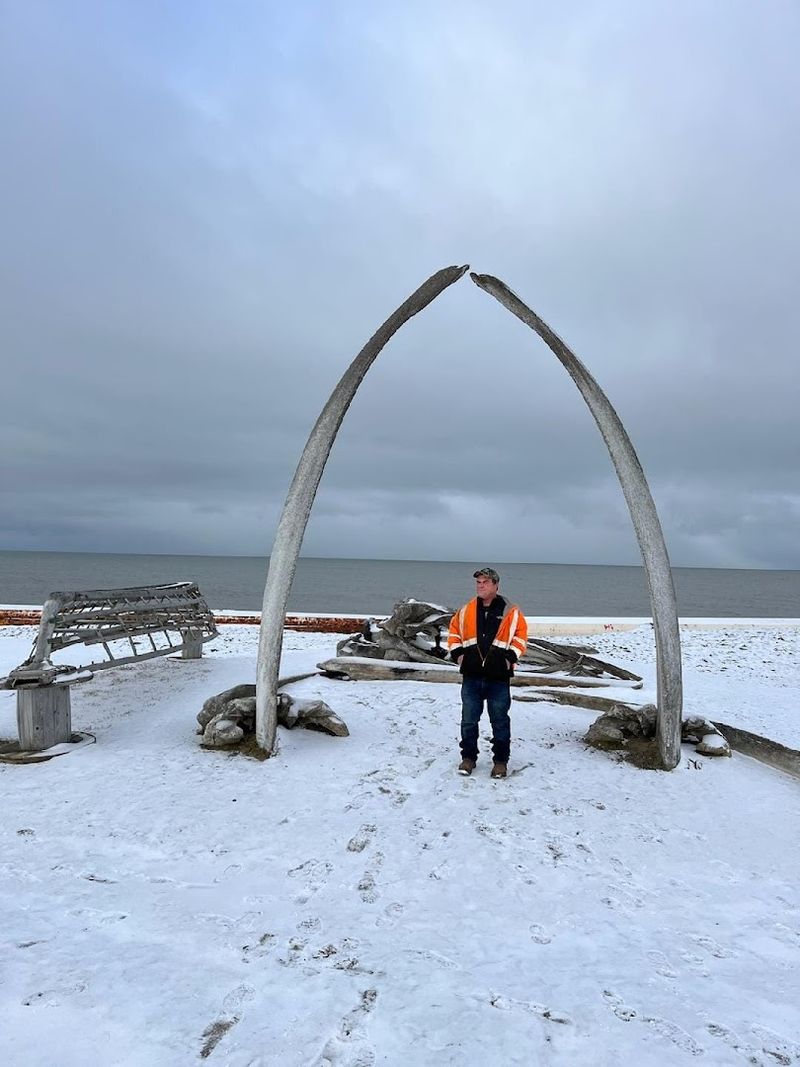
Every June, Utqiagvik comes alive with Nalukataq, a traditional festival that celebrates a successful whaling season. The centerpiece of the event is the blanket toss, where a large circular blanket made from walrus or bearded seal skins is held by dozens of community members who launch a person high into the air.
Originally, the toss was used as a way to spot game from a distance across the flat tundra, since getting airborne gave hunters an elevated view. Today it has evolved into a joyful community celebration that draws both locals and visitors from around Alaska and beyond.
Nalukataq also features traditional drumming, dancing, food sharing, and games that reflect Inupiat values of community, gratitude, and celebration. Whaling captains and their crews are honored during the festival, and the sharing of whale meat and muktuk is a central act of generosity that reinforces social bonds across the whole community.
Polar Bears in the Neighborhood
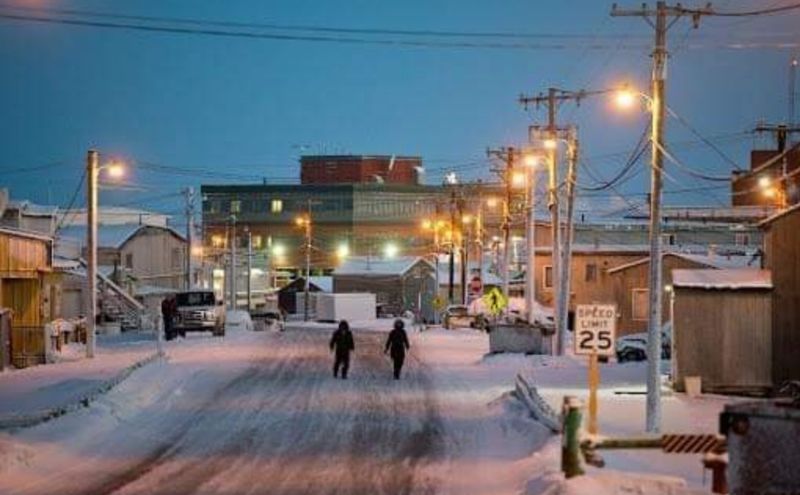
Most towns in America have to worry about the occasional raccoon or deer wandering into a yard. Utqiagvik residents sometimes deal with polar bears.
The town sits within the range of the Southern Beaufort Sea polar bear population, and encounters near the community are not rare, particularly in fall when bears follow the retreating sea ice.
The North Slope Borough maintains a polar bear patrol program that monitors bear activity near the town and works to keep both residents and animals safe without resorting to harm. Residents are trained on how to respond to bear sightings, and children are educated about safety from an early age.
While this might sound alarming to outsiders, locals treat it as a normal part of Arctic life, much the way people in other regions deal with other wildlife. The presence of polar bears is also a reminder of how wild and untouched the environment surrounding Utqiagvik truly remains.
Permafrost: The Ground Beneath Their Feet
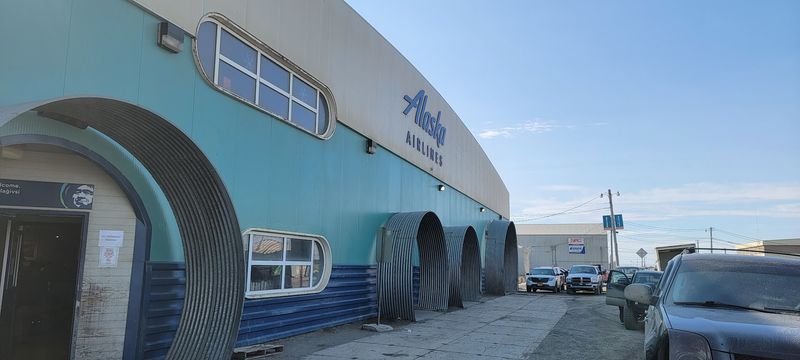
The ground under Utqiagvik is permanently frozen to depths of over 1,000 feet in some places, a condition known as permafrost. Building anything on permafrost requires special engineering because structures can sink or tilt as the ground thaws and refreezes in unpredictable ways.
Many buildings in town are constructed on pilings that elevate them above the ground, allowing cold air to circulate underneath and keep the permafrost stable. Roads and runways also require constant maintenance because the freeze-thaw cycle creates heaving and cracking that would destroy standard pavement quickly.
Climate change is making permafrost management increasingly complicated. Rising Arctic temperatures are causing permafrost to thaw at faster rates, which threatens buildings, pipelines, and the coastline itself.
Coastal erosion is a serious concern for Utqiagvik, and the community has been actively discussing adaptation strategies to protect homes and infrastructure from the encroaching sea.
The Cost of Living at the Top of the World
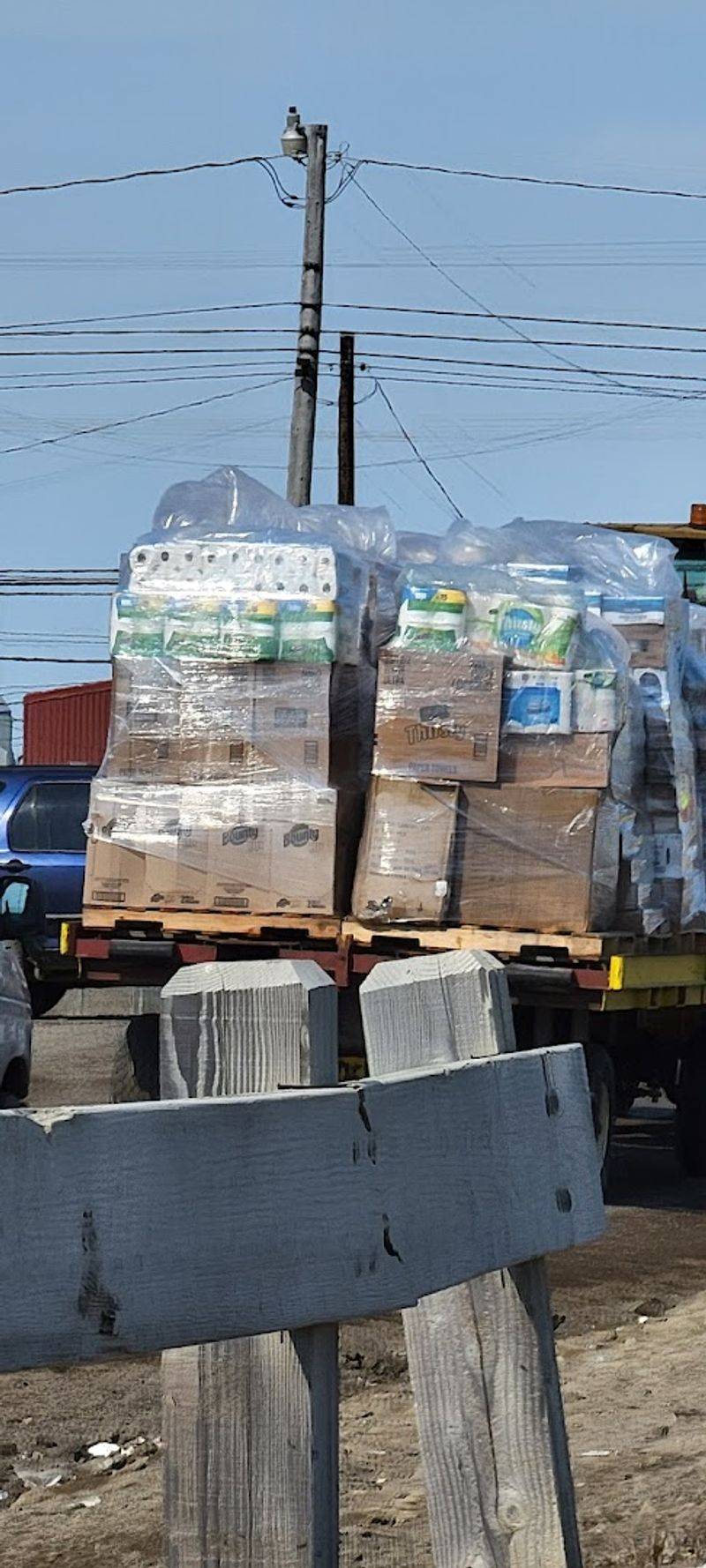
A gallon of milk in Utqiagvik can cost around ten dollars. A bag of apples might run fifteen dollars or more.
The price of everyday groceries reflects the enormous logistical challenge of supplying a town that can only be reached by air or, briefly, by sea barge during summer.
Everything from fuel to building materials to fresh produce arrives at a premium, and residents have learned to be resourceful. Subsistence foods from hunting and fishing offset grocery costs significantly for many families, making traditional practices not just culturally important but economically essential.
The North Slope Borough, which collects oil revenue from nearby Prudhoe Bay production, funds many local services and keeps property taxes low, which helps balance some of the higher costs of living. Still, the financial reality of life in Utqiagvik is something newcomers often underestimate before arriving, and budgeting carefully is a must for anyone planning an extended stay.
Oil, Money, and the North Slope Borough
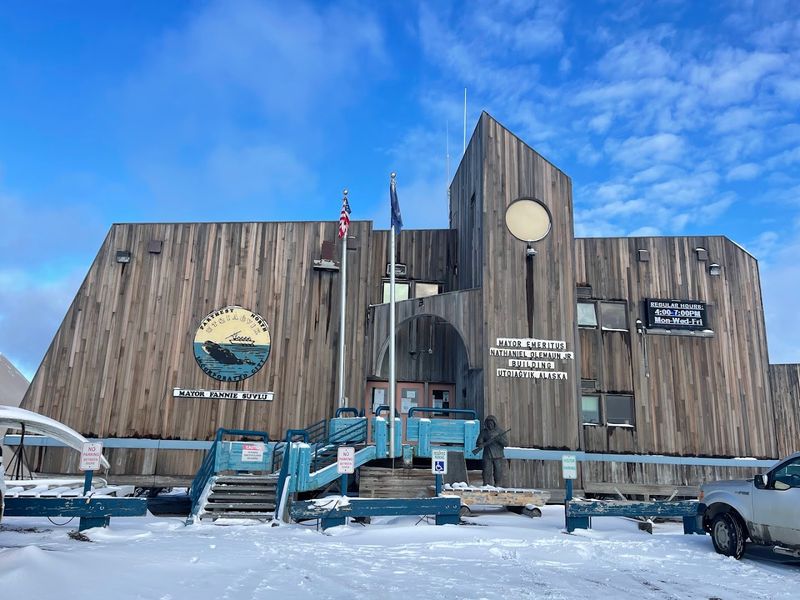
Utqiagvik is the seat of the North Slope Borough, a local government that covers an area of about 94,000 square miles, making it one of the largest municipal governments by area in the world. The North Slope Borough collects property taxes on the massive oil and gas infrastructure at Prudhoe Bay, which sits about 200 miles to the east.
This revenue funds schools, hospitals, emergency services, and infrastructure improvements across the borough’s remote communities. The arrangement has given Utqiagvik resources that many small remote towns simply do not have, including a modern hospital, a community recreation center, and maintained roads within the town itself.
The relationship between the oil industry and the Inupiat community is complex. While oil revenue has funded real improvements in quality of life, there are ongoing conversations about environmental impacts, land rights, and what long-term development means for the culture and landscape that define this corner of Alaska.
Wildlife Beyond the Polar Bears
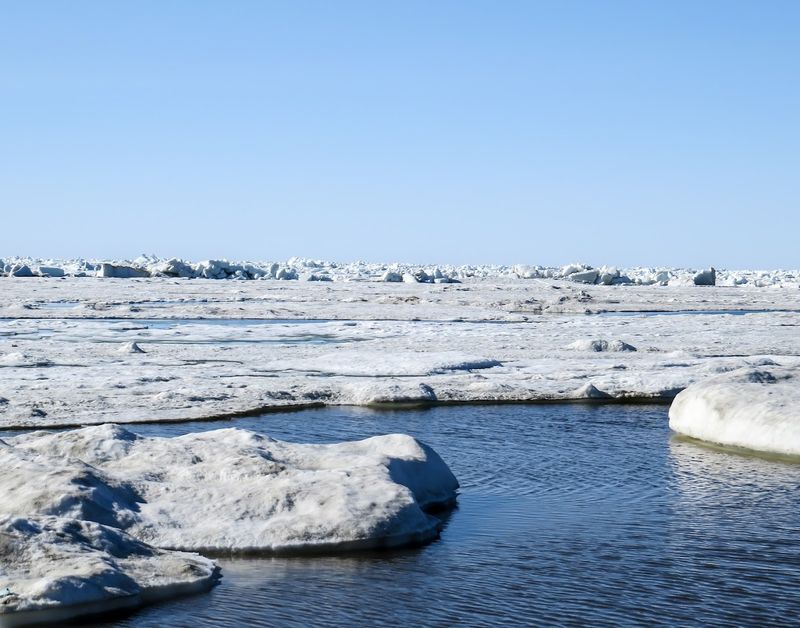
Polar bears get the most attention, but Utqiagvik is surrounded by an extraordinary range of Arctic wildlife. Arctic foxes, in their brilliant white winter coats, are commonly spotted trotting across the tundra near town.
Caribou herds pass through the region seasonally, and the coastal waters host beluga whales, ringed seals, and walrus.
During spring and summer, the area becomes a major destination for migratory birds. More than 180 bird species have been recorded in the region, drawing serious birders from around the world who make the expensive trip just to tick rare Arctic species off their lists.
The Chukchi Sea coastline provides rich feeding grounds that support this remarkable seasonal diversity.
Bowhead whales migrate through the Beaufort Sea just offshore, and their spouts can sometimes be spotted from the beach. The concentration of wildlife in and around Utqiagvik is a testament to how productive Arctic ecosystems can be, despite conditions that seem impossibly harsh to outside observers.
What Visitors Should Know Before Going
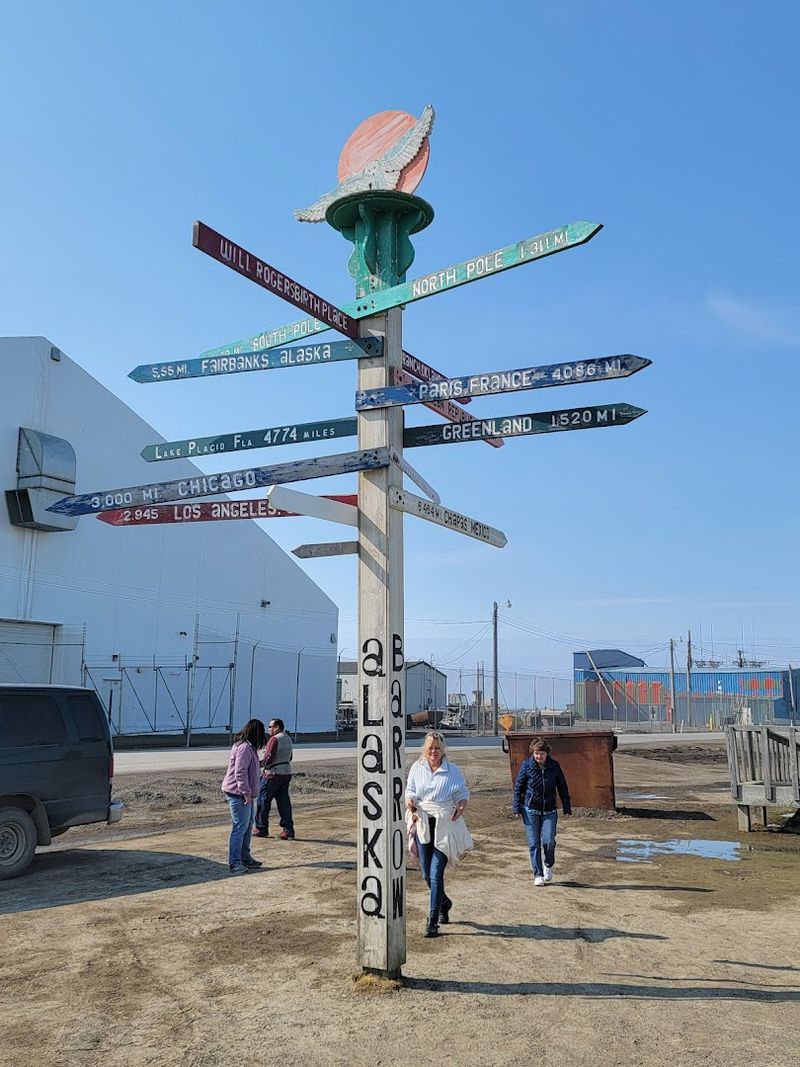
Visiting Utqiagvik is not like booking a trip to a typical tourist destination, and going in with realistic expectations makes all the difference. There are a handful of hotels and guesthouses in town, but options are limited and booking well in advance is strongly recommended, especially around the summer solstice or the whaling festival season.
Packing for the weather is non-negotiable. Even in summer, temperatures rarely climb above 45 degrees Fahrenheit, and wind makes it feel colder.
Layering with moisture-wicking base layers, insulating mid-layers, and a windproof outer shell is the standard approach that locals and experienced visitors rely on.
Respectful curiosity goes a long way here. The community welcomes visitors who come with genuine interest in the culture and environment, rather than treating the town as an exotic backdrop for social media content.
Asking questions, supporting local businesses, and following guidance about sensitive cultural practices will make any visit far more rewarding.
A Community That Refuses to Be Forgotten
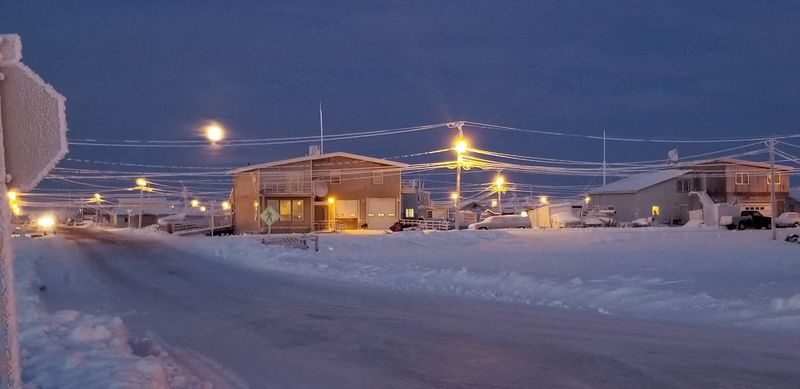
There is something quietly powerful about a community that has endured for thousands of years in one of the harshest environments on Earth and continues to adapt, celebrate, and grow. Utqiagvik is not a relic or a curiosity but a living, breathing town where people raise families, run businesses, argue about local politics, and cheer for their high school sports teams.
The Inupiat people here have navigated dramatic changes over the past century, from missionary influences to oil booms to climate shifts, and through it all, their cultural identity has remained a source of strength rather than something to be set aside. The return to the name Utqiagvik was one visible marker of that ongoing resilience.
For anyone who makes the trip to the top of the world, the experience tends to linger long after returning home. The vastness of the tundra, the impossible light cycles, and the warmth of a community living boldly at the edge of everything leave a mark that is genuinely hard to shake.



