Some songs announce themselves from the very first note. Album openers have the difficult job of setting the tone, grabbing attention, and convincing listeners that what follows is worth hearing.
Throughout the history of rock, punk, hip-hop, and alternative music, a handful of opening tracks have done far more than introduce an album – they helped redefine entire genres. This list explores 15 unforgettable openers that made an immediate impact, examining why they worked, how they shaped their albums, and the influence they left on the music that followed.
1. Gimme Shelter – The Rolling Stones, Let It Bleed
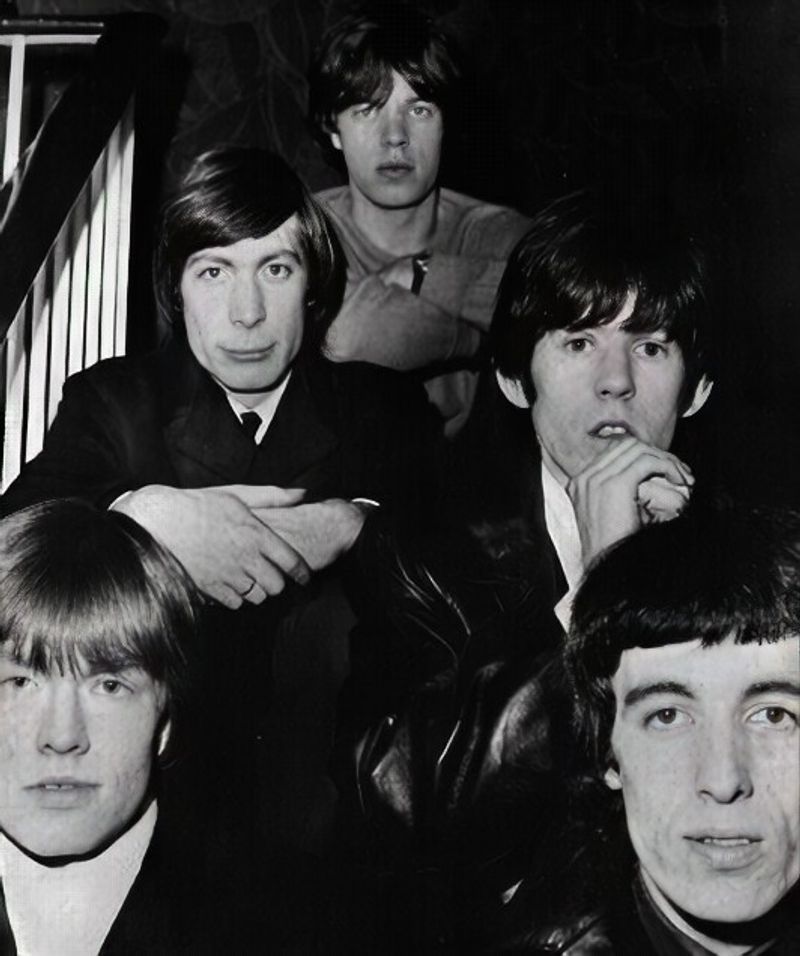
By 1969, the optimism of the mid-1960s British Invasion had faded considerably, and the Rolling Stones knew it. Let It Bleed opened with a track that felt like a direct response to a world growing more uncertain by the month.
Keith Richards’ guitar line opens the song with an unsettled, sparse quality that immediately separates it from the band’s earlier work. Mick Jagger’s vocal performance is restrained in the verses but builds steadily, creating real tension before Merry Clayton’s legendary backing vocal arrives and takes the song somewhere else entirely.
Clayton reportedly recorded her parts late at night and in just a few takes. Her contribution transformed the track from a strong rock song into something genuinely haunting.
As an album opener, it told listeners that Let It Bleed would not be offering easy answers.
2. Like a Rolling Stone – Bob Dylan, Highway 61 Revisited
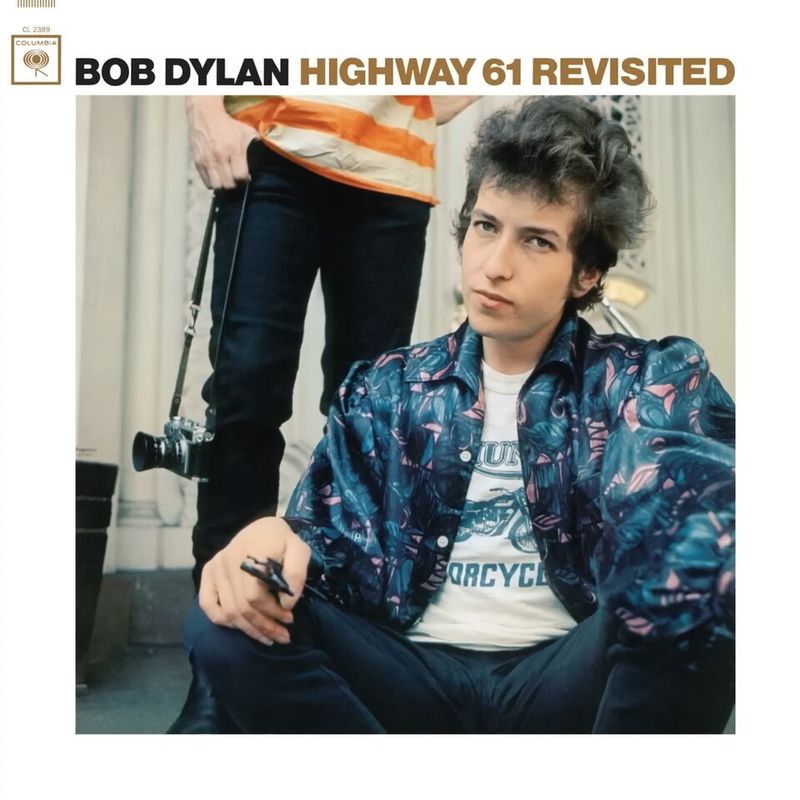
Columbia Records was reportedly nervous about releasing a six-minute rock song as a single in 1965. Radio stations generally refused tracks that long, and Dylan had only recently upset his folk audience by plugging in an electric guitar.
Highway 61 Revisited opened with that sharp snare crack, followed by organ and guitar building into something that sounded unlike anything in the pop charts at the time. Dylan’s lyrics abandoned the compressed verse structures of traditional songwriting in favor of extended, conversational put-downs that stretched across multiple verses without a conventional chorus.
The song reached number two on the Billboard Hot 100 despite its length, proving that listeners were ready for something more ambitious. Rolling Stone magazine later named it the greatest song ever recorded.
As an opener, it announced that this album would not be playing by anyone else’s rules.
3. London Calling – The Clash, London Calling
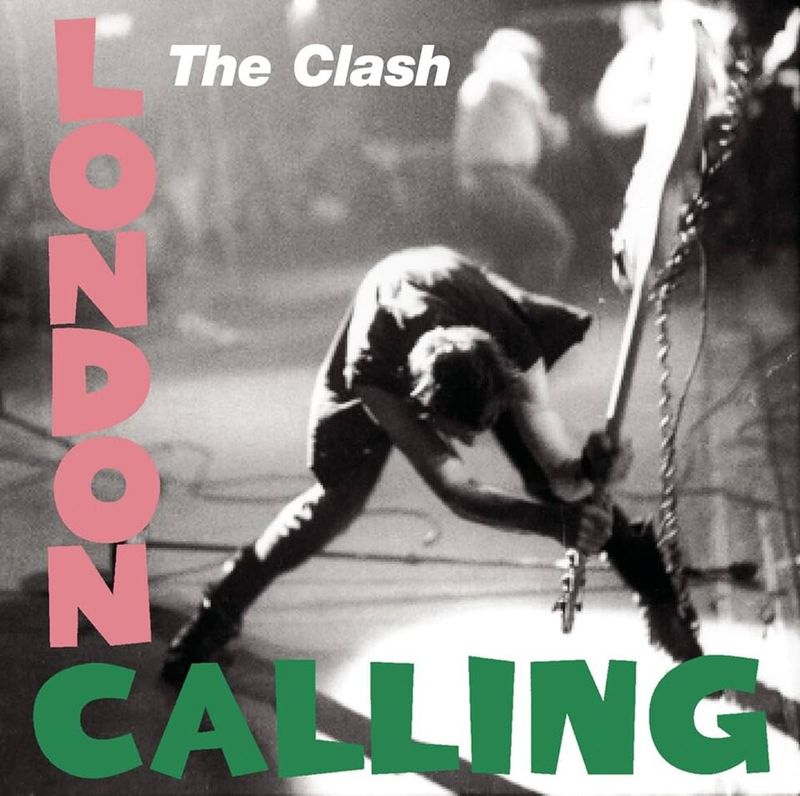
Punk rock in Britain had spent most of the late 1970s operating on a three-chord, under-two-minutes philosophy. The Clash were always slightly too ambitious for that format, and by 1979, they had decided to stop pretending otherwise.
London Calling, the double album, arrived in December 1979 and opened with a track that immediately announced its wider range. Paul Simonon’s bass riff is direct and insistent, Joe Strummer’s vocal is confrontational without being cartoonish, and the production by Guy Stevens is raw but deliberate.
The song references nuclear concerns, rising unemployment, and political instability, all real issues in Britain at the time. It is punk in its urgency but broader in its musical vocabulary, pulling from reggae and rockabilly as much as from the Ramones.
As an opener, it told listeners the album would not fit neatly into any single category.
4. Welcome to the Jungle – Guns N’ Roses, Appetite for Destruction
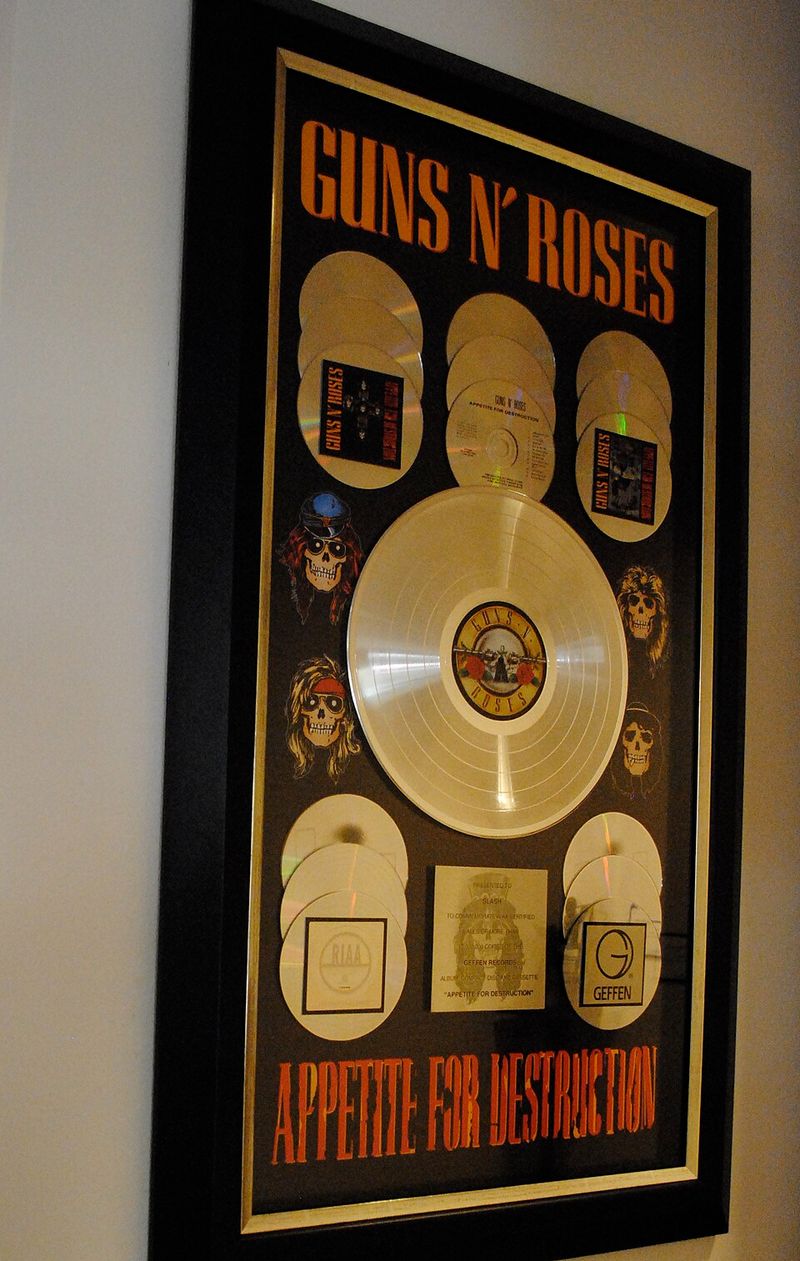
Appetite for Destruction was released in July 1987 and initially sold modestly before word of mouth and heavy MTV rotation turned it into one of the best-selling debut albums in rock history. The opening track played a significant role in that turnaround.
Axl Rose wrote the lyrics after moving to Los Angeles from Indiana and experiencing the city’s harsher realities firsthand. The song’s structure builds deliberately from a sparse intro into full-band chaos, giving Slash space to establish his guitar tone before the rest of the band arrives.
MTV initially refused to air the video due to its content, but eventually relented in 1988 after the album gained traction. Once the video got regular rotation, album sales accelerated dramatically.
As an opener, the track set expectations clearly: this was not polished arena rock, it was something rawer and more confrontational.
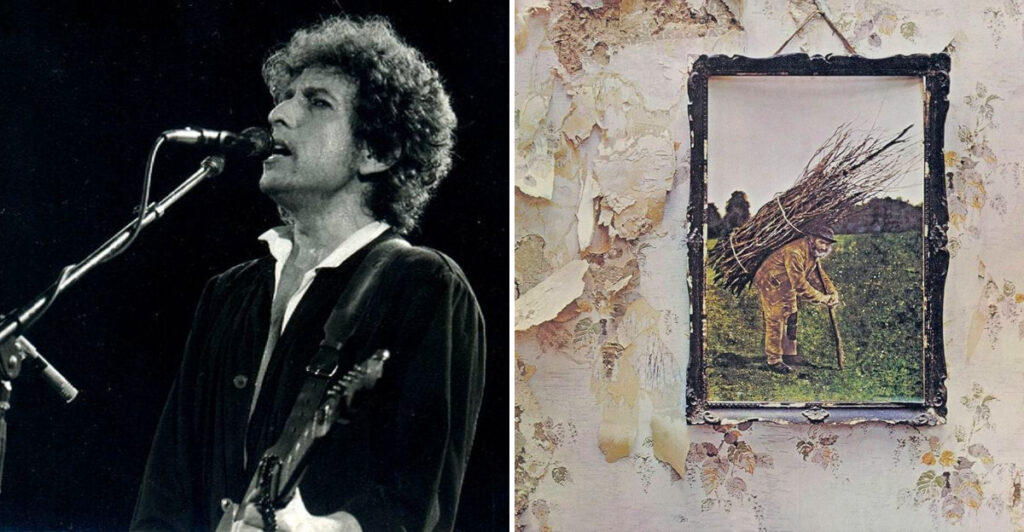
5. Black Dog – Led Zeppelin, Led Zeppelin IV
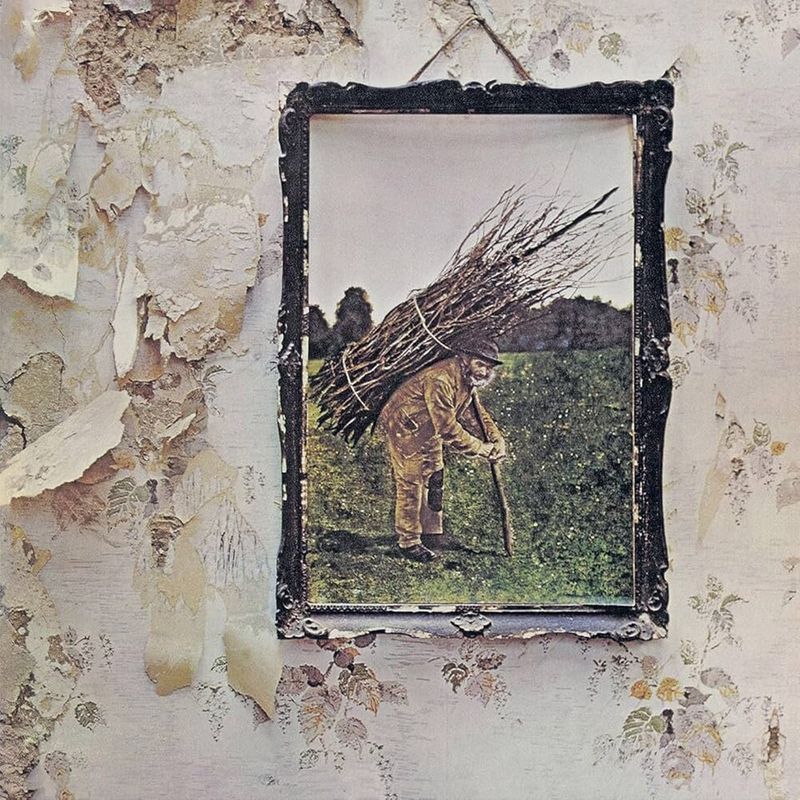
Led Zeppelin IV was released in November 1971 without a title, without band names on the cover, and without any conventional marketing. The band let the music make the argument for them, and the opening track made that argument immediately.
The song’s riff is built around an unusual rhythmic structure that shifts between 4/4 and 5/4 time signatures, giving it an off-balance quality that keeps listeners slightly on edge. Jimmy Page designed the guitar part to resist easy imitation, and most musicians who attempted to cover it in the years that followed confirmed how difficult it actually is.
Robert Plant’s vocal performance is confident and physical, matching the band’s energy without overpowering the arrangement. The song was named after a black Labrador that wandered into the recording sessions at Headley Grange.
As openers go, it announced the album with unmistakable authority.
6. Break On Through To The Other Side – The Doors, The Doors
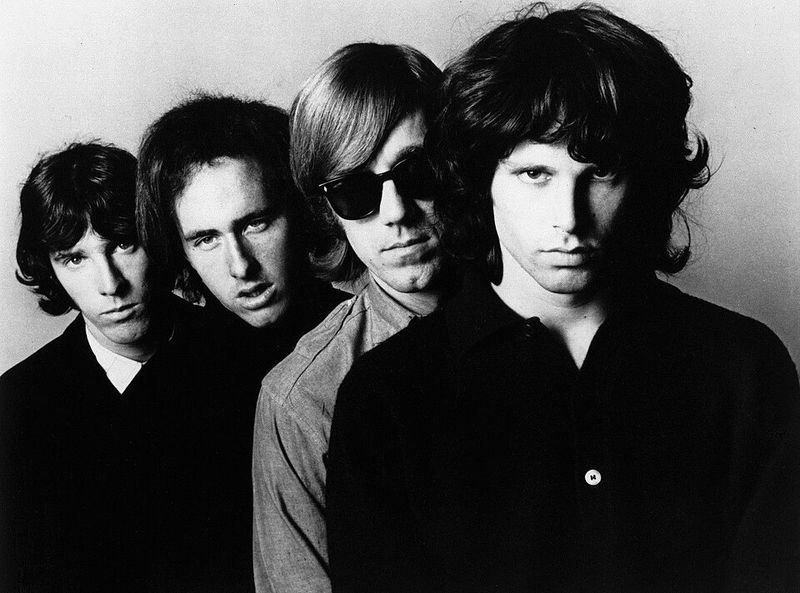
The Doors released their self-titled debut in January 1967, and from the opening seconds of the first track, it was clear they were not following the standard blueprint for rock bands of the period. Most debuts eased listeners in.
This one did not bother.
The track was built around a bossa nova rhythm pattern that Ray Manzarek adapted for keyboard, giving the song a driving, slightly syncopated quality. Jim Morrison’s vocal delivery is controlled and slightly theatrical, projecting confidence without tipping into overstatement.
The Doors had spent months playing residencies at the Whisky a Go Go in Los Angeles before recording the album, and that live experience shows. The band plays with real tightness and purpose.
The track clocks in at under three minutes but covers a lot of ground, establishing the band’s jazz-influenced rock sound and Morrison’s persona in one compact statement.
7. Baba O’Riley – The Who, Who’s Next
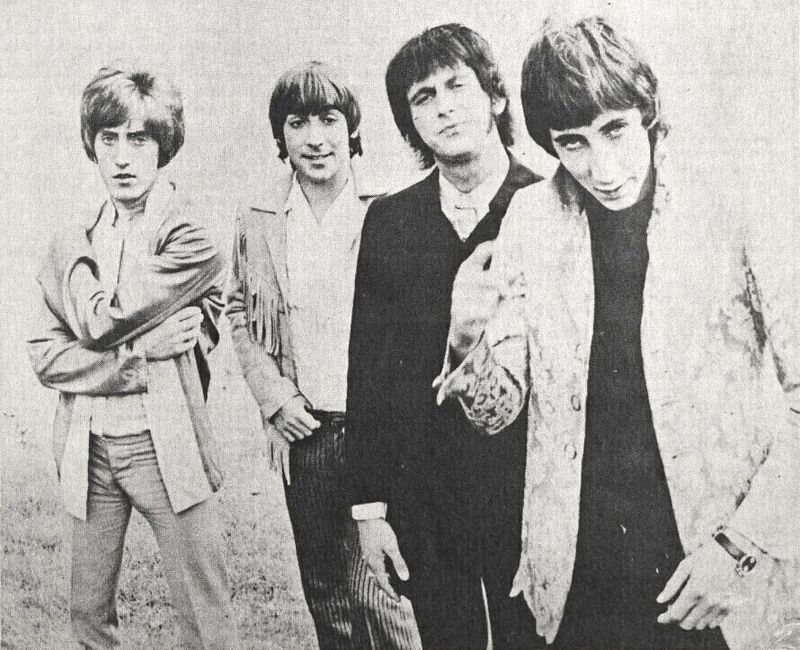
Who’s Next emerged from the wreckage of an ambitious project called Lifehouse, a multimedia concept that Pete Townshend eventually abandoned. What survived became one of the strongest rock albums of the early 1970s, and its opening track remains one of the most recognizable in the genre.
Townshend named the song after two of his philosophical influences: composer Terry Riley, whose minimalist techniques inspired the synthesizer pattern, and spiritual teacher Meher Baba. The keyboard sequence that opens the track runs on a loop and creates an almost hypnotic effect before the full band enters.
Roger Daltrey’s vocal performance is among his best on record, moving from reflective verses to the soaring declaration in the final section. The song was released in 1971 and has since appeared in countless films, television shows, and sporting events.
Its opening synthesizer pattern is now one of the most instantly recognized sounds in rock history.
8. Taxman – The Beatles, Revolver
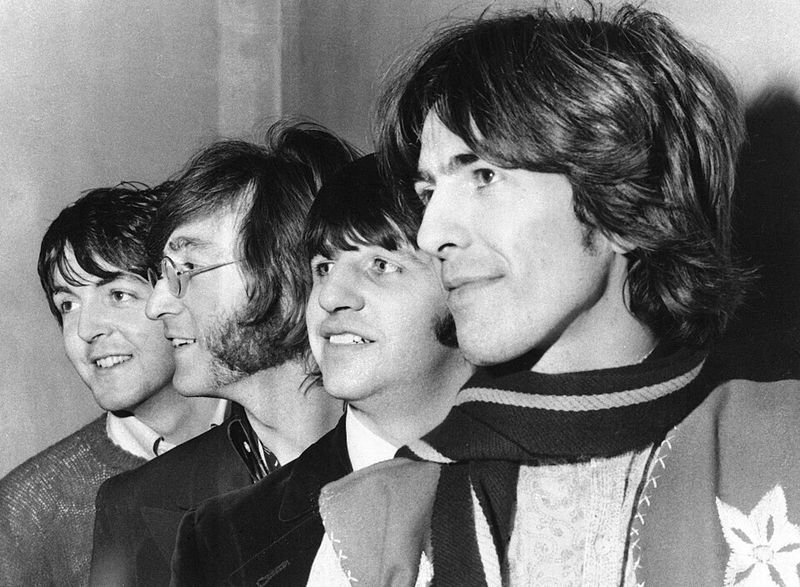
Revolver arrived in August 1966 and immediately signaled that The Beatles had moved well past the sound of their earlier work. Choosing George Harrison’s song as the lead track was itself a statement, since John Lennon and Paul McCartney had traditionally dominated the band’s songwriting credits.
Harrison wrote Taxman in response to learning that the British government was taxing high earners at rates exceeding 90 percent. The lyrics name-check both Harold Wilson and Edward Heath, making it one of the most directly political songs the band had released to that point.
Paul McCartney played the lead guitar solo on the track, one of his most aggressive performances on record. Producer George Martin and the band used studio techniques on Revolver that pushed recording technology into new territory.
Taxman set the tone for an album that would expand what pop music was considered capable of achieving.
9. Born Under Punches – Talking Heads, Remain in Light
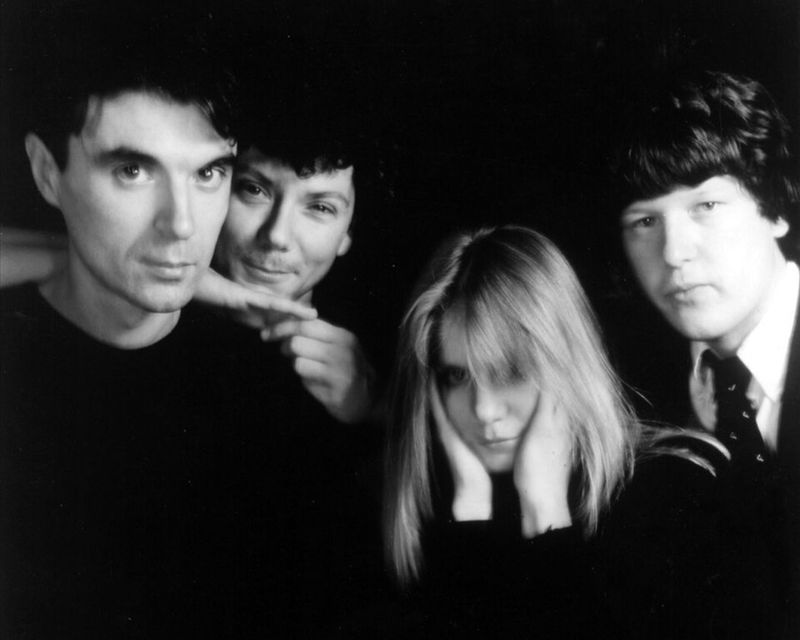
Remain in Light, released in October 1980, was the result of Talking Heads working closely with producer Brian Eno and incorporating African polyrhythmic structures into their existing art-rock framework. The opening track makes that shift immediately audible.
The song layers multiple guitar and percussion parts that lock together rhythmically rather than taking turns in a conventional arrangement. David Byrne’s vocal delivery is fragmented and urgent, using repetition and overlapping phrases in a way that mirrors the song’s rhythmic construction.
The album was recorded at Compass Point Studios in Nassau and involved an expanded group of musicians well beyond the core band. Rolling Stone included it among the greatest albums ever made.
As an opener, Born Under Punches told listeners that Talking Heads had moved beyond their debut’s angular minimalism into something genuinely new and more complex.
10. Thunder Road – Bruce Springsteen, Born to Run
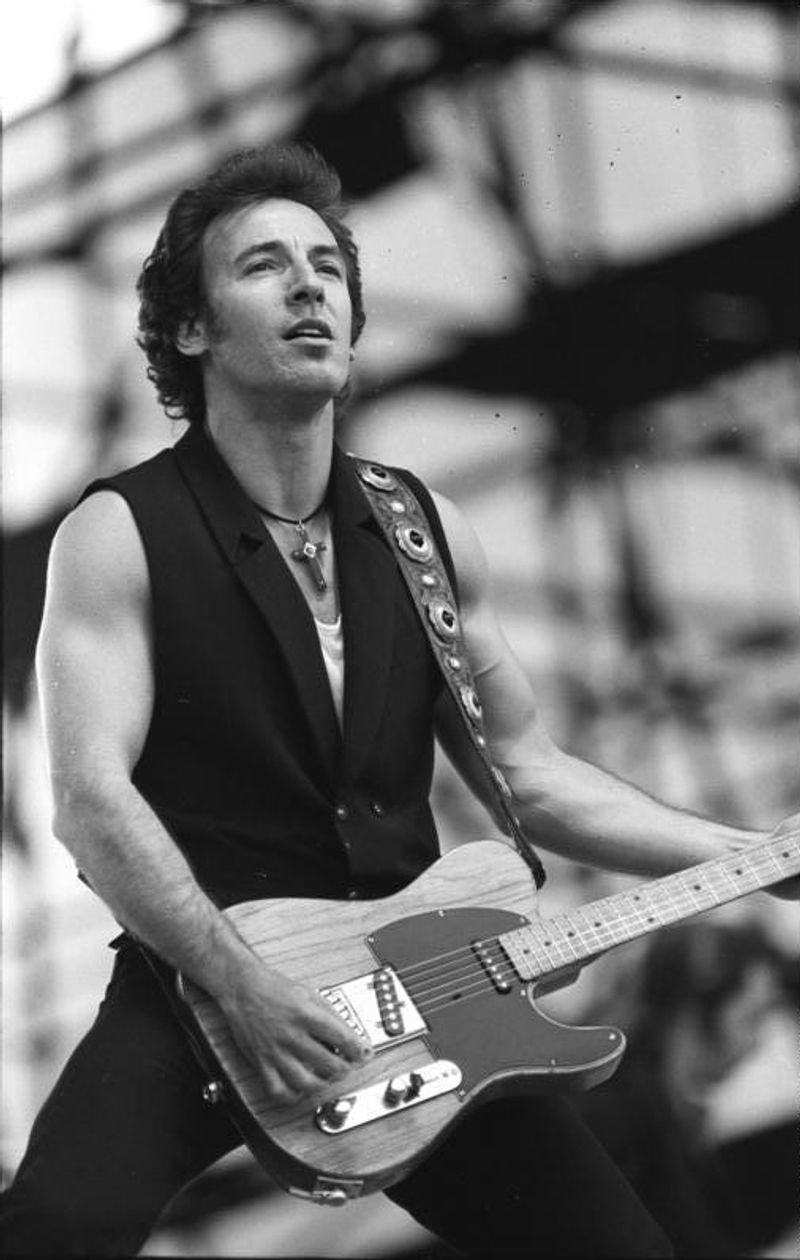
Born to Run was Springsteen’s third album and arrived under considerable pressure. Columbia Records had invested heavily in him after early critical praise, and the album needed to deliver a commercial breakthrough.
Thunder Road, the opening track, carried a lot of that weight.
The song opens with harmonica and piano before Springsteen’s vocal enters, building a detailed narrative about two characters on the edge of a decision. The writing is specific and cinematic, referencing Roy Orbison and Mary’s dress and a screen door, grounding the song’s larger emotional stakes in concrete, observable details.
Born to Run was released in August 1975 and made the covers of both Time and Newsweek in the same week, an unusual achievement for a rock musician. Thunder Road became a cornerstone of Springsteen’s live performances for decades.
11. Tangled Up in Blue – Bob Dylan, Blood on the Tracks
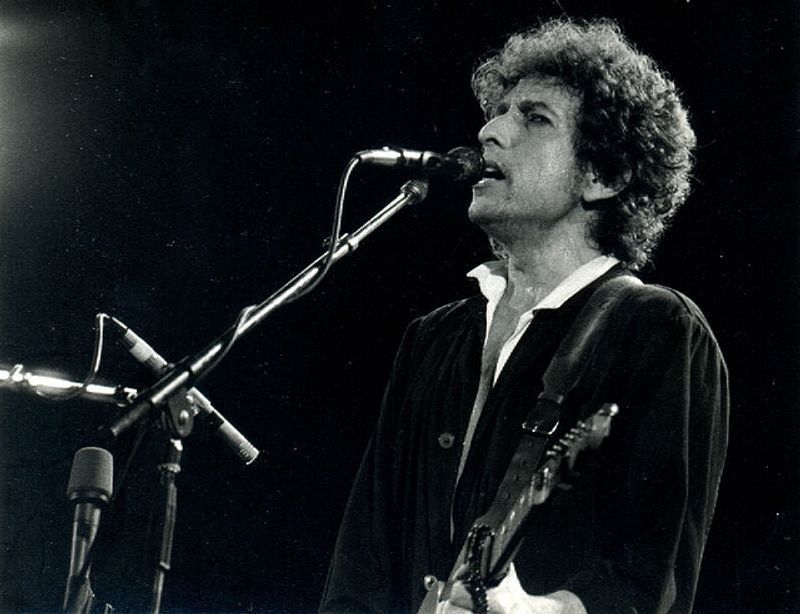
Blood on the Tracks was recorded in 1974 and released in January 1975. Dylan wrote the album during a period of personal upheaval, and the opening track sets the emotional register for everything that follows without ever becoming melodramatic.
The song shifts its narrative perspective between first and third person, sometimes within the same verse, creating a deliberately disorienting effect. Dylan revised the lyrics multiple times, even re-recording portions of the album in Minnesota after sharing early versions with his brother David, who suggested the original takes felt too restrained.
The final version has a looser, more immediate quality than the New York sessions. Tangled Up in Blue runs nearly six minutes but holds attention throughout because the storytelling keeps moving forward.
12. Runnin’ With the Devil – Van Halen, Van Halen
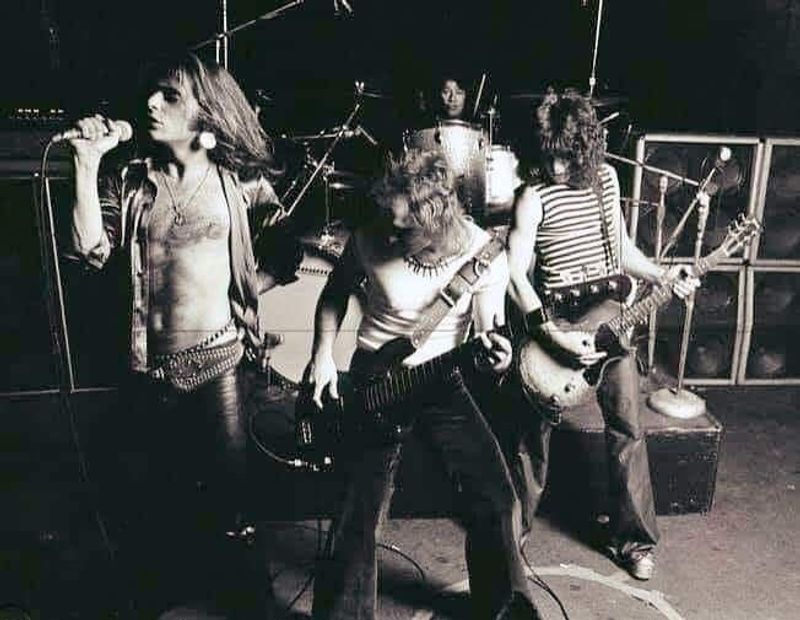
Van Halen’s self-titled debut arrived in February 1978 and opened with a track that established the band’s personality before the first chorus arrived. The car horn sound effect at the very beginning was created by routing actual automobile horns through a mixing board, a detail that reflects the band’s willingness to experiment even on their first record.
David Lee Roth’s vocal on the track is loose and conversational, projecting a confidence that matched the band’s reputation as a live act. Eddie Van Halen’s guitar tone was already fully formed on this debut, warm and precise in a way that would influence hard rock production for the next decade.
13. Straight Outta Compton – N.W.A, Straight Outta Compton
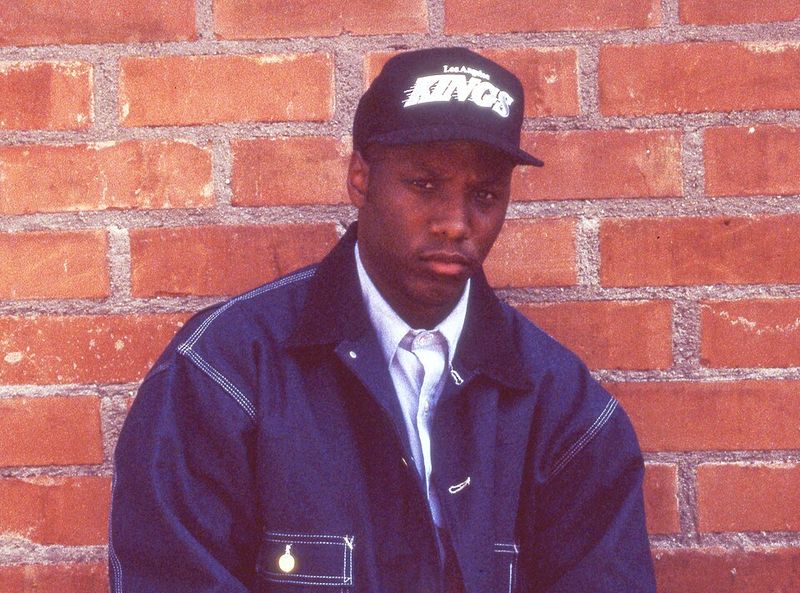
Released in August 1988, Straight Outta Compton arrived with almost no mainstream radio support and no major label backing. Priority Records distributed it independently, and yet it sold over two million copies within its first year, almost entirely through word of mouth and regional airplay.
The opening track functions as both an introduction and a declaration. Ice Cube, MC Ren, and Eazy-E each take verses that establish individual voices while building a collective identity rooted in specific geography and social conditions in South Los Angeles.
Dr. Dre’s production on the track is dense and hard-hitting, using samples from funk and soul records to create a sound that was familiar in texture but entirely new in its application.
14. Smells Like Teen Spirit – Nirvana, Nevermind
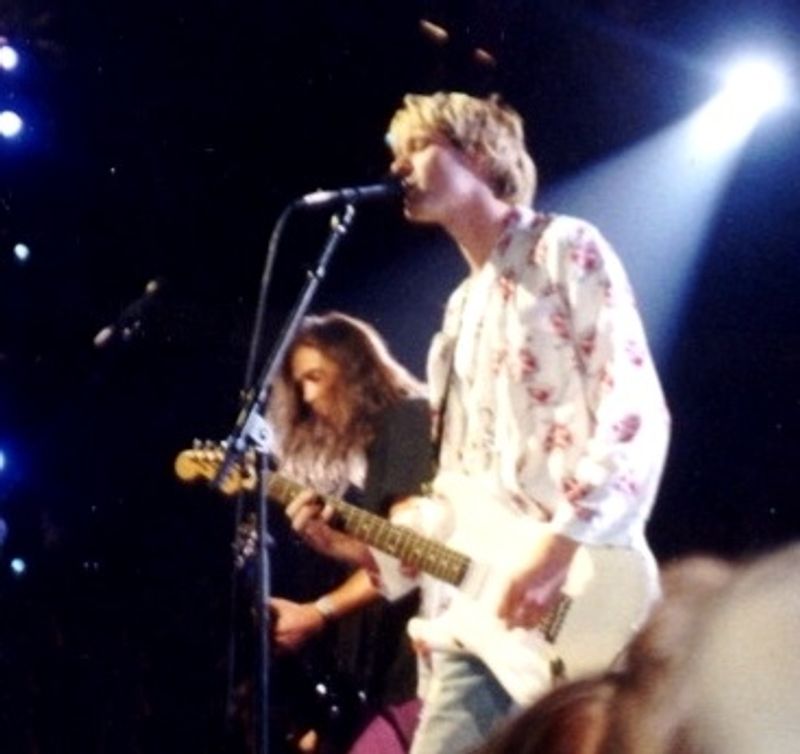
Few opening tracks in rock history carry the weight of a cultural reset, but this one does. When Nevermind arrived in September 1991, alternative rock was still largely a college radio concern.
That changed almost immediately after this track hit mainstream airwaves.
Kurt Cobain wrote the song after visiting a friend and scrawling lyrics in a notebook. The quiet-to-loud structure, borrowed partly from the Pixies, became a blueprint that dozens of bands would copy throughout the 1990s.
Dave Grohl’s drumming on the track is relentless and precise, anchoring the chaos with real rhythmic force.
15. Airbag – Radiohead, OK Computer
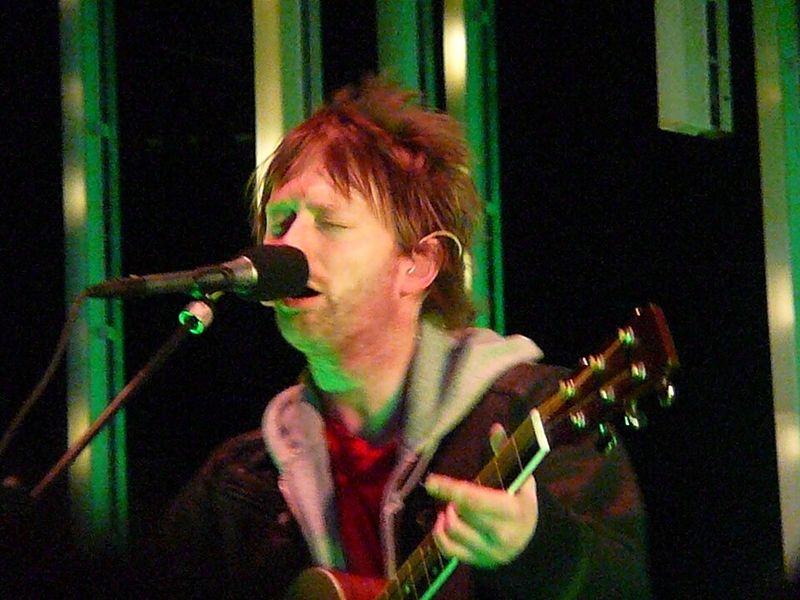
OK Computer was recorded largely at Canned Applause, a converted mansion in Bath, England, during 1996 and early 1997. Radiohead had deliberately chosen a non-studio environment to avoid the pressures of conventional album-making, and the opening track reflects that freedom.
Airbag uses a drum loop sampled from a hip-hop record and processes it through the band’s rock instrumentation, creating a rhythm that feels both mechanical and organic. Thom Yorke’s lyrics describe surviving a car crash as a kind of unexpected second chance, a theme that runs quietly through several of the album’s tracks.
OK Computer debuted at number one in the UK and won the Grammy for Best Alternative Music Album in 1998. Critics consistently rank it among the most important albums of the 1990s.
Share this story