Some albums never topped the charts or sold millions of copies, yet their influence on music proved far greater than their commercial success. Throughout modern music history, overlooked records have quietly inspired generations of artists, shaping entire genres from the ground up.
From late-1970s art-punk to 1990s bedroom recordings, these albums spread through word of mouth, becoming essential listening for musicians seeking new ideas. The 13 records on this list all share the same story: modest sales, but an enormous creative legacy.
Their impact shows that musical revolutions often begin not with blockbuster hits, but with the right record reaching the right ears at the right time.
1. Metal Box, Public Image Ltd. (1979)
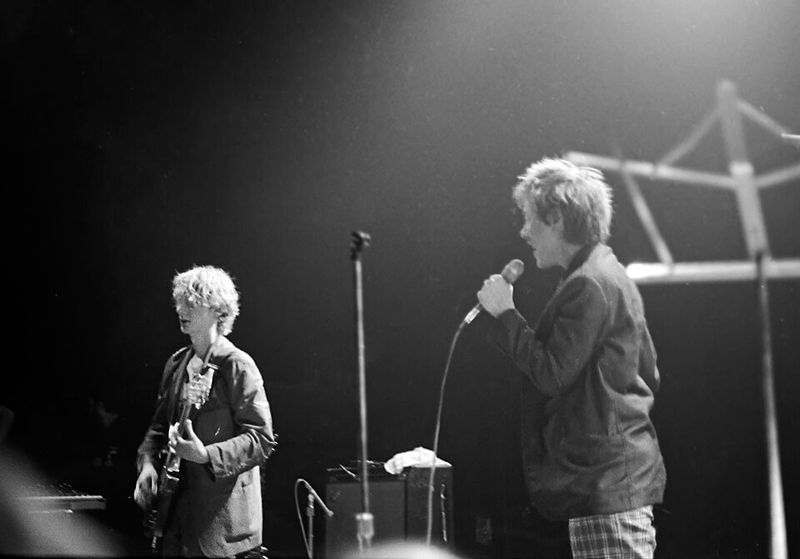
John Lydon dismantled expectations entirely when he followed the Sex Pistols with this sprawling, confrontational record. Released in a limited edition of 60,000 copies packaged in actual metal film canisters, Metal Box was deliberately inconvenient to own and even harder to categorize.
Reviewers at the time were genuinely unsure what to call it.
Jah Wobble’s bass lines borrowed from dub reggae while Keith Levene’s guitar work drew on minimalist composition rather than rock tradition. The combination produced something industrial, something danceable, and something that rejected nearly every expectation rock audiences carried into 1979.
Its commercial reach was modest, but its influence on industrial music, post-punk, and even early dance music was substantial. Bands like Gang of Four, Killing Joke, and later Nine Inch Nails all absorbed lessons from what Lydon’s group accomplished here.
Metal Box remains one of the most technically inventive records of its decade.
2. Zen Arcade, Husker Du (1984)
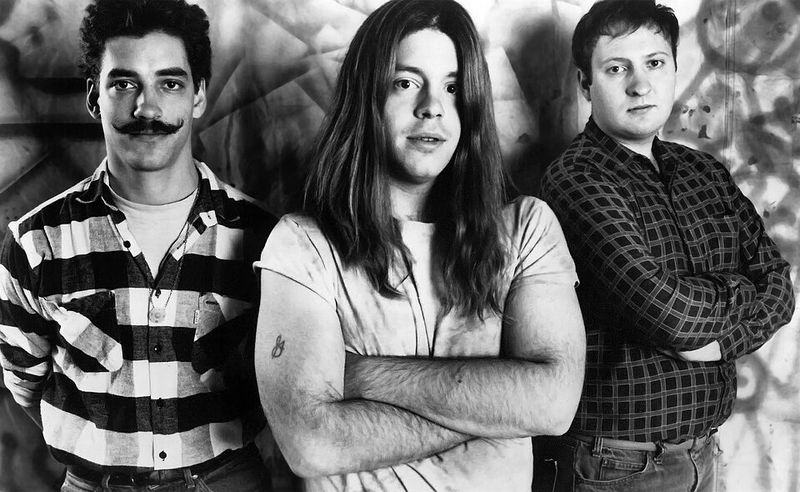
Few records in the American underground scene demonstrated ambition quite like this one. Released as a double album on SST Records in July 1984, Zen Arcade clocked in at over an hour of material that ranged from hardcore blasts to acoustic folk to keyboard-driven experimentation.
The budget was minimal and the recording took a single weekend.
Bob Mould, Grant Hart, and Greg Norton had no commercial roadmap for what they were creating. SST distributed the album through independent channels, which meant limited reach but a deeply committed audience.
Musicians who found it passed it along with genuine urgency.
Its influence on 1990s alternative rock was enormous and well-documented. Bands like Superchunk, Jawbreaker, and early Nirvana absorbed its lesson that underground music could be simultaneously raw and melodically rich.
The album helped establish that independent labels could release records of real artistic consequence, not just volume and velocity.
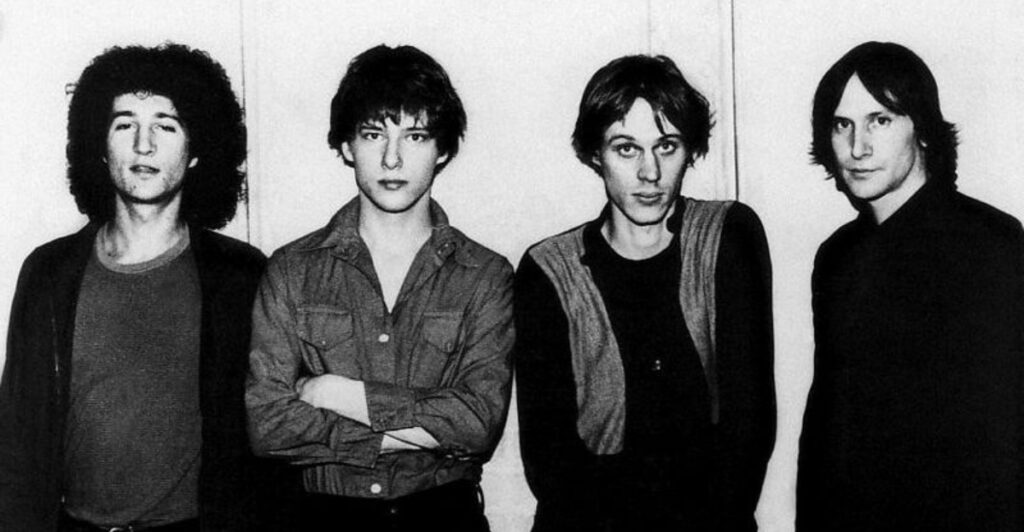
3. Marquee Moon, Television (1977)
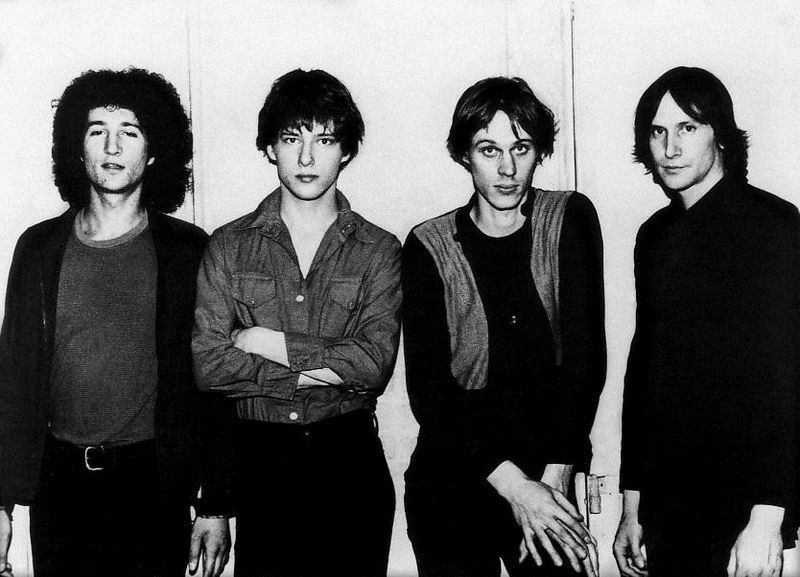
Tom Verlaine and Richard Lloyd built their guitar conversations note by note across Marquee Moon, creating something New York’s punk scene had never quite heard before. The album arrived in February 1977 and barely registered on American sales charts, peaking outside the top 100 entirely.
In the UK it performed better, but still fell far short of mainstream success.
What it lacked in sales it made up in influence. The interlocking guitar lines became a reference point for virtually every post-punk band that followed, from Wire to R.E.M. to Interpol.
The album proved that punk’s energy could coexist with genuine musical sophistication without losing any of its forward momentum.
Television never repeated the record’s creative peak, and the band broke up just a year later. Yet Marquee Moon kept circulating, kept inspiring, and kept arriving in the record collections of young guitarists who then went on to build entire careers around what they heard.
4. Psychocandy, The Jesus And Mary Chain (1985)
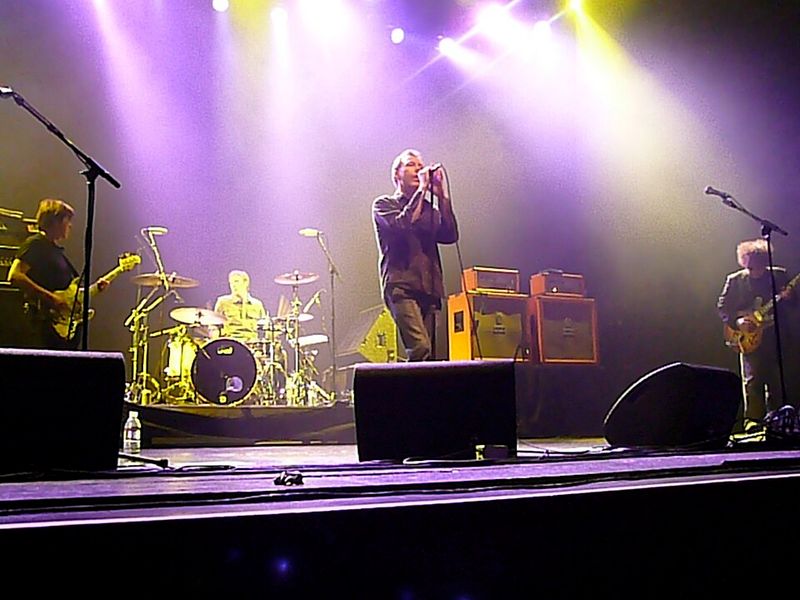
The Reid brothers built their sound around a simple and striking idea: take melodies that belonged in a 1960s pop record and bury them under layers of distortion so thick they were almost unrecognizable. Psychocandy arrived in November 1985 and reached number 31 on the UK charts, a respectable showing that nonetheless understated its creative importance.
Creation Records had never released anything quite like it, and neither had anyone else. The album’s production approach directly influenced the shoegaze movement that emerged in the late 1980s, with bands like My Bloody Valentine and Ride acknowledging its impact openly.
Its combination of feedback and pop structure became a template that dozens of bands spent the following decade refining.
The Jesus and Mary Chain played notoriously short, chaotic live sets during this period, which generated as much press as the record itself. Psychocandy’s commercial modesty made it no less central to how British indie rock developed across the next ten years.
5. Daydream Nation, Sonic Youth (1988)
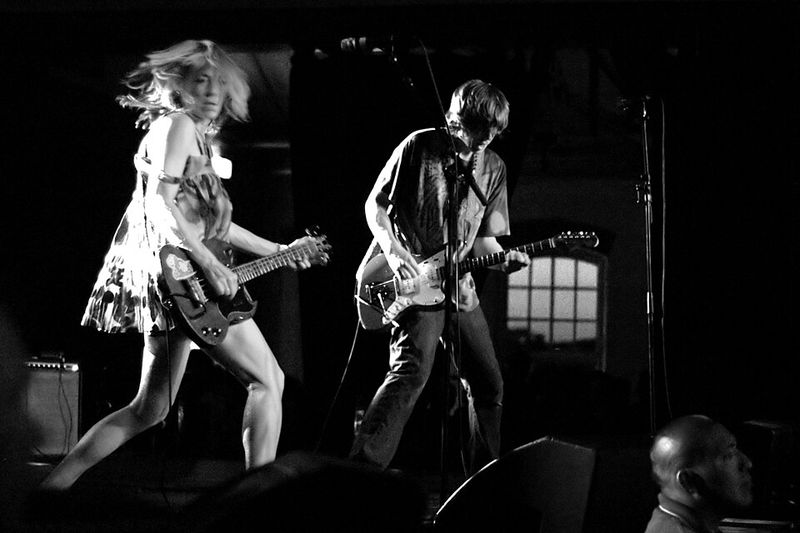
Released on the small Enigma Records label in October 1988, Daydream Nation sold modestly in its first year but quickly earned a reputation as one of the most important guitar records of the decade. Rolling Stone eventually named it one of the greatest albums ever made, a recognition that would have seemed unlikely given its initial commercial footprint.
Thurston Moore and Lee Ranaldo approached their guitars as instruments for creating texture and architecture rather than conventional melodies. Unusual tunings, extended feedback passages, and songs that shifted tempo mid-structure gave the album a quality that felt genuinely ahead of its time.
Young musicians who encountered it found it both challenging and liberating.
Many of the artists who defined 1990s alternative rock, including Kurt Cobain, cited Sonic Youth’s influence directly. Daydream Nation demonstrated that experimental ideas and accessible song structures could share the same record without canceling each other out.
That lesson proved enormously productive for a generation of bands.
6. Spiderland, Slint (1991)
Slint recorded Spiderland in Louisville, Kentucky over a series of sessions in 1990, and the band essentially dissolved before the album even reached stores in March 1991. Touch and Go Records released it to minimal fanfare, and initial sales were genuinely small.
At the time, most listeners had no frame of reference for what they were hearing.
The album’s dynamic structure, moving from near-silence to overwhelming volume, and its spoken-word vocal approach created a template that entire genres later built upon. Post-rock, math rock, and experimental indie music all trace significant portions of their DNA to what Slint accomplished on this record.
Bands like Mogwai, Tortoise, and Godspeed You Black Emperor acknowledged its foundational role directly.
Spiderland’s reputation grew almost entirely through musicians recommending it to other musicians. By the late 1990s, it was considered essential underground listening despite never having received mainstream attention.
Its influence-to-sales ratio may be the most dramatic of any record in independent music history.
7. Loveless, My Bloody Valentine (1991)
Kevin Shields spent nearly two years and roughly 250,000 British pounds recording Loveless, a budget so excessive it nearly destroyed Creation Records. When the album arrived in November 1991, it received near-universal critical praise but failed to translate that goodwill into strong commercial performance.
Creation subsequently dropped the band from its roster.
The album’s production techniques were genuinely new. Shields used a tremolo arm technique he called “glide guitar” to create pitching, wavering sounds that seemed to dissolve the boundary between guitar and synthesizer.
Producers and musicians spent years afterward attempting to understand exactly how the record was made.
Loveless became the defining document of shoegaze and one of the most studied studio recordings of the 1990s. Its influence reached well beyond its genre, touching electronic music, ambient pop, and indie rock in ways that continued expanding for more than three decades.
8. Enter The Wu-Tang (36 Chambers), Wu-Tang Clan (1993)
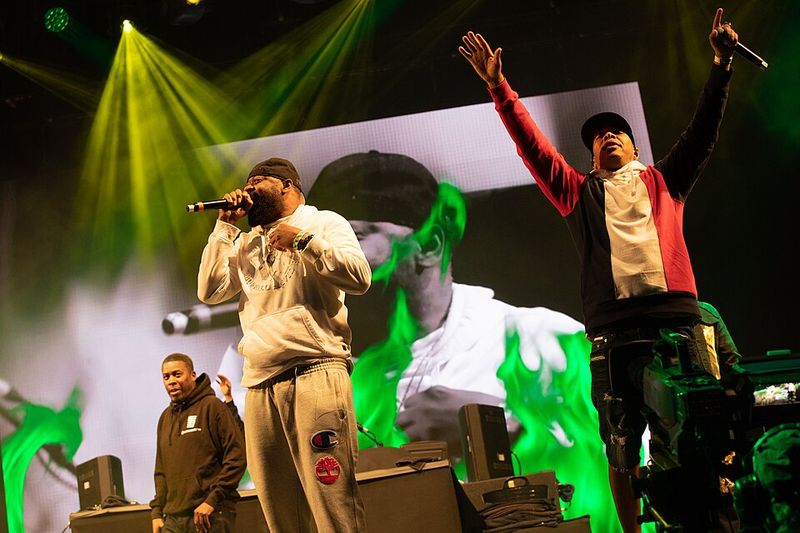
Nine rappers from Staten Island walked into a low-budget studio with a vision for hip-hop that had nothing to do with the polished sounds dominating radio in 1993. The debut album cost roughly $36,000 to produce, a fraction of what major label releases commanded at the time.
RZA’s production drew on kung-fu film samples and sparse, grimy drum patterns that felt deliberately confrontational.
The album sold around 400,000 copies in its first year, strong by independent standards but modest relative to the mainstream. What it generated in cultural influence was disproportionate to those numbers.
RZA’s production approach effectively created a new aesthetic vocabulary for East Coast hip-hop that dozens of producers spent the following decade working within or reacting against.
Each member’s solo career expanded the group’s reach further, but the debut remained the anchor. Its raw authenticity and distinctive sonic identity gave aspiring rap artists a model that prioritized character and originality over commercial calculation.
That combination proved endlessly generative.
9. In The Aeroplane Over The Sea, Neutral Milk Hotel (1998)
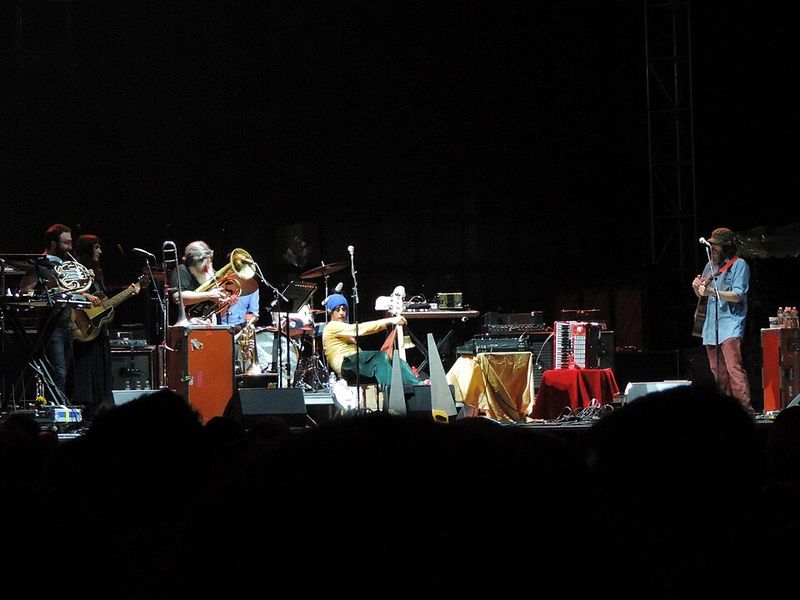
Jeff Mangum recorded this album in Athens, Georgia with a group of musicians connected to the Elephant 6 Recording Company, a loose collective of indie artists operating largely outside mainstream music industry structures. Merge Records released it in February 1998 to respectful but limited attention.
Initial sales were modest enough that the label had no particular expectation of longevity.
The album’s combination of acoustic folk, lo-fi production, brass arrangements, and intensely personal lyrics created something genuinely difficult to place within existing genre categories. Critics admired it without fully knowing what to do with it.
Mangum retired from public life shortly after touring the record, which only deepened listener curiosity over time.
By the mid-2000s, In the Aeroplane Over the Sea had become one of the most discussed records in indie music, passed between college students and young musicians with almost evangelical enthusiasm.
10. Music Has The Right To Children, Boards Of Canada (1998)
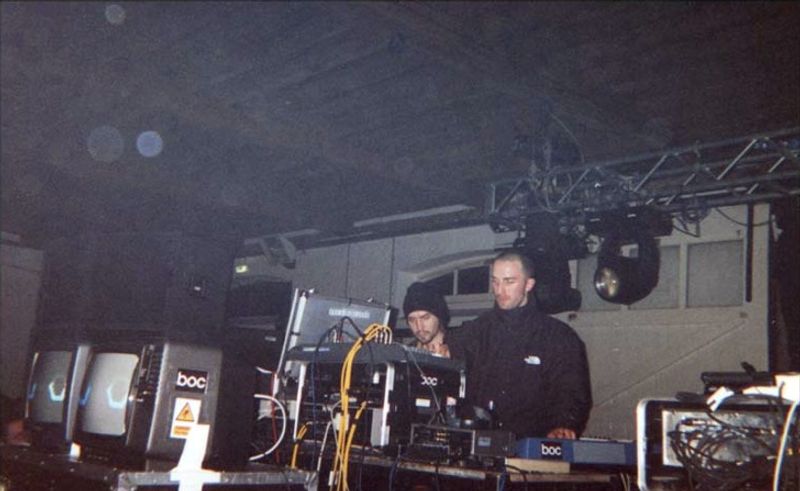
Warp Records released this Scottish duo’s debut full-length in April 1998, and it landed in a very specific moment when electronic music was either aggressively futuristic or rooted in four-on-the-floor club structures. Boards of Canada offered neither.
Their approach used degraded samples, warped melodic loops, and production techniques that made new recordings sound decades old.
The album sold steadily within electronic music circles without breaking into mainstream consciousness. Its influence, however, spread quietly and persistently across the following two decades.
Producers working in ambient, chillwave, vaporwave, and experimental electronic music consistently cited it as a primary reference point.
Marcus Eoin and Mike Sandison built their aesthetic around the textures of educational films and public broadcast television from the 1970s, creating a sense of distorted familiarity rather than straightforward nostalgia.
11. Relationship Of Command, At The Drive-In (2000)
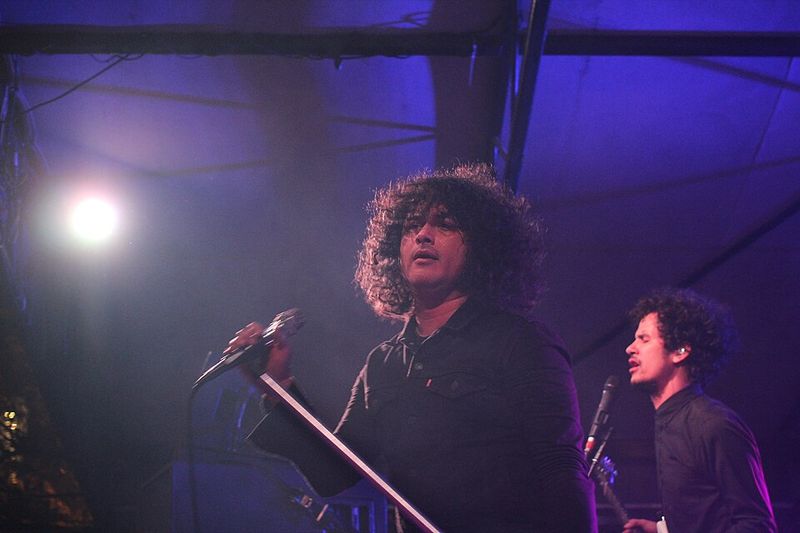
At the Drive-In released their third album in September 2000 through a partnership between Grand Royal and Fearless Records, and it arrived with a level of energy that felt almost unsustainable. Producer Ross Robinson, known primarily for his work with nu-metal acts, drew a rawer performance from the El Paso five-piece than anyone expected.
The album reached number 57 on the Billboard 200, a modest chart position for a record with this much critical momentum.
The band’s fusion of post-hardcore intensity with melodic ambition and politically charged lyrics created something that felt urgent in a year when mainstream rock had largely settled into comfortable formulas. MTV placed the single “One Armed Scissor” into rotation, giving the album brief mainstream visibility before the band fractured and dissolved in 2001.
Its legacy arrived quickly and grew steadily. The Mars Volta and Sparta, both formed from At the Drive-In’s membership, carried its influence forward.
Dozens of post-hardcore bands that emerged through the 2000s pointed directly to Relationship of Command as the record that showed them what the genre could accomplish.
12. Funeral, Arcade Fire (2004)
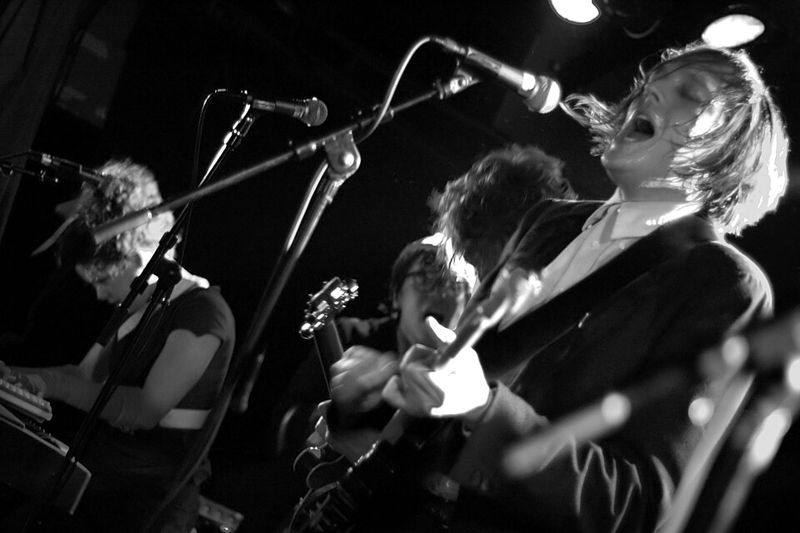
Arcade Fire recorded their debut album in Montreal while several members of the band’s extended circle were dealing with personal loss, which gave the record its title and much of its emotional weight. Merge Records released Funeral in September 2004, and early sales were strong enough by independent standards that the label quickly needed to press additional copies.
Still, by mainstream metrics, the numbers remained modest.
The album’s orchestral arrangements, layered instrumentation, and communal energy felt genuinely different from most indie rock of the period. Win Butler and Regine Chassagne assembled a rotating cast of musicians playing instruments that rarely appeared together on rock records: harps, accordions, French horns, and multiple keyboards alongside guitars and drums.
Funeral’s influence on independent music through the late 2000s was substantial. It encouraged labels and artists to think ambitiously about production and arrangement at a time when lo-fi minimalism had been the dominant indie aesthetic.
Many bands that emerged between 2005 and 2012 pointed to Funeral as the record that expanded their sense of what indie rock could attempt.
13. Is This It, The Strokes (2001)
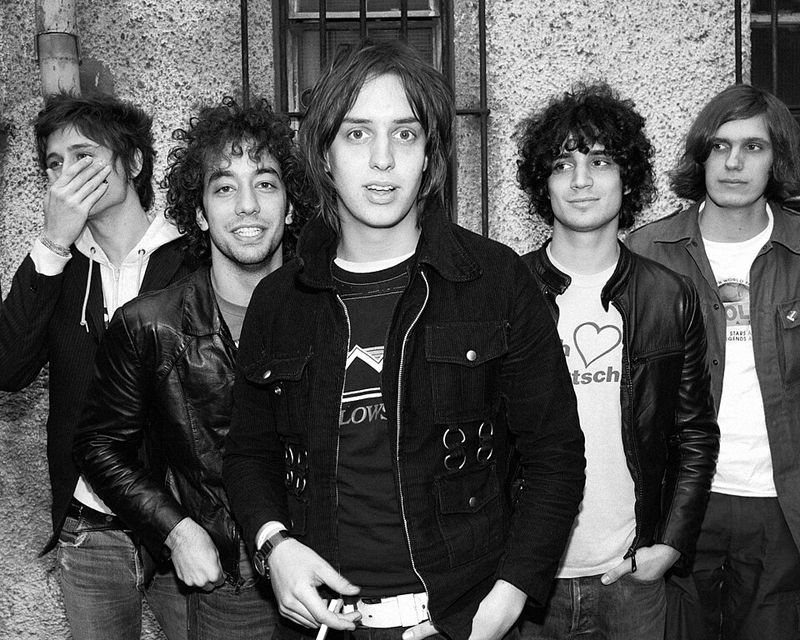
When five young New Yorkers released their debut in July 2001, the music press responded with a level of enthusiasm that felt slightly out of proportion to the album’s stripped-down, deliberately casual sound. Is This It drew on the Velvet Underground, Television, and Tom Petty without sounding like any of them directly.
Its production, handled by Gordon Raphael in a New York studio, captured performances that felt live and slightly imperfect in a way that felt fresh after years of overproduced rock.
The album sold well in the UK, reaching number two, and performed respectably in the US, eventually going platinum. Those numbers, however, underrepresent the record’s actual cultural footprint.
The garage rock revival it helped trigger produced dozens of bands across multiple continents within a few years of its release.
Franz Ferdinand, The Libertines, Interpol, and countless others emerged in its wake, each absorbing different aspects of its approach.
Share this story