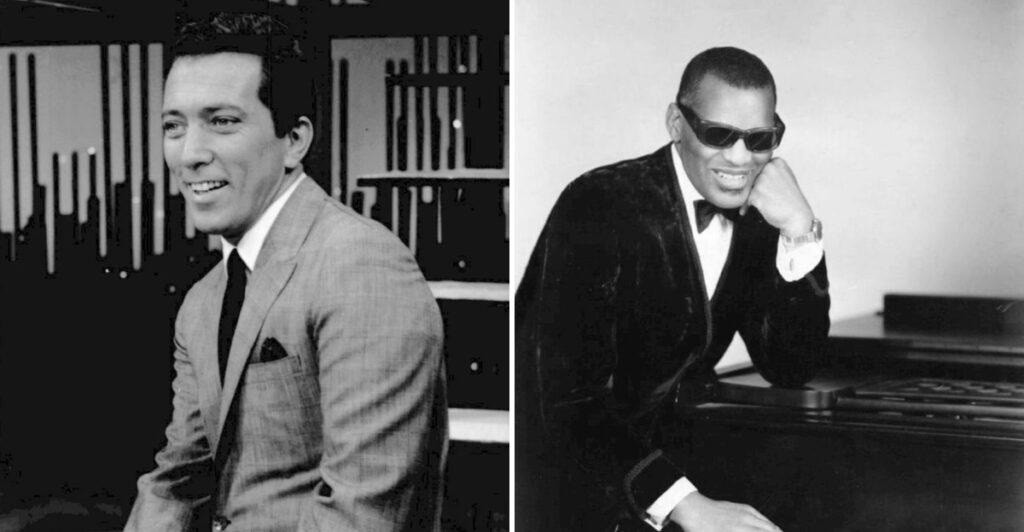
In 1961, AM radio was the center of American pop culture. Teenagers gathered around transistor radios, and families tuned in during car rides and kitchen mornings.
That year produced an unusually strong crop of chart-toppers that crossed genre lines, blending doo-wop, soul, country, rhythm and blues, and teen pop into a single, exciting national soundtrack. Radio stations competed fiercely for listeners, and the songs they played became shared cultural touchstones that millions of people recognized instantly.
The Billboard Hot 100 was still a relatively new chart, having launched in 1958, and 1961 was one of its most action-packed years. Artists from Motown, independent labels, and major studios all landed hits that season.
Several of these songs went on to appear on Rolling Stone’s list of the 500 greatest songs of all time. Whether you lived through it or are discovering it now, this list walks through thirteen songs that defined what AM radio sounded like at the start of a transformative decade.
1. Runaround Sue by Dion
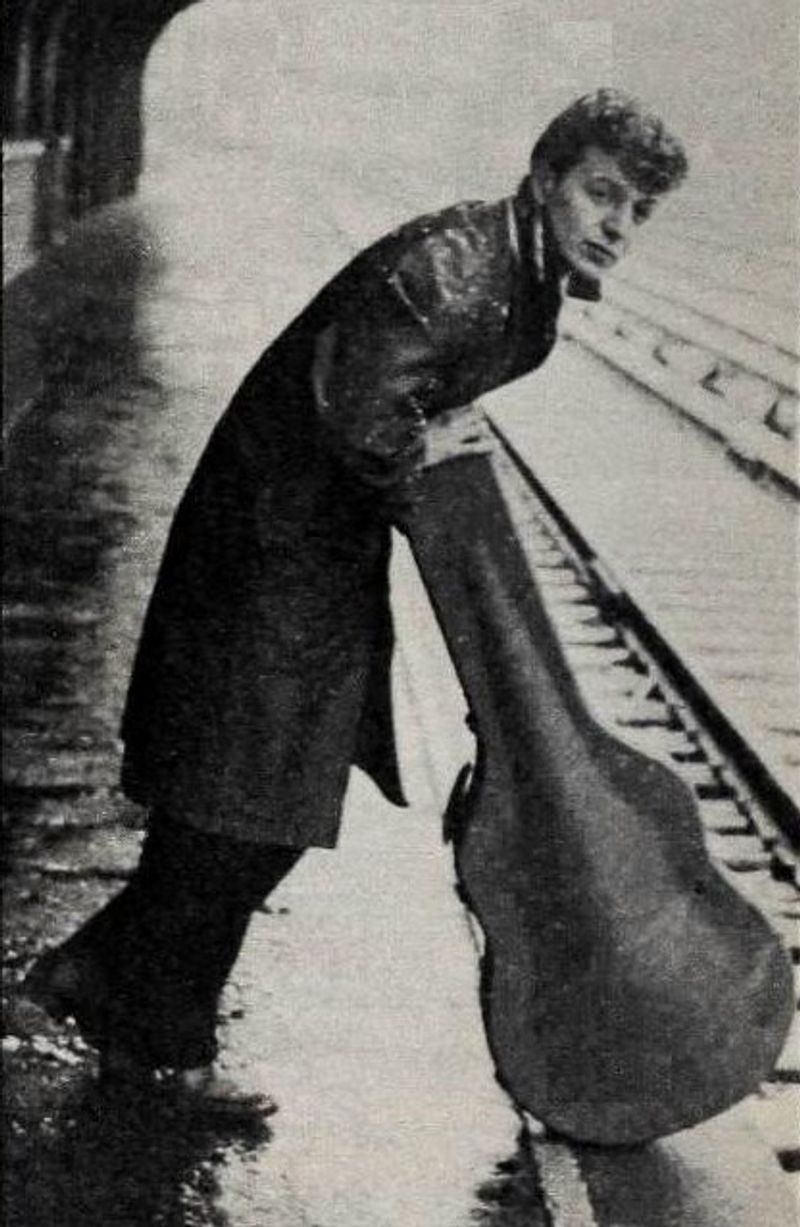
Dion DiMucci had already built a strong following with Dion and the Belmonts, but “Runaround Sue” proved he could carry a hit entirely on his own. Released in September 1961, the song reached number one on the Billboard Hot 100 and stayed there for two weeks.
The track was co-written by Dion and Ernie Maresca, and its sing-along chorus made it a natural fit for radio. Stations across the country added it to heavy rotation almost immediately after release.
What made the song stand out was its blend of doo-wop structure with a rock and roll attitude. It felt youthful and confident without being aggressive, which matched the tone of early-1960s teen pop perfectly.
Rolling Stone later included it on their list of the 500 greatest songs of all time. In 1961, though, it was simply the song everyone was singing whether they meant to or not.
2. Stand by Me by Ben E. King
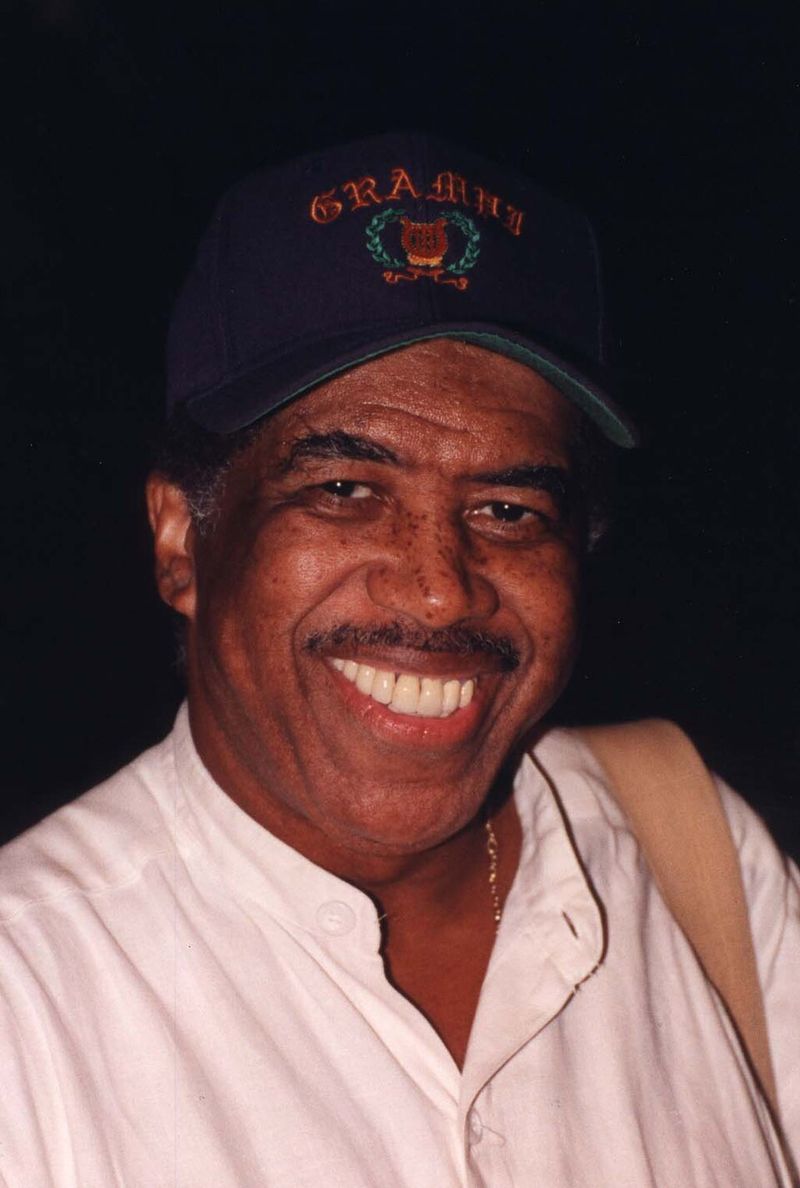
Few songs released in 1961 carried the emotional weight of Ben E. King’s “Stand by Me.” King had recently left The Drifters to pursue a solo career, and this track became the defining statement of that transition.
The song was co-written by King, Jerry Leiber, and Mike Stoller, drawing on a gospel foundation that gave it a grounded, sincere quality. It reached number four on the Billboard Hot 100 and performed even better on the rhythm and blues chart.
Radio programmers loved it because it appealed to multiple audiences at once. Pop listeners, gospel fans, and R&B audiences all found something to connect with in its straightforward message and steady rhythm.
The song has been re-released and covered dozens of times across different decades, but its original 1961 version remains the standard. It was a record that felt complete the first time anyone heard it, requiring nothing added and nothing removed.
3. Will You Love Me Tomorrow by The Shirelles
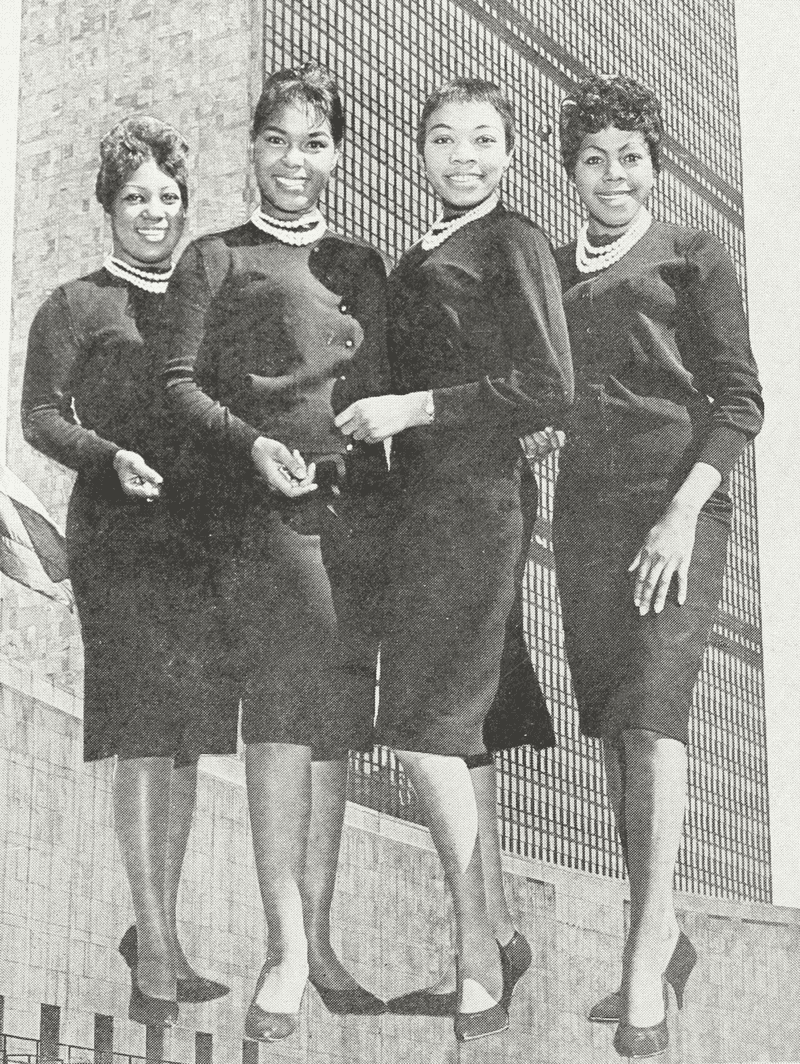
The Shirelles made history with this song before most people even realized it. “Will You Love Me Tomorrow” became the first number-one hit on the Billboard Hot 100 by an African American girl group when it topped the chart in January 1961.
Written by Carole King and Gerry Goffin, the song tackled emotional vulnerability in a way that felt honest rather than dramatic. That directness connected with teenage girls across the country who heard their own questions reflected in the lyrics.
The production, handled by Luther Dixon, layered strings over a rhythm and blues base, giving the track a polished sound that worked equally well on pop and R&B radio stations.
Rolling Stone ranked it among the 500 greatest songs of all time, and music historians frequently cite it as a turning point for girl groups in American pop. In 1961, it was simply the song that started the year at the very top.
4. Travelin’ Man by Ricky Nelson
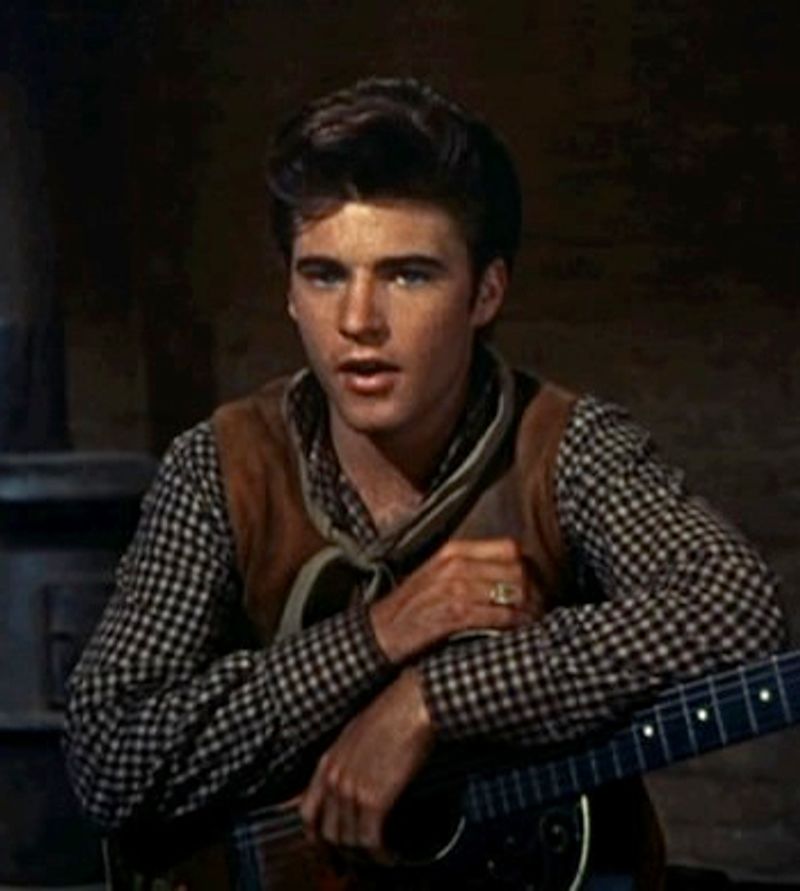
Ricky Nelson had an unusual advantage over most pop stars of his era: a weekly television audience of millions who knew him from “The Adventures of Ozzie and Harriet.” By 1961, he had already placed dozens of songs on the charts, and “Travelin’ Man” was among his best.
Written by Jerry Fuller, the song reached number one on the Billboard Hot 100 in May 1961. Its easygoing melody and globe-trotting lyrics gave it a lighthearted quality that fit perfectly with the optimism of early Kennedy-era America.
Nelson’s vocal style was controlled and smooth, which made him a reliable presence on AM radio. Program directors trusted his records to hold an audience without alienating anyone.
The song was paired as a double A-side with “Hello Mary Lou,” giving radio stations two strong options from a single release. Both tracks performed well, cementing Nelson’s status as one of the most consistent hitmakers of the early 1960s pop era.
5. Crazy by Patsy Cline
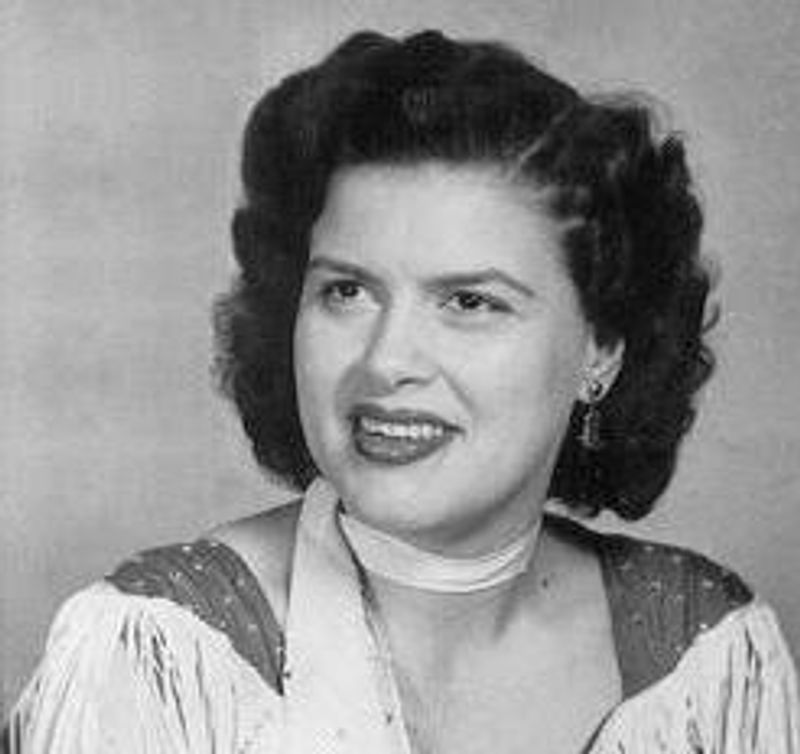
Willie Nelson wrote “Crazy” as a demo, and Patsy Cline almost passed on it. She found the melody difficult to phrase at first, but once she recorded it in August 1961, the result was one of the most recognized vocal performances in American music history.
The song reached number two on the Billboard country chart and crossed over to the pop chart as well, demonstrating how effectively Cline could reach audiences beyond the traditional country radio format.
Producer Owen Bradley gave the track a lush, orchestrated arrangement that softened its country edges without erasing them. That balance made it accessible to pop stations while keeping country fans fully on board.
“Crazy” became Cline’s signature song and remains one of the most-played jukebox songs ever recorded. In 1961, it introduced a generation of pop listeners to the emotional range that country music was fully capable of delivering on any format, including AM radio.
6. Please Mr. Postman by The Marvelettes
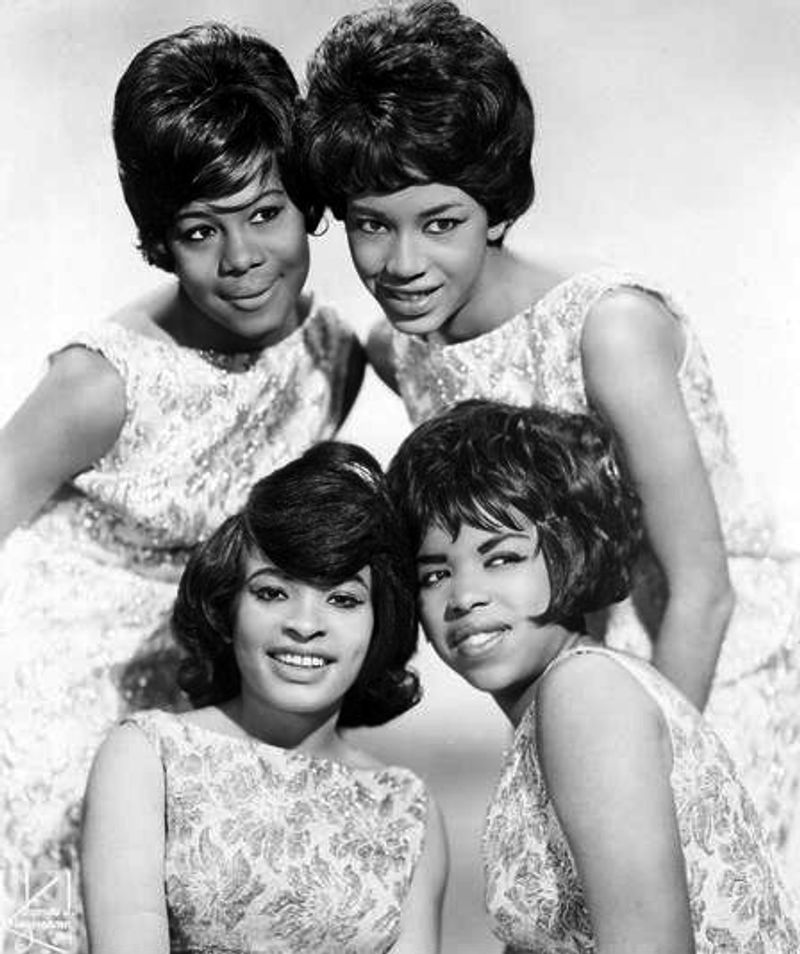
Motown Records had been operating since 1959, but “Please Mr. Postman” was the label’s first number-one hit on the Billboard Hot 100. The Marvelettes, a group of high school students from Inkster, Michigan, delivered it with a raw, enthusiastic energy that stood apart from the polished sound Motown would later become known for.
The song was recorded quickly and featured a driving rhythm track with call-and-response vocals that radio audiences responded to immediately. It topped the chart in December 1961 and remained there for one week.
Lead vocalist Gladys Horton brought a pleading urgency to the performance that made the song feel genuinely emotional rather than staged. That authenticity was part of what made early Motown releases so appealing to young listeners.
The song was later covered by The Beatles and The Carpenters, which speaks to how broadly it connected across musical styles. Its 1961 original, though, remains the version that launched one of the most important record labels in American pop history.
7. Crying by Roy Orbison
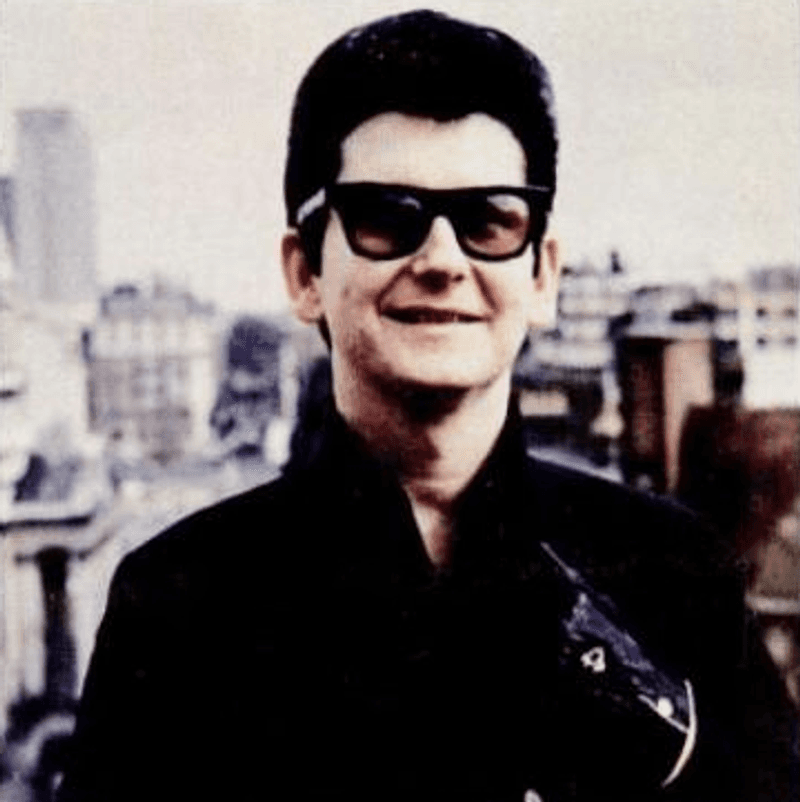
Roy Orbison had a vocal range that most pop singers of his era simply could not match. “Crying,” released in the summer of 1961, was built around that range, climbing through registers in a way that felt almost operatic by the standards of AM radio.
The song reached number two on the Billboard Hot 100 and topped the country chart, making Orbison one of the few artists of that year to score simultaneously on both formats. Monument Records released it as a follow-up to his earlier hit “Running Scared.”
Co-written by Orbison and Joe Melson, the track was inspired by an encounter Orbison had with an ex-girlfriend. That personal backstory gave the performance a specific emotional focus that listeners picked up on even without knowing the story behind it.
Don McLean covered the song in 1981 and took it to number five, but Orbison’s 1961 recording remains the definitive version. Its place on year-end lists for 1961 was well earned.
8. Moon River by Andy Williams
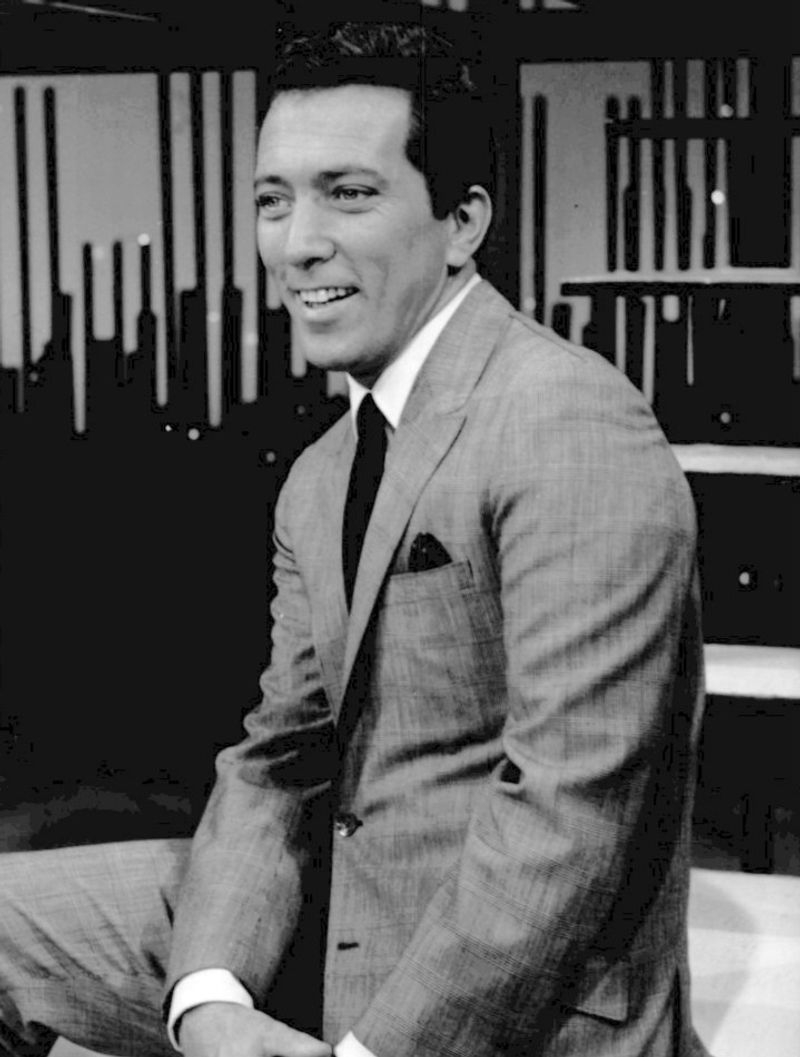
“Moon River” was written by Henry Mancini and Johnny Mercer for the film Breakfast at Tiffany’s, but Andy Williams made it a radio staple that far outlasted the movie’s theatrical run. Williams recorded it for Columbia Records and released it as a single in 1961.
The song won the Academy Award for Best Original Song that year, which generated substantial radio and television exposure. Program directors at AM stations found it easy to schedule because it appealed to a wide age range without alienating any particular demographic.
Williams later adopted it as his signature song and opened his television variety show with it for years. That long association kept the 1961 recording in the public consciousness well beyond its original chart run.
The song peaked at number eleven on the Billboard Hot 100, which understates how frequently it was actually played on radio. Its album version was slightly longer, but both formats became familiar to anyone who listened to AM radio in the fall of 1961.
9. Hit the Road Jack by Ray Charles
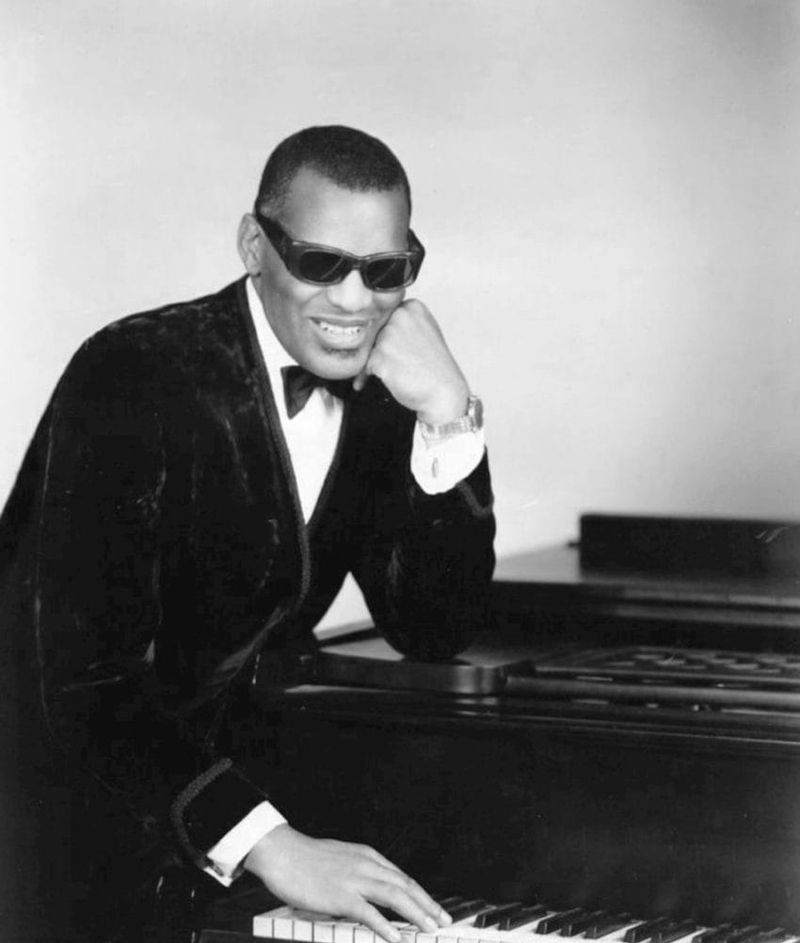
Percy Mayfield wrote “Hit the Road Jack” specifically for Ray Charles, and the fit was perfect. Charles recorded it for ABC-Paramount Records and released it in August 1961, pairing his lead vocals with a sharp back-and-forth exchange with the Raelettes that gave the song an irresistible theatrical quality.
The track reached number one on the Billboard Hot 100 and held that position for two weeks. It also topped the rhythm and blues chart, confirming Charles as a dominant force across multiple formats simultaneously.
Rolling Stone later included it on their list of the 500 greatest songs of all time, recognizing its cultural staying power. The song’s structure, built on a simple but forceful chord progression, made it easy for radio listeners to anticipate and enjoy with each repeated play.
Charles was already a well-established artist by 1961, but this song introduced him to a new wave of younger pop listeners who might not have followed his earlier rhythm and blues work closely.
10. Take Good Care of My Baby by Bobby Vee
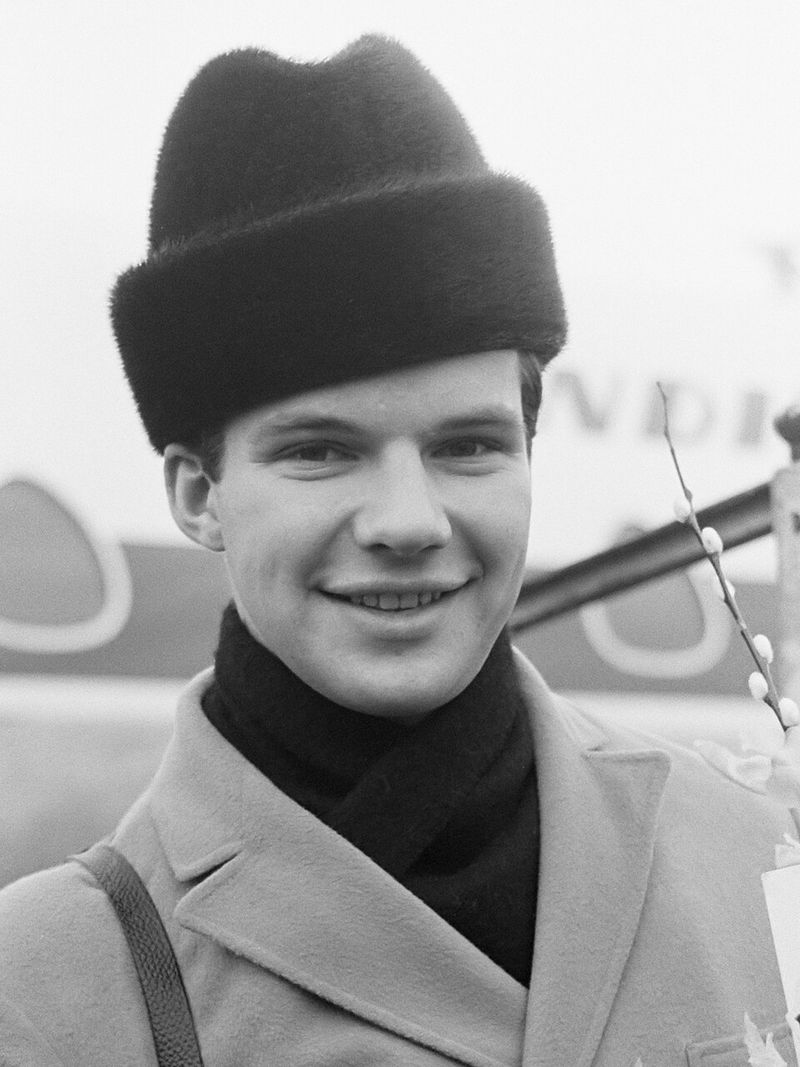
Bobby Vee was nineteen years old when “Take Good Care of My Baby” reached number one on the Billboard Hot 100 in September 1961. Written by Carole King and Gerry Goffin, the song was one of several hits that the Brill Building songwriting team produced that year for young pop artists.
Vee’s smooth, clean vocal style made him a reliable presence on AM radio throughout the early 1960s. He had a knack for delivering emotional lyrics without overselling them, which gave his performances a natural, relatable quality.
Liberty Records released the song with a polished production that featured prominent strings and a steady rhythm section. The arrangement was designed for radio, with a clear structure and a memorable chorus that repeated well across multiple listens.
The song spent three weeks at number one and became one of the best-selling singles of the entire year. For teenage listeners in 1961, it was the kind of track that felt written specifically for them and nobody else.
11. Shop Around by The Miracles
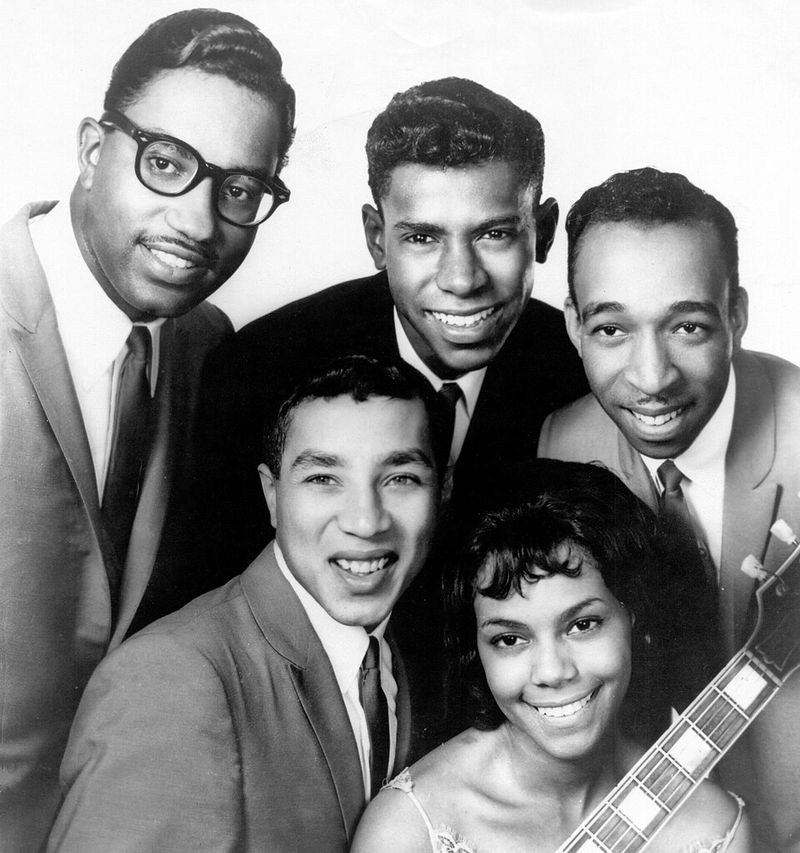
Motown’s first top-ten pop hit came not from a solo artist but from Smokey Robinson and The Miracles. “Shop Around” reached number two on the Billboard Hot 100 in early 1961, and it topped the rhythm and blues chart entirely, establishing Motown as a label capable of competing at the national level.
Berry Gordy originally recorded the song at a slower tempo, but he called the group back into the studio at three in the morning to re-record it with more energy. That second version is the one radio stations played, and the difference in feel was significant.
Robinson’s writing combined practical advice with playful phrasing in a way that felt fresh and conversational. The song’s message about not rushing into commitment resonated with young listeners who found it both funny and relatable.
Its success opened doors for other Motown artists by proving the label’s records could chart consistently on pop radio, not just R&B stations. That shift changed the trajectory of the entire label.
12. Runaway by Del Shannon
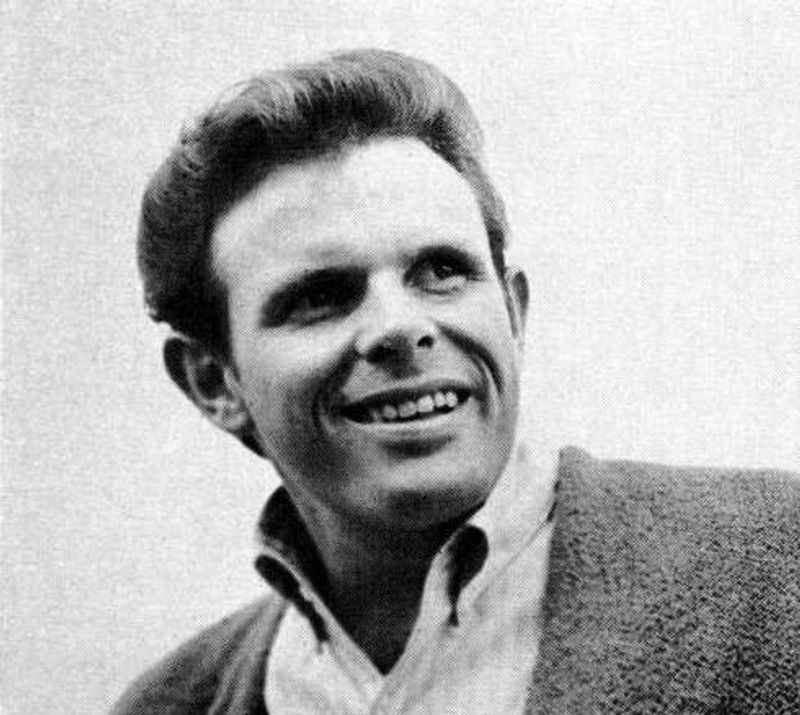
Del Shannon wrote “Runaway” with keyboardist Max Crook, and the song featured an unusual instrument called the Musitron, an early electronic keyboard that Crook had built himself. That keyboard solo became one of the most recognizable moments in all of early-1960s pop music.
Released in January 1961 on Big Top Records, the song climbed to number one on the Billboard Hot 100 and stayed there for four weeks. It also topped charts in the United Kingdom, making Shannon one of the few American artists of that period to achieve simultaneous success on both sides of the Atlantic.
The song’s chord progression moved in an unusual pattern that gave it a restless, unresolved feeling, which matched its lyrical theme of confusion and loss. Radio listeners found that tension compelling enough to keep requesting it repeatedly.
Music critics have consistently ranked it among the greatest pop singles ever recorded. In 1961, it was simply the most distinctive sound on the AM dial, and nothing else quite sounded like it.
Share this story