 Unearth The Voyage
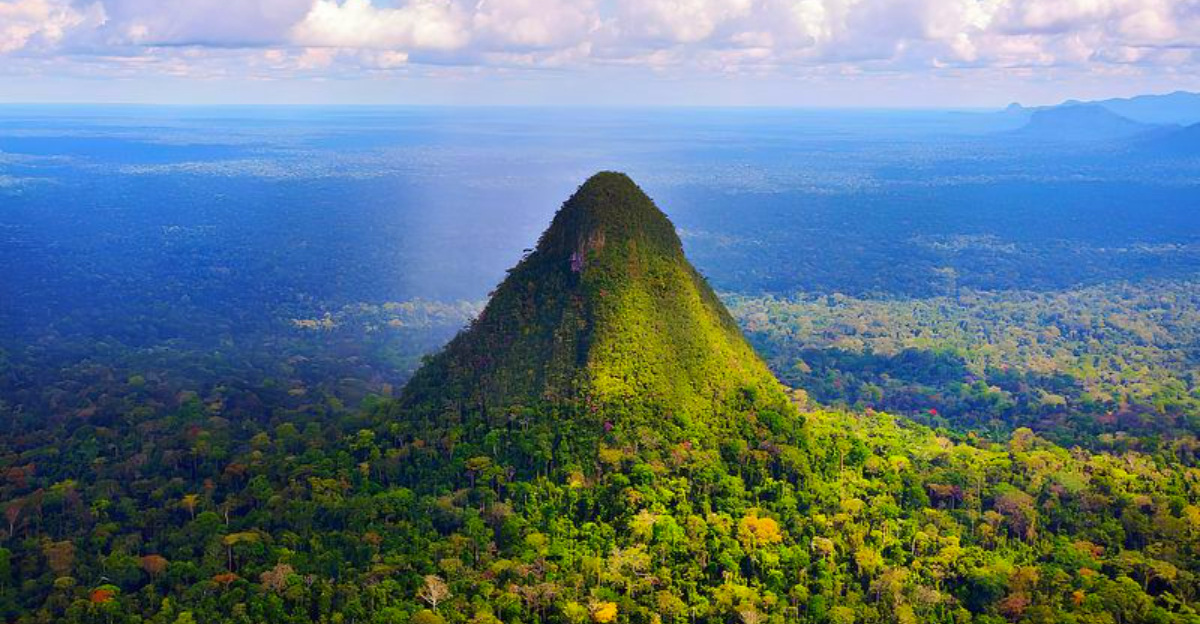
Deep in the Amazon rainforest, a striking pyramid-shaped mountain has captured global attention after satellite images went viral online. Many wondered if this could be proof of an ancient lost civilization hidden beneath the jungle canopy. Scientists have now stepped forward with answers about what this mysterious formation truly represents, and the truth is just as fascinating as the theories.
1. Cerro El Cono Is a Real Geological Formation, Not a New Discovery
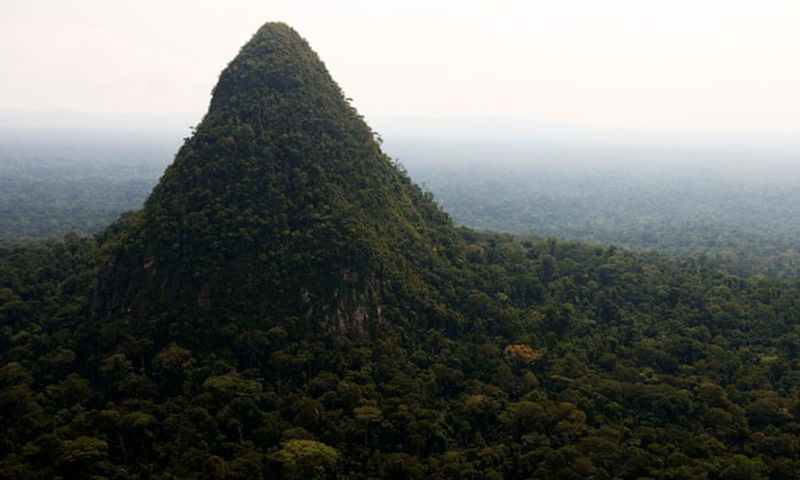
Peruvian environmental agencies have tracked this formation for years, long before social media brought it worldwide fame. Researchers familiar with the region recognize Cerro El Cono as part of their documented landscape studies.
The recent viral attention came from satellite imagery that made the mountain look newly emerged. In reality, scientists and local authorities have mapped and studied this geological feature through multiple surveys. Its sudden popularity simply reflects how technology now lets everyday people explore remote corners of Earth.
Documentation exists in geological databases and environmental reports spanning several decades. The mountain never mysteriously appeared; it was always there, waiting for the right moment to capture global imagination through the power of satellite photography and internet curiosity.
2. It Sits Inside Sierra del Divisor National Park
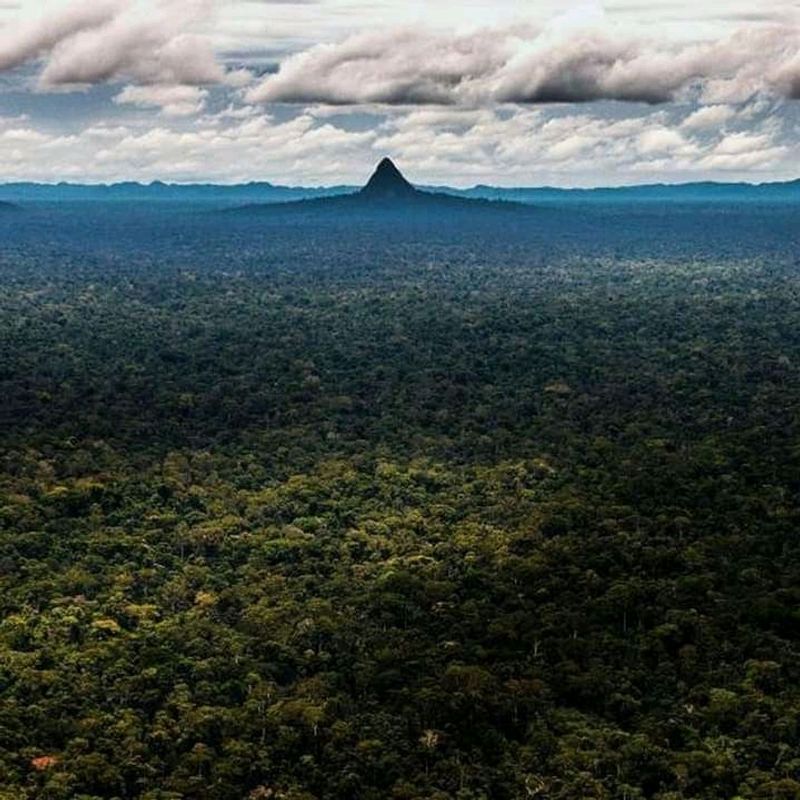
Sierra del Divisor National Park protects one of the most geologically diverse regions in the Amazon basin. Scattered throughout this protected area are dramatic isolated hills that rise unexpectedly from the forest floor. Volcanic remnants and eroded plateaus create a landscape unlike typical Amazon terrain.
Cerro El Cono stands as perhaps the most visually arresting feature among these formations. Park boundaries were established to preserve both the ecological richness and the unique geological heritage of the region. Wildlife thrives in this protected space, benefiting from the varied terrain.
Access restrictions help maintain the pristine nature of the park. Scientists must obtain special permits to conduct research within its boundaries, ensuring that both the natural formations and the surrounding ecosystems remain undisturbed by excessive human activity.
3. It Rises Sharply From an Otherwise Flat Rainforest Landscape
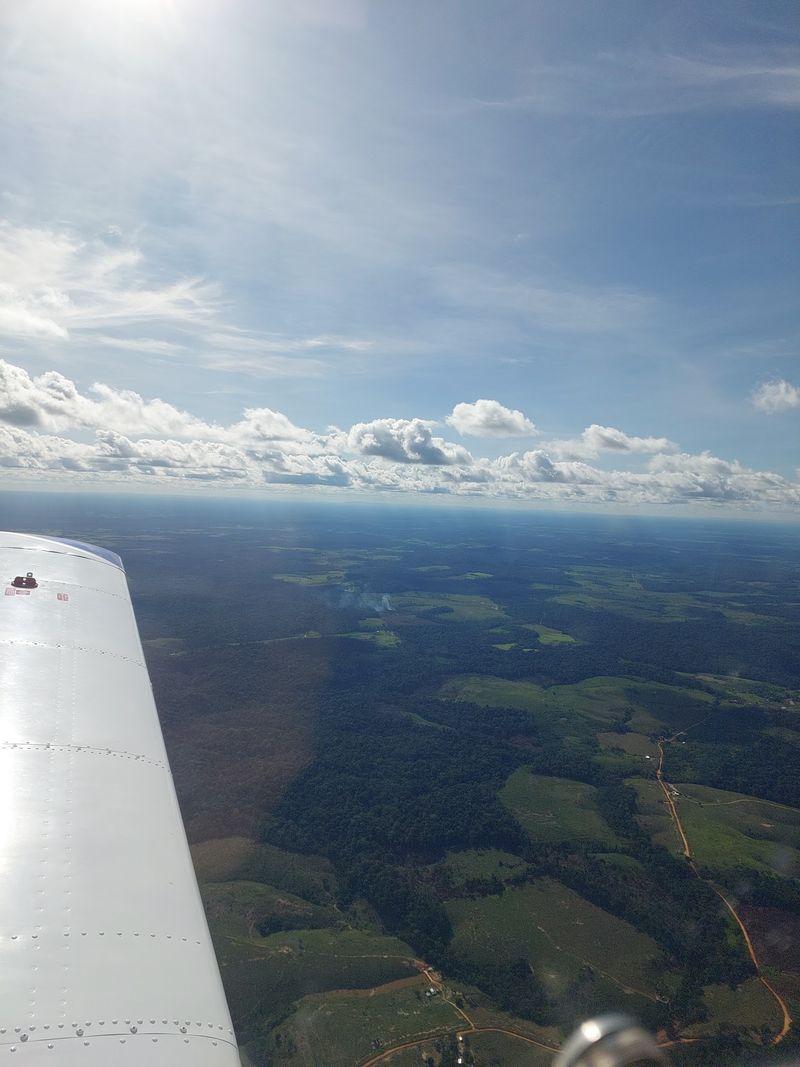
Imagine flying over endless miles of flat jungle when suddenly a steep mountain appears like a giant tooth pushing through green fabric. The visual shock of Cerro El Cono comes from this extreme contrast between horizontal and vertical landscapes. Thousands of square miles of low-lying forest make the peak seem even more dramatic.
Most Amazon terrain features gentle rolling hills or completely level floodplains. When a formation breaks this pattern so dramatically, it naturally draws attention and questions. The human eye is trained to notice anomalies, and this mountain certainly qualifies.
Photographers and satellite operators find the formation irresistible because of this stark difference. The geometric shape combined with its isolated position creates an almost surreal scene that challenges expectations about what Amazon landscapes should look like.
4. The Pyramid Shape Is a Product of Erosion
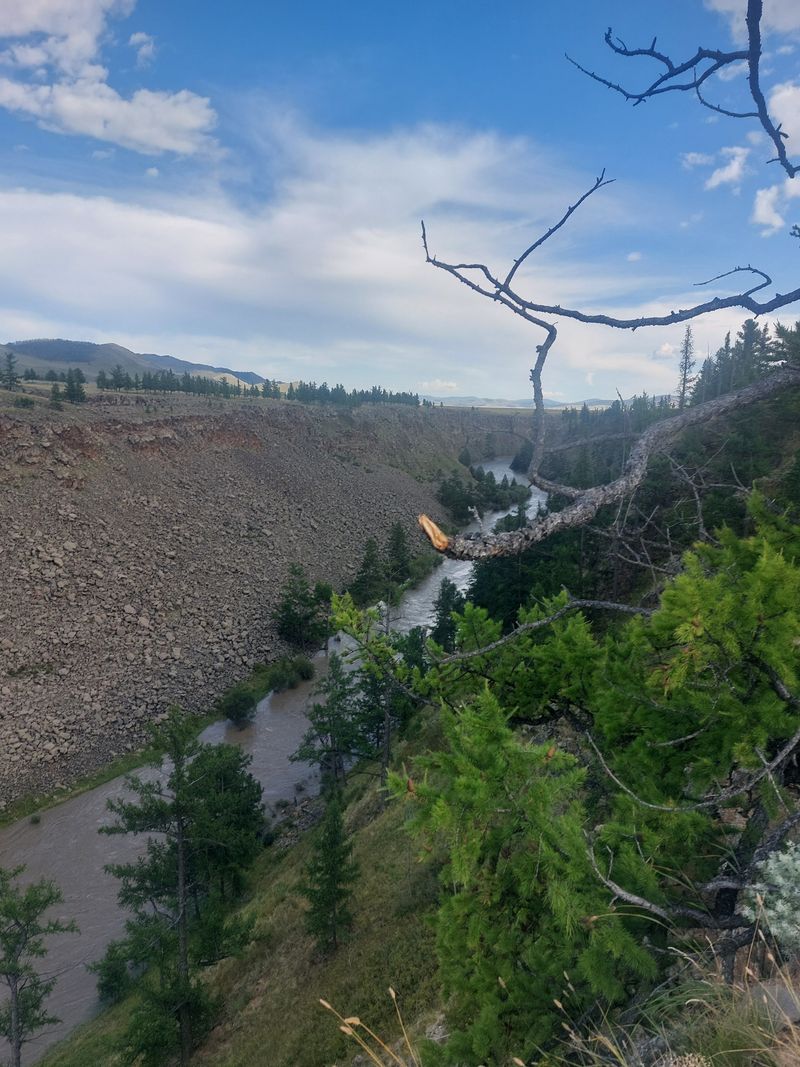
Wind, rain, and time sculpted this mountain into its current form through completely natural processes. Geologists explain that certain rock types resist weathering better than surrounding materials. As softer rocks erode away, harder stone remains, often creating surprisingly symmetrical shapes.
The cone formed because erosion worked evenly from all sides over thousands or millions of years. Water runoff follows gravity, carving channels that radiate outward from the peak. This uniform weathering pattern produces the pyramid-like appearance that seems almost too perfect to be natural.
Similar erosion processes create distinctive landforms worldwide, from desert buttes to coastal sea stacks. Cerro El Cono simply happens to be an exceptionally well-formed example. No human tools or planning were involved, just patient geological forces working across immense timescales to shape resistant bedrock.
5. It Is Not an Artificial Pyramid
Archaeological teams have found zero evidence of human construction or modification on Cerro El Cono. No tool marks, no quarried stones, no mortar, no structural remains exist anywhere on the formation. Every scientific examination confirms its natural origin.
Ancient civilizations certainly built impressive structures throughout the Americas, but this is not one of them. The rock composition, weathering patterns, and internal structure all match natural geological processes. If humans had shaped this mountain, traces would remain despite centuries of jungle growth.
Historical records from Indigenous communities in the region contain no legends or oral histories suggesting the mountain was ever worked by human hands. All current studies, from multiple scientific disciplines, reach the same conclusion: Cerro El Cono formed through entirely natural geological events without any artificial intervention or ancient engineering.
6. The Region Has Volcanic Origins
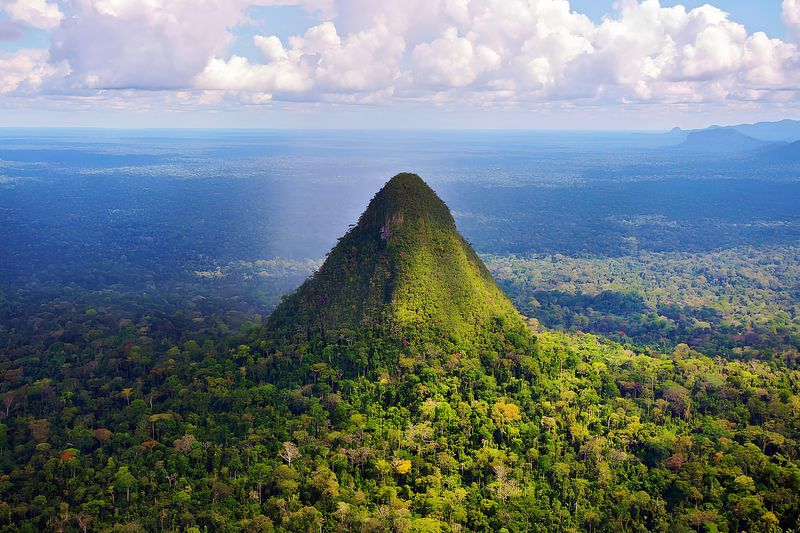
Millions of years ago, volcanic activity shaped much of what is now Sierra del Divisor. Magma pushed through Earth’s crust, creating volcanic structures that have since been dramatically altered by erosion. Cerro El Cono likely represents one of these ancient volcanic features.
Volcanic plugs form when magma hardens inside a volcano’s vent. Over time, the softer outer cone erodes away, leaving only the resistant plug as a steep-sided formation. Uplifted bedrock from tectonic forces can also create similar shapes when combined with selective erosion.
The sharp angles and steep sides of Cerro El Cono fit the profile of an eroded volcanic remnant perfectly. Geologists studying rock samples from the region have identified volcanic minerals and formations consistent with this explanation, adding scientific weight to the volcanic origin theory.
7. Satellite Images Make It Look More Precise Than It Is
From orbit, Cerro El Cono appears almost artificially perfect, with clean lines and symmetrical slopes. This optical effect occurs because satellite cameras view the formation from directly above, minimizing visual irregularities. Distance and angle create an illusion of precision.
Field researchers who have approached the mountain report a different reality. Up close, the sides show natural irregularities, uneven weathering, and the chaotic patterns typical of geological formations. Vegetation covers much of the surface, further breaking up any appearance of smooth, constructed surfaces.
Photography and perspective play tricks on human perception. The same phenomenon makes distant mountains look like perfect triangles, though they reveal complexity upon closer inspection. Satellite technology gives us incredible views, but it can also create misleading impressions about the true nature of what we observe from space.
8. It Stands Around 400 to 500 Meters Tall
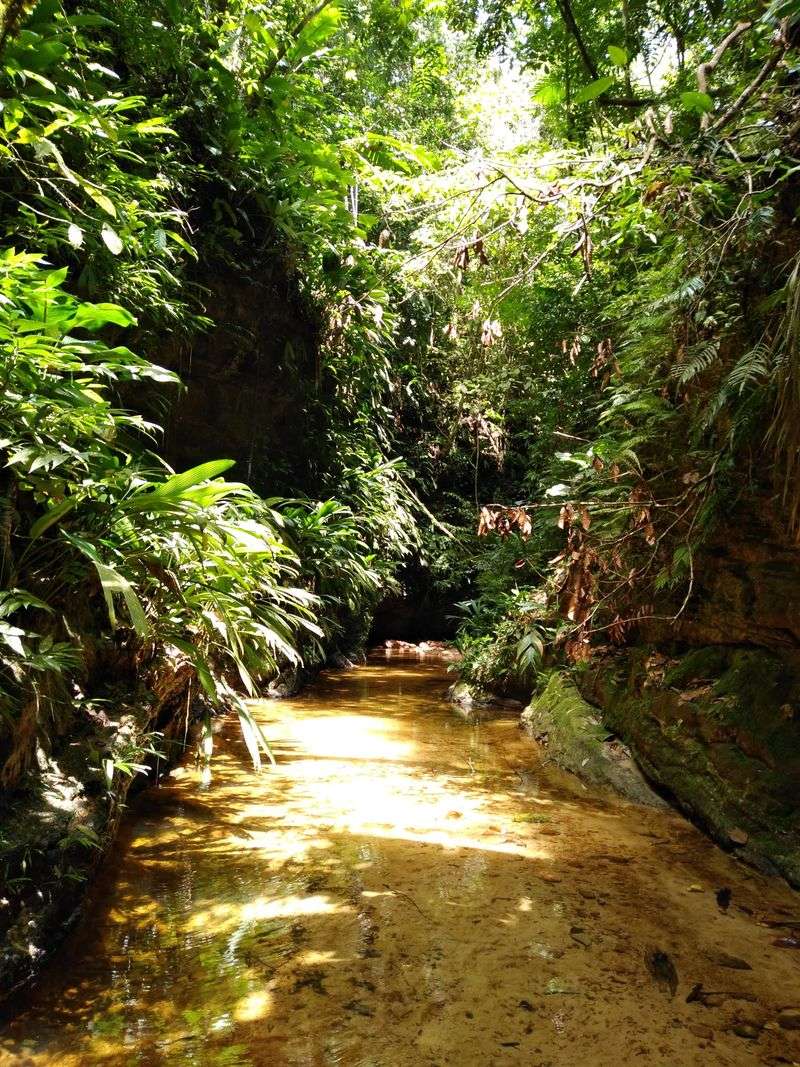
While not reaching the heights of famous peaks like Mount Everest, Cerro El Cono still towers impressively over its surroundings. At roughly 400 to 500 meters, it rises high enough to dominate the local landscape. The height alone does not explain its dramatic presence, though.
Steepness matters as much as elevation when creating visual impact. A gradual hill of the same height would barely register, but Cerro El Cono’s sharp slopes make every meter count. Its isolated position amplifies the effect, since no neighboring peaks compete for attention.
In the context of the flat Amazon basin, even moderate elevation creates striking contrasts. The mountain punches through the forest canopy, visible for miles in every direction. Local weather patterns, wildlife movements, and even human navigation have been influenced by this prominent landmark for generations.
9. Indigenous Communities Have Known About It for Generations
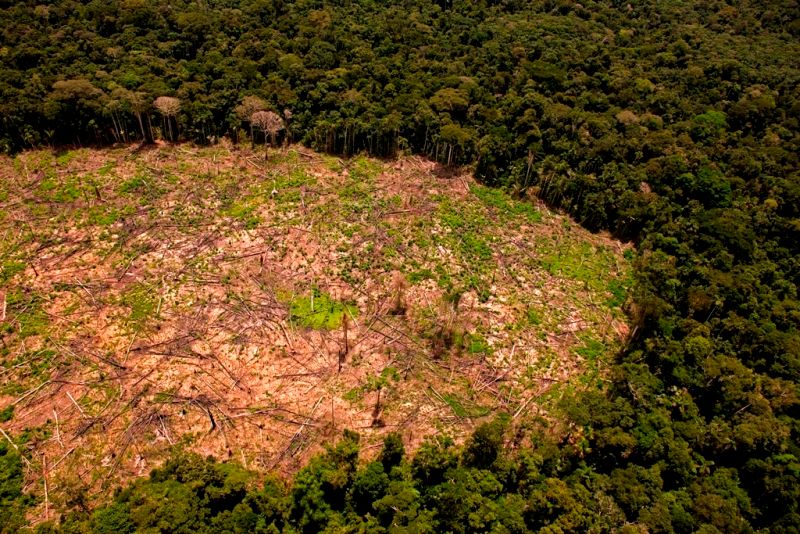
Long before satellites mapped the region, local Indigenous peoples lived with this mountain as part of their ancestral territory. Oral traditions passed down through generations include references to the distinctive peak. For these communities, Cerro El Cono holds cultural and sometimes spiritual importance.
Different groups attach varying meanings to the formation. Some view it as a sacred site connected to creation stories or spiritual practices. Others simply recognize it as a notable landmark used for navigation and territorial reference. Respect for these perspectives is crucial when discussing the mountain.
The recent global attention has largely ignored Indigenous knowledge and relationships with the land. These communities never needed scientists to explain what the mountain is because they have always understood it within their own cultural frameworks, frameworks developed through centuries of living in harmony with this unique landscape.
10. Scientists Are Interested, but Not Confused
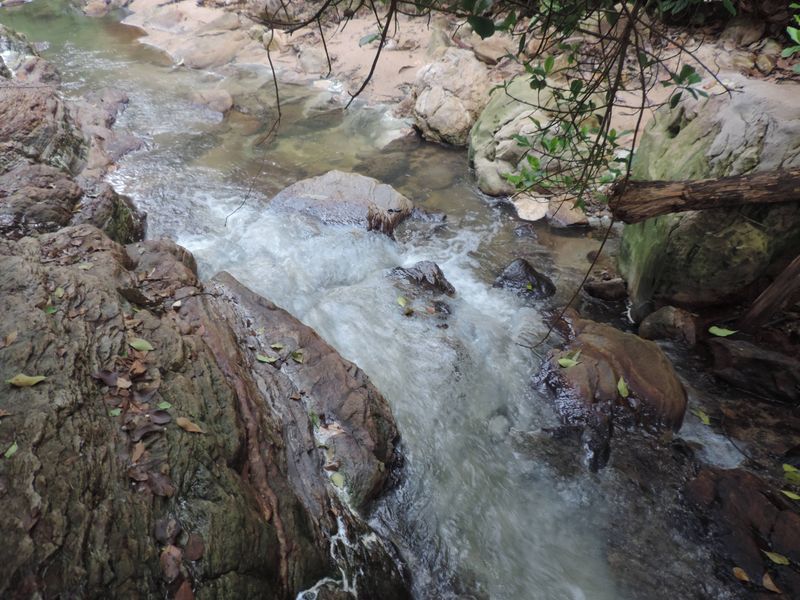
Geologists recognize Cerro El Cono as an excellent example of an inselberg, a term describing isolated hills or mountains rising abruptly from plains. These formations appear worldwide, from Africa’s famous kopjes to Australia’s Uluru. The Amazon version simply adds tropical context to a well-understood geological phenomenon.
Research interest focuses not on solving a mystery but on understanding specific details. What exact rock types compose the mountain? How old is the formation? What erosion rates shaped it? These questions drive scientific curiosity rather than confusion about its basic nature.
Media coverage sometimes exaggerates scientific uncertainty for dramatic effect. In reality, experts feel confident about the mountain’s natural origin and general formation process. Ongoing studies aim to refine details and add to broader knowledge about Amazon geology, not to debate whether aliens or ancient civilizations were involved.
11. Its Slopes Support Unique Plant and Animal Life
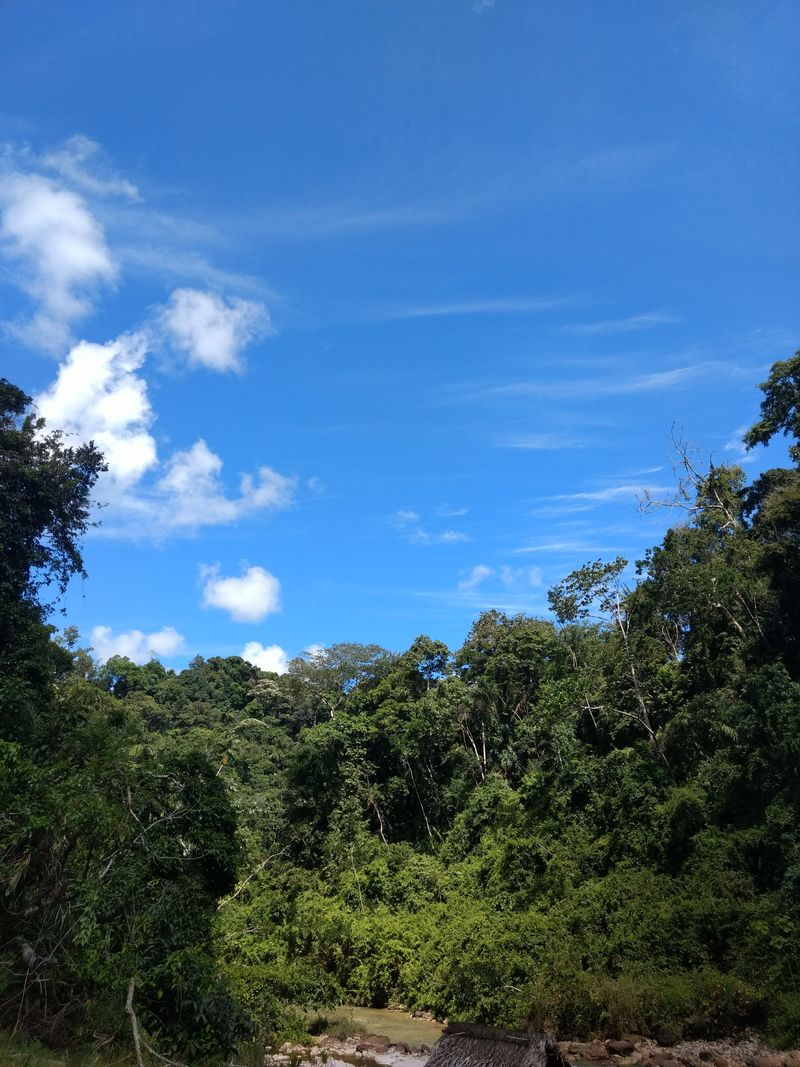
Rising above the surrounding forest canopy creates entirely different environmental conditions. Temperature, humidity, sunlight exposure, and wind patterns all change with elevation. These variations produce microhabitats that host species unable to survive in the lowland jungle below.
Plants adapted to drier, sunnier conditions colonize the upper slopes. Animals that prefer cooler temperatures or open spaces find refuge on the mountain. Some species may exist nowhere else in the region, making Cerro El Cono an ecological island within the larger Amazon ecosystem.
Biologists find such formations valuable for studying evolution and adaptation. Isolated habitats act as natural laboratories where species develop unique characteristics. The mountain likely harbors undiscovered plants, insects, or small animals that have evolved in response to its specific conditions, adding biological significance to its geological interest.
12. The Area Is Extremely Difficult to Access
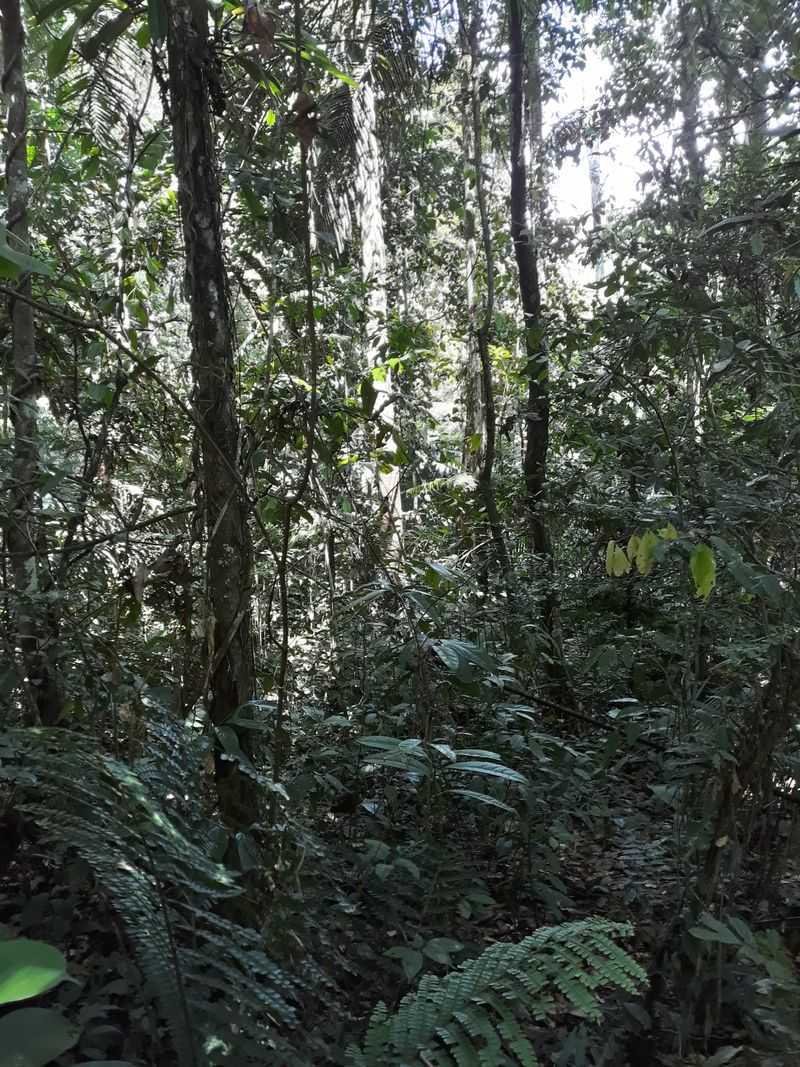
No roads lead to Cerro El Cono, and the surrounding jungle presents formidable obstacles to ground travel. Dense vegetation, rivers, swamps, and the sheer remoteness of Sierra del Divisor National Park make reaching the formation a serious expedition. Protected status adds legal barriers to physical ones.
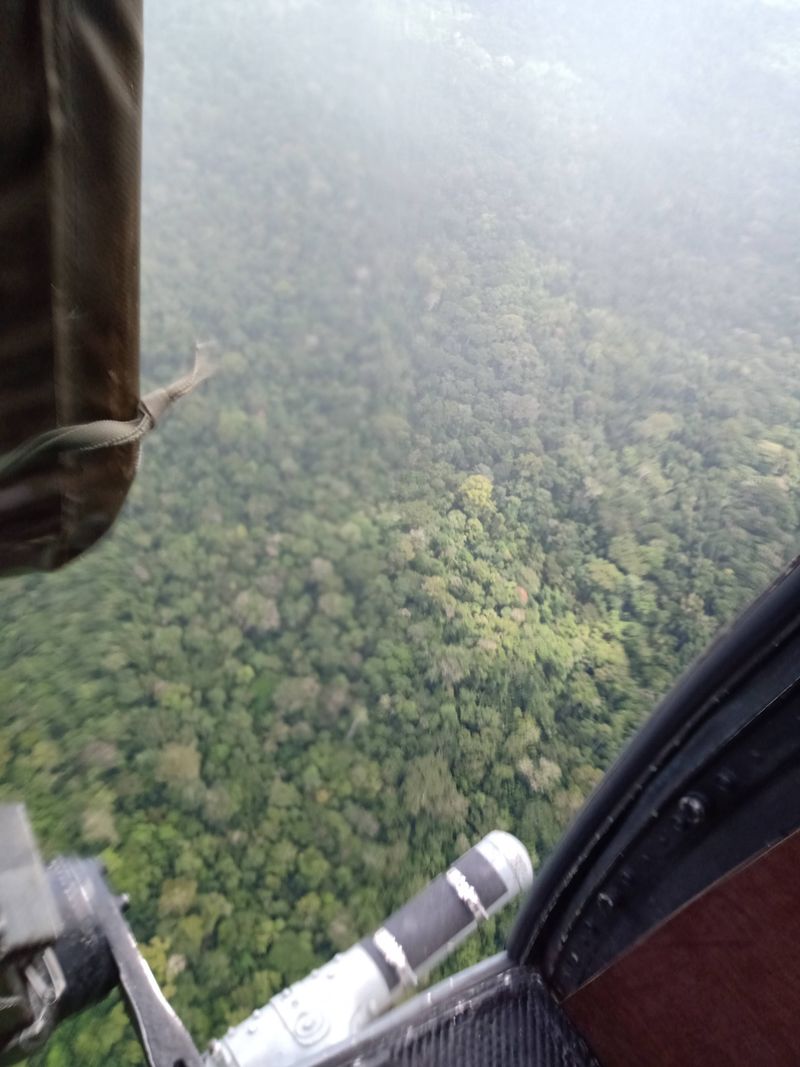
Most scientific data comes from aerial surveys using planes, helicopters, or drones. Satellite imagery provides additional information without requiring physical presence. Only a handful of research teams have actually approached or climbed the mountain, and those expeditions required extensive planning and permits.
This inaccessibility helps preserve the formation in pristine condition. Limited human contact means minimal environmental impact. While frustrating for those eager to explore, the difficulty of access protects both the geological feature and the surrounding ecosystem from damage that tourism or frequent research visits might cause.
13. Viral Theories About Ancient Civilizations Are Not Supported
Internet speculation often runs wild when unusual formations appear in satellite images. Claims about lost civilizations, ancient pyramids, or forgotten empires spread quickly across social media. Cerro El Cono attracted its share of such theories, with some suggesting it proved advanced pre-Columbian engineering.
Archaeological evidence tells a different story: none exists. No ruins, carvings, tunnels, artifacts, or any other signs of human construction have been found. Detailed examinations by qualified archaeologists and geologists consistently support natural formation. The mountain’s composition and structure match geological processes, not architectural ones.
While ancient Amazonian cultures did create earthworks and settlements, they left recognizable traces. Cerro El Cono shows none of these markers. Responsible researchers must follow evidence rather than speculation, and all available evidence points conclusively to a natural origin, disappointing as that might be for those hoping for ancient mysteries.
14. The Landmark Helps Scientists Study Amazon Uplift and Erosion
Cerro El Cono offers valuable clues about the geological history of the western Amazon basin. Its rock composition reveals information about ancient volcanic activity, tectonic forces, and the timing of major geological events. Scientists can read this landscape like a history book written in stone.
Studying erosion patterns on the mountain helps researchers understand how the region has changed over millions of years. Uplift events pushed rocks upward, while erosion carved them into current forms. The interplay between these forces shapes the entire region, not just this one formation.
Such research has practical applications beyond pure science. Understanding geological processes helps predict natural hazards, locate mineral resources, and comprehend how climate change might affect landscapes. Cerro El Cono contributes to this broader knowledge base, making it scientifically valuable regardless of its viral fame or mysterious appearance.
15. Despite Being Natural, It Remains a Symbol of Amazon Mystery
Knowing the scientific explanation does not diminish the wonder Cerro El Cono inspires. Its symmetry and isolation continue to capture imaginations worldwide, reminding us that Earth still holds landscapes that feel otherworldly. The Amazon retains its reputation for mystery even when science provides answers.
Sometimes reality proves as fascinating as fiction. A mountain sculpted by wind, water, and time over millions of years tells a story just as compelling as ancient pyramid theories. The natural processes that created this formation demonstrate the incredible creative power of geology.
Cerro El Cono has become a symbol of how much remains unexplored in remote regions. Satellite technology reveals wonders previously known only to local communities, sparking curiosity about what else might be hidden beneath jungle canopies. The mountain bridges scientific knowledge and human wonder, proving that nature needs no embellishment to amaze us.



