 Unearth The Voyage
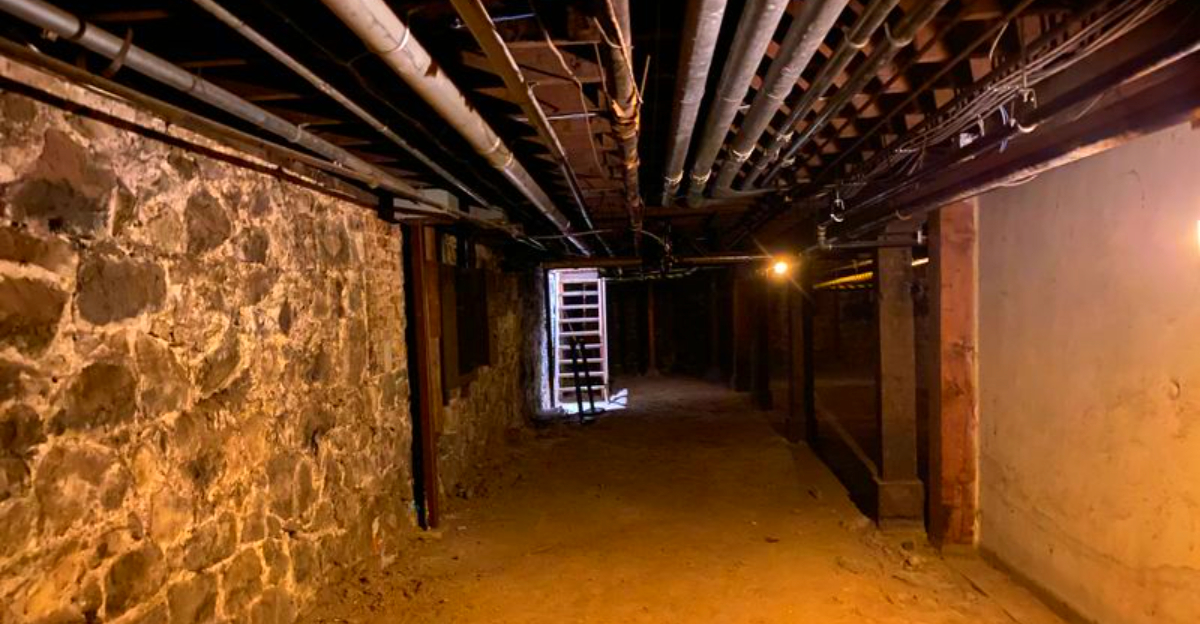
America hides a shadow world beneath its busiest streets, where forgotten stations, bootlegger lanes, and cold war bunkers whisper secrets. You can almost feel the chill of stone corridors and hear echoes of hurried footsteps from decades past. Some places invite tours, others guard their thresholds with fences and legends, but all spark the same irresistible curiosity. Step below the surface and you might never look at a city the same way again.
1. Seattle Underground (WA): Bill Speidel’s Underground Tour / Pioneer Square Underground
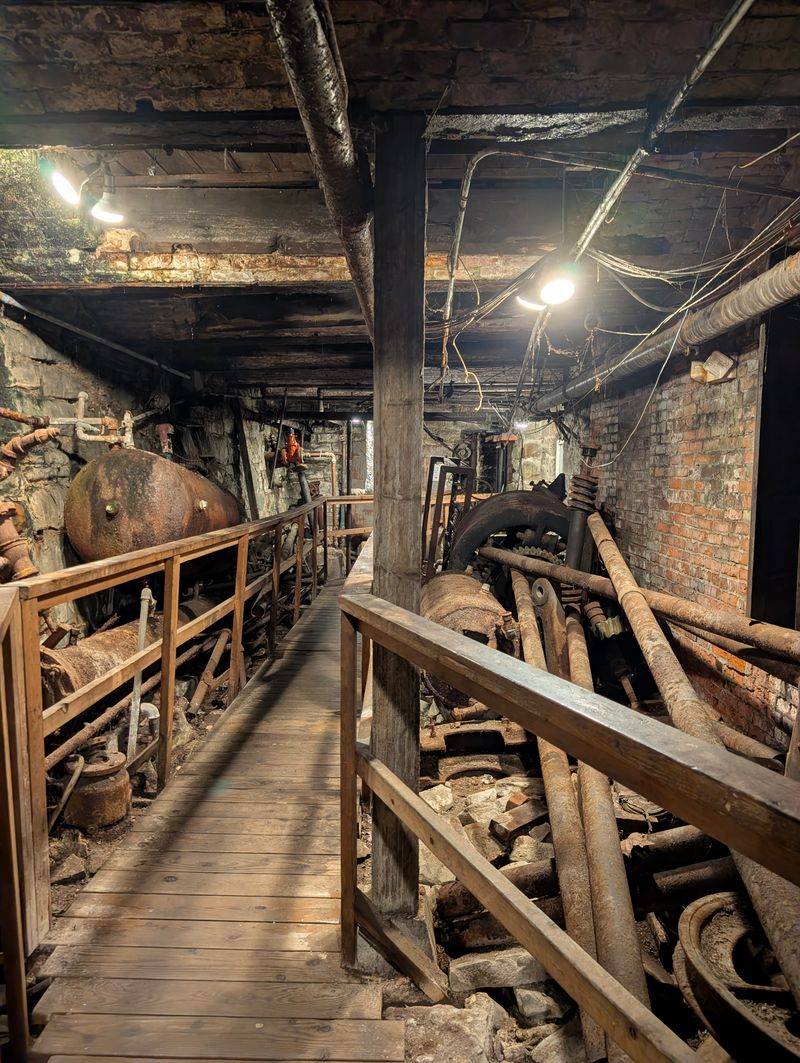
Beneath Seattle’s Pioneer Square, sidewalks hide a buried streetscape where storefronts slipped underground after the city raised its grade. You walk past bricked windows, purple glass skylights, and creaking stairways that once opened onto the original street. The tour makes you imagine crowds navigating wood planks while shopkeepers traded goods a level lower than today.
Stories of fire, quick rebuilds, and cheeky vice raids linger in these tunnels. You might catch a chill near a sunken doorway that still smells of damp timber and smoke memories. Guides point to charred beams, reclaimed columns, and artifacts left like breadcrumbs leading back to the 1890s.
The sensation is part museum, part time travel, part urban legend. You see where rumor fills the gaps between fact and brick. When you emerge, Pioneer Square feels taller, layered, and somehow unfinished, as if another city still breathes just below your feet.
2. Chicago Freight Tunnel System & Pedway (IL): Chicago Freight Tunnels / Chicago Pedway
Chicago’s forgotten freight tunnels snake for miles beneath the Loop, once shuttling coal, ash, mail, and merchandise to skyscraper basements. Stand in a damp corridor and you can picture electric locomotives whispering past, carts rattling, and steam haze hugging the ceiling. The network’s near-invisible efficiency shaped a skyline without clogging streets above.
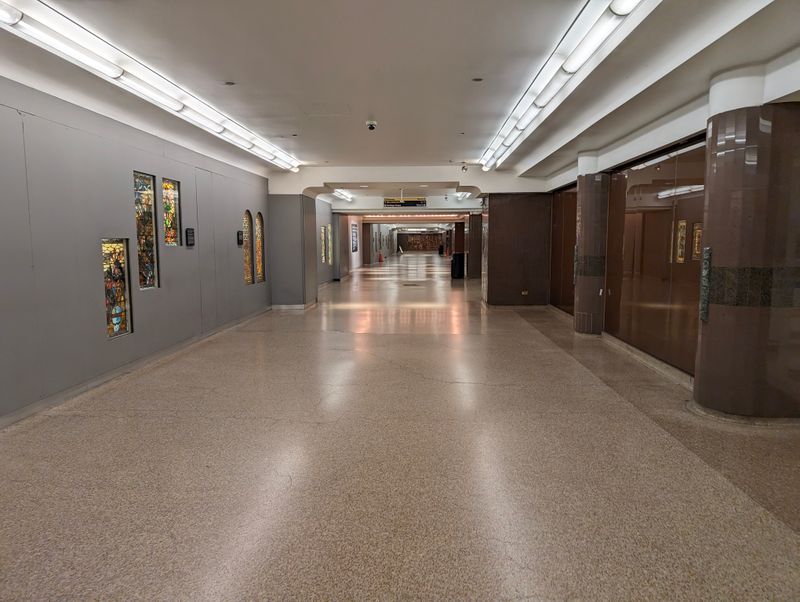
Not far away, the Pedway links buildings with bright corridors that feel like a civilized twin to the freight maze. You navigate food courts, escalators, and hallways that dodge weather like a city’s capillaries. It shows how Chicago keeps stitching connections underfoot.
Every closed door suggests another spur sealed in time. Flood stories, service shafts, and rumors of sealed caches give the tunnels an outlaw romance. Walking the Pedway, you sense echoes from darker passages nearby, as if commerce and history run parallel on separate tracks, still listening for each other.
3. New York City Hidden Underground (NY): City Hall Station / Abandoned Subway Platforms / Pneumatic Tube Mail Tunnels
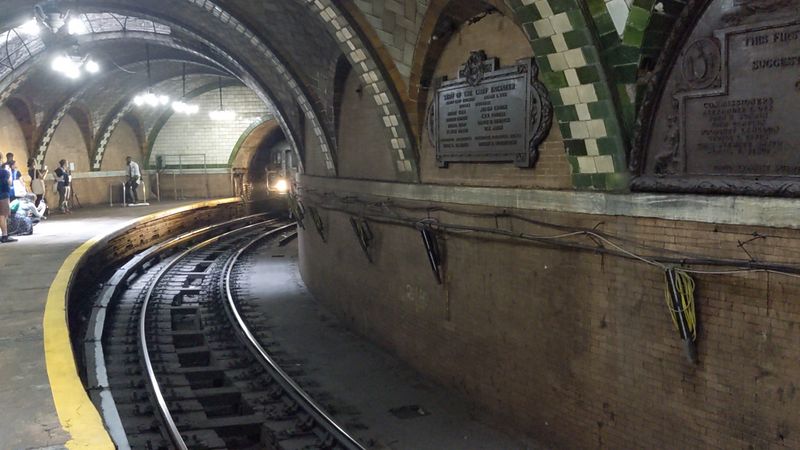
New York’s underground holds showpieces and ghosts. City Hall Station glows with Guastavino tiles, skylights, and elegant curves that feel like a subway cathedral hidden in plain sight. Nearby, abandoned platforms lurk behind dark walls, their peeling paint hinting at routes that never quite found a home.
Then there were the pneumatic tubes that once fired mail canisters through arteries below Manhattan. Imagine the thump of metal cartridges and the whoosh of compressed air carrying secrets across town. The city’s need for speed carved a mechanical circulatory system beneath your shoes.
Even closed stations leave seams in your commute. Express trains flash past tiled names, and you catch a glimpse that feels like a wink from the past. Those tiles, those curves, those phantom platforms remind you New York reinvents itself without clearing away every story it ever told.
4. Cincinnati Brewing & Lagering Tunnels (OH): Over-the-Rhine Lagering Caves / Brewery Tunnels
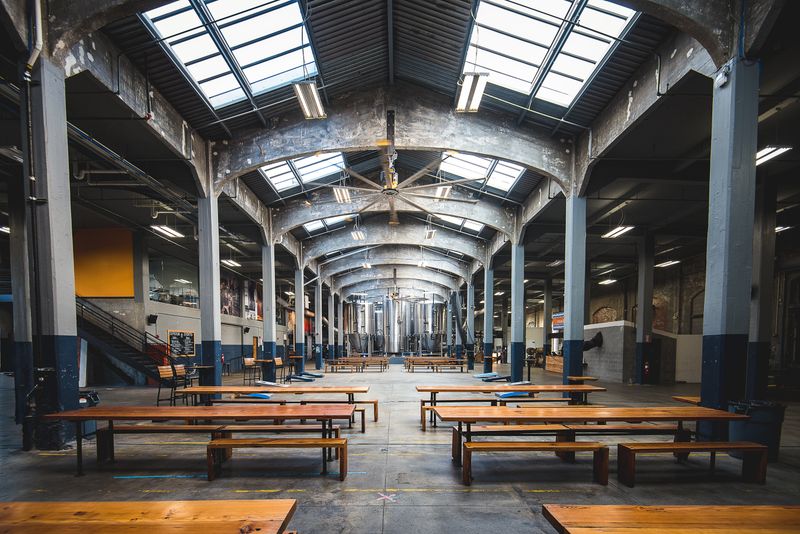
In Cincinnati’s Over-the-Rhine, breweries carved cool labyrinths to lager beer before refrigeration. Step below street level and the temperature drops, yeast and time turning barrels into quiet laboratories. Brick vaults breathe patience, and you imagine clinks of steins drifting down stairwells from saloons above.
German immigrants engineered these spaces with practical grace, using geology to keep beer honest. Today, tours move through chalk marks, drain channels, and soot stains that read like production notes. You can almost hear the rattle of drays and the negotiations that fueled a beer city.
Prohibition dimmed the cellars, but it never silenced them. Stories stuck to the mortar, and rediscovery brought light back to their arches. When you surface, a pint in hand feels like a handshake across a century, proof that craft thrives when cities remember what they once fermented underground.
5. Underground Atlanta (GA): Underground Atlanta Historic District
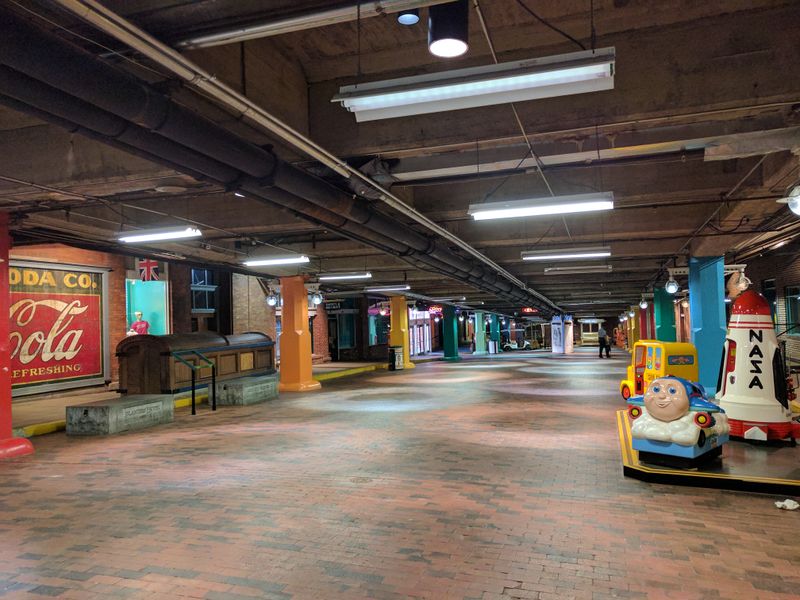
Atlanta literally lifted its streets after the Civil War, leaving storefronts and sidewalks beneath a new grid. Down in Underground Atlanta, iron columns and brick arcades frame a twilight city where commerce learned to adapt. You wander among stairways that once led outside and now open into a memory of daylight.
The district has swung between revival and neglect, but those bones keep pulling people back. Neon signs, speakeasy rumors, and trolley echoes turn corridors into an urban scrapbook. You trace tracks of rail, war, and reinvention all within a few blocks.
It is a reminder that cities evolve vertically as much as they sprawl. When you touch a column scuffed by generations, you feel history as texture, not just text. The present hums upstairs while the past keeps its own hours below, stubborn and strangely hopeful.
6. Portland Shanghai Tunnels (OR): Portland Shanghai Tunnels / Basement Tunnels
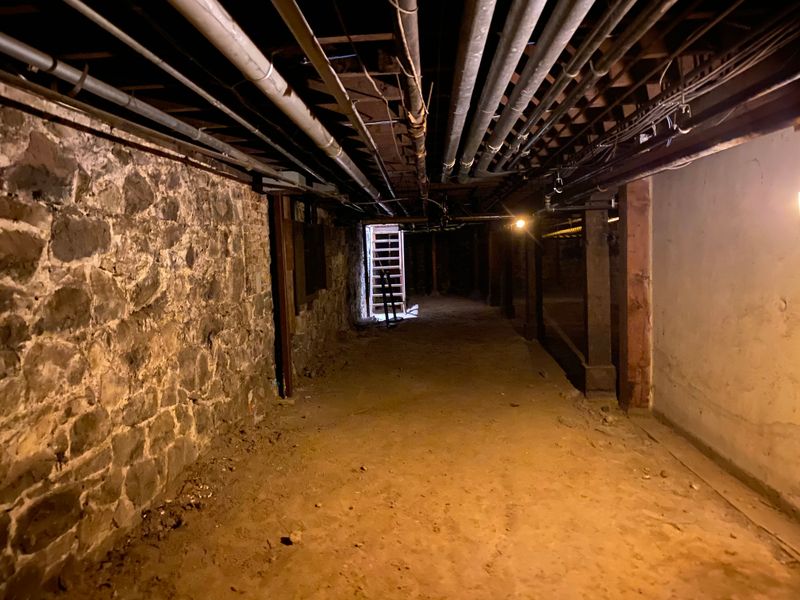
Portland’s Shanghai Tunnels stir the imagination with tales of sailors snatched through trapdoors and hustled to the docks. Basements link like a spiderweb, lumber beams creaking while river air seeps through vents. You step carefully, reading walls for scuffs and marks that might separate myth from method.
Whether every story holds water or not, the tunnels carry a charged atmosphere. Crates, iron rings, and compartments suggest brisk commerce and rough logistics. Guides show escape routes, false partitions, and the claustrophobic geometry of quick decisions.
The city grew up, paved over, and kept moving, but the underground refuses to forget. Down there, light sits in pockets and voices travel further than seems possible. When you climb back to street level, the Willamette feels closer, and every old doorway looks like it might still open to a secret.
7. San Francisco Barbary Coast & Utility Tunnels (CA): San Francisco Utility Tunnels / Barbary Coast Basements
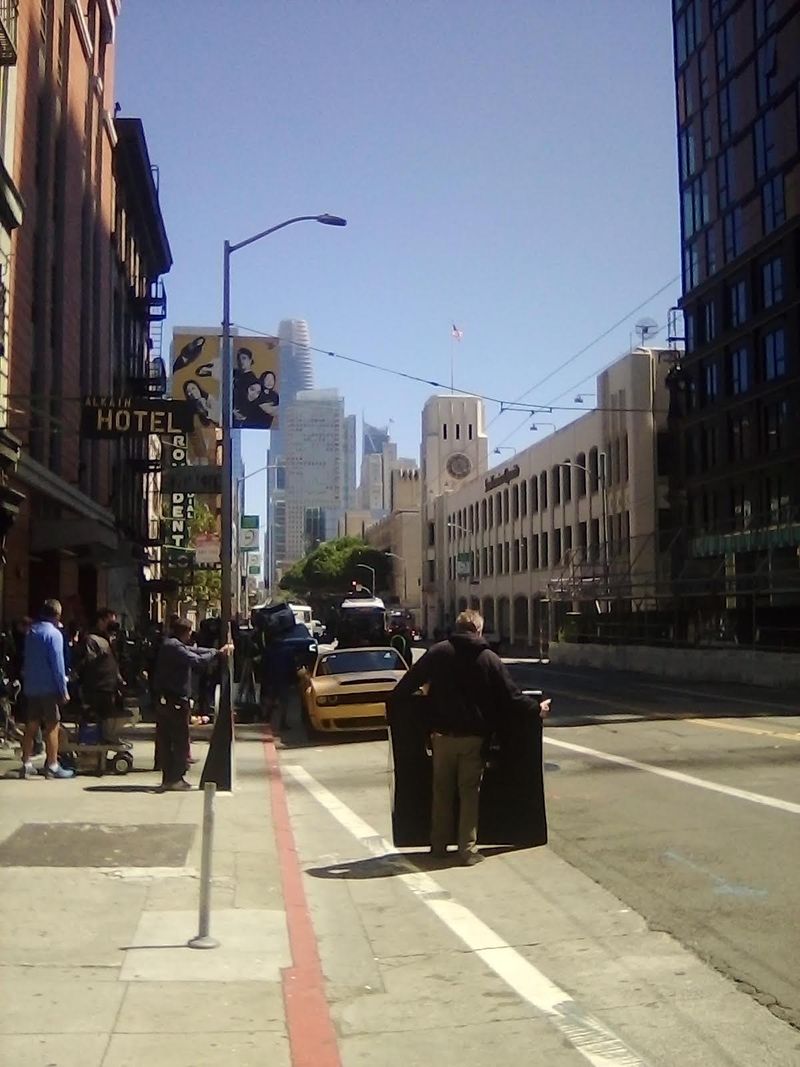
San Francisco’s Barbary Coast once throbbed with saloons, dance halls, and schemes that loved a back door. Beneath, basements and utility runs threaded through mudflats and fill, carrying cables and quiet deals. You imagine a trapdoor swinging shut while fog presses its nose to street grates.
Utility tunnels later formalized the underworld, routing steam, water, and communication lines. They made a second city that keeps the first blinking and warm. The juxtaposition is classic San Francisco, practical systems humming beside rumors of tunnels used for less official purposes.
Walk the waterfront and every brick warehouse seems to hide a crawlspace. You listen for a clink of bottles or the chitter of old telegraph lines. The bay breathes in and out, and the ground remembers ships, gold fever, and a thousand unrecorded shortcuts.
8. Minneapolis Downtown Underground Network (MN): Minneapolis Skyway System Underground Extensions
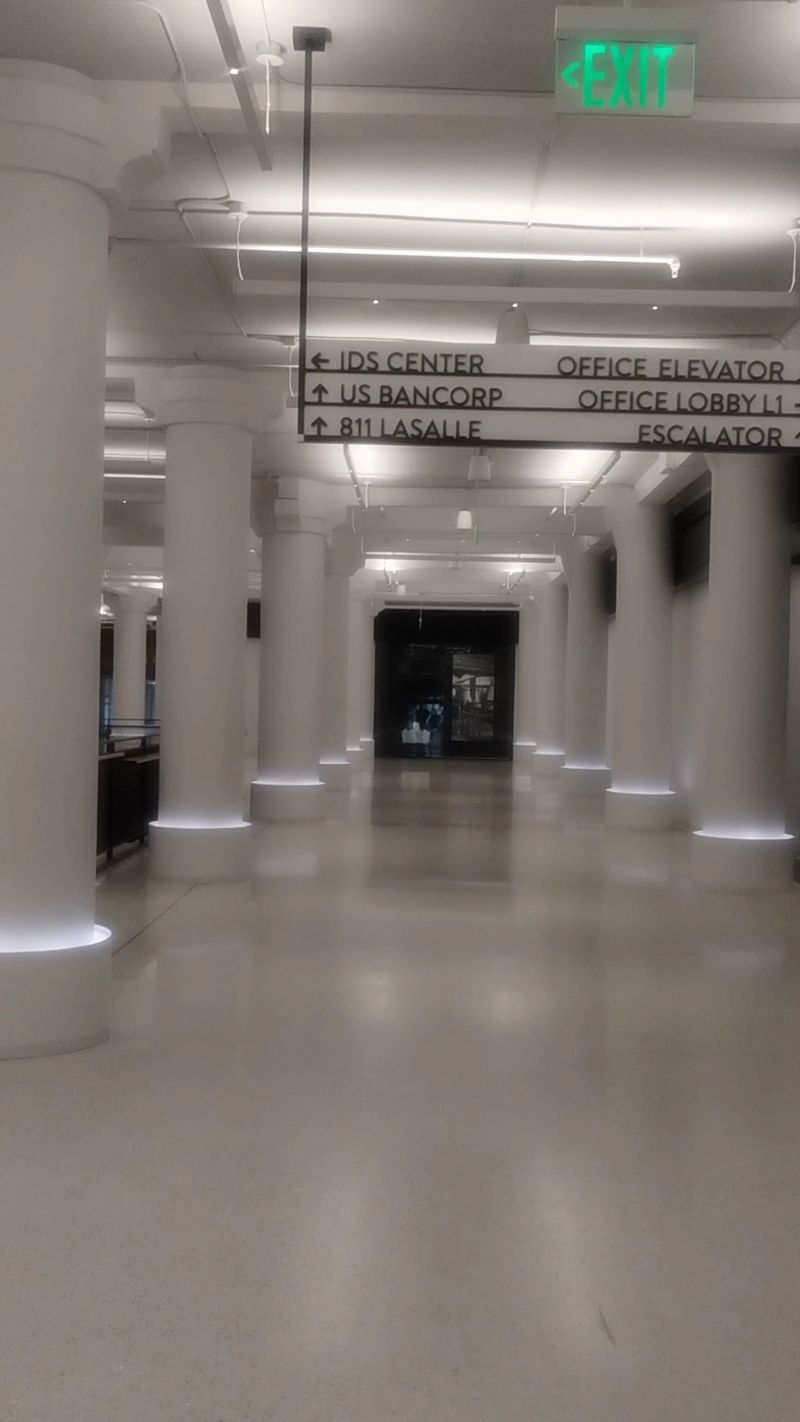
Minneapolis is famous for skyways, but there is a practical underlayer that keeps the city running. Service tunnels and steam lines knit basements to docks, letting deliveries and heat move without fighting winter. You catch frost at vent mouths and the industrial perfume of hot metal and cold air.
The underground complements the skyways like an upside-down mirror. Office towers feed into corridors where nobody lingers, just works. It is choreography for a climate that rewards planning and connectedness.
Walking there feels like stepping backstage. You glimpse labels, arrows, and maintenance notes that tell the city’s real story. Above, glass bridges sparkle, but below, the show gets built with pipes, forklifts, and patience, one corridor at a time.
9. Kansas City SubTropolis (MO): SubTropolis Limestone Mine Complex
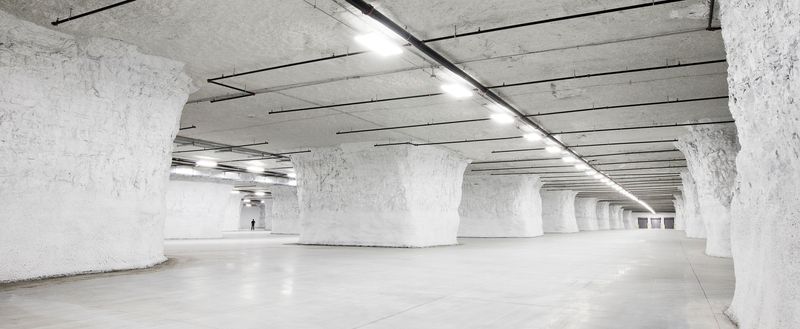
SubTropolis takes the idea of underground city and makes it literal. Carved from a limestone mine, it spreads across miles of drivable avenues lined with warehouses and offices. Trucks rumble past road signs as if in a subterranean suburb cooled by the rock itself.
The constant temperature keeps goods stable, from film reels to frozen treats. You notice the hush, a deep quiet that amplifies engines and footsteps. Cavern walls shine where machinery shaved them clean, leaving geometry that looks both natural and engineered.
It is easy to forget you are underground until a curve reveals a cathedral-sized void. The scale turns practical logistics into something a little awe-struck. You leave with the sense that cities can expand inward as convincingly as they expand outward, reshaping geology into addressable space.
10. Las Vegas Flood & Utility Tunnels (NV): Las Vegas Valley Flood Control Tunnels
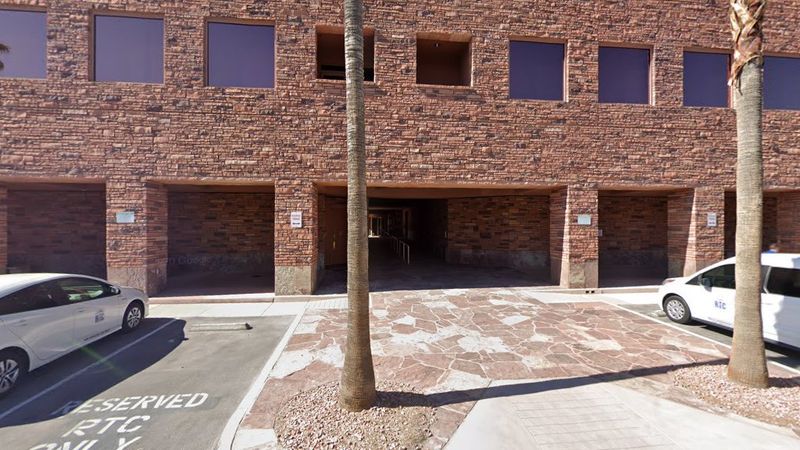
Las Vegas hides long concrete galleries built to tame flash floods more than to welcome visitors. Inside, you find graffiti, damp footprints, and the faint glow of the Strip bleeding through portals. The tunnels collect runoff and stories from people who shelter where the city often forgets to look.
Utility lines and maintenance paths share this below-grade world with desert silence. Water maps itself in patterns on the walls, telling you how storms move. It is infrastructure as shield, patient until the sky opens.
Walking there is sobering, a reminder that glamour sits on practical foundations. You hear traffic overhead and imagine a river where moments ago there was dust. The tunnels do their job quietly, holding chaos at bay in the belly of a city built on spectacle.
11. Washington, D.C. Capitol & Government Tunnel Network (DC): Congressional Subway / Capitol Tunnels / 9th Street Tunnel
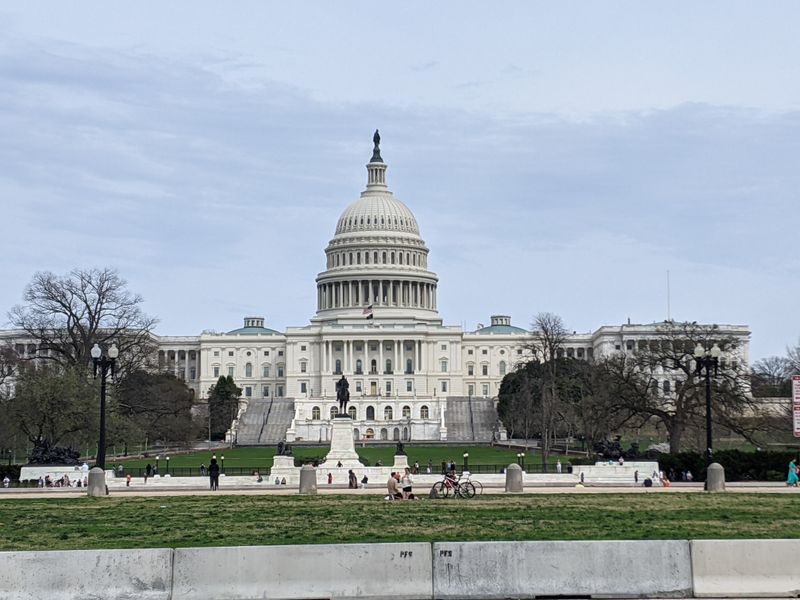
Under the Capitol, golf cart sized trains zip lawmakers between chambers while corridors hum with staff footsteps. White tile, directional plaques, and strict checkpoints make a civic circulatory system both efficient and ceremonial. You feel the weight of decisions made upstairs echoing through these sterile hallways.
Beyond the congressional subway, service tunnels and the 9th Street Tunnel knit buildings and neighborhoods. Air vibrates with HVAC thrums and the clatter of deliveries. It is democracy’s backstage where policy rides alongside pallets and paper.
The routine can feel almost ordinary until history taps your shoulder. Every corridor has hosted moments of urgency and quiet deals. Walking through, you sense how architecture and process intertwine, keeping a complex government moving one fluorescent-lit step at a time.
12. Camp David Underground Facilities (MD): Camp David Naval Support Facility Bunkers
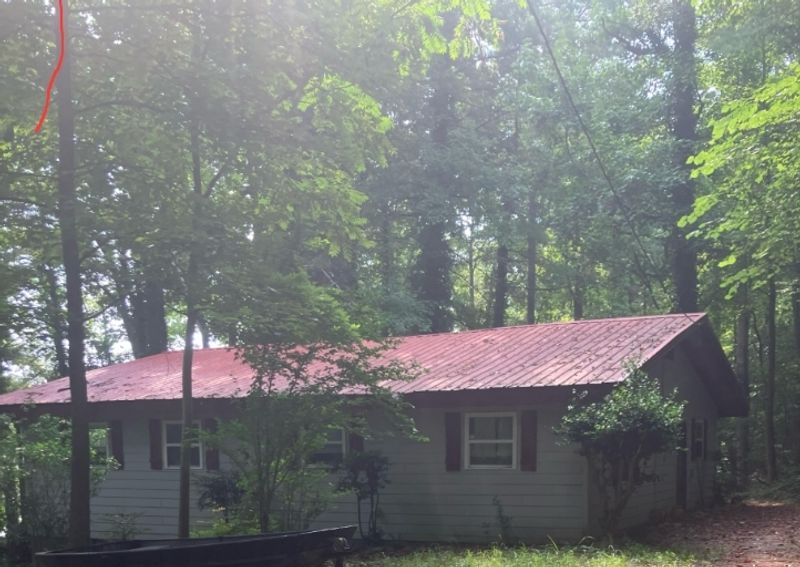
Camp David sits in the quiet Catoctin Mountains, where secrecy and scenery overlap. Underground facilities here are more rumor than tour, shaped by contingency planning and careful need-to-know. You imagine reinforced rooms tucked into bedrock, radios murmuring and maps glowing under red lights.
The surface reads like a retreat, but preparedness hums below it. Protected corridors likely tie cabins to command spaces, blending comfort with readiness. It is the kind of duality that feels very American, leisure and duty sharing one address.
From the perimeter, you mostly see trees and hear birds. That calm becomes part of the security, a buffer of green. You leave with questions, which is probably the point, carrying an image of steel and pine keeping each other company through uncertain nights.
13. Mount Weather Emergency Operations Center (VA): Mount Weather High Point Special Facility
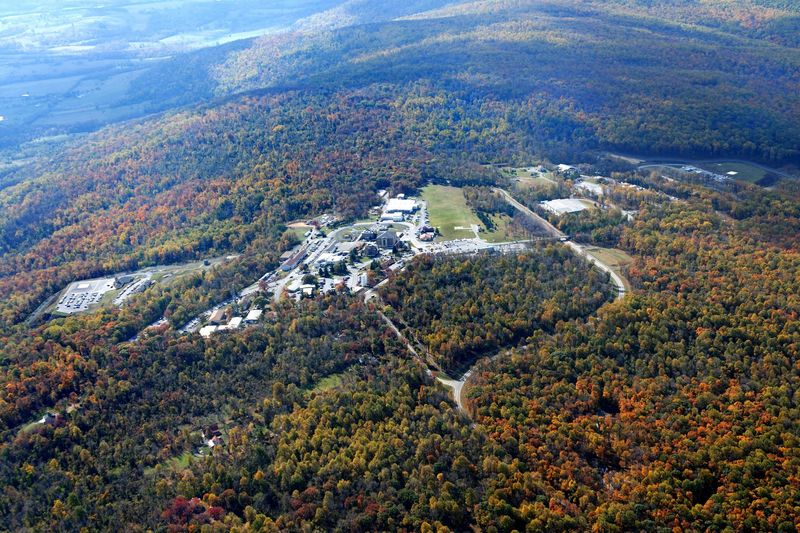
Mount Weather is the name people whisper when contingency plans turn real. Set in Virginia’s Blue Ridge, it anchors continuity-of-government strategies inside hardened rooms. You picture blast doors, filtered air, and corridors wired for command when the outside world stumbles.
Little is public, which only sharpens its silhouette. Antennas prick the sky and low buildings hint at deeper structures. The facility’s reputation works like armor, making imagination do the heavy lifting.
Driving past, you feel the government’s long memory. Emergencies come and go, but the architecture of readiness persists. In a country that loves open space, this place argues for hidden strength, the quiet infrastructure of a tomorrow that might not look like today.
14. Denver International Airport Underground Infrastructure (CO): DIA Automated Guideway Transit System / Baggage Handling Tunnels
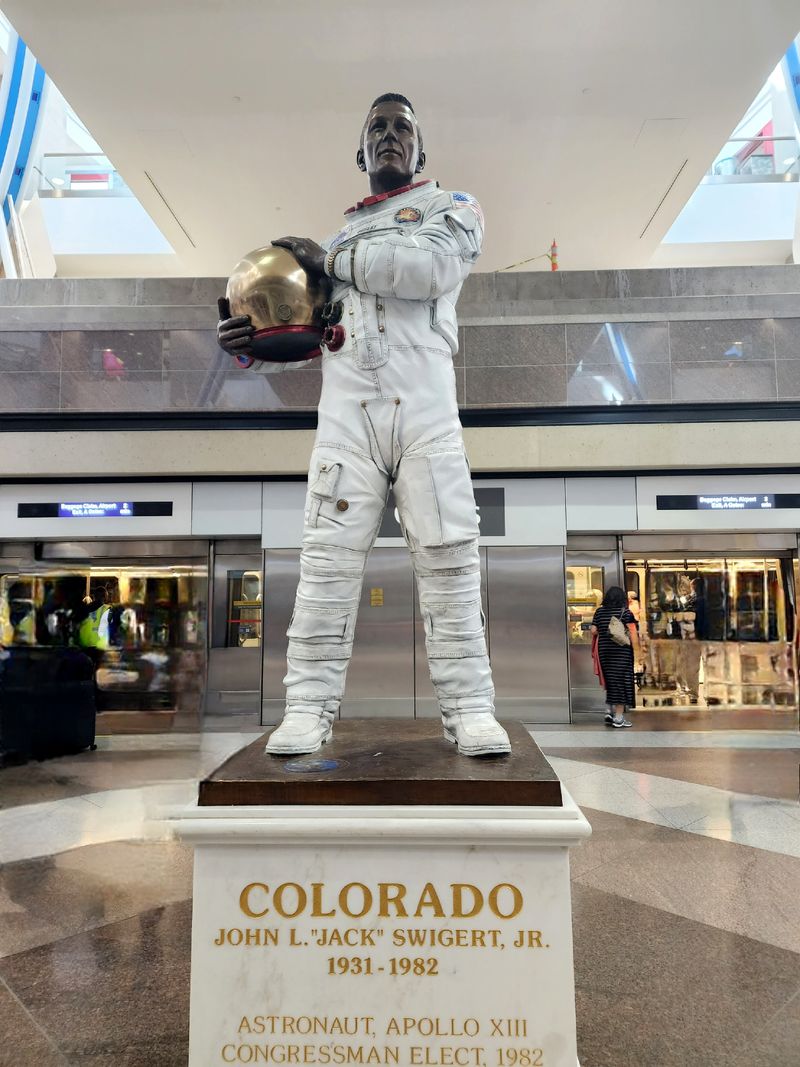
Below DIA’s runways, trains shuttle passengers between concourses while conveyors herd luggage across vast distances. The automated guideway feels like a sci fi backbone held together with concrete and caution tape. You catch echoes of jet engines, transformed into a metallic heartbeat underground.
Maintenance corridors buzz with sensors, tugs, and the steady hum of belts. It is logistics squared, a choreography where timing is everything. Lost bags, found paths, and thousands of micro decisions happen out of sight.
The scale is the story. Miles of track and belt turn a prairie into a global node. Standing by a service door, you realize airports are as much underground machines as they are glassy gateways to the sky above.
15. Ellis Island & Statue of Liberty Military Tunnels (NY): Ellis Island Hospital Tunnels / Fort Wood Tunnels
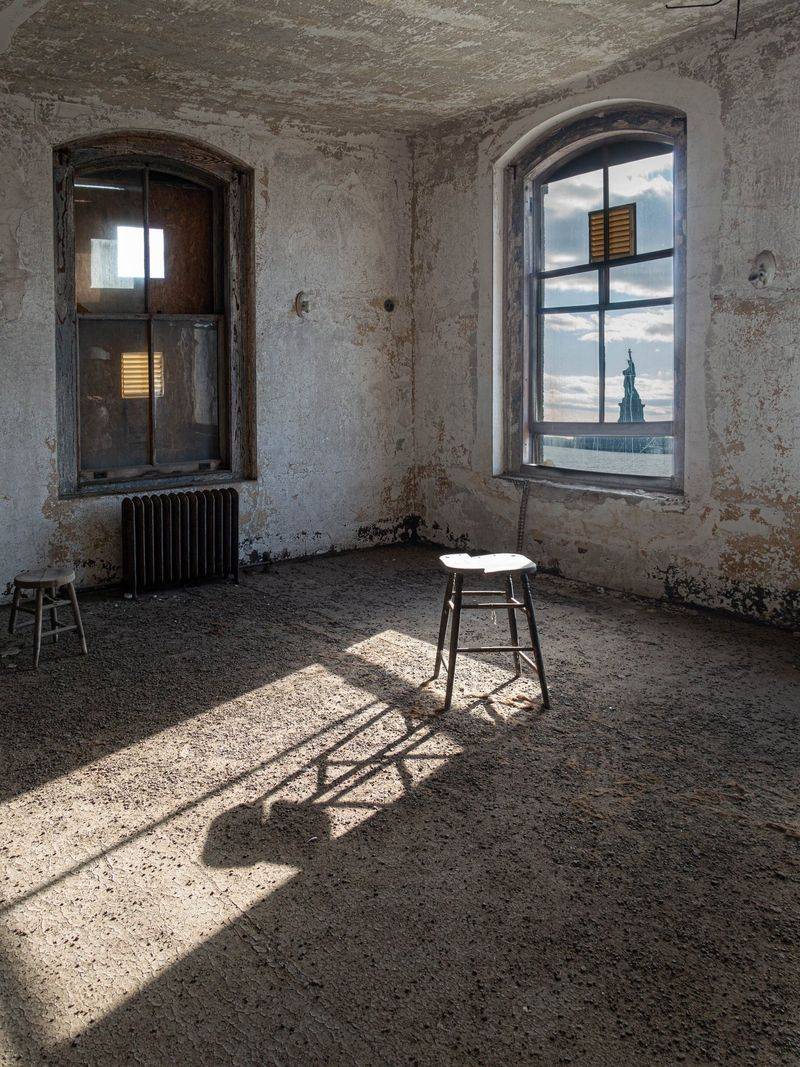
Ellis Island’s hospital tunnels carried patients, staff, and supplies in a world that balanced welcome with quarantine. You can feel footsteps lingering in flaking paint and soft dust, the hush of caretakers working between hope and caution. Light wedges through vents like postcards from the harbor.
At Liberty Island, Fort Wood’s star-shaped fort hides casemates and passages that later anchored the statue’s pedestal. Military geometry meets symbolic promise, stone channeling duty beneath copper dreams. Every corridor feels like a backstage wing for a grand performance above.
These spaces hold two American truths at once. We protect the door while opening it. Walking through, you sense the tension, the tenderness, and the logistics of a nation deciding who we were and who we would become.
16. Ozark Cave & Tunnel Systems (MO–AR): Ozark Plateau Karst Aquifer Caves
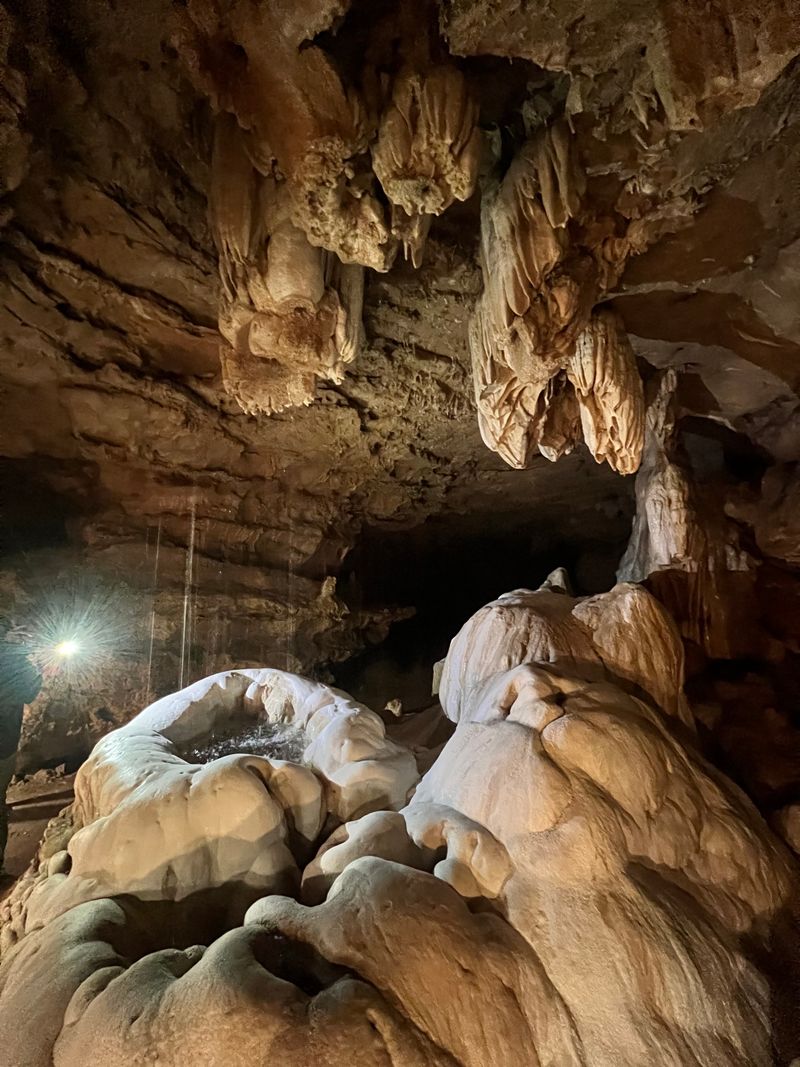
The Ozarks hide a wet architecture shaped by water and time. Caves twist through limestone, rooms blooming with stalactites while underground rivers polish stone. In places, human hands widened passages, turning natural corridors into quiet routes between hollers.
Karst terrain means sinkholes, springs, and a labyrinth that breathes with the weather. You hear drips like a metronome for geologic patience. Every turn feels both welcoming and wary, a reminder that the ground here negotiates rather than obeys.
Folklore settles in the shadows alongside bats and blind fish. Hunters, moonshiners, and explorers left marks you can still read with a flashlight. When you come back to daylight, hills seem lighter, like they are secretly hollow and grinning.
17. Mammoth Cave System (KY): Mammoth Cave National Park Cave System
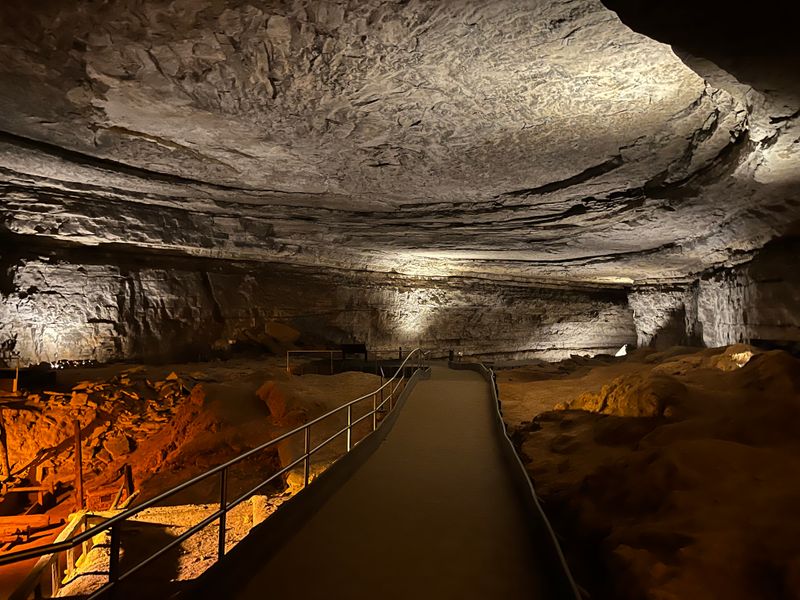
Mammoth Cave sprawls like a continent beneath Kentucky, halls so wide they swallow your footsteps. Dry avenues, wet tubes, and delicate gypsum gardens share a house older than cities. Guides’ lanterns carve islands of warmth in a sea of cool limestone breath.
The cave’s stories include Indigenous exploration, saltpeter mining, and early tourism under flickering tallow. Maps keep expanding, revealing miles that feel simultaneously empty and full. Down there, time moves like bedrock, steady and patient.
You learn to read ceilings and sediment like weather reports. A whisper can travel farther than seems fair. Leaving the cave, daylight feels loud, and the surface world seems thin, just a temporary roof over something far more enduring.



