 Unearth The Voyage
The 1960s felt like a hinge between past and future, with rockets soaring and vinyl spinning while everyday work still ran on human hands. You might be surprised how many roles once shaped daily life, only to vanish as technology stepped in. This tour brings those jobs back into view so you can picture the hum, chatter, and routine they once controlled. Ready to time travel through the workplace you will not find on today’s job boards?
1. Switchboard Operator
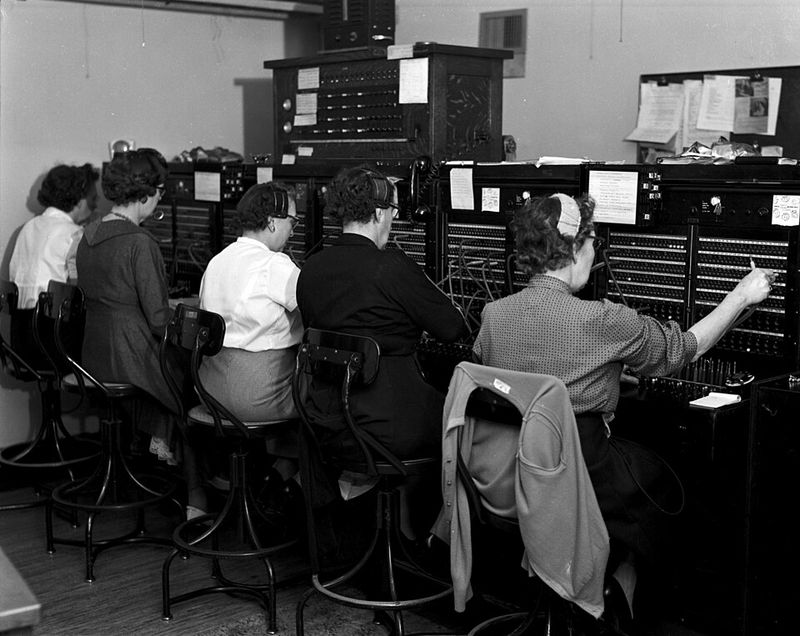
Before smartphones, calls met humans first. Switchboard operators sat before glowing plugboards, answering with crisp hellos and routing your voice by hand. Wires jumped from jack to jack as operators knit the country together one connection at a time.
You can almost hear the clicks, buzz, and shorthand chatter. Many operators were women, prized for speed and calm under pressure during busy hours. Automated switching systems quietly replaced them, promising fewer errors and lower costs.
By the time digital exchanges arrived, the cords were coiled for good. Now, calls leap across networks without that friendly voice.
2. Milkman
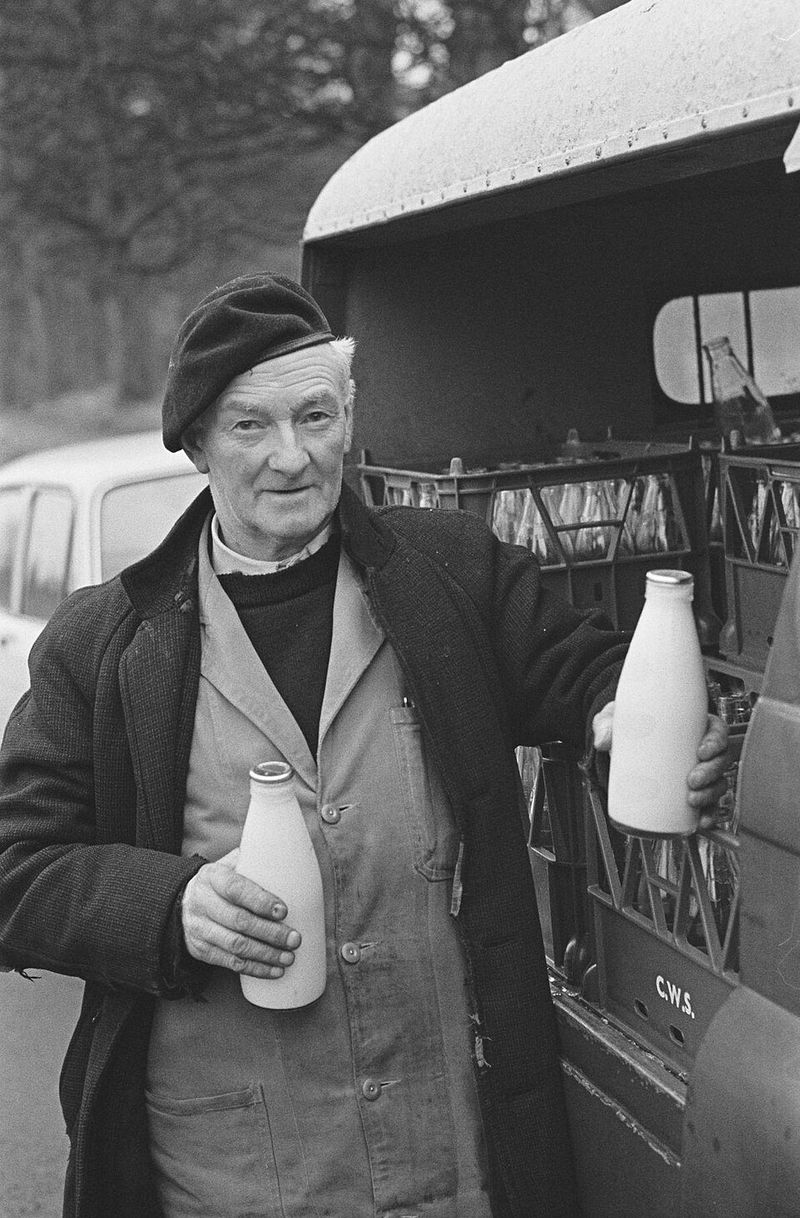
Picture clinking glass at dawn and footprints on a frosty stoop. The milkman brought fresh bottles right to your door, often swapping empties for full ones with practiced speed. Kids learned the routine, and neighbors recognized the whistle.
When supermarkets expanded and refrigerators became standard, daily deliveries felt less essential. Routes shrank, and the cold chain moved indoors.
Some nostalgia remains in glass bottles and local dairies, but the role itself melted away. Convenience changed shape, and morning visits ended. Today, you push a cart instead of leaving a note in the box outside.
3. Bowling Pin Setter
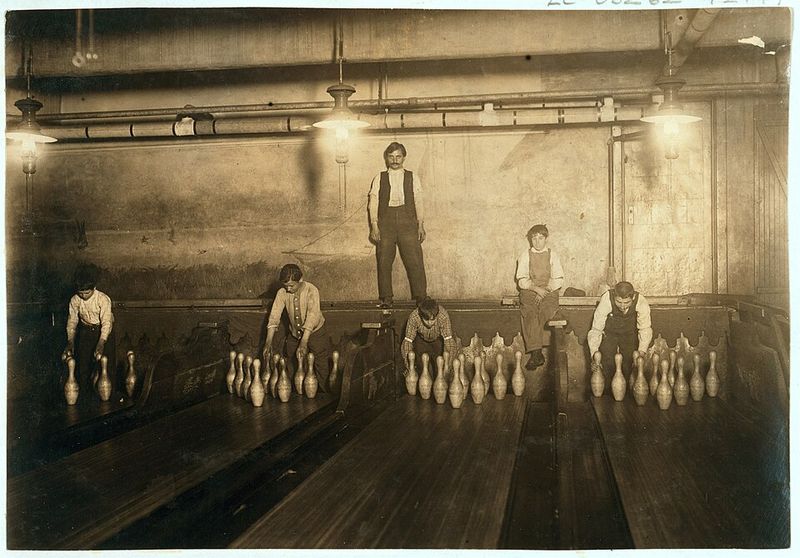
Before machines clattered, teenagers ducked behind the lanes to reset pins fast. A strike meant leaping into action, clearing splinters, and stacking triangles just right. Risk was real, with heavy balls and slippery floors always nearby.
Automatic pinsetters swept the lanes clean and never asked for a break. Bowling got safer, quieter, and more predictable for owners and players alike.
The human rhythm vanished, replaced by conveyor belts and timed resets. You still hear the satisfying crash, but no one scrambles in the shadows. The job lives on as a quirky tale from league nights past.
4. Elevator Operator
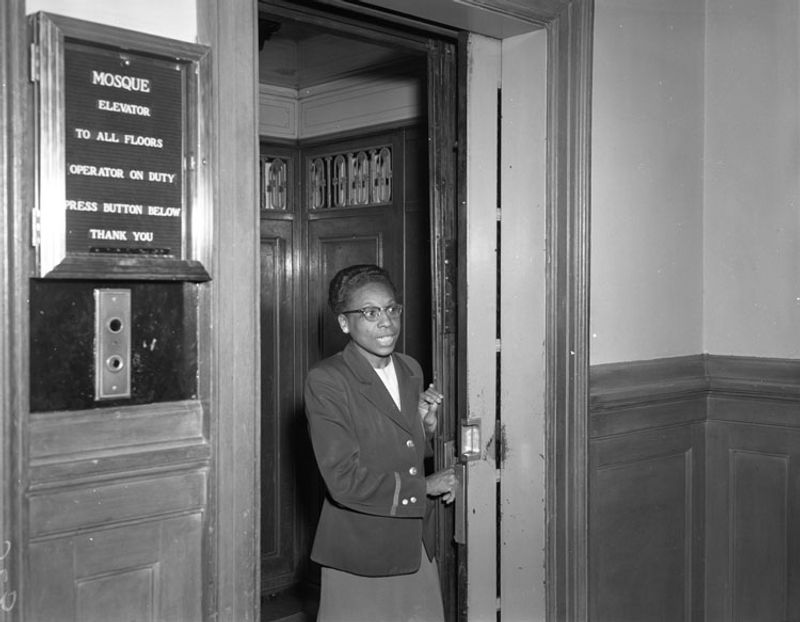
Rides once had personalities. An elevator operator welcomed you, worked the lever, aligned floors by feel, and offered small talk between stops. The gentle lurch at each landing felt like part skill, part performance.
Push-button automation changed everything. Building owners cut costs, and riders learned to trust panels of lights instead of a steady hand.
A few grand hotels still keep attendants for charm, but the craft mostly vanished. Now, you face mirrors and quiet hums, not stories and names. The ride is smoother, sure, yet oddly less human.
5. Typist Pool
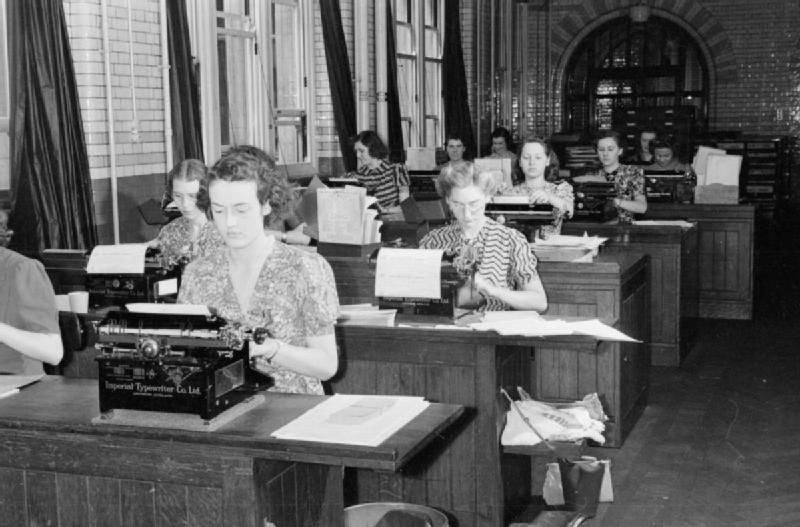
Before personal computers, offices relied on the typist pool to keep words moving. You dictated or scribbled, and trained typists hammered clean pages with carbon copies. The clatter formed a soundtrack for deadlines and memos.
Word processors toppled the hierarchy. One person could write, edit, format, and print without leaving a desk. Efficiency eclipsed specialization.
Today, keyboard shortcuts replaced secret shorthand. You edit in seconds rather than retype entire pages. The pool dissolved, leaving open offices and quiet keys where the music of typebars used to ring.
6. Ice Delivery Man
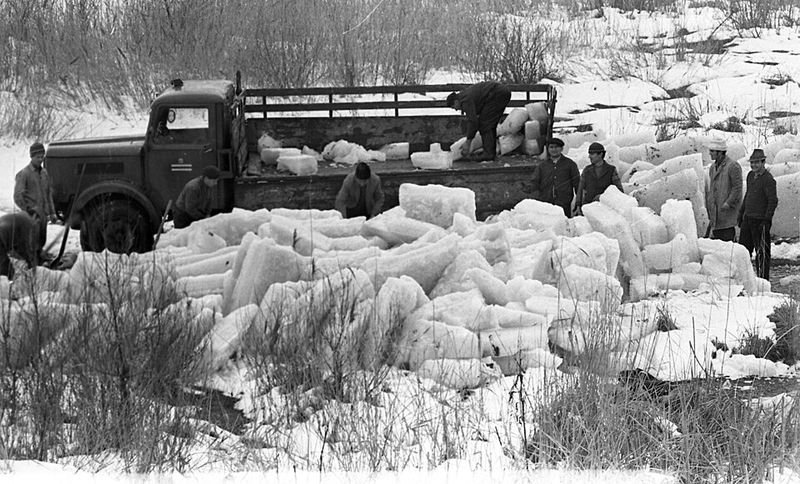
When kitchens had iceboxes, someone hauled the cold. Ice delivery men lugged heavy blocks with iron tongs, navigating stoops and hallways that turned slick fast. The route was muscle and timing, melting profit with every delay.
Electric refrigerators moved in and never looked back. Suddenly, cold lived at home, humming quietly behind a door you could open anytime.
The clink of tongs and sawdust trails disappeared. You adjust a thermostat instead of scheduling a delivery. Comfort stayed, labor left, and the icebox itself became a museum piece.
7. Film Projectionist (Full-Time)
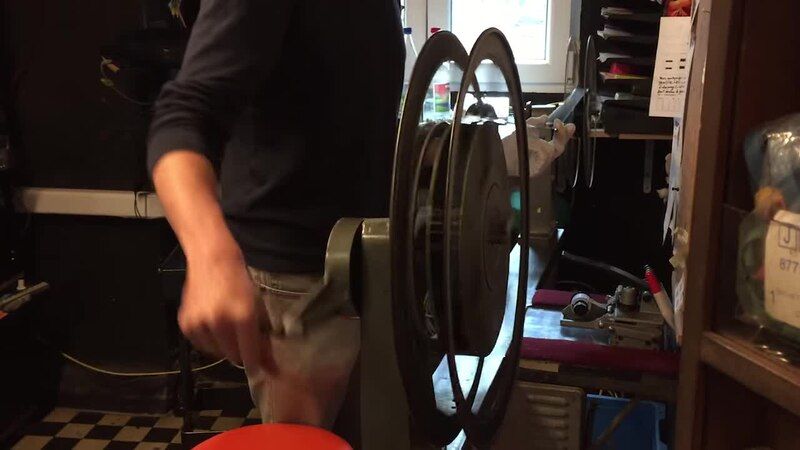
A reel snapped, and a crowd groaned. The full-time projectionist kept film running smoothly, threading prints, watching cue marks, and timing changeovers between projectors. It took patience, touch, and a sixth sense for heat and tension.
Digital projection swept in with servers and playlists. Studios loved consistency, and theaters loved simpler staffing.
You still feel magic when the lights dim, but fewer hands guide the beam. Errors shifted from sprockets to software. The booth got quieter, and the craft turned niche, living mostly in repertory houses.
8. Travel Agent (In Malls)
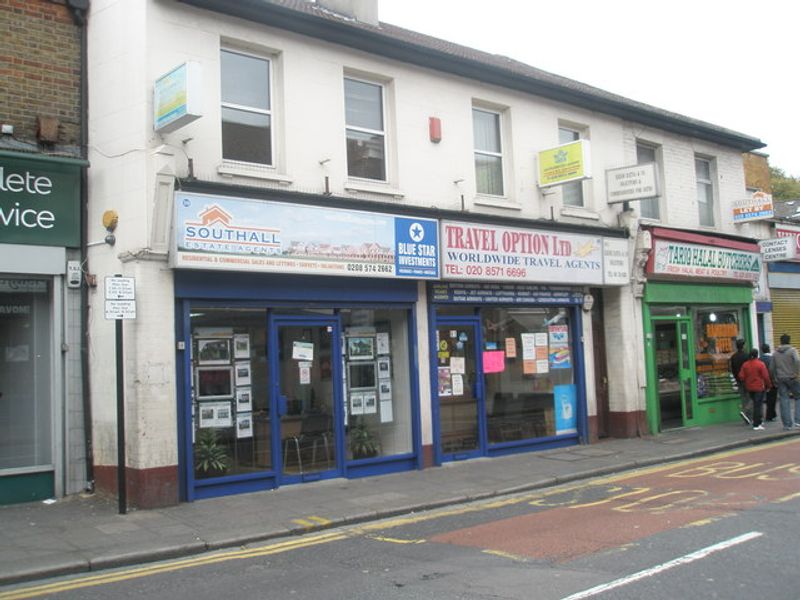
Planning a vacation once meant walking into a mall and sitting with an agent. Maps unfolded, phones dialed, and brochures piled high while routes were crafted by hand. You trusted a smile more than a search bar.
Online booking changed the ritual. Price comparisons, instant tickets, and reviews put control in your lap, day or night.
Some agents still thrive in specialty travel, but the mall storefronts vanished. Now, you tap and scroll instead of chatting under posters of beaches. Expertise moved online, and spontaneity got cheaper.
9. Lector in a Factory
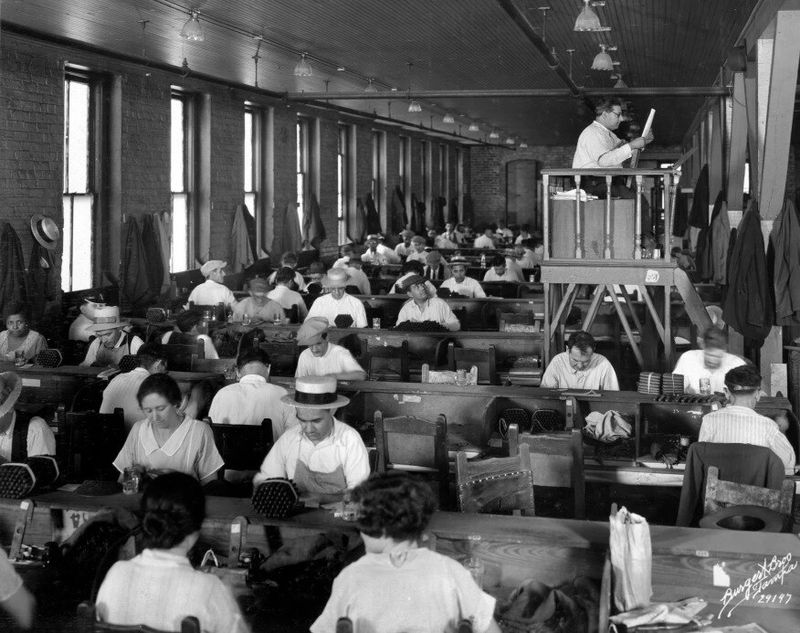
On busy floors, words filled the air. A lector stood above the benches, reading news, novels, and editorials to keep hands moving and minds engaged. You worked to a soundtrack of stories and debate.
Radios arrived, then stricter rules and new workflows. Management changed pace and volume, and readings faded into memory.
The tradition survives in archives and community tales. You can still imagine the pause after a dramatic line, the collective smile. But factories today hum with machines, not literature.
10. TV Repairman
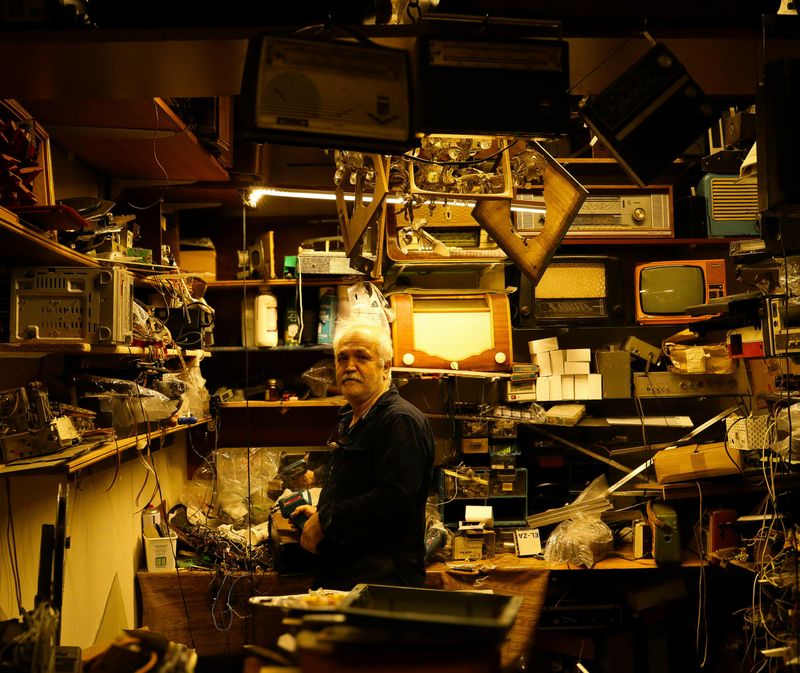
When a set flickered, you called a pro. The TV repairman tested tubes, swapped parts, and tuned the picture until faces sharpened again. House calls blended expertise with bedside manner, right on your shag rug.
Modern TVs became cheaper to replace than diagnose. Sealed components, flat panels, and fast product cycles made repair impractical for most families.
Now, you stream on devices that are hard to open, let alone fix. The toolbox gave way to warranties and recycling bins. Skills did not vanish, but the living room visits did.
11. Encyclopedia Salesperson
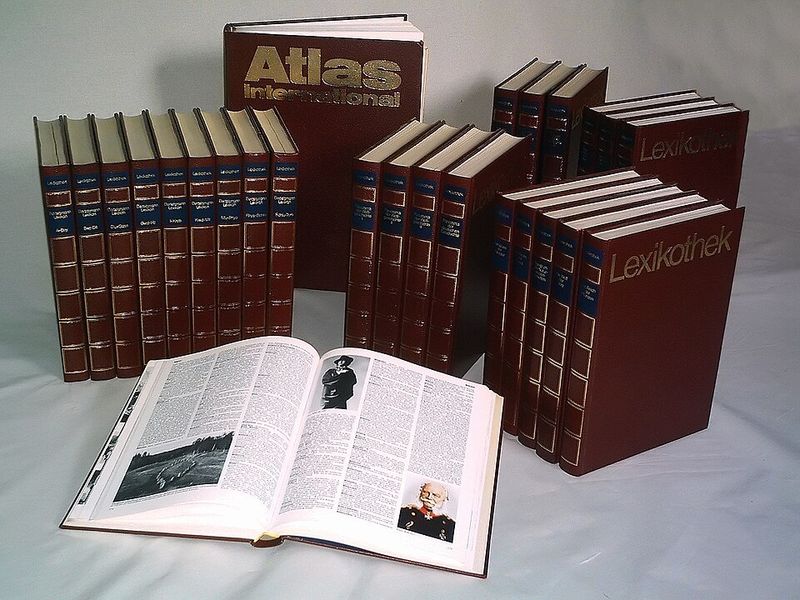
Knowledge arrived in heavy volumes sold with a smile. An encyclopedia salesperson pitched payment plans, flipped gilt edges, and promised a library for your kids’ futures. You weighed prestige, budget, and shelf space.
The internet changed gravity itself. Facts moved faster, cheaper, and constantly updated, shrinking those leather spines into hyperlinks.
Doorbells ring for packages now, not presentations. Reference shifted from living room decisions to search boxes. The job faded, and curiosity got lighter to carry.
12. Keypunch Operator
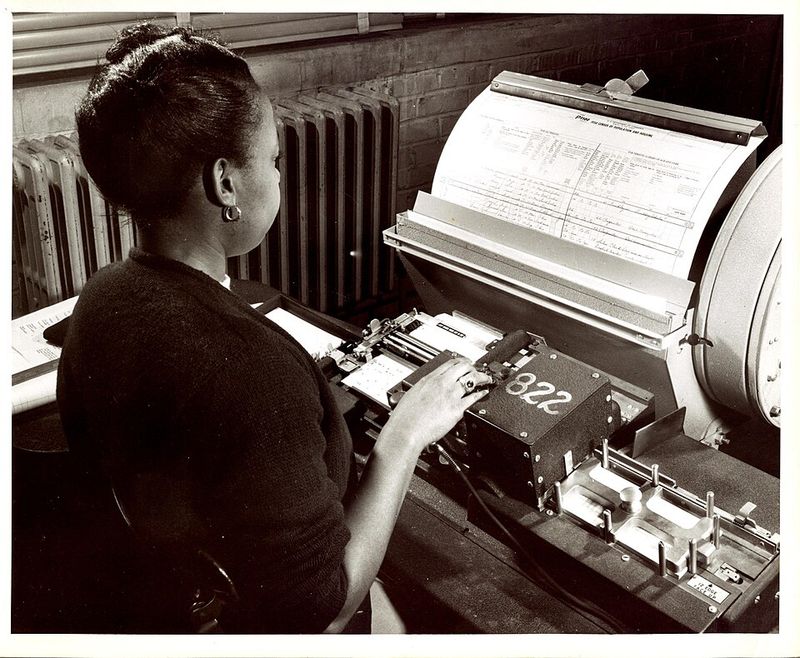
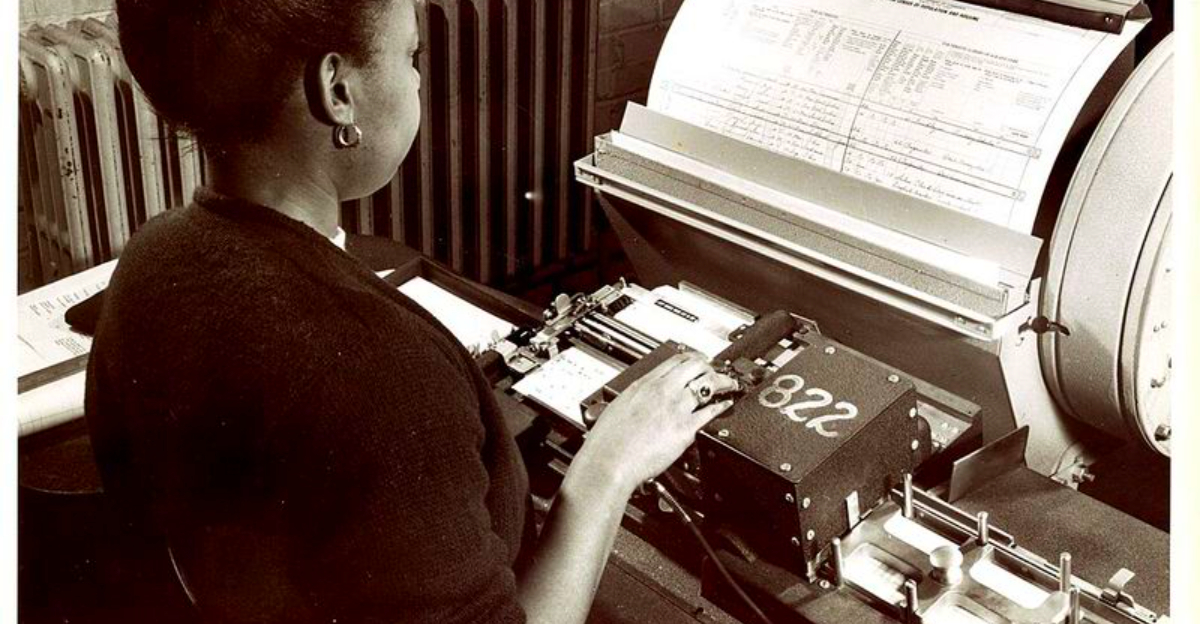
Early computing spoke in holes. Keypunch operators translated figures and code into stacks of punch cards, each card a line in the machine’s memory. You guarded accuracy like gold, because one mispunch could crash a run.
Terminals, then keyboards, ended the era quickly. Interfaces improved, storage grew, and stacks of cards gave way to disks and screens.
Now, data flies invisibly across networks. The tactile rhythm of chads and trays is gone, but the lesson remains. Clean input still saves the day.
13. Gas Station Attendant (Full Service)
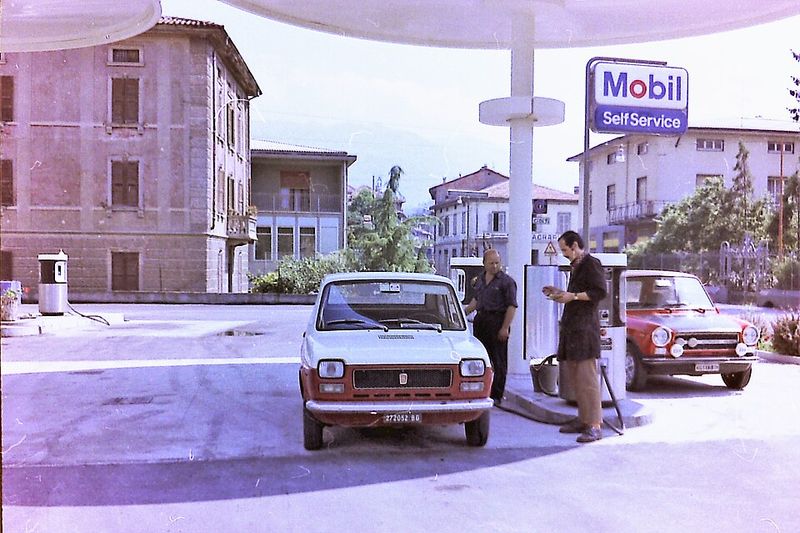
Pull in, stay seated, and let service happen. A full-service gas station attendant pumped fuel, checked oil, and cleaned your windshield while chatting about the weather. You paid without leaving the driver’s seat.
Self-serve pumps spread quickly, trimming labor and time. A few states still mandate attendants, but most drivers handle the nozzle themselves.
The ritual shifted from conversation to card tap. Convenience won, and the uniformed wave mostly disappeared. Road trips feel different without that pit stop choreography.
14. Soda Jerk
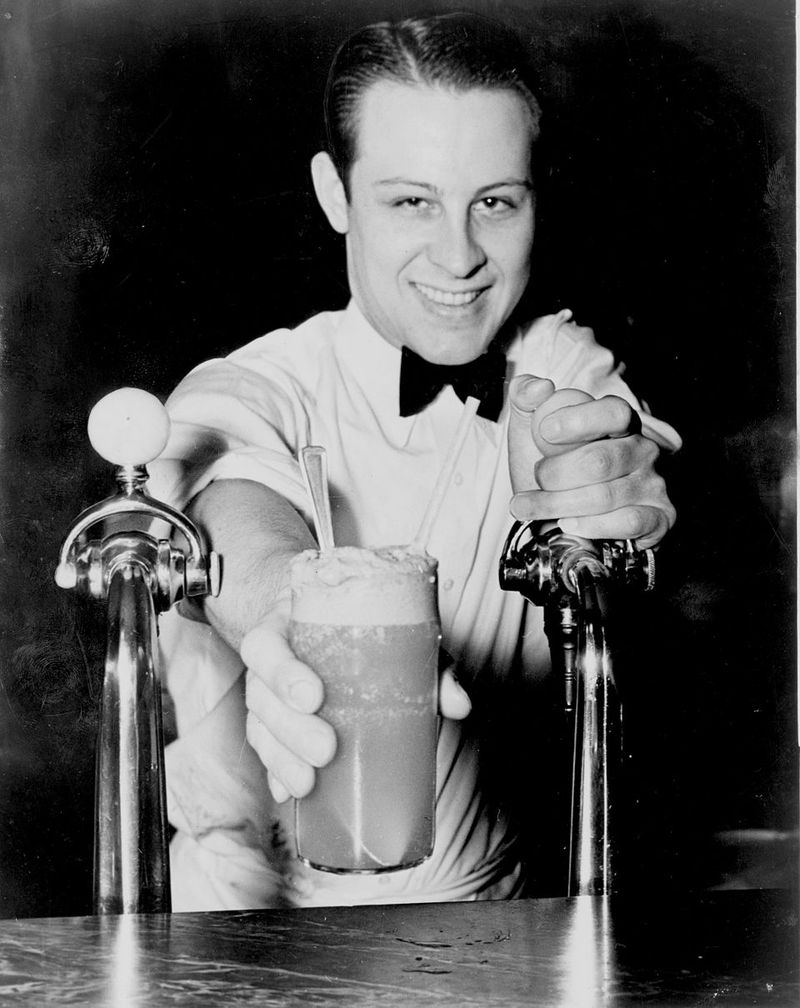
Sweetness had a counter and a show. The soda jerk pulled seltzer, pumped syrups, and crowned sundaes with cherries while friends spun on stools. You tasted summer in a chilled glass.
Fast food replaced the fountain’s pace. Vending machines and drive-thrus sped dessert into paper cups, and the performance faded.
Some diners keep the style alive, but the job mostly slipped away. Now, shakes hum from machines without the flourish. The memory is fizzy, and the apron hangs quiet.



