 Unearth The Voyage

Reliable internet still feels like a moving target in too many corners of America. You hear about fiber buildouts and federal grants, yet everyday life in these towns still buffers, stalls, and drops. From desert outposts to Arctic villages, distance, terrain, and policy hurdles collide. If you have ever watched a spinning wheel during a deadline, this list will feel painfully familiar.
1. Tonopah, Nevada

Tonopah sits between long desert horizons and longer load times. You can scroll a news feed, then stare at nothing while a single image crawls through. Satellite promises coverage, but weather and latency play gatekeeper.
Locals juggle spotty mobile data and outdated plans, trying to stretch a signal across miles. School assignments and telehealth visits become scheduling puzzles. Grants sound hopeful, but shovel-ready never seems to arrive.
Workarounds rule the day: offline downloads, midnight updates, patient neighbors. If you visit, bring patience and a hotspot. In Tonopah, the sun sets fast, and the internet still lags behind.
2. Hyder, Alaska
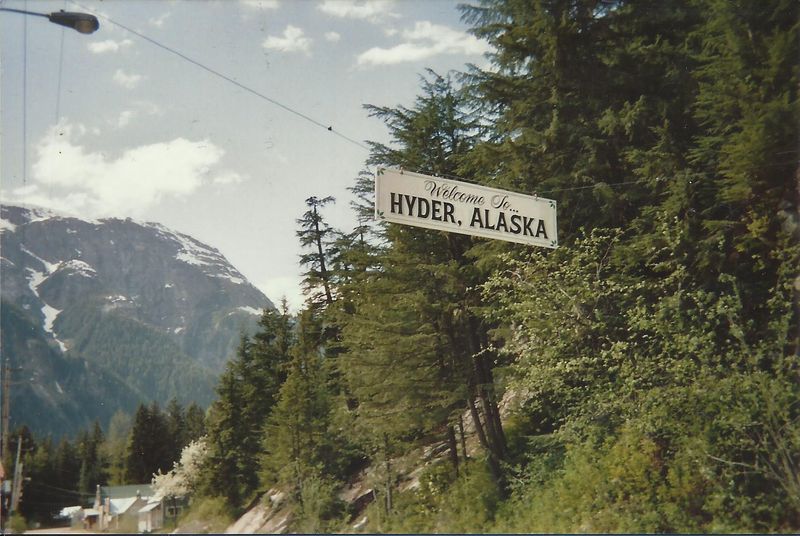
Hyder feels like the edge of the map, and the signal knows it. Boats and floatplanes come and go, but high speed rarely lands. You wait for a page like you wait for clear weather.
Mountains throw shadows on microwave links, and cables have nowhere easy to run. Streaming a class turns into a stuttering slideshow. When storms roll in, the connection ducks for cover.
Neighbors share tips, cache videos, and plan downloads around tides and time. Telehealth often means backup phone calls. Here, resilience is standard gear, and a steady connection is as prized as fresh fuel.
3. Green Bank, West Virginia
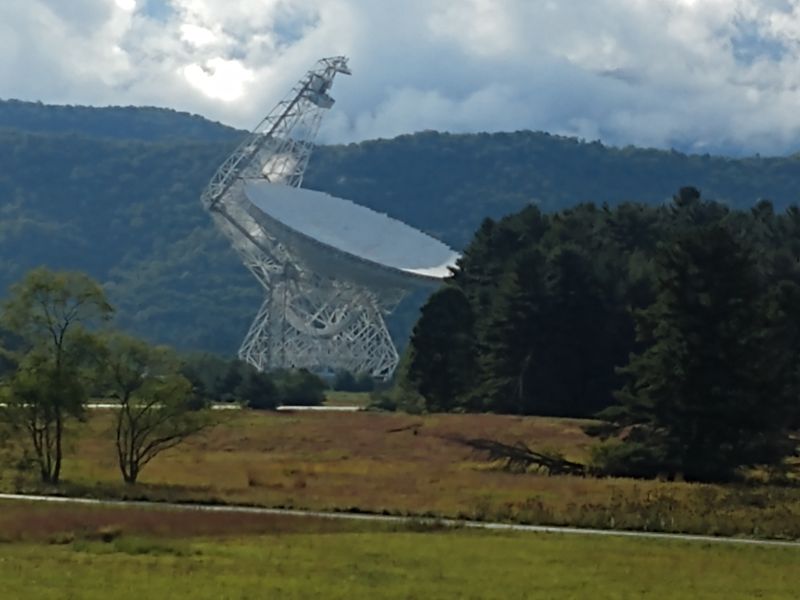
In Green Bank, silence is not just peaceful, it is policy. The Radio Quiet Zone asks wireless to whisper, and routers comply. Wi Fi signals retreat so telescopes can listen to the universe.
That means your phone feels oddly tame, and streaming is an iffy bet. Copper lines and wired links shoulder the load, often slowly. You plan around bandwidth like weather and church bells.
Residents choose between science and speed, and the telescope wins. If you move here, bring patience and Ethernet. Quiet skies reveal distant galaxies, while your inbox arrives one careful packet at a time.
4. Cibecue, Arizona
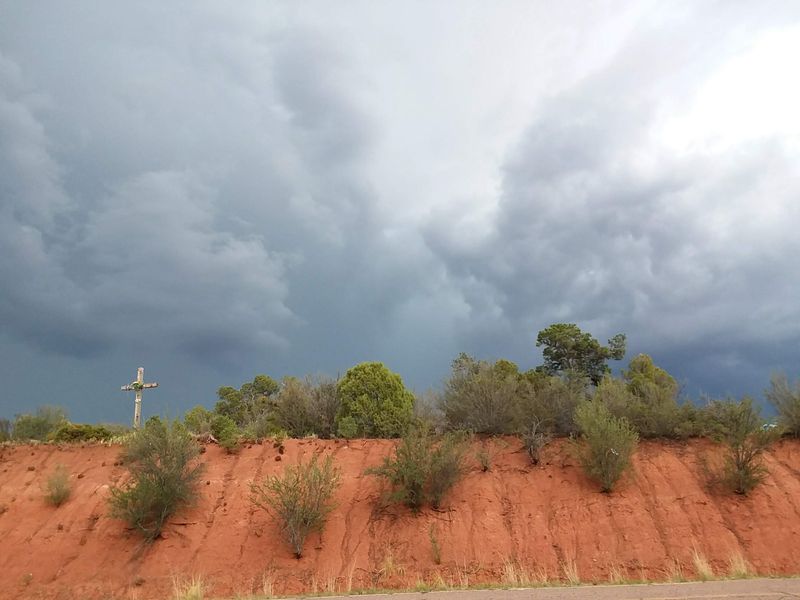
Cibecue lives with uneven connections that come and go like monsoon clouds. Grants arrive, then paperwork lingers, and shovels pause. Kids try to upload homework where bars flicker like fireflies.
Tribal leaders push for fiber, but terrain and funding windows collide. Old copper and long loops slow everything down. You learn to sync files early, then hope they stick.
Telehealth and job applications wait their turn behind buffering wheels. Community centers become lifelines for stronger links. Progress is possible, but steady investment matters. Until then, residents manage bandwidth like water in a dry season.
5. Guffey, Colorado

Guffey wears its off grid charm proudly, but internet remains the stubborn guest. Hills fold signals into pockets where pages cannot breathe. Satellite helps, then snow says otherwise.
Fiber quotes read like mountain-climbing budgets. Fixed wireless tries, yet line of sight is a fickle friend. You plan updates overnight and download maps before trailheads.
Neighbors swap gear tips and mount antennas like weather vanes. A Zoom call might demand a windless afternoon. Here, connection is a tool, not a given, and patience pairs with coffee as morning ritual.
6. Monowi, Nebraska
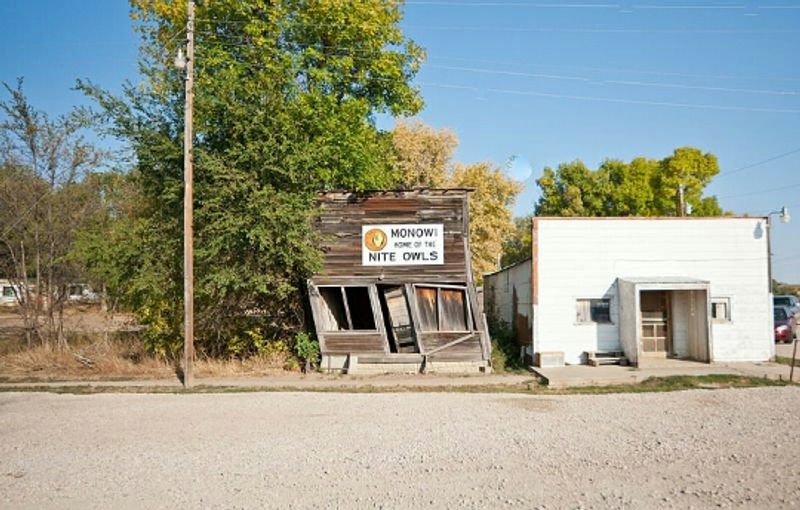
Monowi is famous for one resident and zero broadband. Infrastructure never penciled out, so plans stopped at the county line. You rely on a hotspot, if anything at all.
Cloud backups become road trips to a relative with better service. Video calls feel like an urban myth. Even weather updates can lag behind the clouds above.
It is peaceful, yes, but the digital world keeps its distance. When you visit, download maps and podcasts first. In Monowi, the quiet is real, and the loading bar is mostly theoretical.
7. Allakaket, Alaska

Allakaket sits where winter rules and bandwidth thins. Satellite is the lifeline, with latency you can feel in conversations. A simple update can tie up the evening.
Freight costs and frozen ground complicate every mile of fiber. Weather grounds aircraft, and projects wait for spring. Students cache lessons and send assignments when the sky cooperates.
Telehealth often shifts to audio, with video as a luxury. Neighbors share signal wisdom like trail maps. Progress will come, but timing it with thaw and funding is the trick.
8. Red Feather Lakes, Colorado
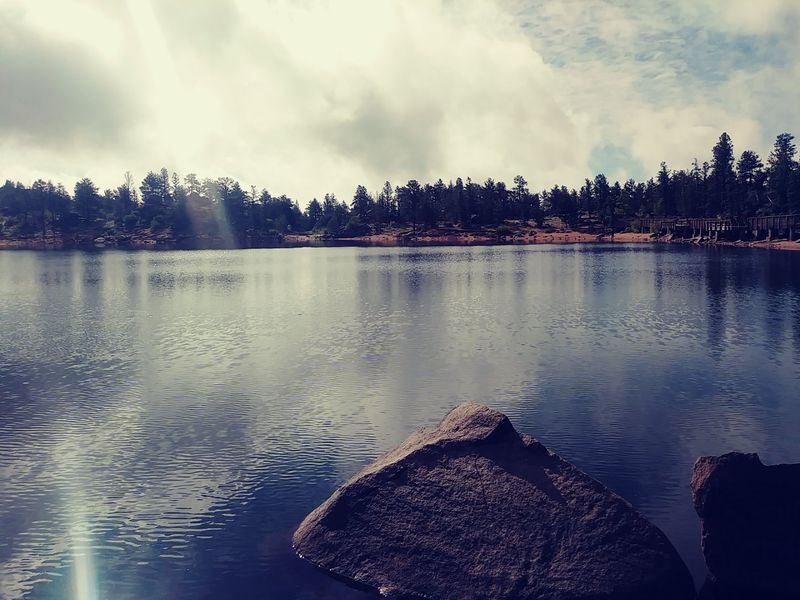
Red Feather Lakes looks postcard perfect while routers plead for mercy. Trees and ridgelines turn wireless into a maze. Storms flip breakers and connections alike.
Fiber plans exist, but distance and rock slow trenches. You nurse a video stream like a campfire, careful and small. Work calls get scheduled for sunlight and calm weather.
Locals trade outage texts and share generator tips. When service returns, updates stampede. Until fiber finally reaches these woods, patience and backups are the best outdoor gear.
9. Ocracoke, North Carolina

Ocracoke balances ocean beauty with fragile backhaul. Storms chew on lines, and ferries complicate repairs. You learn the hurricane alphabet and the meaning of redundancy.
Tourist season spikes demand, but capacity barely stretches. Remote work becomes a gamble when winds rise. Islanders cache maps, queue updates, and download shows before squalls.
Grants promise stronger fiber and buried routes, yet timelines drift like tides. Until then, reliability depends on weather and luck. The island keeps smiling, but your bandwidth wears a life jacket.
10. Supai, Arizona
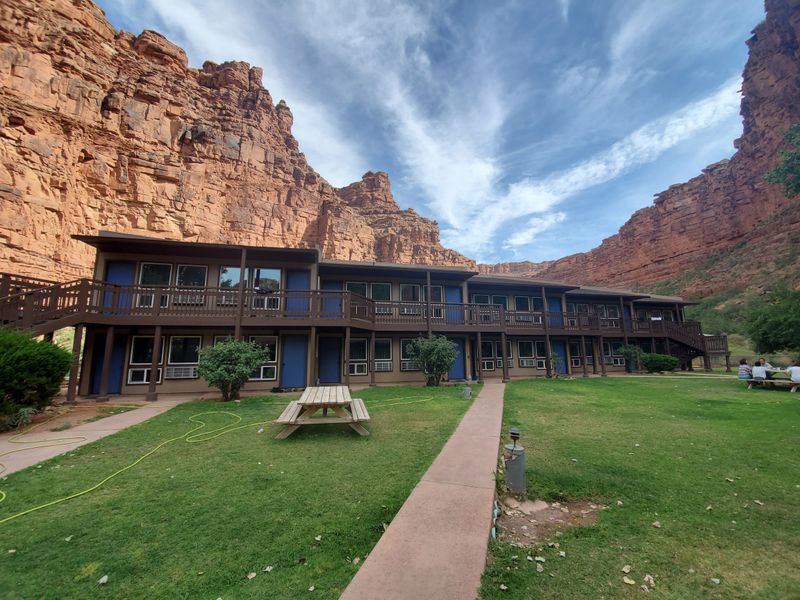
Supai rests at the canyon bottom, where delivery is by foot, mule, or rotor. Broadband dreams meet geology and logistics. A single upgrade can take seasons.
Education and telemedicine rely on careful planning and cached content. Tourists post photos days later, when signals reappear upriver. Every megabyte is a minor expedition.
Funding exists, but hauling equipment into the canyon tests budgets. Residents adapt with hybrid schedules and local networks. Patience is the daily currency, and every stable connection feels like a small victory.
11. Pahrump, Nevada

Nestled in the Nevada desert, Pahrump faces unique connectivity issues. The town’s remote location contributes to its struggle for internet access. Despite efforts to modernize, the vast distances between homes make it challenging to provide consistent service.
Residents often rely on satellite internet, which can be unreliable, especially during extreme weather conditions. The community is determined to improve, pushing for better infrastructure and solutions.
Interestingly, Pahrump has a rich history, known for its wineries and outdoor recreation, drawing visitors despite its internet woes.
12. Blanding, Utah
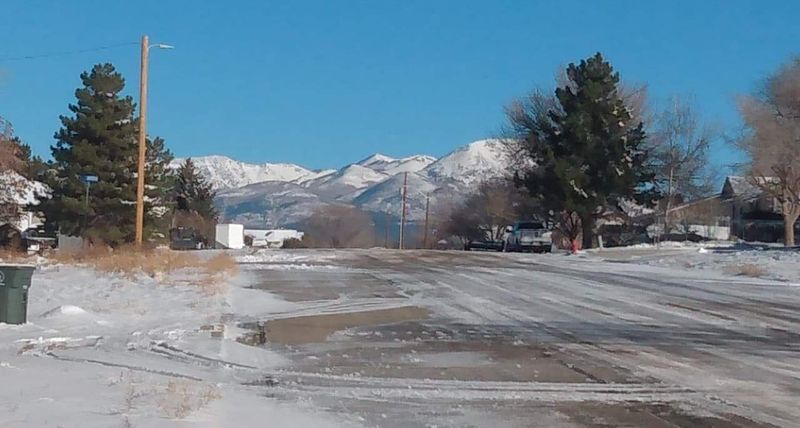
In Blanding, internet access feels like a luxury rather than a utility. This small Utah town, surrounded by stunning red rock formations, struggles due to its remote geography.
Local schools and businesses face ongoing connectivity challenges, impacting education and commerce. Many residents hope for broadband expansion projects to bring relief.
Blanding’s charm lies in its rich cultural heritage, being close to Native American sites and national parks. The community is advocating for better internet to connect its vibrant culture with the world.
13. Fort Davis, Texas

Known for its picturesque landscapes and historic sites, Fort Davis struggles with internet infrastructure. The isolation of this West Texas town makes modern connectivity an uphill battle.
Many areas depend on outdated technologies, and the rugged terrain poses additional challenges for improvement. Community leaders are actively seeking innovative solutions to bridge the digital divide.
Fort Davis is a gateway to the stars, housing the McDonald Observatory, and residents dream of a day when its digital access matches its celestial views.



