More Americans are looking north when planning their retirement, and Canada is turning out to be a surprisingly smart option. From coastal towns in New Brunswick to charming riverside cities in Quebec, Canadian communities offer a mix of natural beauty, solid healthcare, and costs that are easier on a fixed income.
While big cities like Toronto and Vancouver can be pricey, dozens of smaller Canadian cities offer a much more manageable lifestyle. If you have ever wondered what retirement across the border might look like, these ten spots are worth a serious look.
1. Saint John, New Brunswick
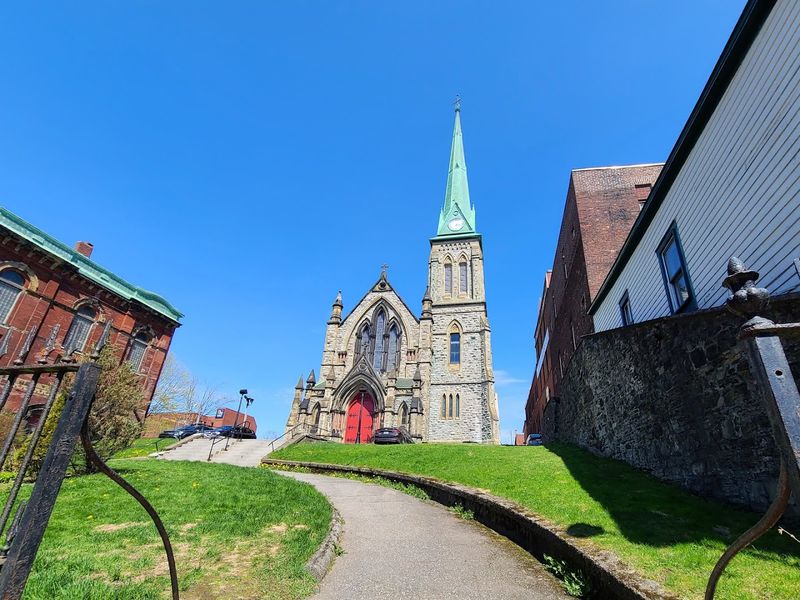
Perched on the Bay of Fundy, Saint John carries the kind of lived-in charm that retirees tend to fall in love with slowly and then all at once. The historic uptown district is packed with Victorian architecture, local restaurants, and walkable streets that make daily errands feel like a stroll through a postcard.
Housing costs here are among the most manageable in Canada. Average home prices hover around CAD $302,834, and one-bedroom rentals run close to CAD $1,200 per month, which is a fraction of what you would pay in larger Canadian metros.
For Americans used to high property taxes and steep housing markets, those numbers are a welcome change.
Healthcare access is solid, winters are cold but coastal, and the city has a relaxed pace that suits retirement well. Saint John rewards those willing to trade urban noise for genuine character.
2. Moncton, New Brunswick
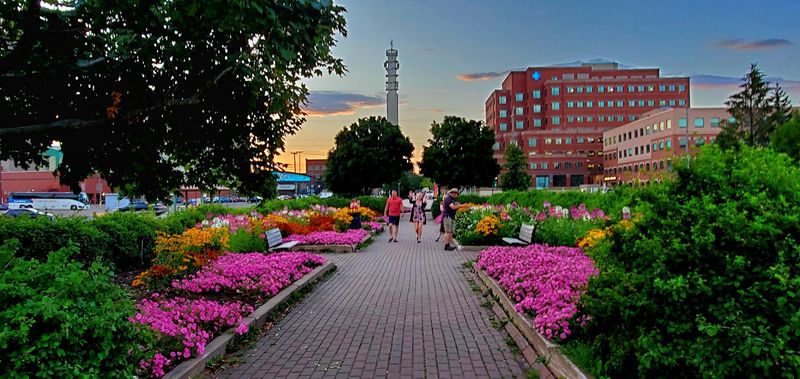
Moncton has quietly built a reputation as one of Atlantic Canada’s most practical retirement destinations, and American expats are starting to take notice. The city sits within easy reach of beaches, forests, and the Fundy shore, offering outdoor variety without requiring a long drive.
What makes Moncton especially appealing is its bilingual culture. English and French are both widely spoken, which gives the community a distinct personality you rarely find in mid-sized North American cities.
Hospitals, shopping centers, and public transit are all well-developed for a city of its size.
Compared to retirement hotspots like Vancouver or Toronto, Moncton’s cost of living is refreshingly reasonable. U.S. retirees looking to stretch their savings without sacrificing modern conveniences often land here after comparing options across the country.
The friendly community atmosphere seals the deal for many newcomers.
3. Quebec City, Quebec
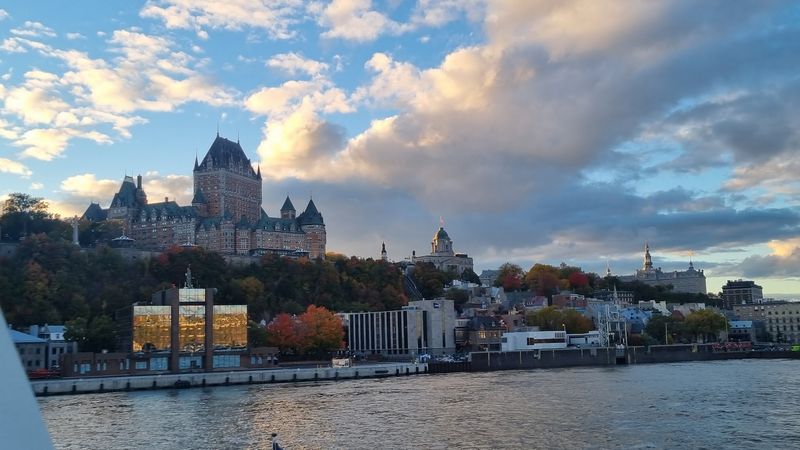
Walking through Old Quebec City feels like stepping into Europe without crossing an ocean. The cobblestone streets, centuries-old stone buildings, and French-language culture create an atmosphere that is unlike anywhere else in North America.
For retirees who value history and aesthetics, few places compare.
Quebec City also offers a functioning transit system, excellent healthcare infrastructure, and a food scene that punches well above its size. Costs are higher than smaller Atlantic towns, but still noticeably lower than Montreal or Toronto, making it an accessible middle ground for budget-aware retirees.
One practical note: French is the dominant language here, so some willingness to learn basic phrases goes a long way. That said, many residents in tourist and healthcare areas speak English comfortably.
Retirees who embrace the cultural immersion tend to describe living here as one of the best decisions they ever made.
4. Winnipeg, Manitoba
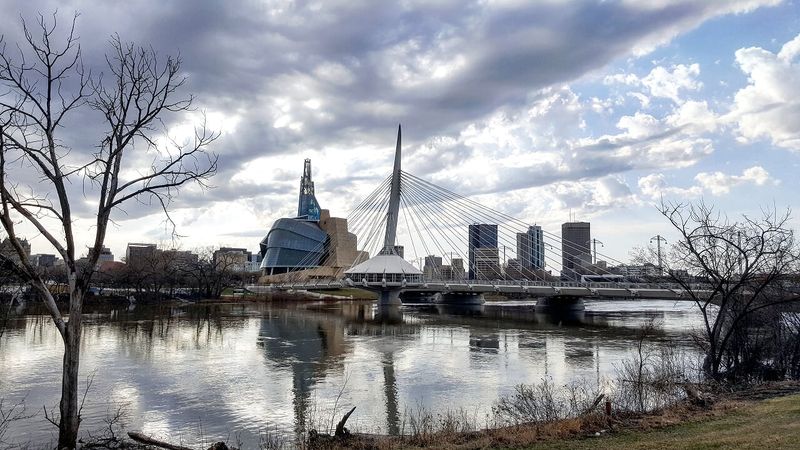
Winnipeg does not sugarcoat its winters, and honestly, that honesty is part of its appeal. Retirees who move here know what they are signing up for, and in return they get a city that delivers museums, arts venues, diverse restaurants, and green spaces at a price point that is hard to argue with.
The Forks, a beloved historic gathering place at the junction of two rivers, anchors the city’s social life year-round. Winter markets, summer festivals, and a thriving local food culture keep residents engaged no matter the season.
Healthcare access is strong, with several major hospitals serving the region.
Housing costs in Winnipeg are among the most affordable of any major Canadian city, which is a significant draw for Americans retiring on a fixed income. If cold weather is not a dealbreaker, Winnipeg offers a genuinely full urban lifestyle without the financial strain of bigger metros.
5. Sudbury, Ontario
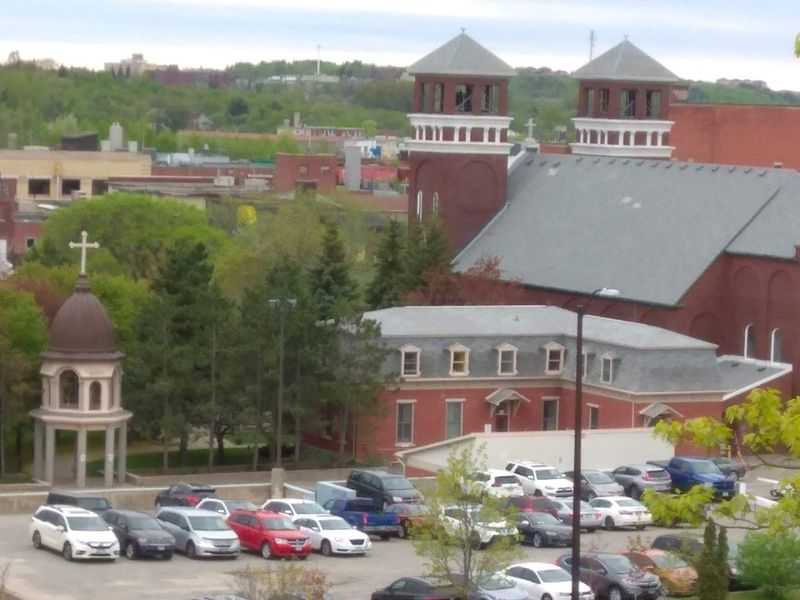
Sudbury might not be the first Ontario city that comes to mind, but outdoorsy retirees who discover it rarely look back. The city is surrounded by more than 330 lakes, and trails, boardwalks, and natural parks are woven into everyday life here.
If mornings on the water or afternoons hiking through boreal forest sound appealing, Sudbury delivers that consistently.
Real estate prices are considerably lower than in southern Ontario cities like Toronto or Hamilton. That gap gives retirees the chance to own a comfortable home, or even a property near a lake, without stretching their budget to its limits.
The city has grown into a well-rounded community with good hospitals, colleges, and cultural events.
Science North, a nationally recognized science center, adds unexpected cultural depth to the city. Sudbury is proof that you do not need to sacrifice nature or affordability to enjoy a fulfilling retirement in Ontario.
6. Fredericton, New Brunswick
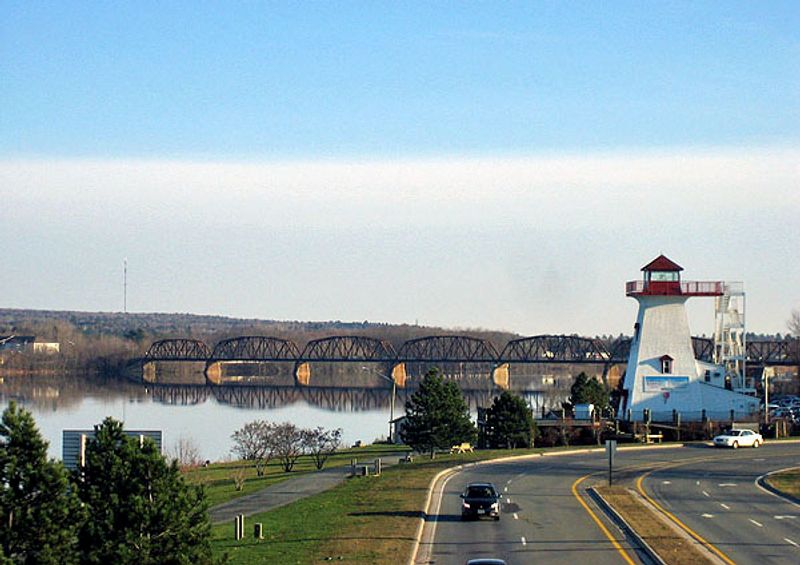
There is something unhurried about Fredericton that retirees find deeply restorative. As New Brunswick’s provincial capital, it has the services and infrastructure of a proper city, but the day-to-day pace feels closer to a small town.
The riverfront trail system alone is worth the move for anyone who enjoys walking or cycling as part of their routine.
Farmers markets, university events, and a lively arts community give residents plenty of reasons to stay engaged. Beaverbrook Art Gallery, one of Canada’s finest regional art museums, is right in the city center.
Costs are lower than most Canadian capitals, and Atlantic Canada as a whole is regularly cited by retirement guides as one of the most budget-friendly regions in the country.
For American retirees who want a manageable, enriching lifestyle without fighting big-city traffic or big-city prices, Fredericton checks a remarkable number of boxes.
7. Trois-Rivieres, Quebec
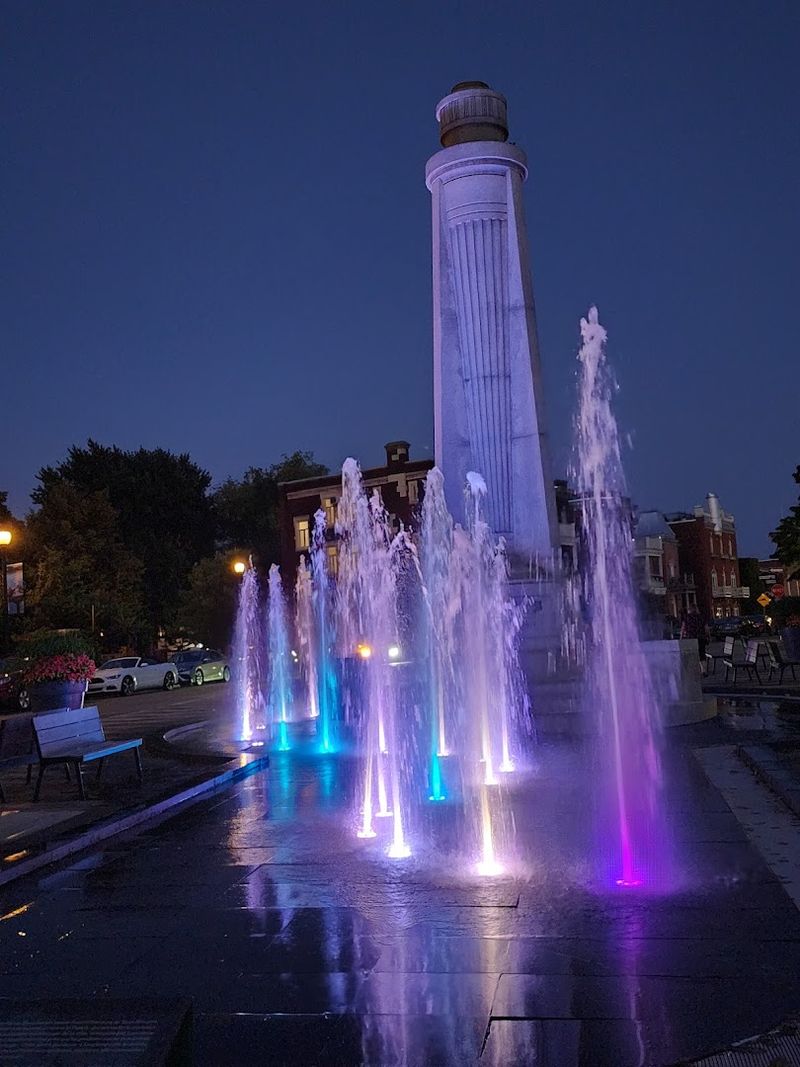
Sitting halfway between Montreal and Quebec City along the St. Lawrence River, Trois-Rivieres is the kind of place that rewards curious retirees. The old town is genuinely walkable, the historic architecture is well-preserved, and the cultural calendar stays active throughout the year with festivals, art exhibitions, and live music.
Prices here are noticeably lower than in either of its larger neighbors, which makes Trois-Rivieres an attractive option for retirees who want a taste of Quebec culture without paying Quebec City or Montreal prices. Grocery costs, housing, and dining are all more manageable in this mid-sized city.
The community has a strong local identity and a welcoming atmosphere that newcomers often describe as surprisingly easy to settle into. French is the primary language, but the city’s growing profile as a retirement and arts destination means more English services are becoming available.
It suits retirees who value culture, calm, and value.
8. Medicine Hat, Alberta
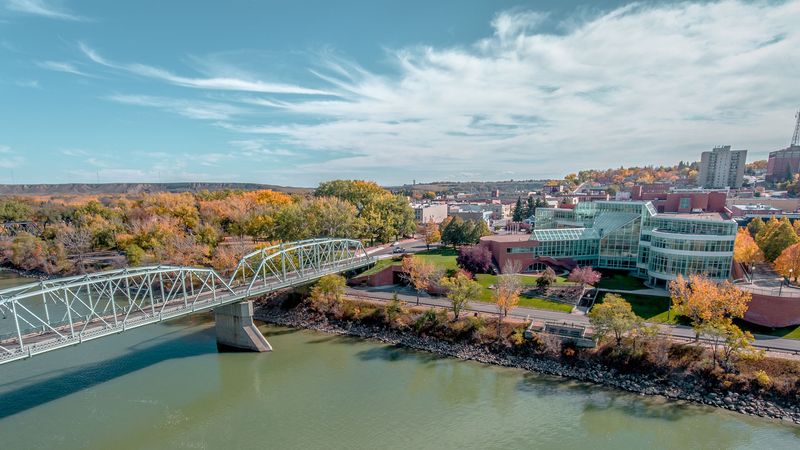
Medicine Hat holds a fun distinction: it gets more sunshine hours per year than almost any other Canadian city. For retirees who dread grey skies and endless overcast winters, that single fact changes the conversation entirely.
Alberta’s sunny southeast corner delivers bright days even in the colder months, which does wonders for mood and outdoor activity.
Costs here are meaningfully lower than in Calgary or Edmonton, covering everything from housing to utilities to everyday goods. The city sits along the South Saskatchewan River, offering parks, pathways, and natural beauty that make outdoor retirement living genuinely enjoyable.
Healthcare services are accessible, and the community has a friendly, uncrowded quality that larger Alberta cities have long since lost.
For Americans drawn to wide-open prairie spaces and a quieter rhythm of life, Medicine Hat offers an underrated combination of sunshine, affordability, and small-city warmth that is hard to replicate elsewhere in the province.
9. Kingston, Ontario
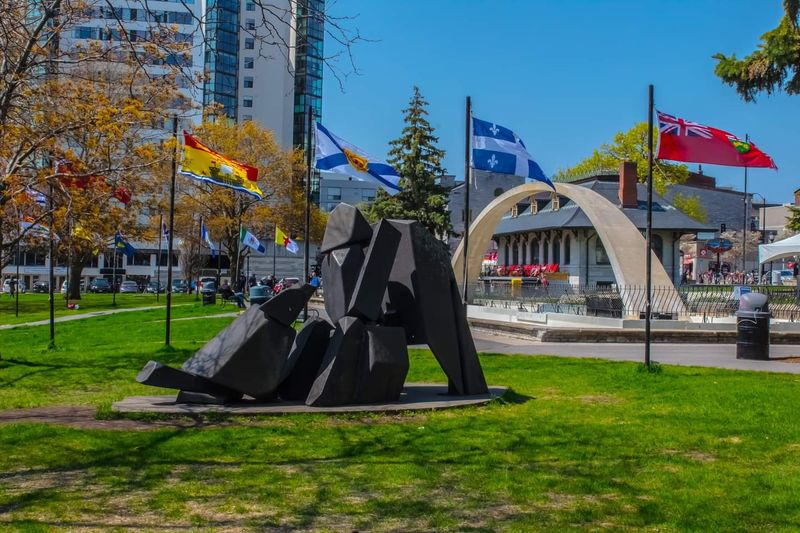
Kingston is not the cheapest city on this list, and it does not pretend to be. What it offers instead is a rare balance of beauty, culture, healthcare, and livability that justifies its price tag for many retirees.
Sitting at the eastern end of Lake Ontario where the St. Lawrence River begins, the city has a waterfront that genuinely impresses.
The downtown core is built from local limestone, giving it a distinctive look that feels both historic and polished. Queen’s University brings a vibrant academic energy to the community, and the healthcare infrastructure is excellent, anchored by Kingston Health Sciences Centre, a major regional hospital.
For Americans who prioritize quality of life over finding the lowest possible cost, Kingston offers something money cannot always buy: a city that feels complete. Walkable, safe, scenic, and culturally alive, it is the kind of place retirees visit once and start planning a move to immediately.
10. Charlottetown, Prince Edward Island
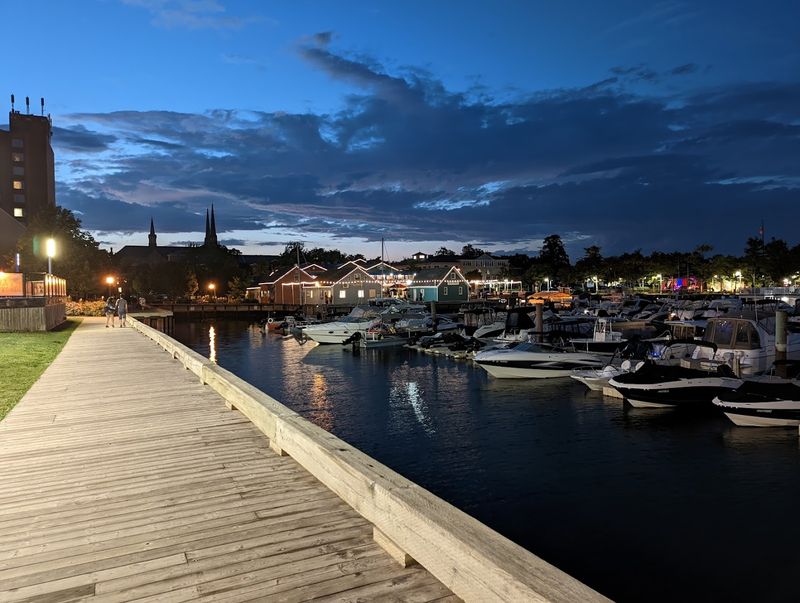
Charlottetown is Canada’s smallest provincial capital, and that smallness is precisely what makes it so appealing. Everything is close, the pace is relaxed, and the sense of community is the kind that larger cities spend millions trying to manufacture but rarely achieve.
Island life here has a grounded, neighborly quality that retirees consistently describe as a breath of fresh air.
The waterfront is beautiful, the dining scene punches above its weight, and the summers on Prince Edward Island are among the most pleasant in the country. Costs have climbed in recent years as more people discover the island, but Charlottetown remains more affordable than comparable coastal communities in the United States.
For retirees drawn to a slower, more intentional lifestyle surrounded by red-sand beaches and rolling farmland, Charlottetown delivers something rare: a place that actually lives up to its reputation. The island has a way of getting under your skin.
Share this story