 Unearth The Voyage
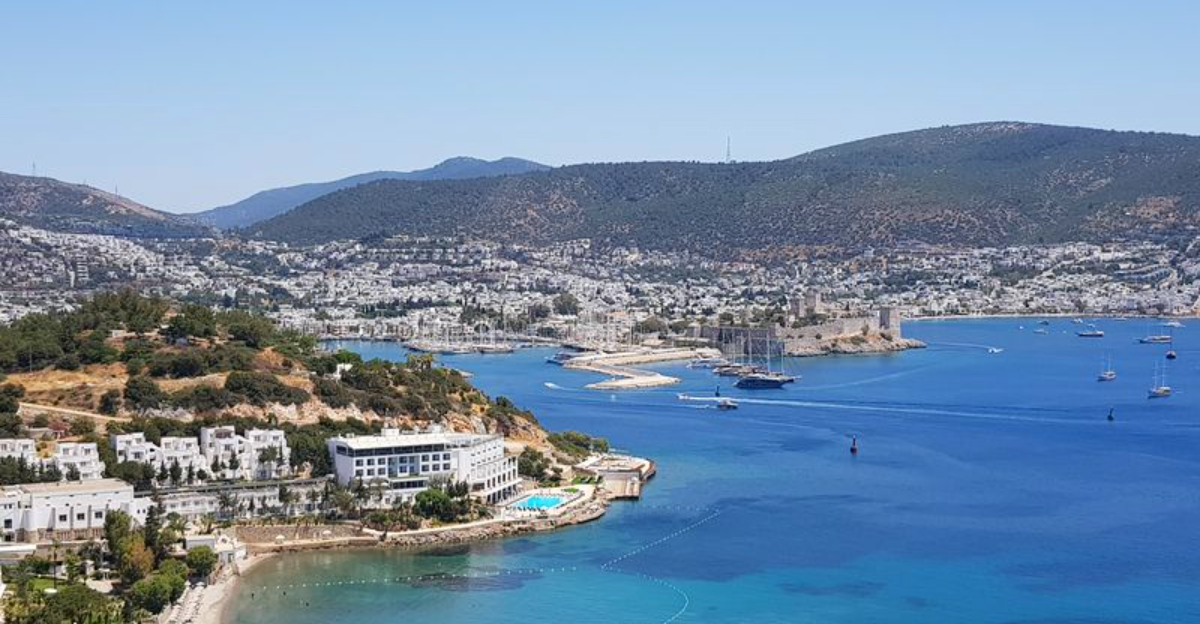
Forget the typical tourist traps draining your wallet. A new wave of savvy American travelers is discovering Europe’s hidden gems where your dollar stretches further and the crowds thin out.
These aren’t the cities plastered all over Instagram or the destinations your coworkers keep bragging about. From sun-soaked Turkish coastlines to Baltic capitals that cost less than a weekend in Miami, these European escapes prove you don’t need to sacrifice quality for affordability.
Madeira, Portugal
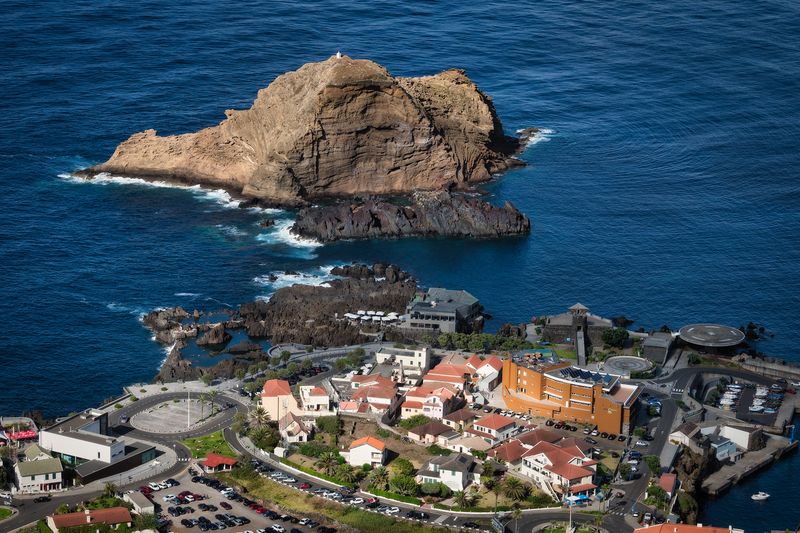
Madeira floats in the Atlantic like Portugal’s secret garden. The island maintains spring weather year-round, which sounds too good to be true until you’re hiking in January wearing a t-shirt.
Volcanic peaks draped in laurel forests meet dramatic sea cliffs that’ll have your camera working overtime.
American interest surged 78% recently, and new direct flights launched in June 2025 make getting there easier than ever. The island’s famous levada trails wind through terrain that shifts from subtropical jungle to alpine meadows within a single afternoon.
These centuries-old irrigation channels double as hiking paths, offering relatively flat routes through otherwise mountainous terrain.
The crowds haven’t arrived yet, which means you’ll actually enjoy the experience. Local markets overflow with exotic fruits you’ve never heard of, and the fortified Madeira wine tastes nothing like the dusty bottles gathering dust in your grandma’s cabinet.
Funchal, the capital, combines old-world charm with modern amenities. Cable cars whisk you up mountainsides, and the seafront promenade invites sunset strolls that cost exactly zero euros.
Zadar, Croatia
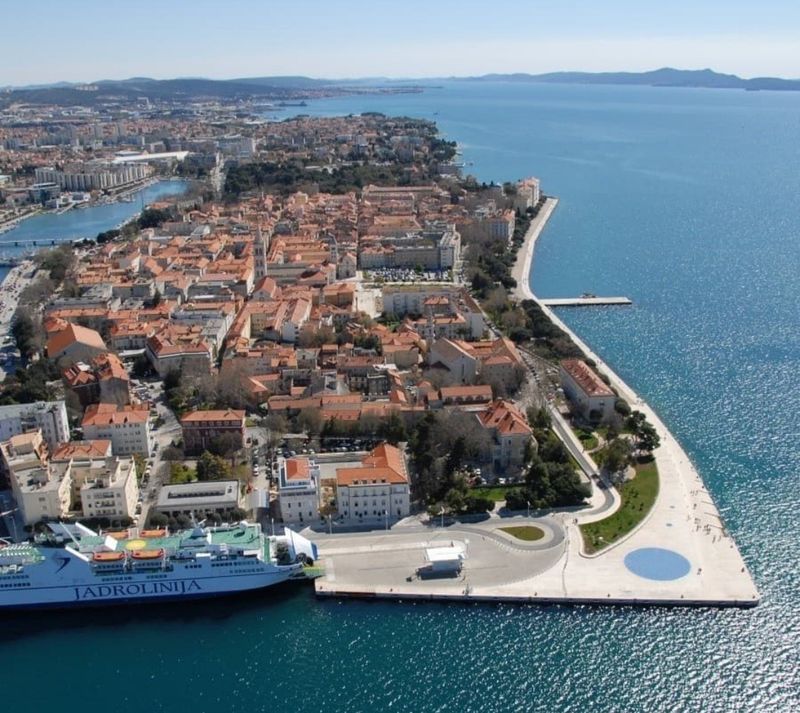
Zadar offers Croatia’s coastal magic without the Dubrovnik mob scene. This compact city sits right on the Adriatic, where ancient Roman ruins share space with one of the world’s coolest public art installations.
The Sea Organ uses wave action to create haunting music that drifts across the waterfront at sunset.
U.S. searches jumped 72% as word spreads about this walkable alternative to busier Croatian hotspots. You can actually stroll the marble streets without getting elbowed by cruise ship passengers every three seconds.
The old town packs centuries of history into a peninsula you can explore in a morning.
Ferry connections make island-hopping ridiculously easy. Spend mornings wandering Zadar’s churches and Roman forum, then catch an afternoon boat to nearby islands like Dugi Otok.
The beaches there remain blissfully empty compared to southern Croatia’s packed shores.
Local restaurants serve fresh seafood at prices that seem like typos. The city’s relaxed vibe attracts travelers who want authentic Croatian culture without fighting through Instagram photoshoot traffic jams.
Olbia, Italy (Sardinia)
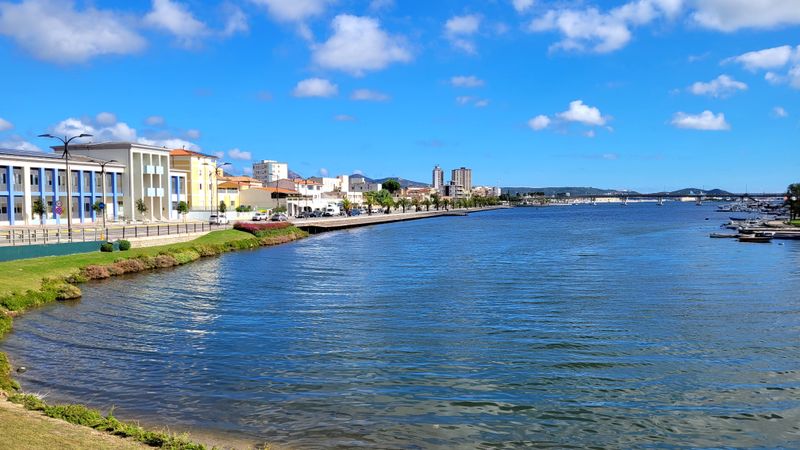
Sardinia’s northern gateway keeps getting smarter about attracting visitors. Olbia itself won’t win beauty contests, but it unlocks access to some of Europe’s most stunning coastline without the usual Italian summer chaos.
The nearby Costa Smeralda beaches glow with water so clear it looks Photoshopped.
American interest rose 64% thanks to improved airline connectivity through Olbia Airport. More direct routes mean you can skip the complicated island-hopping that used to make Sardinia feel unreachable.
The beaches within an hour’s drive rival anything in the Caribbean, except the water’s actually refreshing instead of bathtub-warm.
Granite boulders frame hidden coves where you might share the sand with maybe three other people. The interior mountains offer hiking through landscapes that feel prehistoric, with ancient stone structures called nuraghi dotting the countryside.
These Bronze Age towers remain mysterious even to archaeologists.
Local cuisine leans heavily on seafood and pecorino cheese, often in the same meal. The island’s wines deserve more attention than they get, particularly the crisp Vermentino whites.
Bodrum, Turkey
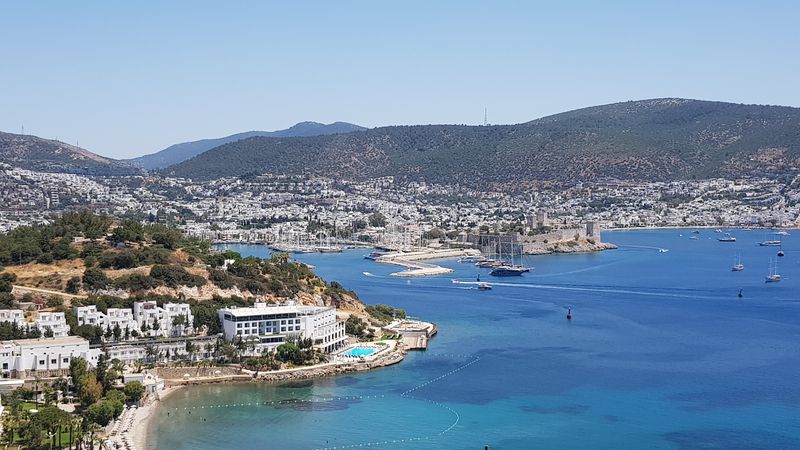
Bodrum delivers that glamorous beach-resort energy without requiring you to sell a kidney. Picture whitewashed buildings tumbling down to impossibly blue water, beach clubs where you can actually afford the cocktails, and ancient ruins casually scattered around town like forgotten props.
U.S. travelers are catching on fast. Search interest jumped 85% on Skyscanner, making it one of the hottest emerging destinations.
The Mediterranean coastline here rivals anything you’d find in the French Riviera, except your hotel room won’t cost more than your car payment.
The food scene alone justifies the flight. Fresh seafood markets, family-run restaurants serving mezes that keep coming, and Turkish breakfasts that redefine the meal entirely.
You’ll spend your days hopping between secluded coves and your evenings wandering the marina.
Bodrum strikes that rare balance between sophisticated and affordable. The nightlife pulses without the Mykonos price tags, and the historical sites like Bodrum Castle add unexpected depth to your beach vacation.
Bilbao, Spain
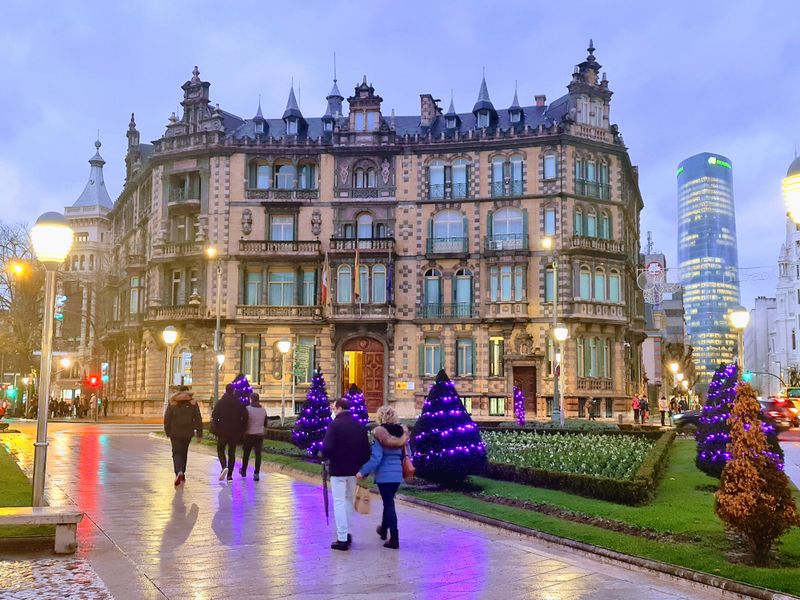
Bilbao transformed itself from industrial port to cultural powerhouse, and somehow managed to keep prices reasonable. The Guggenheim Museum’s titanium curves dominate the riverfront, but the real attraction is the entire city’s commitment to design and cuisine.
Frank Gehry’s architectural marvel kickstarted urban renewal that other cities still try to copy.
U.S. flight searches increased 37%, though Bilbao remains wildly underrated compared to Barcelona or Madrid. The Basque Country takes food seriously in ways that border on obsession.
Pintxos bars line the old quarter streets, each one trying to outdo the others with creative small plates that cost a few euros.
You’ll eat better here than almost anywhere in Spain, which is saying something. The surrounding green hills provide hiking escapes when you need to walk off all that Idiazabal cheese.
San Sebastián sits just an hour away if you want to compare beach towns.
Museums beyond the Guggenheim include fine arts collections and Basque cultural exhibits. The metro stations themselves qualify as art installations, designed by Norman Foster with space-age aesthetics.
Riga, Latvia
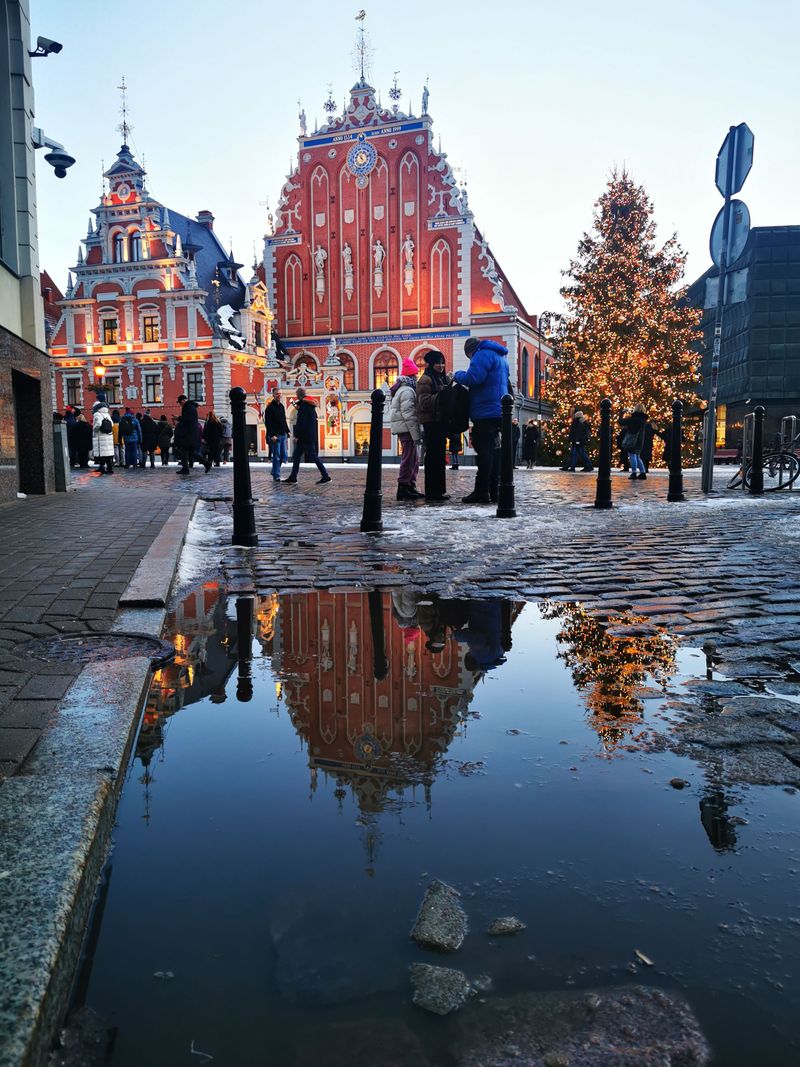
Riga tops the charts as Europe’s best-value city break right now. The 2025 City Costs Barometer ranked it number one at just £252.63 for a basket of typical tourist expenses.
That covers accommodation, meals, drinks, transport, and attractions combined, which barely buys you a hotel room in London.
The Latvian capital surprises visitors with its Art Nouveau architecture, which blankets entire neighborhoods in ornate facades. More than 800 buildings showcase this early 20th-century style, making Riga home to Europe’s highest concentration.
The old town mixes medieval churches with cobblestone squares where outdoor cafes serve local beers for pocket change.
Central Market occupies five former Zeppelin hangars filled with fresh produce, smoked fish, and Baltic delicacies. It’s Europe’s largest market and a UNESCO World Heritage site, though locals just treat it like their neighborhood grocery store.
Museums cover everything from Soviet occupation to contemporary art, usually charging admission fees that wouldn’t cover parking elsewhere. The city feels substantial without overwhelming, walkable without being tiny, cultured without being pretentious.
Vilnius, Lithuania
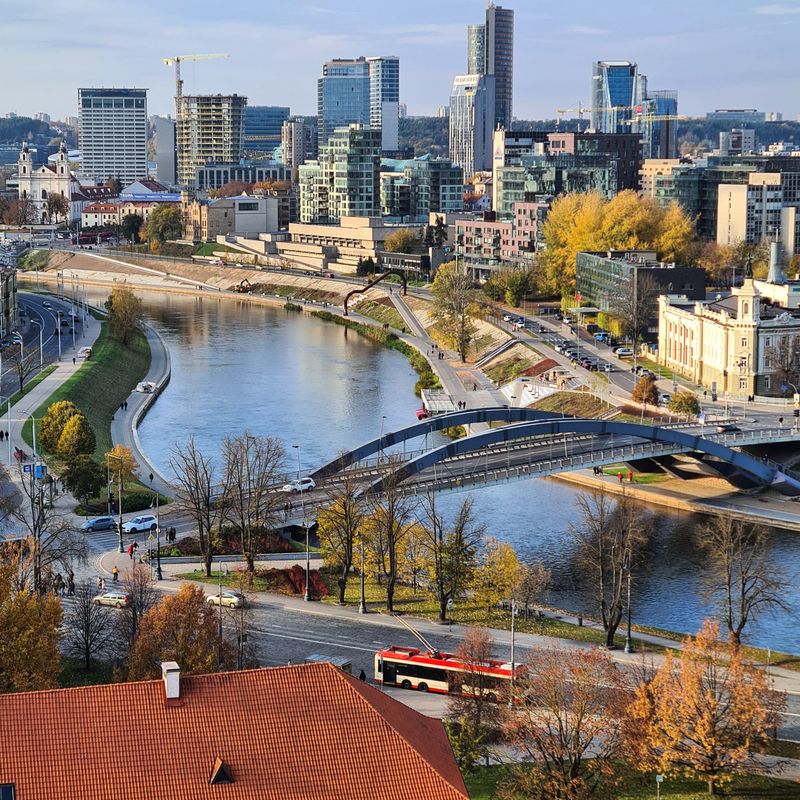
Vilnius feels plucked from a fairy tale, except the prices stay firmly grounded in reality. Coming in at £254.32 in the City Costs Barometer, it ranks as the second cheapest European city break.
The old town unfurls across hillsides in a tangle of baroque churches, hidden courtyards, and streets that refuse to run straight.
Lithuania’s capital maintains an artistic edge that bigger cities lost decades ago. Street art covers entire buildings, galleries occupy converted warehouses, and the self-declared Republic of Užupis operates as an artists’ quarter with its own constitution.
This bohemian neighborhood celebrates April Fools’ Day as its independence day, which tells you everything about its vibe.
Cafes tucked into medieval cellars serve Lithuanian beer and cepelinai, potato dumplings stuffed with meat that could anchor a ship. The Cathedral Square anchors the city center, where locals gather and bells mark the hours from multiple towers.
Gediminas Tower offers panoramic views after a short climb, and the surrounding parks provide green space that feels generous for a capital city. Soviet history lingers in museums that don’t sugarcoat the occupation years.
Warsaw, Poland
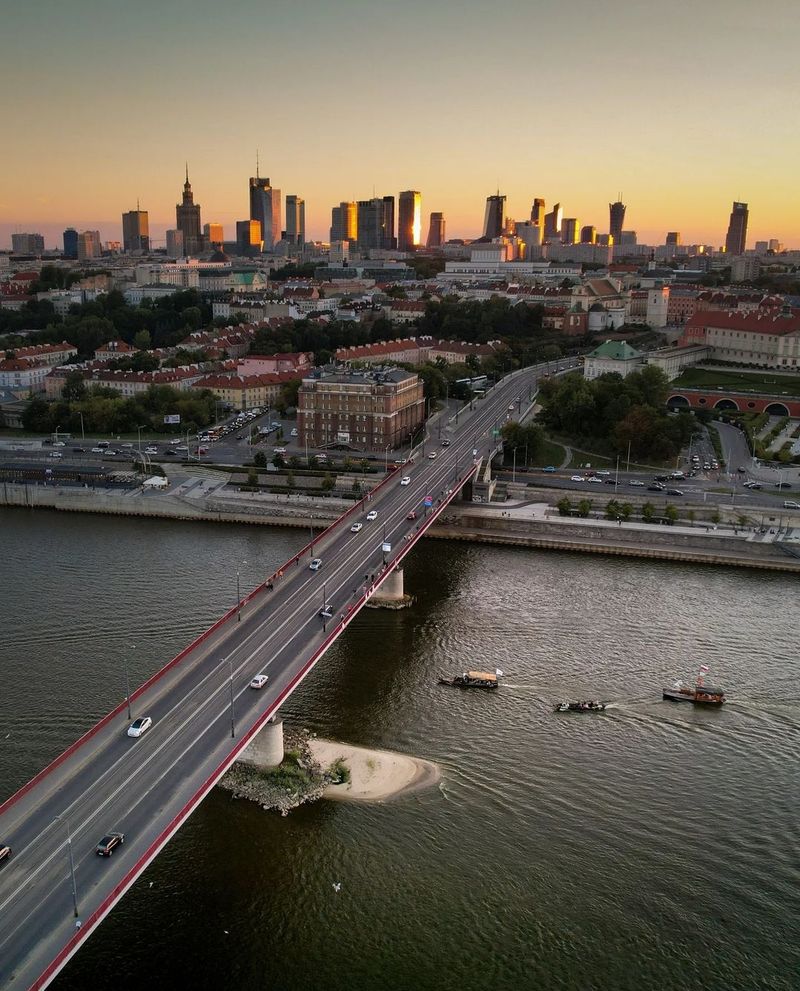
Warsaw projects big-city sophistication until you check your receipt and do a double-take. Ranked third in the affordability barometer at £277.39, Poland’s capital delivers experiences that feel premium without the premium pricing.
The meticulously reconstructed old town earned UNESCO status despite being rebuilt from rubble after World War II.
Communist-era architecture clashes with glass skyscrapers and pastel townhouses in a cityscape that refuses to pick a single aesthetic. The Palace of Culture and Science towers over everything, a Stalin-era gift that locals have complicated feelings about but visitors find fascinating.
Modern shopping districts and historic squares exist blocks apart.
Museums tackle heavy history with thoughtful exhibits, particularly the Warsaw Uprising Museum and POLIN Museum of Polish Jewish History. These aren’t quick stops but rather immersive experiences that demand hours.
The food scene spans milk bars serving traditional Polish comfort food for a few zloty to innovative restaurants reimagining Eastern European cuisine.
Parks and green spaces thread through the city, including Łazienki Park with its palace on the water and summer Chopin concerts. The Vistula riverbanks transform into beaches and social spaces when weather permits.
Kraków, Poland
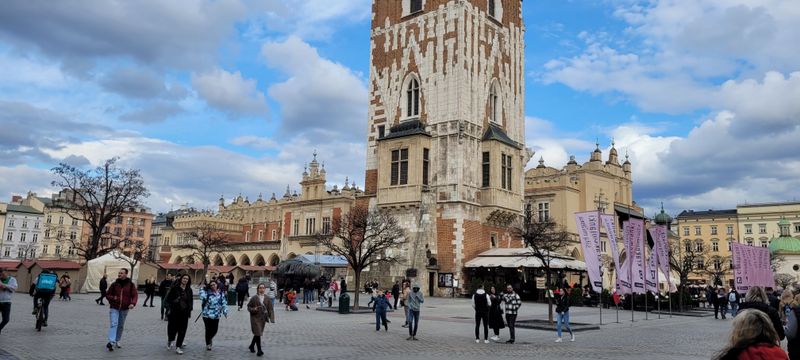
Kraków preserves medieval splendor while keeping costs refreshingly modern. At £300.24 in the value rankings, it cracks the top ten for budget city breaks.
The main market square stretches so vast it takes a minute to walk across, ringed by Renaissance townhouses and anchored by St. Mary’s Basilica with its mismatched towers.
Every hour, a trumpeter plays from the basilica’s highest tower, stopping mid-melody to commemorate a 13th-century watchman shot while warning of Mongol invasion. The square buzzes with flower vendors, street performers, and cafes where you can nurse a coffee for an hour without dirty looks.
Underground, an archaeological museum reveals layers of medieval streets beneath the current plaza.
Wawel Castle crowns a hill overlooking the Vistula River, its courtyards and chambers spanning centuries of Polish royalty. The Jewish quarter of Kazimierz evolved from somber memorial to vibrant neighborhood filled with galleries, vintage shops, and restaurants serving Jewish and Polish fusion cuisine.
Day trips to Auschwitz-Birkenau require emotional preparation but provide essential historical context. Salt mines in Wieliczka descend into carved chambers and chapels that miners created entirely from salt.
Gdańsk, Poland
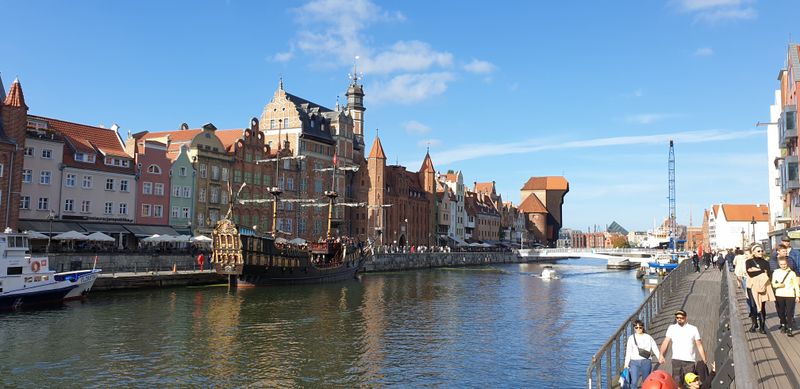
Gdańsk flies under most tourists’ radar despite checking every box for a great city break. Ranked at £297.09 in the affordability index, this Baltic port combines seaside charm with serious historical weight.
Hanseatic merchant houses painted in jewel tones line the waterfront, their facades rebuilt after wartime destruction.
The medieval crane on the Motlawa River looks like something from a fantasy novel but actually hoisted cargo for centuries. Amber shops crowd the old town streets, selling Baltic gold in every form from raw chunks to polished jewelry.
The Solidarity movement started in Gdańsk’s shipyards, fundamentally changing Eastern European history, and museums document the workers’ struggle against communism.
Long Market street stretches through the heart of the old town, bookended by ornate gates and lined with outdoor restaurants. Neptune’s Fountain marks the center, where locals have met for generations.
The beach neighborhood of Sopot sits a short train ride away, offering sandy shores and a wooden pier extending far into the Baltic.
Malbork Castle, the world’s largest brick castle, makes an easy day trip for medieval architecture enthusiasts.
Podgorica, Montenegro
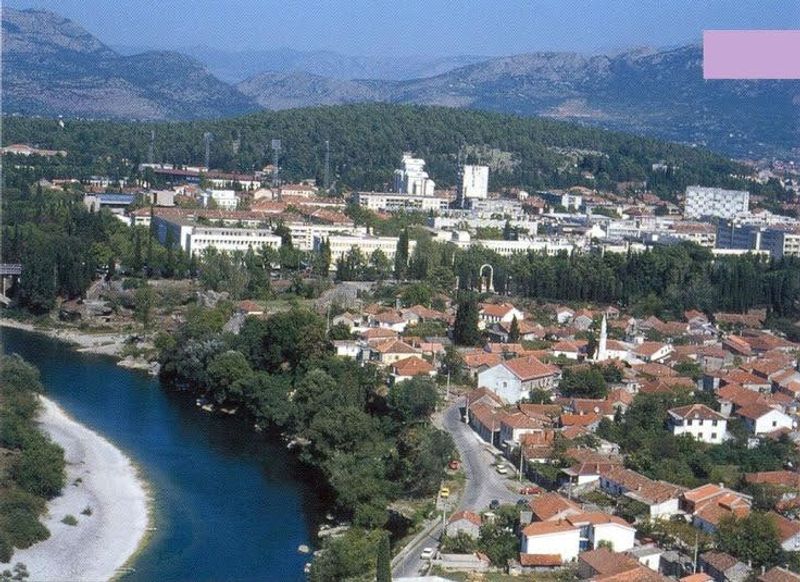
Montenegro’s capital doesn’t win beauty contests, but it unlocks an entire country without breaking the bank. Coming in fourth at £281.70, Podgorica represents one of two new cities cracking the top ten cheapest this year.
It serves as a practical base for exploring Montenegro’s dramatic coastline and mountain interior rather than a destination itself.
The city blends Ottoman remnants with brutalist Yugoslav architecture and shiny new developments in a mix that feels authentically transitional. Stara Varoš, the old town, preserves narrow lanes and stone buildings that survived various wars and rebuilding phases.
The Morača River cuts through town, offering walking paths and bridges that provide the best views.
What Podgorica lacks in attractions it compensates for in affordability and location. Kotor’s famous bay sits an hour away, Budva’s beaches even closer.
The Ostrog Monastery clings impossibly to a cliff face inland, while Durmitor National Park’s peaks and glacial lakes reward drivers willing to tackle mountain roads.
Local restaurants serve Balkan grilled meats and fresh lake fish at prices that seem mistakenly low. The wine scene deserves more attention, particularly the native Vranac red.
Zagreb, Croatia
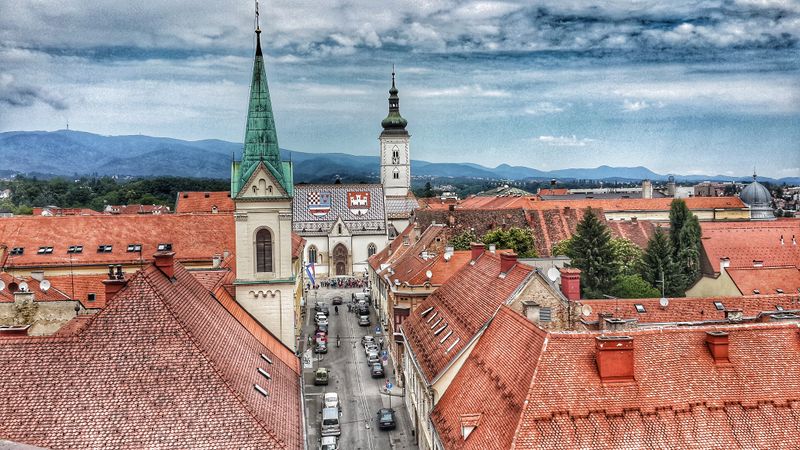
Zagreb cultivates a cafe culture that rivals Vienna without the tourist prices. Ranking tenth at £310.56, Croatia’s capital remains surprisingly affordable compared to its coastal siblings.
The city splits into upper and lower towns connected by a funicular that’s been hauling locals uphill since 1890.
St. Mark’s Church displays its famous tiled roof depicting Croatian and Zagreb coats of arms, a landmark that appears on every postcard. But the real Zagreb reveals itself in the outdoor markets, particularly Dolac, where vendors sell produce, cheese, and flowers in a riot of color.
Tkalčićeva Street buzzes with bars and restaurants occupying narrow buildings painted in pastels.
Museums cover everything from broken relationships (yes, really) to naive art and Croatian history. The Museum of Broken Relationships started as a traveling exhibition before finding a permanent home, displaying donated objects from failed romances worldwide with heartbreaking stories attached.
Green spaces include Maksimir Park’s forests and lakes, plus Jarun Lake where locals swim and sail. The Christmas market transforms the main square into a winter wonderland that’s gained international recognition without yet attracting overwhelming crowds.
Porto, Portugal
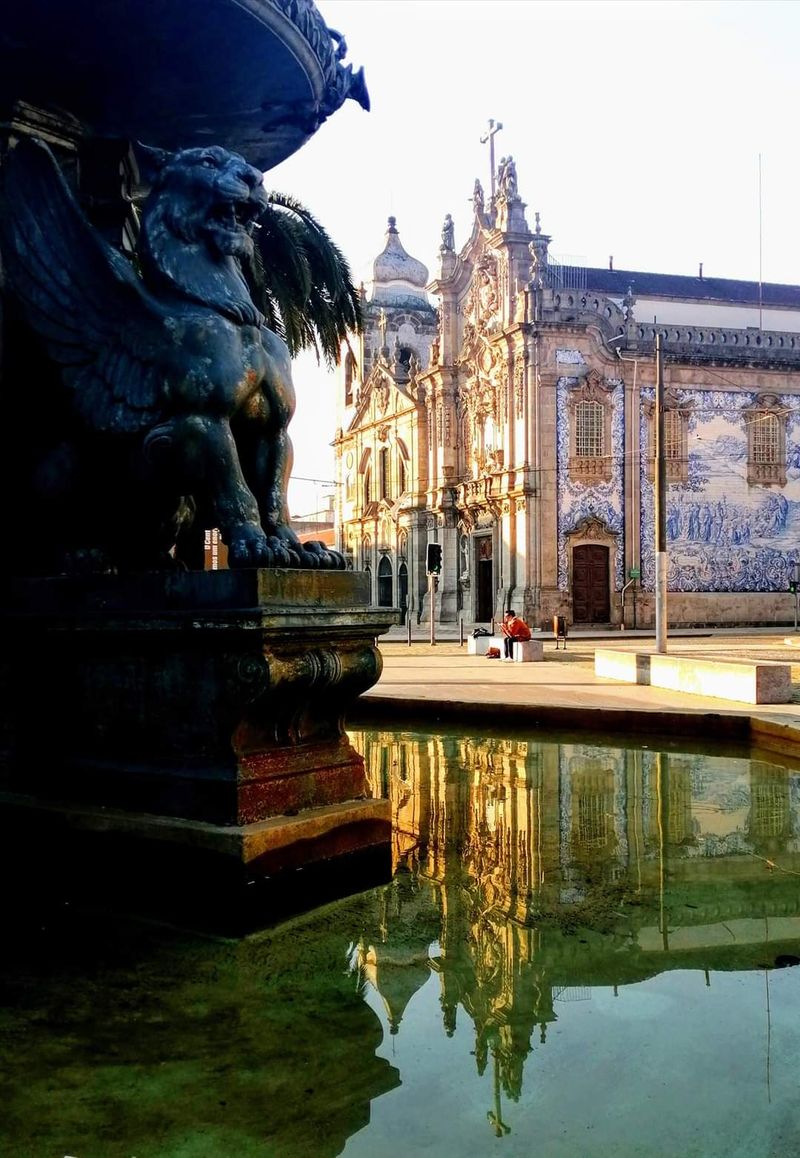
Porto’s riverfront still qualifies as a deal despite growing popularity. At £304.66, it ranks among the top ten values and claims the title of Western Europe’s cheapest option alongside Lisbon.
The Douro River winds through the city, spanned by dramatic bridges and lined with port wine cellars in Vila Nova de Gaia.
Ribeira district tumbles down to the water in a cascade of narrow houses painted in faded pastels. Laundry flutters from wrought-iron balconies, and tile-covered facades catch the afternoon sun.
The neighborhood feels lived-in rather than museumified, with locals still outnumbering tourists on most streets.
Port wine cellars offer tours and tastings at reasonable prices, explaining the fortification process and aging in oak barrels. Crossing the double-decker Dom Luís I Bridge provides panoramic views worth the vertigo.
The upper level carries a metro line, while pedestrians brave the lower deck’s walkway.
Francesinha, Porto’s signature sandwich, layers meat and cheese under a beer-and-tomato sauce that’s either brilliant or insane depending on your perspective. Livraria Lello’s art nouveau interior inspired Harry Potter’s Hogwarts library, though now you need tickets to enter.
Lille, France
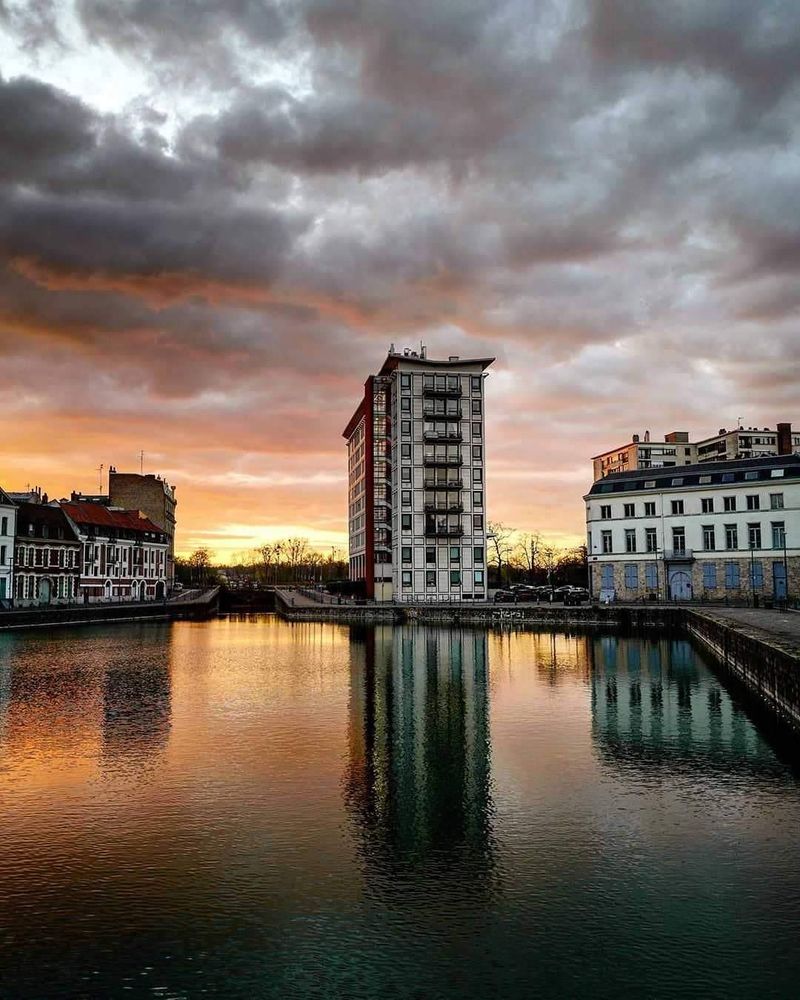
Lille delivers French charm without Parisian attitudes or prices. Ranked sixth at £293.26, it offers a brilliant base for exploring northern France and Belgium by train.
Flemish architecture dominates the old town, reflecting centuries when this region bounced between French and Spanish control.
The Grand Place square showcases ornate buildings that look more Amsterdam than Paris, their gabled facades painted in creamy yellows and reds. The Vieille Bourse, a 17th-century merchant exchange, now hosts book vendors and chess players in its arcaded courtyard.
Weekend markets sprawl across multiple squares, selling everything from antiques to North African spices.
Museums include the Palais des Beaux-Arts, France’s second-largest fine arts collection after the Louvre, with works spanning medieval to modern. The admission price wouldn’t cover a coffee in most Parisian museums.
Lille’s food scene blends French and Flemish influences in dishes like carbonnade flamande and local cheeses that deserve wider recognition.
Brussels sits 35 minutes away by train, Paris under 90 minutes. The Eurostar stops here, making Lille an easy addition to UK-France itineraries.
The city’s compact size means you can walk most places.
Girona, Spain
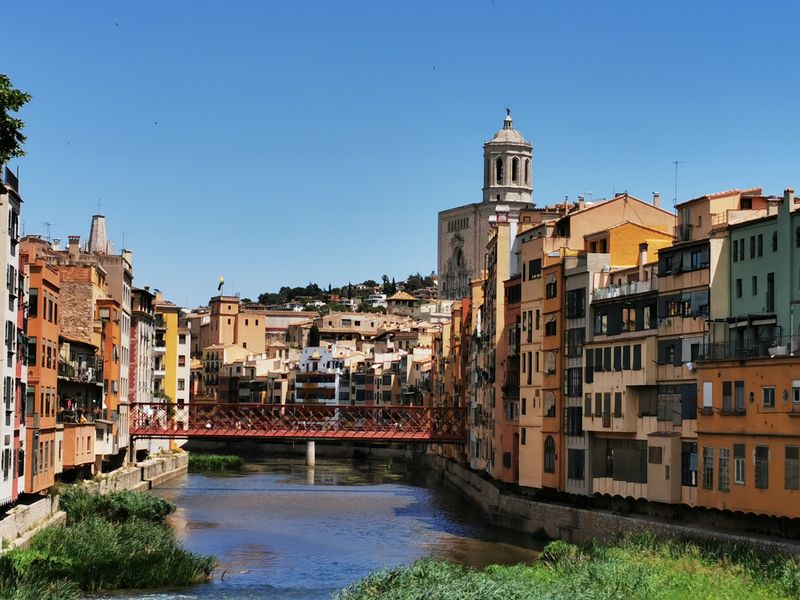
Girona captures Barcelona’s energy in a more manageable package. Expedia named it a 2025 Detour Destination as travelers seek alternatives to overcrowded hotspots.
Flight searches increased as word spread about this Catalan city that rewards wandering without requiring crowd-navigation skills.
The Onyar River splits the city, its banks lined with houses painted in shades that photograph beautifully from the stone bridges connecting both sides. The Call, Girona’s Jewish quarter, preserves one of Europe’s best-preserved medieval Jewish neighborhoods, its narrow lanes and stone arches creating atmospheric passages.
Game of Thrones filmed scenes here, which brought attention but hasn’t yet destroyed the authentic atmosphere.
The cathedral’s baroque facade hides a Gothic interior with the widest nave in the world, a technical achievement that still impresses architects. Arab Baths demonstrate Romanesque design inspired by earlier Moorish structures, their columns and domed chambers offering cool respite from summer heat.
Restaurants serve Catalan cuisine at prices that make Barcelona seem overpriced in comparison. The city’s size means you can explore thoroughly in a long weekend, then use it as a base for Costa Brava beaches or Pyrenees day trips.



