 Unearth The Voyage
Religion plays a big role in shaping communities, traditions, and everyday life across the United States. Some states stand out for having especially strong ties to faith, with high rates of church attendance, prayer, and religious belief.
From the Bible Belt to the Mountain West, these states reflect a deep and lasting connection to spirituality. Here is a look at the 15 most religious states in America, based on data from surveys like those conducted by the Pew Research Center.
1. Mississippi
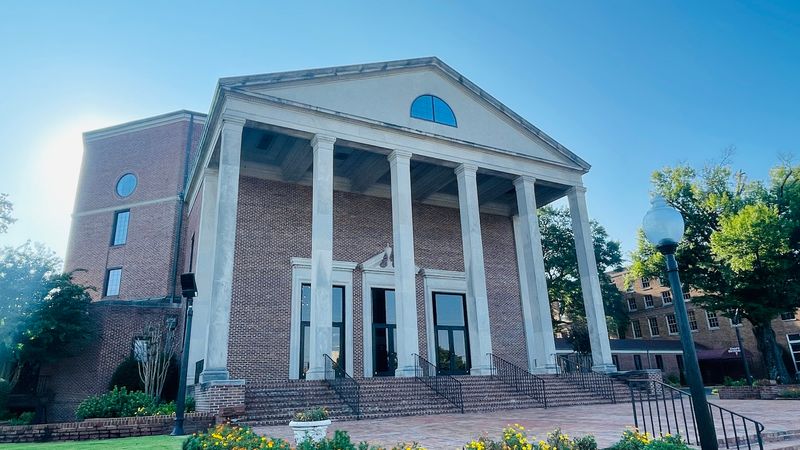
No state in America comes close to Mississippi when it comes to religious devotion. Surveys consistently rank it as the most religious state in the country, with around 77% of residents identifying as highly religious.
Church is not just a Sunday tradition here; it is woven into the fabric of daily life.
Mississippi has more churches per capita than almost any other state. Baptist congregations are especially common, though Catholic, Methodist, and Pentecostal communities also thrive here.
Faith shapes local politics, education, and community events in powerful ways.
For many Mississippians, religion provides a strong sense of belonging and purpose. Community meals, gospel music, and prayer groups are regular parts of life.
The state’s deep spiritual roots have helped hold tight-knit communities together through generations of change and challenge.
2. South Carolina
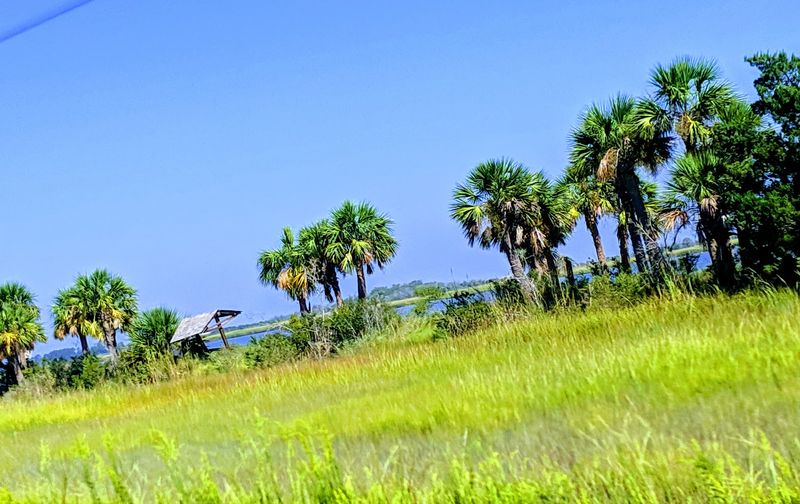
South Carolina earned its spot near the top of this list with good reason. About 70% of residents describe themselves as highly religious, making faith one of the defining characteristics of life in the Palmetto State.
Church attendance on Sundays is simply part of the weekly rhythm for most families.
Baptist, Methodist, and Presbyterian churches dot the landscape from the coast to the Upstate region. The state has a long history of religious revivals dating back to the colonial era.
That heritage continues to influence how communities gather, celebrate, and support one another.
Religion also shapes civic life in South Carolina in meaningful ways. Charitable organizations tied to churches provide food, shelter, and education for thousands of residents each year.
Faith here is not just personal; it is a shared community commitment that runs deep across every county.
3. South Dakota
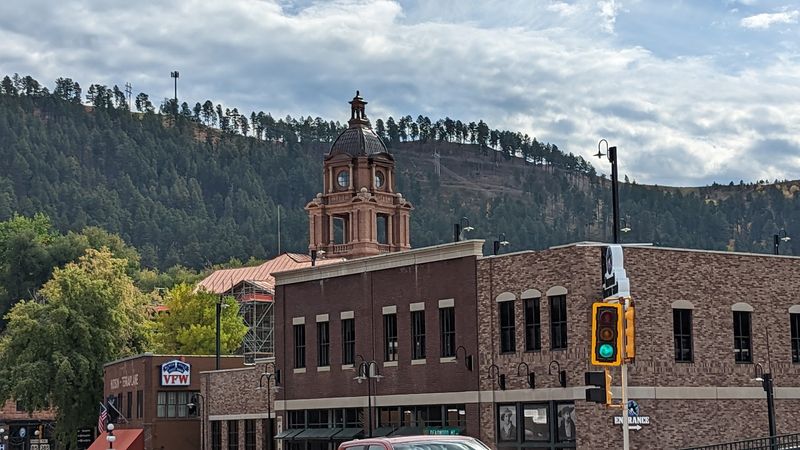
South Dakota might surprise some people on this list, but the numbers tell a clear story. Around 67% of adults in the state identify as highly religious, placing it firmly among the most faith-driven states in the nation.
Lutheran and Catholic traditions run especially deep here, shaped by the European immigrant communities that settled the plains.
Native American spiritual traditions also play an important role in South Dakota’s religious landscape. Many communities blend indigenous practices with Christian faith in ways that are unique to this region.
That diversity of belief adds richness to the state’s spiritual identity.
Small-town churches across South Dakota serve as community anchors. They host everything from holiday celebrations to grief support groups.
For many residents, especially in rural areas, the local church is where neighbors become family and where life’s most meaningful moments are marked and remembered.
4. Louisiana
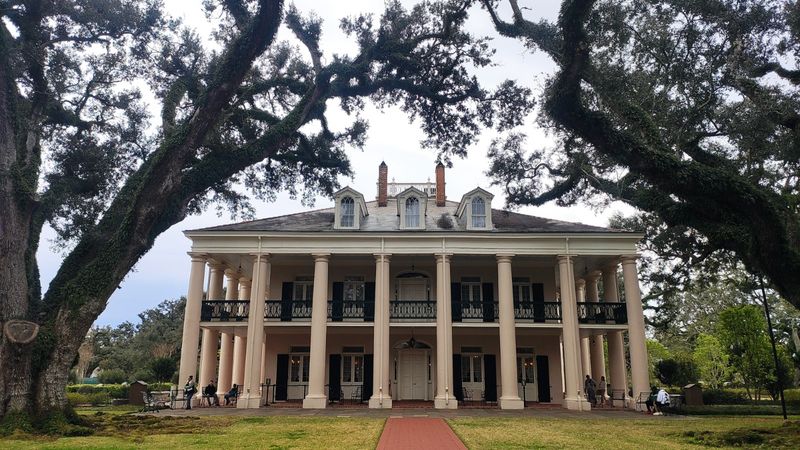
Louisiana brings a flavor to faith that is unlike anywhere else in America. The state’s strong Catholic roots, rooted in French and Spanish colonial history, give it a religious identity that mixes tradition, culture, and celebration.
About 71% of Louisiana adults describe themselves as highly religious.
New Orleans is famous for Mardi Gras, but few outsiders realize just how deeply Catholic that festival actually is. It marks the beginning of Lent, a season of fasting and reflection.
Throughout the year, religious holidays are observed with food, music, and community gatherings that blend the sacred and the joyful.
Outside the cities, rural Louisiana communities are anchored by Baptist and Pentecostal churches alongside Catholic parishes. Faith here is expressive and communal.
Whether it is a gospel choir shaking the rafters or a quiet Mass at sunrise, Louisiana takes its religion seriously and celebrates it with soul.
5. Tennessee
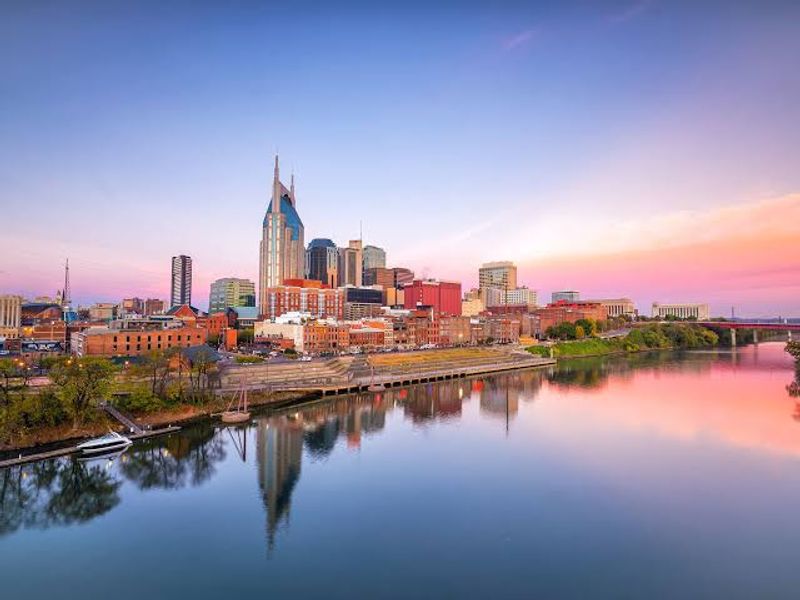
Tennessee is home to Nashville, often called the buckle of the Bible Belt, and the city lives up to that nickname in every sense. About 73% of Tennessee adults identify as highly religious, and the state has more Christian recording artists, ministries, and religious publishers than almost anywhere else in the world.
Country music and Christianity have always shared deep roots in Tennessee culture. Gospel music, in particular, has shaped the sound of American faith for over a century.
Churches range from small country chapels to massive megachurches drawing thousands of worshippers every week.
Tennessee’s faith communities are also active in social causes, running food banks, addiction recovery programs, and youth outreach efforts across the state. For residents here, religion is not just a belief system; it is a way of organizing community life, expressing identity, and caring for neighbors in practical, everyday ways.
6. Utah
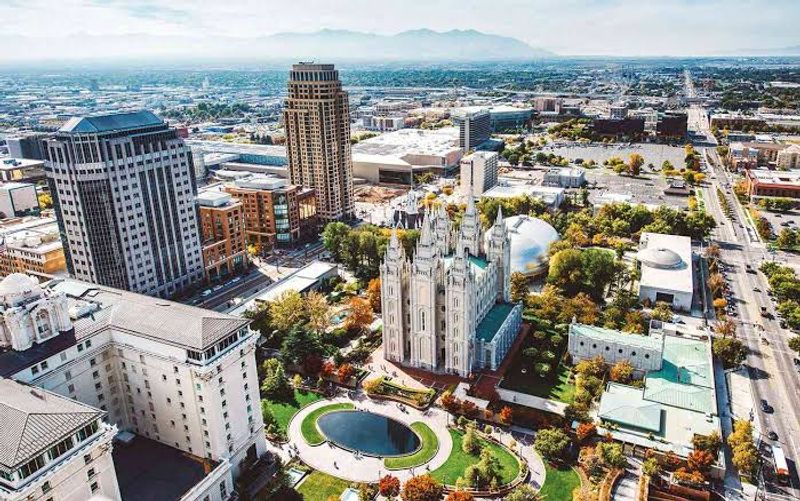
Utah stands apart from every other state on this list because of one defining feature: the Church of Jesus Christ of Latter-day Saints, commonly known as the LDS or Mormon Church. About 68% of Utah adults identify as highly religious, and roughly 60% of the state’s population are members of the LDS faith.
Salt Lake City serves as the worldwide headquarters of the LDS Church, making Utah a global center of religious life. Church teachings shape family values, community norms, and even local laws in noticeable ways.
Alcohol regulations, Sunday business hours, and community service expectations all reflect the church’s influence.
LDS communities are known for strong family bonds, volunteer service, and missionary work that sends young members around the world. Utah’s religious culture is organized, ambitious, and deeply communal.
Even non-LDS residents often describe feeling the influence of faith in the state’s overall culture and sense of shared responsibility.
7. North Carolina
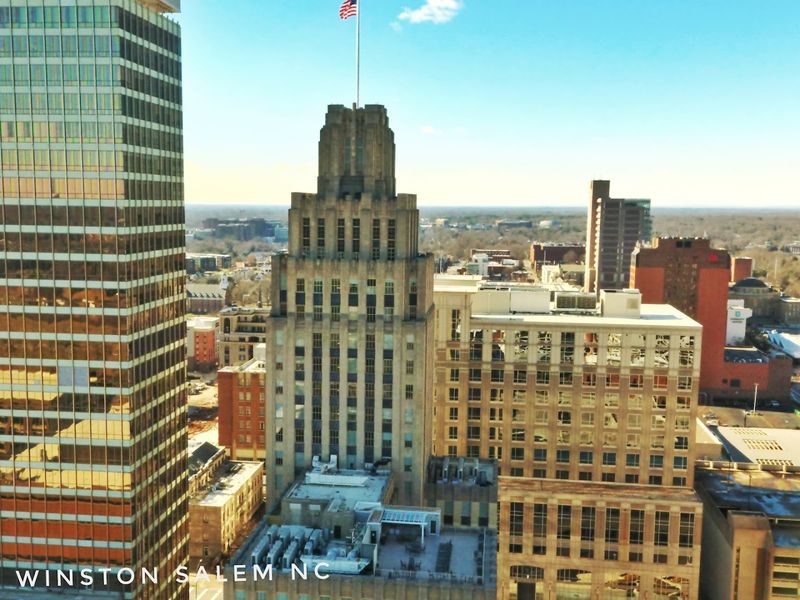
North Carolina has long been a stronghold of Protestant Christianity. About 65% of adults in the state identify as highly religious, and Baptist churches are especially prominent across both rural and urban communities.
The state was also home to Billy Graham, one of the most influential Christian evangelists of the 20th century.
Graham’s legacy still looms large in North Carolina. The Billy Graham Library in Charlotte draws hundreds of thousands of visitors each year.
His influence helped shape not just the state’s spiritual culture but American evangelical Christianity as a whole.
Beyond famous figures, everyday faith is what defines religious life in North Carolina. Families gather for Wednesday night Bible study, communities rally around church fundraisers, and high school football games often begin with a moment of prayer.
Religion here is personal, practical, and deeply embedded in how people show up for one another every single day.
8. Arkansas
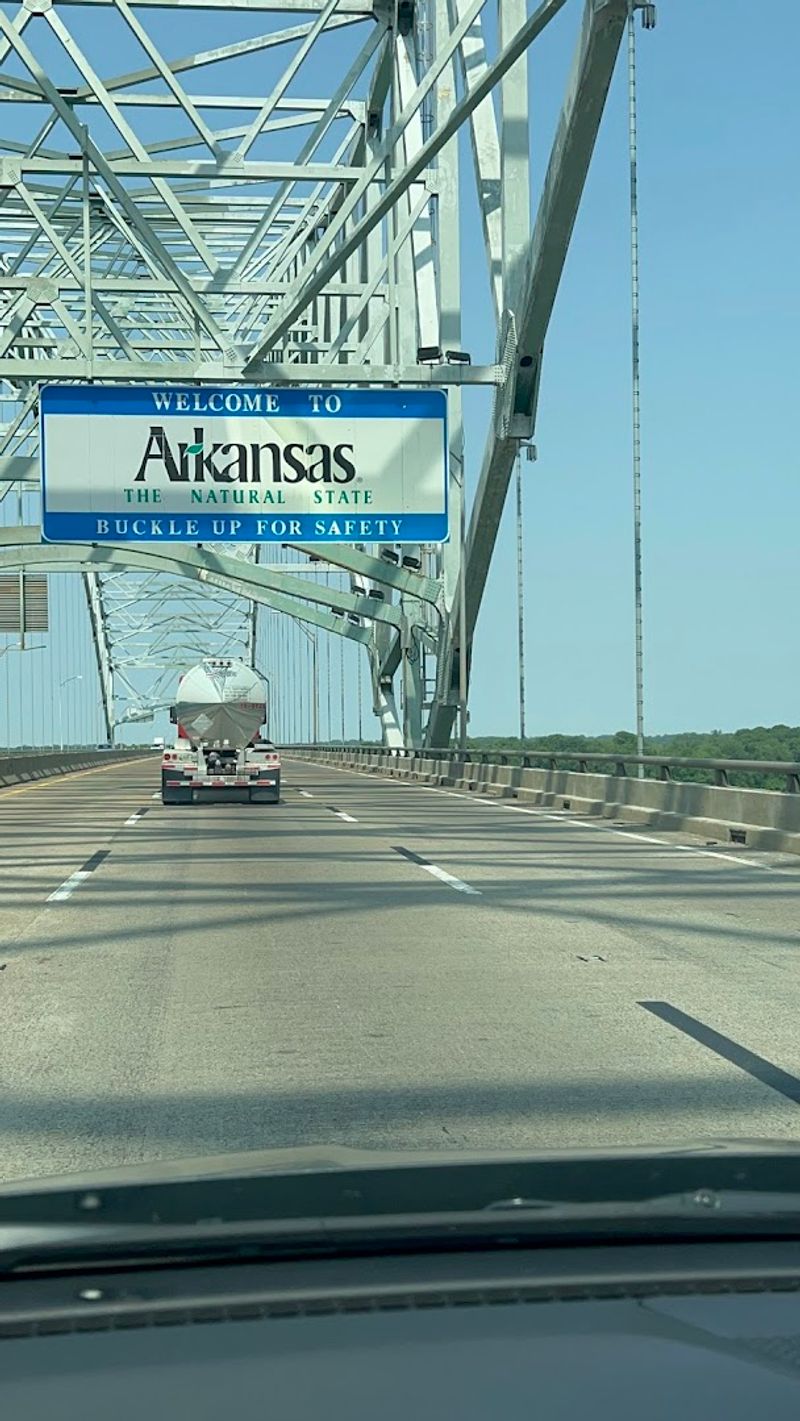
Arkansas may be one of the smaller states in the country, but its religious identity is anything but small. About 70% of Arkansas adults describe themselves as highly religious, ranking it consistently among the top five most devout states in national surveys.
The Natural State takes faith seriously, from its smallest rural towns to its largest cities.
Baptist congregations dominate the religious landscape, though Pentecostal, Methodist, and Church of Christ communities are also widespread. Sunday morning church attendance is treated as a given in many households, not a choice.
Local churches serve as the social and spiritual backbone of countless communities.
Arkansas is also known for its gospel music tradition and outdoor religious gatherings, including summer revivals held in fields and fairgrounds. These events bring entire communities together for music, preaching, and fellowship.
Faith in Arkansas feels organic and heartfelt, shaped by generations of families who have passed their beliefs down like treasured heirlooms.
9. Alabama
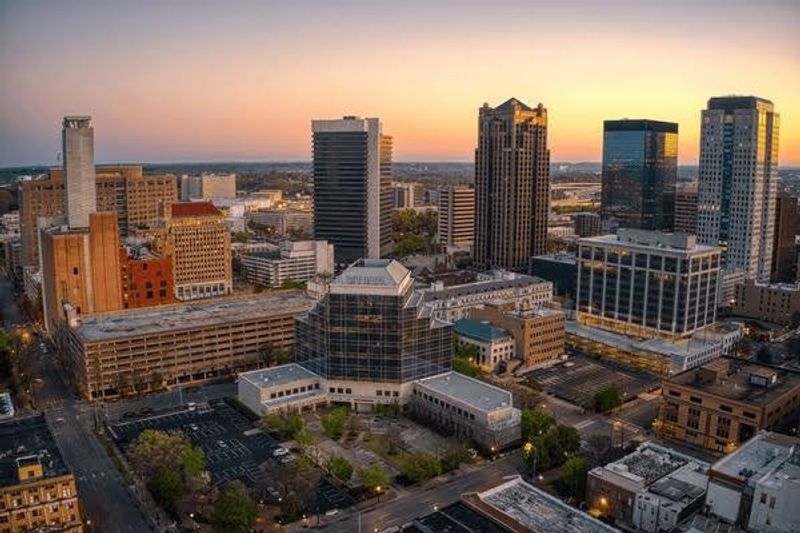
Alabama wears its faith proudly. With roughly 77% of adults identifying as highly religious, it consistently ties with Mississippi at the very top of national religiosity rankings.
The state’s motto, “We Dare Defend Our Rights,” could just as easily apply to the way Alabamians defend their faith traditions.
Baptist churches are the most common, but Alabama’s religious landscape also includes a rich tradition of African American church life that played a central role in the Civil Rights Movement. Churches in Birmingham, Selma, and Montgomery were not just places of worship; they were command centers for social change.
Today, that legacy continues through faith communities that remain deeply involved in education, justice, and community development. Sunday services in Alabama are often full-day events with music, fellowship meals, and passionate preaching.
Religion here is vibrant, communal, and inseparable from the state’s history and ongoing identity.
10. Kansas
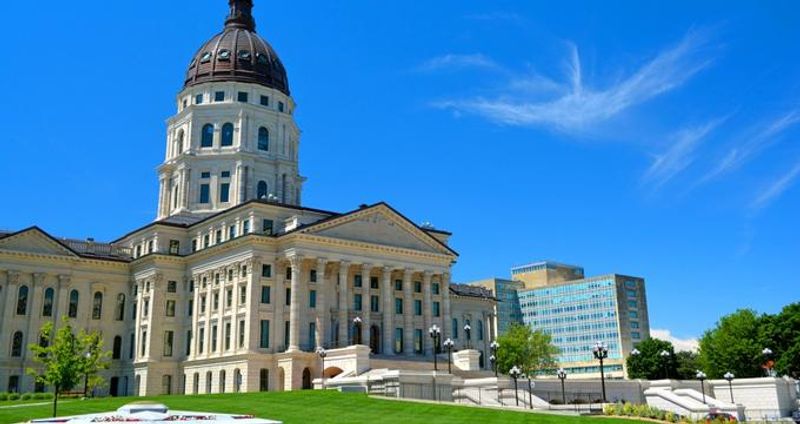
Kansas has a quiet but firm religious identity that reflects the values of its farming communities and small towns. About 63% of adults in the state identify as highly religious.
Protestant Christianity, particularly Methodist and Baptist traditions, has shaped Kansas culture since the state was first settled in the mid-1800s.
The state’s history includes intense debates over issues tied directly to religious belief, from the temperance movement of the 19th century to modern discussions about science and faith in public schools. Kansas has never been shy about letting religious values enter the public square.
For most Kansas residents, though, religion is simply a quiet, steady part of life. Families attend church regularly, grace is said before meals, and community events often revolve around church calendars.
The flat, open landscape of Kansas seems to invite reflection, and for many who live there, faith is as natural and constant as the wind.
11. Kentucky

Kentucky blends Southern charm with deep Appalachian faith traditions to create a religious culture that is both warm and earnest. About 63% of Kentucky adults identify as highly religious.
Baptist and evangelical Christian communities are by far the most common, though Catholic and Pentecostal congregations also have a strong presence.
The state is home to some notable religious landmarks, including the Creation Museum and the Ark Encounter in Williamstown, which draws millions of visitors who hold a literal interpretation of the Bible. These attractions highlight just how central faith-based worldviews are to Kentucky’s public identity.
In smaller towns and rural hollows, religion is the thread that holds communities together. Church potlucks, Vacation Bible School, and homecoming celebrations are beloved annual traditions.
Kentucky’s faith is unpretentious and rooted in family. It is the kind of belief that gets passed down at the kitchen table, not just the church pew.
12. Oklahoma
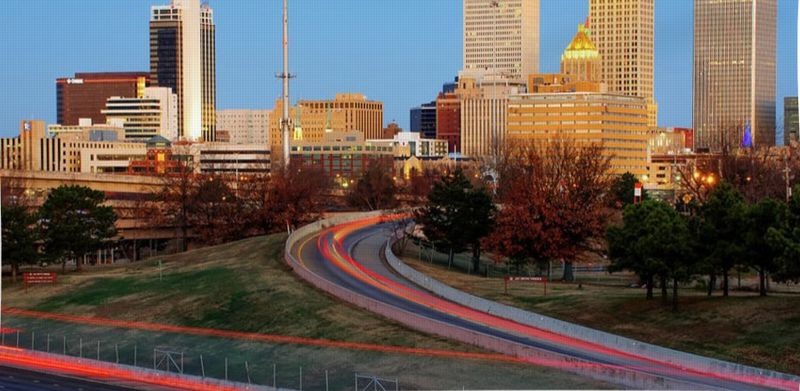
Oklahoma has a bold, expressive religious culture that reflects the state’s frontier spirit and its deeply rooted Christian heritage. Around 66% of Oklahoma adults identify as highly religious.
The state sits squarely in the Bible Belt and takes that designation seriously, with churches appearing on what seems like every other street corner in cities and small towns alike.
Tulsa, in particular, has a remarkable concentration of megachurches and Christian ministries. It was once home to Oral Roberts, one of the most famous televangelist preachers in American history.
His university still operates in Tulsa and remains a significant center of evangelical education and faith.
Oklahoma’s Native American communities also contribute to the state’s spiritual diversity. Many tribes maintain traditional spiritual practices alongside Christian faith.
That combination creates a layered and genuinely unique religious landscape, one where ancient traditions and modern evangelical enthusiasm exist side by side in meaningful ways.
13. West Virginia
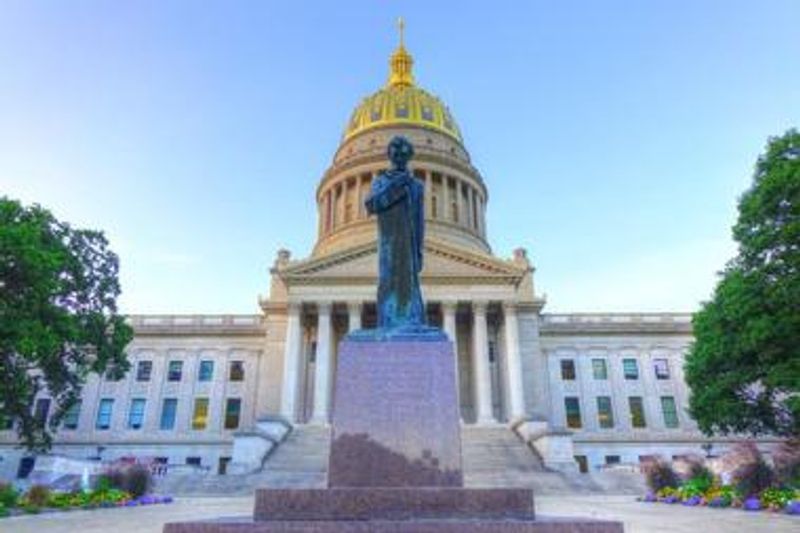
West Virginia may be one of the nation’s poorest states economically, but it is rich in faith. About 65% of adults identify as highly religious, and the state has one of the highest rates of church attendance in the country.
For many West Virginians, especially in rural mountain communities, the local church is the center of social and spiritual life.
Baptist and Pentecostal traditions are especially strong here. Pentecostal worship, in particular, is known for its passionate, expressive style, including music, healing prayers, and in some congregations, the controversial practice of serpent handling, which is rooted in a literal reading of scripture.
Faith in West Virginia provides comfort and community in regions that have faced significant economic hardship. Churches organize food pantries, after-school programs, and recovery support groups.
Religion here is not ceremonial; it is survival-level serious. For many families, it is the one constant that holds life together through the hardest of times.
14. Georgia
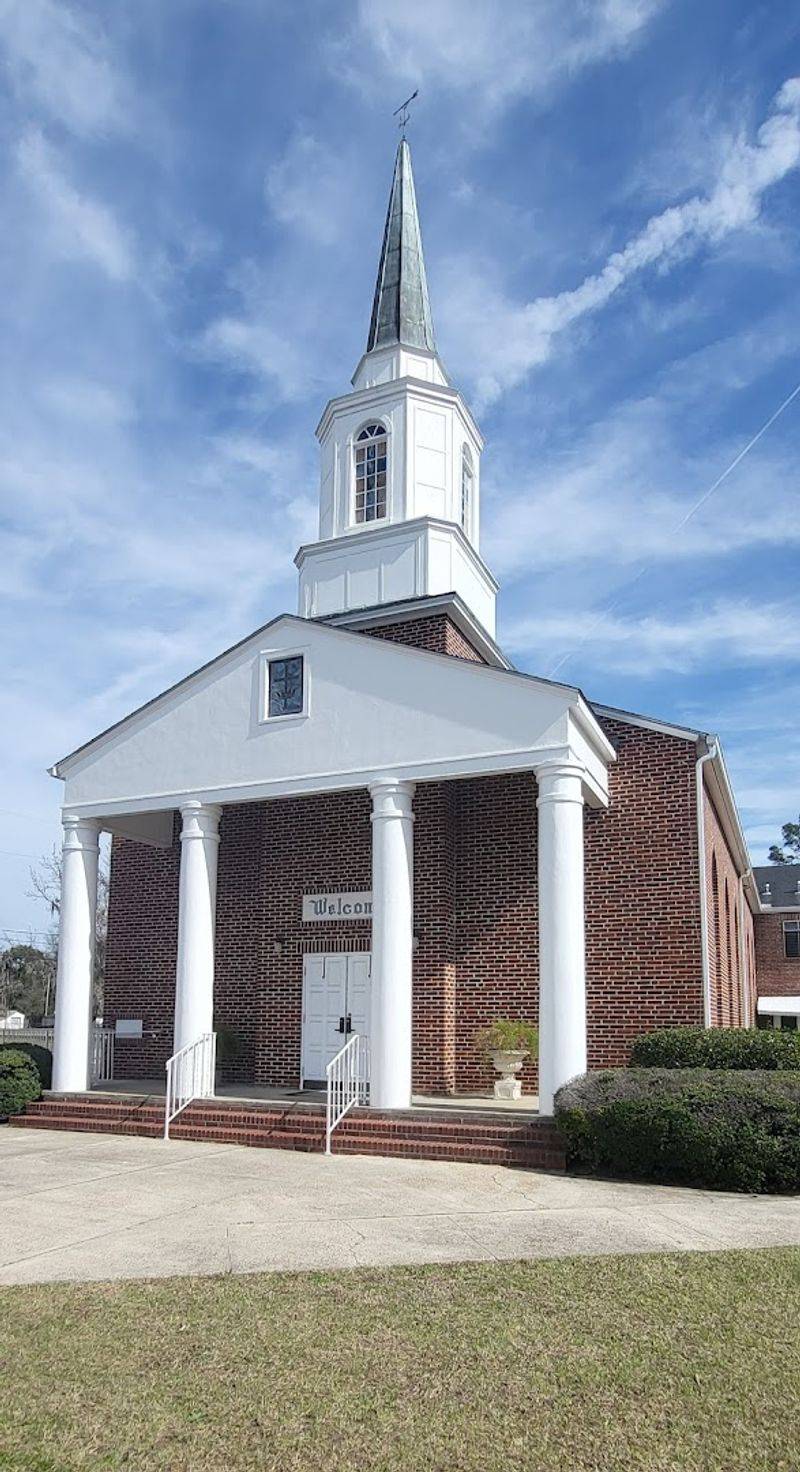
Georgia is a state where faith and culture are nearly impossible to separate. About 66% of adults identify as highly religious, and the Atlanta metropolitan area alone is home to hundreds of large, influential churches.
Georgia is also the birthplace of Martin Luther King Jr., whose Christian faith was the moral engine of the Civil Rights Movement.
The Black church tradition in Georgia is especially powerful. Congregations like Ebenezer Baptist Church in Atlanta have shaped not just local spiritual life but American history.
Gospel music, civil rights activism, and community service all flow from that tradition in ways that still matter today.
Outside Atlanta, smaller Georgia communities rely on churches for nearly everything, from hurricane relief to high school graduation ceremonies. Faith here is social, political, and deeply personal all at once.
Georgia’s religious energy is hard to miss whether you are in a rural county or standing in the middle of a booming city.
15. Idaho
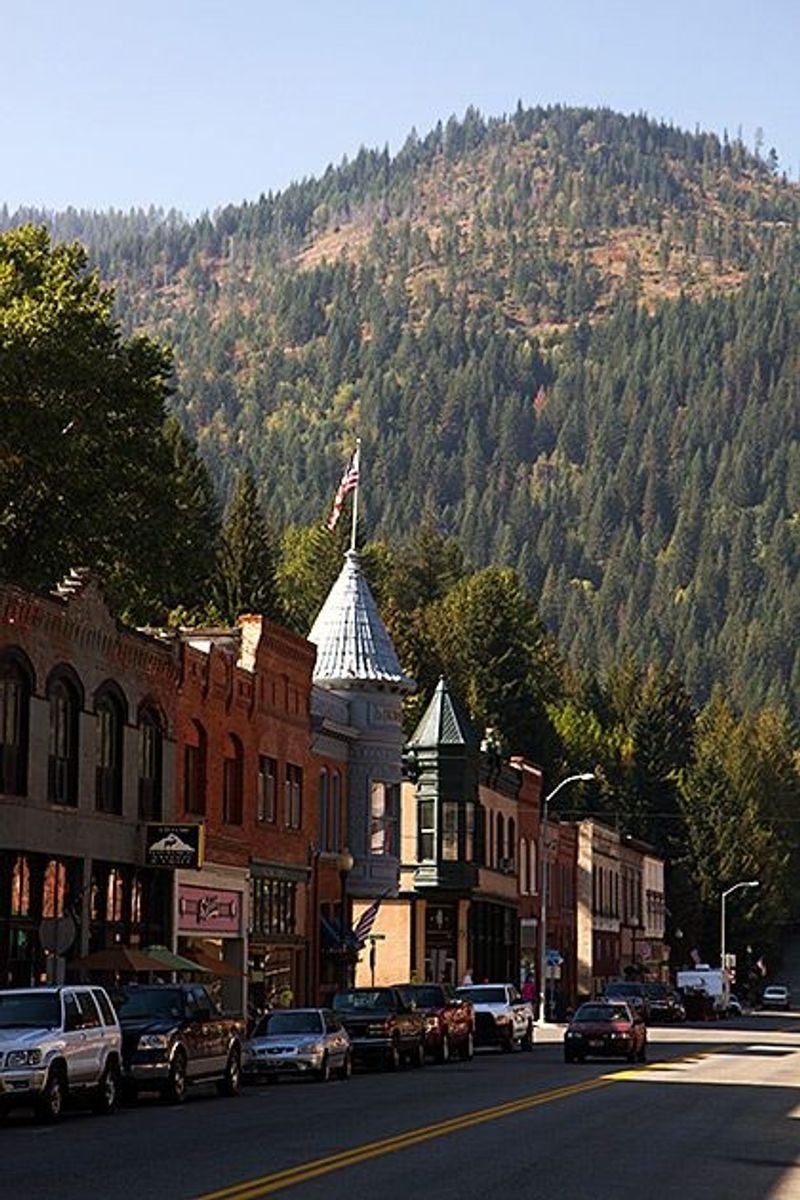
Idaho might not be the first state that comes to mind when you think of religion, but the data tells a different story. About 64% of Idaho adults identify as highly religious, driven in large part by the significant LDS population in the state.
Idaho has one of the highest concentrations of Latter-day Saint members outside of Utah.
LDS meetinghouses are a common sight in cities and small towns across southern Idaho. The faith emphasizes family, community service, and clean living, values that align well with Idaho’s overall culture of self-reliance and tight-knit neighborhoods.
Church activities often double as community events, bringing families together throughout the week.
Beyond the LDS community, evangelical Protestant and Catholic congregations also have a strong presence in Idaho. Rural farming communities especially lean on faith as a source of stability and identity.
In Idaho, religion tends to be lived quietly but consistently, woven into the rhythms of everyday family life.



