Not every state drinks the same amount of beer, and the differences are bigger than you might expect. Researchers measure beer consumption by tracking ethanol content per person, which gives a clearer picture than just counting total cans and bottles sold.
Some of the top-ranking states are small and rural, while a few big-population states land surprisingly low on the list. Whether you live in a high-ranking state or a low one, this breakdown shows just how differently Americans approach their beer-drinking habits from one region to the next.
New Hampshire
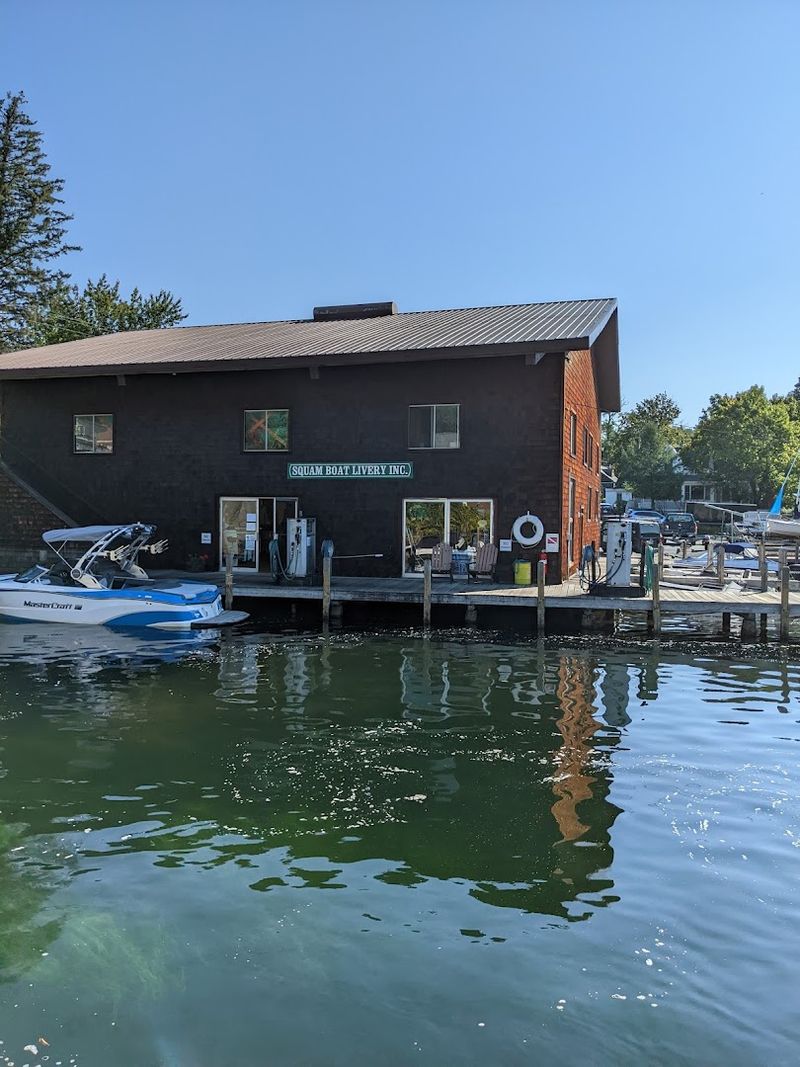
New Hampshire holds the top spot in the country for beer consumption per capita, recording 1.60 gallons of ethanol from beer per person in 2023. That is a figure no other state comes close to matching, and the reasons behind it go beyond just local drinking habits.
One major factor is the state’s lack of an alcohol sales tax. Shoppers from Massachusetts, Vermont, and other nearby states regularly cross the border to buy alcohol in New Hampshire, where prices run lower.
Those purchases get counted in New Hampshire’s sales data, which pushes the per-capita number higher than it might otherwise be.
So the ranking reflects a mix of genuine local consumption and regional shopping behavior. New Hampshire essentially functions as a discount alcohol destination for a chunk of New England.
That border-shopping effect makes it genuinely difficult to separate local drinking habits from out-of-state purchases in the final numbers.
Montana
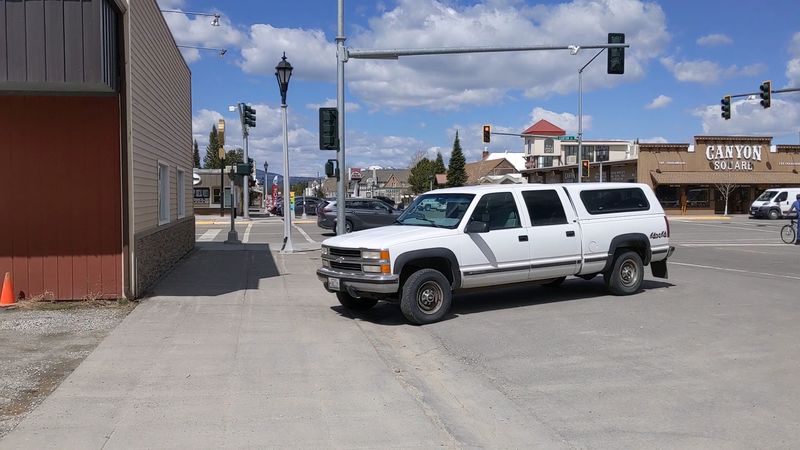
Montana lands in second place with 1.53 gallons of ethanol from beer per capita, putting it just behind New Hampshire and ahead of every other Western state on the list. The gap between first and second is relatively small, which makes Montana a genuinely strong performer in this ranking.
The state fits a broader pattern that shows up clearly in the data: less densely populated Northern and Western states tend to cluster near the top of the per-capita beer list. Montana has a large land area but a small population, so per-capita figures can shift noticeably based on consumption trends in just a handful of communities.
Montana also has a growing craft brewery scene, with small-batch producers operating across cities like Missoula, Billings, and Bozeman. That local brewing culture likely contributes to beer’s strong presence in the state.
The combination of rural lifestyle, craft beer growth, and regional culture keeps Montana consistently near the top.
Vermont
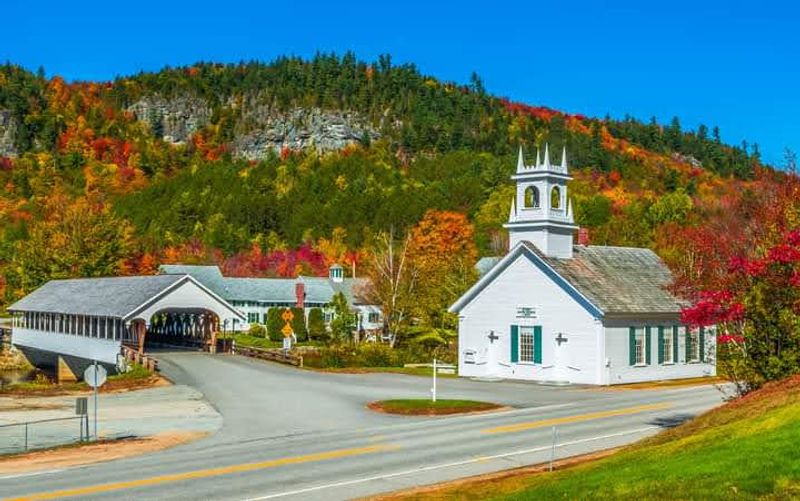
Vermont ranks third nationally with 1.50 gallons of ethanol from beer per capita, a figure that stands out even more when you consider how small the state’s population actually is. Vermont has fewer than 650,000 residents, yet it punches well above its weight in the beer-consumption rankings.
The state has become one of the most recognized names in American craft brewing. Vermont is home to breweries that draw visitors specifically for their beer, and the farm-to-glass movement fits naturally into the state’s agricultural identity.
That culture has helped build a beer scene that goes far beyond what the population size alone would suggest.
Per-capita rankings tell a very different story than total-volume rankings, and Vermont is the clearest example of that gap. In raw volume, Vermont would not appear anywhere near the top.
But when you adjust for population, it becomes one of the most beer-focused states in the entire country.
North Dakota
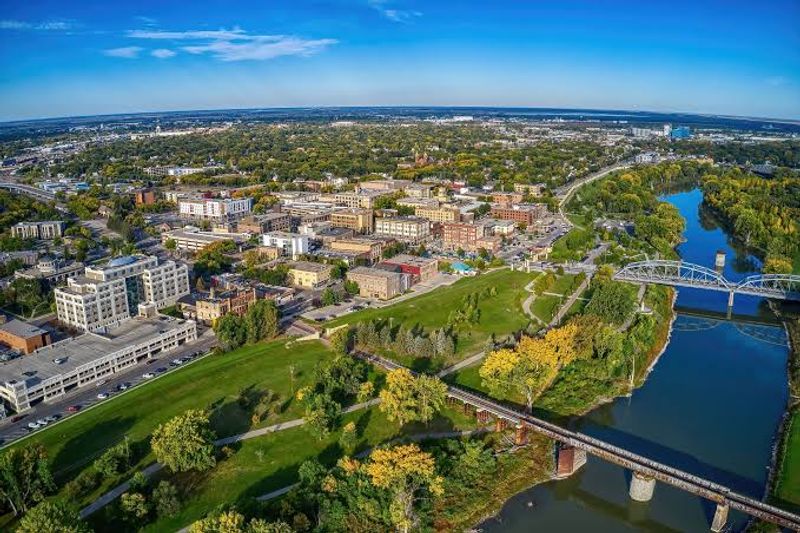
North Dakota comes in fourth with 1.33 gallons of ethanol from beer per capita, continuing the pattern of smaller-population Northern states ranking high once the numbers are adjusted per person. It sits comfortably ahead of most states that have far larger populations and more well-known beer cultures.
Like Montana, North Dakota has a wide land area relative to its population. That demographic reality means individual consumption habits carry more weight in the per-capita calculation.
A modest shift in drinking patterns across a small population can move a state significantly up or down the list.
North Dakota’s position also helps define what the beer-consumption map looks like across the Northern Plains. The region as a whole trends high, and North Dakota anchors that zone alongside Montana and nearby states.
Its fourth-place finish is a reminder that beer culture does not require a major metro area or a nationally known brewing scene to show up in the data.
Oregon
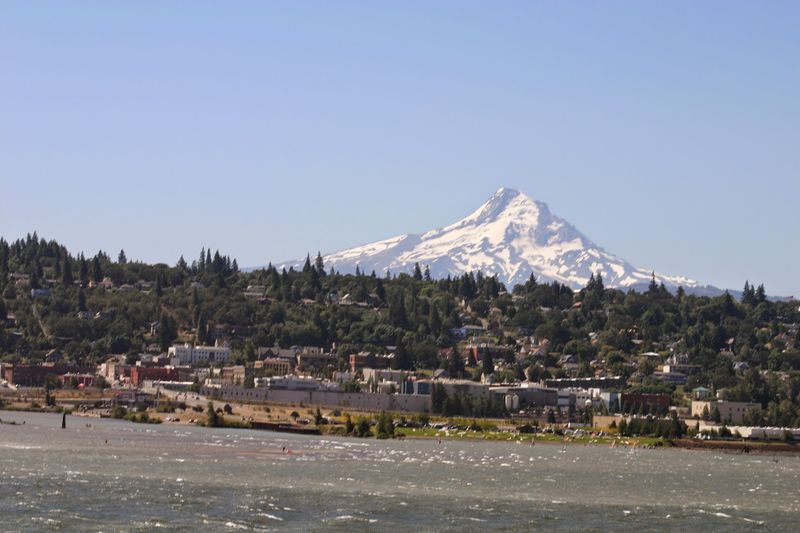
Oregon ranks fifth with 1.32 gallons of ethanol from beer per capita, making it the highest-placed West Coast state in this per-capita ranking. That distinction matters, especially given how much California dominates conversations about West Coast food and drink culture.
Portland has long been recognized as one of the most beer-forward cities in the United States. The city has a high concentration of breweries relative to its population, and the Pacific Northwest more broadly has embraced craft beer as part of its regional identity for decades.
Oregon helped pioneer the American craft brewing movement in the 1980s, and the state has never really looked back.
Beyond Portland, cities like Bend, Eugene, and Ashland have developed their own brewery communities. Oregon’s combination of hop-growing agriculture in the Willamette Valley and a deeply rooted craft beer culture gives it a strong and well-supported claim to fifth place on this list.
Pennsylvania

Pennsylvania ranks sixth with 1.31 gallons of ethanol from beer per capita, and what makes this placement different from most others near the top is the state’s size. Pennsylvania has over 13 million residents, so ranking this high per capita while also moving large total volumes of beer is genuinely notable.
In total beer volume, Pennsylvania ranks fourth nationally according to VinePair’s data. That combination of high per-capita and high total-volume performance is rare among the states on this list.
Most top per-capita states are small, so Pennsylvania’s double showing reflects a widespread beer culture rather than a concentrated one.
The state has a long brewing history going back to German and Eastern European immigrant communities that settled in cities like Philadelphia, Pittsburgh, and Allentown. That heritage helped establish beer as a deeply embedded part of Pennsylvania’s social fabric.
Today, a strong craft brewery scene adds to a tradition that has been building for well over a century.
Nevada
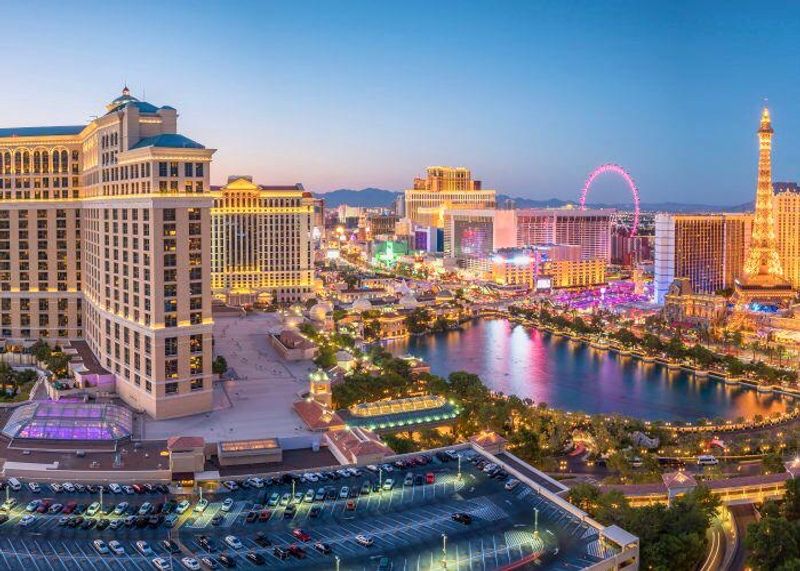
Nevada lands at seventh with 1.26 gallons of ethanol from beer per capita, and this ranking comes with an important asterisk. The state’s consumption figures are heavily influenced by tourism, and Nevada draws tens of millions of visitors every year, particularly to Las Vegas.
The National Institute on Alcohol Abuse and Alcoholism specifically flags tourist-heavy states as places where consumption estimates can be inflated. When visitors purchase beer in Nevada, those sales get counted in the state’s data even though the buyers live somewhere else entirely.
That effect can push the apparent per-capita figure higher than it would be if only residents were counted.
Still, seventh place is a real result, and Nevada’s hospitality and entertainment economy means beer flows through its markets at a consistently high rate. Whether the driver is residents, conventioneers, or weekend visitors, the sales numbers land Nevada firmly in the top tier of beer-consuming states by the per-capita measure used in this ranking.
Louisiana
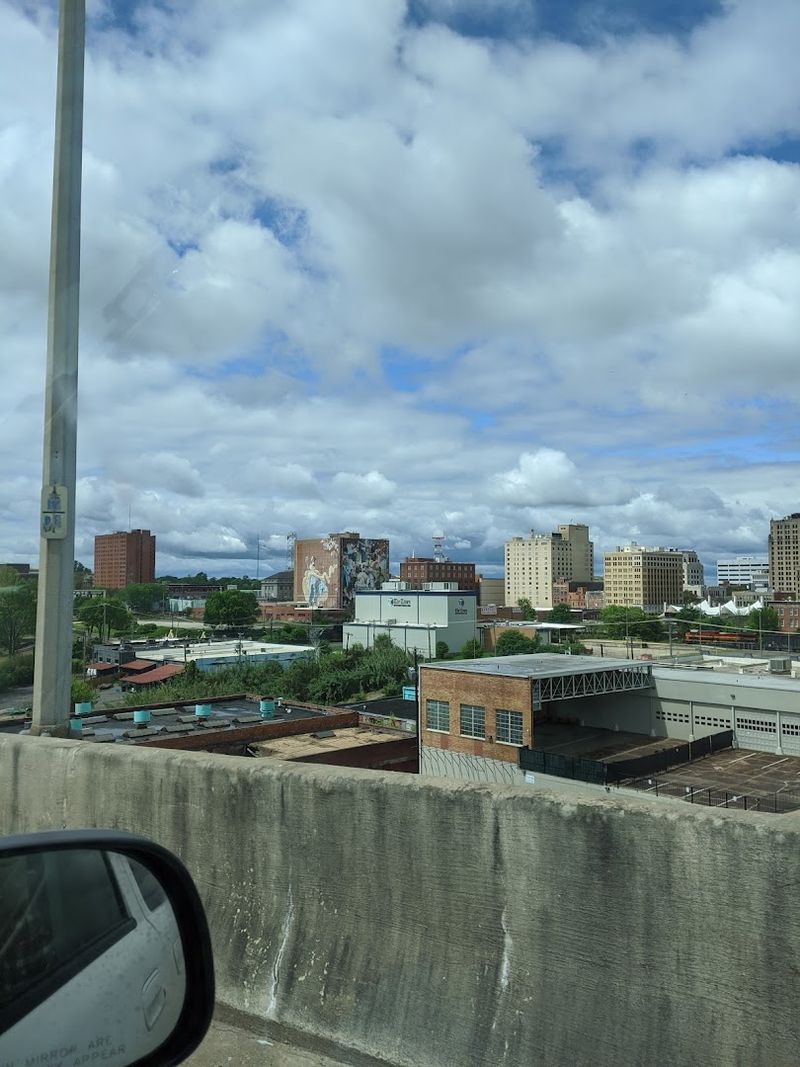
Louisiana ranks eighth with 1.21 gallons of ethanol from beer per capita, making it the highest-placing Southern state on this list. That distinction carries some weight in a region where several states land in the middle or lower portions of the ranking.
The state has a deeply embedded food and social culture that centers around festivals, outdoor gatherings, and communal celebrations. Mardi Gras in New Orleans is the most internationally recognized example, but Louisiana hosts major events throughout the year that draw both residents and visitors into high-consumption social settings.
Beer is a consistent part of that picture.
Louisiana also ties with Maine at the same per-capita figure, which creates an interesting pairing: a Gulf Coast Southern state and a Northern New England state landing at exactly the same point on the consumption map. The reasons behind each state’s number are quite different, but the outcome in the data is identical.
That overlap makes the eighth-place slot one of the more interesting spots on the list.
Maine
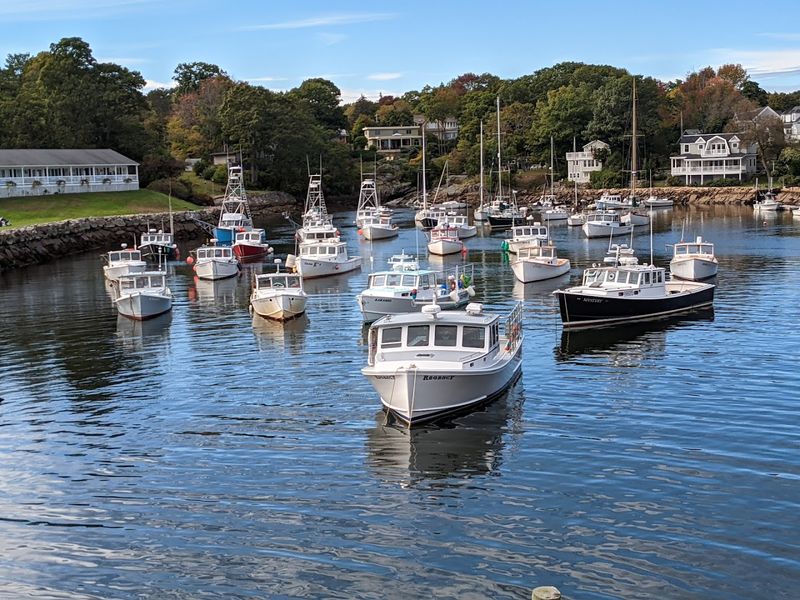
Maine records 1.21 gallons of ethanol from beer per capita, placing it in a tie with Louisiana and just outside the top eight in VinePair’s ordering of the data. For a state with fewer than 1.4 million people, that figure represents a strong per-capita performance that reflects real consumer behavior.
Maine fits a pattern that runs through the entire Northern New England region. New Hampshire ranks first, Vermont ranks third, and Maine slots in just behind them.
That regional clustering is one of the more striking geographic takeaways from this data, because three small neighboring states all land near the very top of a national per-capita ranking.
Maine has also developed a respected craft brewery scene over the past two decades, with producers in Portland, Bangor, and smaller coastal communities drawing both local customers and beer-focused tourists. The combination of a tight-knit regional drinking culture and a growing craft industry keeps Maine well above the national average in per-capita beer consumption.
Hawaii
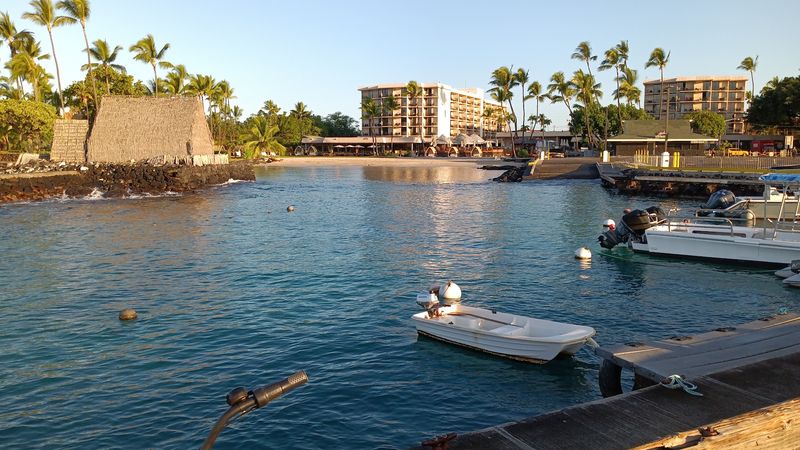
Hawaii rounds out the top 10 with 1.20 gallons of ethanol from beer per capita, a figure that places it ahead of several large, well-known beer states including Wisconsin, Colorado, and California. For a state most associated with tropical cocktails and resort culture, that beer ranking may come as a surprise.
Tourism plays a role here, just as it does in Nevada. Hawaii welcomes millions of visitors each year, and consumption estimates are based on sales and shipments rather than individual surveys of residents.
That means visitor spending gets folded into the state’s per-capita figure even though those buyers are not Hawaii residents.
The state also has a growing local craft brewery presence, with producers on multiple islands serving both residents and the steady stream of travelers moving through. Hawaii’s top-10 finish shows that even a state with a relatively small permanent population can rank high when tourism volume and a developing local beer culture work together in the same direction.
Rhode Island
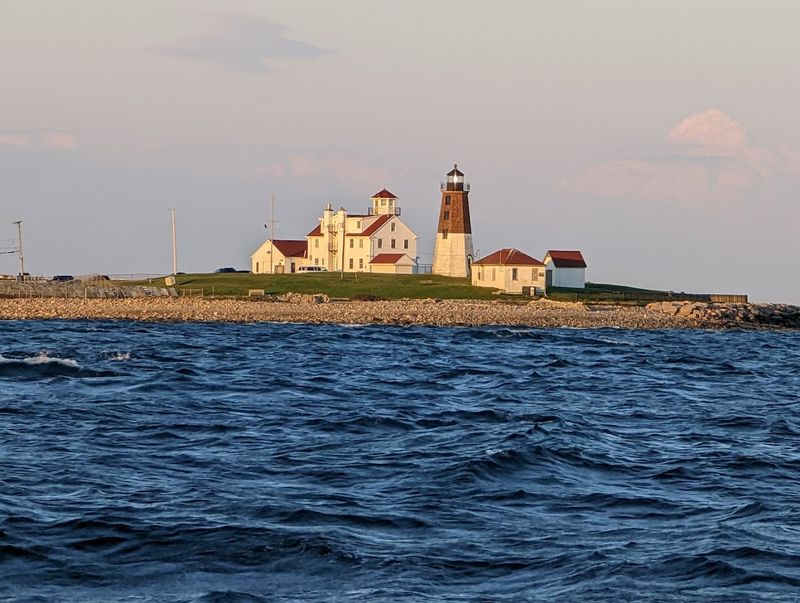
Rhode Island sits near the bottom of the national beer-consumption ranking with 0.68 gallons of ethanol from beer per capita. That places it 49th when Washington D.C. is included in the full table, or third-lowest among the 50 states alone.
For the smallest state in the country by land area, that low figure is worth examining.
Small size does not automatically explain a low per-capita ranking, because the per-person calculation already accounts for population. Rhode Island’s number reflects actual consumption patterns relative to its residents, not just the fact that fewer people live there overall.
Something about the state’s market, culture, or demographics pushes beer consumption below the national average.
Rhode Island shares its low-ranking neighborhood with Connecticut and Maryland, forming a small cluster of Northeastern states that land well below the regional leaders like New Hampshire and Vermont. The contrast within New England alone is striking: some states in the same region rank near the very top, while others sit close to the bottom.
Maryland

Maryland records 0.67 gallons of ethanol from beer per capita, which puts it among the lowest-ranking states in the country. Among the 50 states, only Utah posts a lower per-capita figure in VinePair’s ranking.
That places Maryland in some unusual company for a state with a large and diverse population.
Maryland has over six million residents, which makes its low per-capita placement especially interesting. Many of the states near the top of the list are small and rural, where a modest number of heavy consumers can move the per-person average significantly.
Maryland does not have that dynamic; it is a large, suburban-heavy state with a major metro area anchored by the Baltimore region and proximity to Washington D.C.
The per-capita data changes the picture entirely compared to total-volume data. Maryland’s size means it moves a fair amount of beer in raw numbers, but spread across its large population, the individual average comes in well below what most people might expect from a Mid-Atlantic state with a strong sports culture.
Idaho

Idaho records 0.69 gallons of ethanol from beer per capita, placing it just above Rhode Island and Maryland in the lower tier of the national ranking. What makes Idaho’s position particularly interesting is the contrast it creates with its immediate neighbor to the east.
Montana ranks second in the entire country with 1.53 gallons per capita, while Idaho sits near the bottom with 0.69. Those two states share a long border and some geographic similarities, yet their beer-consumption profiles could not be more different.
That gap raises real questions about how state-level culture, demographics, and retail environments shape drinking habits even across short distances.
Idaho’s low ranking is not driven by unusually strict alcohol laws compared to Utah, which ranks last. It appears to reflect a genuine difference in consumer behavior relative to the rest of the country.
Idaho lands in a cluster of low-ranking states that spans both the Northeast and the Mountain West, showing that geography alone does not predict where a state will fall.
Connecticut
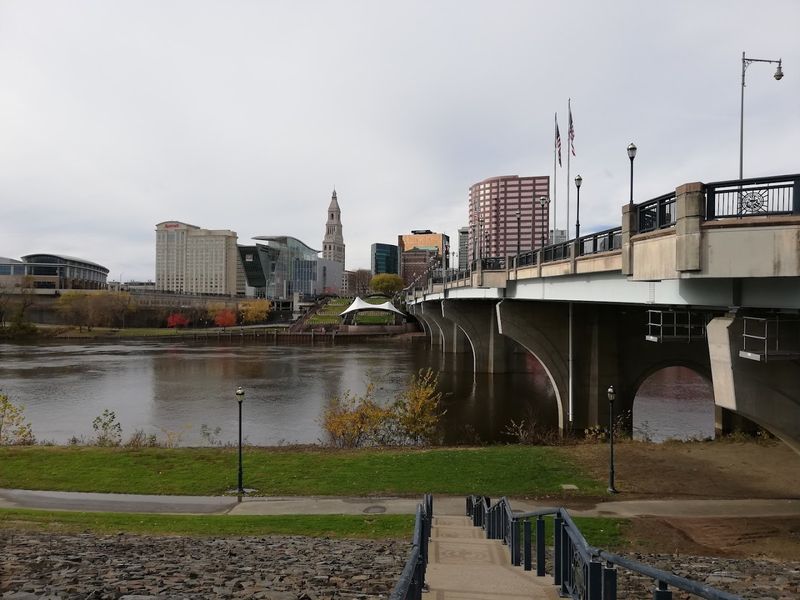
Connecticut comes in at 0.70 gallons of ethanol from beer per capita, placing it in the lower portion of the national ranking alongside Rhode Island and Massachusetts. The state helps pull several Northeastern states toward the bottom of the beer-consumption map, which creates a sharp regional split.
That split within New England is one of the more counterintuitive findings in this data. New Hampshire, Vermont, and Maine all rank in the top nine nationally.
Connecticut, Rhode Island, and Massachusetts cluster near the bottom. These states share a region, a climate, and in some cases a border, yet their per-capita beer consumption figures sit on completely opposite ends of the spectrum.
Connecticut’s relatively high household incomes, suburban character, and proximity to New York City may influence its consumer patterns in ways that push beer below the levels seen in more rural Northern states. The state is not the lowest in the country by any measure, but its placement is a clear reminder that regional assumptions about drinking culture often do not hold up when you look at the actual numbers.
Utah
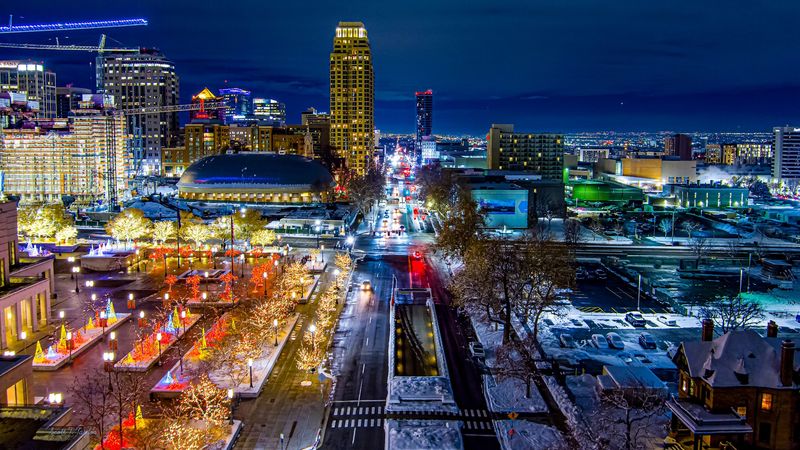
Utah ranks last on this list with just 0.46 gallons of ethanol from beer per capita. That number is not just the lowest among the 50 states; it is dramatically lower than New Hampshire’s top figure of 1.60 gallons.
The gap between first and last is more than three times the size of Utah’s own number.
Utah is consistently associated with stricter alcohol regulations, which reflect the cultural and religious values of a significant portion of its population. The state has historically maintained lower alcohol limits in certain products and more restricted retail environments compared to most of the country.
Those structural factors show up clearly in the consumption data.
VinePair notes that Utah regularly lands at the low end of per-capita alcohol rankings across multiple categories, not just beer. The state’s last-place finish here is not a surprise to anyone who follows alcohol policy or demographic research.
What the data does underscore is just how wide the range of American beer-drinking habits really is when you put all 50 states side by side.
Share this story