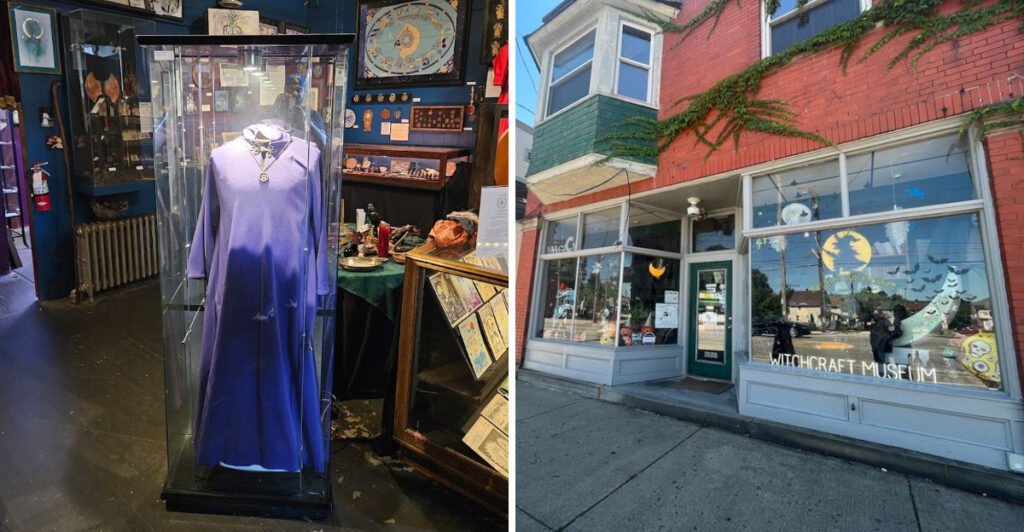
There is a place in Cleveland, Ohio, where history, mystery, and magick all share the same roof, and it is unlike anything else in the country. Tucked along Broadview Road, this one-of-a-kind museum holds a collection that started back in 1966 and has grown into something truly extraordinary.
It is the kind of spot that makes you slow down, look closer, and ask questions you never thought to ask before. Whether you are a longtime practitioner, a curious history lover, or simply someone who appreciates the rare and unusual, this place has something that will genuinely surprise you.
The Story Behind America’s First Witchcraft Museum
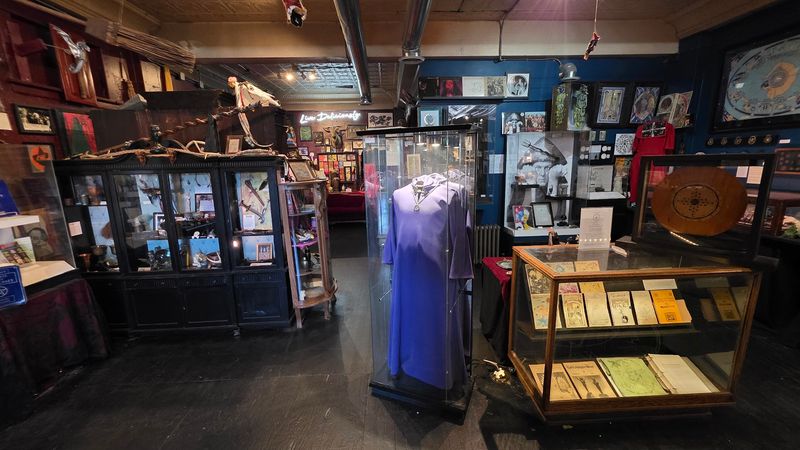
Raymond Buckland did not set out to build a museum when he started collecting in 1966. He simply had a deep passion for the craft, and over decades, that passion turned into one of the most remarkable personal collections ever assembled in the United States.
Buckland, a British-born author and practitioner, is widely credited with bringing Wicca to America. His collection grew to include hundreds of ritual tools, manuscripts, artwork, and ceremonial objects that tell the full story of witchcraft and its evolution across cultures.
After his passing, the collection found a permanent home at 2155 Broadview Rd, Cleveland, where it is now preserved and shared with the public. The museum officially holds the title of America’s first museum dedicated entirely to witchcraft and magick, making it a genuinely historic landmark that deserves far more national attention than it currently receives.
Who Was Raymond Buckland and Why Does It Matter
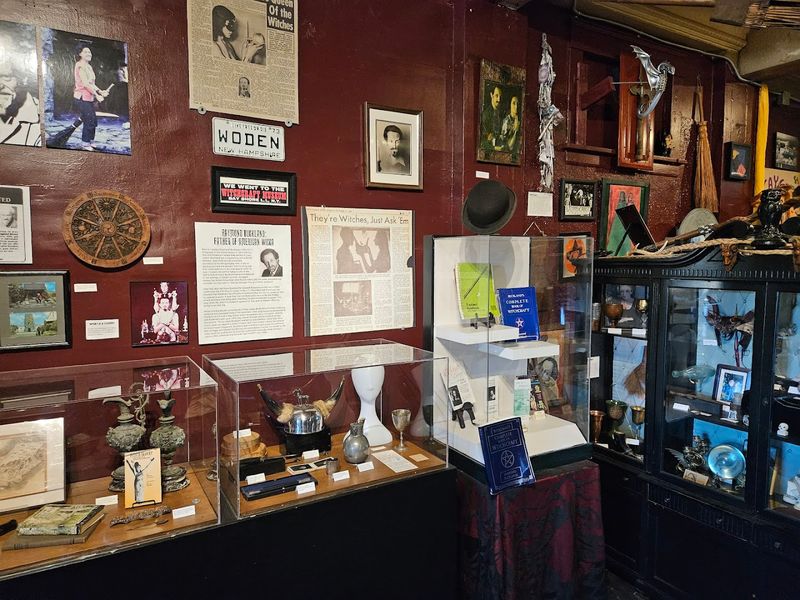
Raymond Buckland arrived in the United States in 1962, and within just a few years, he had introduced the Wiccan religion to an entire continent. That is not a small thing.
Before Buckland, formal Wiccan practice was almost entirely confined to the United Kingdom.
He studied directly under Gerald Gardner, the man often called the father of modern Wicca, and brought those teachings across the Atlantic with conviction and care. Buckland went on to write more than 65 books on witchcraft, the occult, and related subjects, many of which are still in print today.
His influence on American spiritual culture is hard to overstate. The museum bearing his name is not just a collection of old objects; it is a living archive of a man who genuinely changed how millions of people think about spirituality, ritual, and the natural world.
That context transforms every artifact on display.
What to Expect When You Walk Through the Door
The building on Broadview Road is modest from the outside, and that is part of its charm. You walk in through a storefront that doubles as an apothecary-style shop, and the atmosphere shifts almost immediately.
The scent of the space, the soft lighting, and the carefully arranged displays all signal that you are somewhere genuinely different.
The shop section up front carries crystals, books, tarot cards, clothing, and various ritual supplies. It serves as a warm-up before the main event, which is the museum itself located deeper inside the building.
Admission to the museum portion is ten dollars at the door, or eight dollars if you book your tour ticket online in advance through the museum’s website at bucklandmuseum.org. The online booking option is worth using, especially on busy weekends, since tours can fill up.
Plan to arrive a few minutes early so you can browse the shop without feeling rushed before your tour begins.
The Museum Hours and Best Times to Visit
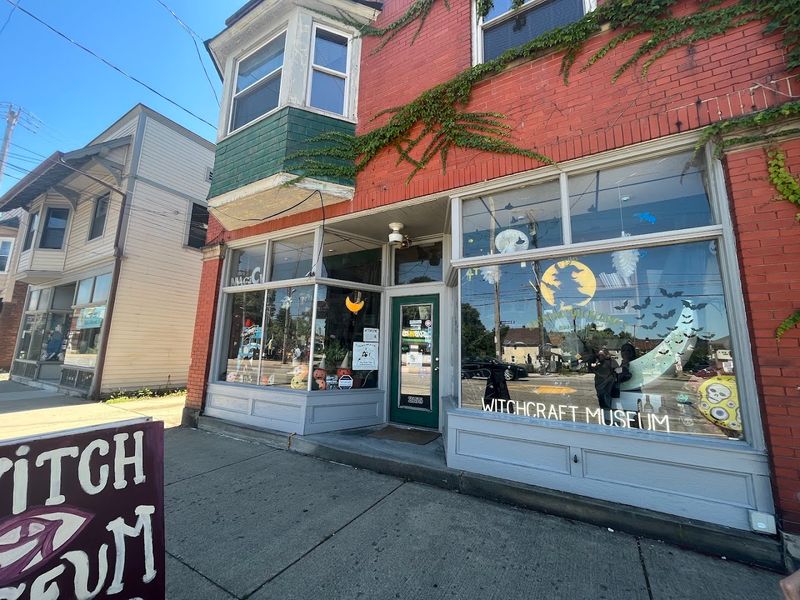
Getting the timing right before your visit will make the whole experience smoother. The museum is open Tuesday and Monday from noon to 6 PM, Thursday from noon to 6 PM, Friday and Saturday from noon to 7 PM, and Sunday from noon to 4 PM.
Wednesday is the one day it stays closed each week.
Friday and Saturday evenings tend to draw more visitors, which can add a fun social energy to the space. If you prefer a quieter, more personal experience, a weekday afternoon visit is usually the way to go.
Sunday hours are shorter, so keep that in mind if you are planning a weekend trip and want plenty of time to linger. The museum also hosts occasional events such as lectures, guest speakers, and demonstrations, so checking the website before your visit is a smart move.
Those events tend to sell out, and they offer a completely different layer of engagement with the collection.
Inside the Collection: Artifacts That Tell Real Stories
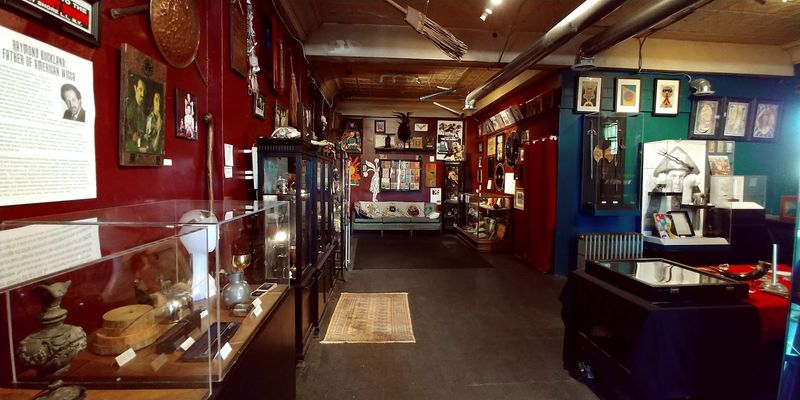
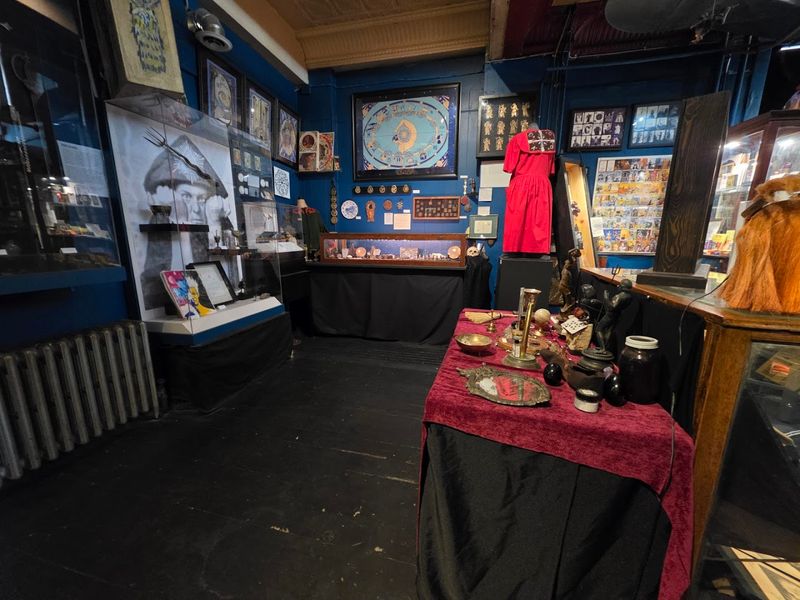
The heart of the museum is its collection, and it is genuinely packed. One large room holds hundreds of artifacts arranged in glass cases, each one connected to a specific person, tradition, or moment in the history of witchcraft and the occult.
You will find ritual tools, ceremonial robes, hand-painted artwork, antique tarot decks, talismans, and objects tied directly to Raymond Buckland’s personal practice. Some pieces date back generations, and many came from well-known figures in the occult world whose names you might recognize if you have done any reading on the subject.
What makes the collection stand out is not just its size but its depth of context. Every object has a story, and those stories connect to real people and real traditions rather than Hollywood-style fantasy.
Visitors who take time to read the accompanying information alongside each display often find themselves staying well beyond the standard tour length, pulled deeper by genuine curiosity.
The Tour Experience and How It Works
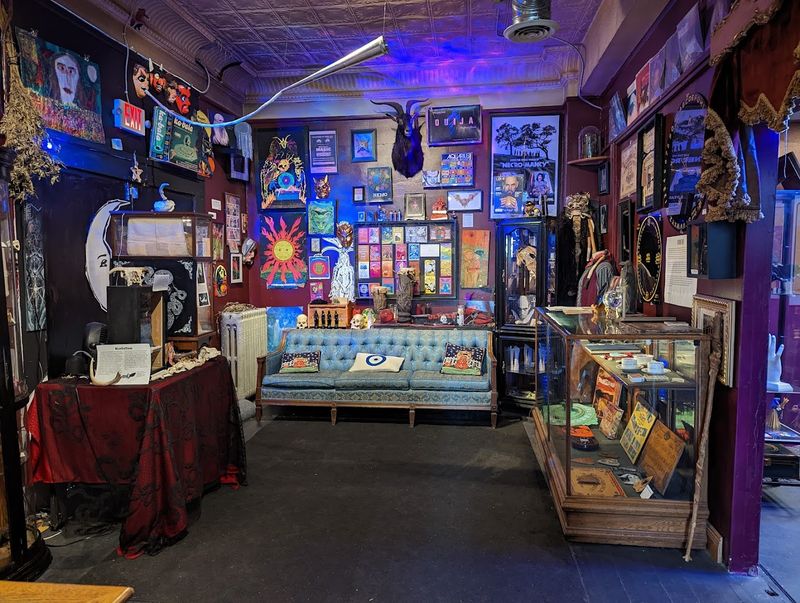
Tours at the Buckland Museum are guided, and that format makes a real difference. Rather than wandering through alone reading plaques, you get a live walkthrough that brings the collection to life with personal stories, historical context, and a healthy dose of humor.
The tour typically begins with a brief introduction to the history of Wicca and Raymond Buckland’s role in shaping American occult culture. From there, the guide moves through the exhibits, pausing at key pieces to explain their origins, their significance, and sometimes the surprising connections between them.
After the structured portion wraps up, visitors are usually free to explore at their own pace and ask questions as they come up. Most people end up spending between one and two hours total, including time in the shop.
The conversational, low-pressure format works well for first-time visitors and seasoned practitioners alike, making the whole experience feel more like a fascinating conversation than a formal lecture.
The Apothecary Shop: More Than Just Souvenirs
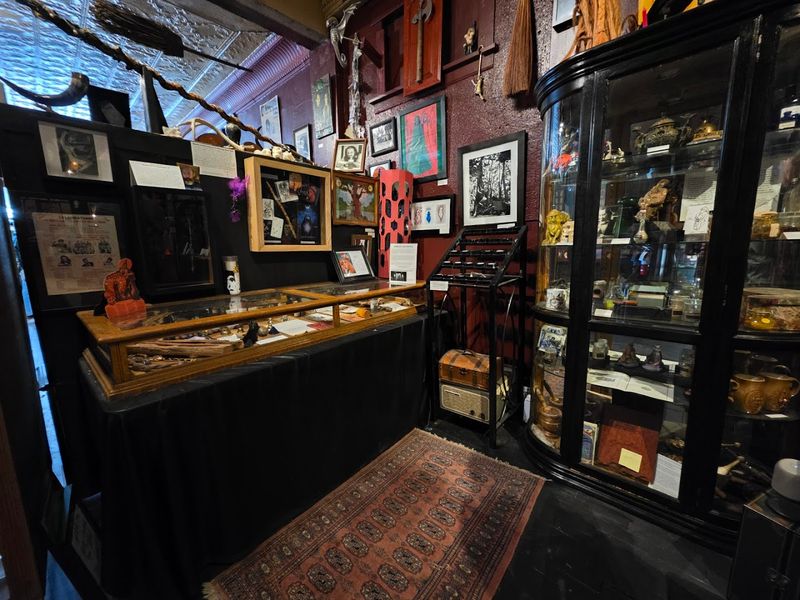
The shop at the front of the museum is worth your attention before and after the tour. It carries a curated selection of crystals, occult books, tarot decks, incense, clothing, and other items connected to witchcraft and Wiccan practice.
Crystals tend to be on the pricier side, which is common at specialty shops, but the selection is thoughtful and the quality is visible. The book section is particularly strong, with titles ranging from beginner-friendly introductions to more advanced texts on specific traditions.
The shop also carries museum-branded merchandise including t-shirts, which make for a memorable keepsake. Bringing a bit of extra spending money is a good idea since it is genuinely hard to walk out empty-handed.
All proceeds support the museum itself, so every purchase goes directly toward keeping this unique piece of American occult history open and accessible to future visitors who might not even know they need it yet.
The Wicca Connection: A Religion With American Roots Here
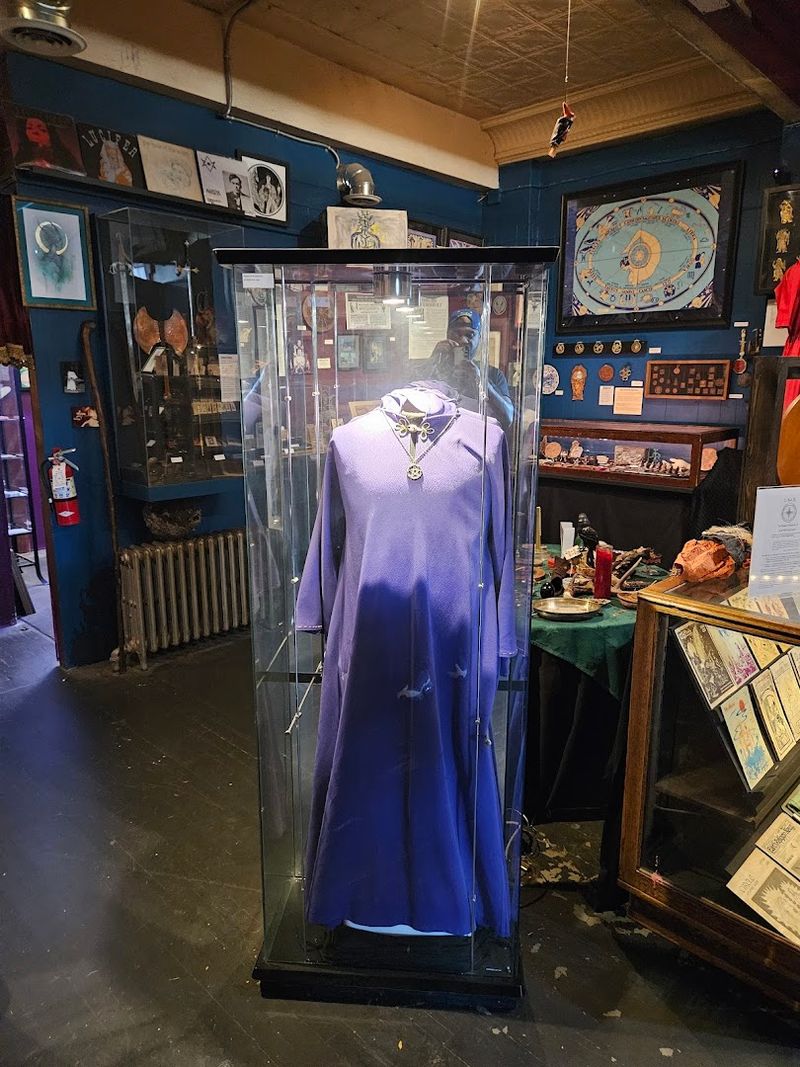
Most people do not realize that the version of Wicca practiced across the United States today traces directly back to one man and one city. Raymond Buckland’s decision to settle in the New York area in the 1960s and begin openly teaching Wiccan practices marked the beginning of a genuinely new chapter in American religious history.
Before his work, Wicca was practiced quietly and largely in secret, primarily in Britain. Buckland changed that by writing accessible books, giving interviews, and treating the religion as something worth sharing rather than hiding.
His collection reflects that mission, with artifacts and documents that show how the practice evolved and spread over decades.
The museum presents this history without sensationalism, which is one of its real strengths. Visitors who arrive expecting something theatrical often leave with a much deeper and more respectful understanding of what Wicca actually is as a spiritual tradition rooted in nature, community, and ritual practice.
Parking, Getting There, and Practical Tips
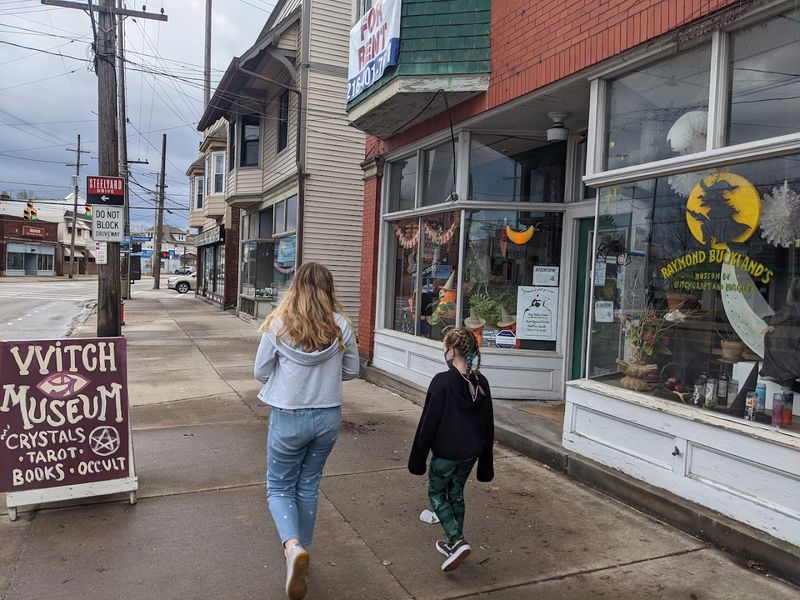
Getting to the museum is straightforward, and parking is easier than you might expect for an urban location. The museum sits on Broadview Road in the Old Brooklyn neighborhood of Cleveland, which is a quiet residential and commercial area with a very approachable feel.
There is a parking lot in the back of the building. To reach it, drive down the small driveway on the left side of the shop rather than trying to park on the street.
It is a tighter turn than it looks, so take it slowly. Street parking is also available nearby if the back lot is full on a busy day.
A few other practical notes worth keeping in mind: book your ticket online at bucklandmuseum.org to save two dollars and guarantee your spot, especially on weekends. Arriving a few minutes early gives you time to browse the shop before your tour.
The museum is small but dense, so comfortable shoes and a relaxed pace will serve you well.
Events, Lectures, and Special Programming
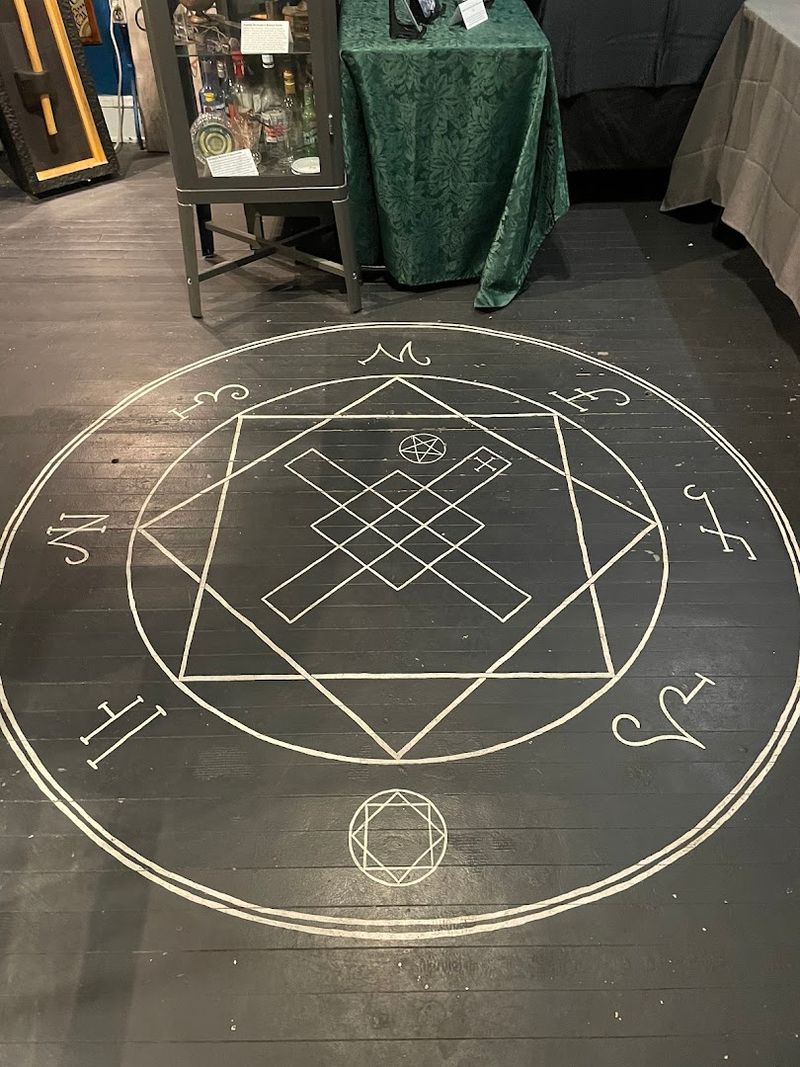
The museum is not just a static collection you visit once and check off a list. Regular events take place on-site, including lectures, guest speaker evenings, and live demonstrations tied to the occult and Wiccan traditions.
These events attract a mix of longtime practitioners, curious newcomers, and people who simply enjoy learning about unusual corners of history. The intimate size of the space makes these gatherings feel personal rather than formal, which adds to their appeal.
Checking the museum’s website before planning your visit is genuinely worthwhile because the event calendar changes regularly. Some events sell out well in advance, particularly those tied to seasonal observances like the solstice.
One visitor noted stopping in on the solstice and being welcomed warmly, which gives you a sense of how the museum engages with the ritual calendar throughout the year. Returning visitors often cite these events as the main reason they keep coming back.
Who Will Love This Museum Most
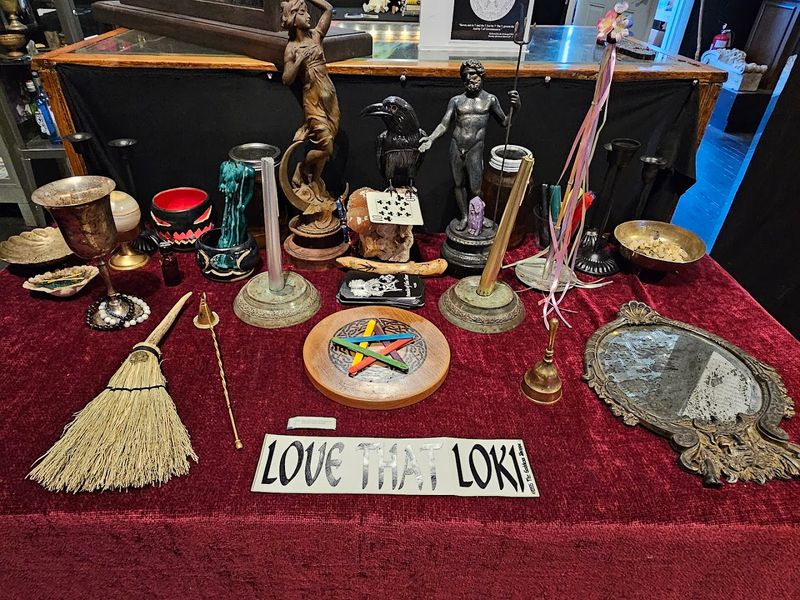
The Buckland Museum draws a genuinely wide range of visitors, and that range is part of what makes it special. Wiccan practitioners come to see objects tied to their tradition’s history.
History buffs come for the cultural and religious context. Fans of the unusual come because there is simply nothing else quite like it.
Families with older kids and teenagers tend to enjoy it too, particularly those who have an interest in mythology, folklore, or anything outside the mainstream. The tour format keeps things engaging without being overwhelming, and the guide’s humor and storytelling make even unfamiliar subject matter feel accessible.
Solo travelers, couples, and groups of friends all seem to find something that resonates with them here. The common thread among almost everyone who visits is the same: they did not expect to be as genuinely fascinated as they ended up being.
That pleasant surprise is one of the museum’s most consistent qualities.
Why Cleveland Should Be Proud of This Place
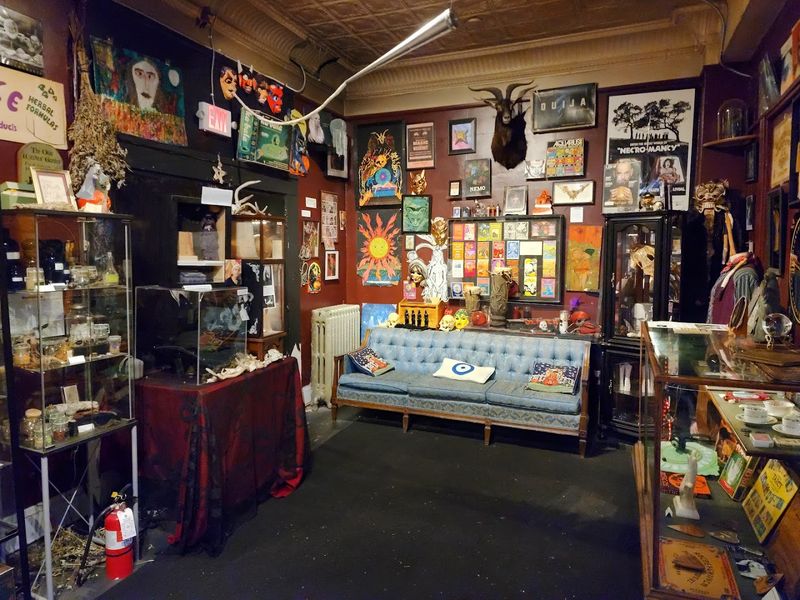
Cleveland already has a strong identity built around its music history, its sports culture, and its art scene. The Buckland Museum adds something to that identity that no other American city can claim: the country’s first and only dedicated museum of witchcraft and magick.
That distinction matters. The museum preserves a piece of religious and cultural history that is rarely treated with the seriousness it deserves.
By giving Raymond Buckland’s collection a permanent home, Cleveland has become the unexpected keeper of a uniquely American spiritual story.
For visitors coming from out of town, the museum fits naturally into a broader Cleveland itinerary, and it tends to be the stop people talk about most afterward. For locals, it is the kind of neighborhood treasure that is easy to overlook and even easier to love once you finally walk through the door.
America’s first museum of witchcraft and magick is right here, and it has been waiting patiently for you to find it.
Share this story