Flying should be exciting, but for millions of Americans, the airport experience can feel more like a test of patience than the start of a great trip. Between long lines, expensive parking, unpredictable delays, and confusing terminals, some airports consistently make travel harder than it needs to be.
A 2026 study by Mozio ranked major U.S. airports by stress level, factoring in on-time performance, parking costs, and drive time to city centers. The results revealed a pretty clear divide between airports that leave travelers frazzled and airports that actually make the journey feel manageable.
Whether you fly often or just a few times a year, knowing which airports tend to cause the most friction can help you plan smarter, pack more patience, and maybe even pick a better connection city the next time you book a flight.
Chicago O’Hare International Airport, Illinois
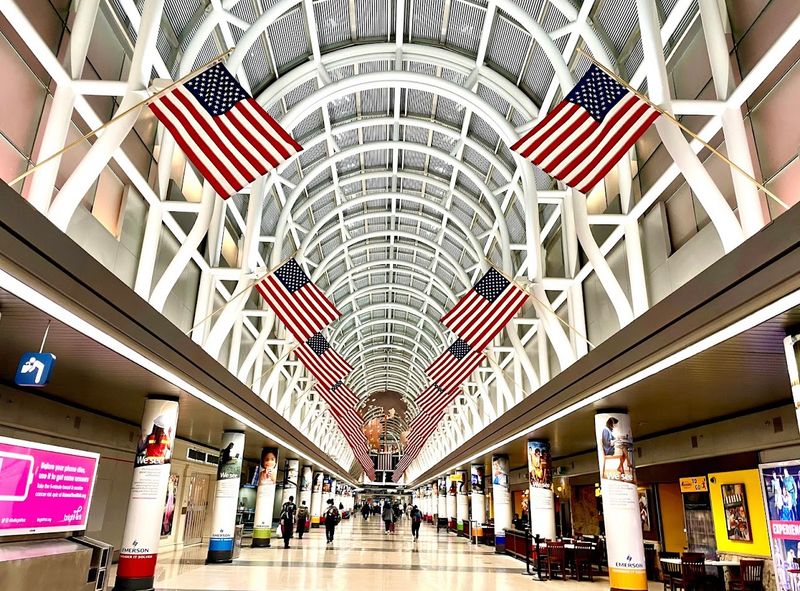
Ranked the most stressful airport in the country by Mozio’s 2026 study, Chicago O’Hare earned that title through a combination of factors that would test even the most seasoned traveler. Delayed departures, expensive parking, and one of the longest drives from the airport to the city center all contributed to its top stress score.
O’Hare is one of the busiest aviation hubs on the planet, which means a single weather event or mechanical issue can cascade across hundreds of flights in a matter of hours. Small problems here have big consequences, and passengers often feel the ripple effects in real time.
If you are flying through Chicago, building in extra time is not just a good idea, it is almost a requirement. Arriving early, booking parking in advance, and checking your flight status obsessively are all reasonable strategies at a place this busy and unpredictable.
LaGuardia Airport, New York

Before travelers at LaGuardia even reach the security line, many of them are already stressed about one thing: parking costs. The New York airport recorded the highest daily parking price among all airports analyzed in the Mozio study, and that financial hit sets a tense tone before the journey truly begins.
LaGuardia has made real progress in recent years. Major terminal renovations have improved the physical experience inside the airport, and the new facilities are noticeably cleaner and more organized than the old ones.
Still, the airport sits in the middle of one of the most congested air travel markets anywhere in the country.
Traffic getting to and from the airport, combined with frequent weather delays and busy terminals, keeps LaGuardia firmly in second place on the stress list. Travelers heading here should budget extra time for ground transportation and keep a close eye on parking reservation options before their trip.
John F. Kennedy International Airport, New York
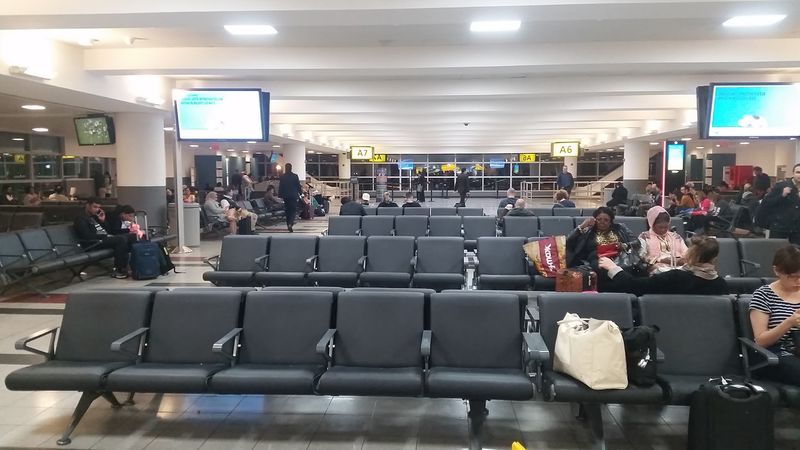
JFK tied for third on the stress ranking, and the reasons are not hard to understand. As one of the country’s primary international gateways, the airport handles enormous passenger volume every single day, including long-haul international flights, customs processing, and complicated multi-terminal connections that can feel like a geography challenge.
Parking costs at JFK are not cheap, and the drive from the airport into Manhattan adds another layer of frustration, especially during peak traffic hours. Even travelers who fly frequently tend to build buffer time into their JFK plans because the airport has a reputation for unpredictability.
Terminal changes, ground transportation delays, and customs lines that stretch far longer than expected are all part of the JFK experience. If your itinerary runs through Kennedy, the smartest move is treating every time estimate as an optimistic suggestion rather than a guarantee, and planning your day accordingly.
Newark Liberty International Airport, New Jersey
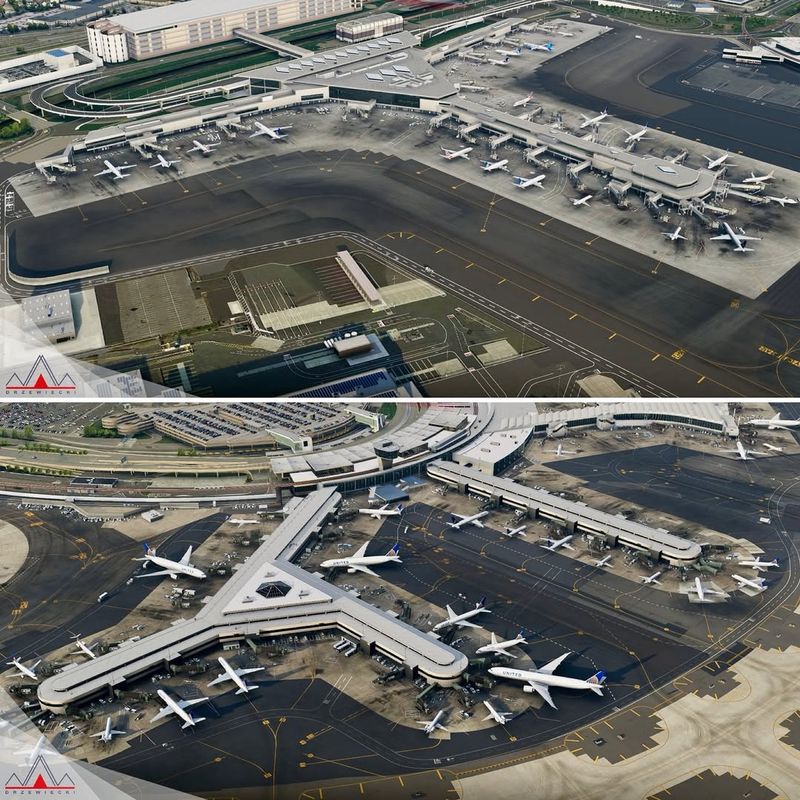
Newark Liberty tied with JFK for third place, making the New York metro area responsible for three of the top four most stressful airports in the country. That concentration alone says a lot about how demanding air travel in this region can be for passengers on any given day.
In the study, Newark actually had a shorter drive time to Manhattan than either JFK or LaGuardia, which would normally count in its favor. But its on-time departure performance and parking costs still weighed heavily enough against it to land it near the top of the stress list.
Newark has also drawn attention in recent years because of air traffic control and operational challenges that created real disruptions for travelers. For many passengers, it offers a convenient entry point into the New York area, but convenience and calm are two very different things, and Newark tends to deliver more of the former than the latter.
Denver International Airport, Colorado
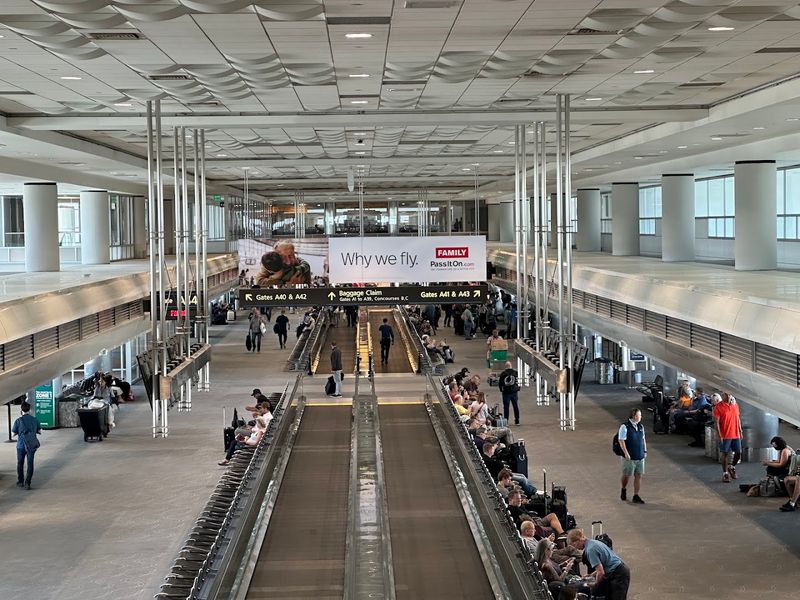
Denver International is immediately recognizable by its distinctive white tent-like roof, but what stands out even more for stressed travelers is how far the airport sits from downtown Denver. The drive alone can feel like a significant part of the journey, and that distance adds time, cost, and logistical pressure to every trip.
The airport is enormous in scale, which can make navigating between terminals and gates a workout on its own. Add in Colorado’s unpredictable weather, particularly during winter and spring storm seasons, and the delay risk here climbs noticeably above what you might expect from a landlocked hub.
Denver is a major airline hub with strong flight options in nearly every direction, which is genuinely useful. But its size, its location, and its vulnerability to weather-driven delays mean travelers should avoid tight schedules here.
Padding your itinerary with extra time is not overcautious at DEN, it is simply practical.
Fort Lauderdale-Hollywood International Airport, Florida
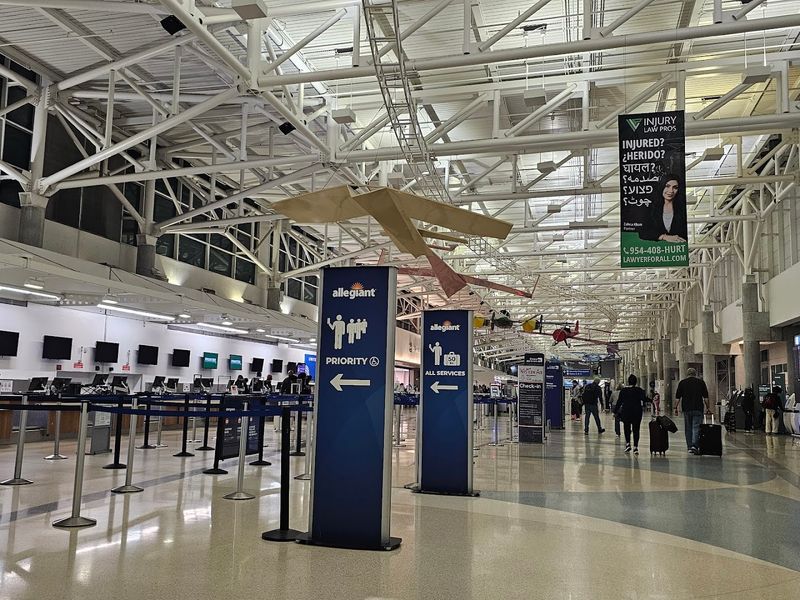
Fort Lauderdale-Hollywood tied for sixth in the Mozio stress ranking, and it is the kind of airport that catches travelers off guard. On the surface, it looks like a convenient gateway to South Florida beaches and cruise terminals, and in many ways it is.
But heavy leisure traffic and seasonal crowds can turn the experience into something much more hectic than expected.
Its on-time departure rate was weaker than several other major airports in the study, and parking costs pushed the overall stress score higher. During peak travel seasons, particularly winter and spring break, the airport can feel noticeably stretched in terms of capacity and crowd management.
For passengers connecting to cruises or heading to beach destinations nearby, Fort Lauderdale remains a practical choice. Just go in with realistic expectations about wait times and parking.
Arriving early and checking your flight status ahead of time will make the experience smoother than showing up without a plan.
Dallas/Fort Worth International Airport, Texas
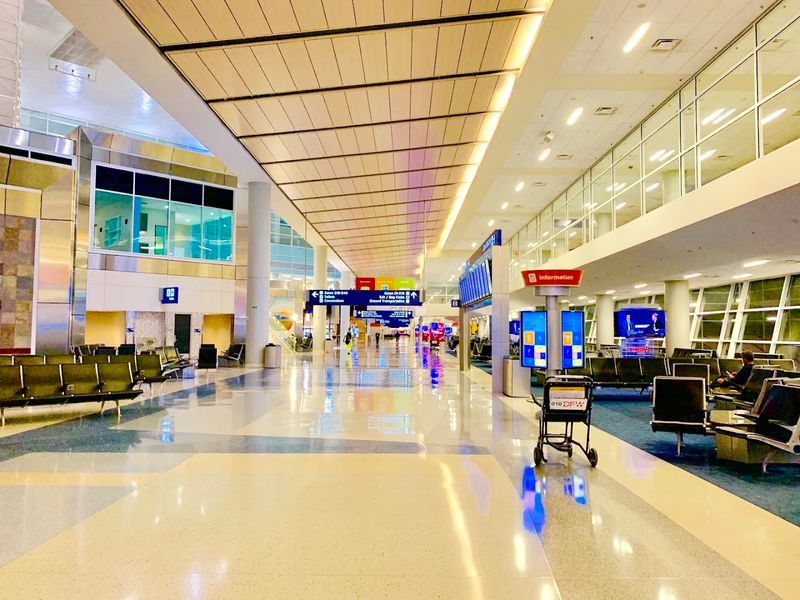
Dallas/Fort Worth also tied for sixth, and its delay numbers were a significant driver of that ranking. DFW is one of the largest and busiest airports in the United States by passenger volume, and its enormous physical footprint means getting from one gate to another can require real planning, especially for tight connections.
The sheer scale of DFW gives travelers a lot of options in terms of airlines and destinations, which is a genuine advantage. But that same scale means delays tend to ripple through the system fast.
When weather or operational issues hit, the effects can spread across dozens of flights before the situation stabilizes.
Connecting passengers should be especially cautious about booking short layovers here. The airport’s size makes rushed connections genuinely risky, and customer service lines can get long when things go sideways.
DFW rewards travelers who arrive prepared and leave themselves room to breathe between flights.
Los Angeles International Airport, California
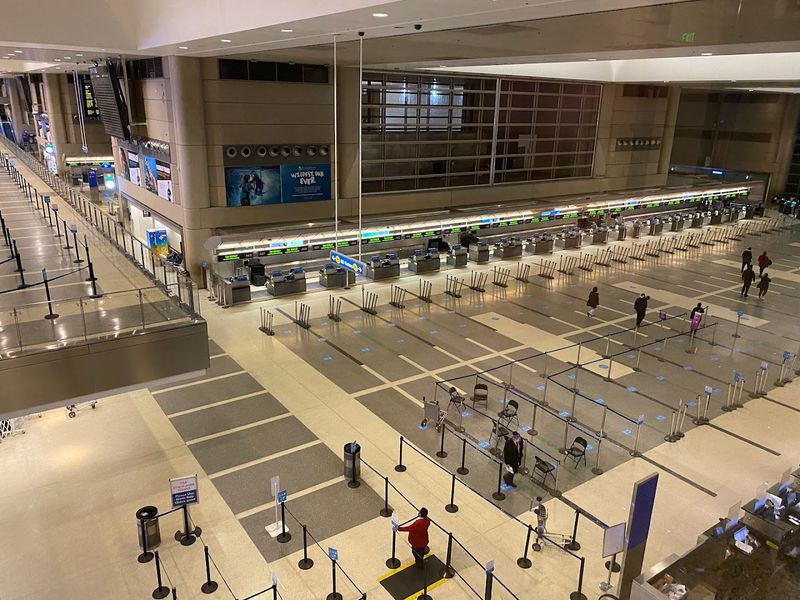
LAX ranked eighth in the Mozio stress study, and its placement comes with an interesting caveat: the airport actually performed well on punctuality compared to many of the airports ranked above it. In terms of getting planes off the ground on time, LAX holds its own against some of the country’s most chaotic hubs.
The real friction at LAX tends to happen on the ground. Traffic approaching the airport is notoriously difficult, especially during morning and evening peak hours.
The pickup and drop-off zones have improved with infrastructure updates, but the sheer volume of vehicles moving through the area keeps stress levels elevated for many travelers.
Parking costs also remain a consistent pain point. For passengers driving to LAX, the expense adds up quickly, and rideshare wait times can be unpredictable depending on the time of day.
The airport is efficient in the air but still demands patience from anyone trying to get in or out by road.
Detroit Metropolitan Wayne County Airport, Michigan
Detroit Metro tied for ninth in the stress ranking, and its placement comes with some nuance worth noting. The airport actually performs better than many major hubs on on-time departures, which is a meaningful advantage for travelers who have been burned by delays at bigger coastal airports.
What pushed Detroit into the stressful category was primarily parking costs. The expense of leaving a vehicle at the airport factored significantly into its overall score, and for travelers driving in from across the metro area, that cost is hard to avoid without planning ahead for off-site parking options.
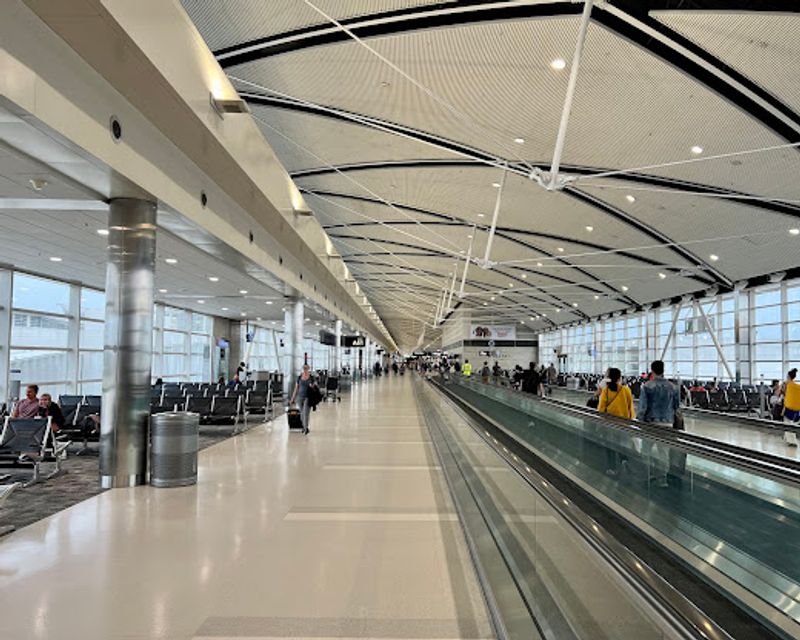
Detroit is generally considered easier to navigate than massive multi-terminal airports on the coasts. The McNamara terminal, in particular, is known for its long but organized layout with a functional moving walkway system.
For passengers who prioritize getting to their gate without a lot of drama, Detroit is a reasonable choice, just not the cheapest one.
George Bush Intercontinental Airport, Texas
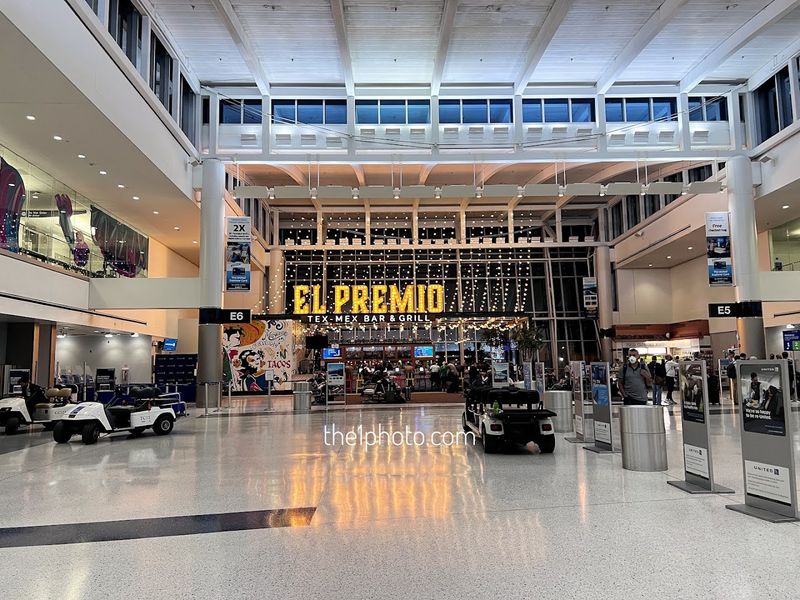
Houston’s George Bush Intercontinental Airport tied with Detroit for ninth place, and its stress score reflects a combination of factors rather than one glaring weakness. Delay risk, drive time from the city center, and the general friction of navigating a large international hub all contributed to its ranking.
IAH serves as a major hub for United Airlines, which means it handles a steady flow of both domestic and international connections throughout the day. That traffic volume keeps the airport busy, and passengers making connections should be aware that the terminals are spread out enough to require a tram ride between some gates.
It is not the most stressful airport in America, and experienced travelers often find it manageable with a little planning. But it is the kind of place where underestimating your connection time or skipping the parking reservation can turn a routine trip into a scramble.
A cushion in your schedule goes a long way here.
Miami International Airport, Florida
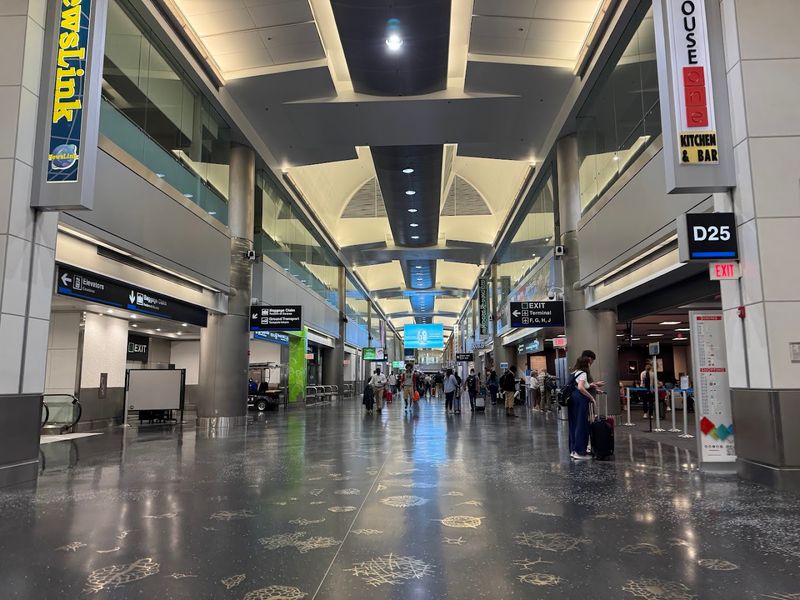
Miami International tied with Detroit and Houston in the stress ranking, landing in the ninth spot alongside two very different types of airports. Its parking costs were actually lower than several other major airports in the study, which might suggest a calmer experience, but the on-time departure rate told a different story.
MIA handles a remarkable mix of passengers every day: international travelers, cruise-bound tourists, business flyers, and vacation crowds all moving through the same terminals. That diversity of traveler types and trip purposes can make the airport feel busier and more unpredictable than its raw passenger numbers alone might suggest.
When delays and long lines stack up at Miami, the effect can feel amplified by the sheer variety of needs in the terminal. Gate changes, customs processing, and baggage claim waits all add up.
Travelers connecting through MIA should give themselves real breathing room and check their flight status before heading to the airport.
Minneapolis-Saint Paul International Airport, Minnesota
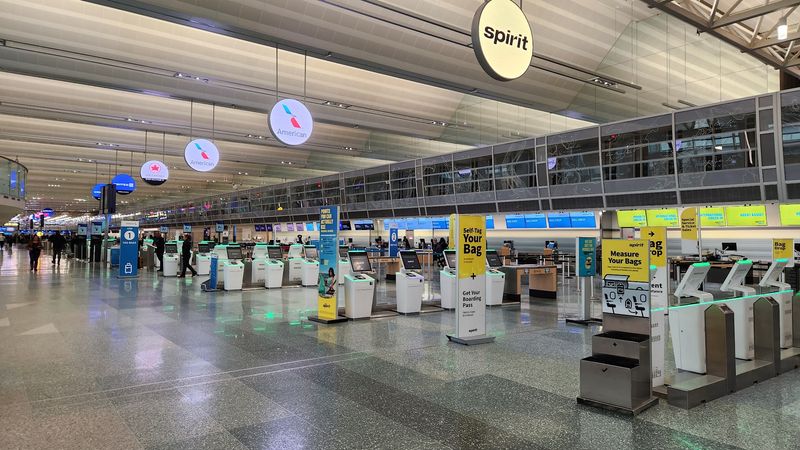
Here is a ranking result that might actually make you smile: Minneapolis-Saint Paul was named the least stressful major airport in the entire Mozio study. For travelers who have come to expect chaos as a default airport setting, MSP offers a genuinely different experience that stands out for all the right reasons.
The airport scored well across multiple categories, including moderate parking costs, a relatively short drive to downtown Minneapolis, and solid on-time departure performance. That combination of factors is harder to achieve than it sounds, especially for an airport large enough to offer strong flight options across the country and internationally.
MSP tends to feel more manageable than many coastal hubs of similar size, and that reputation is backed by the data. For travelers who value predictability and a lower-friction airport experience, Minneapolis-Saint Paul is genuinely one of the better major airports in the country to fly through, regardless of the season.
Phoenix Sky Harbor International Airport, Arizona
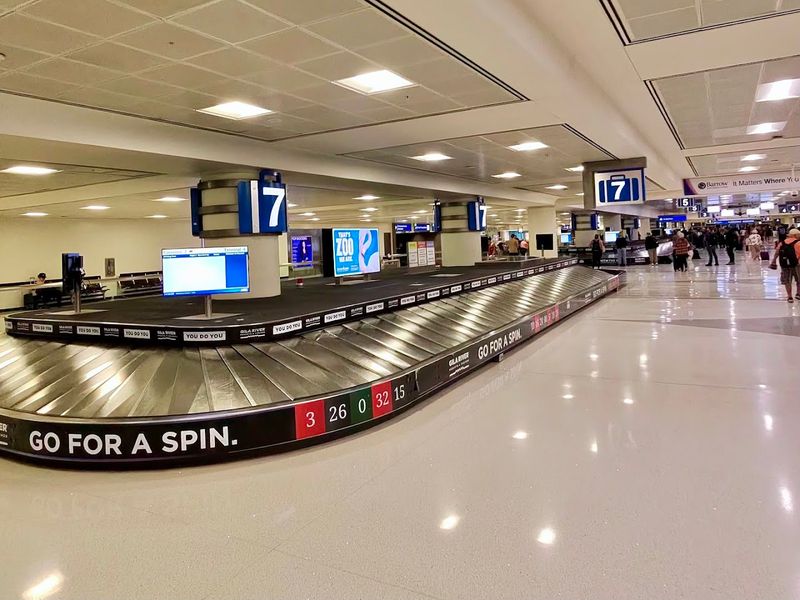
Phoenix Sky Harbor ranked as the second-least stressful airport in the Mozio study, and its location is one of its biggest selling points. The drive between Sky Harbor and downtown Phoenix is remarkably short compared to many major airports, which cuts out one of the most common sources of pre-flight frustration before it even starts.
Beyond proximity to the city, the airport’s parking costs and on-time performance both contributed to its low-stress ranking. For an airport serving a metro area as large and fast-growing as Phoenix, those results are genuinely impressive and reflect an airport that has kept pace with its city’s expansion.
Sky Harbor also benefits from generally favorable flying weather in the Phoenix area, which reduces weather-related delays compared to airports in snowier or stormier regions. For travelers who want a big-city airport without big-city headaches, Sky Harbor consistently delivers a more practical and predictable experience than most comparable hubs across the country.
San Francisco International Airport, California
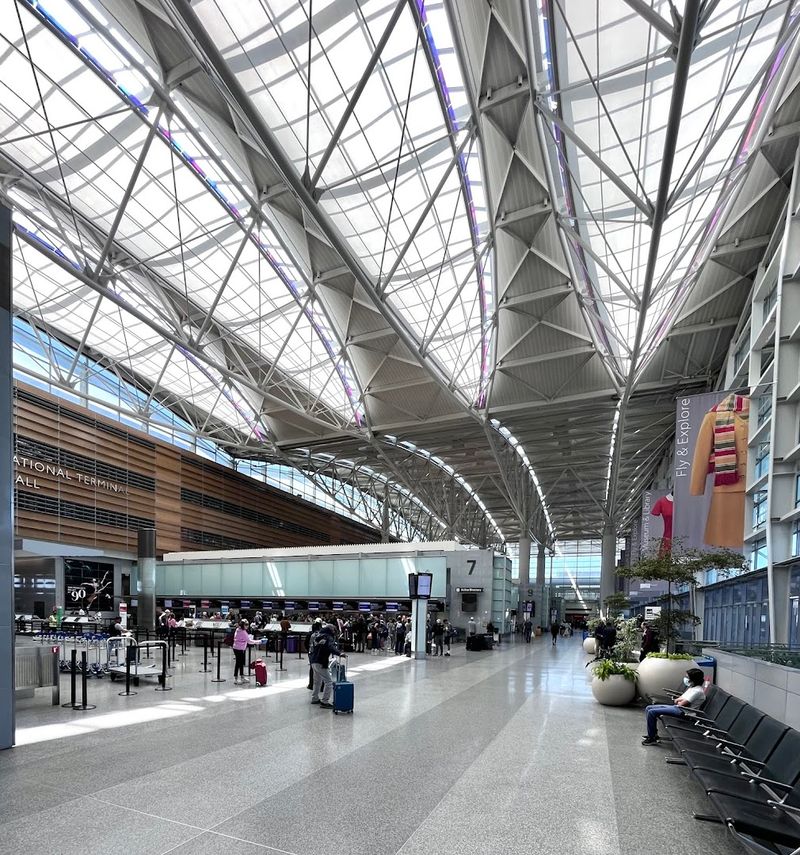
San Francisco International came in as the third-least stressful airport in the Mozio ranking, which may genuinely surprise travelers who associate Bay Area airports with delays and congestion. SFO’s on-time departure performance was one of its strongest metrics in the study, separating it from many larger airports that struggle in that category.
The drive from SFO to central San Francisco was also relatively short in the study’s analysis, which helps reduce the ground transportation stress that plagues airports like O’Hare and Denver. While parking at SFO is not cheap, the overall score still placed it firmly in the calmer end of the ranking.
SFO also offers strong public transit connections via BART, which gives travelers a reliable and affordable alternative to driving or rideshare services. For anyone expecting a stressful Bay Area airport experience, SFO’s position near the bottom of the stress list is a welcome and data-backed reassurance worth remembering when booking flights.
Salt Lake City International Airport, Utah
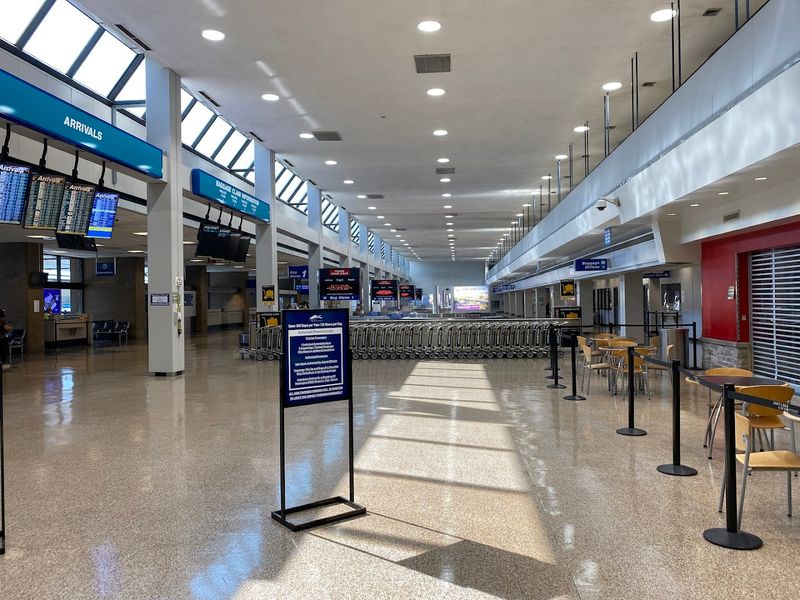
Salt Lake City International rounds out the calmer end of this ranking with some of the strongest on-time performance data among major U.S. airports. According to DOT and BTS-based data reported by Kiplinger, SLC ranked first among 30 major U.S. airports for on-time performance in 2025, which is a distinction that carries real meaning for everyday travelers.
Few things shape how stressful an airport feels more than whether your flight actually leaves when it is supposed to. When departures run on schedule consistently, the entire airport experience shifts in a positive direction.
Lines feel shorter, connections feel safer, and the whole trip starts on steadier ground.
The airport also completed a major modernization project in recent years, giving travelers a cleaner, more organized facility to work with. For passengers looking for a major U.S. airport that consistently delivers a smoother experience, Salt Lake City has quietly become one of the best options in the country.
Share this story