Most people planning a road trip head straight for the Grand Canyon, Yellowstone, or Yosemite. Those places are incredible, but the country is packed with jaw-dropping landscapes that rarely make the highlight reel.
From alien-looking badlands in Nebraska to canyon country hiding in southwest Georgia, these natural wonders are real, accessible, and waiting for curious travelers who want something beyond the usual tourist trail. This list covers 15 of the most overlooked natural spots across the United States, each one with its own personality, history, and reason to visit.
Whether you love hiking remote wilderness, exploring volcanic rock formations, or just standing somewhere that makes you feel small in the best possible way, there is something on this list worth adding to your travel plans this year.
Bisti De-Na-Zin Wilderness, New Mexico
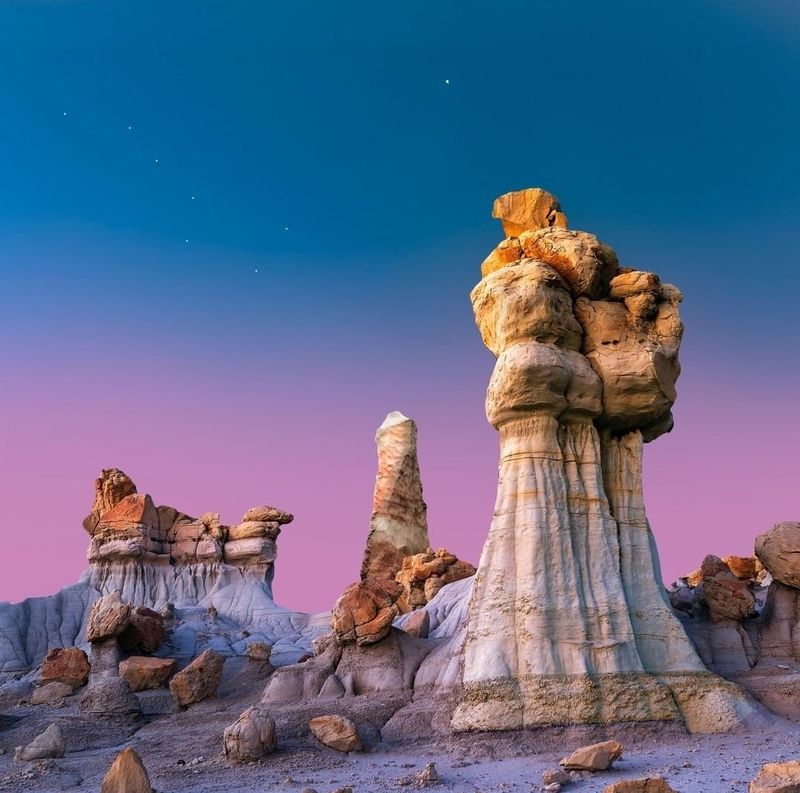
Few places in the United States look as otherworldly as Bisti De-Na-Zin Wilderness in northwestern New Mexico. The Bureau of Land Management manages this 45,000-acre stretch of eroded badlands, where hoodoos, crumbling clay hills, petrified wood, and fossil-bearing Late Cretaceous formations cover the terrain in every direction.
There are no marked trails here the way you would find at a developed park. Visitors navigate by GPS or compass, which makes preparation absolutely essential before stepping foot on the land.
Bring more water than you think you need, sun protection, and a solid sense of direction.
The best time to visit is early morning or late afternoon, when the light catches the hoodoos at dramatic angles and the heat is more manageable. Spring and fall tend to offer the most comfortable temperatures.
Photography enthusiasts consistently rank this as one of the most visually striking public lands in the entire Southwest.
Ah-Shi-Sle-Pah Wilderness, New Mexico
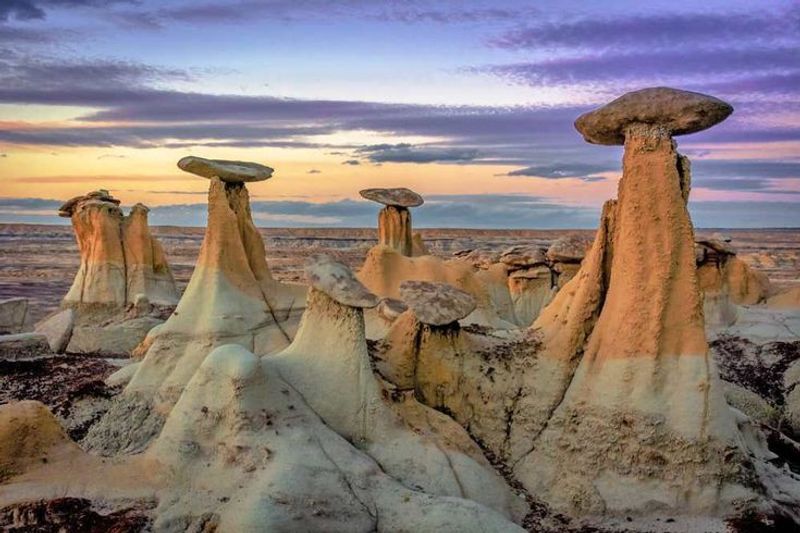
Just southeast of the San Juan Basin, Ah-Shi-Sle-Pah Wilderness is another New Mexico landscape that challenges your sense of what a natural place can look like. Colorful mudstone, sandstone hoodoos, petrified wood, and fossils dating to the late Cretaceous period make this one of the most geologically rich spots managed by the BLM in the Four Corners region.
Unlike national parks with paved lots and visitor centers, this is true wilderness. There are no facilities, no marked trails, and very little shade.
Visitors should come prepared for remote conditions and treat the landscape with care, since fossil collection is strictly prohibited under federal law.
For travelers who want the visual drama of a fantasy film set without the crowds of a major park, Ah-Shi-Sle-Pah delivers in a way few places can. Early spring and late fall are the most comfortable seasons, and a GPS device is strongly recommended for navigation across the open terrain.
Toadstool Geologic Park, Nebraska
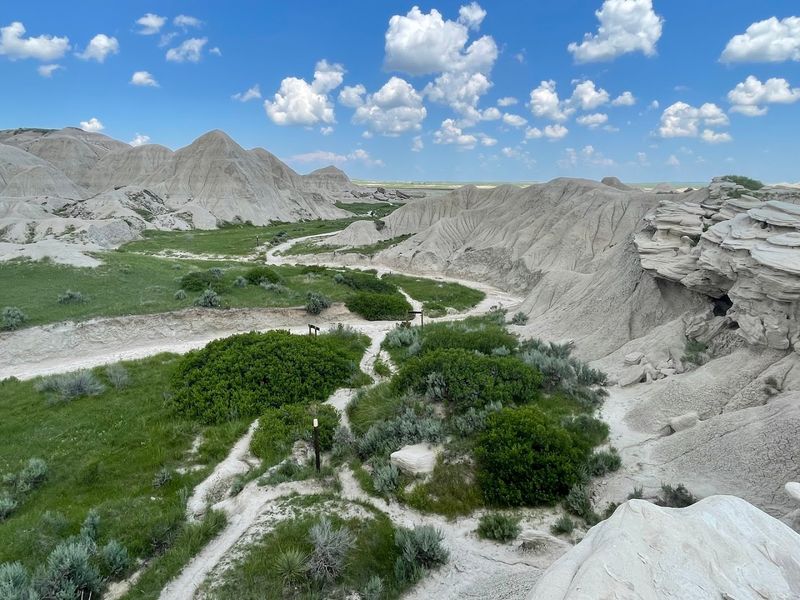
Nebraska does not usually come up in conversations about dramatic landscapes, but Toadstool Geologic Park is the kind of place that changes that assumption quickly. Managed by the U.S.
Forest Service within the Oglala National Grassland, the park is named for its distinctive rock formations that balance wide flat tops on narrow pedestals, creating the unmistakable toadstool shapes that give the park its name.
Beyond the formations, the area contains fossil deposits that document ancient animals that roamed the region millions of years ago. The whole setting has a windswept, quiet quality that feels very different from the more famous badlands farther north in South Dakota.
A short trail loop makes the main formations accessible without requiring a long hike, which makes it a good stop for families or travelers passing through the panhandle region. Admission is free, and the park sits near the town of Crawford, which offers basic services for visitors planning to stay a night or two in the area.
Cathedral Gorge State Park, Nevada
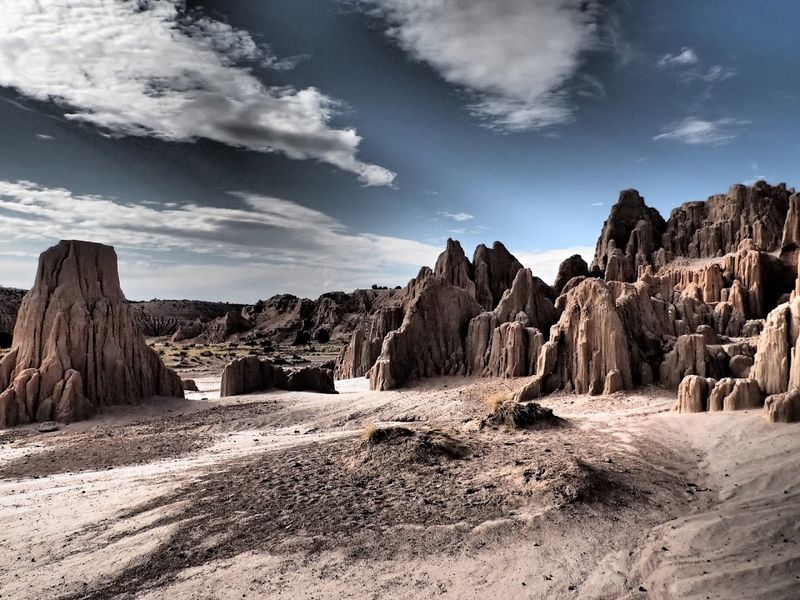
Cathedral Gorge sits quietly in eastern Nevada, well off the path that most visitors take between Las Vegas and Salt Lake City. Nevada State Parks describes the site as a narrow valley where erosion carved dramatic patterns into soft bentonite clay over thousands of years, leaving behind spires, slot-like passages, and cathedral-shaped formations that give the park its name.
Walking through the gorge feels genuinely surprising. The pale clay walls rise around you, and the narrow passages open and close in ways that make even a short walk feel like an exploration.
A few trails wind along the canyon floor and rim, offering different perspectives on the formations.
Camping is available at the park, making it a solid overnight stop for road trippers crossing Nevada on Highway 93. The park is open year-round, and because it sits at a higher elevation than southern Nevada, summer temperatures are noticeably cooler.
Sunrise and late afternoon light bring out the texture of the clay formations in a way that midday sun simply cannot match.
Lava Beds National Monument, California
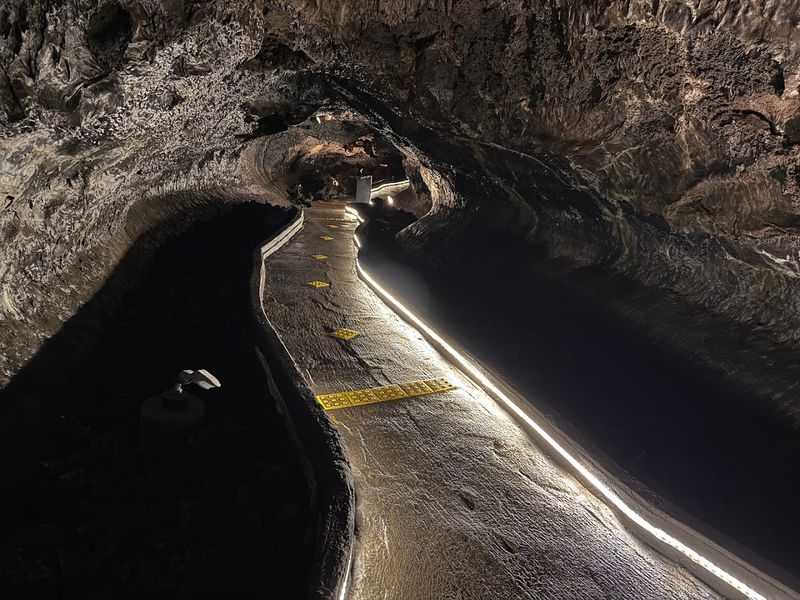
Tucked into the far northern corner of California near the Oregon border, Lava Beds National Monument protects one of the most unusual volcanic landscapes in the country. The National Park Service notes that the monument contains more than 800 caves formed by ancient lava tubes, along with cinder cones, spatter cones, and other volcanic features shaped over the last half-million years.
Cave exploring is the main draw, and the park offers several caves that visitors can enter independently with a free permit and a flashlight. The terrain above ground is just as interesting, with trails crossing hardened lava fields and offering views across the high desert toward Tule Lake.
The monument is open year-round, though winter roads and icy cave conditions require extra caution in colder months. For California travelers tired of the same coastal and mountain destinations, this is a genuinely different kind of experience.
The park sees a fraction of the crowds that hit Yosemite or Joshua Tree, which makes the quiet feel like part of the reward.
Craters of the Moon National Monument and Preserve, Idaho
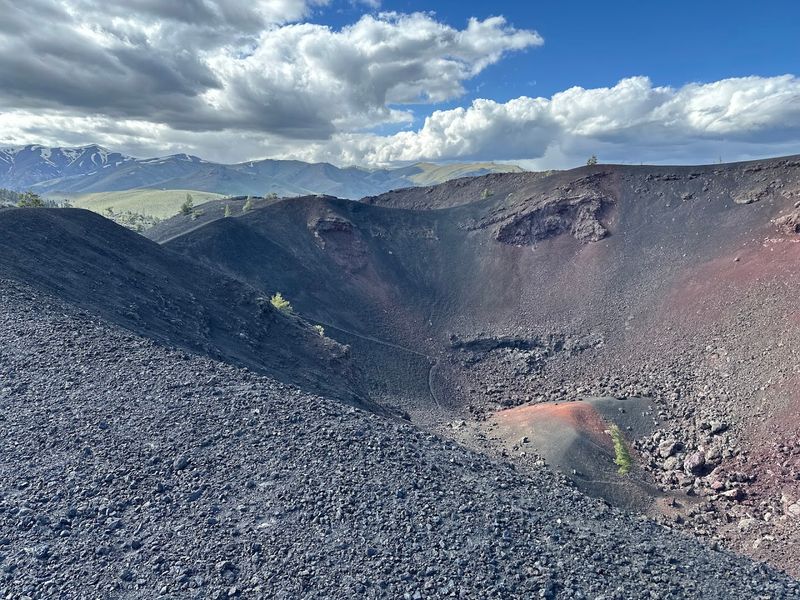
Standing at the edge of Craters of the Moon feels like looking at something that belongs on another planet. The National Park Service describes the landscape as a vast ocean of lava flows with cinder cones and sagebrush, while the BLM notes that the broader monument protects a 750,000-acre volcanic landscape centered around the Great Rift, one of the longest volcanic rift zones in the continental United States.
The seven-mile Loop Road connects major features including lava tube caves, spatter cones, and cinder cone viewpoints. It is typically open from mid-April through late November depending on conditions, and the park entrance is open 24 hours a day.
What makes this place worth the stop along Highway 20 in central Idaho is the sheer scale of the volcanic landscape. The dark lava stretches farther than the eye can follow, and the silence out here is the kind that reminds you how far you are from ordinary scenery.
Cave exploration gear is available for rent at the visitor center.
Chiricahua National Monument, Arizona
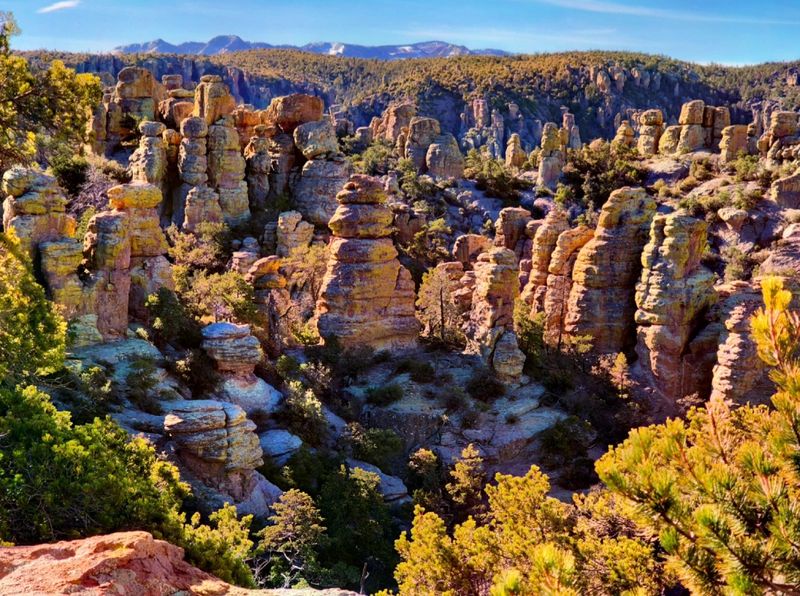
The nickname “Wonderland of Rocks” gets thrown around loosely in travel writing, but Chiricahua National Monument actually earns it. The National Park Service says the monument preserves towering rhyolite pinnacles, balanced rocks, and dramatic stone columns created by volcanic activity and millions of years of erosion in the Dos Cabezas Mountains of southeastern Arizona.
Because it sits far from the state’s main tourist corridors, Chiricahua draws a smaller crowd than the Grand Canyon or Sedona, which means the trails feel open and the scenery feels genuinely personal. The monument offers scenic drives, hiking trails of varying difficulty, campgrounds, and some of the darkest night skies in southern Arizona.
Wildlife is also a real draw here. The area sits at the meeting point of several ecosystems, and bird watchers regularly visit for the diverse species found in the canyon woodlands.
The monument is open year-round, with the visitor center offering exhibits on the geology and history of the area, including its significance to the Chiricahua Apache people.
City of Rocks State Park, New Mexico
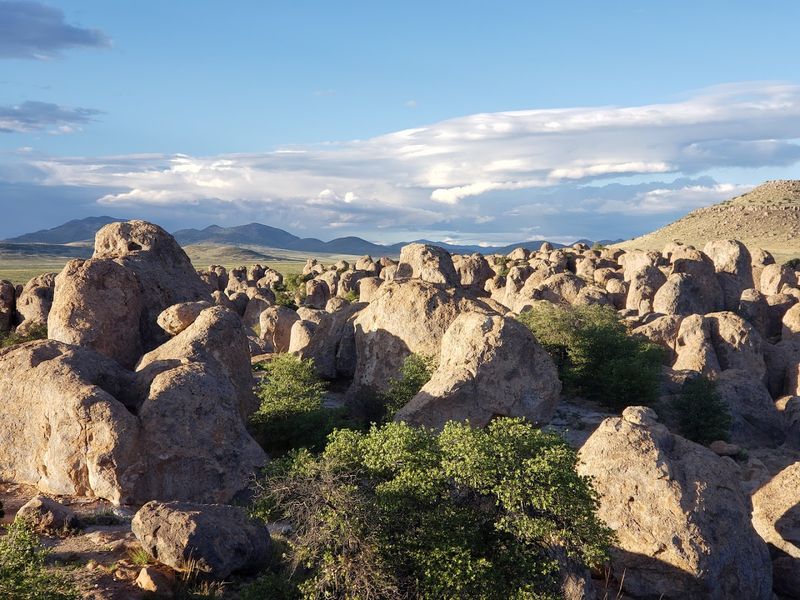
Rising from the Chihuahuan Desert in southwestern New Mexico, City of Rocks looks exactly like its name suggests. New Mexico State Parks describes the park as covering roughly one square mile where sculptured volcanic rock columns reach as high as 40 feet, with open lanes and pathways between them that genuinely resemble city streets laid out by geology instead of planners.
The formations were created by a volcanic eruption roughly 35 million years ago, and erosion has been shaping them ever since. Wandering between the columns gives the park a maze-like quality that is hard to find anywhere else in the state.
The campground is open year-round and includes hookups, restrooms, and a stargazing area, since the park sits in one of New Mexico’s designated dark sky zones. For travelers who want a camping experience that feels genuinely unique rather than just a spot among trees, this one delivers.
The nearby Faywood Hot Springs adds a practical reason to extend the visit by a day.
Tallgrass Prairie National Preserve, Kansas
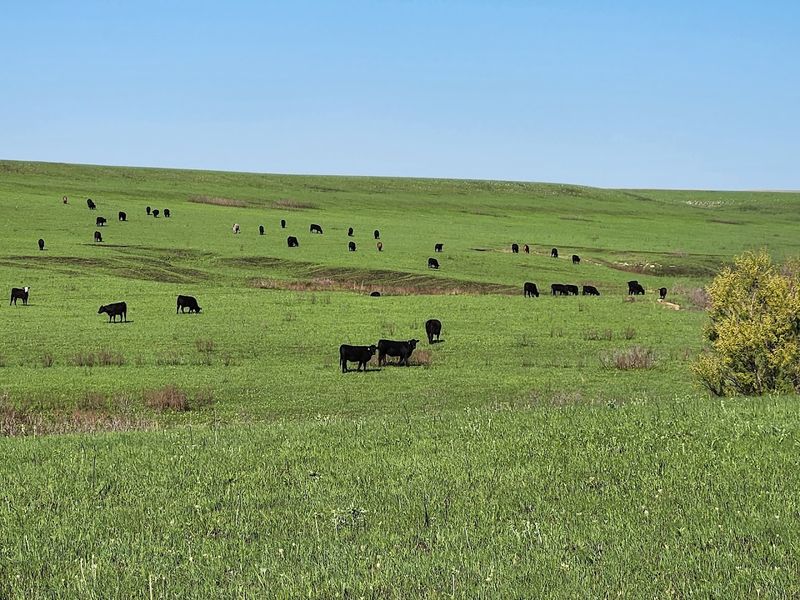
Tallgrass prairie once covered 170 million acres across North America, stretching from Canada down through the central United States. Today, the National Park Service says less than four percent of that original ecosystem remains intact, and the largest protected piece of it sits in the Kansas Flint Hills at Tallgrass Prairie National Preserve, protecting nearly 11,000 acres of one of the rarest landscapes on the continent.
At first glance, the preserve does not announce itself with dramatic cliffs or waterfalls. The appeal builds slowly, through the movement of grasses in the wind, the sound of meadowlarks, and the sight of bison grazing across the open hills.
The NPS manages a bison herd here that visitors can observe from designated areas.
The prairie is open year-round, 24 hours a day except during prescribed fire periods. The visitor center, housed in a historic ranch complex, provides context for what you are seeing.
This is a place that rewards patience and a slower pace, and it is one of the most ecologically important landscapes left in America.
Little River Canyon National Preserve, Alabama
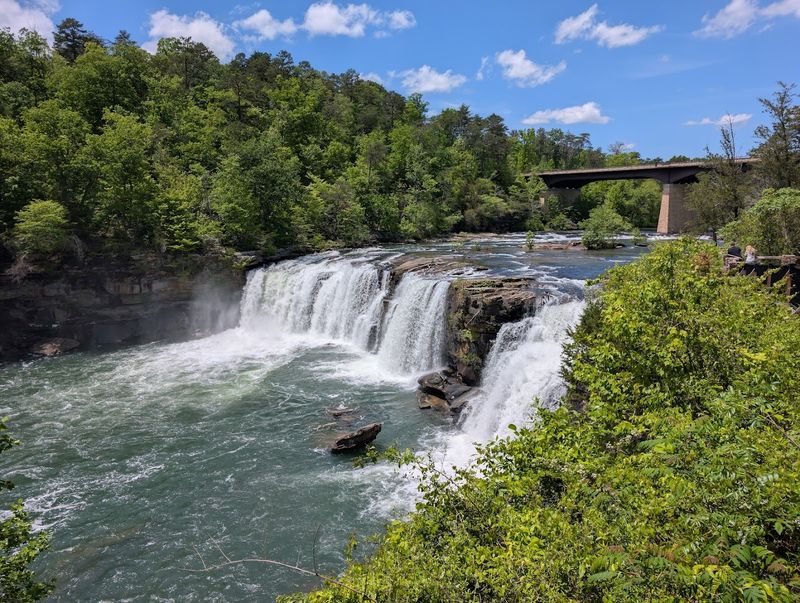
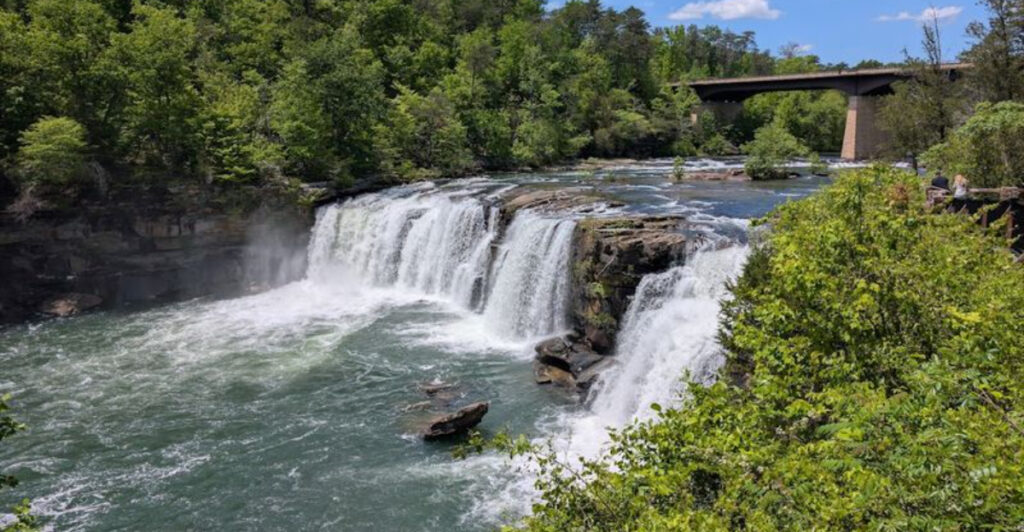
Little River Canyon sits in northeastern Alabama and holds a distinction that makes it genuinely unusual among American river systems. The National Park Service notes that Little River flows for most of its length on top of Lookout Mountain, rather than through a valley below it, which creates a canyon environment that feels unexpected for the Deep South.
The results are striking. Waterfalls drop off the plateau, sandstone cliffs rise along the canyon walls, and pools form at the base of the falls where swimming is permitted in season.
Canyon Mouth Park provides beach access along the river, while the Canyon Rim Parkway offers a series of overlooks with views into the gorge below.
The preserve is open during daylight hours year-round, including holidays, though visitor center hours and seasonal water conditions can vary. Fall brings color to the canyon walls and cooler temperatures for hiking.
For travelers exploring the Chattanooga or Birmingham corridors, this is an easy and rewarding detour that most out-of-state visitors completely miss.
Big South Fork National River and Recreation Area, Tennessee and Kentucky
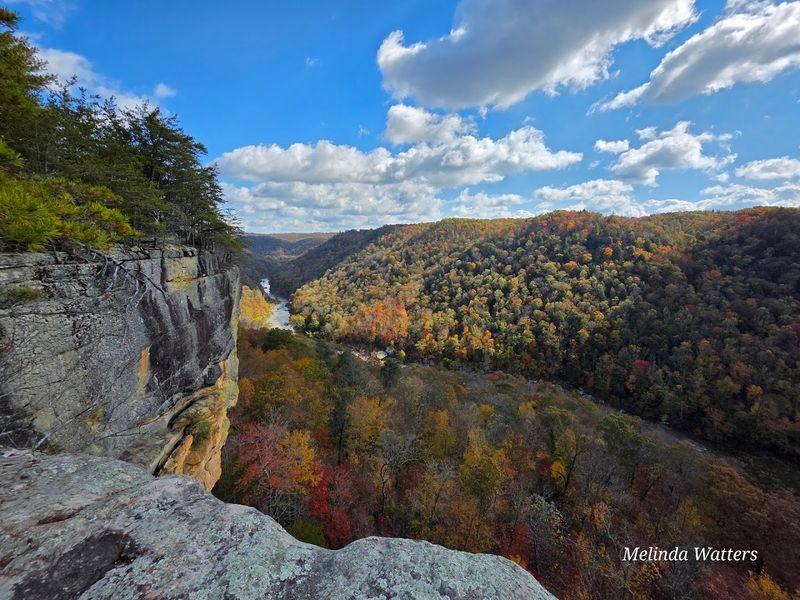
The Cumberland Plateau gets overshadowed by the Smokies in most Tennessee travel conversations, but Big South Fork National River and Recreation Area makes a strong case for attention. The National Park Service says the area covers 125,000 acres and protects the free-flowing Big South Fork of the Cumberland River, along with scenic gorges, sandstone arches, and bluffs that define the character of the plateau.
Trails range from easy river walks to more challenging routes that climb to overlooks above the gorge. Horseback riding, whitewater paddling, and mountain biking are all available within the recreation area, which gives it a broader appeal than a typical hiking-only park.
The area straddles the Tennessee-Kentucky state line, and some of the most dramatic scenery sits near the Kentucky side at places like the Yahoo Falls area. The park is open year-round, though some facilities close in winter.
For Appalachian trail seekers who want cliffs and river views without the crowds that hit the Smokies on a holiday weekend, this is a legitimate alternative.
Providence Canyon State Park, Georgia
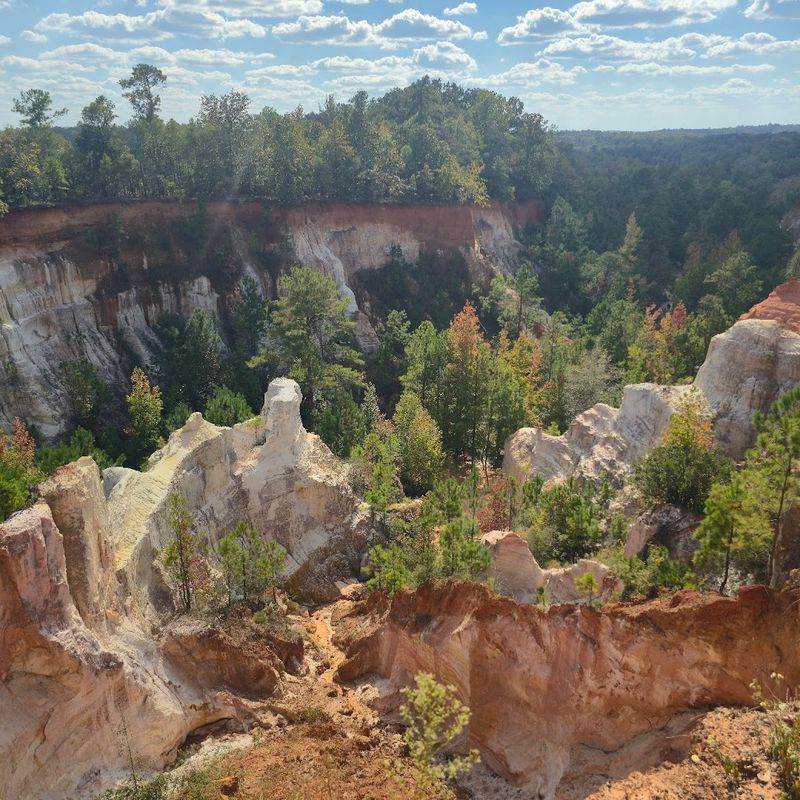
Georgia is not the first state most people associate with canyon scenery, which is exactly why Providence Canyon catches visitors off guard. Known informally as Georgia’s Little Grand Canyon, the park features gullies that reach up to 150 feet deep, with soil colors ranging from pink and orange to deep red and lavender, depending on the mineral content of each layer.
Georgia State Parks notes that the canyon was not carved by millions of years of geological forces. It formed primarily in the 1800s due to poor farming practices that left topsoil exposed and vulnerable to erosion, which gives the place an unusual backstory alongside its striking visual appeal.
Rim trails offer views down into the canyon, and a backcountry trail descends to the canyon floor for a closer look at the walls. Visitors are asked to stay behind protective fencing along the fragile edges.
The park is in Lumpkin, Georgia, near the Alabama border, and it is open year-round with modest parking fees. Spring wildflowers add another reason to visit between March and April.
Coachella Valley Preserve, California
Just a short drive from Palm Springs, Coachella Valley Preserve offers a completely different experience from the resort hotels and golf courses that define the area for most visitors. The BLM describes the preserve system as a 20,000-acre sanctuary built around blowsand dunes formed by sand washing down from the San Bernardino Mountains and Indio Hills over thousands of years.
The preserve is also a critical habitat area. It protects the Coachella Valley fringe-toed lizard, a species that depends specifically on the loose windblown sand found here and almost nowhere else.
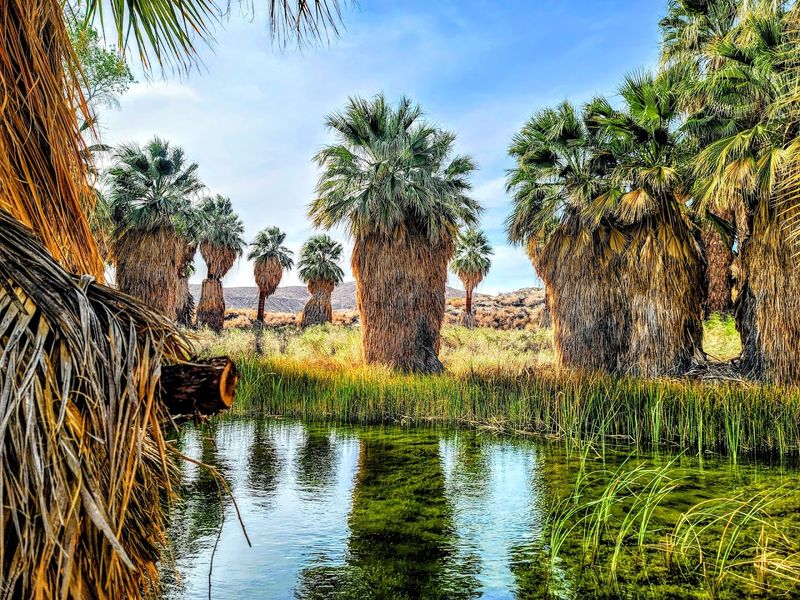
The Thousand Palms Oasis within the preserve is one of the largest natural fan palm oases in California, fed by groundwater pushed to the surface along the San Andreas Fault.
Trails wind through the dunes and into the palm groves, and the contrast between the open sandy terrain and the shaded oasis is genuinely striking. The preserve is free to enter and open year-round, though summer heat makes early morning the only comfortable window for a visit between June and September.
Ramsey Canyon Preserve, Arizona
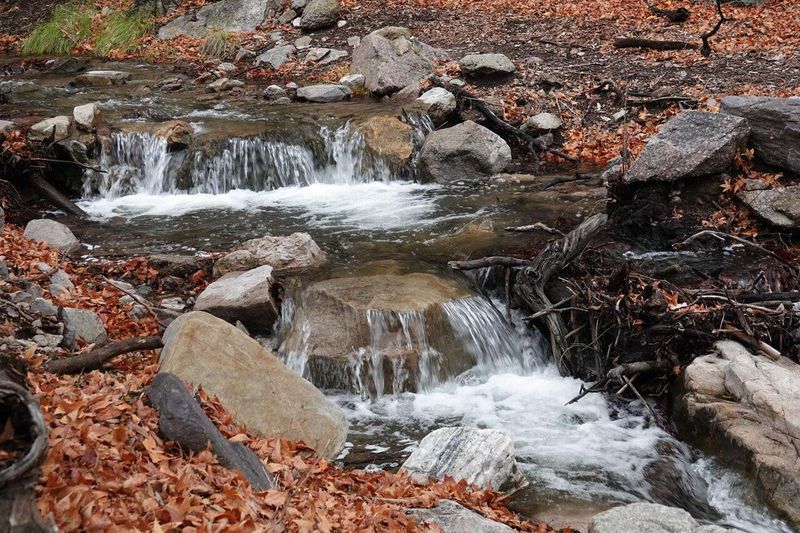
Ramsey Canyon Preserve sits in the Huachuca Mountains of southeastern Arizona and operates as a Nature Conservancy property rather than a state or federal park. The Conservancy describes the area as an ecological crossroads where the Sierra Madre, Rocky Mountains, Sonoran Desert, and Chihuahuan Desert ecosystems all come together in one canyon, creating a concentration of biodiversity that draws naturalists and wildlife watchers from across the country.
Hummingbirds are the most famous residents, with multiple species passing through or nesting in the canyon during warmer months. Black bears, coatis, and ringtail cats also live in the surrounding mountains, and the riparian corridor supports plant communities that are rare this far north.
The preserve is open year-round but closed on Tuesdays, Wednesdays, Thanksgiving, Christmas, and New Year’s Day, so checking the schedule before driving out is important. Parking is limited, and the lot fills early on busy spring and summer mornings.
The nearby town of Sierra Vista provides lodging and services for visitors planning an overnight stay in the area.
Makoshika State Park, Montana
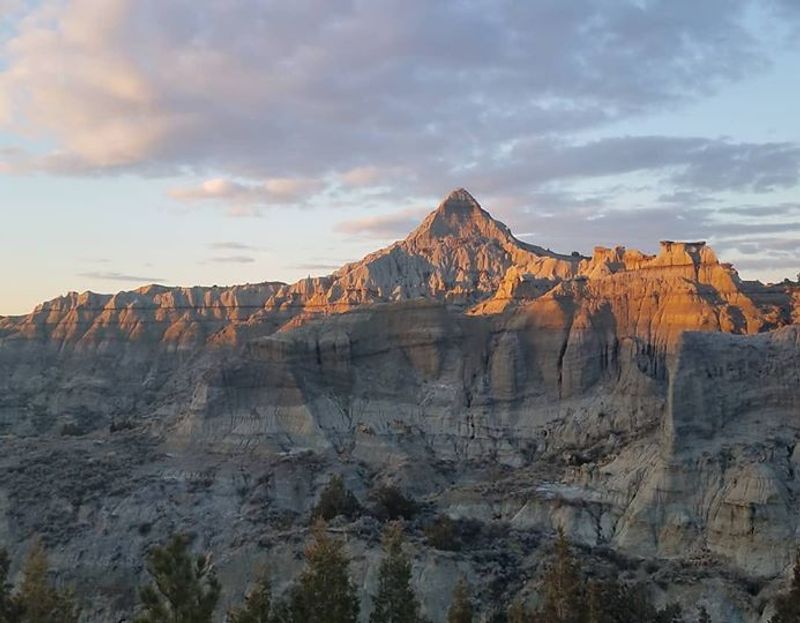
Montana’s largest state park sits near the town of Glendive in the eastern part of the state, far from the glacier country and mountain scenery that most people picture when they think of Montana. Makoshika, whose name comes from a Lakota phrase meaning bad land or land of bad spirits, protects a badlands landscape shaped by erosion and rich with prehistoric history.
Montana Fish, Wildlife and Parks says the park contains fossil remains of Tyrannosaurus rex, Triceratops, and other prehistoric species found within its eroded formations. The landscape itself looks ancient, with layered buttes, narrow gullies, and open skies that stretch in every direction across the high plains.
Trails range from short walks near the visitor center to longer routes that climb the badland ridges for broader views. The park is open year-round, and a small campground is available for overnight stays.
For travelers already exploring eastern Montana or the Yellowstone River corridor, Makoshika is a stop that combines genuine paleontological significance with scenery that feels nothing like the rest of the state.
Share this story