 Unearth The Voyage
Many customs we practice today feel timeless and universal, but their roots stretch back to ancient pagan cultures. From the way we name our days to the charms we carry for luck, these traditions survived centuries of change. Understanding where they come from helps us appreciate the rich tapestry of human history woven into our daily lives.
1. The Days of the Week

Every time you glance at your calendar, you are speaking the names of ancient gods. Thursday honors Thor, the hammer-wielding Norse deity of thunder and strength. Friday celebrates Frigg or Freya, goddesses associated with love, fertility, and wisdom in Norse mythology.
Saturday takes its name from Saturn, the Roman god of agriculture and time. These names have been passed down through generations, quietly preserving pagan heritage. Most people never stop to think about the divine origins behind their weekly routines.
It is fascinating how language carries history forward. Even in our modern, secular world, we continue honoring these deities with every appointment we schedule. The days themselves are monuments to beliefs that shaped entire civilizations long before Christianity spread across Europe.
2. Wedding Rings

Long before churches hosted weddings, ancient Egyptians exchanged rings as symbols of eternal commitment. The circle represented infinity, with no beginning and no end, perfectly capturing the essence of everlasting love. These early rings were often made from braided reeds or leather.
Pagan cultures throughout history embraced this powerful symbol. Romans later adopted the practice, believing a vein ran directly from the ring finger to the heart. This romantic notion still influences where we wear our wedding bands today.
Christianity eventually incorporated rings into marriage ceremonies, but the tradition itself is far older than any modern religion. Next time you see a wedding ring, remember you are looking at a custom that has bound couples together for thousands of years across countless cultures and belief systems.
3. Christmas Trees

Bringing evergreen trees indoors during winter started with pre-Christian Germanic tribes celebrating the winter solstice. These trees symbolized life persisting through the darkest, coldest months when most plants appeared dead. Decorating them honored nature’s resilience and the promise of spring’s return.
Pagans believed evergreens held special protective powers. Hanging them in homes was thought to ward off evil spirits and bring good fortune. The practice had nothing to do with Christianity originally.
When Christianity spread through Europe, the church adapted this beloved tradition rather than eliminating it. Today, millions of families worldwide place decorated trees in their homes each December. Few realize they are continuing a ritual that honored pagan gods and celebrated natural cycles thousands of years before the first Christmas was ever observed.
4. New Year’s Resolutions

Making promises to improve yourself at the start of a new year feels like a modern concept, but it actually dates back over 4,000 years. Ancient Babylonians celebrated Akitu, a massive 12-day festival marking the new year. During this time, they made vows to their gods to return borrowed items and pay off debts.
These promises were taken seriously because Babylonians believed keeping them would earn divine favor for the coming year. Breaking them, however, could bring misfortune. The gods were thought to be watching and judging.
Though our modern resolutions focus more on personal goals like fitness or learning new skills, the core idea remains unchanged. We still mark the new year as a time for fresh starts and self-improvement, echoing a pagan tradition that has survived millennia.
5. Easter Eggs
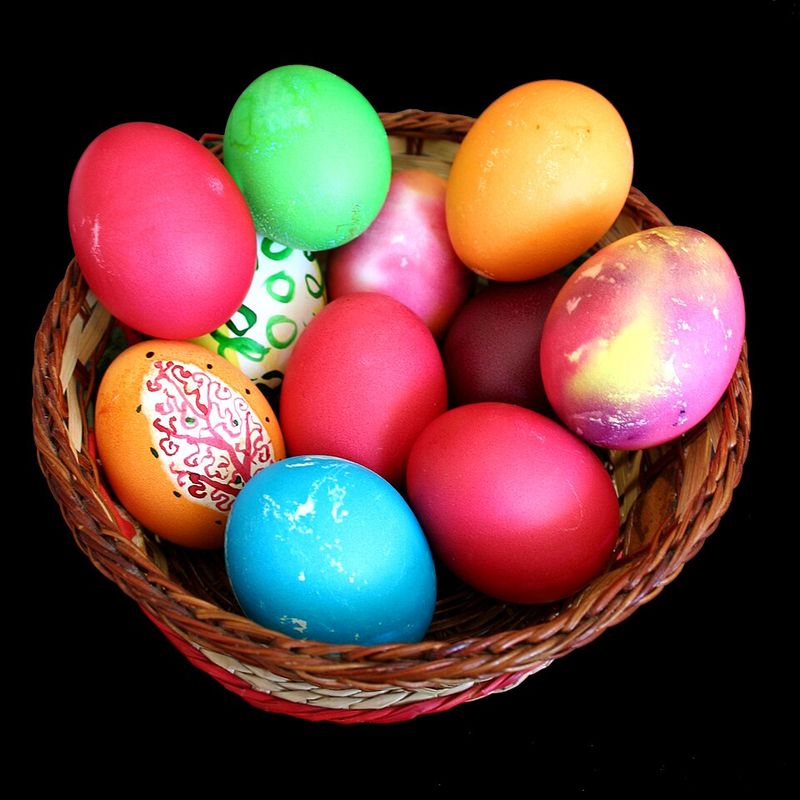
Brightly colored eggs have decorated spring celebrations for thousands of years, long before Easter became a Christian holiday. Germanic pagans honored Eostre, a goddess of spring and fertility, with festivals celebrating rebirth and new life. Eggs perfectly symbolized these themes because they contain the potential for new beginnings.
Ancient peoples painted and decorated eggs, then exchanged them as gifts. The practice represented hope, renewal, and the earth awakening from winter’s grip. These rituals had deep spiritual meaning in pagan cultures.
When Christianity spread, the church incorporated egg traditions into Easter celebrations rather than banning them. The symbolism of resurrection aligned well with Christian teachings. Today, children hunt for colorful eggs each spring, continuing a custom that predates Christianity by centuries and connects us to ancient agricultural societies that worshiped nature’s cycles.
6. Santa Claus Imagery

The jolly man in red delivering gifts might seem purely Christian, but his origins trace back to Odin, the chief god in Norse mythology. During Yule, the pagan winter festival, Odin was said to lead a great hunting party across the sky. Children would leave boots filled with food for his eight-legged horse, Sleipnir, and Odin would reward them with gifts.
This flying, gift-giving winter figure bears striking similarities to Santa Claus. Both travel through the night sky, both reward good behavior, and both are associated with winter celebrations. The connection is hard to ignore.
Over centuries, Christian Saint Nicholas traditions merged with these pagan Odin legends. The result is the Santa we know today, a blend of multiple cultural influences that demonstrates how old beliefs adapt and survive through storytelling.
7. Halloween Traditions
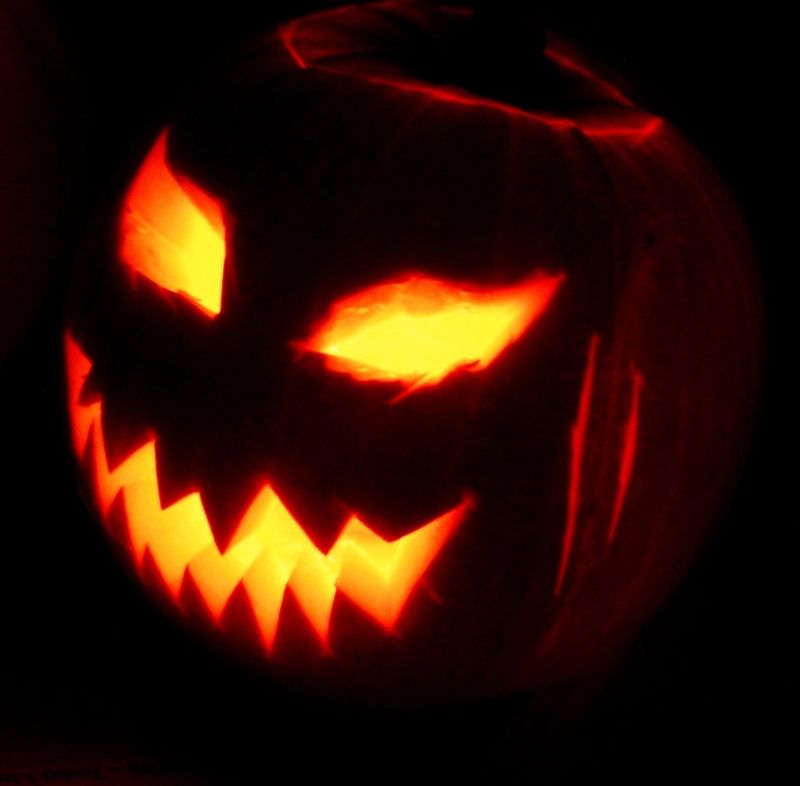
Dressing in costumes, carving vegetables, and honoring the dead all began with Samhain, an ancient Celtic festival. This pagan celebration marked the end of harvest season and the beginning of winter’s darkness. Celts believed the boundary between the living and spirit worlds grew thin during this time.
To protect themselves from wandering ghosts, people wore disguises and lit bonfires. They carved turnips and other vegetables into lanterns to ward off evil spirits. Food was left out to appease the dead and ensure their favor.
When Christianity arrived, the church established All Saints’ Day on November 1st, but couldn’t eliminate Samhain’s popularity. Instead, the traditions blended together. Modern Halloween retains these pagan roots, making it one of the most ancient celebrations still widely practiced today, though most participants have no idea of its true origins.
8. Mistletoe Kissing
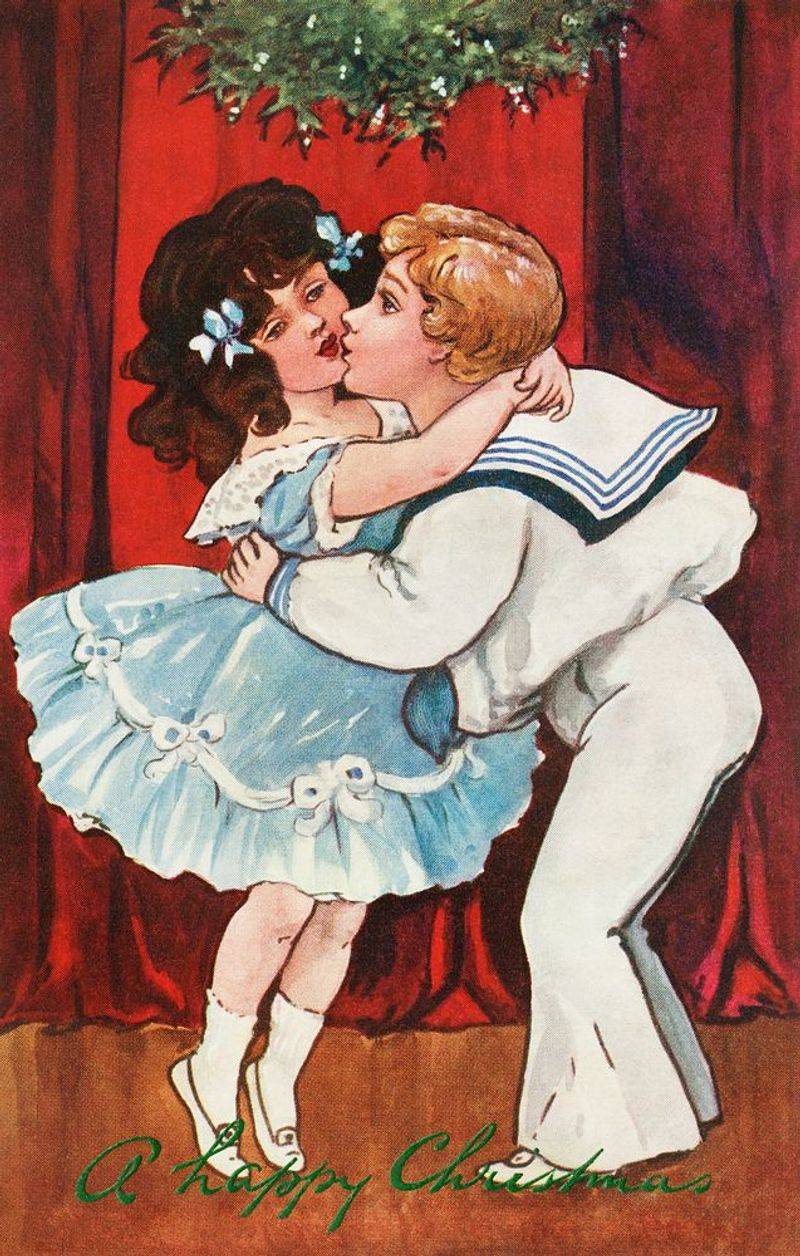
Stealing a kiss under mistletoe seems like innocent holiday fun, but this tradition has roots in ancient Druidic practices. Celtic Druids considered mistletoe sacred because it grew on oak trees without touching the ground, making it seem magical. They believed it held powers of fertility, protection, and peace.
In pagan rituals, mistletoe was used in ceremonies to promote romance and ensure successful harvests. Enemies who met beneath it were required to lay down their weapons and observe a truce. The plant symbolized life persisting through winter.
Norse mythology also features mistletoe prominently in the story of Balder’s death and resurrection. When Christianity spread, the church couldn’t eliminate people’s love for this plant, so the kissing tradition survived. Today, mistletoe remains a popular holiday decoration, connecting modern romance to ancient pagan beliefs about nature’s power.
9. Monday Superstitions
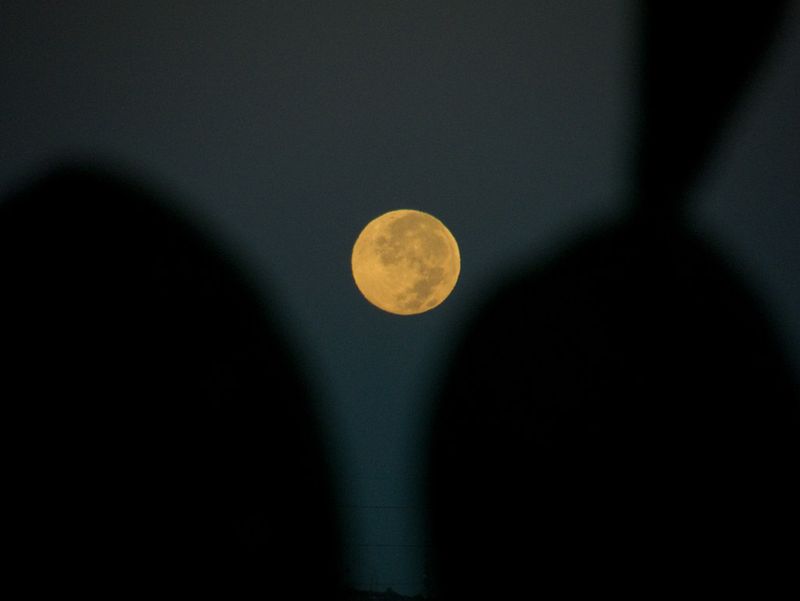
Many people feel a certain way about Mondays, but few realize the day’s name comes from moon worship. Monday literally means Moon’s Day, honoring the celestial body that governed night and influenced tides. Ancient pagan cultures across the world revered the moon as a powerful deity or divine force.
Lunar cycles dictated agricultural activities, religious festivals, and even personal decisions. The moon was associated with femininity, intuition, and mystery in many belief systems. Its phases were carefully tracked and celebrated.
Various Monday superstitions stem from these pagan lunar traditions. Some cultures considered it unlucky to start new projects on Mondays because the moon’s influence was thought to be unpredictable. Others saw it as a favorable day for certain rituals. Either way, every time we say Monday, we acknowledge an ancient practice of celestial worship that shaped human civilization.
10. The Evil Eye Symbol
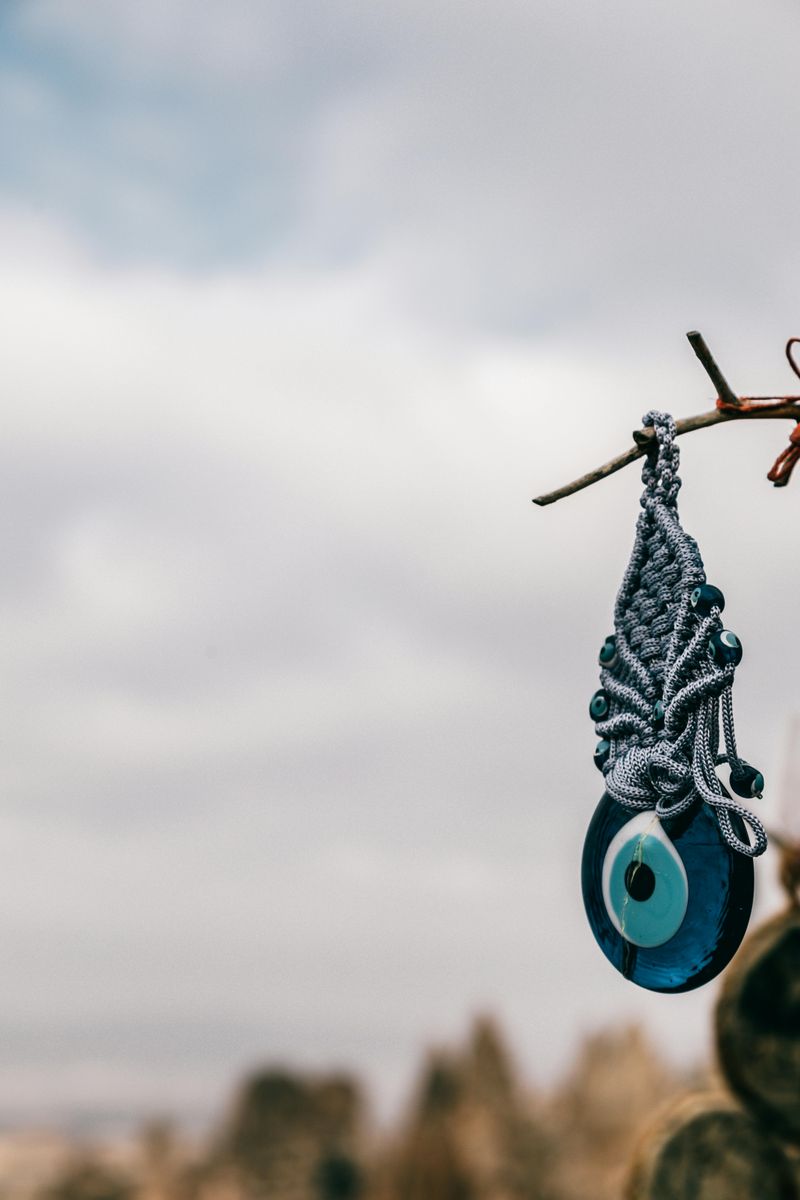
Walk into almost any jewelry store and you will find evil eye charms dangling from bracelets and necklaces. This protective symbol predates Judaism, Christianity, and Islam by thousands of years. Ancient Mesopotamians and Mediterranean cultures believed jealous glances could cause harm, illness, or bad luck to befall the envied person.
Pagan societies created amulets featuring eye designs to deflect this negative energy. The symbol was meant to stare back at evil intentions and protect the wearer. These charms were worn by everyone from peasants to royalty.
The belief spread across continents and survived for millennia. Today, the evil eye remains one of the most recognized symbols worldwide. People who wear it often have no idea they are continuing a pagan tradition of spiritual protection that has comforted humans for over 5,000 years.
11. Knocking on Wood
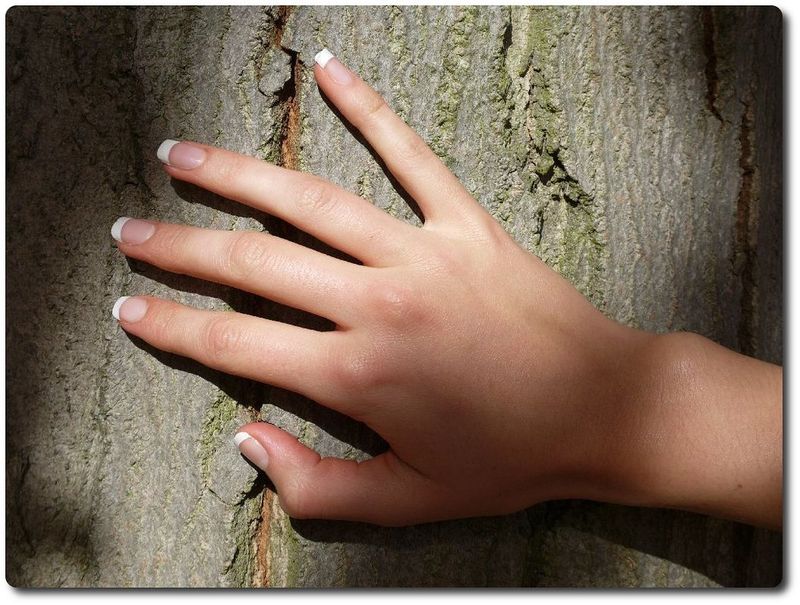
After saying something hopeful, many people instinctively knock on wood for good luck. This gesture comes from ancient pagan beliefs that spirits and gods lived inside trees. Different cultures viewed trees as sacred, housing protective entities that could be called upon for help or favor.
Touching wood was a way to ask these spirits for protection or to thank them for good fortune. Some believed it prevented evil spirits from hearing your plans and interfering with them. The physical contact created a connection to the divine.
Celtic Druids particularly revered oak trees and considered them gateways to spiritual realms. Knocking on wood may have originated as a way to awaken these benevolent tree spirits. Despite centuries of religious change, this simple superstitious act persists. We continue reaching out to touch wood, unconsciously honoring pagan beliefs about nature’s protective powers.
12. Throwing Rice at Weddings
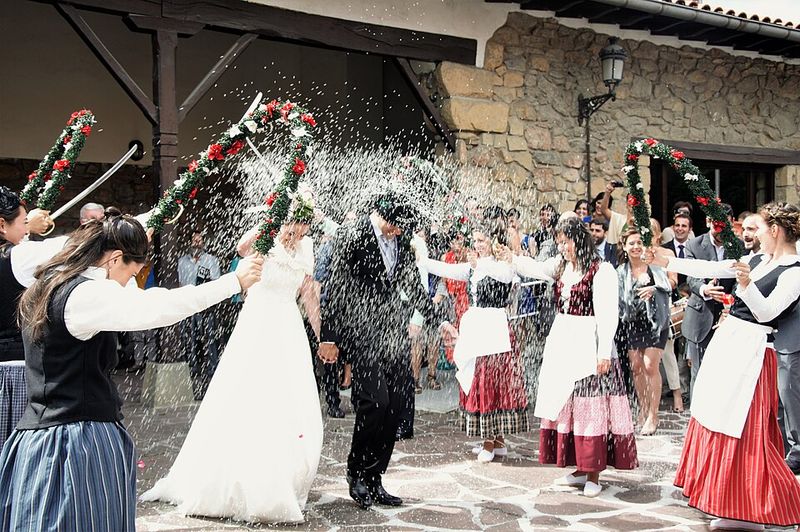
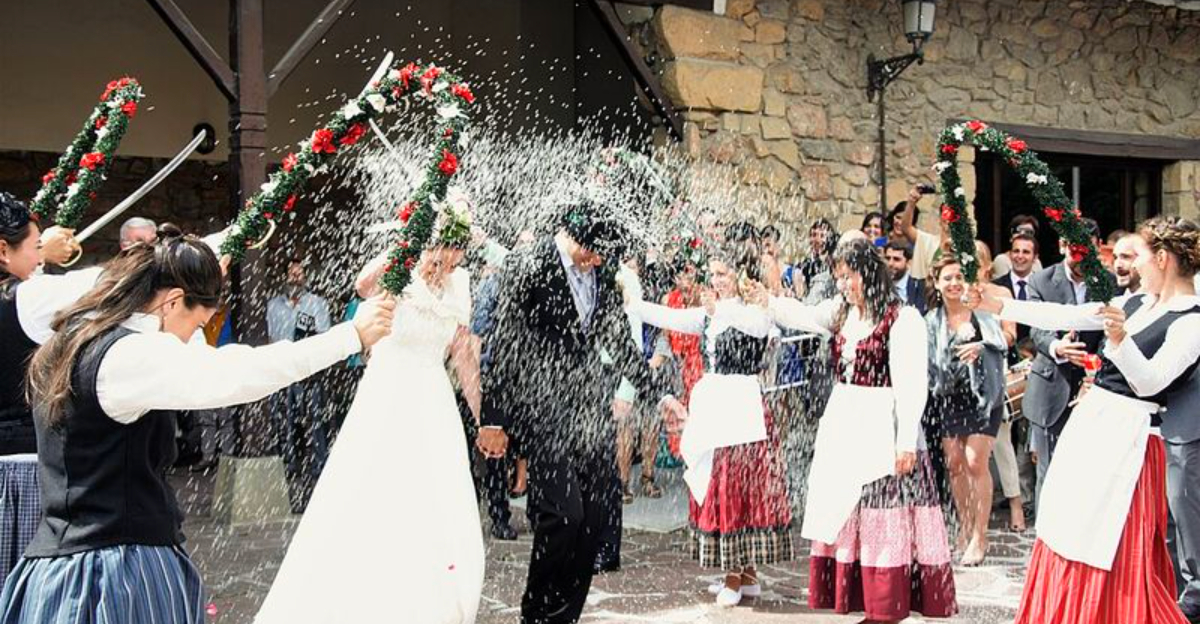
Showering newlyweds with rice seems like harmless celebration, but it actually continues an ancient pagan fertility ritual. Pre-Christian cultures throughout Asia and Europe threw grains at married couples to wish them prosperity and many children. Rice symbolized abundance because a single grain could produce an entire plant yielding hundreds more grains.
This act was believed to transfer the grain’s fertility to the couple. Pagan societies depended on successful harvests and large families for survival, so these blessings carried serious weight. The ritual also pleased agricultural gods who controlled crop yields.
Different regions used different grains based on what they grew locally. Wheat, barley, and rice all served the same symbolic purpose. Modern weddings have sometimes replaced rice with birdseed or flower petals for practical reasons, but the tradition’s meaning remains unchanged. We still wish couples abundance and fruitfulness, echoing pagan prayers whispered thousands of years ago.
13. Horoscopes and Zodiac Signs
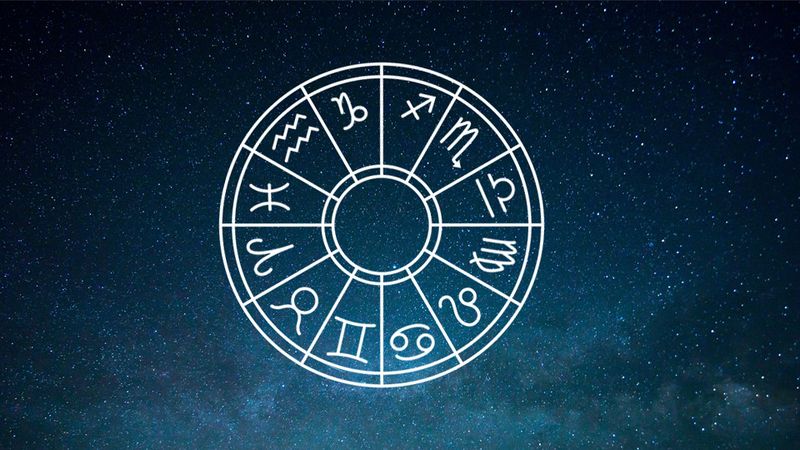
Checking your horoscope might seem like modern entertainment, but astrology’s roots reach back to Babylonian and Hellenistic pagan cultures. Ancient priests studied celestial movements and believed the stars and planets directly influenced human affairs. They developed complex systems connecting heavenly bodies to earthly events.
The zodiac emerged from these pagan cosmological beliefs. Each constellation was associated with specific gods, qualities, and predictions. Birth charts were cast for royalty to determine favorable times for important decisions. This was serious spiritual practice, not casual fun.
Greek and Roman pagans expanded these systems, creating the foundations for modern Western astrology. Despite opposition from various religious authorities throughout history, astrology survived. Today, millions read their horoscopes daily, consulting a belief system created by pagan priests who worshiped planetary deities and saw divine messages written in the night sky.
14. Rabbit’s Foot for Luck

Carrying a rabbit’s foot for good luck connects to Celtic and African pagan traditions about rabbits possessing supernatural connections. Celts associated rabbits with the underworld because they lived in burrows beneath the earth’s surface. This made them intermediaries between the physical world and spiritual realms.
African cultures viewed rabbits as trickster spirits with magical abilities. Their speed and elusiveness suggested otherworldly powers. Possessing part of a rabbit was thought to transfer some of these abilities to the owner, providing protection and fortune.
The left hind foot specifically was considered most powerful in various traditions, though the reasons vary by culture. European colonists in America encountered similar Native American beliefs about rabbit medicine, reinforcing the superstition. Today, rabbit’s foot charms remain popular good luck tokens. Most people carrying them have no idea they are practicing a form of pagan sympathetic magic that assumes objects can transfer spiritual power.
15. Wreaths on Doors

That cheerful wreath decorating your front door during winter holidays actually began as a pagan sun symbol. The circular shape represented the wheel of the year, acknowledging nature’s endless cycles of seasons. Ancient Europeans created wreaths from evergreen branches to symbolize life continuing through winter’s darkness.
Pagans hung these wreaths during winter solstice celebrations, the shortest day of the year when the sun begins its return. The circle honored the sun’s journey and promised spring would come again. It was both decorative and deeply spiritual.
Different plants in the wreath carried specific meanings. Holly represented masculine energy, while ivy symbolized feminine power. Together they represented balance and harmony. Romans also used wreaths to honor their gods during Saturnalia festivals. Christianity later adopted the wreath as an Advent symbol, but its pagan origins remain visible in its circular form and evergreen materials.
16. Birthstones
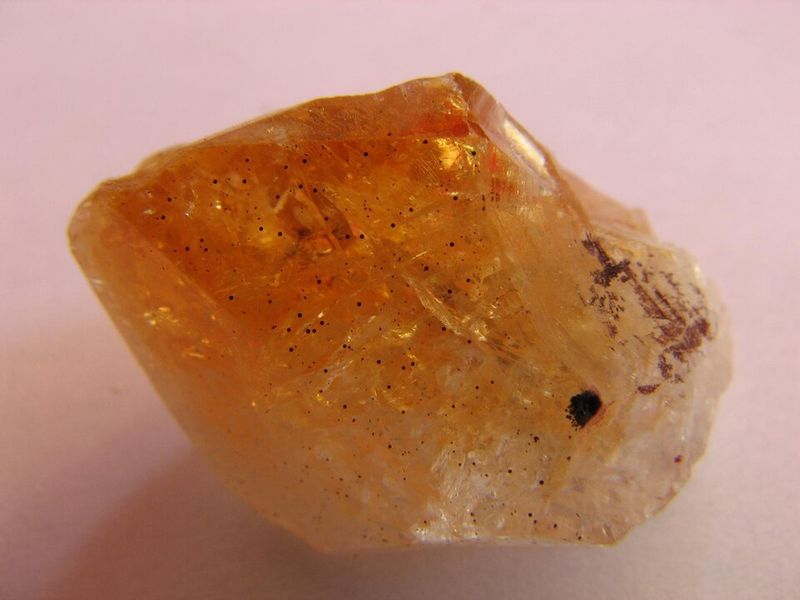
Wearing jewelry featuring your birth month’s special stone continues a tradition from ancient Babylonian and Roman pagan practices. These cultures believed gemstones possessed divine powers connected to planets, gods, and celestial forces. Each stone was thought to channel specific energies that could influence the wearer’s fate.
Babylonian astrologers assigned gems to zodiac signs based on color symbolism and mystical properties. Romans expanded this system, believing certain stones provided protection during specific months. Wearing the appropriate stone was thought to maximize its power and bring good fortune.
The modern birthstone list was standardized in 1912, but the concept remains rooted in pagan beliefs about stones containing spiritual energy. Whether you choose garnet for January or sapphire for September, you are participating in an ancient practice of adorning yourself with what pagans considered crystallized divine power. The jewelry industry rarely mentions these mystical origins.
17. Wedding Bouquets

A bride carrying flowers down the aisle seems timeless and purely romantic, but this custom began in ancient Greek and Roman pagan wedding ceremonies. The original bouquets were not just decorative. They consisted of strong-smelling herbs and flowers specifically chosen to ward off evil spirits that might curse the marriage.
Garlic, dill, and other pungent plants were commonly included because their powerful scents were believed to repel malevolent entities. Pagans took spiritual threats seriously, and weddings were considered vulnerable moments when couples needed extra protection. The bouquet served as a portable shield.
Some herbs also symbolized fertility and fidelity, adding layers of meaning to the arrangement. Brides wore flower crowns too, creating aromatic barriers around themselves. Modern bouquets focus on beauty and fragrance, but they descend directly from these pagan protective rituals. Every bride walking down the aisle carries forward an ancient practice of spiritual defense disguised as decoration.
18. Fortune Cookies

Fortune cookies feel quintessentially Chinese-American, but their true origin connects to Japanese Shinto temples and pagan practices. Before these cookies appeared in American restaurants, Japanese Shinto shrines offered omikuji, small paper fortunes that priests distributed to worshipers seeking divine guidance about their future.
These fortune slips were part of pagan Shinto religious practice, where people consulted spirits and deities for advice on everything from marriage to business decisions. The fortunes were taken seriously as messages from the spiritual realm. Receiving a bad fortune meant you needed to tie it to a tree at the temple to avoid the predicted outcome.
Japanese immigrants brought similar traditions to America, where they evolved into the crispy cookies we know today. The practice of consulting random fortunes for insight into your future is fundamentally pagan, rooted in divination practices that assume supernatural forces communicate through seemingly chance events.
19. Throwing Coins into Fountains

Tossing a coin into a fountain while making a wish continues an ancient pagan practice of offering tribute to water spirits and deities. Cultures worldwide believed supernatural beings inhabited springs, wells, and other water sources. These entities controlled water’s flow and needed to be appeased for communities to prosper.
Celtic pagans threw valuable objects into sacred wells to request blessings or give thanks for answered prayers. Romans made offerings to water nymphs and gods like Neptune. The shiny coins attracted the spirits’ attention and demonstrated the worshiper’s sincerity and respect.
People believed water sources were portals to otherworldly realms where divine beings dwelled. Making offerings ensured safe passage, good health, and granted wishes. Today’s fountain coins serve the same purpose, though most people treat it as lighthearted superstition. Nevertheless, millions worldwide continue feeding coins to water, unconsciously honoring pagan water deities who were once worshiped with deadly seriousness.
20. Yule Logs

Burning a special log during the winter holidays originated in Germanic and Norse pagan Yule festivals celebrating the winter solstice. The Yule log symbolized the sun’s return after the year’s longest night. Keeping it burning throughout the solstice celebration was believed to ensure the sun would indeed return and bring warmth back to the frozen earth.
Families carefully selected their Yule logs, often choosing oak or ash trees considered sacred in pagan traditions. The log was decorated, blessed, and ceremonially lit using a piece saved from the previous year’s log. This connected past to present and ensured continuity of blessings.
Ashes from the Yule log were scattered in fields to promote fertility and protect crops. Some kept pieces under beds for protection against lightning and evil spirits. Christianity absorbed this tradition into Christmas celebrations, but its pagan origins remain clear. Modern chocolate Yule log cakes are edible reminders of ancient fire rituals honoring the sun.



