
Every year, millions of animals end up lost, abandoned, or in desperate need of care. Some are found wandering city streets, others surrendered by families who can no longer provide for them.
What happens next depends almost entirely on the organizations willing to step up. Across the globe, a remarkable group of shelters and sanctuaries are doing exactly that, not just housing animals, but transforming their futures through medical care, behavioral support, adoption programs, and community education.
These places operate on a mix of donations, volunteer hours, and sheer determination. Some have been around for over 160 years; others are newer but no less impressive in their impact.
Whether you are an animal lover, a potential adopter, or simply someone curious about how the world treats its four-legged residents, the thirteen organizations featured here will give you plenty of reasons to feel hopeful. Get ready to meet the shelters making a real difference.
1. Best Friends Animal Sanctuary, Kanab, Utah, USA

Carved into the dramatic red rock canyon country of southern Utah, Best Friends Animal Sanctuary holds a special place in the story of animal welfare in America.
As one of the largest no-kill sanctuaries in the United States, the organization provides long-term care for dogs, cats, horses, birds, rabbits, and many other animals that arrive from shelters across the country.
The sanctuary spans over 3,700 acres, giving animals room to recover, socialize, and simply be themselves while staff and volunteers work toward finding them permanent homes.
Best Friends also runs a national network of programs aimed at helping local shelters achieve no-kill status, partnering with communities in cities of every size.
2. Battersea Dogs & Cats Home, London, England

Few animal organizations anywhere in the world can claim a history stretching back to 1860, but Battersea Dogs and Cats Home has been doing its job for well over a century and a half.
Founded originally as a home for lost and starving dogs in London, the charity expanded to include cats and has since cared for well over three million animals across its long history.
Today, Battersea operates three centers in the United Kingdom and rehomes thousands of pets every year, with each animal receiving a full health check, behavioral assessment, and whatever rehabilitation support it needs.
The organization is also deeply committed to policy work, lobbying for stronger animal welfare laws at the national level. Battersea is perhaps best known in popular culture for its royal connections, having supplied pets to members of the British royal family on more than one occasion.
3. Dogs Trust, Multiple Locations, United Kingdom
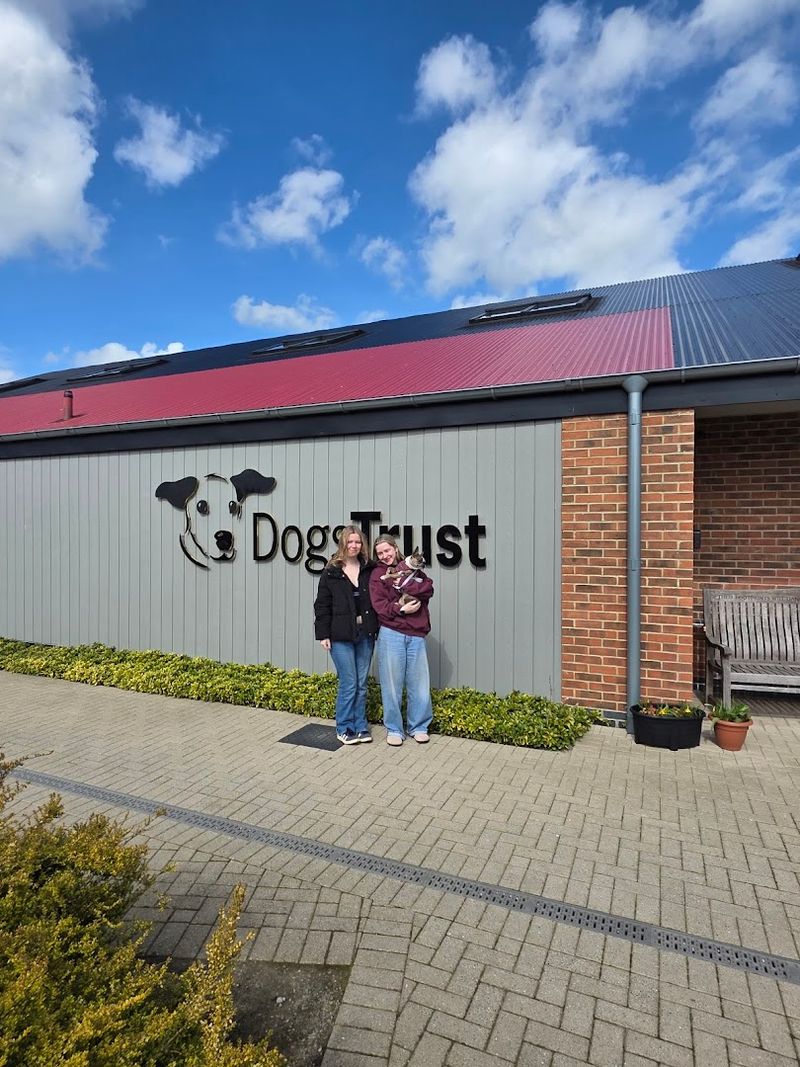
The slogan says it all: “A Dog Is For Life, Not Just for Christmas.” Dogs Trust came up with that phrase back in 1978, and it has since become one of the most recognized statements in the history of animal welfare.
The organization operates more than 20 rehoming centers across the United Kingdom and Ireland, making it one of the most accessible dog rescue networks in the country.
Each year, Dogs Trust cares for around 14,000 dogs, providing veterinary treatment, behavioral support, and patient matchmaking to ensure every dog finds a home suited to its personality and needs.
The charity also runs extensive education programs in schools, teaching children about responsible pet ownership from an early age. Dogs Trust does not put down healthy dogs, a commitment that requires significant resources but reflects the organization’s core values.
4. Woodgreen Pets Charity, Cambridgeshire, England

Nearly a century of helping animals is no small achievement, and Woodgreen Pets Charity has been at it since 1924, making it one of the oldest continuously operating animal welfare organizations in England.
Based on a large rural campus in Cambridgeshire, the charity provides care for dogs, cats, small animals, horses, and farm animals, covering a wider range of species than most shelters attempt.
What sets Woodgreen apart is its emphasis on keeping pets with their families whenever possible. The charity offers behavioral consultations, financial support, and crisis fostering to help owners through difficult periods rather than simply taking animals in.
This preventative approach reduces the number of animals surrendered in the first place, which benefits both pets and their families. Woodgreen also runs a dedicated training and education center, offering courses for pet owners and professionals alike.
5. Soi Dog Foundation, Phuket, Thailand

Thailand has one of the largest populations of stray dogs in Asia, and for many of those animals, the Soi Dog Foundation represents their best shot at a better life.
Founded in 2003 by a British couple living in Phuket, the organization has grown from a small local rescue operation into an internationally recognized force in animal welfare.
The foundation runs large-scale spay and neuter programs that have helped control stray populations in a humane and sustainable way, rather than relying on culling, which was once common practice in the region.
Soi Dog also maintains a medical facility capable of treating hundreds of animals at a time, and its international adoption program has found homes for dogs in countries across Europe, North America, and beyond.
6. Animal Care Centers of NYC, New York City, New York, USA
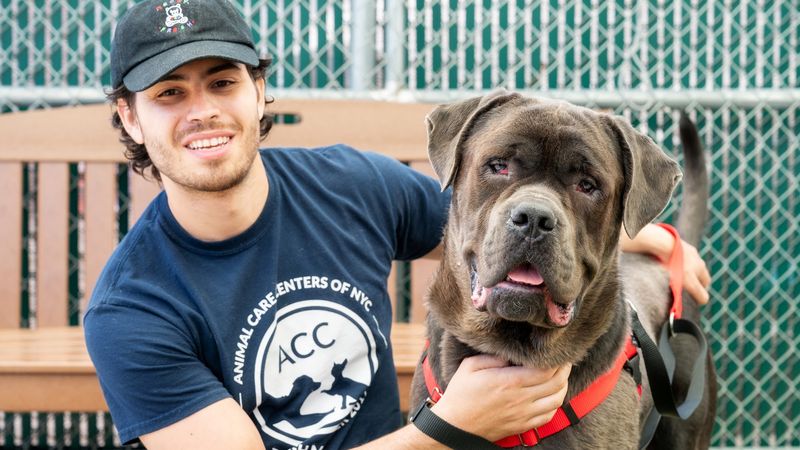
Running an animal shelter in New York City is a logistical challenge that most organizations would find overwhelming, but Animal Care Centers of NYC handles it with remarkable efficiency.
As the city’s official sheltering partner, ACC takes in animals from all five boroughs, operating multiple facilities across Manhattan, Brooklyn, and Staten Island to serve one of the densest urban populations in the world.
The organization rescues tens of thousands of animals annually, ranging from dogs and cats to rabbits, birds, and the occasional reptile that someone decided to keep as a pet before thinking it through.
ACC also runs a robust foster network that places animals in temporary homes, reducing stress and freeing up space in its facilities. Community outreach programs focus on providing low-cost veterinary services and spay/neuter resources to neighborhoods where pet abandonment rates are highest.
7. Sydney Dogs & Cats Home, Sydney, Australia

Tucked into the suburbs of one of the world’s most livable cities, Sydney Dogs and Cats Home has spent decades quietly doing work that deserves far more attention than it typically receives.
The shelter focuses on reuniting lost pets with their families, and its microchip scanning and owner notification systems are among the most efficient in the country.
For animals that cannot be reunited with previous owners, the adoption program steps in with careful assessments designed to match each animal with the right household. The shelter places particular emphasis on animals with behavioral challenges, investing in training and rehabilitation rather than giving up on harder cases.
Sydney Dogs and Cats Home also maintains a strong volunteer program that brings hundreds of community members into direct contact with animals in their care, providing socialization opportunities that improve adoption outcomes.
8. SPCA Auckland, Auckland, New Zealand

New Zealand has a well-earned reputation for caring about its environment and the creatures that share it, and SPCA Auckland is a big reason why that reputation holds up when it comes to domestic animals.
As part of the country’s largest animal welfare network, the Auckland branch handles thousands of cases each year involving neglected, abused, or abandoned pets, as well as wildlife that has been injured or displaced.
The organization’s inspectorate team investigates reports of animal cruelty and works closely with law enforcement to hold offenders accountable, giving the shelter a role that goes well beyond standard rescue work.
Medical treatment at SPCA Auckland covers everything from routine vaccinations to complex surgeries, with a veterinary team that handles cases many smaller organizations would need to refer out.
Community programs focus on education, with school visits and public workshops helping people understand what animals need to thrive. The adoption process is designed to be welcoming rather than intimidating, encouraging more people to consider giving a shelter animal a permanent home.
9. Blue Cross of India, Chennai, India
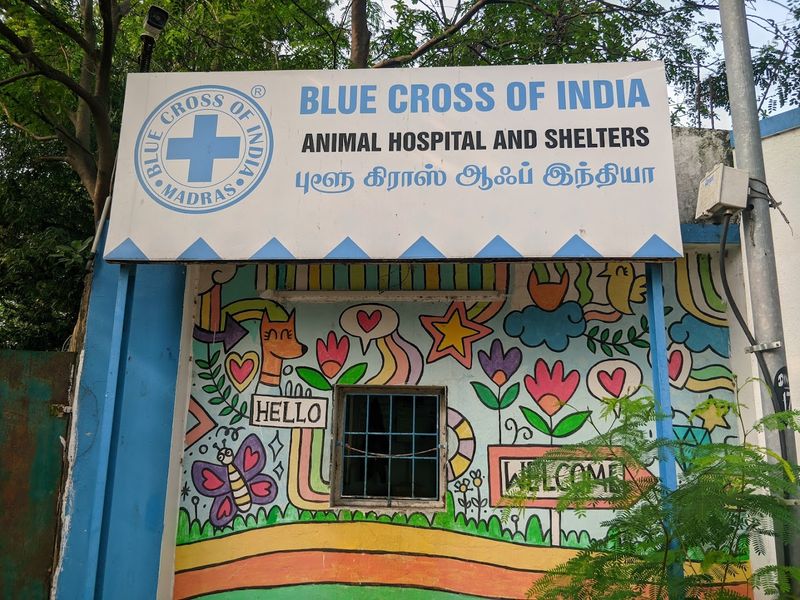
India has an estimated 30 million stray dogs, and since 1959, the Blue Cross of India has been working in Chennai to address that challenge with practical, community-based solutions.
Founded by Captain V. Sundaram, the organization was one of the first in the country to take a systematic approach to street animal welfare, combining rescue operations with large-scale sterilization and vaccination programs.
The Animal Birth Control program run by the Blue Cross has been credited with significantly reducing the stray dog population in parts of Chennai in a way that is both humane and effective over the long term.
Beyond street animals, the organization runs a shelter, a hospital, and an ambulance service that responds to emergency cases across the city.
Its advocacy work has influenced national policy discussions around animal welfare legislation in India, helping push for stronger protections at the federal level.
10. RSPCA New South Wales, Sydney, Australia

The RSPCA brand carries serious weight in Australia, and the New South Wales branch is one of the busiest and most impactful chapters in the national network.
Each year, RSPCA NSW takes in well over 20,000 animals, a figure that includes not just dogs and cats but also farm animals, horses, wildlife, and birds rescued from neglect or cruelty situations.
The organization’s inspectorate is one of its most important functions, with trained officers responding to thousands of animal cruelty complaints annually and working alongside police to investigate serious cases.
Adoption centers across the state give rescued animals a path to permanent homes, with staff providing detailed profiles and matching advice to help families choose the right fit.
Education programs reach children and adults alike, covering everything from basic animal care to recognizing signs of neglect. RSPCA NSW also operates a veterinary hospital that serves both shelter animals and low-income pet owners who might otherwise struggle to afford care for their companions.
11. K9 Friends, Dubai, United Arab Emirates

Dog rescue in the UAE is a newer movement compared to organizations in Europe or North America, but K9 Friends has been building it steadily since 1985, making it one of the oldest animal welfare groups in the Gulf region.
The organization relies almost entirely on volunteers and donor support, with no government funding, which makes its continued operation a genuine community achievement.
K9 Friends focuses exclusively on dogs, providing shelter, veterinary care, and adoption services for animals that have been abandoned, surrendered, or found wandering the streets of Dubai.
The shelter’s adoption program has placed thousands of dogs in homes across the UAE and internationally, working carefully to ensure each placement is a good long-term match.
Foster care plays a big role in the K9 Friends model, with volunteer foster families providing temporary homes that allow dogs to decompress and show their true personalities outside a kennel environment. The organization also runs education initiatives aimed at helping the local community develop more positive attitudes toward dog ownership and animal welfare generally.
12. Animal Haven, New York City, New York, USA

Manhattan is not the easiest place to run an animal shelter. Space is expensive, competition for attention is fierce, and the pace of city life does not always make thoughtful pet adoption feel like a priority.
Animal Haven has managed to thrive in that environment since 1967, building a reputation for creative adoption programming and a genuine commitment to finding the right match rather than the fastest one.
The shelter cares for dogs and cats, with a particular focus on animals that have been passed over elsewhere, including older animals, those with medical needs, and pets with behavioral quirks that require patient, informed owners.
Animal Haven’s adoption counselors spend real time getting to know both the animals and the potential adopters, reducing the likelihood of returns and improving long-term outcomes for everyone involved.
The organization also runs a robust social media presence that has helped connect animals with adopters across the country, proving that a small shelter in a big city can have an outsized impact when it tells its stories well.
13. Berlin Animal Shelter (Tierheim Berlin), Berlin, Germany

By almost any measure, Tierheim Berlin is in a category of its own. Covering around 16 hectares on the outskirts of the German capital, it is widely regarded as one of the largest animal shelters in Europe and possibly the world.
The facility provides care for an astonishing variety of animals, including dogs, cats, rabbits, birds, reptiles, farm animals, and even the occasional exotic species that ends up in the shelter after an ill-advised purchase.
At any given time, Tierheim Berlin may house over 1,000 animals, supported by a professional staff of veterinarians, animal care workers, and behaviorists who manage each animal’s physical and psychological wellbeing.
The shelter’s adoption process is thorough, with staff conducting home checks and follow-up visits to ensure animals settle in successfully after leaving the facility.
Education programs and public tours make Tierheim Berlin something of a destination for animal lovers visiting the city. Its scale and the quality of care it provides make a strong case for what a well-funded, well-organized animal shelter can realistically achieve.
Share this story