 Unearth The Voyage
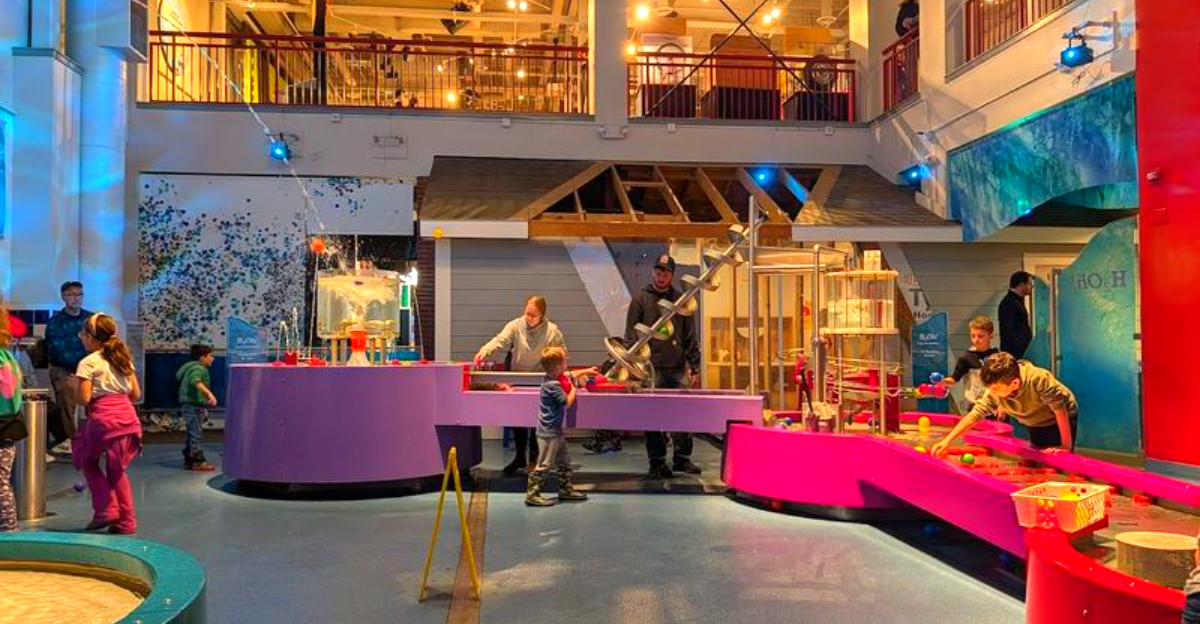
In Michigan, one museum throws out the usual rules and replaces them with 250 hands-on exhibits spread across four floors. Visitors are encouraged to touch, test, and experiment, turning everything from water systems to mechanical displays into interactive learning.
What makes it stand out is how it engages both kids and adults at the same time. The exhibits are designed to teach through action, and many are just as interesting for grown-ups as they are for children.
It is not a quiet, walk-through experience. It is a place where people stay longer than planned, especially once they realize how much there is to try on each level.
A Historic Firehouse With a New Mission

Before it became a hub of scientific curiosity, this building was where firefighters answered the call. The Ann Arbor Hands-On Museum is located at 220 E.
Ann Street, Ann Arbor, Michigan 48104, inside the historic Ann Arbor Central Fire Station, built in 1882.
The red brick exterior gives the place an old-school charm that feels completely at odds with the futuristic exhibits waiting inside. That contrast is part of what makes the visit so memorable from the very first step through the door.
Original firehouse details are still visible throughout the building, and a few artifacts from the station’s working days are on display for curious eyes. The museum has preserved just enough of the structure’s character to remind you that history and discovery can absolutely share the same roof.
It is a genuinely unique setting that no cookie-cutter science center could replicate, and it sets the tone for everything that follows on the upper floors.
What 250-Plus Exhibits Actually Looks Like
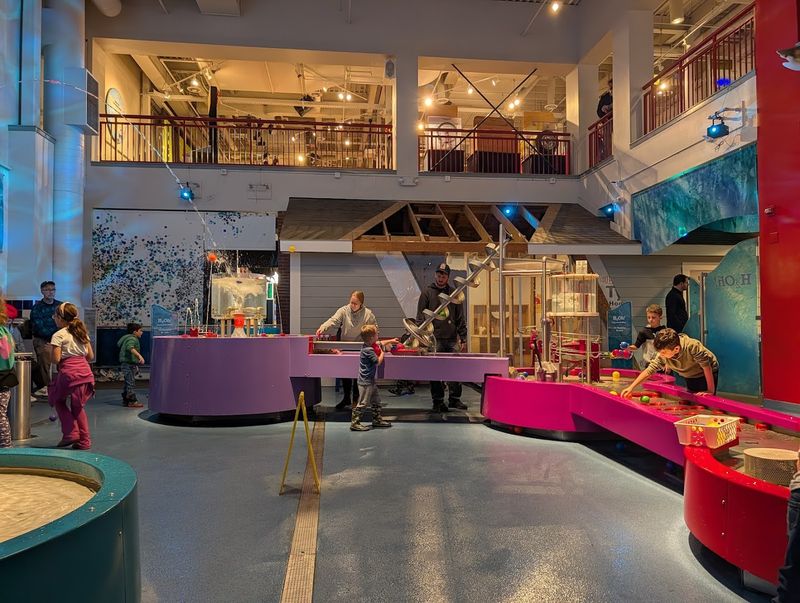
Two hundred and fifty interactive exhibits sounds like a marketing number until you actually walk through the doors and realize there is something to touch, spin, press, or build around nearly every corner. The museum fills four floors with activities that cover science, technology, engineering, art, and math, which together form the STEAM framework that guides the whole experience.
The variety is what keeps families moving. One exhibit might challenge you to understand sound waves, while the next lets you experiment with pulleys and gears.
There is rarely a moment where you run out of things to try.
The layout is organized enough that different age groups can find their footing without too much overlap between the littlest visitors and the older kids. Staff keep things clean and well-maintained, which is no small feat given how many hands interact with everything each day.
First-time visitors often say they only made it through half the museum, which is a strong reason to plan a second trip.
The H2Oh Water Gallery That Steals the Show
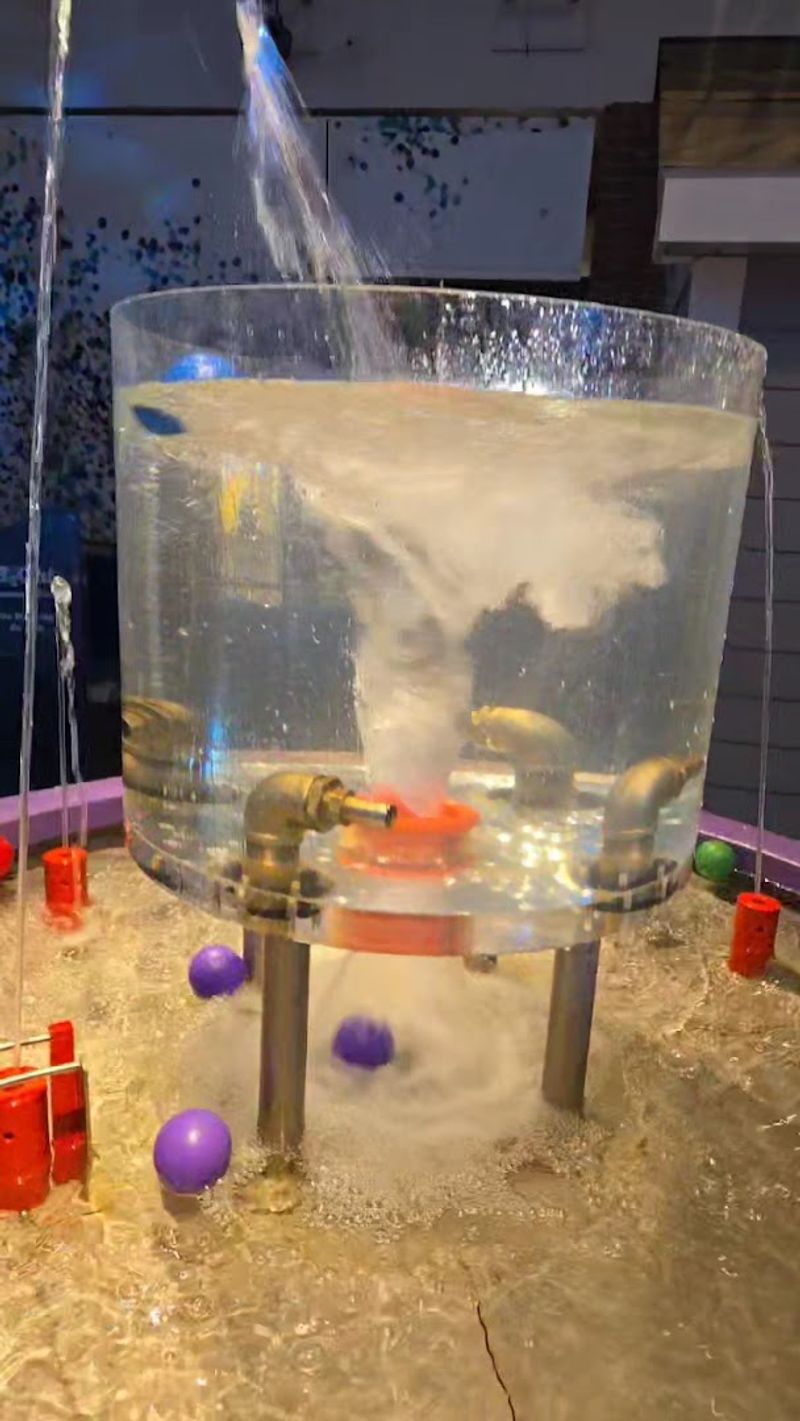
Ask almost any parent which exhibit their child refused to leave, and the answer is almost always the water room. The H2Oh Water Gallery on the first floor is exactly what it sounds like: a hands-on water playground where visitors crank, spin, pump, push, and pour to their hearts’ content.
The exhibit is genuinely clever in how it teaches fluid dynamics and water pressure without ever making it feel like a lesson. Kids are too busy squealing and experimenting to notice they are learning anything at all.
A word of practical wisdom: bring a change of clothes. Water has a way of finding its way onto small visitors, especially when other enthusiastic children are nearby with pumps and spray nozzles.
This is not a complaint, just a fact of life in the best possible way.
The water gallery tends to be the first stop for most families and often the last place they manage to pull their kids away from before heading home.
STEAM Park and the Next Generation of Tinkerers
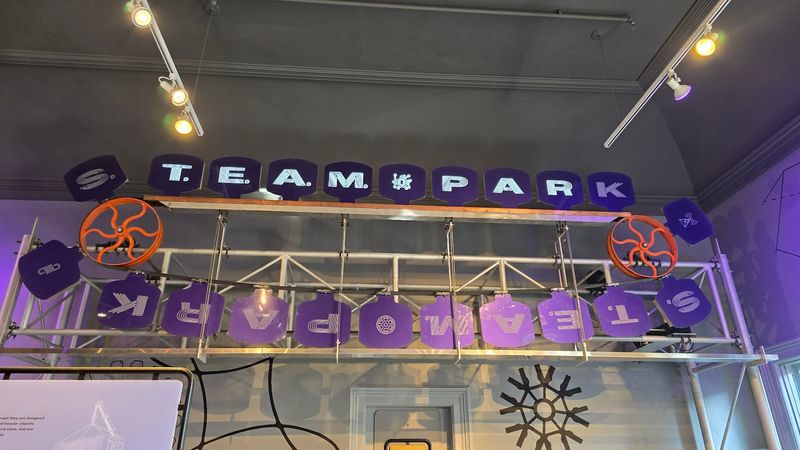
There is something quietly thrilling about watching a seven-year-old figure out how a gear system works entirely on their own. STEAM Park is designed to create exactly those moments, giving kids hands-on challenges rooted in science, technology, engineering, arts, and math in a space that feels more like a workshop than a classroom.
The activities here reward patience and experimentation. Children who might not thrive in a traditional school setting often find their confidence building quickly once they realize that trying and failing is actually part of the process.
Adults are not just spectators either. The exhibit invites everyone to get involved, and it is surprisingly common to see parents and grandparents just as focused on the challenges as the kids beside them.
STEAM Park represents the museum’s broader philosophy well: real learning happens when your hands are busy and your imagination is in charge. The next section covers a completely different kind of experience, one designed for the very youngest visitors in the family.
The Preschool Gallery Built Just for the Tiny Ones
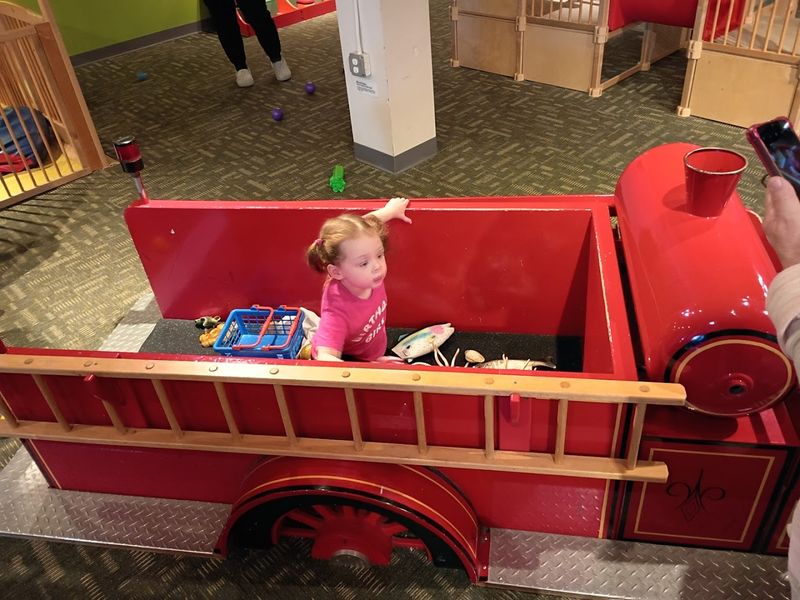
Museums can feel overwhelming for toddlers when everything around them is scaled for older kids. The Preschool Gallery solves that problem completely by creating a dedicated space designed specifically for children four years old and younger.
Inside, little ones find water tables sized just right for small arms, dress-up play that sparks imaginative storytelling, and a child-sized fire engine that fits perfectly with the building’s firehouse history. Every element has been chosen with safety and developmental appropriateness in mind.
Parents of toddlers often exhale visibly when they discover this room, because it means their youngest child has a space to roam freely without the anxiety of older kids rushing past. The energy here is calmer and more contained than the upper floors.
Caregivers with strollers will be glad to know the museum has elevators, making the whole building accessible without a struggle. The preschool space alone is worth the trip for families with children under four.
All About You and the Huron City Ambulance
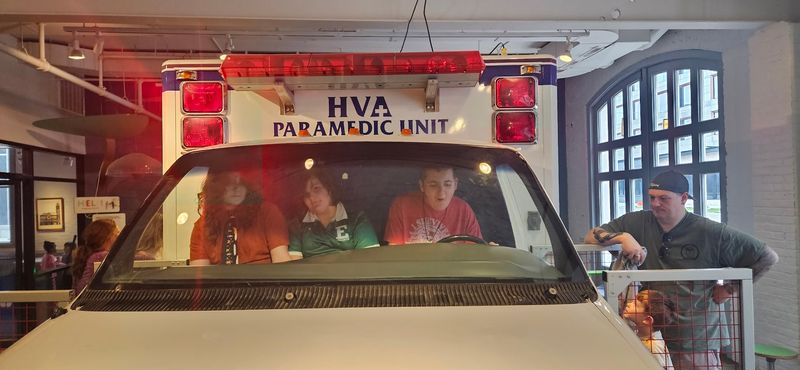
Human biology becomes a lot more interesting when you can climb inside an ambulance to explore it. The All About You exhibit takes medical science out of textbooks and puts it directly into visitors’ hands, letting them hear their own heartbeat, measure their physical fitness, and get a feel for what paramedics experience on the job.
The full-sized Huron City Ambulance is the centerpiece, and it draws kids like a magnet. There is something about the scale and realism of it that makes the whole exhibit feel genuinely immersive rather than just educational.
Beyond the ambulance, the gallery explores the human body in ways that feel accessible and engaging for a wide age range. Younger children enjoy the sensory aspects while older kids start asking more specific questions, which is exactly the kind of curiosity the museum is designed to ignite.
Few exhibits manage to make health science feel this exciting, and the ambulance in particular tends to be a topic of conversation long after the visit ends.
Lyon’s Country Store and a Glimpse Into the 1930s
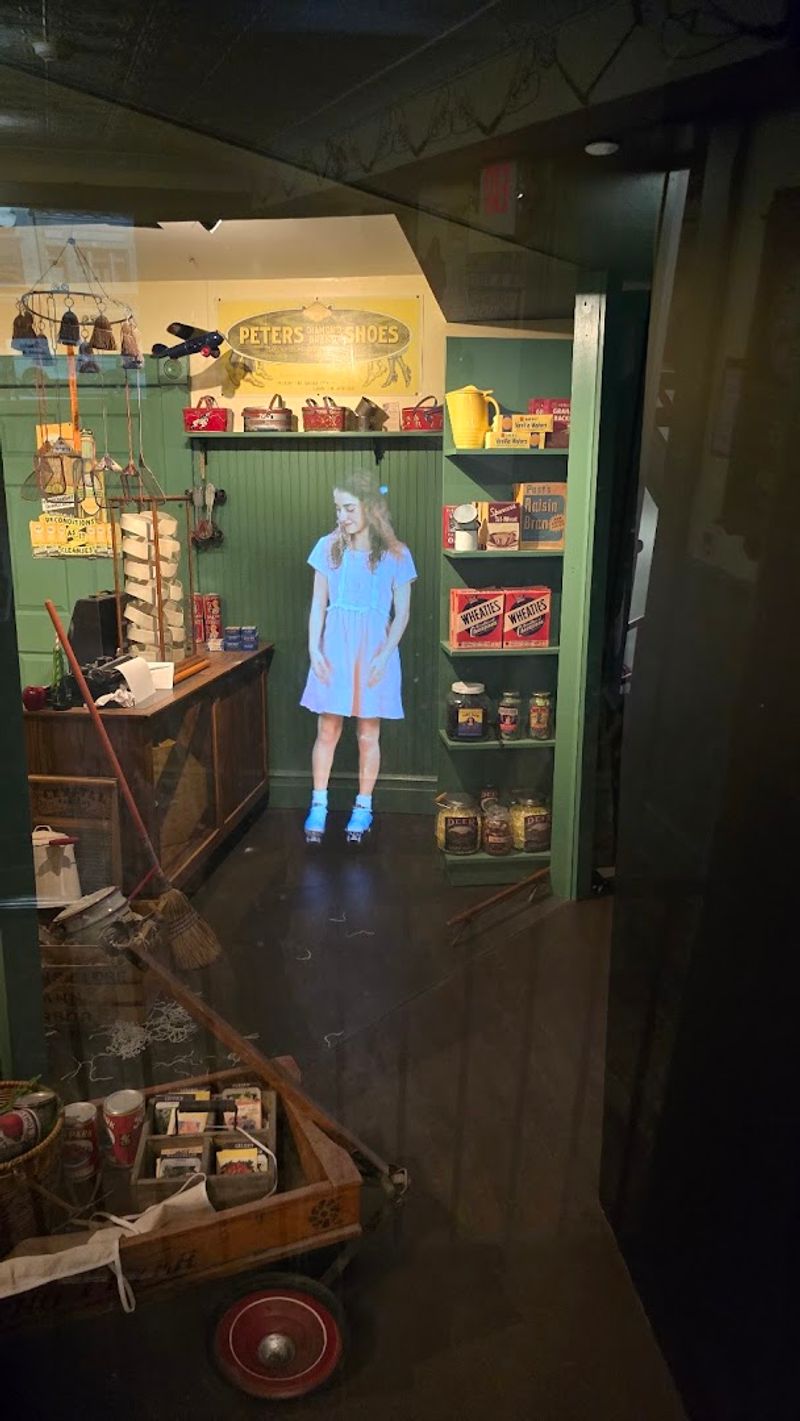
Not every exhibit at this museum is about circuits and chemistry. Lyon’s Country Store is a beautifully recreated 1930s general store where visitors can handle real, historic artifacts that were once everyday items in shops nearly a century ago.
The exhibit offers a genuinely different kind of hands-on experience, one rooted in social history rather than physical science. Touching objects that real people used decades ago creates a connection to the past that no photograph or description can replicate.
Children who might not gravitate toward the more technical exhibits often find themselves completely absorbed here, picking up old tins and tools and asking questions about what life looked like before supermarkets and online shopping existed.
The store also serves as a natural conversation starter between grandparents and grandchildren, since older visitors sometimes recognize items from their own childhood memories. It is a quieter corner of the museum, but one that leaves a surprisingly lasting impression on visitors of all ages.
Musical Steps and the Screaming Room
Some exhibits earn their reputation through pure, uncomplicated fun. The musical steps at the Ann Arbor Hands-On Museum are exactly that: a staircase where each step produces a different musical note when you land on it, turning a simple walk upstairs into an impromptu performance.
Kids tend to go back and try different combinations, discovering that they can create recognizable tunes if they jump in the right order. Adults are not immune to this particular joy, either.
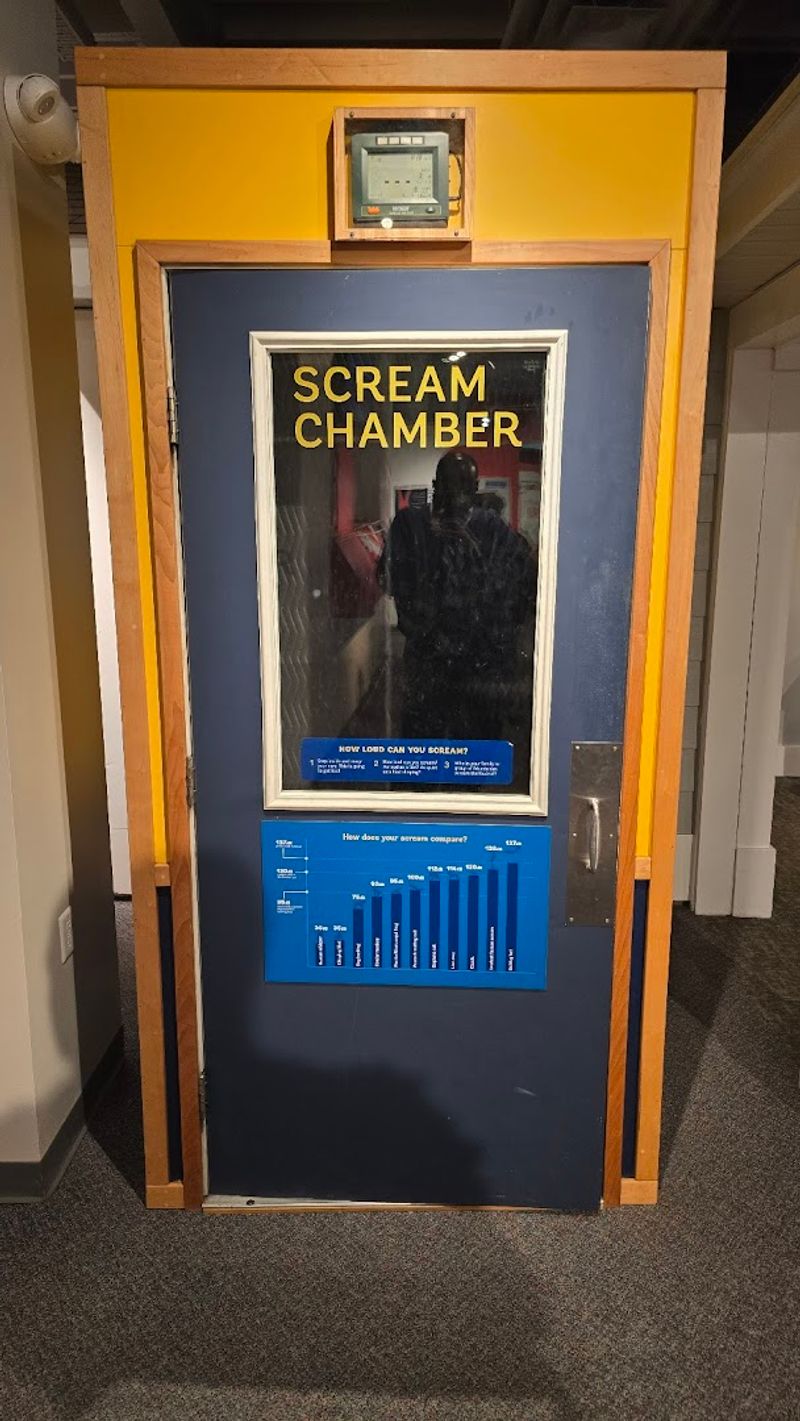
Then there is the screaming room, which is precisely what it sounds like. Visitors can let loose inside a soundproofed space and observe how acoustics change depending on the environment.
It is one of those exhibits that sounds chaotic on paper but actually delivers a clear and memorable lesson about sound physics.
Together, these two sound-based experiences represent the museum at its most playful. They also happen to be among the most frequently mentioned highlights by families who visit, which says a lot about their staying power.
Admission, Hours, and How to Plan Your Visit
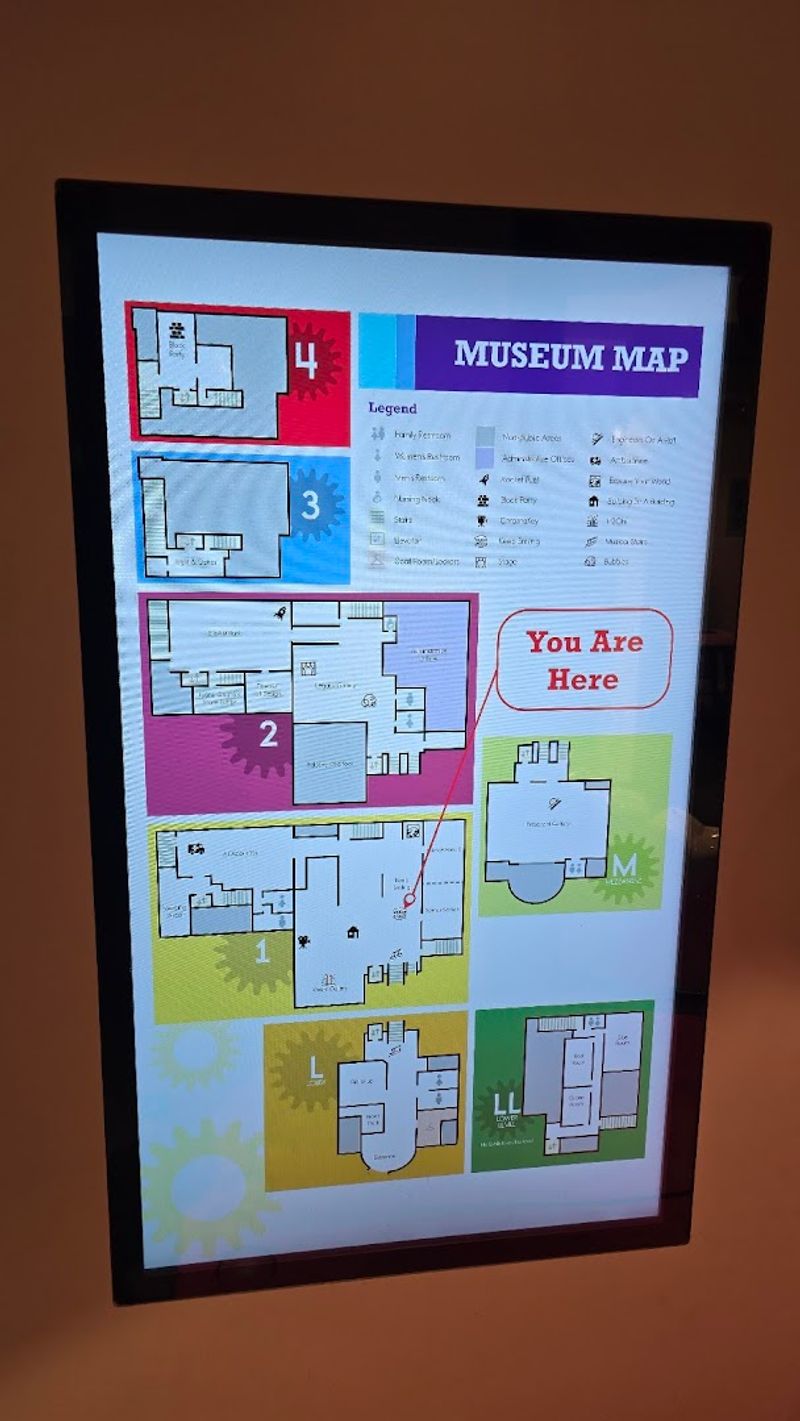
Getting the logistics right before you arrive makes the whole experience smoother. The museum is open Tuesday through Saturday from 10 a.m. to 5 p.m. and on Sundays during the same hours.
Mondays are closed, so plan accordingly.
Admission is $16 per person for both adults and children, and children under two years old get in free. Financial assistance options are available for families who need them, which reflects the museum’s commitment to being accessible to the broader community.
Buying tickets online in advance is a smart move, particularly on weekends or during school breaks when the building gets noticeably busier. Arriving early on weekdays is the most common advice from experienced visitors, since school field trips tend to thin out by early afternoon.
The museum also participates in reciprocal membership programs with other hands-on museums across the country, so if you hold a membership here, you may qualify for discounted access to similar institutions in other cities.
Parking, Strollers, and Getting Around the Building

Parking in downtown Ann Arbor requires a bit of strategy. Street parking near the museum is limited, and it tends to disappear quickly on busy days, especially when local events or art fairs are happening nearby.
Paid parking structures are scattered throughout the downtown area and are usually the most reliable option.
Parallel parking on surrounding streets is possible and free in some spots, but patience helps. The museum’s phone number is +1 734-995-5439 if you need to call ahead with any access-related questions.
Once inside, stroller navigation is genuinely easy thanks to elevators that reach all four floors. The museum has clearly thought about accessibility, and families with young children or visitors with mobility needs will find the building manageable without stress.
Lockers and coat racks are available near the entrance, which is helpful if you are carrying a lot of gear on colder Michigan days. A small vending area with tables provides a place to rest and refuel mid-visit.
Sensory Kits, Special Needs, and Inclusive Design
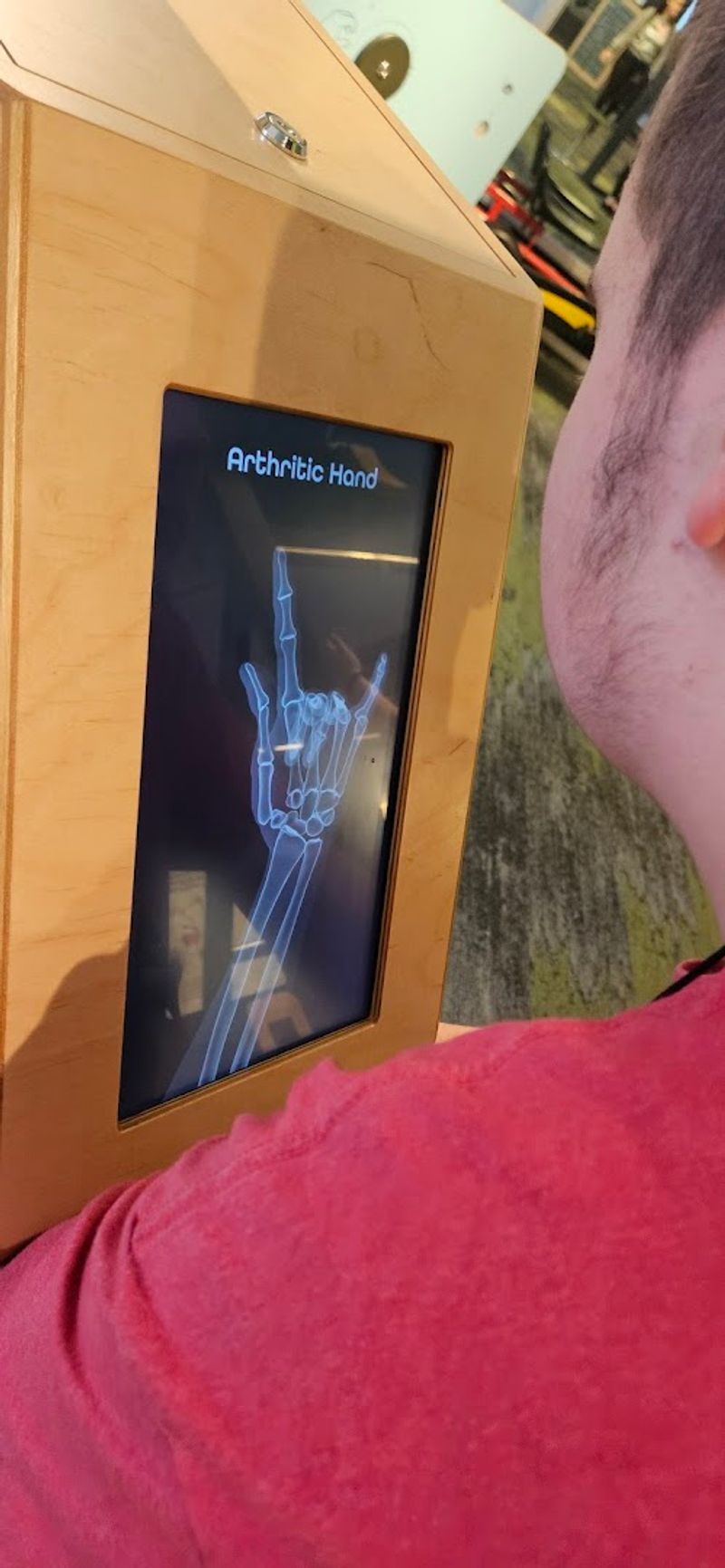
Museums can be overwhelming for children with sensory sensitivities, and the Ann Arbor Hands-On Museum has taken that seriously. Sensory kits are available for visitors with autism or light and sound sensitivities, providing tools that help make the experience more comfortable and manageable.
The museum’s layout includes quieter corners alongside the more energetic exhibit areas, giving families a chance to step back and regroup when the stimulation level gets high. The Preschool Gallery, in particular, tends to have a calmer atmosphere than the busy main floors.
Staff members are trained to be helpful and approachable, and the general environment is described consistently as welcoming by families with children who have diverse needs. A dedicated nursing room is also available for caregivers with infants.
These thoughtful design choices reflect an understanding that a truly inclusive museum is one where every child, regardless of their sensory profile, can participate fully. That commitment to accessibility is one of the more quietly impressive things about this place.
Memberships, Gift Shop, and Reasons to Come Back

A single visit to this museum is genuinely enjoyable, but a membership turns it into something else entirely. Family memberships are available and can include grandparents, which makes them a popular gift choice for households that visit more than once or twice a year.
The museum updates its exhibits periodically, so repeat visitors are often surprised to find something new. Recent additions to the sound exhibit lineup have been particularly well received, and the rotating content keeps even frequent visitors engaged across multiple trips.
Near the entrance, a small gift shop stocks science-themed educational toys and souvenirs that lean more toward quality than novelty. It is the kind of shop where you might actually find something worth buying rather than a shelf of forgettable trinkets.
Birthday parties can be hosted at the museum with staff support, adding a memorable layer to what is already a special outing. With a 4.7-star rating from nearly 4,000 reviews, the Ann Arbor Hands-On Museum has clearly earned its place as one of Michigan’s most beloved family destinations.



