Just north of Ann Arbor, a nearly 100-acre park offers direct access to the Huron River along with a mix of forest, meadow, and wetland habitats. It feels removed from the city, but it is only minutes from downtown.
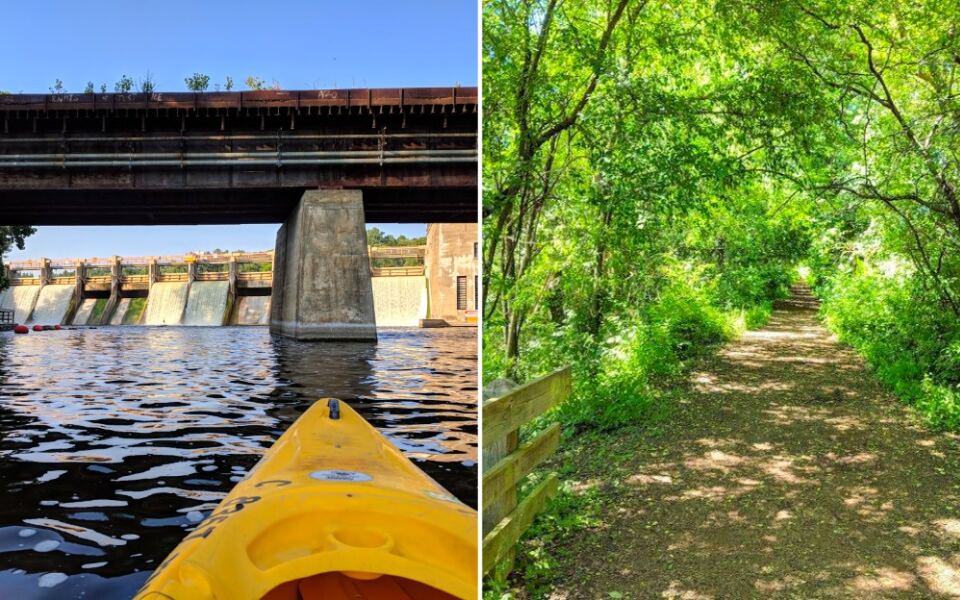
What makes it stand out is the variety packed into one space. There is a dam with a portage slide, a wood-chip trail system through beech and maple trees, a playground built from reclaimed tree trunks, and a pedestrian tunnel added in 2025.
The park is also home to more than 300 recorded plant species across multiple ecosystems.
It is an easy escape for kayaking, walking, or simply spending time outdoors without leaving the area.
Where the Park Actually Is and How to Get There
The address that gets you closest to the main action is 1010 W. Huron River Dr., Ann Arbor, MI 48103, and the northern parking lot right there is your best starting point for both the trails and the boat launch.
The park sits a few miles northwest of downtown Ann Arbor, tucked between the Huron River and a patchwork of residential neighborhoods. It is easy to miss if you are not looking for it, because the entrance is quiet and unassuming rather than grand or heavily signed.
The park is managed by Ann Arbor Parks and Recreation, and the main phone number is 734-794-6230. Hours run from 6 AM to 10 PM most days, with Friday nights extending to midnight.
Parking is free, and the lot fills up quickly on warm weekend mornings, so arriving early is a smart move.
The Story Behind the Dam and the Pond
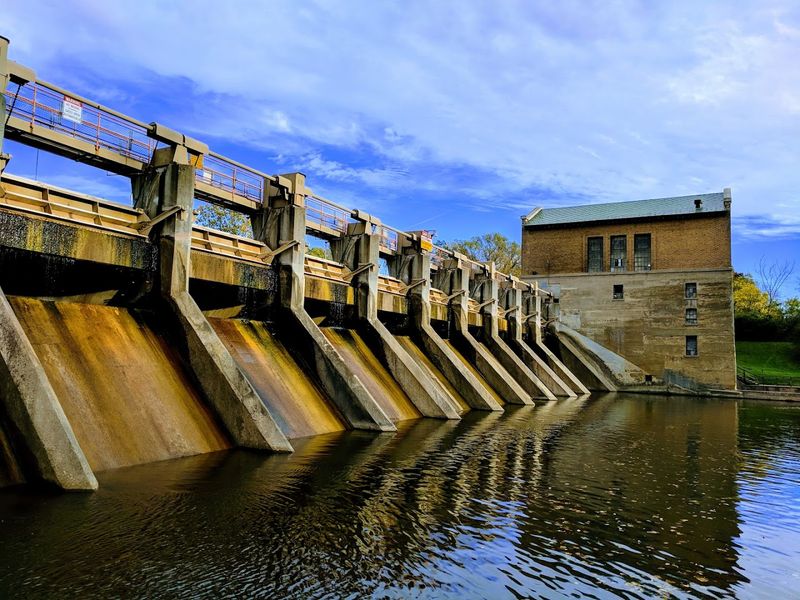
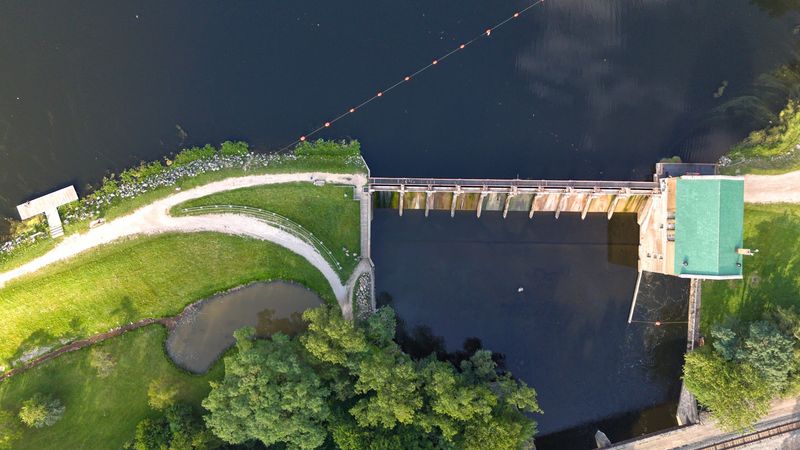
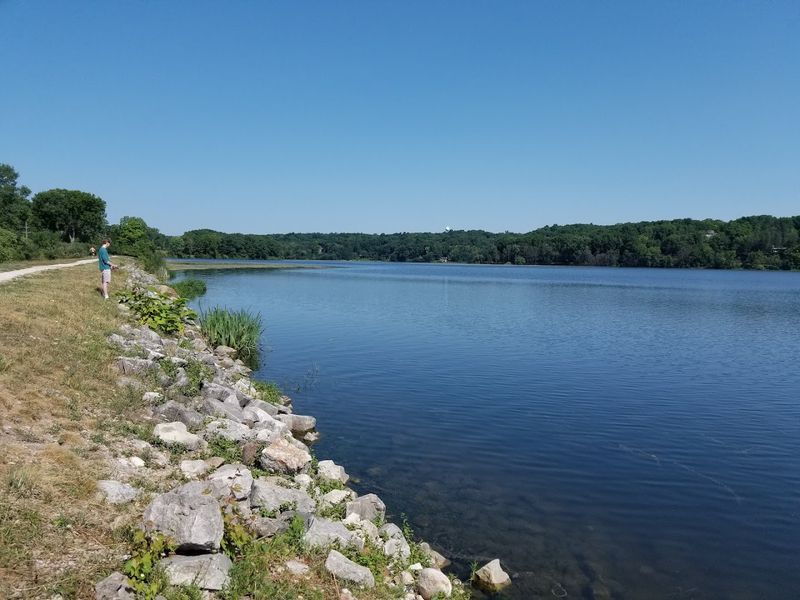
Barton Pond is not a natural lake. It formed because of the Barton Dam, which holds back the Huron River and creates a wide, calm stretch of water that stretches upstream for a noticeable distance.
The dam has been a landmark in this part of Ann Arbor for decades, and it plays a practical role too, as it is connected to the city’s water supply infrastructure. An earthen embankment runs along the city side of the dam, with benches, green lawn space, and a pedestrian walkway that gives you a clear view of the wide river pooling before it drops.
It is worth knowing that a major repair project on the embankment at Barton Pond is currently underway and is expected to continue through June 2027. The pond and dam area are closed to the public during this time, but the nature trails within the Barton oxbow remain fully open and accessible throughout the construction period.
What 324 Plant Species Actually Looks Like on a Walk
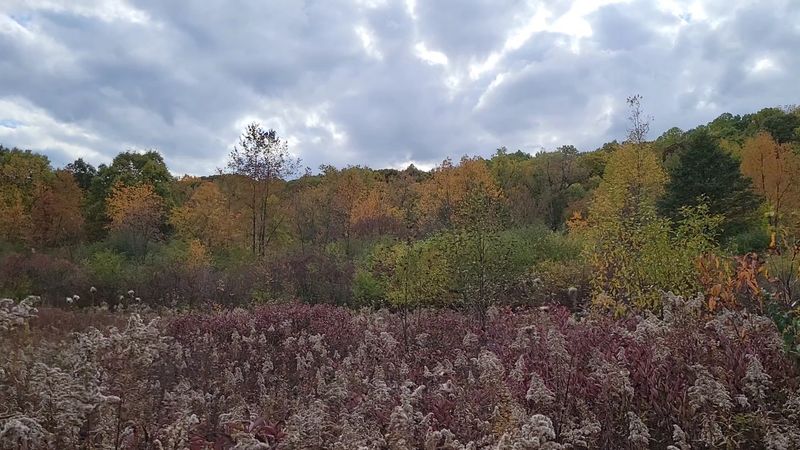
The biodiversity here is genuinely surprising. Barton Nature Area contains 324 recorded plant species spread across six distinct habitat types, including old field, dry prairie, wet meadow, shrubland, mesic forest, and emergent marsh.
What that means on a practical walk is that the scenery keeps shifting. One stretch of trail moves through dense shade under mature beech and sugar maple trees, and within a few minutes you step out into an open meadow where wildflowers and grasses take over completely.
Fall is when the color contrast between the forest and the open areas becomes particularly vivid, with the maple canopy turning deep orange and red while the meadow grasses go gold. Spring brings a different kind of show, with wildflowers emerging on the forest floor before the canopy leafs out.
Even a winter visit has its own quiet appeal, especially when frost coats the marsh edges and the bare trees reveal views that the leaves normally hide.
The Oxbow Trail and Why the Wood Chips Matter
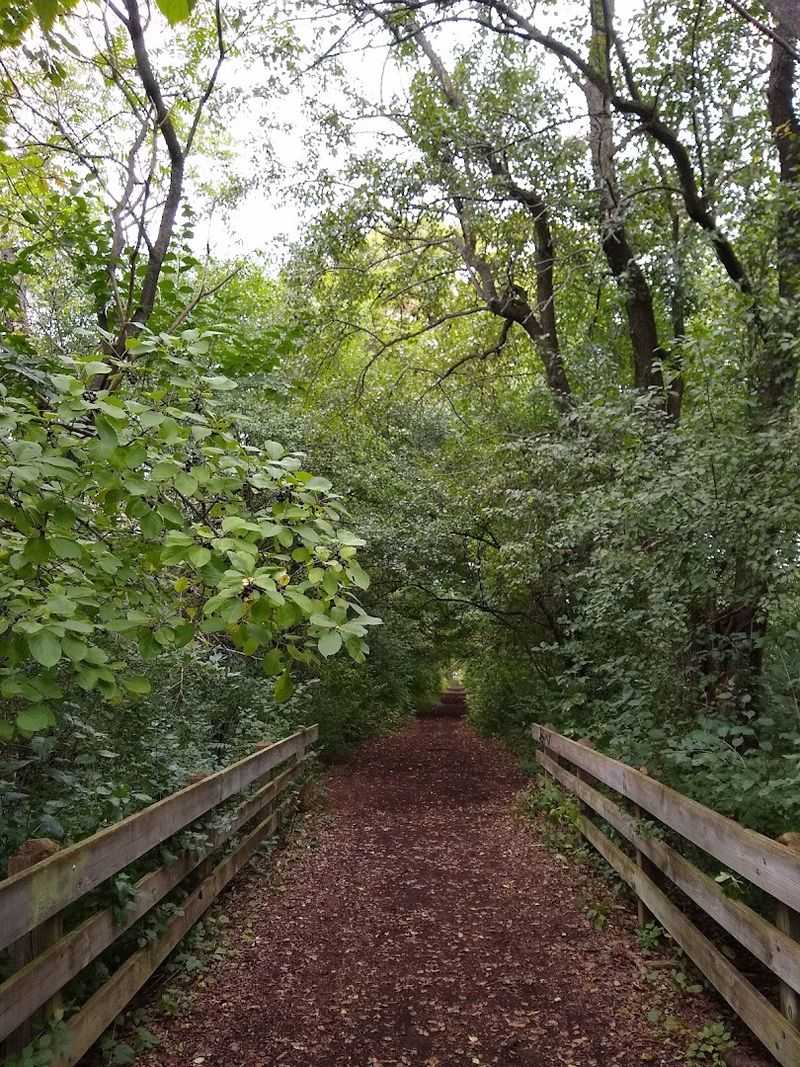
The main trail at Barton Nature Area runs about half a mile and is surfaced with wood chips rather than pavement or gravel. That single detail changes the whole feel of the walk, making it soft underfoot and noticeably quieter than a hard-surface path.
The trail sits within what is called the Barton oxbow, a curved section of land shaped by the river’s old course. It connects two bridges and has several side trails branching off for anyone who wants to extend the outing.
The terrain includes gentle hills, shallow ravines, and open meadow sections, with very little dramatic elevation change overall.
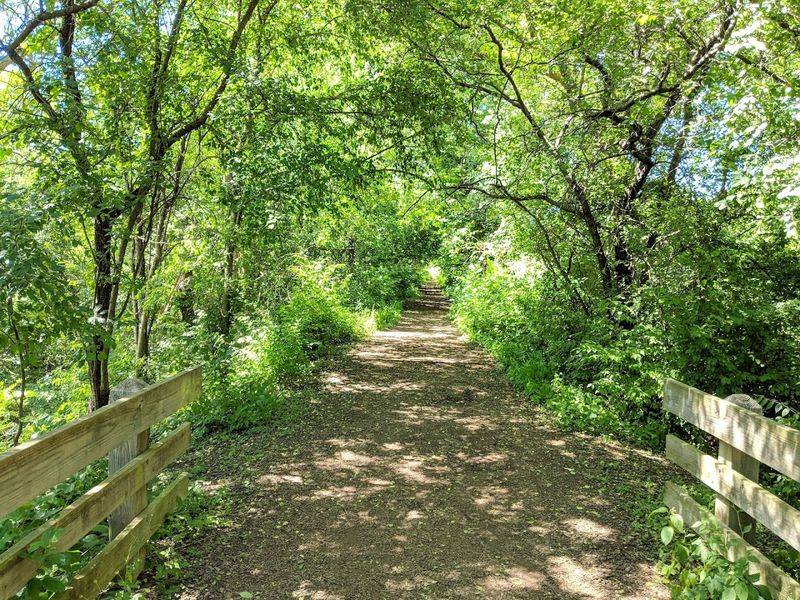
The forest here is mature and dense, with beech, sugar maple, oaks, and hickory forming a canopy that blocks out a surprising amount of city noise. The trail system is well-marked and easy to follow, and the loop format means you are unlikely to get turned around.
Keeping to the marked paths is important here, since the plant communities alongside the trail are fragile and slow to recover from foot traffic.
Kayaking the Huron River from the Boat Launch
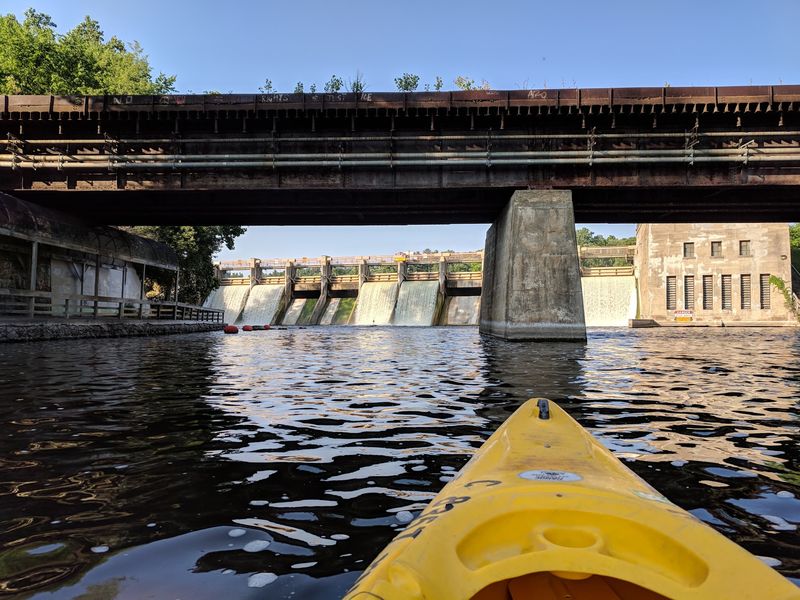
The public boat launch at the northern parking lot on W. Huron River Drive is one of the most practical features of this park.
It gives paddlers direct access to both the section of river above the dam and the calmer water below it.
For kayakers following the Huron River Water Trail downstream, a dedicated portage boat slide helps navigate past the Barton Dam without having to haul a kayak over rough ground. It is a thoughtful piece of infrastructure that makes a longer river trip genuinely doable for paddlers of most skill levels.
Ann Arbor Parks and Recreation, working with the Gallup Park Livery, offers a guided 5.7-mile river trip from Barton downstream to Gallup Park, which takes roughly two and a half hours. Flatwater paddling from a launch just below the dam also allows for a relaxed round trip toward Bandemer Park.
Note that the current construction project has affected some launch access near the pond, so checking conditions before heading out is always a good idea.
The Wildlife That Shares This Space With You
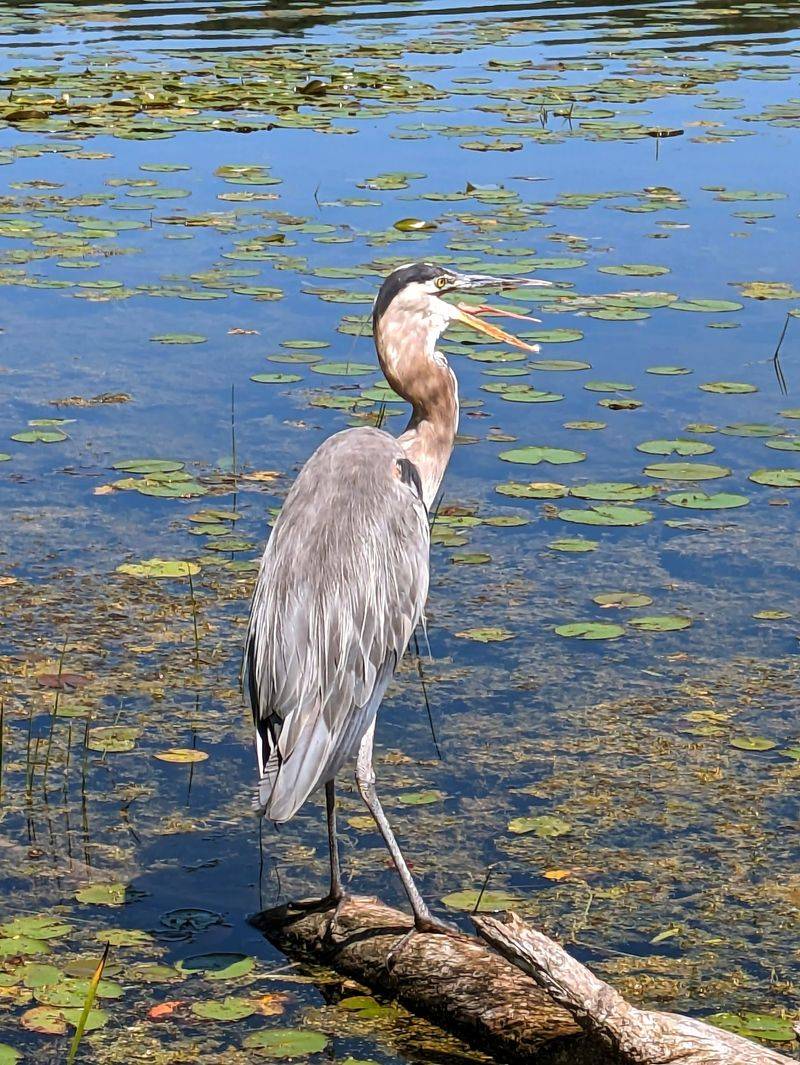
The mix of habitats at this park creates ideal conditions for wildlife, and the variety of animals you can spot on a single visit is one of the most talked-about aspects of the experience.
Great blue herons and egrets are common along the river edges, standing motionless in the shallows before striking at fish with remarkable speed. Turtles sun themselves on logs in the calmer stretches of water, and a swan family has been known to nest near one of the bridges downstream.
Wooly aphids, a surprising range of mushroom species, and numerous songbirds add to the list of things worth stopping to look at.
The densely wooded terrain and the wetland areas provide cover and food for animals that are harder to spot, including woodland birds that you are more likely to hear than see. Early morning visits consistently produce the most wildlife activity, before foot traffic increases and the park gets busy.
A pair of binoculars tucked into a day pack is never a wasted addition here.
Connections to Neighboring Nature Areas
One of the underappreciated aspects of this park is how it connects to a broader network of natural spaces. Barton Nature Area links directly to both Bird Hills Nature Area and Hilltop Nature Area, which means a visitor who arrives at Barton can end up hiking a much longer route than the half-mile main loop suggests.
The Barton-Argo Loop Trail is a 2.4-mile path that threads through the nature area and can be completed in roughly an hour at a comfortable pace. It is a popular option for runners and dog walkers who want a bit more distance without leaving the natural corridor along the Huron River.
A pedestrian tunnel connecting Barton Nature Area with Bandemer Park opened in November 2025, which is a significant addition. The tunnel eliminates the need to cross a road to move between the two parks, making the whole stretch feel more like one continuous green space.
For anyone who wants a longer outing, combining Barton with Bandemer through the new tunnel is now one of the better half-day options in the Ann Arbor parks system.
Fishing Along the Huron River Banks
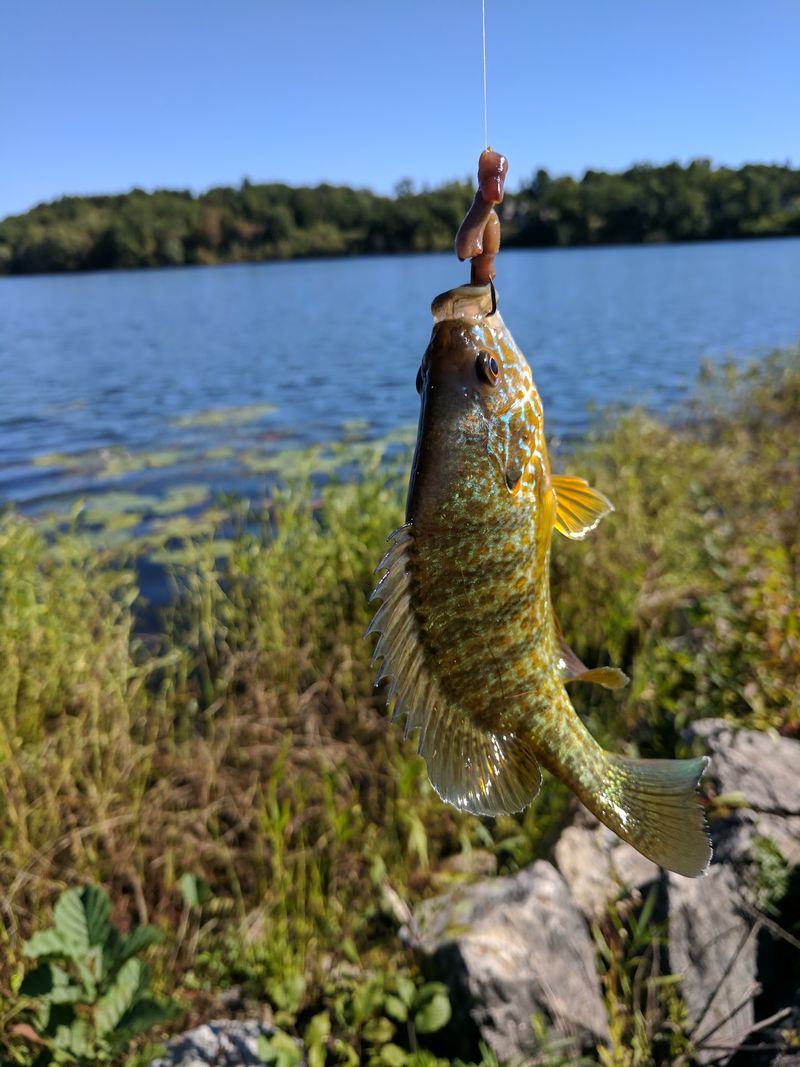
The Huron River near this park has a solid reputation among local anglers, and for good reason. Smallmouth bass, sunfish of several varieties, and northern pike all show up regularly in the water here.
The stretch of river just downstream from the dam is particularly productive, with deeper pools forming near bridge supports where bass tend to hold. The calmer water above the dam and around the pond area has historically been good for panfish, though current construction near the dam has temporarily changed access to some of those spots.
Fishing from the bank is the most common approach, and there are several spots along the trail system where the river is easily accessible without scrambling through brush. The water is clear enough in most conditions to sight-fish for bass in the shallower runs, which adds a layer of challenge that experienced anglers tend to enjoy.
A basic spinning setup with soft plastics or small crankbaits covers most situations well along this section of the Huron.
Bringing Dogs, Kids, and Picnic Blankets
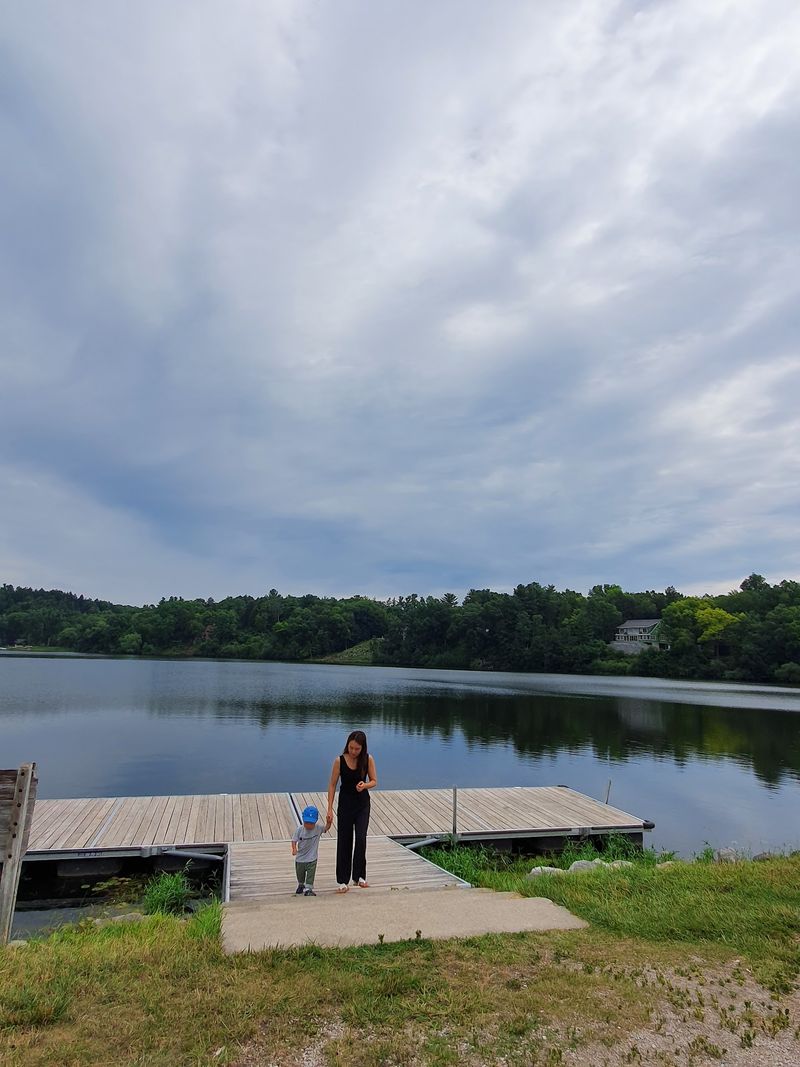
Dogs are welcome on the trails at Barton Nature Area, and the soft wood-chip surface is easy on paws. The one firm rule is that dogs must stay on a leash at all times, which keeps encounters with wildlife and other visitors calm and predictable.
Picnic tables and benches are scattered through the park, and the spots near the water are especially pleasant for a relaxed outdoor meal. One section near the dam area has a fire pit as well, which is a detail that does not show up in most park descriptions but makes an evening visit feel a little more special.
A unique climbing structure built from old tree trunks is available for kids, which stands out immediately because it looks nothing like standard playground equipment. It fits the natural character of the park perfectly.
The trail surfaces and relatively gentle terrain make the park accessible for families with younger children, though a few sections with stairs near the water require a bit of extra attention with small kids in tow.
Mountain Biking on Single-Track Trails
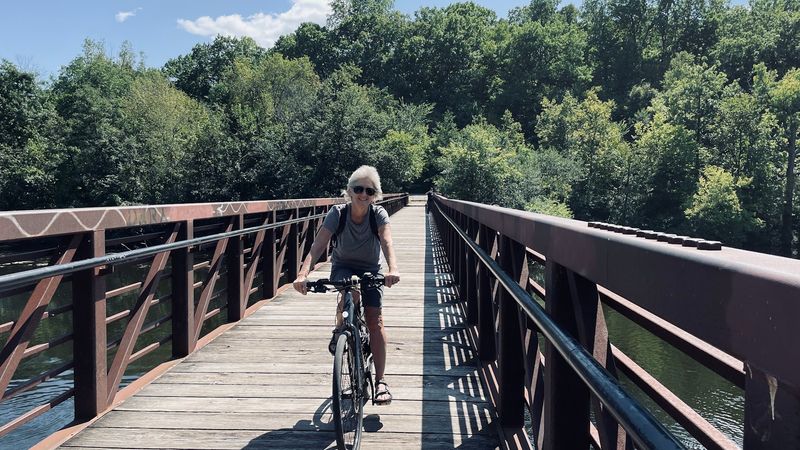
Biking is permitted on certain single-track trails within the park, and the terrain is generally rated as suitable for beginner and intermediate riders. The trails are narrow and winding rather than wide and open, which gives the riding a more technical feel than the park’s gentle reputation might suggest.
The roots and natural terrain features along the forested sections add enough challenge to keep experienced riders engaged, while the overall elevation change stays manageable enough that less confident riders can work through the route without feeling overwhelmed. It is the kind of trail system that rewards a second or third visit as familiarity with the lines builds.
Mountain biking is not the primary draw here, but for riders who want a natural trail experience close to the city without driving far out of Ann Arbor, this park fills that gap neatly. Staying on designated biking trails is important both for trail preservation and to avoid conflicts with hikers on the pedestrian-only sections of the network.
What Changes With Each Season Here
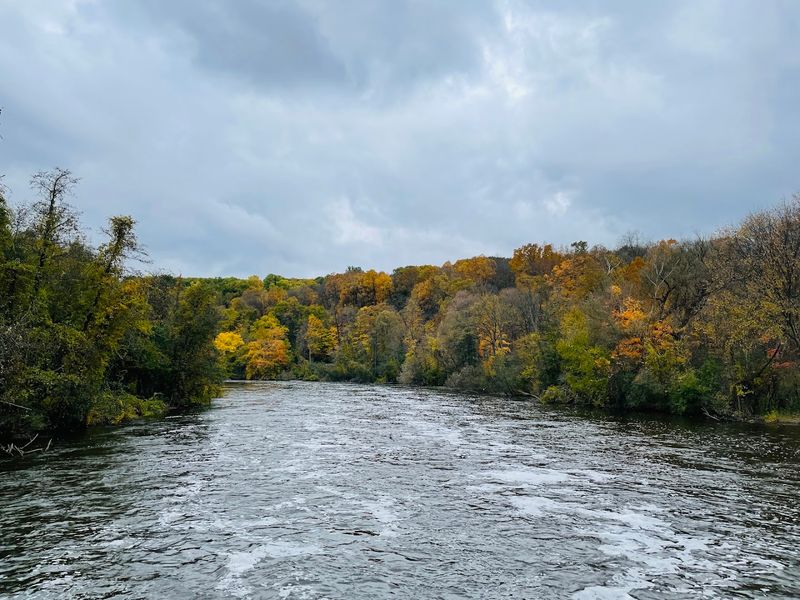
The park earns repeat visits because it genuinely looks and feels different depending on when you show up. Fall is the most visually dramatic season, with the sugar maple and beech canopy turning shades of orange, gold, and red that reflect off the river surface on calm mornings.
Spring brings a quieter kind of beauty, with trillium and other woodland wildflowers appearing on the forest floor before the canopy closes in. Summer turns the whole park into a dense green tunnel on the wooded trails, which makes it noticeably cooler than the surrounding streets on hot days.
Winter visits are a different experience entirely. With the leaves gone, the river becomes visible from sections of trail that are completely screened during warmer months, and the frozen edges of the pond and dam area create a stark, almost sculptural scene.
The park sees far fewer visitors in winter, which means the trails feel genuinely solitary in a way that summer crowds make impossible. Each season essentially offers a different park.
Practical Tips Before Your First Visit
A few practical details make a real difference here. The park opens at 6 AM most days and closes at 10 PM, with Friday nights staying open until midnight.
Arriving early on weekends is the most reliable way to secure a parking spot, since the northern lot fills up faster than most visitors expect.
Trash cans are limited throughout the park, so packing out your own waste, including pet waste, is the considerate approach and keeps the trails clean for everyone. Cell service can be spotty in the more wooded sections, so downloading a trail map before you arrive is a practical step rather than an optional one.
The current embankment repair project at Barton Pond runs through June 2027, and the pond and dam area remain closed during this period. The oxbow trails are fully open, so the main hiking experience is unaffected.
Checking the Ann Arbor Parks and Recreation website at a2gov.org before a visit gives you the most current information on closures, rental availability, and any seasonal changes to access.
Share this story