 Unearth The Voyage
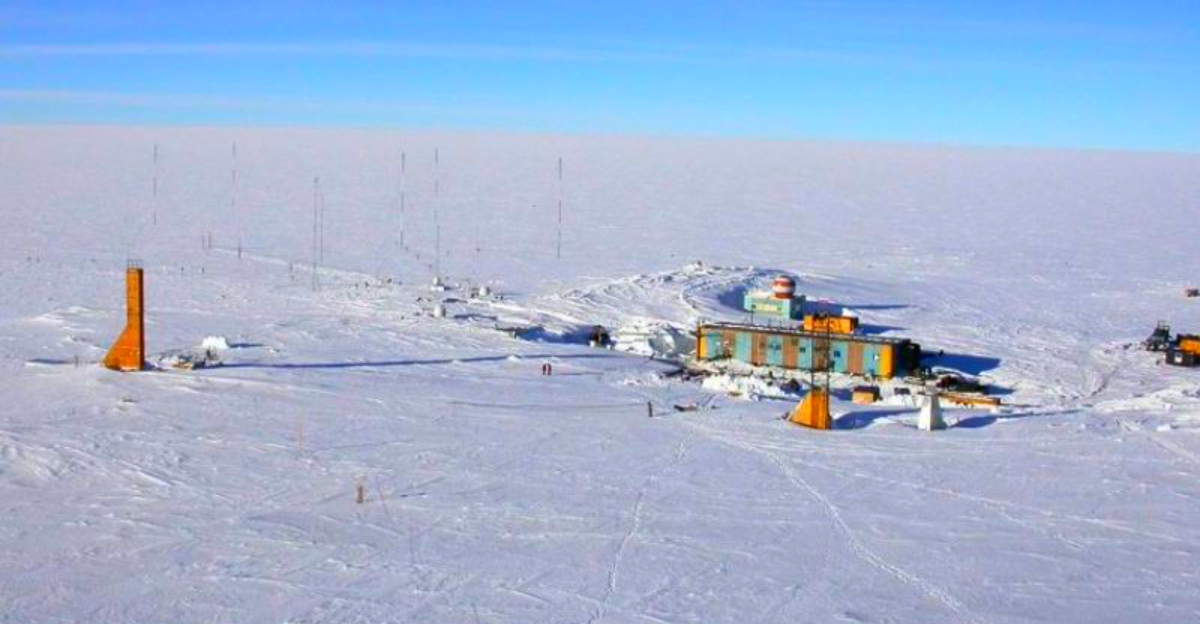
Beneath Antarctica’s crushing ice, an unseen world of hidden lakes is pulsing with movement and life. Fresh satellite breakthroughs just revealed dozens more, reshaping what we know about Earth’s coldest frontier. Some of these waters hold microbes that have survived in darkness for millennia, while others rise and fall like living lungs under the ice. Ready to peer below the surface and see what might change our understanding of life and climate forever?
1. Lake Whillans – Home to Life Below the Ice
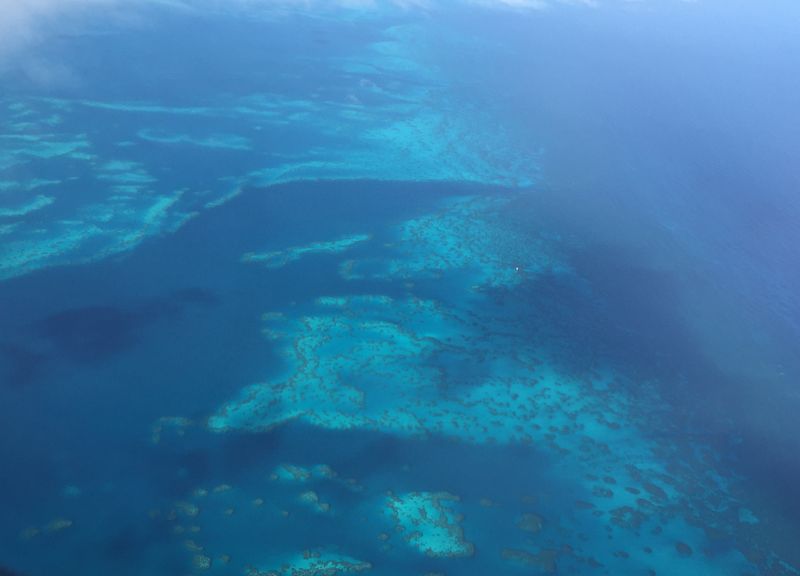
Under half a mile of Antarctic ice, Lake Whillans surprised researchers with living microbes. In 2013, a clean hot-water drill pierced the ice and reached liquid water long sealed from the surface. The samples revealed carbon cycling and active metabolism in a lightless world.
You can almost picture tiny cells thriving on minerals and dissolved gases, proving life finds a way. This discovery changed the playbook for where habitability might exist. It also sharpened protocols for sterile drilling, so we explore without contaminating fragile ecosystems.
2. Lake Enigma – Liquid Water Where They Expected Ice
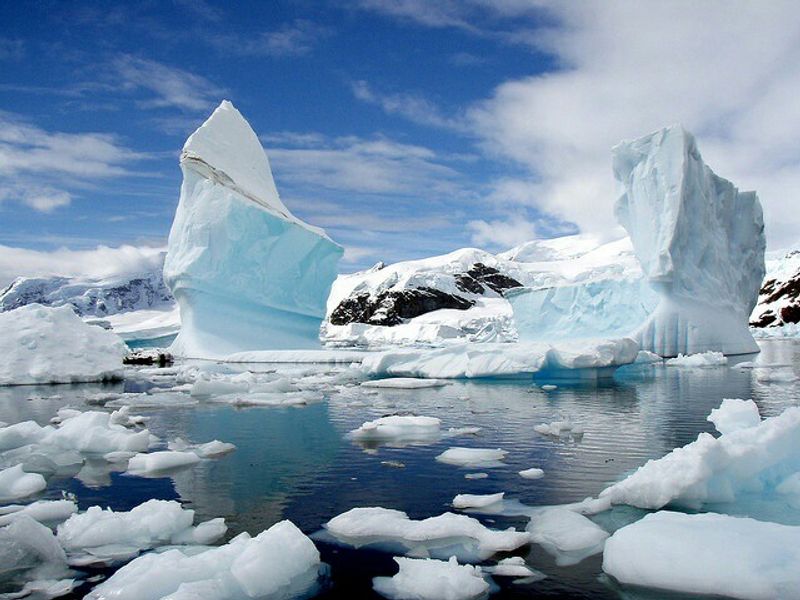
Lake Enigma lived up to its name when radar revealed layers of liquid water under presumed solid ice. Drilling later uncovered a surprisingly diverse microbial community, including Patescibacteria. That discovery expanded the map of what kinds of life can persist in cold, dark, low-nutrient places.
You start to imagine similar habitats on Europa or Enceladus. The lake’s stratified water hints at chemical gradients feeding tiny metabolisms. It also proves Antarctica’s subglacial network is more complex and alive than we thought.
3. Lake Mercer – A Frozen Time Capsule
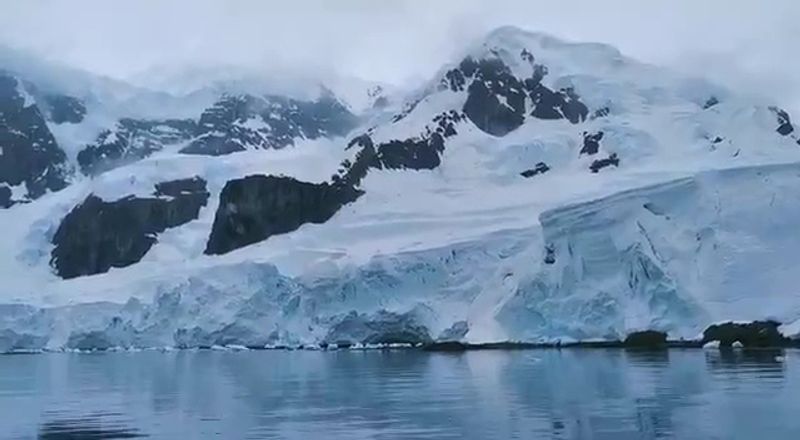
Accessed in 2019 through 1200 meters of ice, Lake Mercer offered a glimpse into a secluded world. Sediments recovered from below contained ancient DNA fragments and microfossils tangled with modern microbes. The blend suggests long cycles of connection and isolation across subglacial waterways.
You can sense the story forming: climate swings, shifting ice streams, and pulses of meltwater. Studying Mercer helps decode past climates and modern ice dynamics. It also refines safe drilling methods, protecting pristine waters while gathering vital clues.
4. Lake Ellsworth – Untouched for Over 100,000 Years
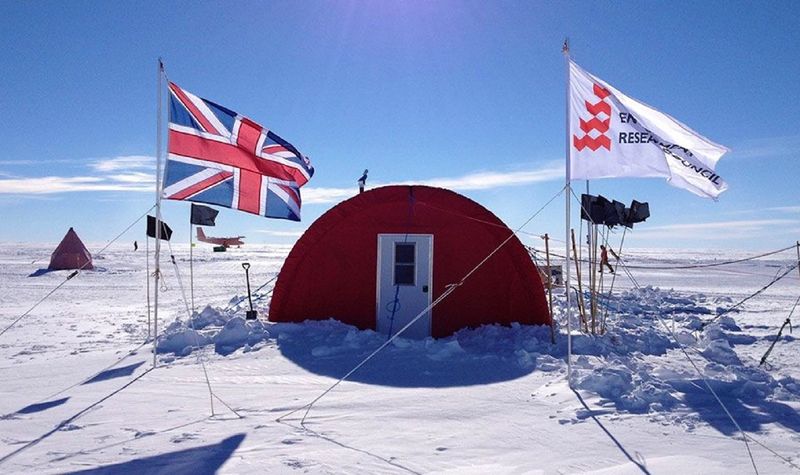
Lake Ellsworth sits under West Antarctica, likely isolated for over 100,000 years. Despite earlier drilling setbacks, plans persist to sample its waters cleanly. Scientists expect low biomass but high significance, with microbes adapted to pressure, cold, and total darkness.
You can appreciate the patience here. Perfecting sterile access takes time, but the payoff could rewrite microbial ecology. Ellsworth’s chemistry will also teach how water lubricates ice flow, informing sea level projections as the region warms.
5. Lake Cook – One of 85 Newly Detected Lakes
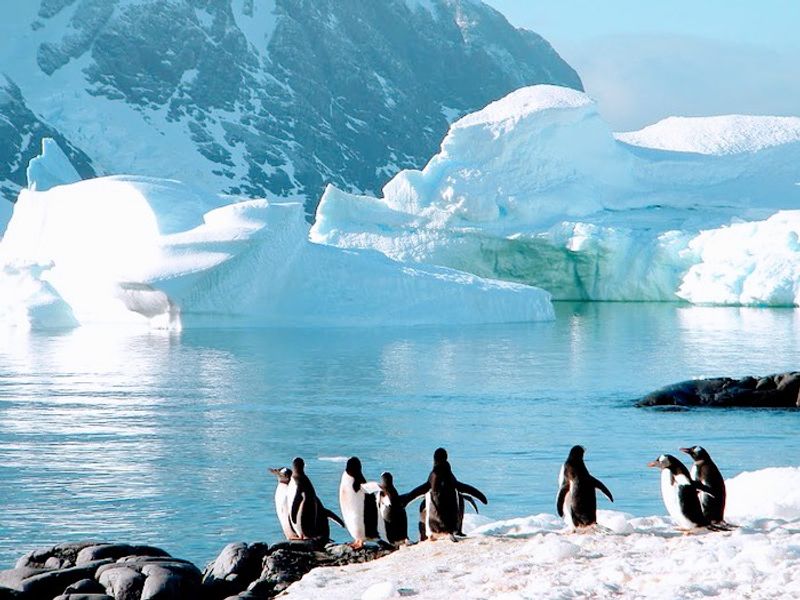
Lake Cook surfaced in a 2025 satellite analysis that counted 85 newly detected subglacial lakes. Using CryoSat-2 elevation changes and radar, researchers mapped subtle rises and dips. Those pulses reveal hidden reservoirs filling and draining beneath the ice.
You can watch Antarctica breathe through the data. Each cycle shifts friction at the ice bed, steering glacier speed and stability. Naming this lake after nearby Mount Cook anchors a new chapter in under-ice cartography.
6. Lake Vostok – One of the World’s Largest Hidden Lakes
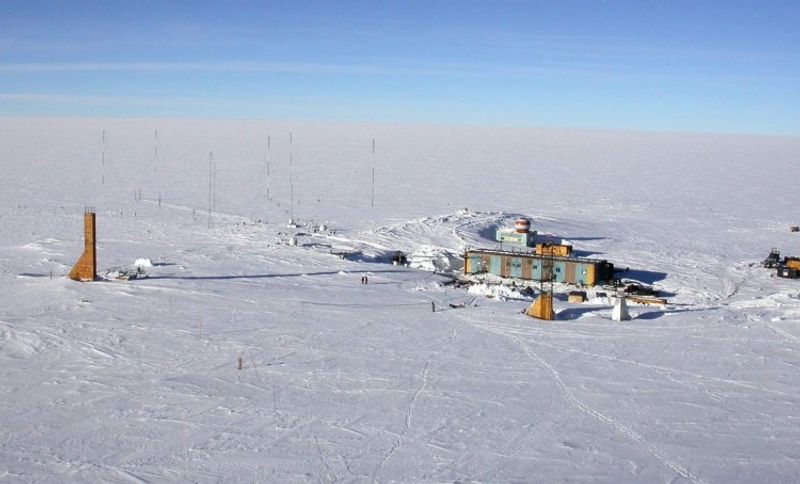
Lake Vostok stretches like an inland sea trapped under more than two miles of ice. Its waters have been isolated for millions of years, preserving ancient chemistry and potential life. Researchers tread carefully here, balancing curiosity with contamination concerns and tricky drilling logistics.
You can feel the suspense: what secrets linger in that pressure-cooked darkness. If unknown organisms exist, they could be relics of older Earth conditions. The lake also archives climate signals in overlying ice, linking past atmospheres to present mysteries.
7. Lake Conway – Rising and Falling Like a Water Balloon
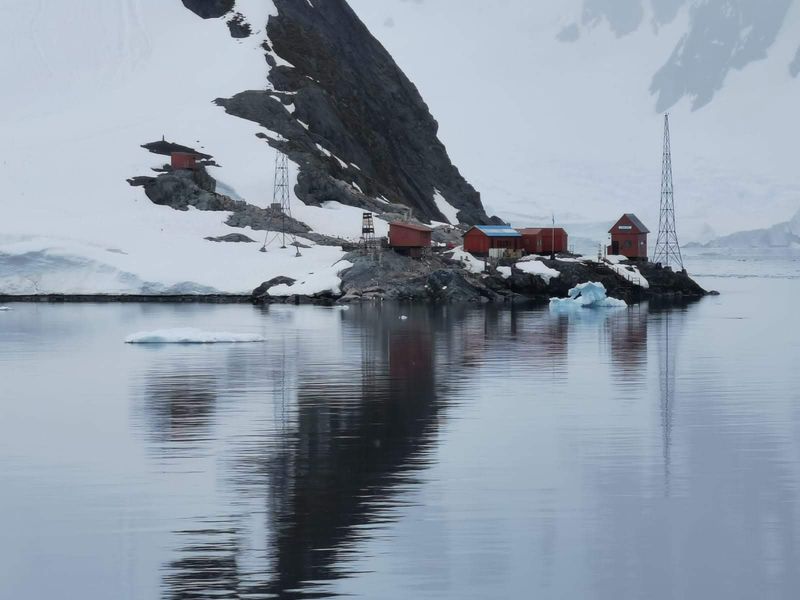
Lake Conway expands and contracts, subtly lifting and lowering the ice above. Satellite altimetry tracks the rhythm, capturing how water migrates through hidden channels. These movements adjust basal drag, which changes how quickly the overlying ice sheet flows.
You notice the power of invisible plumbing. By reading surface signals, scientists map a dynamic network underfoot. Conway’s breathing helps calibrate ice flow models, sharpening predictions for a warming world.
8. Lake Adventure – A Lake With a Mysterious Pulse
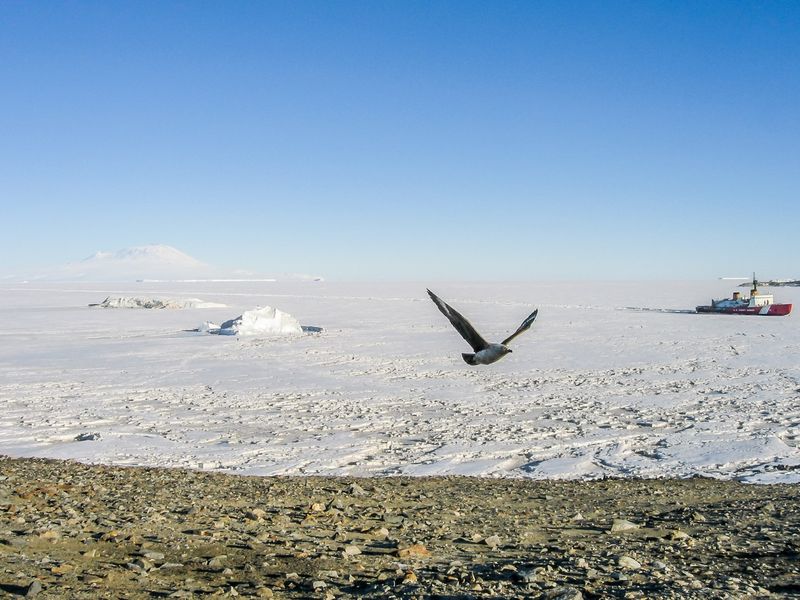
Lake Adventure reveals itself through a repeating pulse, likely a fill-drain cycle on a steady timer. The pattern hints at upstream reservoirs and constricted subglacial rivers. Tracking the cadence helps map connections across vast, dark corridors.
You can treat it like a heartbeat monitor for the ice sheet. When the pulse shifts, it flags changing pressures, melt rates, or channel geometry. Those clues feed models that forecast glacier response and sea level risk.
9. Lake Byrd – Linked to Sea Level Models
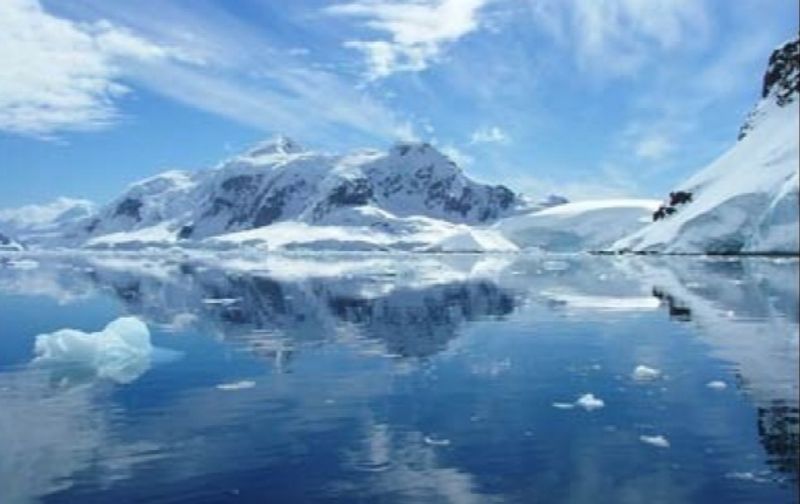
Lake Byrd lies beneath the West Antarctic Ice Sheet, where small lubrication changes can accelerate ice streams. Its behavior feeds directly into sea level projections. When lakes like Byrd drain, they can trigger faster sliding and downstream thinning.
You feel how local changes ripple globally. Integrating Byrd’s activity into models reduces uncertainty in coastal planning. It is a reminder that hidden waters shape tomorrow’s shorelines.
10. Lake Aurora – Where Ice Meets Fire Below
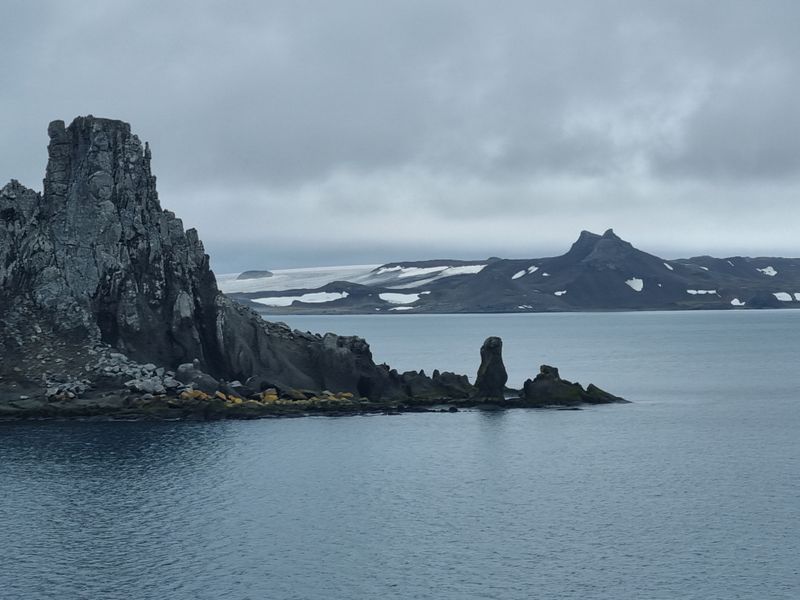
Lake Aurora likely sits over geothermal warmth that keeps water liquid despite brutal cold. Heat flux from below, plus pressure from above, creates a rare oasis. Chemical gradients near the bedrock could power chemosynthetic microbes thriving in darkness.
You can almost feel the quiet simmer beneath the ice. Studying Aurora clarifies how geothermal patches influence ice flow and melting. It also guides where to search for robust microbial communities.
11. Lake Polar – One of the Coldest Liquid Lakes on Earth
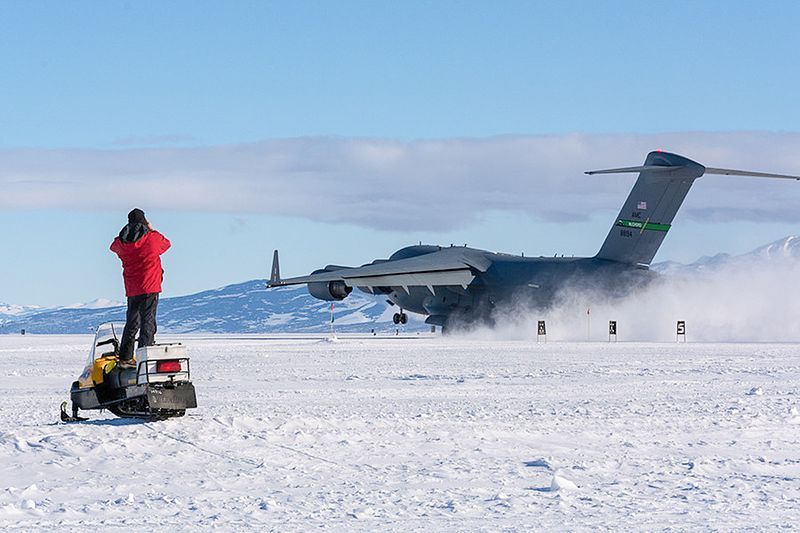
Lake Polar stays liquid at extreme cold thanks to enormous pressure and insulation from thick ice. Salts and dissolved gases may tweak freezing points, creating a delicate stability. Any life here would be built for slow metabolism and resource scarcity.
You picture organisms eking out energy molecule by molecule. Sampling Polar would test the limits of habitability and sterilization protocols. Every measurement would stretch our understanding of physics and biology under ice.
12. Lake Atlas – Could Hold Secrets to Extraterrestrial Life
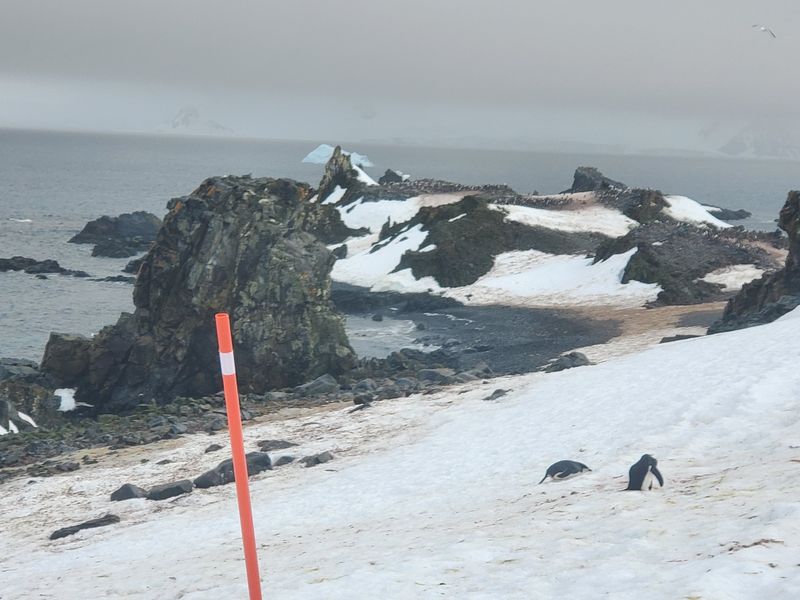
Lake Atlas lies deep and isolated, mirroring conditions on icy moons. Its darkness, pressure, and nutrient trickles model alien oceans. Testing robots and sterilized drills here could prove technologies for future planetary missions.
You can sense the cosmic stakes. If hardy microbes persist in Atlas, similar strategies might work beyond Earth. Even null results refine our search for life and help protect pristine worlds.



