 Unearth The Voyage
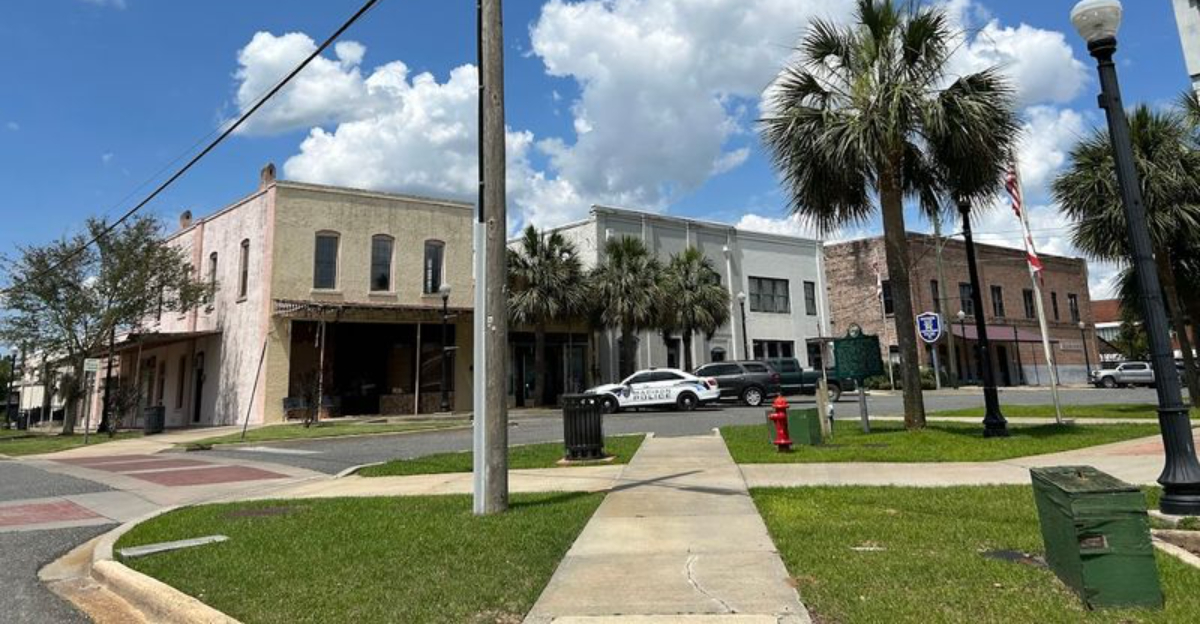
There is a town in northern Florida where the Spanish moss hangs low over canopied roads, the courthouse square still anchors daily life, and antique shops line the streets like pages from a history book nobody wants to close. It sits quietly on the central northern border of the state, small enough to feel personal, old enough to carry real stories.
A population of just under 3,000 means you will actually hear locals say hello as you pass. This is not a resort town, a theme park destination, or a beach getaway.
It is something rarer: a place where Southern character runs deep, the oak trees are ancient, and a single afternoon can feel like a full and satisfying journey back in time. Keep reading, because this town rewards the curious traveler in ways that bigger places simply cannot.
Welcome to Madison, Florida
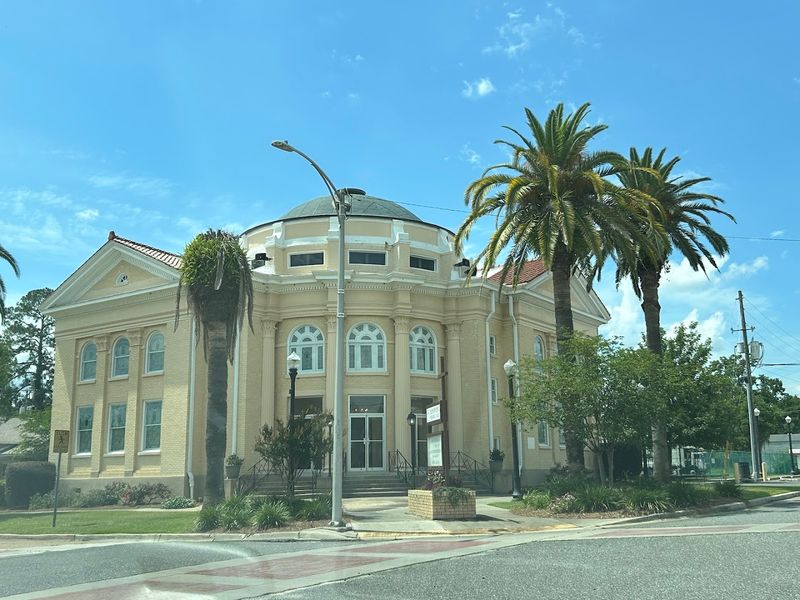
The county seat of Madison County sits at the heart of Florida’s northern border region, officially addressed as Madison. The drive into town along US-90 is one of those rare stretches of road that makes you slow down on purpose.
Massive live oak trees form a natural canopy overhead, their branches draped with Spanish moss that sways gently in the breeze. The town center is anchored by the historic Madison County Courthouse, a landmark that has presided over this community for well over a century.
With a population of just 2,912 recorded in the 2020 census, Madison carries the honest, unhurried energy of a true small Southern town. Nothing here is manufactured for tourists.
The streets, the storefronts, and the people all feel genuinely rooted in a long and layered local history that rewards anyone willing to explore slowly.
The Courthouse Square and Its Timeless Pull
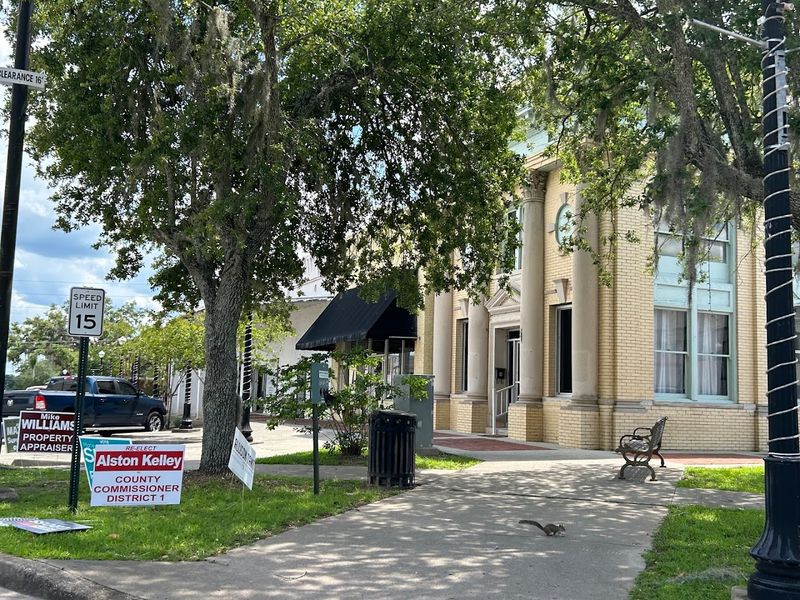
Few things anchor a Southern town the way a grand courthouse does, and Madison’s version does not disappoint. The Madison County Courthouse stands at the center of the square with an architectural confidence that says this building has seen everything and is not going anywhere.
The surrounding square is the social and civic heartbeat of the community. On weekday mornings, locals cross its paths on the way to errands, and on weekends, the space takes on a slower, more leisurely character.
The courthouse itself reflects a classical design style common to late 19th and early 20th century Florida government buildings. Its presence gives the entire downtown a sense of permanence and dignity that newer towns simply cannot replicate.
Sitting on one of the nearby benches under the oaks and watching the square hum with quiet activity is honestly one of the most satisfying free experiences this town offers any visitor.
Antique Shops That Actually Deliver
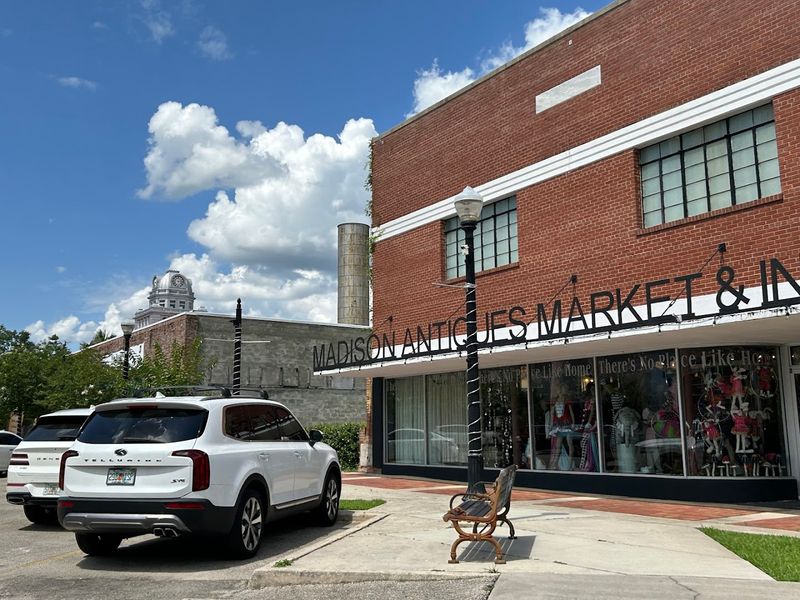
Antique hunting in Madison is the kind of activity that turns a planned thirty-minute stop into a two-hour adventure. The shops here stock genuine pieces, not the polished, overpriced reproductions you find in tourist-heavy markets.
You can come across cast iron cookware, Depression-era glassware, hand-stitched quilts, vintage Florida postcards, and furniture that has clearly lived through several generations of family life. The prices tend to be refreshingly honest compared to larger cities.
Shop owners are usually present and happy to share the backstory of a piece, which adds a layer of depth to the browsing experience that online shopping can never replicate. There is something deeply satisfying about holding an object and knowing exactly which county it came from.
First-time visitors often walk out carrying more than they planned, which is the clearest possible sign that the merchandise is the real thing and not just decorative filler.
Live Oak Canopy Roads: Nature’s Own Architecture
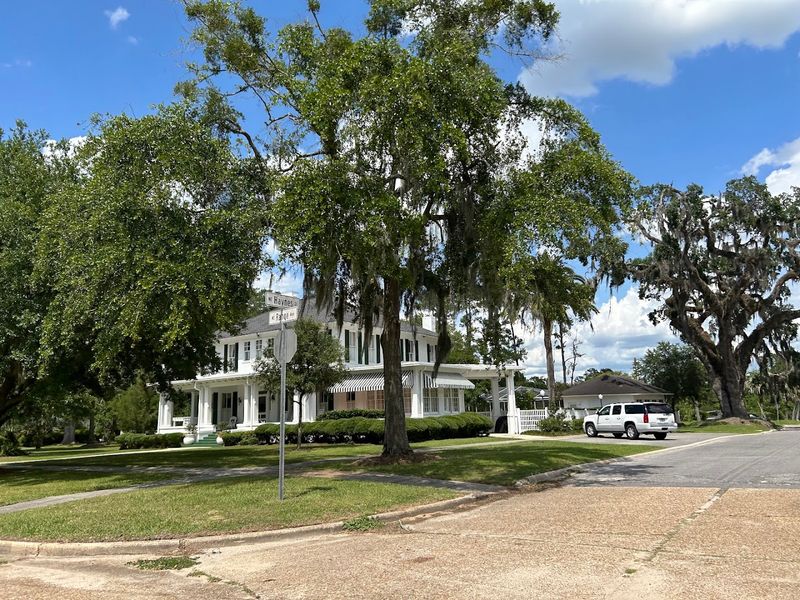
Madison County is home to some of Florida’s most celebrated canopy roads, and experiencing even one of them is worth the detour on its own. These are stretches of rural road where the tree branches from both sides grow toward each other and meet overhead, forming a living tunnel of green and grey.
The effect is genuinely beautiful and a little otherworldly, especially in the soft morning light when the Spanish moss catches the glow and everything looks slightly golden. Driving slowly with the windows down is the only correct approach.
These roads are not theme park attractions or managed nature trails. They are simply old roads that have been shaded by old trees for a very long time, and the county has had the good sense to preserve them.
Cyclists and photographers make special trips to Madison County just for these canopy roads, and after seeing them in person, that decision makes complete sense.
The Historic Architecture Along Main Street
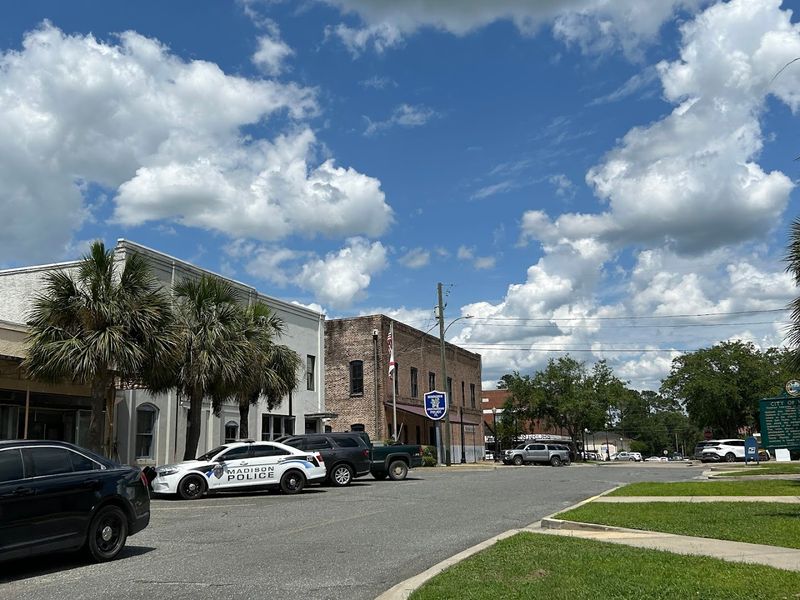
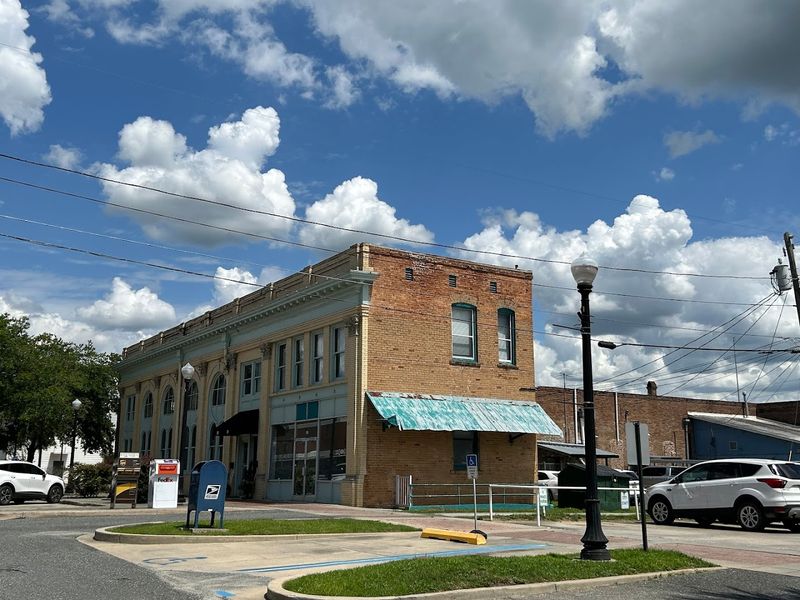
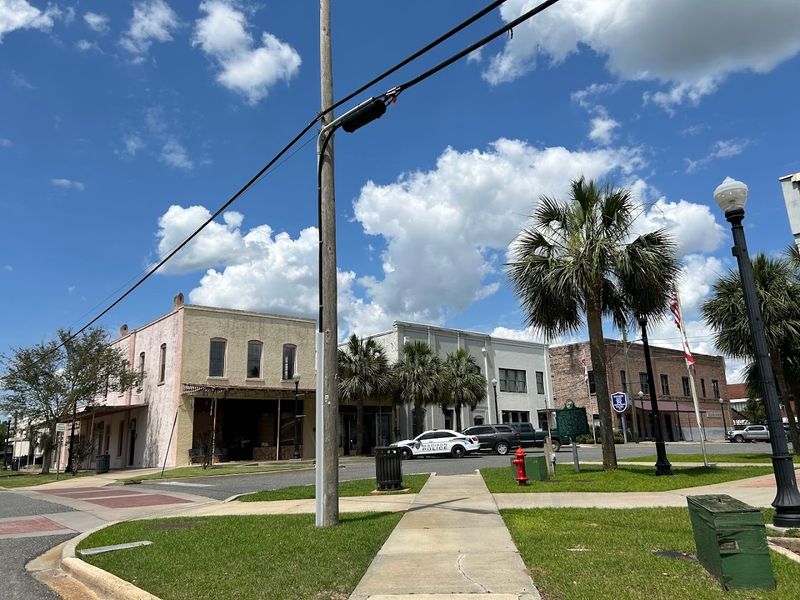
Walking along the streets near the courthouse square reveals a collection of historic commercial buildings that have held their character across decades of change. The brick facades, decorative cornices, and wide sidewalks give the downtown a texture that speaks to a prosperous earlier era in Florida’s agricultural history.
Many of the buildings date back to the early 1900s, when Madison was a thriving center for the tobacco and cotton industries in north Florida. That economic energy left behind a built environment that modern towns often try to recreate but rarely match authentically.
Some storefronts house local businesses today, while others are in various stages of preservation or renewal. Even the ones that are quiet have a kind of dignified presence that adds to the overall atmosphere of the town.
Bringing a camera and taking your time on foot is the best way to absorb the architectural detail, because the small flourishes are easy to miss from a moving car.
Four Freedoms Park and Outdoor Relaxation
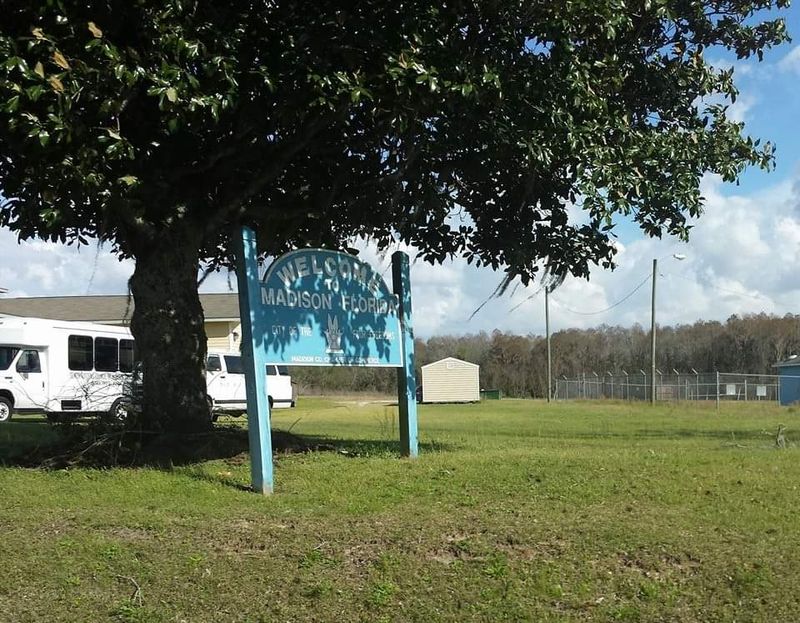
When a break from walking the downtown streets sounds appealing, Four Freedoms Park offers a calm and shaded retreat right in the heart of the community. The park is a local gathering spot that reflects the town’s easy, unrushed pace of life.
Large trees provide generous shade, and the open green space invites everything from picnics to casual afternoon strolls. It is the kind of park where you might see a retiree feeding birds, a family spreading out a blanket, or a pair of kids running across the grass without any particular agenda.
The park also serves as a venue for community events throughout the year, connecting residents and visitors alike to the town’s social fabric. Checking the local calendar before your visit is a good idea, as you might arrive during a farmers market or seasonal celebration.
Simple, honest, and genuinely welcoming, this green space captures what small-town Florida public life looks and feels like at its best.
Local Diners and Southern Cooking
A town with this much history deserves food that matches, and Madison does not let you down on that front. The local dining scene leans firmly into Southern comfort cooking, the kind that has been refined through generations of family recipes rather than culinary school curriculums.
Expect plates of slow-cooked collard greens, crispy fried chicken, cornbread that actually crumbles properly, and sweet tea cold enough to fog the glass on a summer afternoon. The portions are generous in the way that only small-town Southern restaurants seem to manage without making a fuss about it.
The staff at these spots tend to remember faces, and a return visit on the same day is enough to earn a nod of recognition. That kind of personal service is not a policy here; it is just how people operate.
Eating at a local diner in Madison is less a meal and more a short course in what genuine Southern hospitality actually looks like in practice.
Madison’s Agricultural Heritage
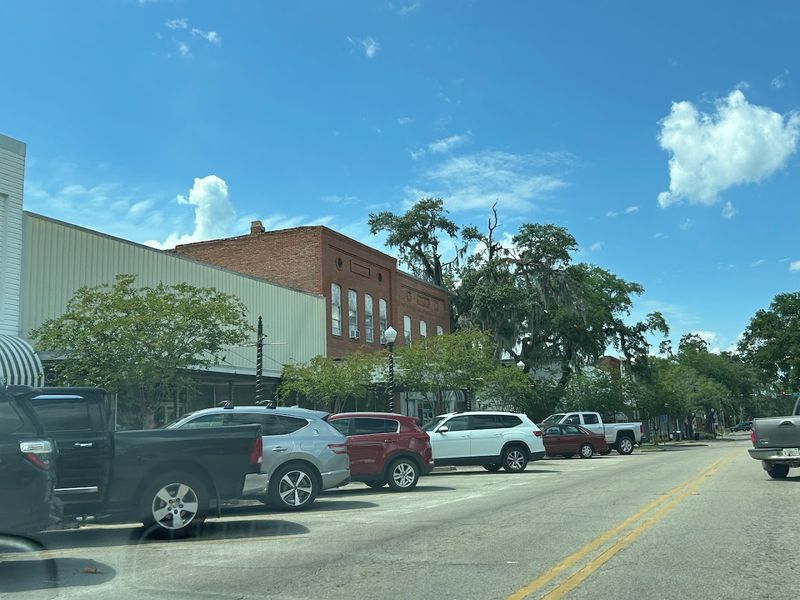
Madison County’s identity is inseparable from its agricultural past, and that history is visible everywhere if you know what to look for. The region was once a major producer of Sea Island cotton and tobacco, crops that shaped the economy and culture of this part of Florida for well over a century.
Driving through the county today, you still see working farms, old barns with weathered wood siding, and fields that stretch out toward the tree line with a kind of quiet persistence. The land has a different character here than in coastal or central Florida, more open, more rural, and more honest about what the state looked like before the resort era.
Local museums and historical markers fill in the details of this story with genuine care and accuracy. Understanding the agricultural roots of Madison helps explain the town’s layout, its architecture, and the self-reliant character of the people who have called it home across the generations.
Treasures at the Madison County Historical Society
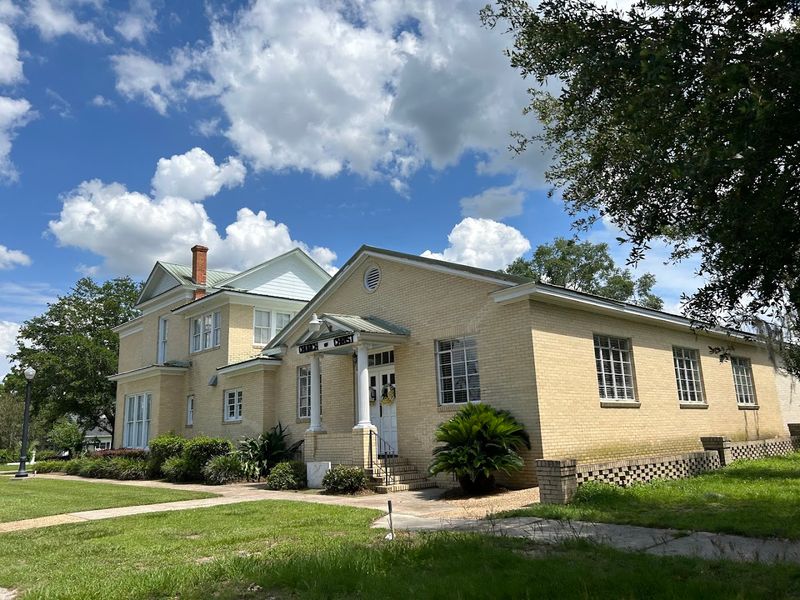
History enthusiasts will find the Madison County Historical Society a genuinely rewarding stop on any visit to the area. The collection brings together artifacts, photographs, documents, and stories that trace the county’s development from its earliest settlement days through the twentieth century.
The exhibits cover a range of themes including agriculture, education, local government, and the lives of ordinary residents who shaped the community over time. It is the kind of museum where you can spend an hour and still feel like you only scratched the surface.
Volunteers and staff here tend to be deeply knowledgeable and personally connected to the material, which makes conversations during your visit as informative as the displays themselves. Ask a question and you are likely to get a full and fascinating answer.
For anyone trying to understand why Madison feels so distinctly itself, this is the place to start, because the town’s personality did not arrive by accident but was built layer by layer over many decades.
The Charm of Residential Streets
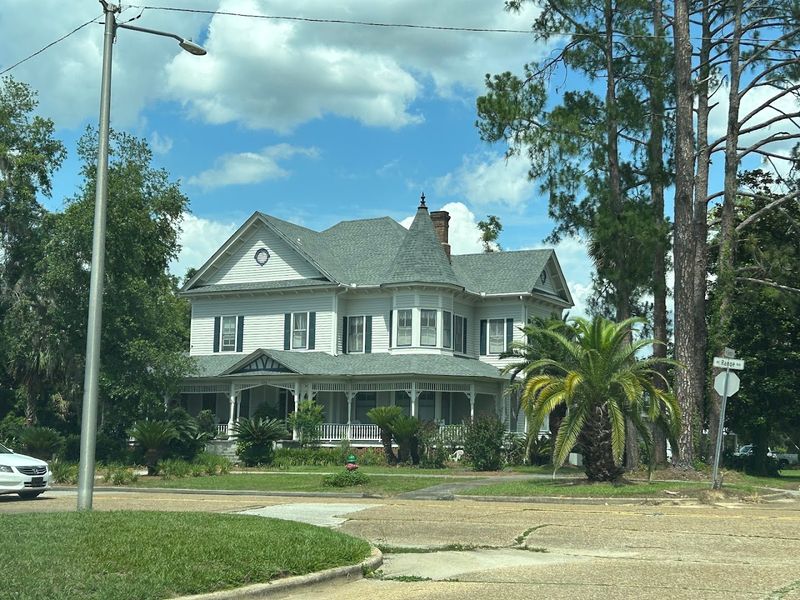
Some of the most rewarding moments in Madison happen not at a formal attraction but simply while walking the residential streets a few blocks from the square. The older neighborhoods are lined with homes that carry real architectural character, wide front porches, tall windows, and gardens that have clearly been tended with pride over many years.
The tree canopy in these neighborhoods is dense and mature, creating a shaded pedestrian experience that feels genuinely special during the warmer months. Spanish moss drapes over branches at every turn, and the light filtering through the leaves gives everything a slightly dreamy quality.
Front porch culture is alive here in a way that feels natural rather than nostalgic. People actually sit outside, wave at passersby, and chat with neighbors in the unhurried way that suggests they are not in a rush to be anywhere else.
A slow walk through these streets is one of the best ways to absorb the true texture of daily life in this quietly extraordinary small town.
Cherry Lake: A Local Escape Worth Finding
Just a short drive from the downtown area, Cherry Lake offers a peaceful natural retreat that locals have long appreciated and visitors often overlook entirely. The lake sits within a setting of pine flatwoods and hardwood forest that feels genuinely removed from the pace of everyday life.
Fishing is one of the primary draws, with the lake known for holding bass and other freshwater species that keep anglers coming back across the seasons. The surrounding land also supports walking and wildlife observation for those who prefer their nature experiences without a fishing rod.
The area around the lake is quiet and uncrowded in the way that only off-the-beaten-path Florida spots tend to be. You are unlikely to fight for a parking spot or wait for a picnic table here.
Cherry Lake is a reminder that some of the most satisfying outdoor experiences in Florida do not require a reservation, an entrance fee, or a crowd, just the willingness to look beyond the obvious destinations.
Annual Events and Community Celebrations
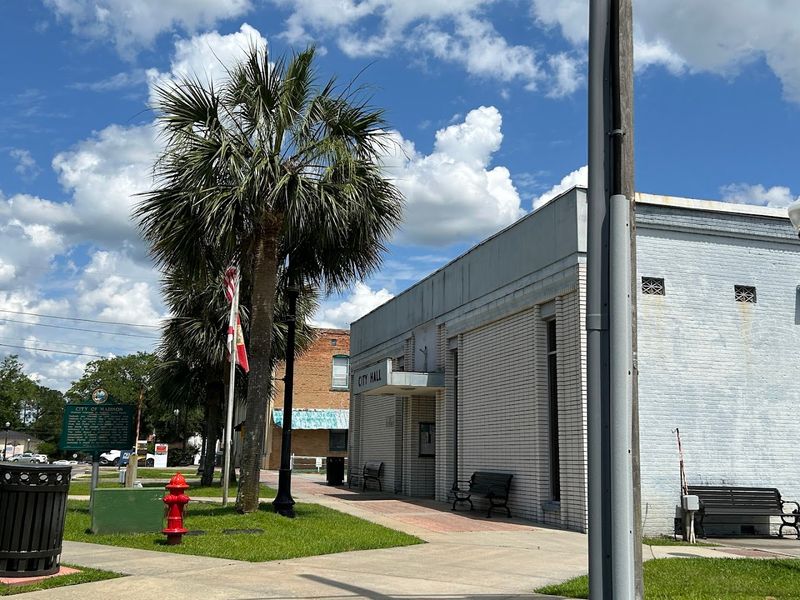
Madison comes alive in a particular way during its community events, and the town’s calendar offers several reasons to time a visit around something special. The Madison County Tobacco Festival is one of the most distinctive local celebrations in the region, honoring the agricultural crop that once defined the county’s economy and identity.
The festival features live music, local food vendors, arts and crafts, and a general atmosphere of community pride that is genuinely infectious. Other seasonal events throughout the year bring residents and visitors together on the courthouse square and in the town’s parks.
Attending one of these events gives you a window into the social life of Madison that no amount of solo sightseeing can replicate. The conversations you overhear, the food you try, and the performances you catch all add up to a fuller picture of who this town actually is.
Checking the city’s official website at madisonfl.org before your trip helps you align your visit with whatever is happening on the local calendar.
The Spirit of Small-Town Florida
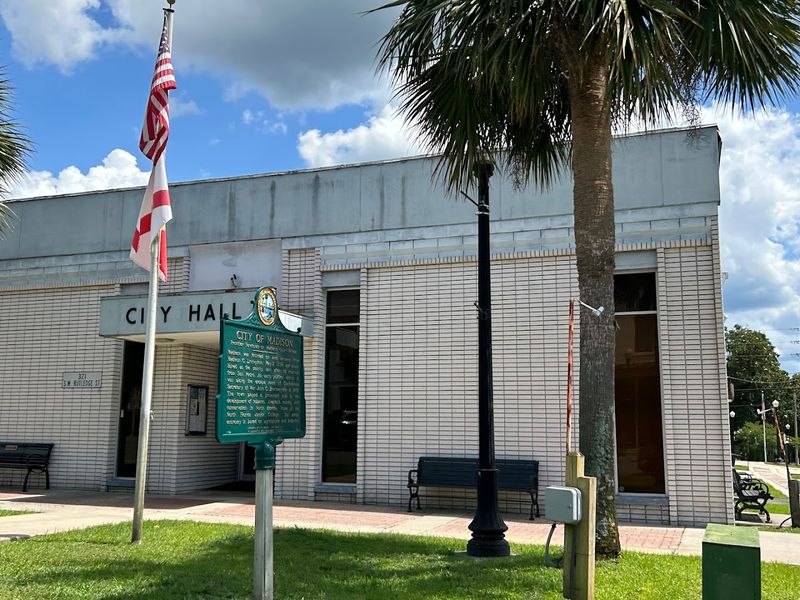
There is a version of Florida that existed long before the theme parks, the beach resorts, and the retirement communities, and Madison is one of the clearest living examples of it. The town operates on a human scale that makes everything feel accessible and real rather than curated for consumption.
People here are not performing friendliness for the benefit of visitors. The warmth is structural, built into the way the community interacts with itself daily, and visitors simply get to experience it as a natural byproduct of showing up.
The pace of life in Madison invites you to slow down in a way that is actually good for you. There is no pressure to rush between attractions or optimize your itinerary, because the town rewards those who linger rather than those who hurry.
That quality is increasingly rare, and it may be the single most compelling reason to add Madison to your Florida travel plans before the rest of the world catches on.
Photography Opportunities Around Every Corner
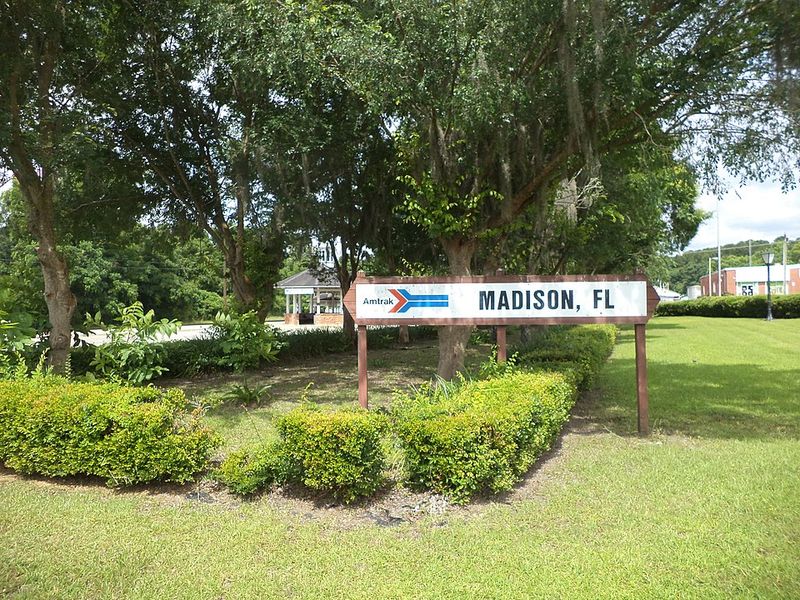
Few Florida towns offer the density of photogenic scenes that Madison delivers within such a compact area. From the canopy roads at dawn to the courthouse square at midday and the residential streets in the golden hour before sunset, the light and the landscape cooperate beautifully throughout the day.
The combination of historic architecture, massive old trees, Spanish moss, and quiet streets gives photographers a visual vocabulary that is distinctly Southern and unmistakably Floridian at the same time. Wide shots, close details, and everything in between all have their place here.
Even casual smartphone photographers tend to come away with images that look more intentional than usual, because the town itself provides so much natural composition. The moss, the brick, the canopy, and the light do most of the work.
Arriving early in the morning before the streets fill with daily activity gives you the best combination of soft light and uncluttered scenes, which is advice worth setting an alarm for.



