 Unearth The Voyage
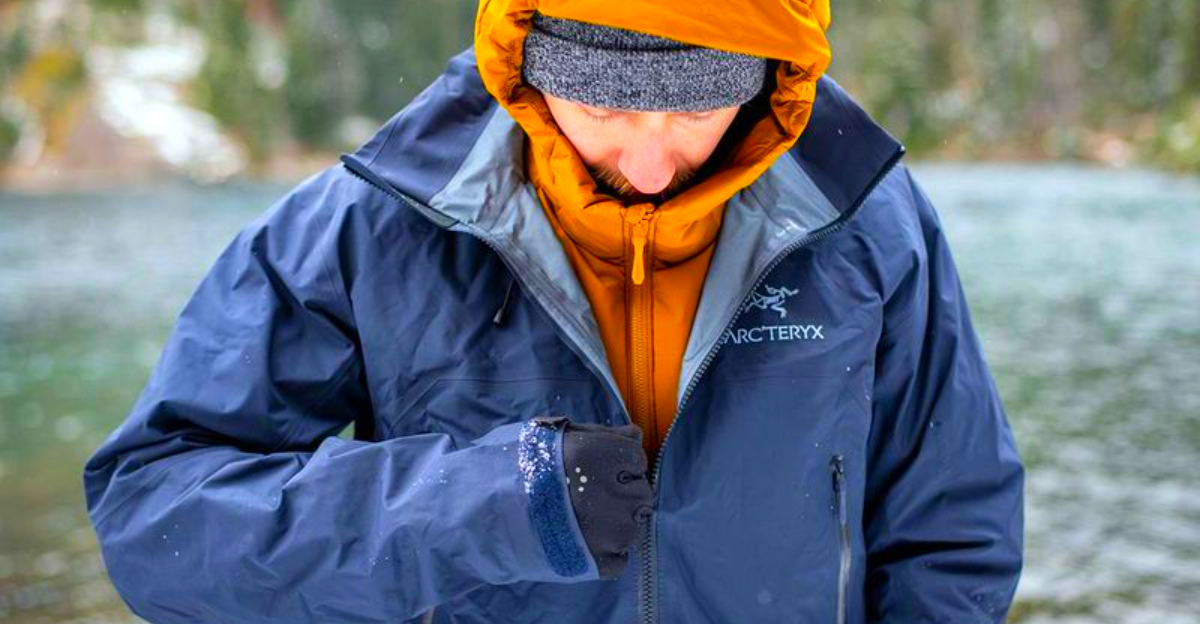
Norway’s coast does not forgive gear that only looks the part. When gusts hit 50 mph on exposed ridgelines, you find out fast what a shell can truly handle. I took the Arc’teryx Beta AR into sleet, spray, and biting fjord winds to see if it could keep up. Here is how it performed when the weather threw real punches.
Windproof Protection That Feels Solid
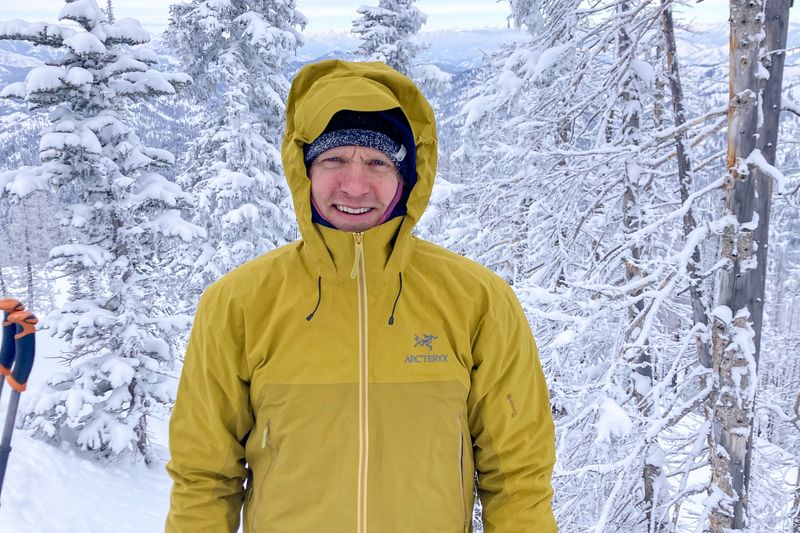
You know that first slap of cold wind on an exposed ridge. With the Beta AR, that hit turns into a shrug. GORE-TEX Pro keeps gusts outside where they belong, so your core stays steady and decision making stays sharp. Even when crosswinds shove hard, the fabric resists that creeping chill that usually sneaks through seams.
Norway’s coastal blasts felt relentless, but the seal held firm without becoming stiff. You move, it moves, and the barrier remains dependable. In gusts near 50 mph, comfort turns into confidence. You focus on footing, not flinching, which matters most when conditions escalate quickly.
Durable Without Bulk
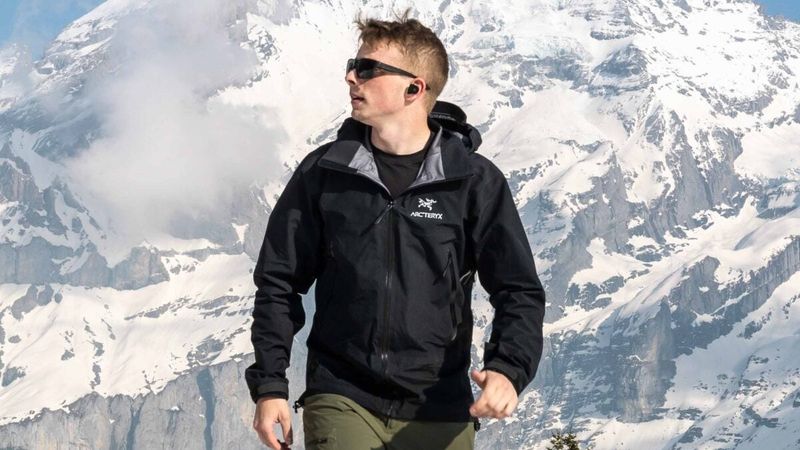
Some hard shells feel like rigid suits of armor. This one does not. The 3-layer build holds up to scrapes from rock and brush without turning your stride robotic. It is durable enough for repeated days on abrasive terrain, yet it never drags with dead weight. Shoulders flex freely beneath a pack.
Long approaches become smoother because bulk stays low and movement stays natural. The face fabric resists abrasion while avoiding the crinkly board feel. After hours of hiking, you still forget it is on. That balance adds up to real efficiency when elevation stacks and weather refuses to settle.
Excellent Weatherproofing
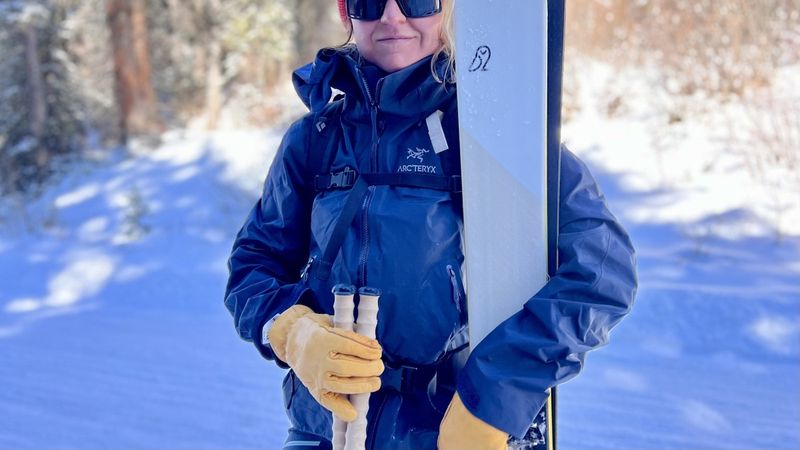
Wind is only half the fight along fjords. Spray and sleet move sideways, and rain rides the gusts. The Beta AR shrugged off hours of wet without soaking through or clinging to midlayers. Water beaded, ran, and vanished. Seams stayed quiet and sealed, even when leaning into driven precipitation on narrow traverses.
Norway’s mixed soup of moisture tested the membrane and the DWR in real time. No clammy cold seeped in. Confidence grows when you stop checking cuffs every minute. You keep moving instead of hiding under an overhang, which is exactly the point of a true all-weather shell.
Breathability During High Output
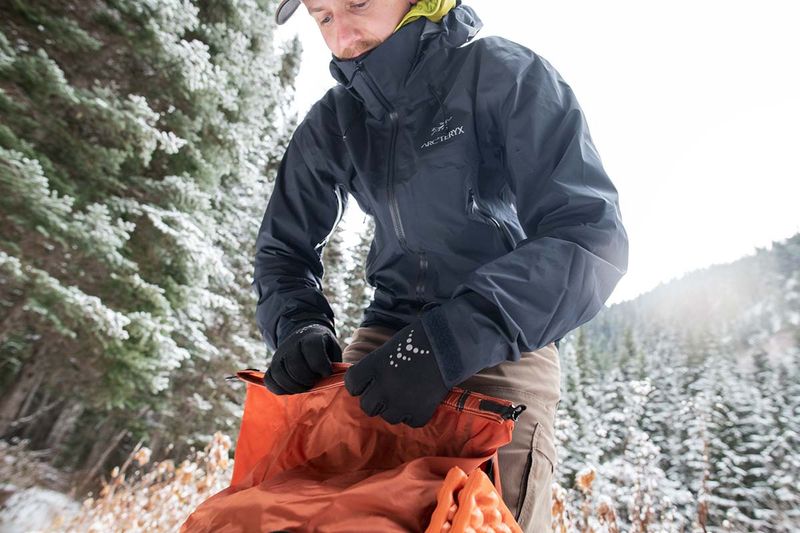
Steep climbs demand airflow, even when the wind tries to freeze sweat in place. The Beta AR balances protection with breathability, letting moisture escape as you push uphill. Heat vents rather than pooling inside sleeves and collar. That means less shivering when you pause on a ridge and the gusts return.
On fast ascents, base layers stayed drier than expected, and microclimate swings were manageable. You can surge, slow, then surge again without soaking the system. Breathability turns effort into steady progress, not a sauna followed by a chill. It is the quiet advantage that keeps momentum alive.
Hood That Stays Put
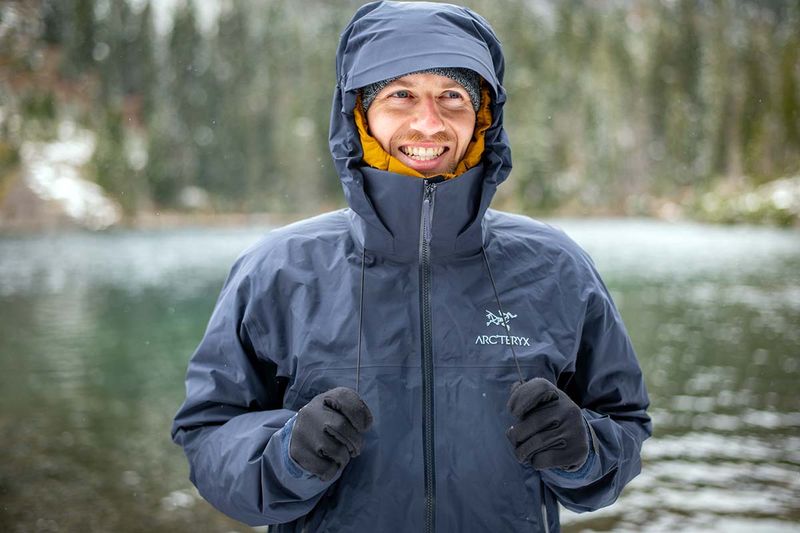
A great hood should act like a mobile shelter, not a windsock. The Beta AR’s helmet-compatible hood cinches evenly, anchors at the crown, and tracks with your head without blocking peripheral vision. In gusts, it stays planted so you are not fighting fabric. Brims shed spray, and the collar seals without biting your chin.
On knife-edge sections, that stability matters. You scout the next step instead of wrestling cords. Wind shifts and you simply look, adjust, and go. It turns chaos into usability, especially when sleet slants across the trail and you need every degree of view.
Smart Ventilation
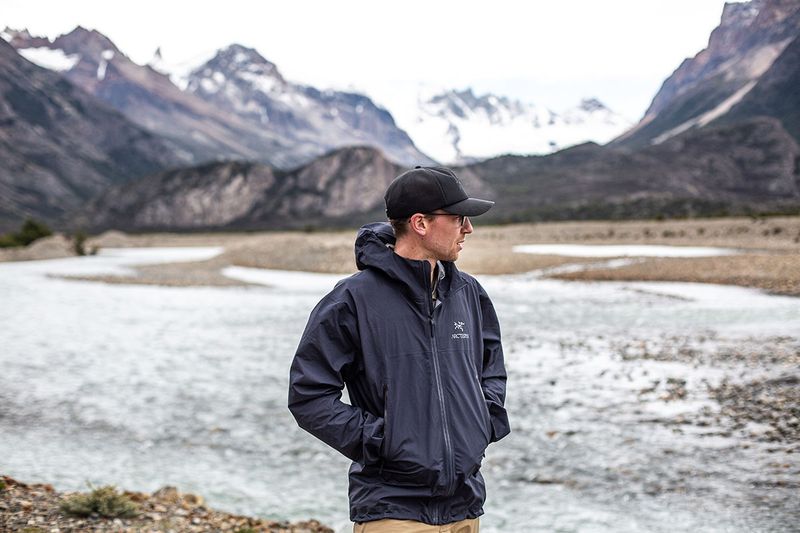
Cold wind can still make you sweat on long climbs. The Beta AR’s pit zips open smoothly and dump heat fast without letting a blast freeze your core. Zippers are glove-friendly and do not snag easily. You can fine-tune airflow on the move rather than stopping to overhaul layers.
Through mixed squalls, micro-adjustments kept comfort steady. Open just enough, close before the summit crosswind, repeat. It feels like having a thermostat for your shell. That control prevents the sweaty-then-shivering cycle and saves energy across the day, especially when the weather keeps flipping between drizzle, sleet, and bright, cold gusts.
Minimal Flapping, Maximum Comfort
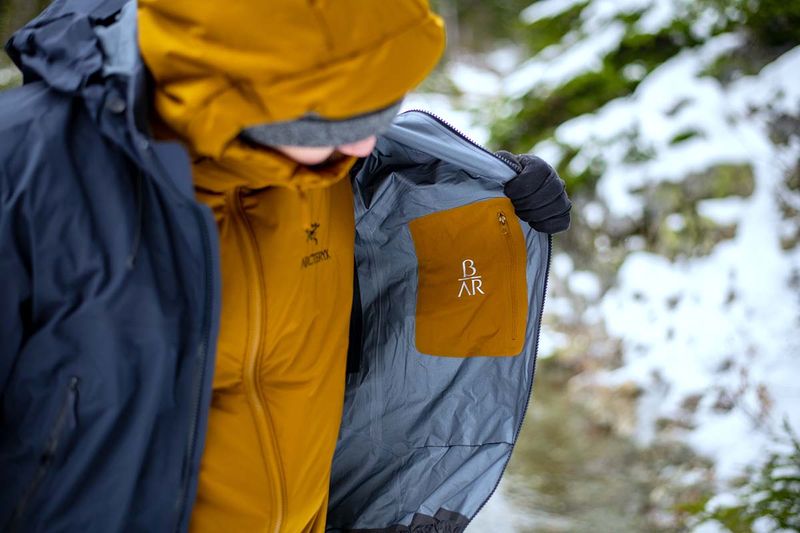
Some shells buzz loudly when gusts hammer the fabric. The Beta AR sits quiet, with a trim, mobile fit that resists flutter. Less noise means clearer focus on footing and route decisions. The fabric’s stability keeps sleeves from whipping and cuffs from riding up when poles are planted.
On exposed traverses, that calm feels like a performance edge. Instead of constant distraction, you get steady, predictable coverage. Comfort is not just softness, it is silence and control. The jacket moves with you, not against the wind, so you can place steps and maintain rhythm even when the ridge howls.
Packs Down Smartly
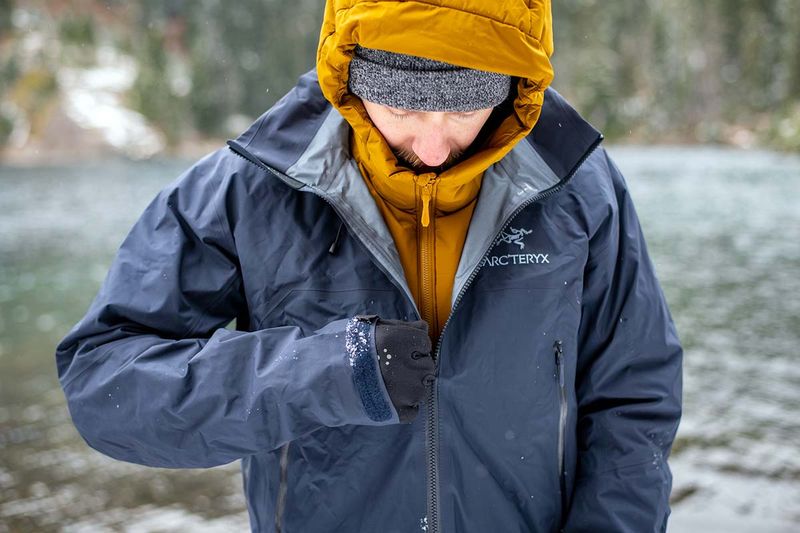
Weather in Norway flips fast. One hour you are armored against sleet, the next you are in a sunbreak with a stiff breeze. The Beta AR compresses well for a burly shell, sliding into a pack without hogging space. It avoids dead weight while staying ready for the next squall.
Between ferry docks, ridgelines, and forest sections, that packability keeps transitions quick. Pull it, wear it, stow it, repeat. The fabric rebounds without creasing badly, and the jacket does not become a crumpled brick. It is practical readiness, which matters when plans stretch from dawn to dusk.
Investment-Level Performance
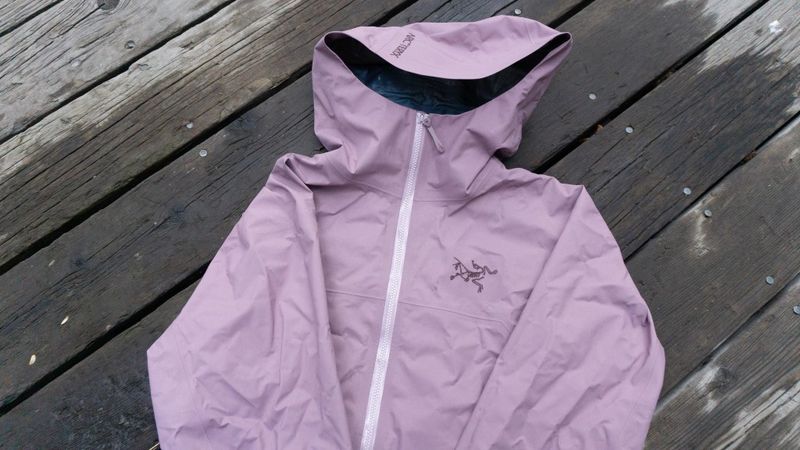
Premium price only makes sense if performance pays you back in safety, comfort, and longevity. In 50 mph gusts and sleet, the Beta AR delivered that return. It kept focus on terrain, not on gear failures. Over time, that reliability means fewer replacements and more trips where conditions do not dictate your day.
Storm Ingunn reminded everyone how wild Nordic weather can get. While you may not face 112 mph gusts, choosing serious protection matters. This shell belongs on ambitious itineraries where stakes are real. If you want fewer compromises and more summit windows, the investment makes clear sense.



