 Unearth The Voyage
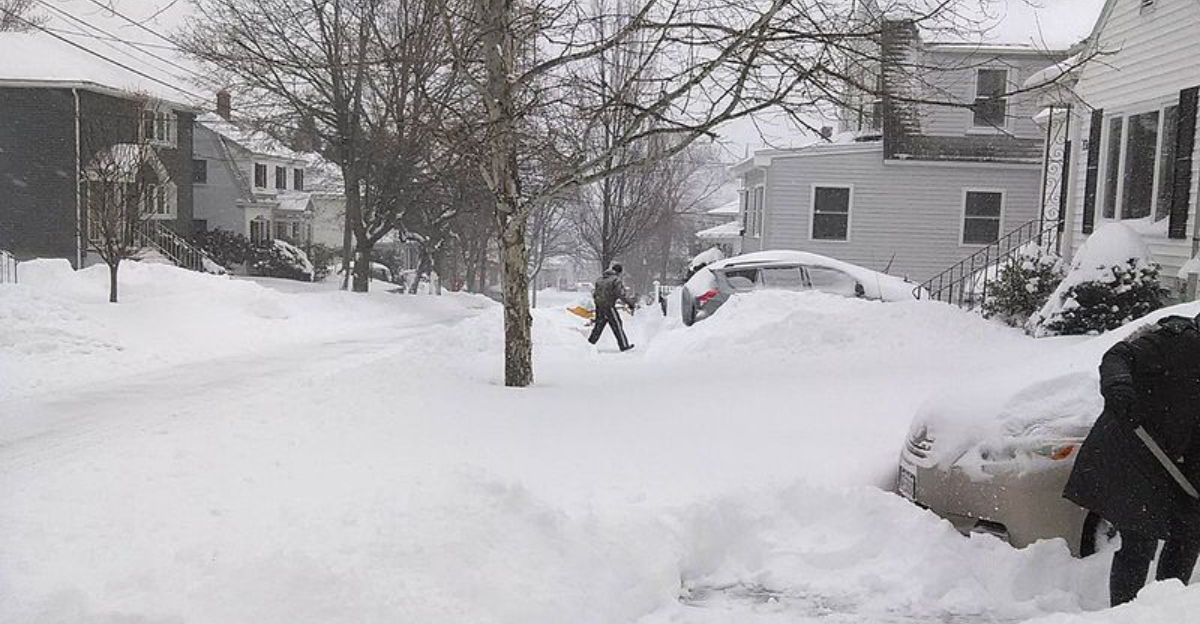
Bitter air is racing south and east, and the chill is about to bite hard. If you have errands, commutes, or winter plans, now is the moment to rethink and prepare. Slick roads, blowing snow, and dangerous wind chills can turn ordinary routines into risky situations fast.
Stay a step ahead so you can travel safely, keep your home protected, and help neighbors weather the cold spell.
Arctic Cold Tightens Grip Across the Midwest and Great Lakes
A surge of Arctic air is locking into the Midwest and Great Lakes, and you will feel it the moment you step outside. Daytime highs struggle to climb, while nights dip into single digits or below zero, sharpening every gust. Wind chills strip heat fast, turning a short walk into a serious hazard.
Meteorologists highlight frostbite and hypothermia risks, especially for older adults, kids, unhoused neighbors, and anyone working outdoors. Limit time outside, dress in layered, wind resistant clothing, and cover exposed skin. Pets need shelter, warm bedding, and limited outdoor time to avoid painful paw injuries.
Protect your home before the cold fully settles. Open cabinet doors to let warm air circulate around pipes, and let faucets drip if advised by local officials. Seal drafts, check furnace filters, and test carbon monoxide detectors.
Travel plans may need adjustments as the bitter air undercuts road treatments and turns minor issues into emergencies. Pack a car kit with blankets, chargers, gloves, and snacks. This cold spell will not last forever, but smart steps now help you stay comfortable and safe until temperatures rebound.
Snowfall Adds to Hazards as Cold Air Moves East
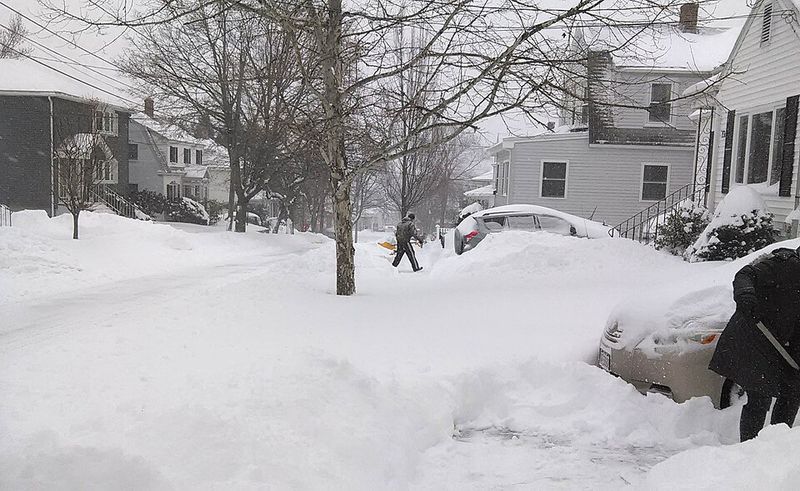
As the cold pushes east, snow spreads across the Midwest, Great Lakes, and parts of the Northeast, creating a tricky mix for travelers. Even light snow sticks when temperatures stay well below freezing, compacting into slick ice. Blowing snow lowers visibility, especially in open stretches and rural corridors.
Lake effect bands line up downwind of the Great Lakes, where cold air passes over comparatively warmer water. These narrow squalls flip conditions from manageable to hazardous in minutes. Slow down, use low beam headlights, and leave extra stopping room.
Morning and evening commutes face the biggest challenges as traffic polishes snow into hard packed ice. Crews work to salt and plow, but bitter air blunts the melting power of treatments. Airports can face de icing delays and runway closures.
If you must drive, build time into your schedule and carry an emergency kit with blankets, water, and a scraper. Keep your gas tank at least half full to prevent fuel line freeze ups. When forecasts call for bursts of heavy snow, consider delaying non essential trips and let the storm pass.
Northeast and Appalachians Brace for Bitter Wind Chills
The Northeast and Appalachians are next in line for the sharpest edge of the Arctic blast. Wind chills become the headline risk as strong gusts combine with low temperatures. In higher terrain, it can feel well below zero, bringing frostbite risks in minutes without proper protection.
Bundle up with insulated layers, a wind blocking shell, and warm boots and mittens. Cover your face and ears, and keep outdoor tasks short. Utilities anticipate heavy demand, so conserve energy where possible and report outages quickly.
Communities may open warming centers to help anyone struggling to heat their homes. Check on neighbors who might need a hand, especially older adults and families with infants. Pets and livestock need wind shelter, unfrozen water, and extra feed.
Expect several days of harsh conditions before the pattern eases. Keep cell phones charged and flashlights ready, and review your household plan for heat loss or travel disruptions. When wind chills plunge, small choices like wearing dry socks, staying hydrated, and limiting exposure add up to a safer day.
Officials Urge Preparedness During Prolonged Cold Spell
Preparation is your best defense when Arctic cold lingers. Even routine tasks become risky when temperatures plunge and wind speeds rise. Build a home kit with blankets, flashlights, batteries, shelf stable food, and bottled water, and keep it where you can grab it quickly.
Winterize your home by insulating exposed pipes and letting faucets drip during extreme cold. Know how to use space heaters safely, keeping them three feet from anything flammable. Never use grills or generators indoors due to carbon monoxide, and test detectors on every floor.
Out on the road, keep a winter kit with warm clothing, traction aids, a shovel, and snacks. Maintain at least half a tank of fuel and a phone charger in case of delays. If your car breaks down, stay with the vehicle and call for help.
Remember that cold hazards often linger after snow ends. Icy sidewalks, frozen infrastructure, and crusted snow can cause slips and falls. Keep salt or sand on hand, step carefully, and check local alerts so you can adjust plans as conditions evolve.



