 Unearth The Voyage
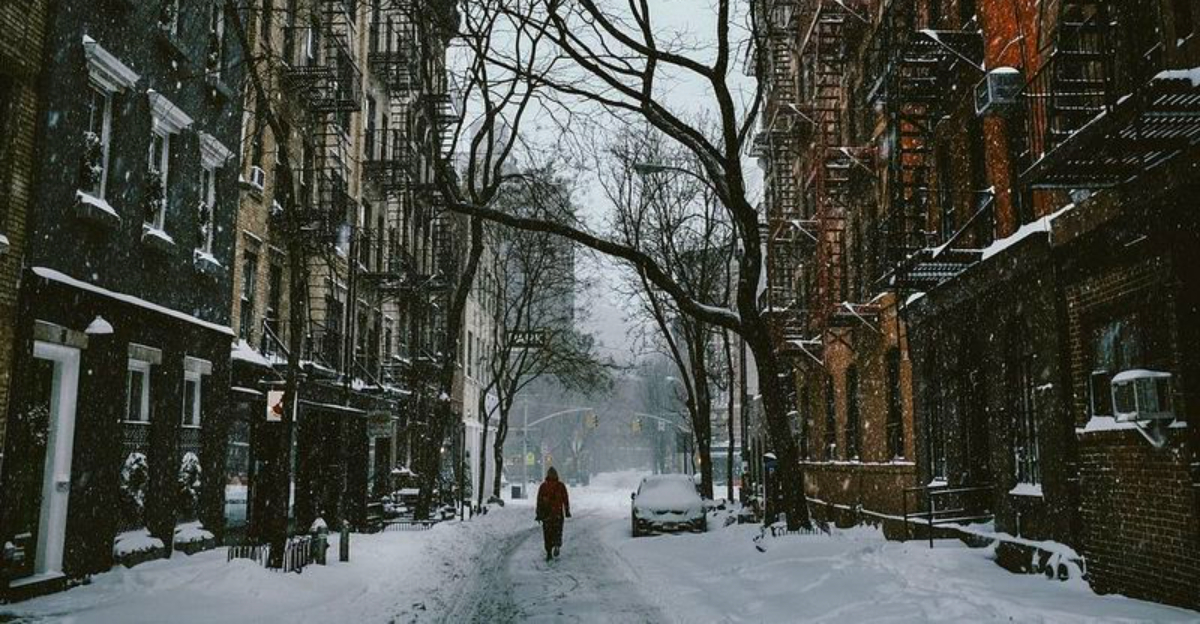
A fast-moving Arctic storm is roaring across the Midwest, flipping calm scenes into whiteouts in minutes. You will notice the sudden shift as skies darken, winds howl, and roads glaze with ice. The stakes feel higher with each mile, especially as temperatures crash and lake-effect bands set up.
Stay a step ahead now so you are not caught off guard later.
Ahead of the main Arctic system, snow squalls race like stealth storms, transforming good visibility into a blinding sheet within moments. You might see wet pavement, then suddenly feel tires slip as a flash freeze coats the lanes. The abrupt hit of wind and snow mirrors a thunderstorm’s punch, but colder, sharper, and shorter.
Drivers face the most peril on interstates where speed masks danger until it is too late. The right move is to slow immediately, avoid cruise control, and increase following distance as visibility collapses. Even after a squall passes, ice lingers while temperatures plunge, setting traps on bridges, ramps, and untreated stretches.
Officials link past multi-vehicle pileups to these bursts, where chain reactions unfold in seconds. Your best defense is preparation: headlights on, signals early, and an emergency kit within reach. If you enter a wall of white, focus forward, avoid sudden braking, and exit traffic when safe.
Unlike long-duration snow, squalls end quickly, but the freeze behind them bites hard. Moisture left on roads becomes black ice that hides beneath fresh powder. Respect the suddenness, and you will respect the storm.
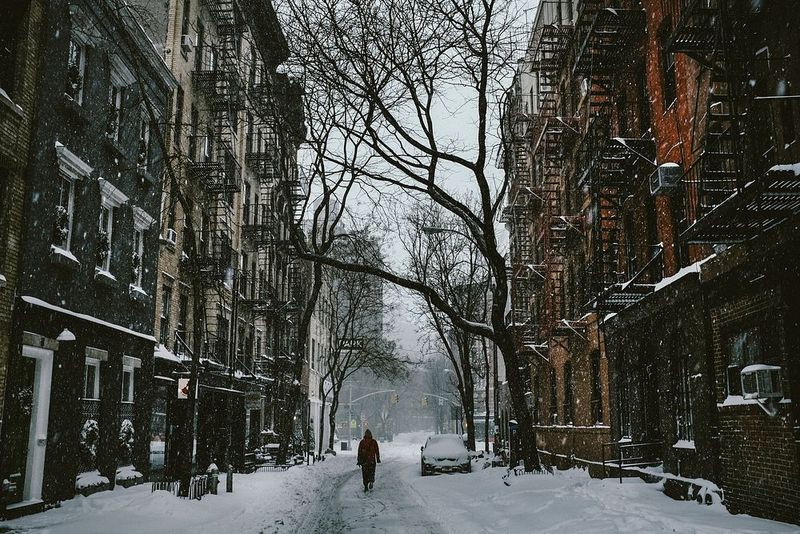
Behind the front, the Arctic air bites through layers, dropping temperatures so fast you feel it in your fingertips. Wind chills below zero turn quick errands into risky exposures, especially for anyone stuck outdoors. It is not just cold, it is energy-sapping cold that makes metal sting and breath crystallize.
Strong winds amplify the chill, lowering skin temperature rapidly and raising frostbite risk. Cover exposed skin, wear moisture-wicking base layers, and bring pets inside before it becomes dangerous. Vulnerable neighbors and unhoused residents need extra support as shelters fill and resources stretch.
Protect your home too: insulate exposed pipes, open cabinet doors where plumbing runs cold, and let faucets drip overnight. Keep a backup heat plan and conserve power when grids strain under peak demand. A small preparation now prevents costly damage later.
Arctic outbreaks often linger, keeping sidewalks slick and batteries sluggish long after snowfall ends. Check on vehicles, top off fuel, and carry a winter kit with blankets, chargers, and snacks. The air will ease eventually, but tonight it means business.
Cold air sweeping across warmer lake waters turns moisture into narrow, intense snow bands. One neighborhood can be buried while a mile away stays nearly clear. When alignment is right, snowfall rates surge past an inch per hour, reducing visibility to almost nothing.
Communities downwind of lakes Michigan, Erie, and Ontario know the drill: bursts, breaks, then another band with a sting. Plows struggle to keep up as roads get re-covered between passes. Your commute demands hyperlocal awareness because conditions flip quickly from manageable to treacherous.
Lake-effect often outlasts the main storm, stretching cleanup into days as winds shift the bands. Watch for sudden advisories, as warnings activate when convergence sharpens. School schedules, deliveries, and flights all flex to the bands’ wandering path.
Prepare for gradients: carry a shovel, extra washer fluid, and traction aids even if your street looks fine. Check radar loops to see band placement before heading out. Local alerts and spotters become your best friends until the lakes calm down.
The mix of squalls, Arctic cold, and lake-effect bands keeps travel conditions volatile across highways and hubs. Even short drives can turn stressful if a whiteout forms or wind chills halt stranded vehicles. Airports juggle de-icing queues while rail systems slow through drifts and ice.
Pack a winter kit with blankets, water, snacks, a flashlight, and a phone charger. Keep the fuel tank half full, clean sensors and cameras, and know alternate routes. If you slide off the road, stay with the vehicle, call for help, and conserve heat safely.
Hazards do not end when the radar clears. Refreezing after sunset, drifting snow, and lingering black ice extend risk for days. Pedestrians face slick crosswalks and reduced visibility near plow piles.
Stay weather-aware by enabling alerts, checking DOT cameras, and adjusting plans early. Rescheduling a trip beats getting stuck in subzero wind. Preparation and patience turn a chaotic stretch into a survivable one.



