 Unearth The Voyage
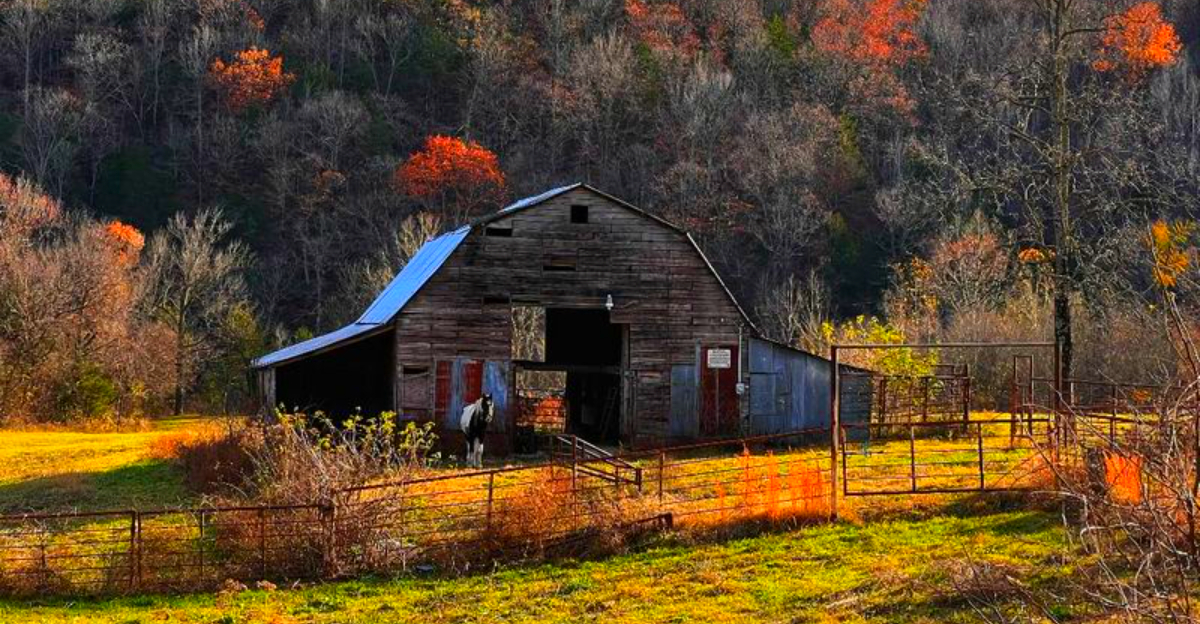
Jasper sits where the Buffalo River breathes, and everything in town seems to inhale with it. You hear the river first, a steady hush that threads between limestone bluffs and a tidy courthouse square.
Breakfast chatter includes water levels and elk sightings like weather reports. If you love places that feel stitched into their landscape, this corner of Newton County gets under your skin fast.
Sunrise On The Buffalo National River
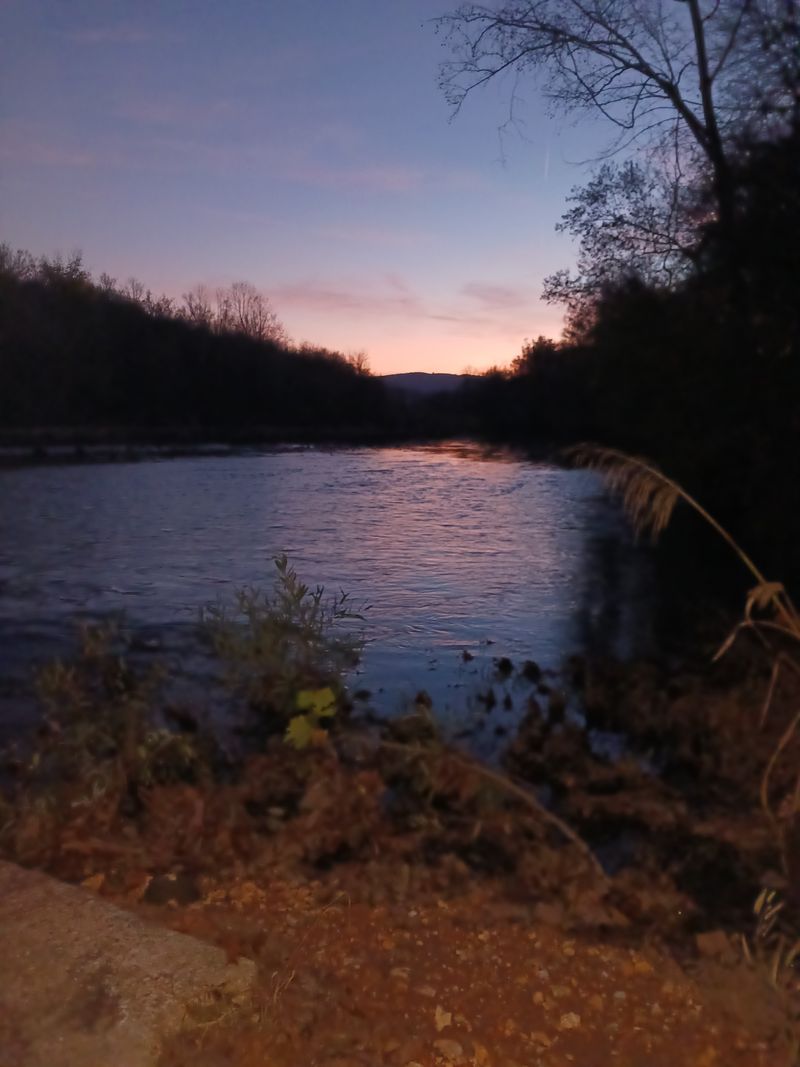
Stand on the gravel bar before dawn and you will hear the Buffalo waking up. The water is glassy, milky green, and a thin mist unspools from the channel like steam from a kettle.
A kingfisher rattles somewhere up river, and your breath makes small clouds that vanish as the light slides down the bluff.
The bluffs are the show, stacked limestone like rib bones holding the valley together. As the sun clears the ridge, the rock warms from pewter to honey, and details pop: solution pockets, trickling seeps, ferns pressed flat against moisture.
Step into the river and feel that unmistakable mountain cold that bites the ankles.
Locals measure time by flows. The National Park Service posts cubic feet per second, and you will hear people use the numbers like a second language.
Low water means dragging boats but mint clear pools for swimming. Shoulder seasons shine, when crowds thin and the river gives you whole hours without another voice.
Hiking The Goat Trail To Big Bluff
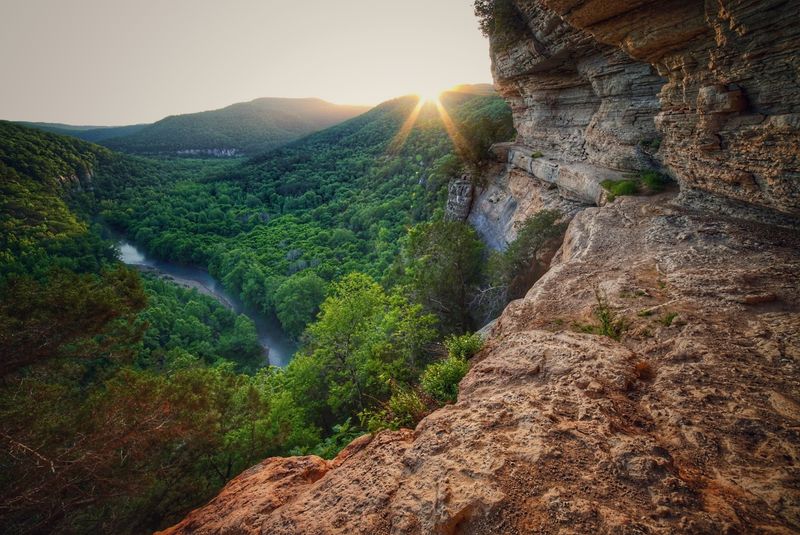
The Goat Trail is not a place for wobbly knees, and that is part of its magnetism. The path clings to Big Bluff, a 500 foot limestone wall that drops straight to a loop of the Buffalo below.
Your boots scrape on chert and tiny cedar cones, and the exposure grips the belly like a hand.
At the ledge, wind hums through stunted cedars twisted by years of weather. The river looks painted, an oxbow slice of teal set into a quilt of oak and beech.
Sit long enough and turkey vultures ride thermals at eye level, lazy as kites.
Carry water, respect the edge, and give yourself time for the out and back. The trail can feel crowded on prime weekends, but dawn solves that.
Park at the Centerpoint trailhead, and remember that the hike climbs on the way out when legs are rubbery. On cool days, rock shade lingers, and the cliff feels like a cathedral.
Elk Watching In Boxley Valley
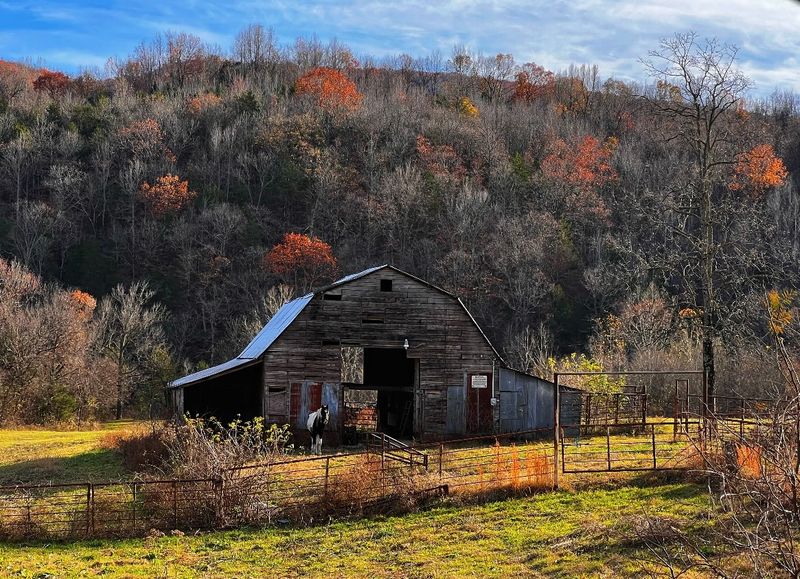
Mornings in Boxley begin with fog and elk chatter. Park along the valley pullouts and listen for the squeal and flute of a bull’s bugle as the light lifts from blue to gold.
Hooves click on the road occasionally, a reminder to slow down and pull fully off the pavement.
The herd moves through hayfields like brown boats on a green sea. Calves stay tight to cows, and the big bulls angle their antlers like oars.
Photographers line the fence line, whispering about composition while breath catches in cold air.
Respect distance. Rangers ask people to stay in cars or at least the width of a football field away, and you will get better images with patience anyway.
Peak rut hits in fall, usually September into October, and the soundscape is worth the early alarm. According to the Arkansas Game and Fish Commission, elk numbers in the Buffalo River area hover near 500 animals, a steady, carefully managed population.
Downtown Jasper: Courthouse Square And Coffee
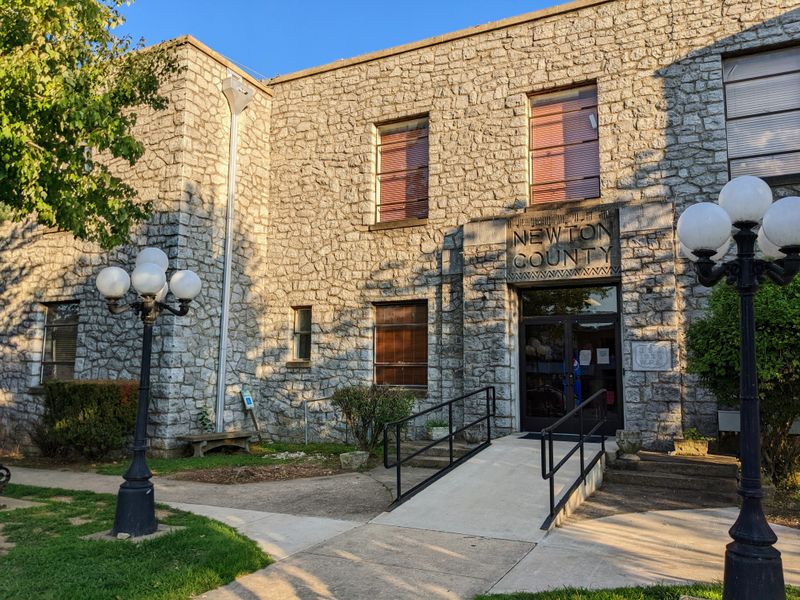
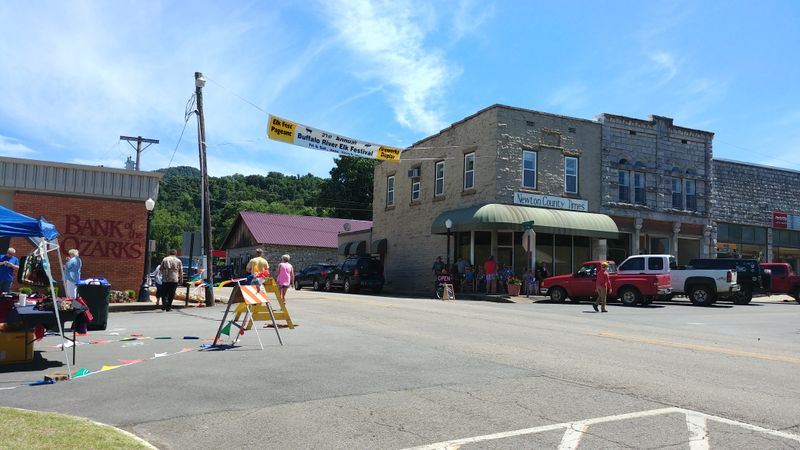
Jasper’s square wakes up with the scrape of metal chairs and the knock of mugs on wood tables. Trucks idle at the curb, windows down, dogs watching the world like bouncers.
Someone asks about river levels, and within a minute you have directions, a weather report, and where to get biscuits before the lunch rush.
The courthouse anchors everything, a brick steadiness that makes you slow your walk. Old signs advertise feed, hardware, and a barbershop with a hand painted pole.
The rhythm is unhurried but not sleepy, like a river at summer stage.
Grab coffee and a cinnamon roll and sit outside, where the square feels like a living bulletin board. Flyers for float shuttles, trail work days, and community suppers share space with lost dog notes.
If you need a shuttle, ask at the counter. You will likely get a handwritten cell number and better intel than any algorithm can provide.
Horseshoe Canyon Ranch: Climbing And Quiet
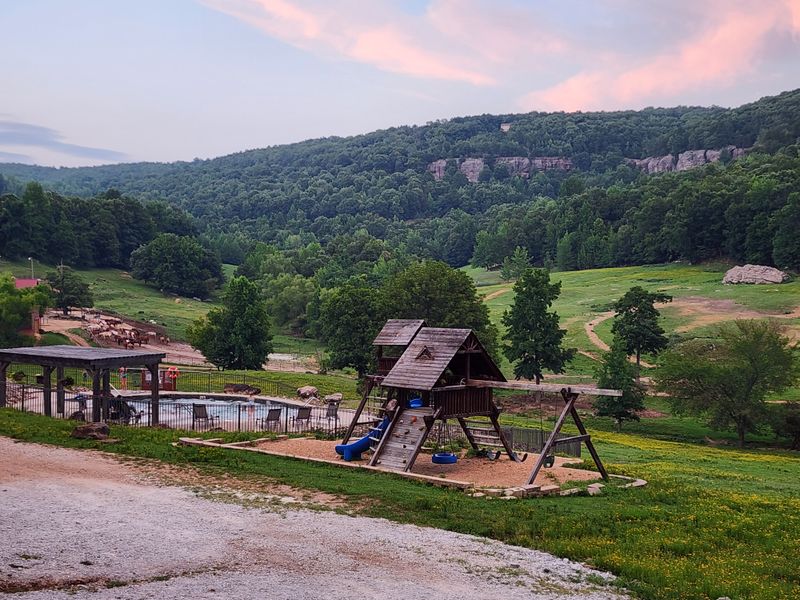
Pastures give way to sandstone and the quick clink of hardware at Horseshoe Canyon Ranch. Climbers speak in route names like locals talk creek crossings, pointing out lines with chalky fingertips.
The canyon holds heat on cold days and offers shade when summer bakes, a perfect training ground with friendly approaches.
If you climb, you already know HCR’s reputation for well bolted routes from 5.7 to test pieces. If you do not, it is still worth walking the base trails to watch graceful problem solving on stone.
Ranch cabins tuck into the hills, and the smell of cedar smoke floats at dusk.
Keep boots ready for cow patties and be courteous at gates. Pay your day fee, sign waivers, and follow ranch rules.
Autumn is electric with color and dry rock. Spring brings wildflowers and creeks whispering in side hollows.
Guide services operate seasonally and can introduce beginners without turning the place into a classroom.
Waterfall Chasing: Hemmed In Hollow And Beyond
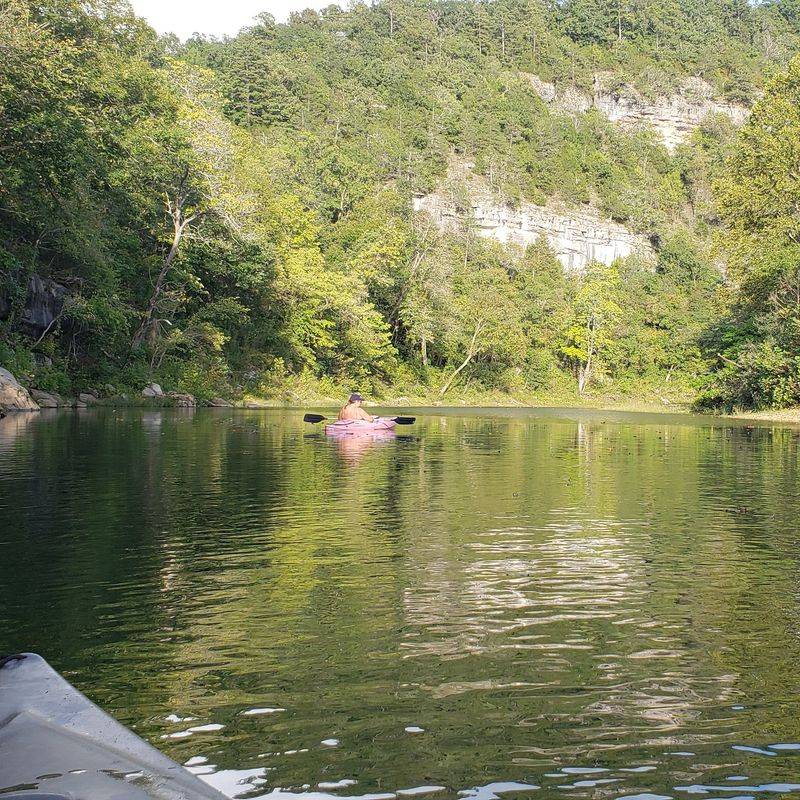
Water shapes this landscape, and waterfalls are its exclamation points. Hemmed In Hollow drops like a white string from the sky, a 200 plus foot ribbon into a shaded bowl.
The trail is stout on the way out, all switchbacks and slick leaves after rain, so save energy.
On wet springs, side hollows wake up with anonymous falls that will never see a brochure. You hear them before you see them, a shifting hush behind a curtain of beech and maple.
Rocks wear moss like velvet, and your shoes pick up the mineral smell of seep trickles.
Start early, bring a dry layer, and watch your footing on limestone polished by boots. If flows are strong, creek crossings will test balance.
Ask locals about Glory Hole Falls and Lost Valley for varied terrain. The National Park Service notes that spring months bring the most reliable water, and trail closures can pop up after storms, so check updates before driving gravel.
Scenic Drives: Arkansas Highway 7 And Overlooks
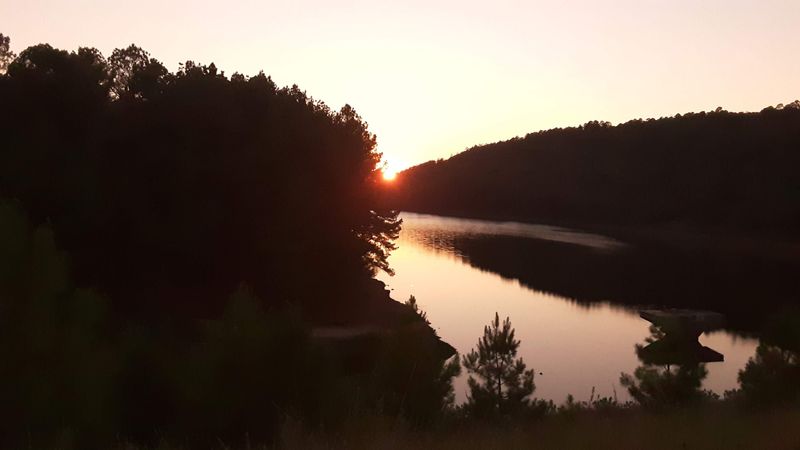
Highway 7 climbs out of Jasper in patient curves, teasing views between black gum and pine. Pull over at the Rotary Ann or Horseshoe Canyon overlooks and let the ridgelines stack like folded paper to the horizon.
Engines cool with a ticking sound while wind moves through grass along the rail.
Locals treat this road like a favorite song, humming along at relaxed speeds. Motorcyclists lean into sweepers with grins that show through helmets.
After rain, the smell of wet leaf litter rises like tea, earthy and calming.
Bring a small picnic and a map, because cell service fades in and out. Fall color can bottleneck traffic, so hit weekday mornings.
The Arkansas Department of Transportation rates portions of Highway 7 as a state scenic byway, and it earns the label. Even quick loops reveal trailheads and creek bridges you will want to mark for later exploration.
Floating Seasons: Pruitt To Hasty
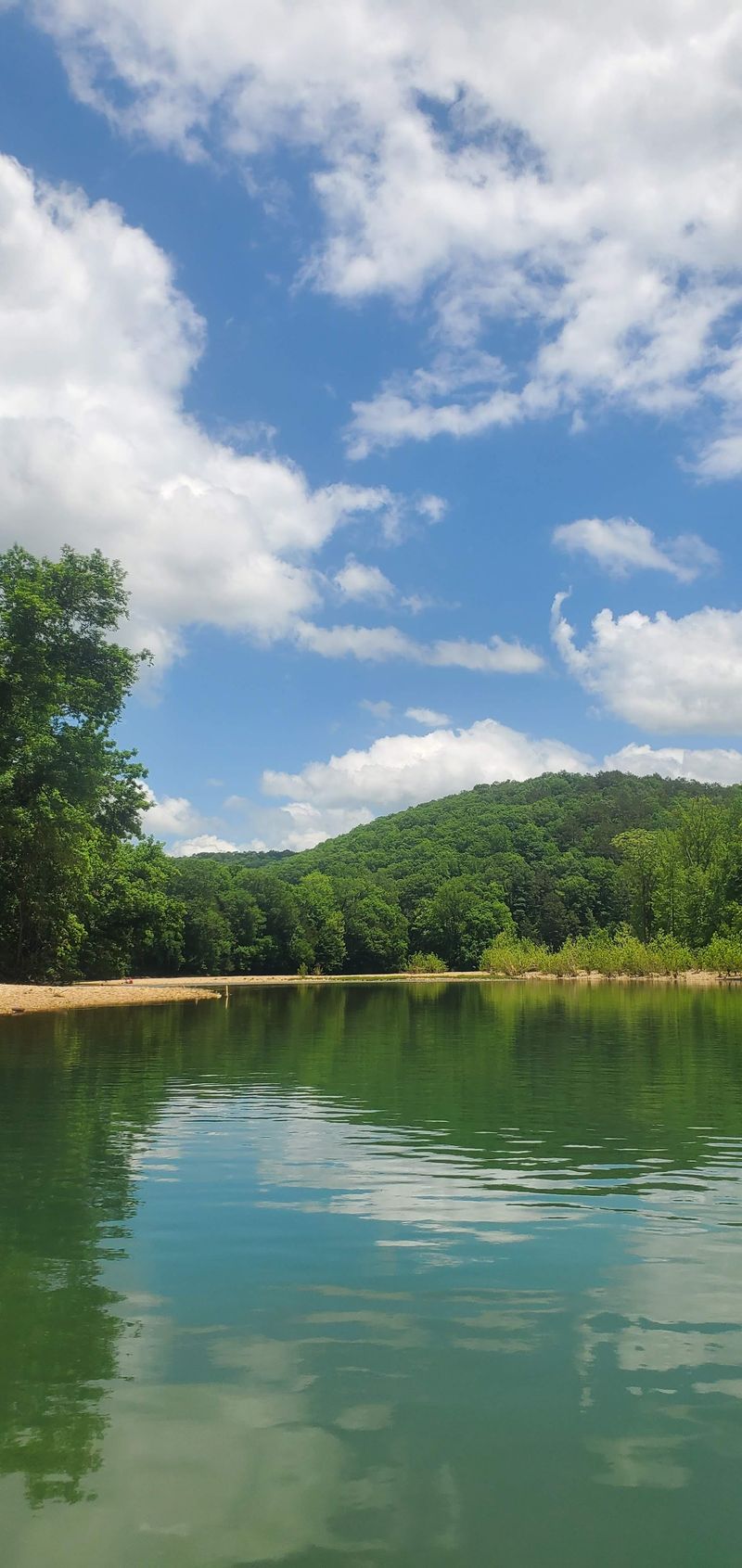
The Pruitt to Hasty stretch is a sampler platter of the Buffalo’s moods. You launch with a shiver and immediately slip past bluffs that mirror in green water.
Gravel bars appear like commas, perfect for skipping stones and comparing picnic strategies.
Flow matters. Outfitters in town watch gauges and will steer you to the sweet spot where riffles sparkle but dragging is rare.
In spring, eddies brim with leaf buds and minnows flicker like loose sequins in the shallows.
Bring a dry bag for snacks and a spare layer, because shade under cliffs is cooler than you think. Respect private land boundaries, pack out everything, and tie down sunglasses.
The Buffalo was America’s first national river, designated in 1972, and recent National Park Service numbers show more than a million visits in strong years. You feel that popularity on holiday weekends, but weekday floats can feel private.
Local Plates: Pie, Catfish, And Campfire Cornbread
Food in Jasper tastes like somebody’s grandmother still checks the seasoning. Expect fried catfish that cracks when you tap it with a fork, hushpuppies that steam on the first tear, and beans sweetened just enough to make you chase another bite.
Pies live in glass cases like trophies, the kind you point to with childish certainty.
Breakfast leans big: biscuits napped in peppered gravy, eggs with edges browned in butter, coffee poured like they want you to stay. At camp, a cast iron skillet turns cornbread into an event, crust singing against the pan while the river hush works its own magic.
Ask servers where they eat on days off. They will tell you which nights chicken fried steak is worth a drive and who does the best blackberry pie after a rain heavy summer.
Portion sizes reflect trail appetites. Prices feel kinder than in big tourism towns, a small relief when you are feeding a hungry crew.
Seasons In Jasper: Practical Planning
Jasper shifts with the calendar, and each season rewrites the playbook. Spring brings waterfalls and cool nights, perfect for long hikes and campfire blankets.
Summer is swim hole season, with glossy afternoons and the hum of cicadas as background music.
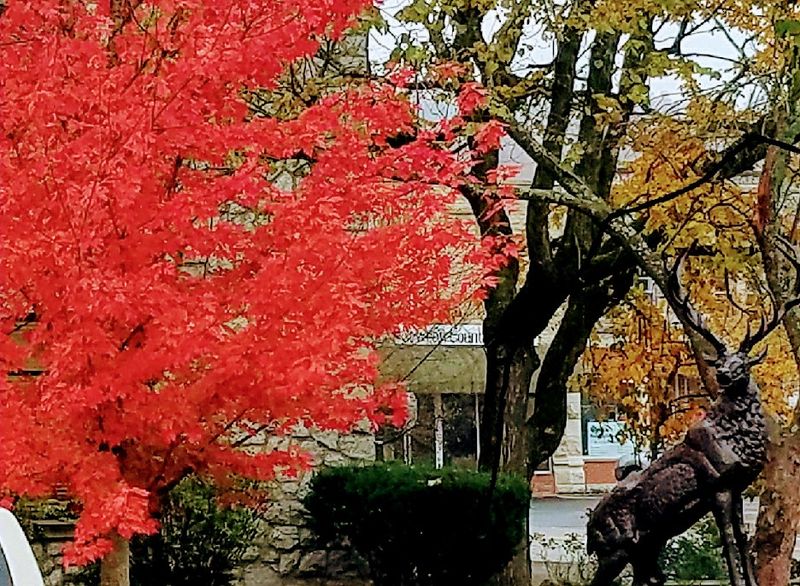
Fall steals the show with sugar maples and sweetgums setting the hills on fire. Elk rut peaks then, and you will share pullouts with tripods at dawn.
Winter clears views and opens quiet, a gift for people who like trails alone and rivers that run steel blue.
Pack for layers year round. Forecasts bend around ridgelines, and a sunny square can mean a chilly canyon.
According to the 2020 census, Jasper’s population sits around 547, which explains why weekends swell when visitors arrive. Book lodging early in leaf season, carry cash for small counters, and expect patchy service.
None of that is a hassle if you plan. It is part of the charm.



